Source Automatic Commercial Fruit Juicer for Cafes, Hotels, and Juice Bars
Find 30 verified suppliers of Automatic Commercial Fruit Juicer machines with varying capacities and automation levels. Compare specifications, prices, and certifications to select the right equipment for your business needs; compare the available evidence and request quotations based on your requirements.
Updated
Key considerations
Products List


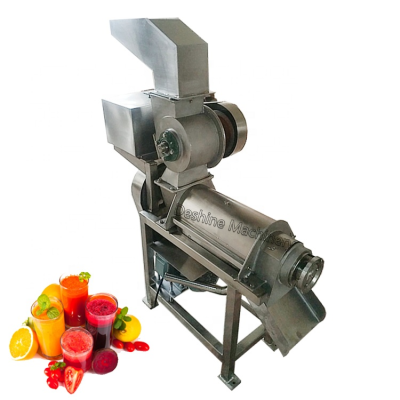


Industrial Cold Press Fruit Juicer Extractor Commercial Automatic Juicer Machine
$1500.00 - $2500.00
MOQ: 1 Pieces
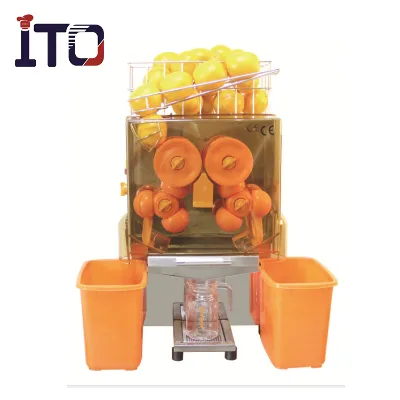
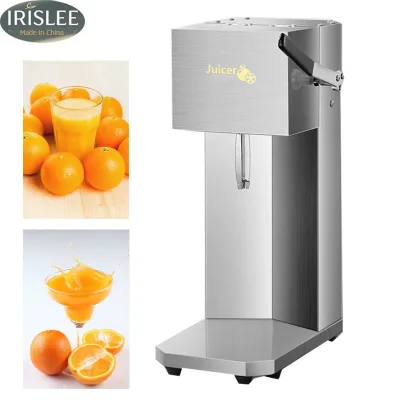
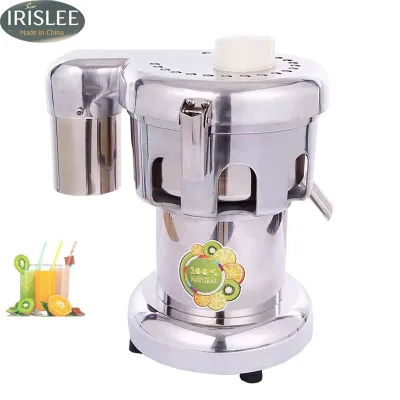


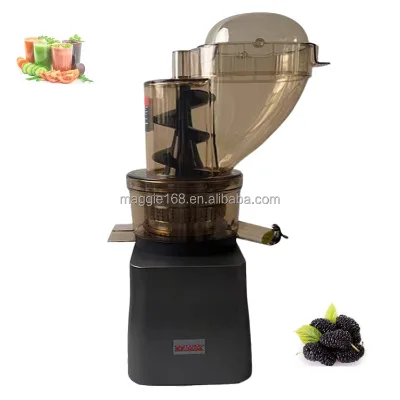
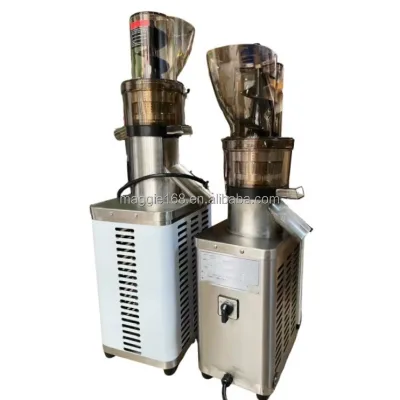
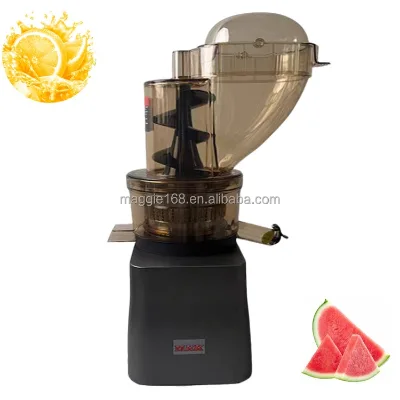
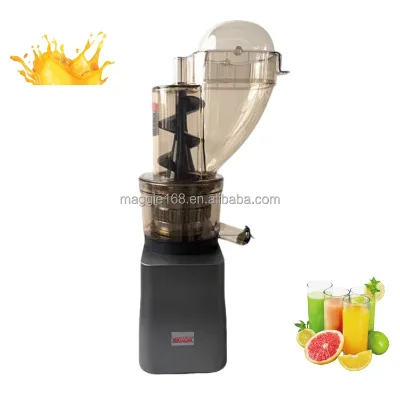
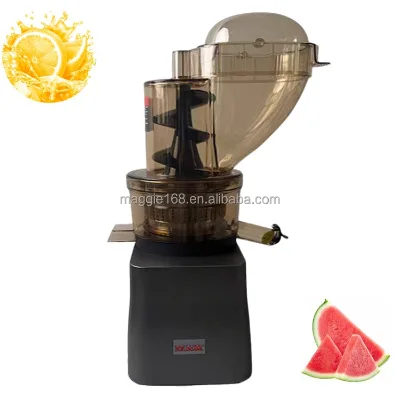
Noise Big Mouth 220V/600W Commercial Cold Press Automatic Slow Fruit or Vegetable Juicer Machine
$512.3276 - $522.5752
MOQ: 1 sets
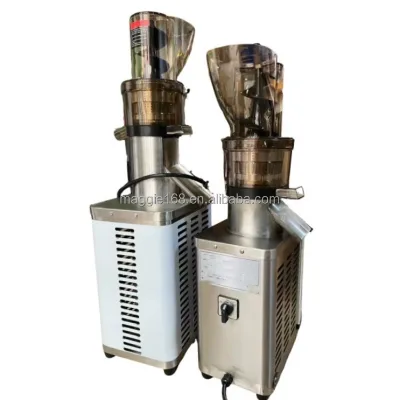

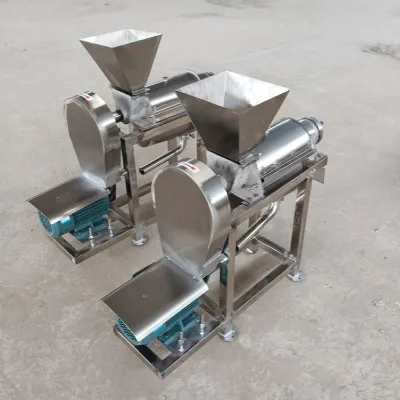
Widely Used Commercial Juicer Machine Fruits and Vegetables Juicer
$1465.2572 - $1844.3795
MOQ: 1 sets


Commercial Passion Fruit Crushing Machine Fruit Juicer Fruit Juicing Machine
$19850.00 - $20300.00
MOQ: 1 pc

Commercial Passion Fruit Juice Processing Equipment Fruit Juicer Food Equipment
$19850.00 - $20300.00
MOQ: 1 pc

Comprehensive Sourcing Guide
Automatic Commercial Fruit Juicer Sourcing Guide
Procuring an Automatic Commercial Fruit Juicer requires a clear understanding of the diverse manufacturing capabilities available in the global market. Buyers must distinguish between small-scale countertop units and high-capacity industrial presses, as the operational requirements differ significantly. The observed product landscape includes models ranging from compact electric juicers to heavy-duty industrial extractors, each serving distinct volume needs. Understanding these distinctions is the first step in aligning equipment selection with actual production demands.
This guide focuses on verifying critical technical and commercial attributes to ensure the selected machinery meets specific operational standards. Key variables such as power consumption, voltage compatibility, and material construction directly impact long-term reliability and total cost of ownership. By systematically evaluating these factors, procurement teams can mitigate risks associated with equipment failure, inefficient throughput, or non-compliance with local safety regulations.
Product Scope and Observed Listing Signals
The current market offers a wide spectrum of automatic juicing solutions, ranging from semi-automatic units to fully automated industrial systems. Observed listings indicate a strong presence of stainless steel housing materials, specifically SUS304 and 316L grades, which are essential for hygiene and corrosion resistance in food processing environments. These materials ensure that the equipment can withstand frequent cleaning cycles and exposure to acidic fruit juices without degrading over time.
Capacity and physical dimensions vary considerably across different product models, reflecting their intended use cases. Some units are designed for smaller footprints with dimensions around 340x270x360 mm, while industrial-grade machines may require significantly larger spaces, such as 1000x320x1280 mm. Buyers should carefully assess their available floor space and throughput requirements to select a model that fits both physical constraints and production volume goals.
Technical Specifications to Verify
Power and voltage specifications are critical for ensuring compatibility with existing facility infrastructure. Available models operate on various voltages, including 220V and 380V, with power ratings such as 1.5KW for smaller units. It is essential to verify that the selected machine’s electrical requirements match the local power supply to prevent operational issues or damage to the motor. Additionally, checking the RPM rating, such as 2800 RPM, helps determine the speed and efficiency of the juicing process.
Material composition and construction quality directly influence durability and maintenance needs. The housing is typically made of stainless steel, while blades may be constructed from alloy materials for enhanced sharpness and longevity. Buyers should confirm the presence of core components like high-quality motors and verify the net and gross weights, which range from 12kg to 100kg, to plan for logistics and installation requirements.
Compliance and Safety Documentation
Certification status is a primary indicator of a manufacturer’s adherence to international quality and safety standards. Many observed products carry certifications such as ISO9001:2008, HACCP, and GMP, which are crucial for food processing facilities. These certifications demonstrate that the manufacturing process meets rigorous hygiene and quality management requirements, reducing the risk of contamination and ensuring consistent product quality.
Additional safety certifications, such as CE and GS, provide further assurance regarding electrical and mechanical safety. Buyers should request valid certificates for the specific model being purchased, as compliance can vary between different product lines. Verifying these documents before placing an order helps ensure that the equipment meets local regulatory requirements and can be legally operated in the target market.
Cost Drivers and Commercial Terms
Pricing for automatic commercial fruit juicers varies widely based on capacity, automation level, and material quality. Observed price ranges span from approximately $25 to $20,300, reflecting the diversity from basic electric units to complex industrial systems. Buyers should align their budget with the specific features required, such as automatic pulp ejection or full automation, rather than opting for the lowest price without considering long-term operational efficiency.
Minimum order quantities (MOQ) and packaging standards also influence the total procurement cost. MOQs typically range from 1 to 10 units, offering flexibility for small businesses and larger enterprises alike. Packaging methods, including wood packages, frameworks, and export-standard cartons, must be evaluated to ensure safe transit and to factor in any additional handling or unpackaging costs at the destination.
Supplier Qualification and Quality Control
Supplier location and origin play a significant role in logistics planning and lead time estimation. Many manufacturers are based in regions like Shanghai and Henan in China, which are known for their industrial manufacturing capabilities. Buyers should verify the supplier’s location to assess shipping costs and potential delays, while also considering the availability of local support or spare parts.
Quality control measures, such as video outgoing inspections, provide an additional layer of assurance before shipment. These inspections allow buyers to visually verify the condition and configuration of the machine prior to dispatch. Requesting such documentation helps build trust and ensures that the delivered product matches the agreed-upon specifications, reducing the risk of receiving defective or incorrect equipment.
Long-Term Procurement Checks
Warranty terms and after-sales support are vital for minimizing downtime and maintenance costs. Most observed products offer a one-year warranty, which covers defects in materials and workmanship. Buyers should clarify the scope of the warranty, including whether it covers labor and shipping costs for repairs, to understand the full extent of the supplier’s commitment to product reliability.
Regular maintenance and spare part availability are key considerations for long-term operation. The use of standardized components and clear maintenance procedures, such as grinding mode operations, facilitates easier upkeep. Buyers should inquire about the availability of replacement parts, such as blades and motors, to ensure that the equipment can be maintained efficiently throughout its lifecycle, preserving its performance and value.
FAQs
What power and voltage options are available for automatic commercial fruit juicers?
Automatic commercial fruit juicers typically offer 1.5KW power ratings with 220V or 380V voltage options. These configurations support both full-auto and semi-auto control types. Buyers can select models based on their facility's electrical infrastructure. High efficiency is maintained across these power settings to ensure consistent juice extraction performance for commercial operations.
Which materials are used in the construction of these juicer machines?
Housing materials commonly include SUS304 or 316L stainless steel for hygiene and durability. Some models utilize aluminum combined with stainless steel and motor components. Blade materials are often alloy-based to withstand heavy grinding modes. These material choices ensure compliance with food safety standards while providing robust performance in industrial environments.
Can these machines be customized for specific production requirements?
Yes, customization is available for automatic commercial fruit juicers. Buyers can request specific model numbers and dimensions to fit their space. Production standards range from 5TPH to 30TPH depending on the configuration. Customized packaging options like wood packages or export standard cartons are also provided to meet logistical needs.
What certifications do these juicer machines typically hold?
These machines often hold ISO9001:2008, HACCP, and GMP certifications. Some models also feature CE and GS certifications for safety compliance. These credentials verify that the manufacturing processes and product safety meet international standards. Buyers can rely on these certifications to ensure regulatory compliance in their respective markets.
What are the typical packaging and shipping details for these units?
Packaging varies by model, including wood packages with frameworks or export standard cartons. Dimensions range from approximately 340mm to 1000mm in length. Net weights typically range from 12kg to 100kg depending on capacity. Video outgoing inspections are provided to verify condition before shipment, ensuring safe delivery to the destination.
Where are these automatic fruit juicers manufactured?
These machines are primarily manufactured in China, with origins in Shanghai and Henan provinces. Suppliers in these regions offer various models with different specifications. Buyers can source directly from these locations to access a wide range of industrial juicing equipment. The manufacturing hubs provide established supply chains for global distribution.