Source Automatic Gas Heating Peanut Roaster for Snacks, Nuts, Seeds
Find 30 Automatic Gas Heating Peanut Roaster options from China. Compare models like QD-CH25E and GG-HLG-11, featuring stainless steel construction, 3kw power, and capacities up to 1000 kg/h for snack food and tea industries; compare the available evidence and request quotations based on your requirements.
Updated
Key considerations
Products List


Automatic Belt Type Gas Peanut Roasting Machine Groundnut Roaster Machine
$10000.00 - $20000.00
MOQ: 1 Sets

Automatic Gas Heating Groundnut Roaster Peanut Roasting Machine with Cooling
$3999.00 - $69999.00
MOQ: 1 Sets
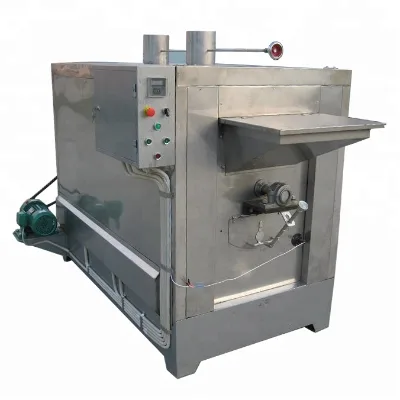
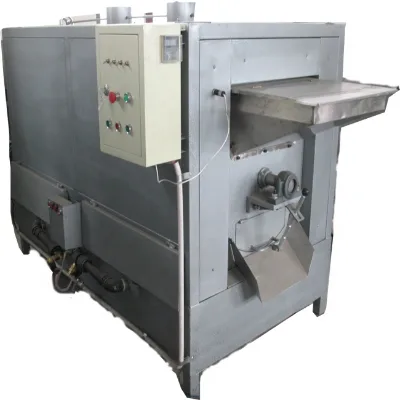
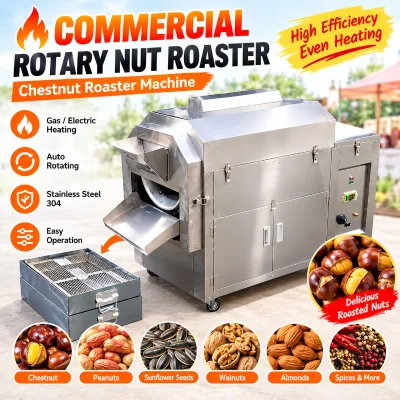
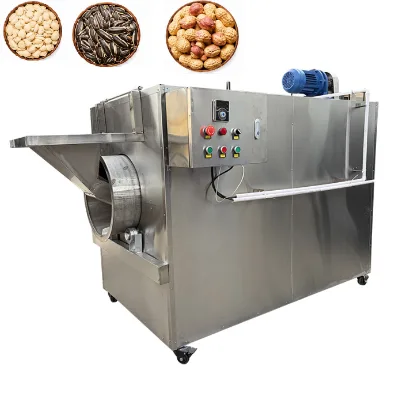
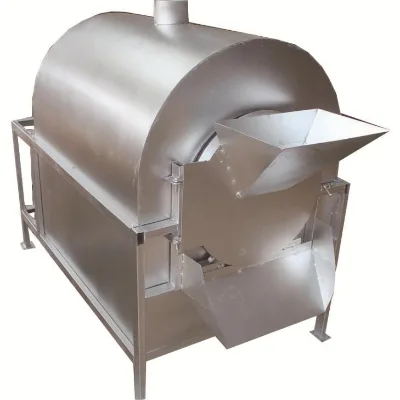

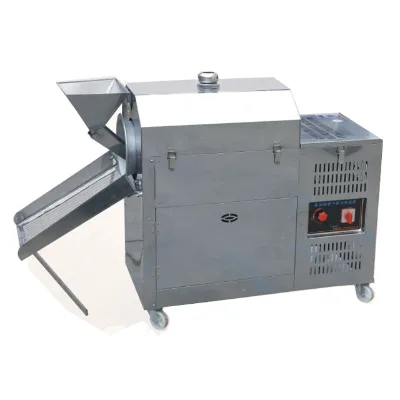


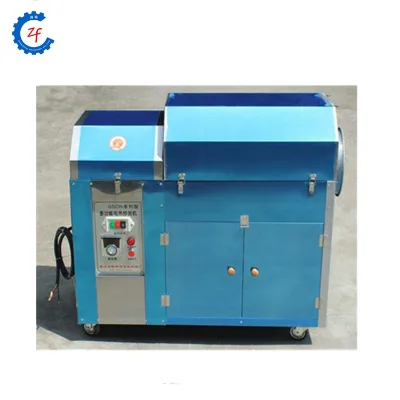
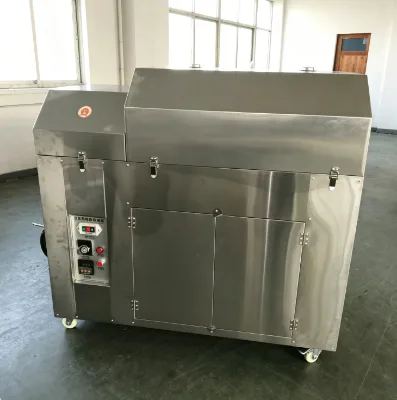
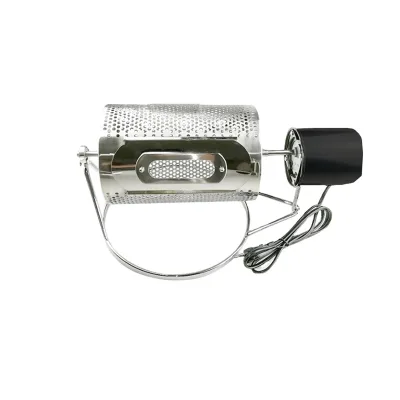
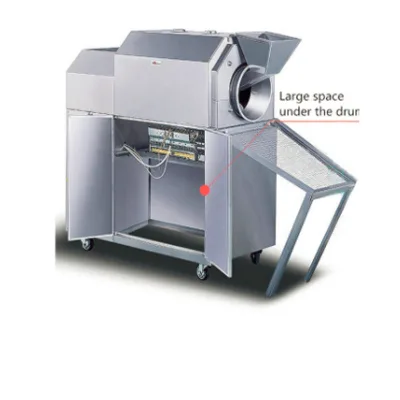
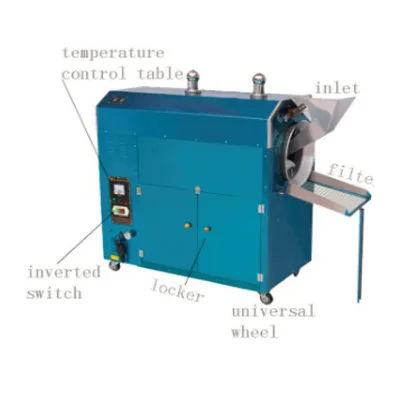
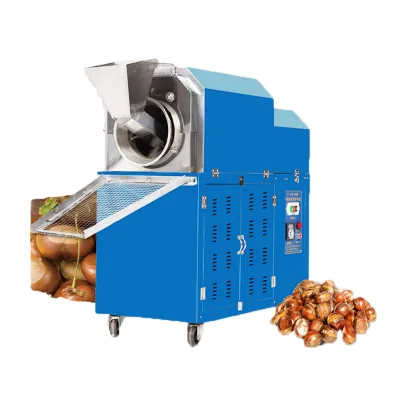
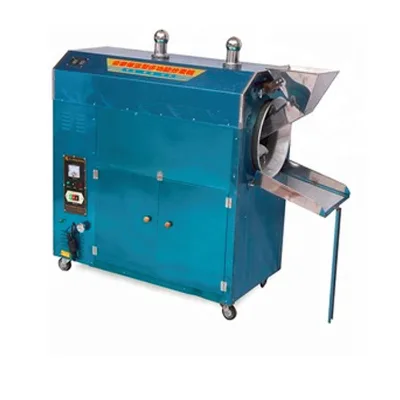
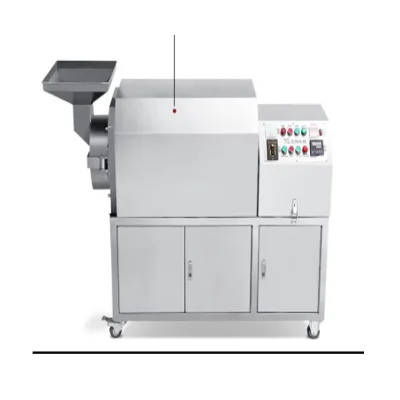
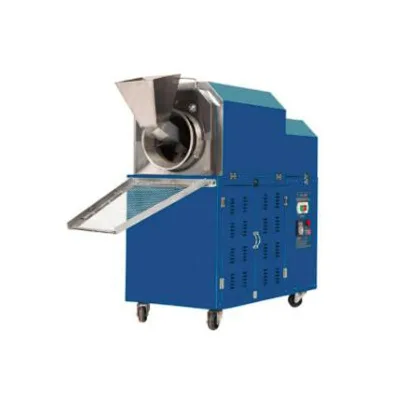
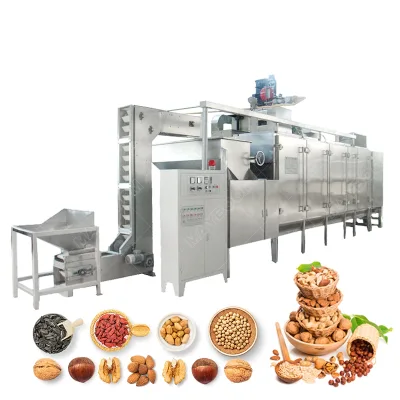


Comprehensive Sourcing Guide
Automatic Gas Heating Peanut Roaster Sourcing Guide
Procuring an Automatic Gas Heating Peanut Roaster requires a careful balance between throughput capacity and energy efficiency, particularly for snack food and tea industries. Buyers must first define their daily processing volume to select between small-scale units and high-capacity industrial lines. The observed market includes models with capacities ranging from 12.5 kg/h to 500-1000 kg/h, allowing for precise alignment with production needs. Understanding these operational limits ensures that the selected machinery integrates smoothly into existing workflows without creating bottlenecks or underutilizing expensive equipment.
Energy source selection is critical, as gas heating offers distinct advantages in temperature control and operational cost for continuous roasting processes. Many available units specify gas as the primary power source, with some offering dual fuel options including electricity for flexibility. Buyers should verify the specific voltage requirements, such as 380V or 220V, to ensure compatibility with their facility’s electrical infrastructure. Additionally, confirming the power consumption, which can range from 2.2 kW to 9 kW depending on the model, helps in calculating long-term operational expenses and ensuring the site’s utility capacity is sufficient.
Product Scope and Observed Listing Signals
The current market for automatic peanut roasters features a diverse range of models, from compact units like the QD-CH25E to larger industrial systems such as the GG-HLG-11. Listings indicate a price range of $48 to $69,999, reflecting significant variations in capacity, automation level, and build quality. Most suppliers offer a minimum order quantity of one unit, facilitating easy entry for small businesses or pilot projects. This wide spectrum allows buyers to scale their operations gradually, starting with smaller machines for niche markets before investing in high-volume production lines.
Key selling points frequently highlighted include ease of operation, automatic controls, and robust construction materials like stainless steel. These features are essential for maintaining hygiene standards and reducing labor intensity in busy production environments. The observed listings also emphasize customization availability, allowing buyers to tailor dimensions and functions to specific spatial constraints or product requirements. Understanding these signals helps buyers identify suppliers who prioritize user-friendly interfaces and durable materials, which are crucial for minimizing downtime and maintenance costs over the machine’s lifespan.
Technical Specifications to Verify
When evaluating technical specifications, buyers must prioritize the roasting mechanism and cooling integration. Some models combine roasting and cooling functions in a single unit, which streamlines the production process and improves product quality by preventing residual heat from overcooking the nuts. It is essential to verify the heating method, ensuring it aligns with the facility’s gas supply infrastructure. Additionally, checking the machinery’s weight and dimensions, such as the 985470850mm footprint for certain models, ensures that the equipment fits within the designated production area without requiring extensive facility modifications.
Power source compatibility and voltage stability are critical technical factors that often lead to operational issues if overlooked. Buyers should confirm whether the machine operates on 220V or 380V power and whether it supports gas heating as the primary energy source. The warranty period, typically one year for new units, provides a baseline for expected reliability, but buyers should also inquire about the availability of spare parts and technical support. Verifying these details ensures that the purchased roaster can operate continuously without unexpected failures, maintaining consistent output quality for peanuts, cashews, and other nuts.
Compliance and Safety Documentation
Safety and regulatory compliance are non-negotiable aspects of sourcing industrial roasting equipment. Buyers must request documentation proving that the machinery meets relevant safety standards, such as CE and ISO9001 certifications, which indicate adherence to quality management and safety protocols. These certifications are crucial for ensuring that the electrical and gas components are designed and manufactured to minimize risks of fire, explosion, or electrical shock. Without proper certification, the equipment may not be insurable or compliant with local workplace safety regulations, leading to potential legal and operational liabilities.
Documentation should also include detailed operational manuals and safety guidelines specific to gas heating systems. These materials provide essential instructions for safe startup, shutdown, and emergency procedures, which are vital for training staff and preventing accidents. Buyers should verify that the supplier provides clear information on gas pressure requirements and ventilation needs to ensure safe operation. Additionally, confirming the material composition, such as the use of stainless steel for food-contact surfaces, helps ensure that the roaster meets hygiene standards required for food processing industries, protecting both the product and the brand’s reputation.
Cost Drivers and Commercial Terms
The total cost of ownership for an automatic peanut roaster extends beyond the initial purchase price, encompassing installation, energy consumption, and maintenance. Gas heating systems may have lower fuel costs compared to electric alternatives in regions with cheap natural gas, but buyers must account for the cost of gas line installation if not already present. The observed price range of $48 to $69,999 reflects these variables, with higher prices typically associated with larger capacities, advanced automation, and comprehensive warranty coverage. Buyers should request detailed quotes that break down these costs to make informed financial decisions.
Commercial terms such as payment methods, shipping arrangements, and after-sales support significantly impact the procurement process. Most suppliers offer standard export packaging, such as wooden boxes, to protect the machinery during transit, but buyers should confirm who bears the risk and cost of shipping. Lead times can vary based on customization requirements and production schedules, so establishing clear delivery timelines is essential for planning production launches. Additionally, negotiating terms for spare parts availability and technical support ensures that any future maintenance issues can be resolved quickly, minimizing production downtime and associated costs.
Supplier Qualification and Quality Control
Selecting a reliable supplier is paramount to ensuring the long-term success of the roasting operation. Buyers should verify the supplier’s manufacturing capabilities, including their facility location and production history, to assess their ability to deliver consistent quality. Many suppliers are based in China, with origins in regions like Henan and Shanghai, which are known for their industrial manufacturing expertise. Checking for certifications such as ISO9001 and CE provides evidence of the supplier’s commitment to quality management systems and international safety standards, reducing the risk of receiving substandard equipment.
Quality control measures should be explicitly discussed during the procurement process, including pre-shipment inspections and testing protocols. Buyers should request evidence of factory audits or third-party inspections to verify that the machinery meets the specified technical parameters. Additionally, inquiring about the supplier’s warranty policy and after-sales service network ensures that any defects or operational issues can be addressed promptly. Establishing a clear communication channel with the supplier for technical support and spare parts ordering is crucial for maintaining the roaster’s performance and extending its operational life.
Long-Term Procurement Checks
Long-term procurement success depends on the supplier’s ability to provide ongoing support and adapt to evolving market needs. Buyers should assess the supplier’s track record for providing timely spare parts and technical assistance, as these are critical for minimizing downtime during the machine’s operational life. The warranty period, typically one year, is a starting point, but buyers should negotiate extended support agreements or service contracts to ensure continuous access to expertise and components. This proactive approach helps maintain the roaster’s efficiency and reliability over time, protecting the initial investment.
Additionally, buyers should monitor the supplier’s product development and innovation capabilities to ensure they can meet future production demands. As technology advances, newer models may offer improved energy efficiency, automation, or safety features that could enhance operational performance. Maintaining a relationship with a supplier who invests in research and development ensures access to these advancements, allowing for gradual upgrades or replacements that keep the production line competitive. Regularly reviewing the supplier’s performance and market reputation helps buyers make informed decisions about future procurement and expansion plans.
FAQs
What is the typical capacity of an Automatic Gas Heating Peanut Roaster?
The typical capacity ranges from small batch units to large industrial scales. For instance, some models handle 5-8kg per pot, while others reach 500-1000 Kg/H. This allows buyers to select equipment matching their specific production volume needs efficiently.
Can an Automatic Gas Heating Peanut Roaster be customized for specific needs?
Yes, customization is available for many Automatic Gas Heating Peanut Roaster models. Buyers can often request specific dimensions, power sources, or functional adjustments. This ensures the machinery fits unique facility layouts and operational requirements without compromising performance or safety standards.
How does the power source affect the operation of a peanut roaster?
Power sources vary, with options including gas, electricity, or dual systems. Some units operate on 380V or 220V with specific wattage like 3kw or 9000w. Choosing the right source depends on facility infrastructure, ensuring stable heating and efficient energy consumption during roasting cycles.
What certifications are commonly associated with automatic gas heating peanut roasters?
Common certifications include ISO9001 and CE standards, ensuring quality and safety compliance. These marks indicate that the manufacturing process meets international benchmarks. Buyers should verify these documents to guarantee the equipment adheres to regulatory requirements for industrial food processing machinery globally.
What is the standard packaging for an Automatic Gas Heating Peanut Roaster?
Standard packaging typically involves wooden boxes or export-standard wooden packing. This protects the stainless steel machinery during transit. Proper packaging prevents damage and ensures the unit arrives ready for installation, maintaining the integrity of sensitive components like timing devices and heating elements.
Which materials are used in constructing an Automatic Gas Heating Peanut Roaster?
Stainless steel is the primary material used for construction. This ensures durability, hygiene, and resistance to corrosion during high-temperature roasting. The material choice supports easy cleaning and long-term reliability, making it suitable for continuous operation in snack food and tea industries.