Source Industrial Continuous Tripe Slicing Machine for Beef
Find and compare 30 Industrial Continuous Tripe Slicing Machine options from China. Evaluate models like the DARIBO DRB-FT330 and Joyshine JS-QRJ for processing beef, frozen meat, and cooked products with adjustable thickness and automatic operation; compare the available evidence and request quotations based on your requirements.
Updated
Key considerations
Products List
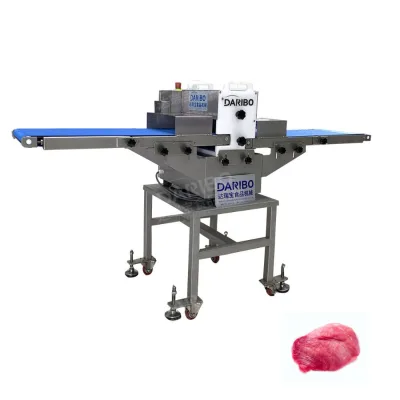
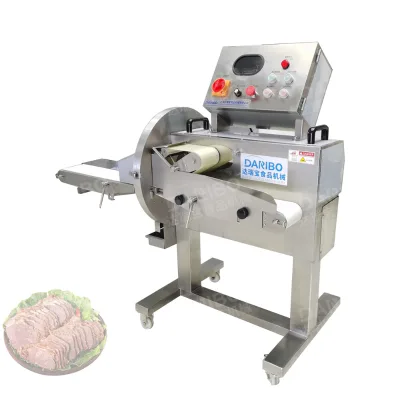
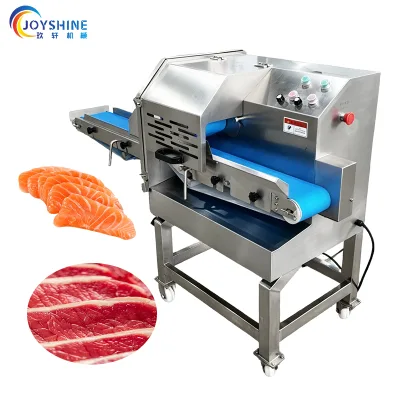

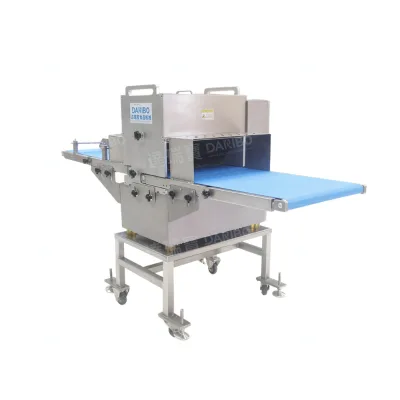


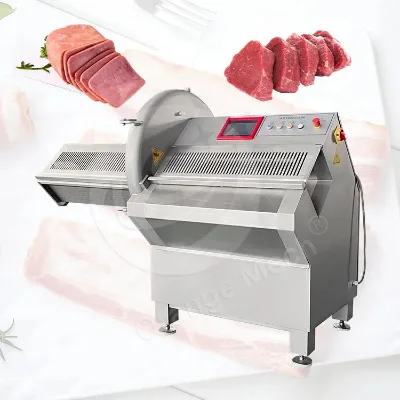
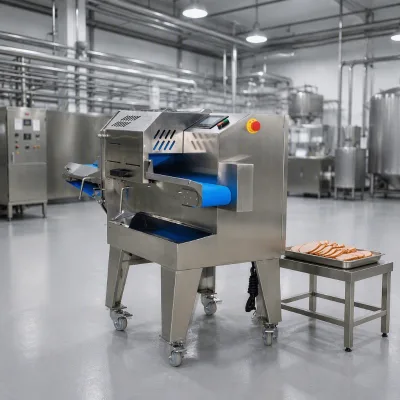
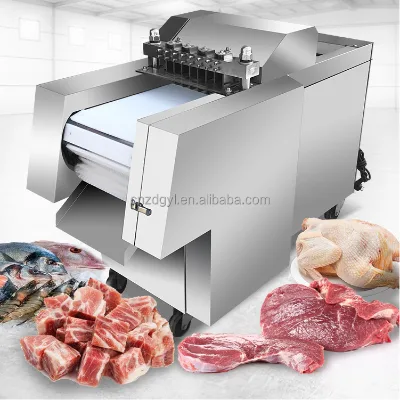
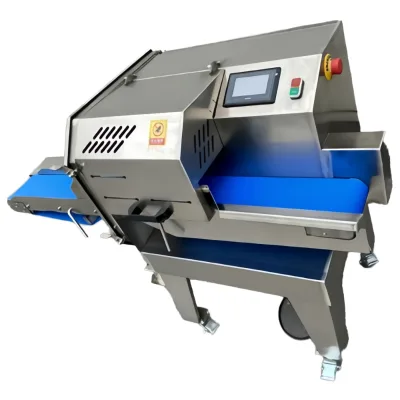
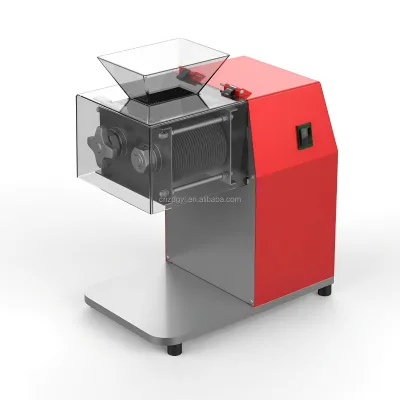
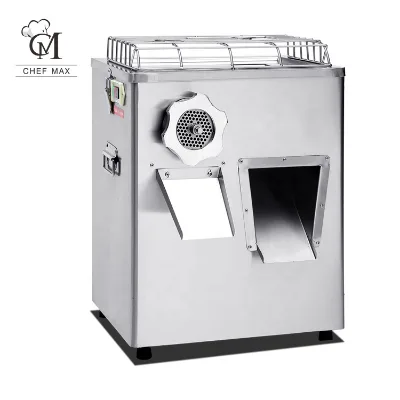
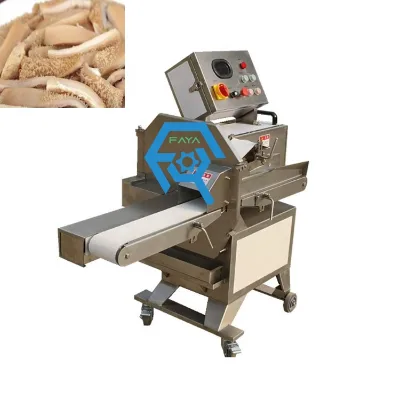

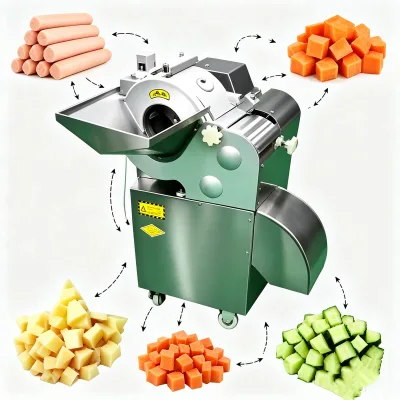
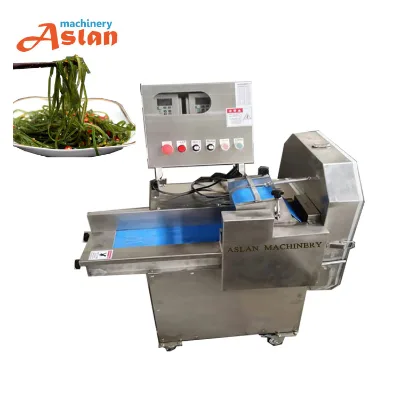
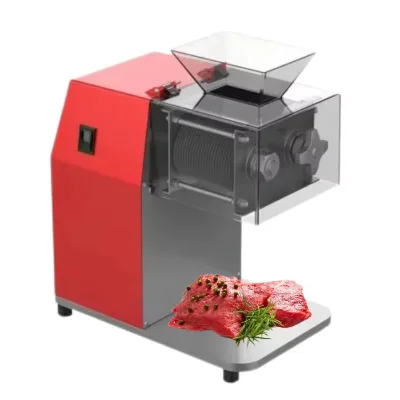
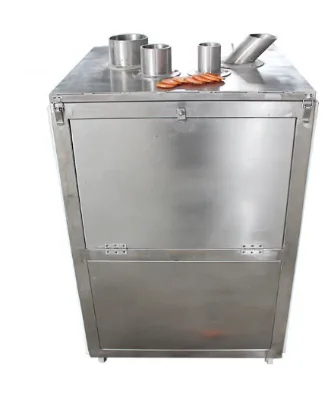
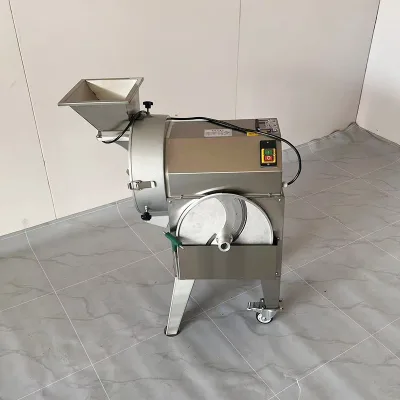
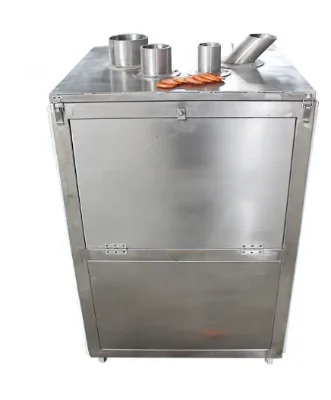
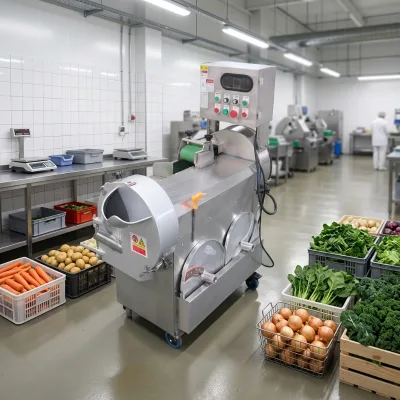
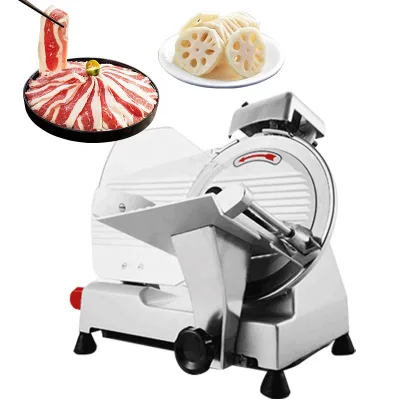
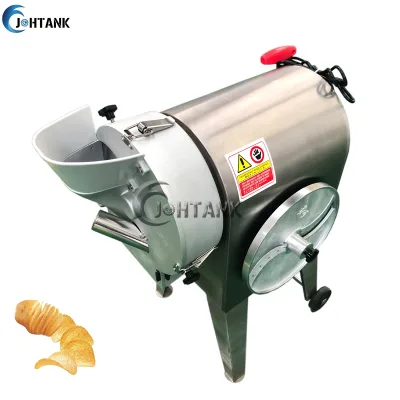

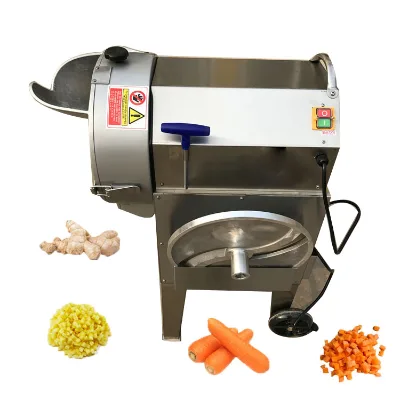
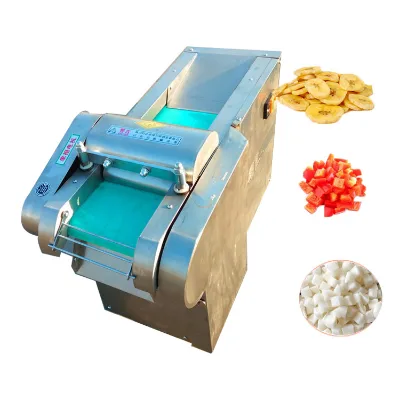
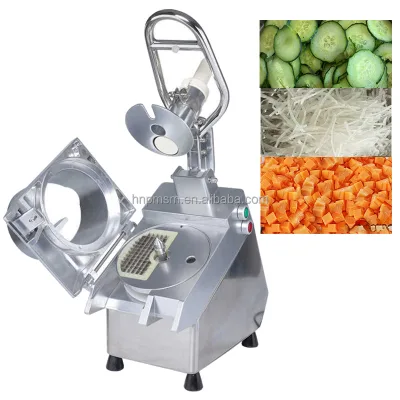
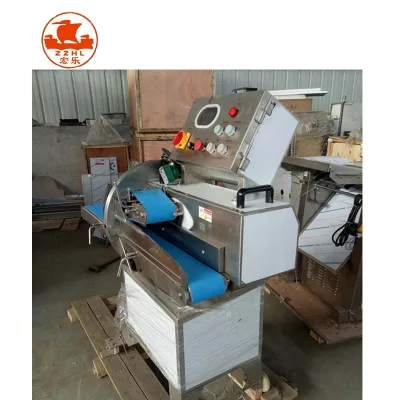

Comprehensive Sourcing Guide
Industrial Continuous Tripe Slicing Machine Sourcing Guide
Procuring industrial tripe slicing equipment requires careful evaluation of mechanical durability and hygiene standards, as the product demands consistent performance under heavy use. Buyers must prioritize machines constructed from food-grade materials, specifically 304 stainless steel, to ensure resistance to corrosion and ease of cleaning in wet processing environments. The observed market data indicates a strong presence of automatic and semi-automatic models, such as those branded by Joyshine and Daribo, which offer varying capacities and power outputs. These machines are designed to handle diverse meat types, including beef, fresh meat, and frozen meat, making them versatile for various slaughterhouse and processing plant operations.
The selection process should focus on matching the machine’s throughput capacity with your facility’s daily production volume. Listings show production capacities ranging from 300 to 1000 kilograms per hour, with specific models like the DRB-FT330 and DRB-120 offering distinct operational profiles. It is critical to verify the actual weight and dimensions of the equipment, as observed weights vary significantly from 115 kg to 164 kg, impacting floor load requirements and installation logistics. Understanding these physical constraints ensures that the chosen slicer integrates smoothly into your existing workflow without requiring extensive facility modifications or structural reinforcements.
Product Scope and Observed Listing Signals
The current market for industrial tripe slicers features a diverse range of automatic and semi-automatic units designed for high-volume processing. Observed listings highlight brands such as Daribo and Joyshine, with model numbers like DRB-FT330, DRB-120, and JS-QRJ representing different tiers of capability. These machines are primarily constructed from stainless steel, with blade materials specified as stainless steel to maintain sharpness and hygiene. The power consumption varies, with observed wattages including 750W, 1500W, and 2200W, indicating that buyers must align electrical infrastructure with the specific machine’s requirements. This variation in power and design suggests that the product scope covers everything from compact benchtop units to larger, floor-standing industrial systems.
Listing signals also reveal significant variations in physical specifications and packaging details, which are crucial for logistics planning. Dimensions observed range from 1350x600x1250mm to 2000x660x1200mm, with single package sizes noted as 140x70x140 cm or 54x58x70 cm. The equipment weights listed include 115 kg, 150 kg, and 164 kg, reflecting the robust construction necessary for continuous operation. Additionally, features such as removable blades, adjustable thickness settings from 1-32mm, and anti-slip designs are common selling points. These attributes indicate that modern tripe slicers are engineered for both precision cutting and operational safety, allowing for customization based on specific product thickness requirements.
Technical Specifications to Verify
When evaluating technical specifications, buyers must verify the cutting thickness range and blade configuration to ensure compatibility with tripe processing needs. Observed data shows adjustable cutting thicknesses from 1mm to 32mm, with specific blade sizes including 2.5mm, 3.5mm, 5mm, 7mm, 10mm, 15mm, and 21mm. It is essential to confirm the number of blades included, as some listings specify two blades, which may affect slicing speed and consistency. The operating mode, whether automatic or semi-automatic, should be matched to your labor availability and desired level of automation. Verifying these details prevents mismatches between machine capabilities and your specific product quality standards, ensuring that the final slices meet your operational requirements.
Electrical and power specifications are another critical area for verification, as inconsistencies in voltage and frequency can lead to operational failures. Observed voltages include 220V, 380V, and dual options, with frequencies listed as 50Hz, 60Hz, or 50-60Hz. Buyers must ensure that the machine’s power source, typically electric, aligns with their facility’s electrical supply to avoid the need for expensive transformers or rewiring. Additionally, the power rating, observed at 750W, 1500W, and 2200W, should be cross-referenced with the machine’s throughput capacity. Confirming these electrical parameters ensures stable operation and prevents overheating or motor damage during continuous high-volume processing cycles.
Compliance and Safety Documentation
Compliance with food safety and electrical standards is non-negotiable for industrial tripe slicing machines. Buyers should request documentation verifying that the machine’s construction materials, particularly the 304 stainless steel used in contact parts, meet local food safety regulations. While CE certification is mentioned in background contexts, buyers must independently verify the validity of such certifications for their specific region, as regulatory requirements vary significantly between markets. Ensuring that the equipment meets hygiene standards is crucial for maintaining product quality and avoiding contamination risks during the slicing process. This verification step protects your brand reputation and ensures adherence to health department inspections.
Safety features and operational documentation are equally important for protecting your workforce and minimizing liability. Machines with features like anti-slip designs and removable blades should come with clear safety manuals detailing proper operation and maintenance procedures. Buyers must verify that the equipment includes necessary safety guards and emergency stop mechanisms, which are standard in industrial food processing equipment. Additionally, confirming the warranty terms, such as the observed one-year warranty, provides a safety net for potential mechanical failures. Understanding the supplier’s support structure ensures that any technical issues can be resolved quickly, minimizing downtime and maintaining production efficiency.
Cost Drivers and Commercial Terms
Cost drivers for industrial tripe slicers include material quality, power output, and manufacturing origin. Machines constructed from 304 stainless steel with higher power ratings, such as 2200W models, typically command higher prices due to increased durability and performance. The observed price range of $185 to $13,200 USD reflects this variability, with lower-end models likely being smaller or less feature-rich. Buyers should consider the total cost of ownership, including energy consumption and maintenance requirements, rather than just the initial purchase price. Understanding these cost factors helps in budgeting accurately and selecting a machine that offers the best value for your specific production volume.
Commercial terms such as MOQ, packaging, and supply ability also impact the procurement process. Observed MOQs are often set at one unit, allowing for flexible purchasing, while supply abilities range from 30 sets per month to higher volumes. Packaging details, such as wooden cases, are important for protecting the equipment during shipping, especially given the heavy weights observed. Buyers should negotiate clear terms regarding delivery lead times and shipping responsibilities to avoid unexpected costs. Additionally, confirming the selling unit structure, whether single item or bulk, ensures that the procurement process aligns with your inventory management strategies and cash flow requirements.
Supplier Qualification and Quality Control
Supplier qualification is a critical step in ensuring the reliability of your industrial tripe slicing machine. Buyers should verify the supplier’s production capacity and place of origin, with observed locations including Shanghai and Henan in China. Assessing the supplier’s ability to produce 300-1000KG/H or supply 30 sets per month helps gauge their scalability and reliability. It is also important to check the supplier’s track record in manufacturing food processing equipment, as experience often correlates with better quality control and after-sales support. Conducting due diligence on the supplier’s business history and customer reviews can provide valuable insights into their operational stability and product consistency.
Quality control measures should be integrated into the procurement process to ensure that the delivered machine meets specified standards. Buyers should request detailed specifications and performance data for the specific model they intend to purchase, as observed attributes like weight and dimensions can vary between batches. Implementing pre-shipment inspections or third-party quality checks can help identify any defects or deviations from agreed-upon specifications. Additionally, verifying the condition of the equipment, whether new or refurbished, is essential to avoid purchasing outdated or worn machinery. Establishing clear quality expectations and verification steps protects your investment and ensures that the machine performs as expected in your facility.
Long-Term Procurement Checks
Long-term procurement success depends on establishing a robust maintenance and support framework for your industrial tripe slicing machine. Buyers should inquire about the availability of spare parts, particularly blades and motors, to ensure minimal downtime during repairs. The observed special features, such as removable blades, suggest that maintenance is designed to be straightforward, but buyers must confirm the ease of access and replacement procedures. Developing a preventive maintenance schedule based on the manufacturer’s recommendations can extend the machine’s lifespan and maintain slicing quality over time. This proactive approach reduces the risk of unexpected failures and ensures consistent production output.
Continuous evaluation of supplier performance and product reliability is essential for long-term procurement stability. Buyers should monitor the machine’s performance in real-world conditions, tracking metrics such as slicing consistency, energy efficiency, and maintenance frequency. Providing feedback to the supplier can help improve future product iterations and strengthen the business relationship. Additionally, staying informed about industry trends and technological advancements can help buyers identify opportunities for upgrading or expanding their processing capabilities. By maintaining a strategic focus on long-term value and supplier collaboration, buyers can ensure that their industrial tripe slicing operations remain efficient and competitive.
FAQs
What is the power consumption of the Industrial Continuous Tripe Slicing Machine?
The Industrial Continuous Tripe Slicing Machine typically operates with a power rating of 750W to 2200W depending on the specific model selected. Higher capacity units may require 380V voltage for optimal performance. This energy efficiency ensures stable operation during high-volume processing tasks while maintaining consistent slicing quality for various meat types.
Which blade materials are used in these industrial slicing machines?
These machines utilize high-quality stainless steel blades, specifically designed for durability and hygiene in food processing environments. The blades are often removable for easy cleaning and maintenance. Available blade thicknesses range from 1mm to 21mm, allowing for precise customization of slice thickness to meet specific product requirements and customer preferences.
Can the machine handle both fresh and frozen meat products?
Yes, the Industrial Continuous Tripe Slicing Machine is designed to process both fresh and frozen meat products effectively. It supports various meat types including beef and cooked meats. The automatic operating mode ensures smooth slicing even with frozen items, making it versatile for different production needs and inventory conditions in commercial kitchens.
What is the production capacity of the Industrial Continuous Tripe Slicing Machine?
The production capacity generally ranges from 300 to 1000KG/H depending on the specific model and operational settings. This high throughput allows for efficient processing in large-scale food manufacturing facilities. The machine's design ensures consistent output rates, supporting continuous operation without frequent interruptions for maintenance or blade adjustments during peak production periods.
What are the standard packaging details for these industrial machines?
The standard packaging for these industrial machines is a sturdy wooden case designed to protect the equipment during international shipping. This robust packaging ensures the machine arrives in new condition without damage. The single item selling unit format simplifies logistics and handling, making it suitable for direct delivery to manufacturing plants or processing facilities worldwide.
Is customization available for the Industrial Continuous Tripe Slicing Machine?
Customization is available for many Industrial Continuous Tripe Slicing Machine models to meet specific operational requirements. Buyers can often adjust parameters such as blade thickness, voltage, and operating modes. This flexibility allows businesses to tailor the equipment to their unique production lines, ensuring optimal integration with existing workflows and specific product specifications for maximum efficiency.