Source Automatic Inflatable Camping Sleeping Mat for Beach, Mountain, Park
Compare 30 Automatic Inflatable Camping Sleeping Mat options from verified suppliers. Explore varying sizes, inflation methods, and customization features for beach, mountain, and park usage. These mats feature different thicknesses, materials, and packing sizes to suit various outdoor needs and preferences.
Updated
Key considerations
Products List


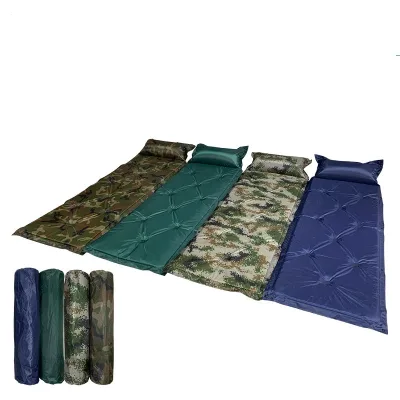
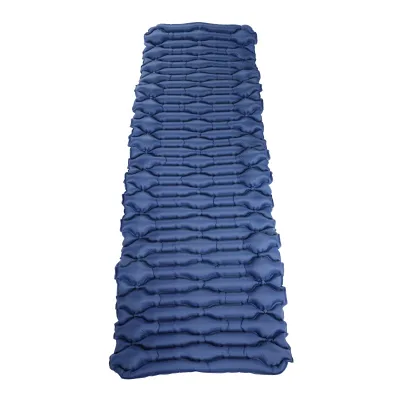
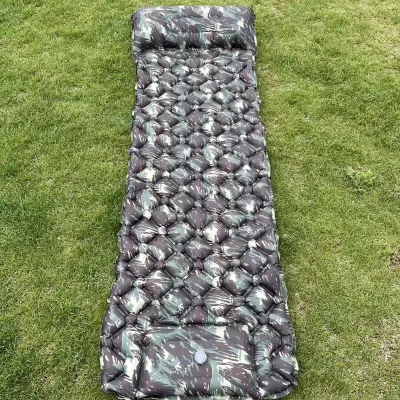
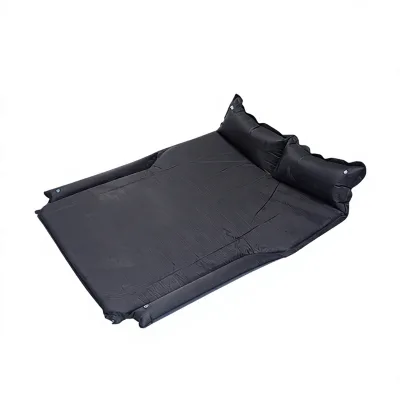

Inflatable Cushion Picnic Blanket Camping Air Mattress Sleeping Pad Camping Mat
$21.29 - $22.19
MOQ: 100 Pieces


Outdoor Inflatable Sleeping Mattress Pad Self-Inflating Foam Camping Mat
$19.47 - $20.32
MOQ: 300 Pieces

Foam Camping Mattress Self Inflating Sleeping Pad Mat Sleeping Camping Mat
$19.47 - $20.32
MOQ: 300 Pieces


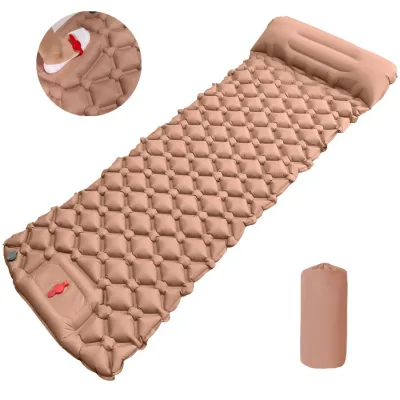

Camping Double Sleeping Pad Inflatable Sleeping Mat with Pillow Inflatable Camping Mat
$27.80 - $30.80
MOQ: 300 Pieces
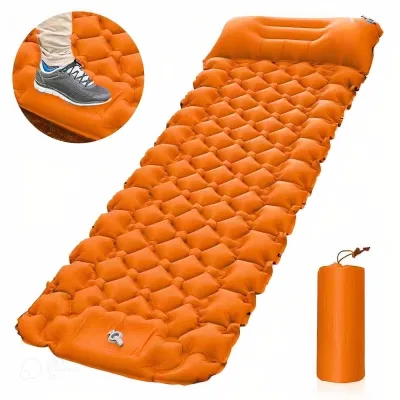
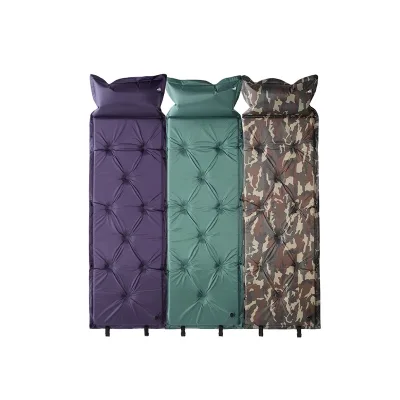
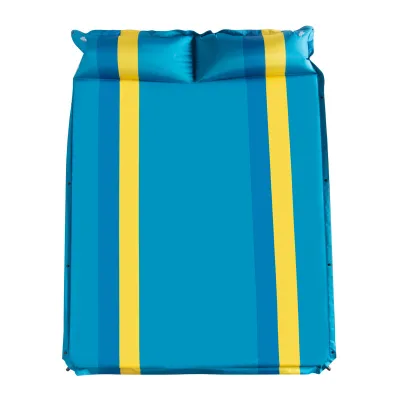
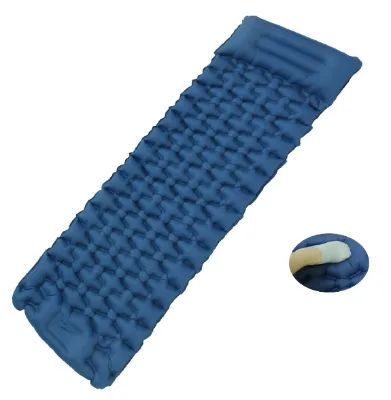
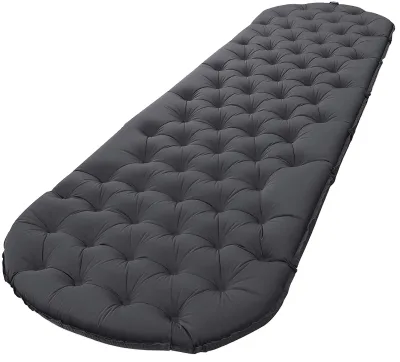
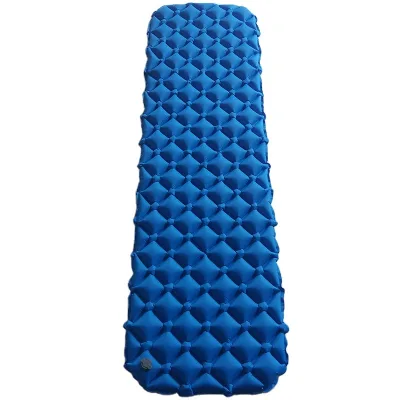
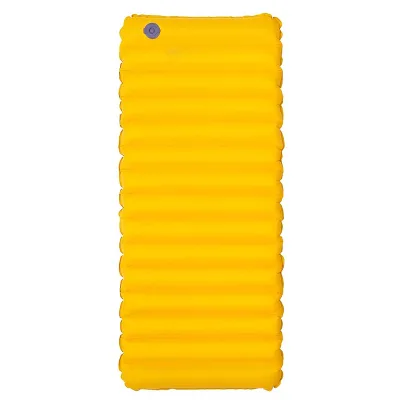
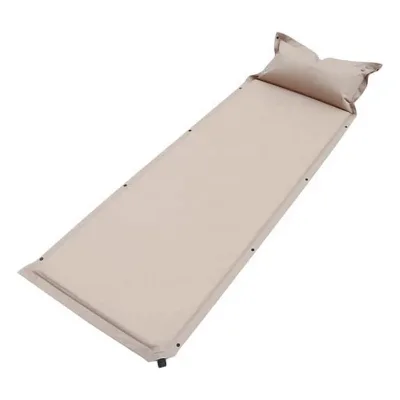
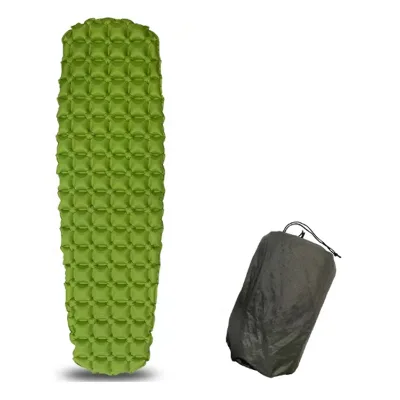
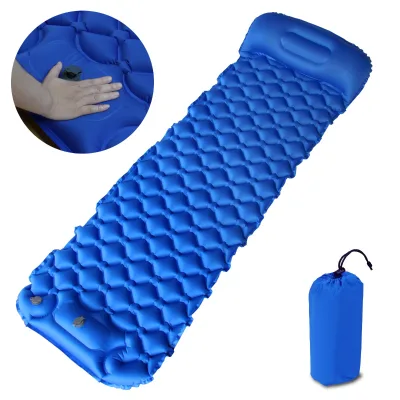
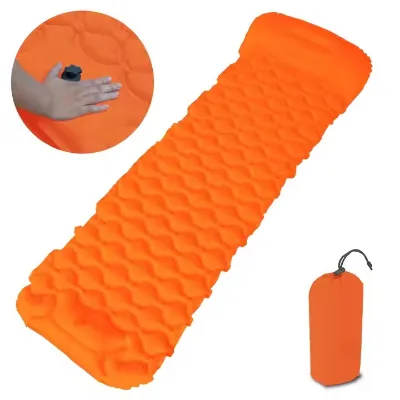
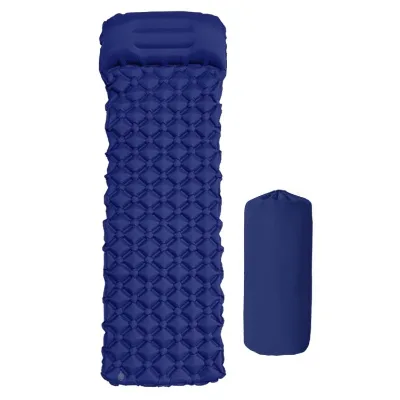
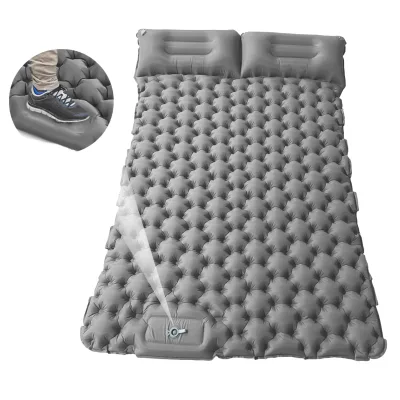

Outdoor Inflatable Cushion Lightweight Portable Camping Mat Tent Sleeping Mat
$11.70 - $14.04
MOQ: 100 Pieces
Comprehensive Sourcing Guide
Automatic Inflatable Camping Sleeping Mat Sourcing Guide
Procuring automatic inflatable camping sleeping mats requires a careful balance between rapid deployment convenience and long-term durability in outdoor environments. Buyers must distinguish between products that rely on manual pumping versus those equipped with integrated electric inflation systems, as this distinction significantly impacts user experience and operational logistics. The observed market data indicates a strong presence of models featuring one-click electric inflation, which appeals to consumers seeking minimal physical effort during setup. However, sourcing teams must verify the power source requirements, such as battery capacity or USB compatibility, to ensure the product meets the expectations of modern campers who prioritize efficiency and ease of use.
Beyond inflation mechanics, the structural integrity and material composition of the mat are critical factors that determine product longevity and comfort. Suppliers often utilize PVC sealing layers combined with high-resilience sponge and spring yarns to provide a soft yet supportive surface. Buyers should scrutinize the thickness of the main body, noting that some listings specify materials like 0.55mm thick flocking, which offers a distinct tactile experience compared to standard smooth surfaces. Understanding these material differences is essential for aligning product specifications with target market preferences, whether the end-user prioritizes lightweight portability or premium comfort features for extended camping trips.
Product Scope and Observed Listing Signals
The current market landscape for automatic inflatable sleeping mats reveals a diverse range of specifications tailored to different usage scenarios. Observed listings highlight products designed for various environments, including beaches, mountains, and parks, as well as indoor applications like hotels and homes. This versatility suggests that buyers can source mats that serve dual purposes, catering to both rugged outdoor enthusiasts and travelers seeking comfort in temporary accommodations. The presence of models with specific dimensions, such as 2007012 cm or 1321925 cm, indicates that suppliers offer options for single or double occupancy, allowing procurement teams to match product sizes with specific customer demographics and use cases.
Packaging and logistical attributes also play a significant role in the sourcing decision, as they directly impact shipping costs and storage efficiency. Data shows varying package sizes, ranging from compact dimensions like 604640 cm to larger boxes measuring 714338 cm, with packing quantities typically set at four or six pieces per carton. These variations require buyers to calculate freight costs accurately based on volumetric weight rather than just gross weight. Additionally, the observation of different gross weights, such as 13.2kg or 31kg per carton, underscores the importance of verifying packaging details to avoid unexpected logistics expenses and ensure that the final product arrives in optimal condition without damage during transit.
Technical Specifications to Verify
When evaluating technical specifications, buyers must prioritize the verification of inflation mechanisms and their associated performance metrics. For models claiming one-click electric inflation, it is crucial to confirm the voltage requirements, battery life, and noise levels during operation. Some products may rely on press-to-inflate methods, which, while simpler, require manual effort. Sourcing teams should request detailed technical sheets that outline the inflation time and the ease of deflation, as these factors directly influence customer satisfaction. Additionally, verifying the hardness and texture of the mat surface, such as the combination of spring yarns and high-resilience sponge, ensures that the product delivers the promised comfort and support, preventing returns due to discomfort or inadequate cushioning.
Dimensional accuracy and material thickness are equally critical technical aspects that require rigorous verification. Buyers should cross-reference the stated product dimensions, such as 1.52.0m or 200150*40cm, with the actual packed size to ensure consistency. The thickness of the main body, often specified in millimeters, determines the insulation properties and durability of the mat. It is advisable to request samples to physically inspect the material quality, checking for uniformity in the PVC sealing layer and the integrity of the flocking or sponge layers. This hands-on verification helps identify potential manufacturing defects, such as uneven thickness or weak seams, which could lead to air leakage or premature wear in the field.
Compliance and Safety Documentation
Ensuring that automatic inflatable sleeping mats meet relevant safety and environmental standards is a non-negotiable aspect of responsible sourcing. Buyers must verify that the materials used, particularly the PVC and sponge components, comply with international regulations regarding chemical safety, such as restrictions on phthalates and heavy metals. Requesting certificates of conformity from suppliers is essential to confirm that the products have undergone necessary testing for toxicity and flammability. This documentation not only protects the brand from legal liabilities but also builds trust with consumers who are increasingly conscious of the environmental and health impacts of the products they purchase.
In addition to material safety, buyers should inquire about quality assurance protocols and testing procedures implemented by the supplier. This includes verifying that the mats have been tested for air retention, durability under repeated inflation and deflation cycles, and resistance to punctures and abrasions. Suppliers should provide test reports or third-party certification documents that validate these performance claims. Furthermore, understanding the product's lifecycle and disposal options is important, as buyers may need to communicate recycling or disposal guidelines to their customers. Ensuring compliance with these standards helps mitigate risks and enhances the overall reputation of the brand in the competitive outdoor gear market.
Cost Drivers and Commercial Terms
Several key factors influence the cost structure of automatic inflatable sleeping mats, with material quality and inflation technology being primary drivers. Products featuring electric inflation systems typically command higher prices due to the complexity of the electronic components and the additional manufacturing steps involved. Buyers should analyze the cost breakdown to understand how much of the price is attributed to the inflation mechanism versus the mat body itself. Additionally, the thickness of the material and the type of surface texture, such as flocking or sponge, can affect production costs. Understanding these cost drivers allows procurement teams to negotiate more effectively and identify opportunities for cost optimization without compromising on essential quality attributes.
Commercial terms, including minimum order quantities (MOQ) and lead times, significantly impact the overall procurement strategy. Observed data indicates MOQs ranging from 1 to 1000 pieces, with lead times typically around 30 days. Buyers must align their order volumes with these MOQs to avoid excessive inventory costs or stockouts. It is also important to negotiate clear terms regarding payment schedules, shipping responsibilities, and warranty coverage. Suppliers may offer customization options, such as private labeling or specific packaging designs, which can incur additional costs. By carefully reviewing these commercial terms, buyers can develop a sustainable sourcing plan that balances cost efficiency with supply chain reliability and flexibility.
Supplier Qualification and Quality Control
Selecting a reliable supplier for automatic inflatable sleeping mats requires a thorough evaluation of their manufacturing capabilities and quality control processes. Buyers should assess the supplier's production capacity, technological infrastructure, and experience in producing similar products. Requesting factory audits or virtual tours can provide insights into the cleanliness of the production environment and the adherence to standard operating procedures. Additionally, verifying the supplier's ability to handle customization requests, such as OEM branding or specific design modifications, is crucial for brands looking to differentiate their offerings in the market. A supplier with robust quality control measures will have clear protocols for inspecting raw materials, monitoring production stages, and conducting final product inspections.
Implementing a rigorous quality control plan is essential to maintain product consistency and minimize defects. Buyers should establish clear acceptance criteria for key attributes, such as inflation speed, air retention, and material durability. Conducting pre-shipment inspections is a best practice to identify any potential issues before the goods leave the factory. It is also advisable to request samples for independent testing to validate the supplier's claims regarding product performance. Building a strong relationship with the supplier through regular communication and feedback loops can help address quality concerns promptly and foster continuous improvement. This proactive approach ensures that the sourced products meet the expected standards and deliver a positive experience to end-users.
Long-Term Procurement Checks
Sourcing automatic inflatable sleeping mats is not a one-time transaction but an ongoing process that requires continuous monitoring and evaluation. Buyers should regularly review supplier performance metrics, including on-time delivery rates, defect rates, and responsiveness to issues. Establishing key performance indicators (KPIs) and conducting periodic supplier audits can help identify areas for improvement and ensure that the supplier remains aligned with the buyer's quality and service expectations. Additionally, staying informed about market trends and technological advancements in the inflatable mat industry is crucial for maintaining a competitive edge. This includes monitoring changes in consumer preferences, such as the demand for lighter or more eco-friendly materials, and adapting sourcing strategies accordingly.
Long-term procurement success also depends on building a resilient supply chain that can withstand disruptions and market fluctuations. Buyers should diversify their supplier base to reduce dependency on a single source and mitigate risks associated with supply chain interruptions. Developing contingency plans for potential issues, such as raw material shortages or production delays, is essential for maintaining business continuity. Furthermore, fostering open communication and collaboration with suppliers can lead to innovative solutions and cost-saving opportunities. By continuously evaluating and optimizing the sourcing process, buyers can ensure a steady supply of high-quality automatic inflatable sleeping mats that meet the evolving needs of their customers and support long-term business growth.
FAQs
How is the Automatic Inflatable Camping Sleeping Mat inflated?
The mat uses a press-to-inflate method for manual setup. Some models feature one-click electric inflation for convenience. This ensures quick deployment in various outdoor environments like beaches or mountains without requiring complex equipment.
What is the minimum order quantity for these mats?
The minimum order quantity varies by model, ranging from one unit to one thousand units. Specific listings show thresholds like 500 units for certain configurations. Buyers should verify the exact MOQ for their selected product model before placing an order.
Can the Automatic Inflatable Camping Sleeping Mat be customized?
Yes, customization is available for these products. Buyers can request specific modifications to meet their requirements. The OEM service is confirmed as available, allowing for tailored solutions while maintaining the core inflatable type and material standards.
Which specifications define the size of the product?
Product sizes vary, with standard dimensions listed as 200 by 70 by 12 cm or 1.5 by 2.0 meters. Package sizes differ based on quantity, such as 60 by 46 by 40 cm for six pieces. Always check the specific model number for exact measurements.
What is the delivery time for these inflatable mats?
The standard delivery time is 30 days from order confirmation. This lead time applies to the manufacturing and shipping process for new condition items. Buyers should account for this duration when planning their procurement schedule for bulk orders.
How much does the Automatic Inflatable Camping Sleeping Mat weigh?
Weights vary significantly by model, with net weights ranging from 3.25 kg to 7.3 kg. Gross weights can reach up to 31 kg depending on packaging. Specific items may weigh 6.4 pounds, so verify the weight for the exact model selected.
What materials are used for the main body of the mat?
The main body often consists of 0.55mm thick flocking material or features a PVC sealing layer. Inner materials may include spring yarns and high resilience sponge for comfort. These materials ensure durability and softness suitable for hotel or home usage.