Source Washable Inflatable Travel Pillow for Camping, Office, and Home
Compare 30 Washable Inflatable Travel Pillow options from verified suppliers. Buyers can evaluate features like PVC material, foldable design, and multiple sizes for travel, home, and office use. These products offer soft firmness, eco-friendly materials, and custom logo availability for various age groups.
Updated
Key considerations
Products List
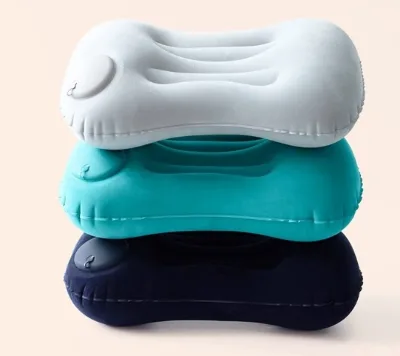


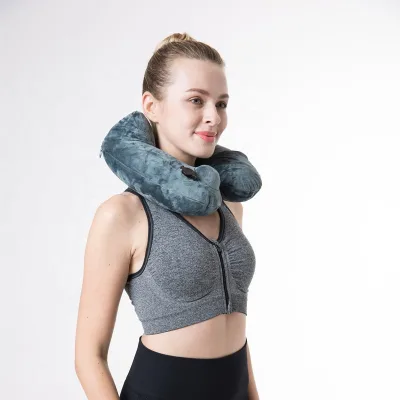
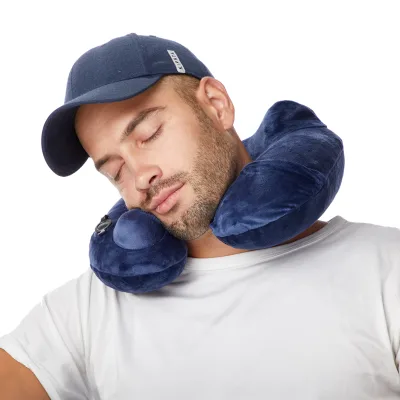
Air Pillow Airplane Inflatable Neck Pillow Inflatable Travel Pillow for Sleeping
$0.58 - $0.92
MOQ: 100 Pieces


Inflatable U-Shaped Pillow Neck Pillow Travel Portable Travel Air Pillow Nap Sleep
$0.46 - $0.75
MOQ: 100 Pieces


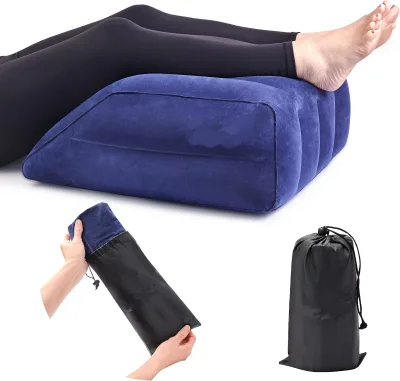
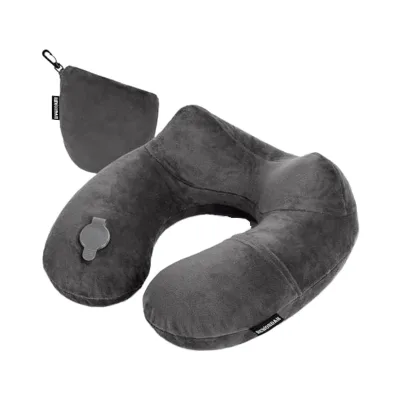
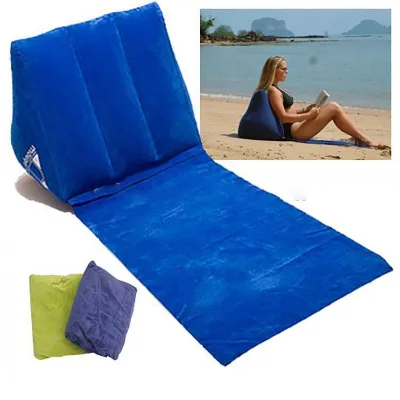
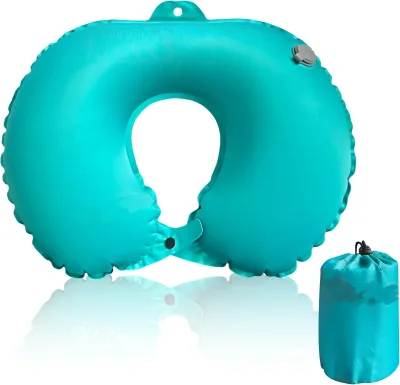


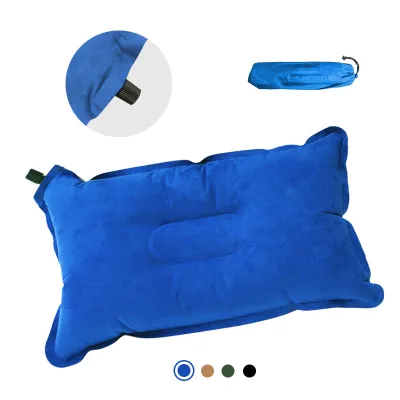


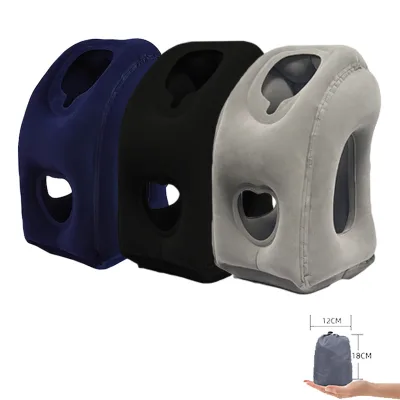

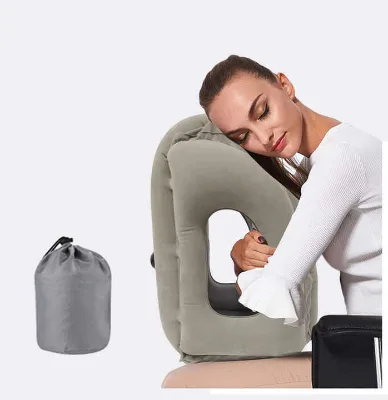
Ultralight & Comfy Inflatable Pillow on-The-Go PVC Portable Inflatable Travel Pillow
$13.50 - $15.50
MOQ: 1000 Pieces

Outdoor Adventure Inflatable Pillow for Camping Lightweight Cozy Inflatable Travel Pillow
$13.50 - $15.50
MOQ: 1000 Pieces

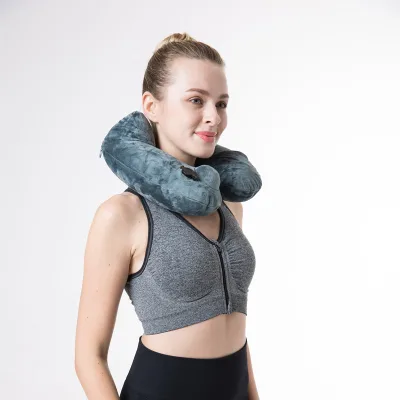
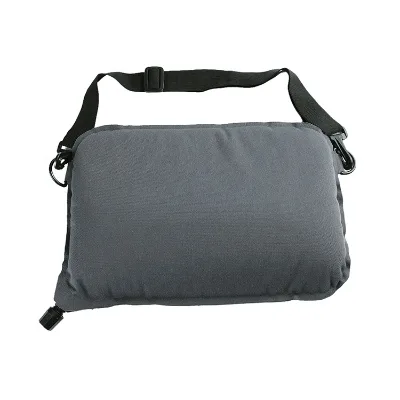
Ergonomic Inflating Pillows for Neck & Lumbar Cozy Ultralight Inflatable Travel Pillow
$13.50 - $15.50
MOQ: 2000 Pieces


Comprehensive Sourcing Guide
Washable Inflatable Travel Pillow Sourcing Guide
Procuring washable inflatable travel pillows requires balancing portability with hygiene, as these products serve travelers who prioritize comfort and cleanliness during transit. The market offers a diverse range of options, from basic PVC inflatables to premium velvet-flocked versions with custom branding. Buyers must navigate varying material compositions, such as standard PVC or PVC flocking, to ensure the final product meets specific durability and tactile expectations. Understanding these material distinctions is critical for selecting the right supplier who can deliver consistent quality across large orders.
The sourcing landscape includes manufacturers primarily located in Jiangsu and Guangdong, China, indicating a concentrated supply chain for these items. Listings reveal a wide price range and flexible minimum order quantities, allowing buyers to scale procurement based on demand. Key features like washability, portability, and foldability are common selling points, but verification of actual performance is necessary. Buyers should focus on suppliers who provide clear specifications for single package sizes and gross weights to facilitate accurate logistics planning and inventory management.
Product Scope and Observed Listing Signals
The observed product scope encompasses inflatable pillows designed for adults and teenagers, with applicable age groups starting from 14 years and up. Common attributes include solid patterns, multiple color options, and shapes ranging from rectangles to U-shapes, catering to different sleeping preferences such as back or side sleepers. The presence of features like washability, portability, and foldability suggests a focus on convenience and hygiene, while customization options allow for OEM branding with custom logos. These signals indicate a mature market segment where differentiation is achieved through material quality and functional design rather than basic inflation capabilities.
Listing data reveals significant variation in physical dimensions and packaging, with single package sizes ranging from compact 20x20x20 cm cubes to larger 30x15x5 cm bundles. Gross weights also vary, observed between 0.14 kg and 0.900 kg, reflecting differences in material thickness and filling volume. Buyers should note that while some products are described as eco-friendly, this claim requires independent verification against local environmental standards. The availability of custom brands and embroidery options highlights the potential for private labeling, making these products suitable for retail brands seeking unique travel accessories.
Technical Specifications to Verify
Technical verification must begin with material composition, as listings cite both standard PVC and PVC flocking with velvet inner linings. Buyers should request physical samples to assess the softness, durability, and air retention properties of the filling, which is typically air but contained within specific material layers. Dimensions are critical for user comfort, with observed standards including 34x22 cm, 38x24 cm, and 40x28 cm, among others. Confirming the exact inflated size, such as 12x12x5.1 inches, ensures the product meets ergonomic expectations for travel use, particularly for neck support in U-shape designs.
Packaging specifications are equally important for logistics, with observed single package sizes varying significantly from 12.5x17.5x3.5 cm to 30x15x5 cm. Buyers must verify the packing method, often listed as OPP bag packages, to ensure product protection during shipping. Weight metrics, including single gross weights of 0.300 kg to 0.5 kg, directly impact shipping costs and inventory calculations. Additionally, care instructions such as handwashing should be clearly defined to guide end-users, ensuring the washable feature is maintained without damaging the inflatable structure or the outer fabric layer.
Compliance and Safety Documentation
Safety compliance is paramount for products that come into direct contact with skin, especially those marketed as washable and used by travelers. Buyers must verify that the PVC materials used are free from harmful phthalates and heavy metals, adhering to relevant international safety standards for consumer goods. Although specific certification statuses are not provided in the listing data, suppliers should be required to provide test reports from accredited laboratories to confirm non-toxic claims. This is particularly important for products intended for younger age groups, such as those applicable to 14+ years, to ensure no health risks are associated with prolonged use.
Environmental claims, such as eco-friendly labeling, require substantiation through recognized certifications or material safety data sheets. Buyers should inquire about the recyclability of the PVC components and the sustainability of the manufacturing processes in Jiangsu and Guangdong. Documentation should also cover flammability standards, ensuring the inflatable pillows do not pose a fire hazard during storage or use. Clear compliance documentation helps mitigate legal risks and enhances brand reputation, particularly in markets with strict consumer protection regulations regarding travel accessories.
Cost Drivers and Commercial Terms
Cost structures for inflatable travel pillows are influenced by material choices, customization levels, and order volumes. The observed price range of 0.2 to 15.5 USD reflects significant variation based on features like velvet flocking, embroidery, and specific packaging requirements. Minimum order quantities range from 1 to 3000 units, offering flexibility for small businesses and large retailers alike. Buyers should negotiate terms that align with their inventory turnover rates, considering that higher customization, such as custom logos, may increase per-unit costs but enhance brand value.
Commercial terms must address lead times and payment structures, which are not explicitly detailed but are critical for supply chain planning. Buyers should clarify whether the listed prices include shipping costs or if they are ex-works, given the varying origins in China. Volume discounts should be explored, especially for orders exceeding typical MOQs, to optimize margins. Additionally, buyers should confirm the validity of price quotes, as material costs for PVC can fluctuate, potentially affecting final invoice amounts if not locked in at the time of order placement.
Supplier Qualification and Quality Control
Supplier qualification should focus on manufacturers with proven experience in producing inflatable products, particularly those located in Jiangsu and Guangdong. Buyers must verify the supplier’s ability to maintain consistent quality across batches, especially for customizable items like embroidered logos and specific color codes. Requesting references from previous clients and reviewing production facilities can provide insights into the supplier’s operational efficiency and quality control processes. It is essential to ensure that the supplier adheres to the specified material standards, such as using the correct PVC flocking or velvet inner layers.
Quality control measures should include pre-shipment inspections to verify dimensions, weight, and packaging accuracy. Buyers should establish clear acceptance criteria for defects, such as air leaks, uneven inflation, or printing errors in custom logos. Implementing a sampling protocol before mass production can help identify potential issues early, reducing the risk of large-scale rejects. Additionally, buyers should confirm the supplier’s capacity to handle returns or replacements for defective units, ensuring a smooth resolution process for any quality-related disputes that may arise after delivery.
Long-Term Procurement Checks
Long-term procurement success depends on continuous monitoring of supplier performance and market trends. Buyers should regularly review supplier reliability, including on-time delivery rates and responsiveness to quality issues. Tracking changes in material costs and regulatory requirements can help anticipate price fluctuations and compliance updates. Maintaining open communication with suppliers allows for collaborative improvements in product design and functionality, ensuring the inflatable pillows remain competitive in the evolving travel accessory market.
Strategic sourcing should also involve diversifying suppliers to mitigate risks associated with single-source dependencies. Buyers should periodically reassess the product portfolio, considering new features or materials that may enhance product appeal. Engaging in periodic audits of supplier facilities can ensure ongoing adherence to quality and safety standards. By staying informed about industry developments and maintaining rigorous procurement practices, buyers can secure a stable supply of high-quality washable inflatable travel pillows that meet customer expectations and drive business growth.
FAQs
What materials are used for washable inflatable travel pillows?
These pillows typically use PVC or pvc flocking for the outer shell and inner filling. Some models feature a velvet exterior with a PVC inner layer for enhanced comfort. The filling is primarily air, allowing for adjustable firmness. These materials ensure the product is durable, non-toxic, and suitable for repeated use during travel or home relaxation.
Can I customize the logo on these inflatable pillows?
Yes, customization is available for most models. Buyers can request embroidered logos or custom graphic designs on the pillow surface. OEM services allow for custom branding, making these products ideal for promotional gifts or private label retail. The customization options ensure that your brand identity is prominently displayed on the final product.
What are the standard sizes for these travel pillows?
Standard sizes include dimensions like 40x29x8.5 cm when inflated, with packed sizes around 30x15x5 cm. Other common specifications are 34x22 cm, 38x24 cm, and 44x30 cm. The single package size varies by model, often measuring 20x20x20 cm or 12.5x17.5x3.5 cm, ensuring compact storage for travel.
Are these pillows suitable for adults and children?
Most models are designed for adults and children aged 14 years and older. The soft firmness and ergonomic shapes, such as U-shape or rectangle, provide support for back and side sleepers. The lightweight design, weighing between 0.14 kg and 0.9 kg, makes them easy to carry for various age groups during long journeys.
How should I clean and maintain the inflatable pillow?
These pillows are washable and require handwashing for care. The materials are designed to be durable and easy to maintain. After use, simply wipe or handwash the surface to remove dirt. The non-disposable nature ensures longevity, and the portable, folded design allows for convenient storage and transport after cleaning.
Where are these pillows manufactured?
These products are primarily manufactured in China, with origins in Jiangsu and Guangdong provinces. The production facilities are equipped to handle large volumes and custom orders. The location ensures efficient logistics and supply chain management for global buyers seeking reliable sourcing partners for travel accessories.