Source Split Firewood Card Stove for Camping, Hiking, and Outdoor Cooking
Find 30 Split Firewood Card Stove options from verified suppliers. Compare features like folding design, stainless steel construction, and windproof capabilities for outdoor camping, hiking, and backpacking activities. Explore various models including wood burning and alcohol fuel types with customizable options for diverse outdoor needs.
Updated
Key considerations
Products List

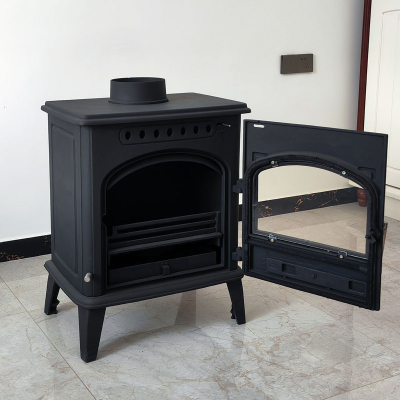

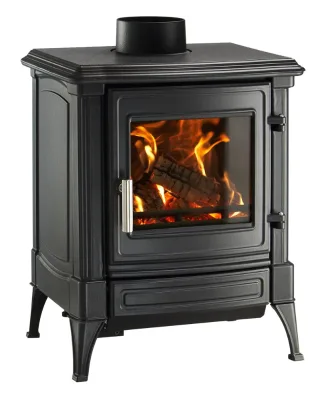
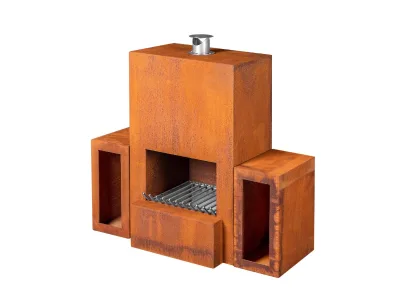
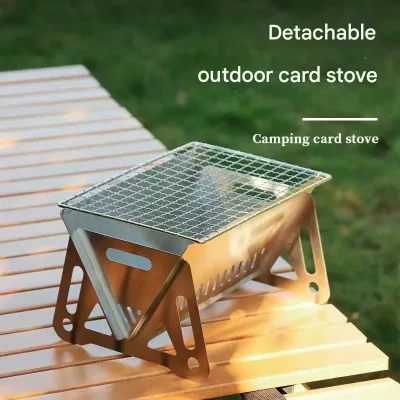


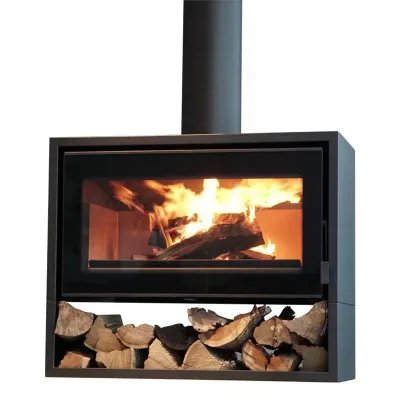
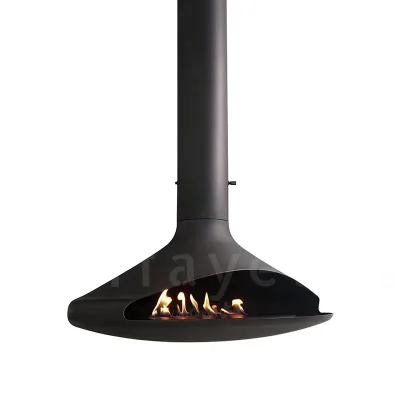
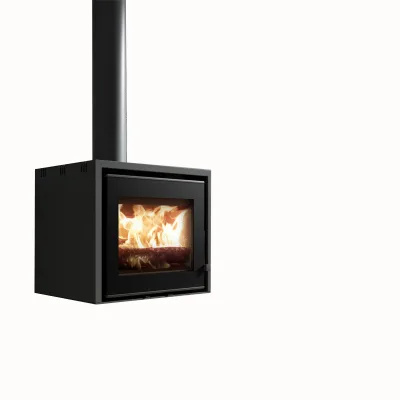
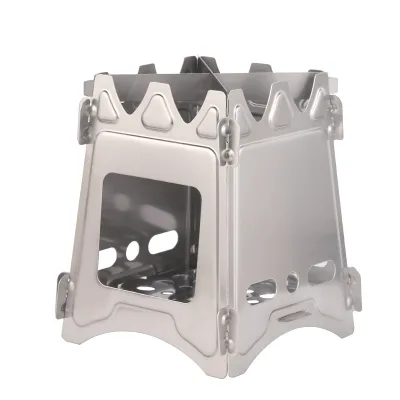
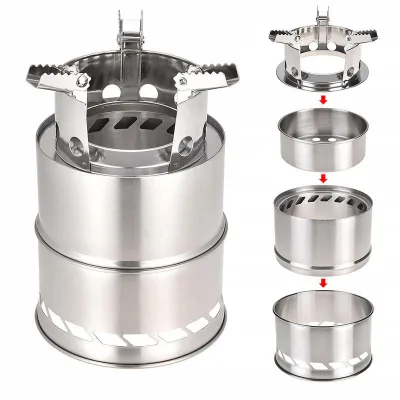

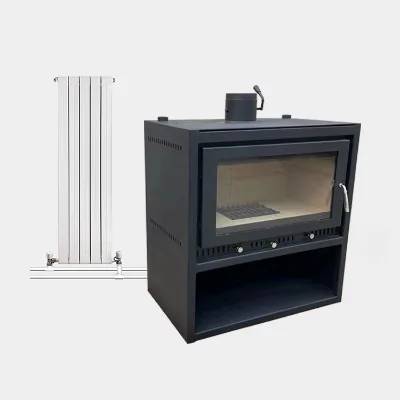
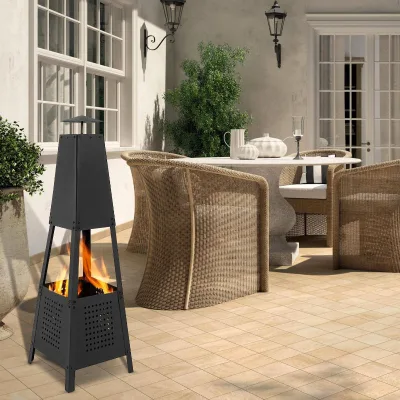
Wood Stove Wood Burn Stove Water Heat Exchange Heating Furnace Wood Burning Fireplace
$678.0936 - $945.2214
MOQ: 2 sets
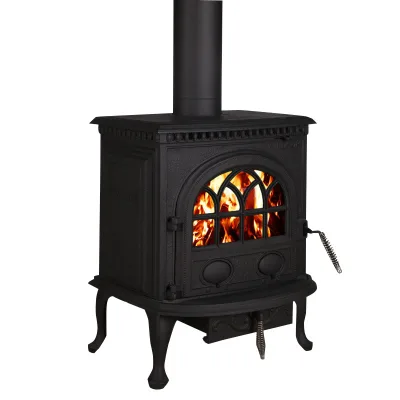


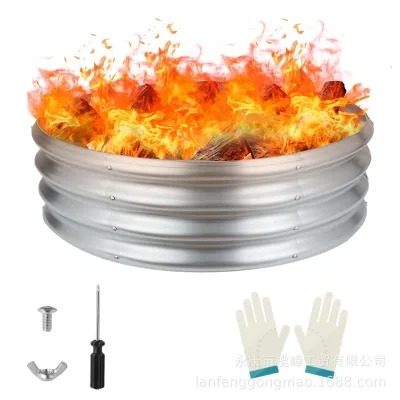



Comprehensive Sourcing Guide
Split Firewood Card Stove Sourcing Guide
Procuring a Split Firewood Card Stove requires careful alignment of material properties with intended usage environments. The observed market features stainless steel constructions that are foldable and lightweight, catering specifically to outdoor activities and camping scenarios. Buyers must distinguish between units designed for portable backpacking and those intended for semi-permanent indoor or villa installations. The presence of wood stove accessories and bio-alcohol fuel options suggests a hybrid design capability, allowing for versatile fuel sources depending on local regulations and availability.
Verification of the specific product model is critical, as listings may conflate distinct product lines. For instance, some data points reference a model designated J5-20 with specific dimensions, while others describe a larger unit measuring 600432705mm. This discrepancy highlights the need for precise model identification before placing orders. Procurement teams should confirm whether the desired unit is a compact, foldable card-type stove or a larger, freestanding fireplace heater, as the manufacturing processes and supply chain logistics differ significantly between these categories.
Product Scope and Observed Listing Signals
The current market signals indicate a diverse range of products under the Split Firewood Card Stove keyword. Observed listings include foldable, windproof, and lightweight designs made from stainless steel, often marketed for outdoor camping cooking and backpacking. These units typically feature a split card-type style, combining alcohol and firewood capabilities. The presence of wood stove accessories suggests that some models are designed to integrate with existing outdoor cooking setups, providing a modular approach to heat generation for recreational users.
Conversely, other signals point toward more substantial indoor or semi-outdoor installations. Some listings describe contemporary-style fireplaces with polished surfaces, available in black or brown colors, and certified for use in villas. These units may feature control panels and remote controls, indicating a higher level of automation compared to their portable counterparts. Buyers must navigate this spectrum by clearly defining their end-use case, as the aesthetic and functional requirements for a backyard villa heater differ vastly from those of a backpacking stove.
Technical Specifications to Verify
Technical verification must begin with material composition and surface finishing. Stainless steel is a common material for portable units, offering durability and resistance to corrosion, while cold rolled steel with power coating and heat-resistant treatments appears in other listings. Buyers should request detailed material certificates to confirm the grade of steel used, ensuring it can withstand high temperatures without degrading. The surface treatment, whether polished or power-coated, impacts both aesthetics and maintenance requirements, so this specification must be explicitly stated in the purchase order.
Dimensional accuracy and packaging details are equally critical for logistics planning. Some models are described with single package sizes as small as 6X4X7 cm, suitable for compact shipping, while others are packed in strong wooden crates or standard seaworthy packages with plywood frames. The gross weight of units varies, with some listed at 10.0 kg, which influences freight costs and handling requirements. Procurement teams must verify the exact dimensions and weight of the specific model ordered to avoid unexpected shipping surcharges or storage issues upon delivery.
Compliance and Safety Documentation
Safety documentation is paramount, especially for devices involving open flames and multiple fuel types. Listings mention flame safety devices and certifications such as CE, GS, and ITS, which are essential for market access in many regions. Buyers must verify that the provided certificates are valid and applicable to the specific model and fuel type, whether it is bio-alcohol or wood. The presence of these certifications indicates a baseline level of safety compliance, but they do not guarantee performance in all operational conditions, so additional due diligence is required.
Fuel compatibility and emission standards also require careful review. Some units are designed for bio-alcohol, while others are wood-burning stoves, and some claim to be eco-friendly. Buyers should inquire about the specific emissions data and whether the product meets local environmental regulations, particularly for indoor use. The distinction between indoor and outdoor usage is critical, as indoor units may require stricter ventilation and filtration standards. Ensuring that the product’s intended application matches the buyer’s operational environment is a key safety verification step.
Cost Drivers and Commercial Terms
Cost structures for split firewood card stoves are influenced by material quality, manufacturing complexity, and order volume. The observed price range spans from $1.54 to $1058, reflecting the vast difference between simple portable stoves and complex, certified fireplace units. Minimum order quantities (MOQ) vary from 1 piece to 1000 pieces, allowing for both sample testing and bulk procurement. Buyers should negotiate pricing based on the specific model and customization requirements, as features like remote controls or specialized finishes may incur additional costs.
Commercial terms also include supply ability and after-sales service provisions. Suppliers may offer a supply ability of 50,000 pieces per month, ensuring scalability for large projects. After-sales services such as online technical support, on-site installation, and free spare parts are available for certain models, adding value to the procurement. Buyers should clarify the warranty period, which is listed as 1 year for some units, and understand the return and replacement policies. Clear definition of these terms helps mitigate risks associated with product defects or logistical delays.
Supplier Qualification and Quality Control
Supplier qualification involves assessing their project solution capabilities and manufacturing processes. Some suppliers offer graphic design, 3D model design, and total solutions for projects, which is beneficial for custom installations. Buyers should verify the supplier’s ability to provide consistent quality across batches, particularly for products with specific surface finishes like polished stainless steel or power-coated steel. Requesting samples before bulk ordering is essential to evaluate the build quality, foldability, and overall durability of the stove.
Quality control measures should include inspection of the packaging and labeling. Products are often packed in cartons or wooden crates, with inner waterproof plastic bag packing to protect against moisture. Buyers should ensure that the packaging is robust enough to prevent damage during transit, especially for fragile components or polished surfaces. Additionally, verifying the supplier’s origin, such as Shandong, China, can provide insights into the regional manufacturing ecosystem and potential logistical advantages or challenges.
Long-Term Procurement Checks
Long-term procurement success depends on establishing a reliable supply chain and maintaining clear communication channels. Buyers should monitor the supplier’s ability to meet delivery timelines and maintain consistent product quality over time. The availability of online technical support and onsite training indicates a commitment to customer satisfaction, which is crucial for resolving issues that may arise during the product’s lifecycle. Regular audits of the supplier’s quality control processes can help ensure that products continue to meet specified standards.
Sustainability and regulatory changes also impact long-term procurement strategies. As environmental regulations evolve, buyers must stay informed about changes in fuel standards and emission requirements. The eco-friendly claims of some products should be verified against current and future regulatory frameworks. By maintaining a flexible procurement strategy and staying engaged with suppliers, buyers can adapt to market changes and ensure that their Split Firewood Card Stove acquisitions remain compliant and cost-effective over time.
FAQs
What materials are used for the Split Firewood Card Stove?
The stove is constructed from stainless steel and cold rolled steel with a polished surface finishing. Some variants utilize stone materials for specific design styles. The metal types ensure durability and heat resistance for outdoor camping and indoor villa applications.
Can the Split Firewood Card Stove be customized for buyers?
Yes, customization is available for this product line. Buyers can request specific design styles, such as contemporary or modern aesthetics, and choose from color options like black or brown. The supplier offers graphic design and 3D model design services to meet project solution capabilities.
What is the minimum order quantity for this stove?
The minimum order quantity is one piece. This low MOQ allows buyers to test the product quality before placing larger orders. The supply ability reaches 50,000 pieces per month, ensuring that bulk orders can be fulfilled efficiently once the initial sample is approved.
Which certifications does the Split Firewood Card Stove hold?
The product holds CE, GS, and ITS certifications. These credentials verify compliance with international safety and quality standards. Buyers can rely on these documented certifications for import clearance and market entry requirements in regions that mandate such regulatory approvals for heating appliances.
How is the Split Firewood Card Stove packaged for shipping?
The stove is packed in strong wooden crates or carton boxes. The standard seaworthy package includes an outer plywood or steel frame and an inner waterproof plastic bag. This robust packaging protects the polished metal surface and stone components during international transit and handling.
What after-sale services are provided for this stove?
Comprehensive after-sale services include online technical support, on-site installation, and onsite training. The supplier also provides onsite inspection, free spare parts, and return and replacement options. These services ensure long-term operational support for both indoor and outdoor usage scenarios.