Source Automatic Tape Dispenser for Food, Beverage, and Apparel
Compare 30 Automatic Tape Dispenser options from verified suppliers. These units support cutting tape for food, beverage, and apparel applications with customizable features, varying voltage requirements, and diverse material compositions including metal, plastic, and ABS bodies for efficient packaging workflows.
Updated
Key considerations
Products List

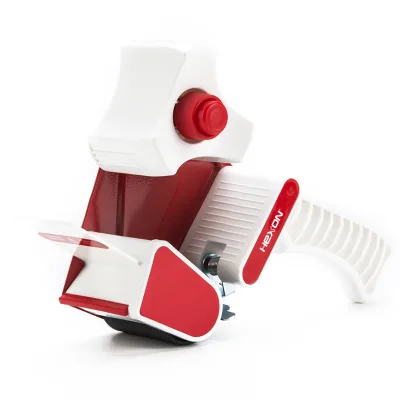
Tape Dispenser Wholesale Automatic Tape Dispenser Automatic Gum Tape Dispenser
$1.50 - $6.00
MOQ: 2000 Pieces


Tape Dispenser Tape Cutter Automatic Tape Dispensers for Packing Zcut- 9gr
$130.00 - $290.00
MOQ: 1 Pieces

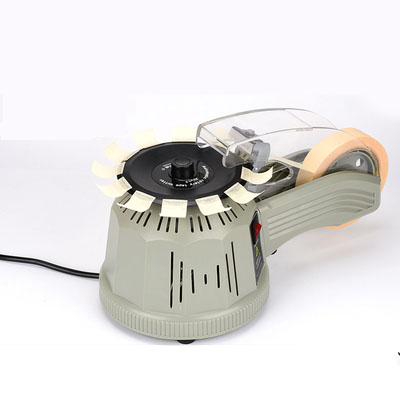
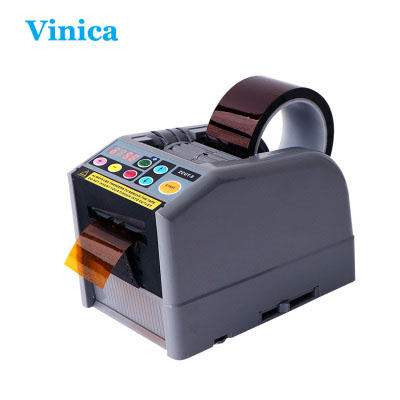
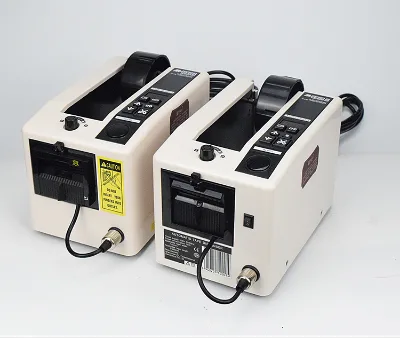
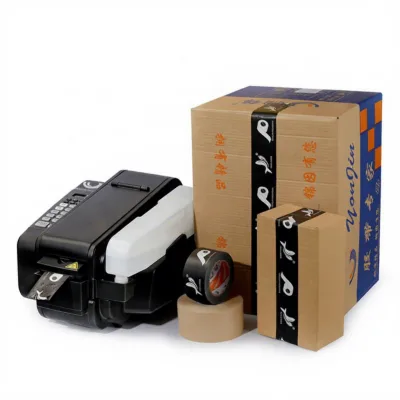


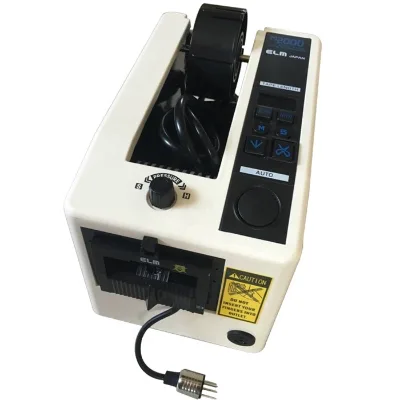
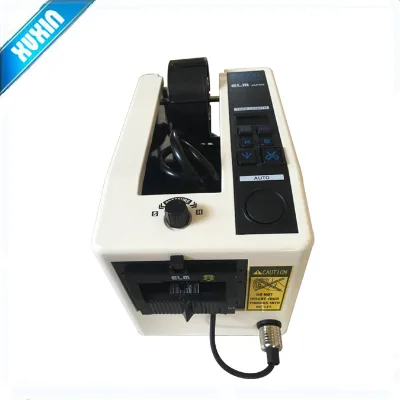
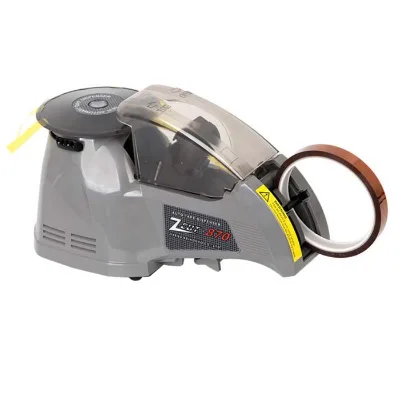
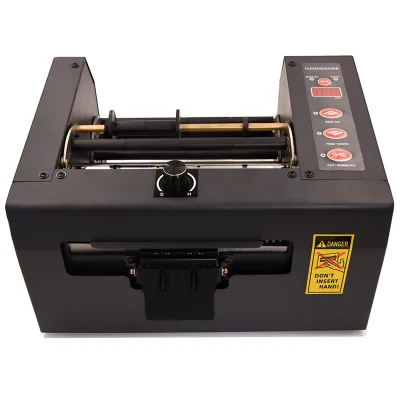
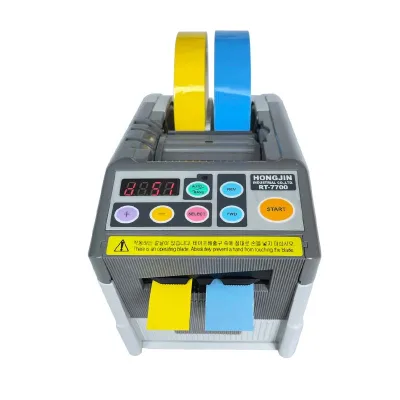
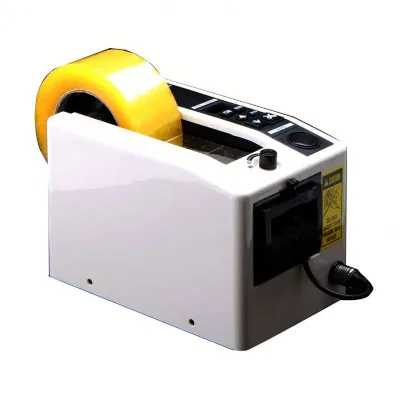
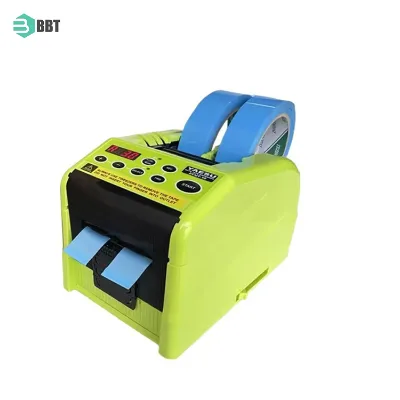
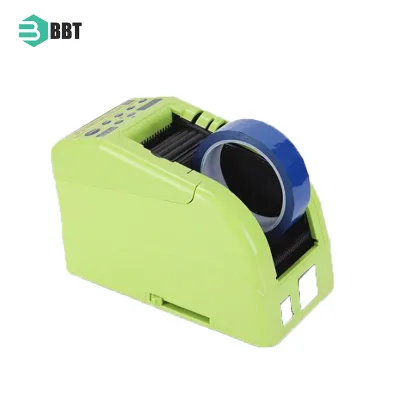
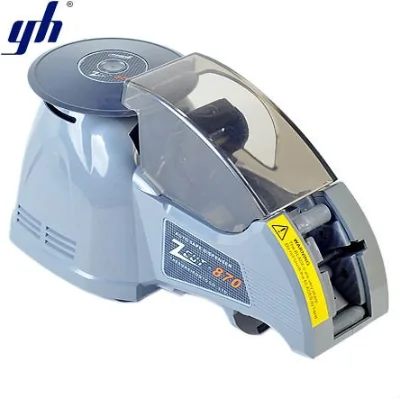
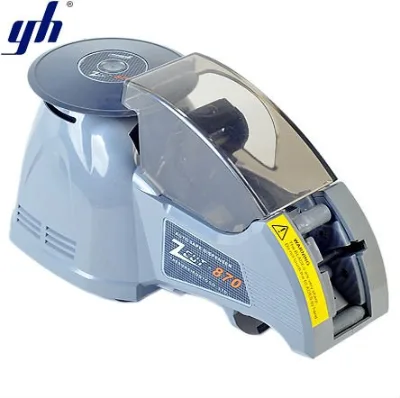
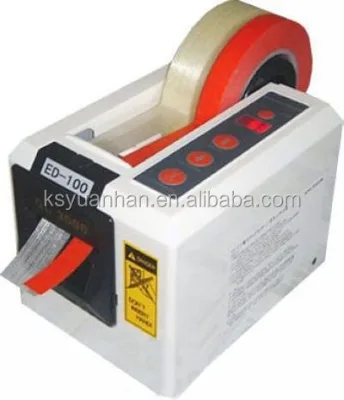
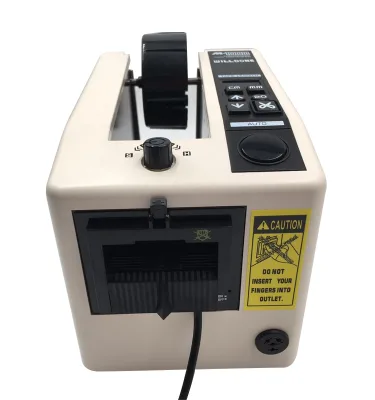
Double Sided Tape Cutting Machine Ed-100/ Auto Tape Dispenser ED-100
$89.1185 - $146.6157
MOQ: 1 Minimum
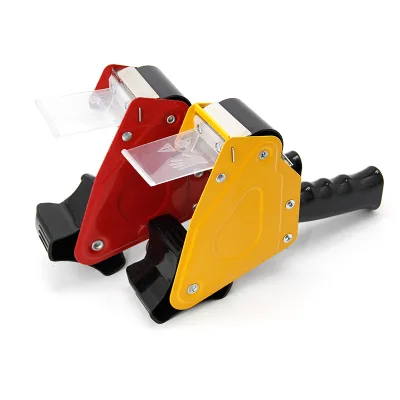
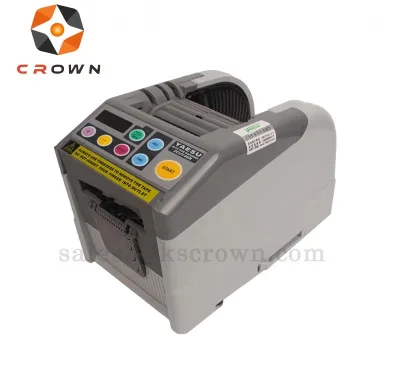
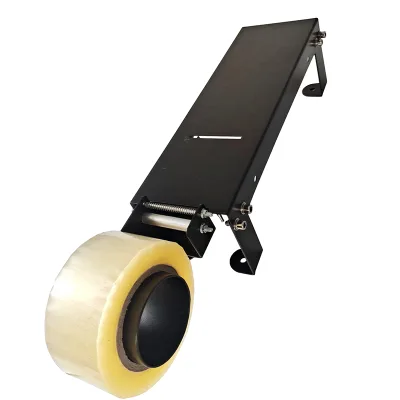
Tape Dispenser Tape Cutter Automatic Tape Dispensers for Packing ZCUT- 9GR
$154.0073 - $184.8087
MOQ: 1 sets
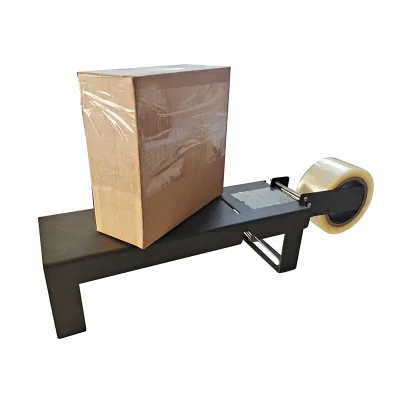
Comprehensive Sourcing Guide
Automatic Tape Dispenser Sourcing Guide
Sourcing automatic tape dispensers requires a clear understanding of the operational environment and the specific adhesive materials in use. Buyers must distinguish between semi-automatic and fully automatic units, as the latter often integrate electric motors and sensors to streamline high-volume packaging lines. The observed market includes models designed for cutting tape widths ranging from 3mm to 60mm, with some units supporting larger diameters up to 130mm. This variability means that procurement teams must align machine specifications with their existing tape inventory to avoid compatibility issues.
The decision to automate should be driven by labor efficiency and consistency goals. Automatic dispensers reduce manual handling errors and ensure uniform cut lengths, which is critical for industries like food, beverage, and apparel. Buyers should evaluate whether the machine’s driven type, typically electric, matches their facility’s power infrastructure. With voltage options often listed as 110V or 220V, verifying electrical compatibility is a primary step before finalizing any purchase order to prevent operational downtime.
Product Scope and Observed Listing Signals
The current market landscape for automatic tape dispensers shows a diverse range of product attributes, including materials such as metal, PP, ABS, and plastic. Listings indicate that customization is available, allowing buyers to tailor color and style to their brand identity, with options ranging from grey and black to cartoon designs. The observed price range spans from $1.5 to $799, reflecting the disparity between simple manual-assist devices and complex automated systems with core components like motors. This wide spectrum necessitates careful filtering based on required throughput and durability.
Packaging and origin details provide additional context for logistics planning. Products originate from regions such as Yangzhou, Jiangsu, and Henan, China, with packing methods including OPP bags, color boxes, and cartons. Some listings specify single package sizes, such as 12x15x25 cm, which aids in calculating freight costs and warehouse storage requirements. Buyers should note that while some units are labeled as "automatic," others may be semi-automatic, requiring verification of the actual automation level to ensure it meets production speed expectations.
Technical Specifications to Verify
Verifying technical specifications is crucial to ensure the dispenser meets production line requirements. Key parameters include tape width compatibility, cutting length precision, and the maximum tape diameter the unit can handle. For instance, some models support cutting lengths between 12mm and 60mm, while others accommodate tape widths up to 60mm. Buyers must confirm that the machine’s application range covers the specific tapes they use, such as 3M tapes, double-sided, Kapton, or transparent tapes, to avoid mechanical jams or inefficient cutting.
The physical dimensions and weight of the dispenser also impact integration. Standardized dimensions like 260x230x140mm or 116x213x140mm help in designing workstation layouts. Additionally, the inside diameter application, often listed as 25mm, 32mm, or 75mm, determines which tape rolls can be loaded. Buyers should request detailed schematics to verify these measurements, ensuring the dispenser fits within the allocated space and can handle the roll sizes currently in use without modification.
Compliance and Safety Documentation
Safety and compliance documentation are essential for integrating automatic tape dispensers into regulated work environments. Buyers should inquire about machinery test reports, although availability varies, with some listings indicating these reports are not available. It is critical to verify that the electrical components meet local safety standards, especially given the voltage variations of 110V and 220V. Ensuring that the motor and other core components are certified for industrial use helps mitigate risks of electrical failure or fire hazards.
Warranty and after-sales support are key indicators of supplier reliability. Most listings offer a one-year warranty and provide video technical support or online assistance. Buyers should clarify the scope of this support, including response times and coverage for spare parts like cutting blades or sensors. Understanding the warranty terms helps in planning maintenance budgets and ensures that any technical issues can be resolved quickly, minimizing production disruptions and maintaining operational continuity.
Cost Drivers and Commercial Terms
Cost drivers for automatic tape dispensers include the complexity of the automation, material quality, and included features. Units with electric motors and precise cutting mechanisms typically command higher prices than basic models. The observed MOQ ranges from 1 to 2000 units, allowing flexibility for both small-scale trials and large-scale deployments. Buyers should negotiate based on volume, considering that higher quantities may unlock better pricing tiers, especially for customized colors or packaging options.
Commercial terms also involve shipping and packaging considerations. The use of cartons, bags, or film for packaging affects handling and protection during transit. Buyers should clarify who bears the cost of packaging materials and whether custom branding is included in the base price or as an add-on. Additionally, lead times for production and shipping should be confirmed, as these impact inventory planning. Clear communication on these terms helps avoid unexpected costs and ensures timely delivery to meet production schedules.
Supplier Qualification and Quality Control
Supplier qualification involves assessing the manufacturer’s capability to deliver consistent quality and reliable support. Buyers should verify the supplier’s experience in producing tape dispensers and their ability to handle customization requests, such as specific colors or styles. Checking for certifications and quality management systems can provide assurance of manufacturing standards. Although specific certifications are not always listed, requesting evidence of quality control processes helps in evaluating the supplier’s commitment to product reliability.
Quality control checks should include testing the dispenser’s cutting accuracy and motor performance upon receipt. Buyers should establish acceptance criteria for tape width tolerance and cut length consistency. Engaging with suppliers who offer video technical support can facilitate remote troubleshooting and training. Building a relationship with a supplier that provides comprehensive after-sales service ensures long-term operational support and reduces the risk of downtime due to technical issues.
Long-Term Procurement Checks
Long-term procurement checks focus on the sustainability and scalability of the tape dispenser investment. Buyers should monitor the availability of spare parts, such as cutting blades and motors, to ensure ongoing maintenance is possible. Evaluating the supplier’s ability to upgrade or modify units as production needs change is also important. Customization options, including color and style, should be reviewed to ensure they remain relevant to brand identity and operational requirements over time.
Regular performance reviews of the dispensers in the field help identify any recurring issues or inefficiencies. Collecting data on cut accuracy, maintenance frequency, and user feedback can inform future purchasing decisions. Buyers should also stay informed about advancements in tape dispensing technology, such as improved sensors or energy-efficient motors, to ensure their equipment remains competitive. Continuous engagement with suppliers for feedback and updates supports a proactive approach to procurement and operational excellence.
FAQs
What customization options are available for automatic tape dispensers?
Customization is available for automatic tape dispensers to meet specific buyer needs. Products can be customized in color, style, and packing types such as OPP bags or color boxes. This flexibility allows buyers to tailor the machine appearance and packaging to their brand requirements without compromising functionality.
Which materials are used to construct these automatic tape dispensers?
These automatic tape dispensers are constructed using a combination of metal, PP, and ABS materials. Some models specifically feature an ABS body material for durability. The packaging materials also include plastic and paper, ensuring the product remains protected during shipping while maintaining a robust structure for industrial use.
Can buyers find automatic tape dispensers with specific voltage requirements?
Yes, buyers can find automatic tape dispensers compatible with 110 V and 220 V voltage requirements. This dual voltage capability ensures the machines can operate in various regions globally. The electric driven type supports these voltage standards, making them versatile for different electrical infrastructure environments in industrial settings.
What is the warranty period for automatic tape dispensers?
The warranty period for automatic tape dispensers is typically one year. This coverage provides buyers with assurance regarding the product's reliability and performance during the initial usage phase. Buyers should verify specific warranty terms with suppliers to ensure they understand the scope of support and coverage provided.
How does the cutting length vary across different Automatic Tape Dispenser models?
The cutting length for automatic tape dispensers ranges from 12mm to 60mm depending on the specific model. This adjustable feature allows for precise tape application in various industrial applications. Buyers can select models that match their specific cutting requirements for efficient operation in food, beverage, or machinery sectors.
What after-sales services are provided for automatic tape dispensers?
After-sales services for automatic tape dispensers include video technical support and online support. These services assist buyers in troubleshooting issues and ensuring proper machine operation. Buyers can access remote assistance to resolve technical challenges without needing immediate physical intervention from the supplier or manufacturer.
Which locations are the primary origins for Automatic Tape Dispenser manufacturers?
Primary origins for Automatic Tape Dispenser manufacturers include Yangzhou, Jiangsu, and Henan, China. These locations host factories producing machines with specifications like the xk-t044 and ZCUT-9 models. Buyers sourcing from these regions can access a variety of products with established manufacturing capabilities and supply chain infrastructure.