Source Automatic Wax Filling Machine for Food, Beverage, and Chemicals
Compare 30 automatic wax filling machines from verified Chinese suppliers. These units support filling for food, beverage, and chemical applications with varying speeds and capacities. Buyers can review specifications like filling accuracy, voltage, and material grades to find the right equipment for their production needs.
Updated
Key considerations
Products List
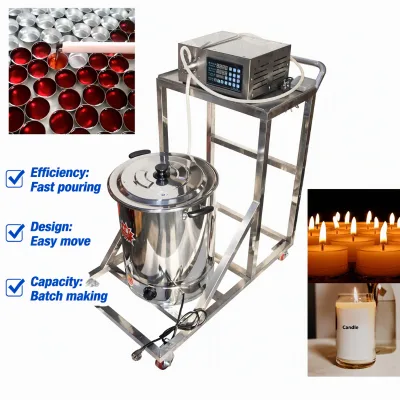
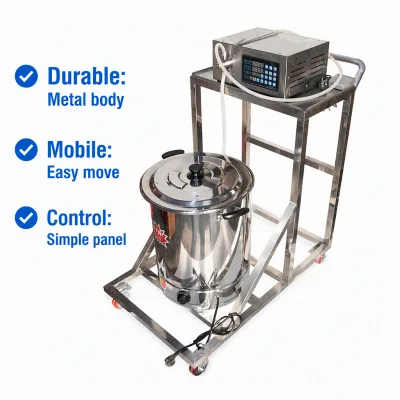
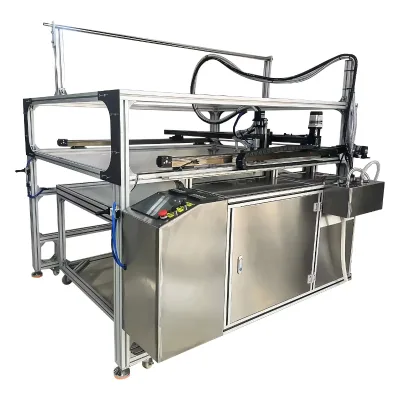
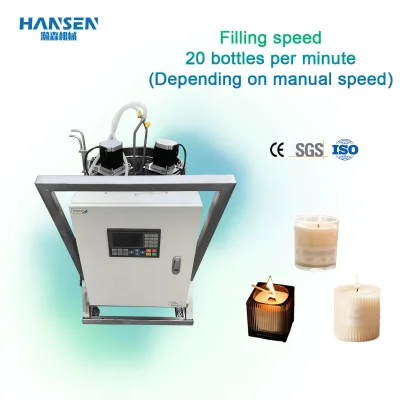
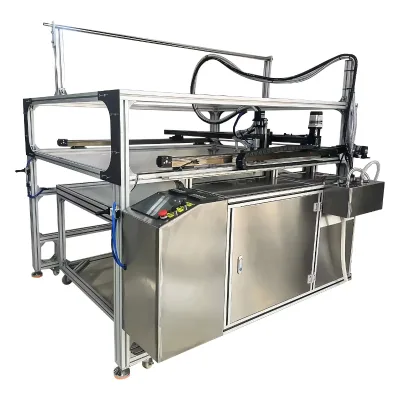
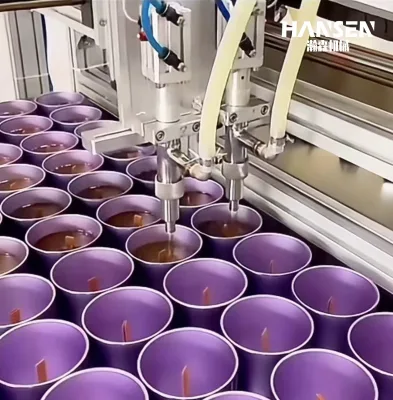

Automatic Scented Candle Wax Filling Machine for Candle Production
$14000.00 - $15000.00
MOQ: 1 Pieces

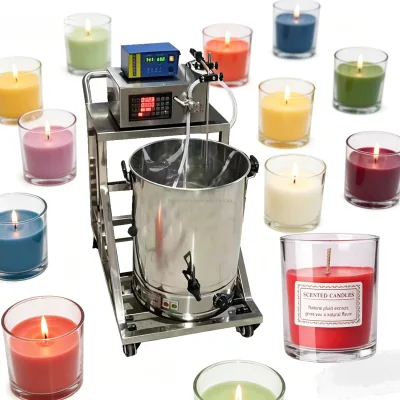
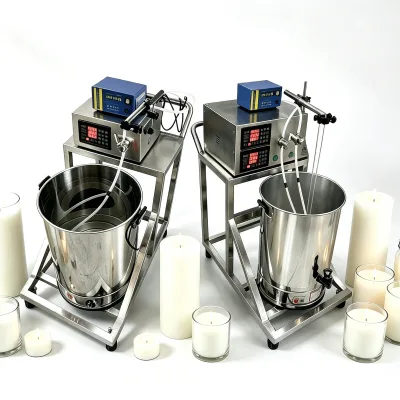

Automatic Paraffin Wax Machine Wax Filling Machine Wax Candle Machine for Sale
$700.00 - $1400.00
MOQ: 1 Sets


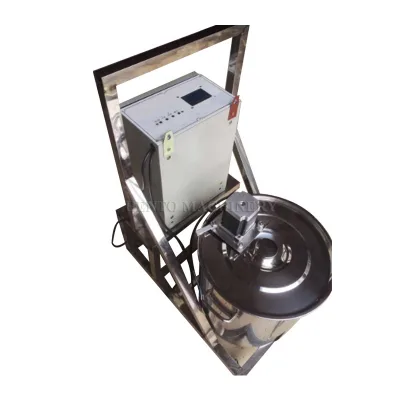
Factory Price Candle Filling Machine Paste Filling Machine with High Quality
$500.00 - $689.00
MOQ: 2 Sets

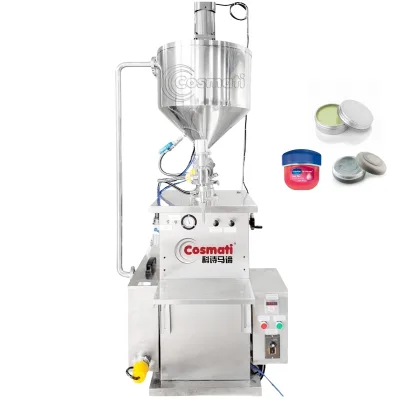


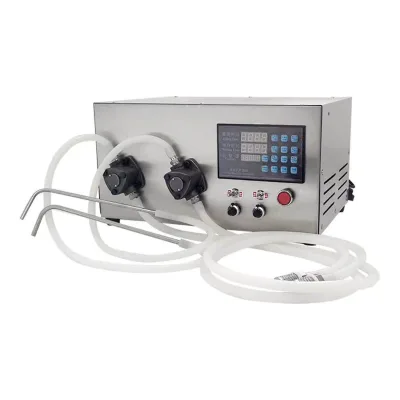
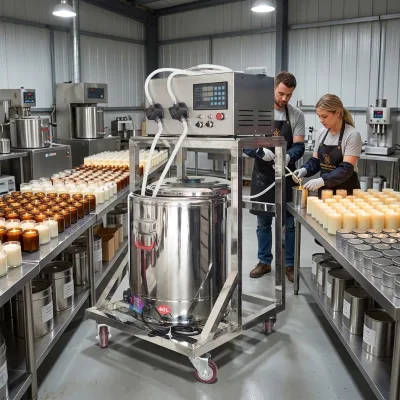
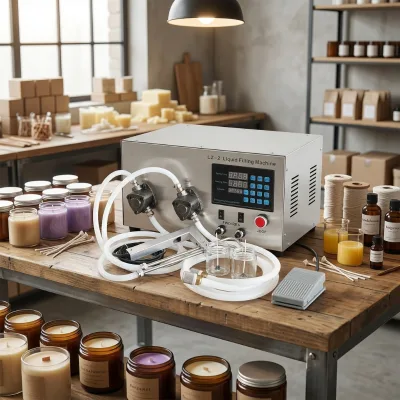
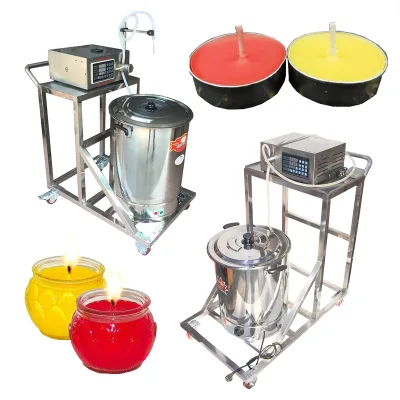
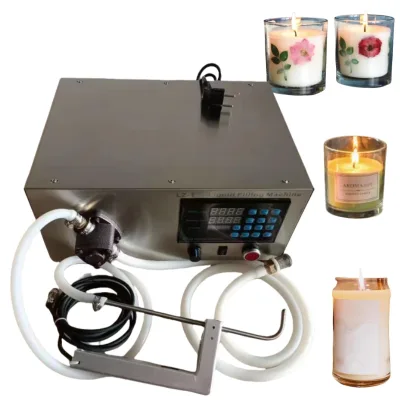
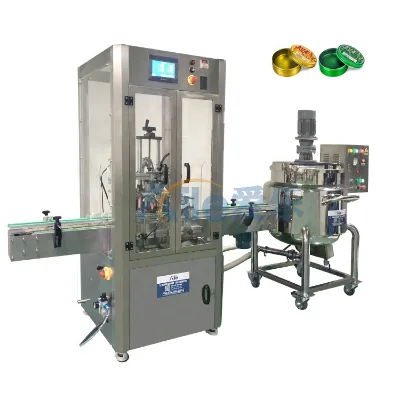
Candle Waxed Heater Filling Machine Production Line for Wax Filling Machine
$11435.7681 - $11955.5757
MOQ: 1 sets
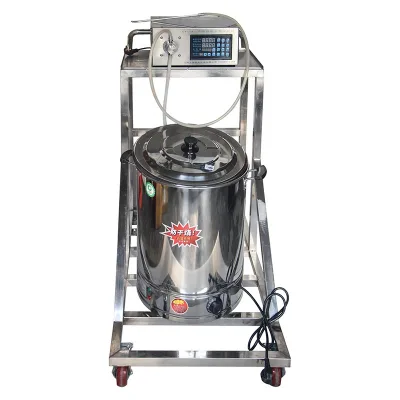
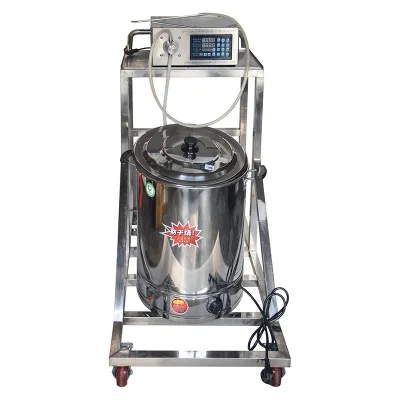
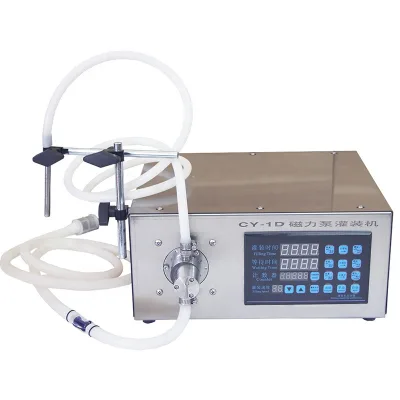
Comprehensive Sourcing Guide
Automatic Wax Filling Machine Sourcing Guide
Procuring an Automatic Wax Filling Machine requires careful evaluation of mechanical precision and material compatibility, as wax viscosity varies significantly across product lines. Buyers must distinguish between semi-automatic and fully automatic systems based on their production volume and labor constraints. The observed market includes units with single or dual nozzles, where the choice directly impacts throughput and filling accuracy. Understanding these mechanical distinctions is the first step in aligning equipment capabilities with specific operational needs.
The core components of these machines, such as motors, pumps, and PLCs, dictate long-term reliability and maintenance costs. Stainless steel 304 construction is a common material standard, ensuring hygiene and resistance to corrosion, which is critical for food-grade or cosmetic applications. Buyers should verify that the automatic grade matches their desired level of automation, as this influences both the initial capital expenditure and the ongoing operational complexity of the filling line.
Product Scope and Observed Listing Signals
The current market landscape for wax filling equipment shows a diverse range of capabilities, with observed prices spanning from $390 to $23,000 USD. This wide variance reflects differences in automation levels, material quality, and included features such as PLC integration or advanced sensor technology. Buyers should note that lower-priced units may be semi-automatic, requiring more manual intervention, while higher-end models offer fully automatic operation with higher precision and speed.
Listing signals indicate that many suppliers provide video technical support and online assistance, which are valuable for remote troubleshooting and initial setup. The packaging type is typically cartons or bottles, depending on the machine configuration and intended output format. Additionally, machinery test reports are provided by some suppliers, offering a baseline for performance verification, while others may not have this documentation readily available, requiring further inquiry.
Technical Specifications to Verify
Key technical parameters include voltage requirements, with many units operating on 220V at 50-60Hz, suitable for standard industrial power supplies in many regions. The filling accuracy is a critical metric, with observed values ranging from 99% to 99.5%, ensuring consistent product quality and minimizing waste. Buyers must verify the filling volume range, which can extend from 4ml to 4500ml, to ensure the machine accommodates their specific bottle sizes and product volumes.
Dimensional constraints are also important for facility planning, with observed machine sizes varying from compact units measuring 1060620850mm to larger automatic systems reaching 180020001800mm. The weight of the equipment, ranging from 30kg to 150kg, affects installation requirements and floor load capacity. Additionally, the filling speed, observed between 5-25 bottles per minute for some models, and capacity up to 1000BPH for others, must align with production targets.
Compliance and Safety Documentation
Safety and compliance documentation are essential for integrating filling machines into regulated production environments. Buyers should request machinery test reports to verify that the equipment meets specific performance and safety standards. While some listings mention CE certification, this should be treated as a background signal rather than a guaranteed status, requiring direct confirmation from the supplier with valid certificates.
The presence of core components like PLCs and gears suggests a level of automation that requires proper electrical safety compliance. Buyers must ensure that the machine’s electrical systems, including motors and pumps, adhere to local electrical codes and safety regulations. Documentation regarding the automatic grade and driven type, such as electric operation, should be reviewed to confirm that all safety interlocks and emergency stops are functional and properly documented.
Cost Drivers and Commercial Terms
Several factors influence the total cost of ownership for automatic wax filling machines, including the automatic grade, material construction, and included features. Stainless steel 304 construction and advanced PLC systems typically command higher prices but offer greater durability and precision. Buyers should evaluate the trade-off between initial cost and long-term reliability, considering that higher-quality components may reduce maintenance expenses and downtime over time.
Commercial terms such as warranty coverage and after-sales service are critical components of the procurement decision. Most suppliers offer a one-year warranty, with some providing extended support options. Buyers should clarify the scope of the warranty, including coverage for core components like motors and pumps, and understand the process for claiming service. Additionally, the MOQ, observed to be as low as 1-2 units, allows for flexible purchasing, but bulk orders may offer better pricing.
Supplier Qualification and Quality Control
Supplier qualification involves verifying the manufacturer’s expertise in producing filling machines for specific industries, such as food, beverage, or cosmetics. Buyers should assess the supplier’s track record in providing video technical support and online assistance, as these services are crucial for successful implementation and troubleshooting. The place of origin, often Henan or Guangdong in China, can provide insights into the regional manufacturing capabilities and supply chain efficiency.
Quality control processes should be transparent, with suppliers providing machinery test reports and detailed specifications. Buyers must ensure that the machine’s filling accuracy and speed meet their operational requirements before finalizing the purchase. Additionally, verifying the automatic grade and material quality, such as stainless steel 304, helps ensure that the equipment will perform reliably in the intended application environment.
Long-Term Procurement Checks
Long-term procurement success depends on establishing a strong relationship with the supplier for ongoing support and spare parts availability. Buyers should confirm the availability of replacement parts for core components like motors, pumps, and PLCs, as these are essential for maintaining machine uptime. The warranty period, typically one year, should be clearly defined, including the process for claiming repairs or replacements.
Regular maintenance and performance monitoring are also critical for extending the lifespan of the filling machine. Buyers should develop a maintenance schedule based on the manufacturer’s recommendations, focusing on key components such as bearings, gears, and nozzles. Additionally, staying informed about updates in technology and industry standards ensures that the equipment remains competitive and compliant with evolving regulatory requirements.
FAQs
What is the filling accuracy of the Automatic Wax Filling Machine?
The filling accuracy is typically 99% to 99.5% depending on the specific model configuration. This high precision ensures consistent volume control for various liquid products. The system utilizes a motor and pump core component to maintain stability during operation. Buyers should verify the exact percentage for their selected unit to ensure it meets quality standards.
Can the machine handle different bottle materials like glass or plastic?
Yes, the equipment supports packaging materials such as glass and plastic. It is designed to accommodate various container types for diverse product applications. The adjustable filling volume range allows for flexibility across different bottle sizes. Users can efficiently switch between material types while maintaining operational efficiency and precision during the filling process.
What is the voltage requirement for operating the filling machine?
The machine operates on a standard voltage of 220V at 50-60Hz. This electrical specification ensures compatibility with common industrial power supplies in many regions. The electric driven type provides reliable performance for continuous production tasks. Always confirm the local power grid standards before installation to ensure safe and efficient machine operation without electrical issues.
Which core components are included in the automatic filling system?
The core components include a motor, pump, PLC, gear, bearing, gearbox, and engine. These parts work together to ensure precise and automated filling operations. The motor drives the mechanism while the PLC controls the sequence. This comprehensive set of components supports high precision filling levels and reliable long-term performance for industrial manufacturing environments.
What after-sales services are provided for the wax filling machine?
Providers offer video technical support and online assistance for troubleshooting. A one-year warranty covers the machinery for initial peace of mind. These services help resolve operational issues quickly without requiring on-site visits. Buyers can rely on remote guidance for maintenance and setup, ensuring minimal downtime and sustained productivity in their production lines.
How fast can the machine fill bottles per minute?
The filling speed ranges from 5 to 25 bottles per minute. This capacity allows for flexible production rates based on specific operational needs. The machinery capacity can reach up to 1000 bottles per hour depending on the model. Users can adjust the speed to match their workflow requirements while maintaining high precision and consistent filling accuracy.