Source Black Self Attached Necktie for Business, Events, and Weddings
Compare 30 listings for Black Self Attached Necktie featuring plain, striped, and dobby patterns in silk or polyester. Buyers can review sizes, customization options, and MOQs from verified Chinese manufacturers; compare the available evidence and request quotations based on your requirements.
Updated
Key considerations
Products List


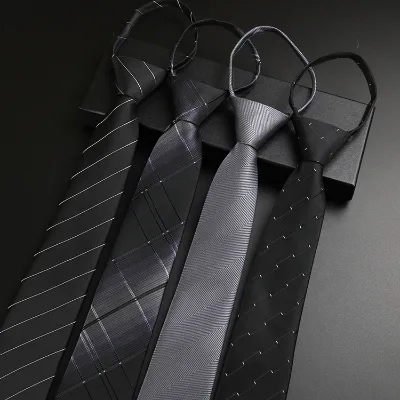
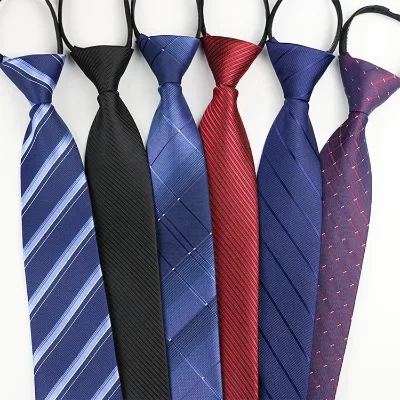
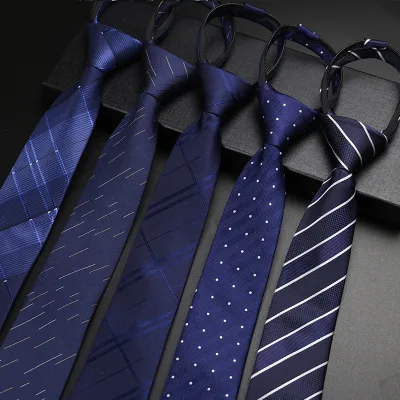
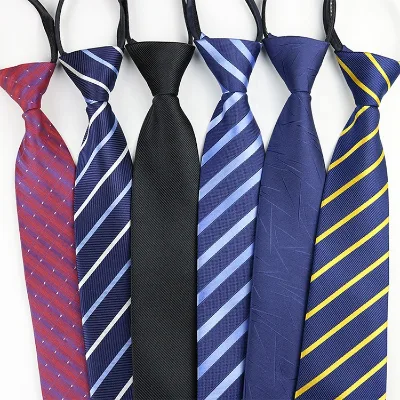
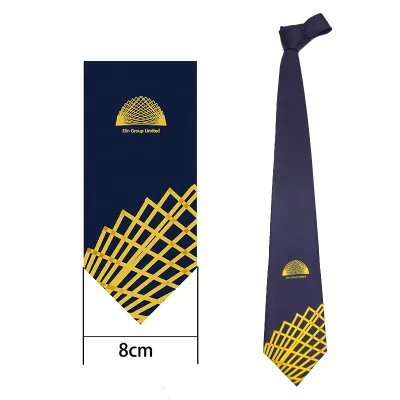
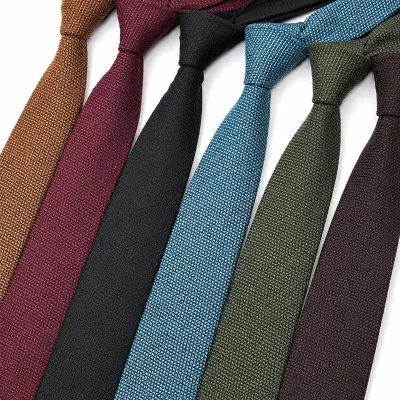
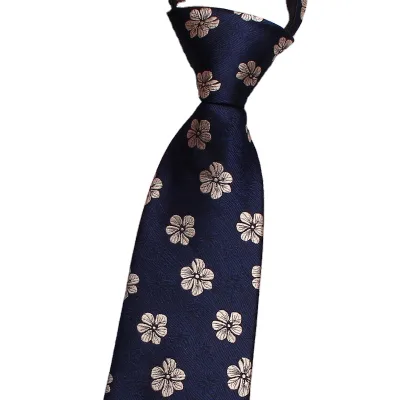
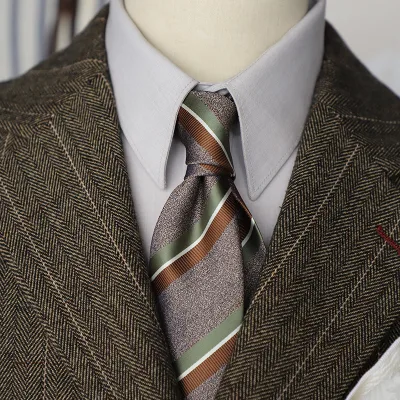
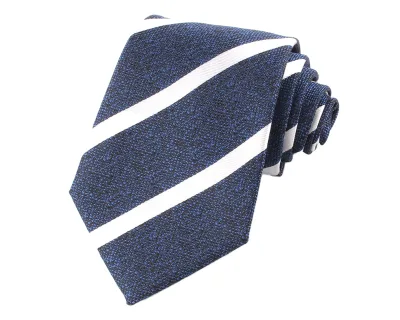
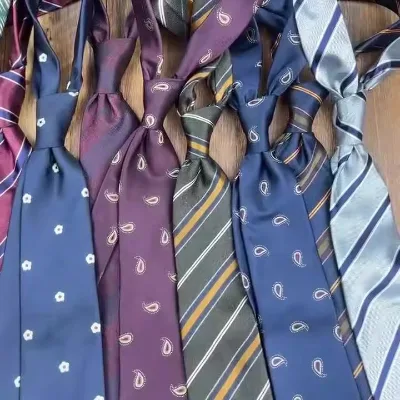
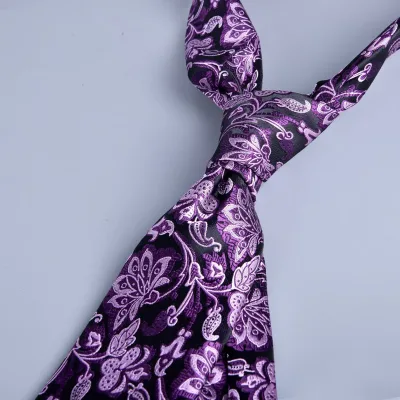
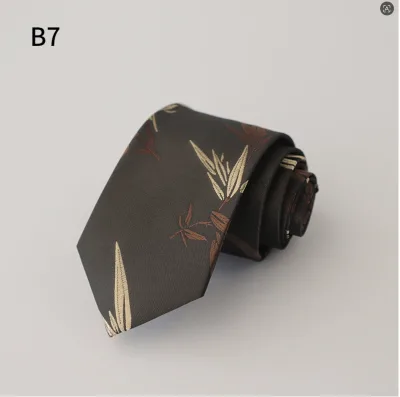
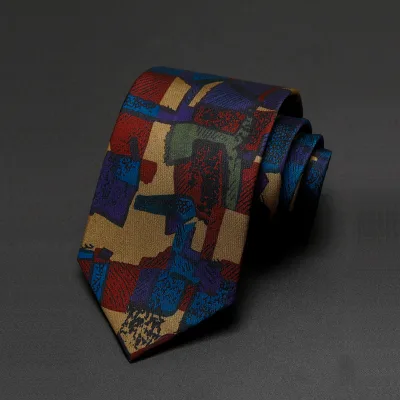
Mens Color Blocking 100% Silk Necktie Soft Business Gentleman Tie Necktie
$4.50 - $5.65
MOQ: 100 pieces
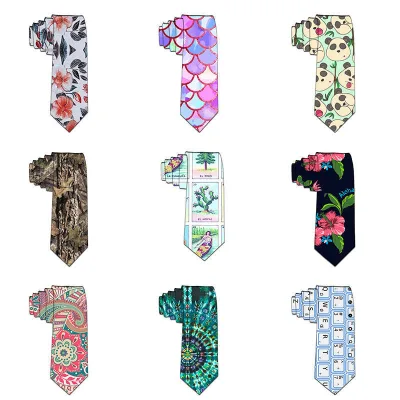
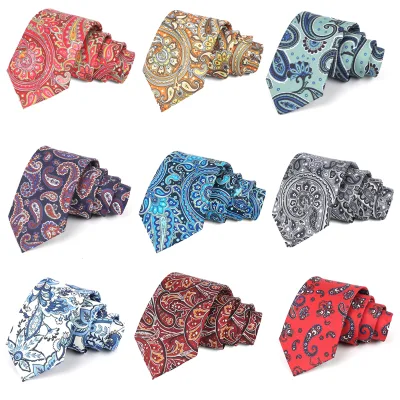
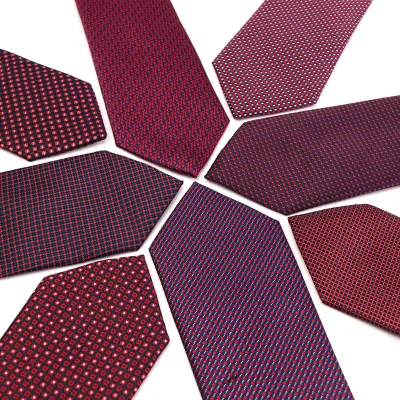


Comprehensive Sourcing Guide
Black Self Attached Necktie Sourcing Guide
Procuring black self-attached neckties requires a nuanced understanding of both aesthetic consistency and functional attachment mechanisms. The term "self-attached" often implies a specific construction where the tie is integrated with a collar or garment, or it may refer to a design where the tie features a built-in closure system, such as the zipper mechanisms observed in current market listings. Buyers must distinguish between traditional woven neckties and these innovative alternatives, as the sourcing criteria differ significantly. The visual dominance of black in the observed color palette suggests a strong demand for formal, corporate, or uniform applications where versatility and professionalism are paramount.
The observed product landscape reveals a mix of materials, including 100% silk, polyester, cotton, and blended fabrics like polyester/cotton. This variety indicates that the "self-attached" feature is not limited to a single material type but is a structural design choice available across different price points and quality tiers. Sourcing decisions should therefore prioritize the intended end-use environment. For high-end corporate gifting or luxury uniform programs, silk options with plain or striped patterns may be preferred, while high-volume uniform deployments might benefit from the durability and cost-efficiency of polyester or cotton blends. Understanding this material spectrum is the first step in defining accurate procurement specifications.
Product Scope and Observed Listing Signals
Market analysis of current listings highlights a diverse range of product attributes that define the scope of black self-attached neckties. A significant portion of the observed inventory features zipper closures, with specific model numbers like DYT154 and DYT014 indicating standardized production runs. These zipper ties come in various sizes, such as 48cm7cm or 456cm, and are available in numerous color codes, including specific black variants like Black01, Black02, and Black67. The presence of "Zipper tie" in product names suggests that the self-attached mechanism may involve a quick-release or secure fastening system, which is a critical differentiator from traditional neckties that require manual knotting.
Beyond zipper mechanisms, the scope also includes traditional styles with plain, dyed, or dobby patterns, often sourced from Zhejiang, China. These products typically adhere to standard dimensions like 9*145cm or custom sizes, with packaging ranging from OPP bags to carton boxes. The availability of customization options, including OEM services and needle detection, indicates that many suppliers are equipped to handle branded or safety-compliant orders. Buyers should note that while black is a dominant color, the "self-attached" descriptor may also apply to ties designed for specific uniform systems where the tie is pre-attached to a shirt or vest, requiring careful verification of the attachment method during the sourcing phase.
Technical Specifications to Verify
Verifying technical specifications is crucial to ensuring that the black self-attached necktie meets functional and aesthetic requirements. Key dimensions to confirm include length and width, with observed standards ranging from 145cm in length to widths of 5cm, 6cm, or 8cm. The model numbers, such as OFFC1347 or DYT072, serve as unique identifiers for these specifications, allowing buyers to request precise samples before bulk ordering. It is essential to verify whether the "self-attached" feature refers to a zipper, a hook-and-loop system, or a sewn-in collar integration, as this impacts both the wearing experience and the durability of the product.
Material composition is another critical technical aspect, with options including 100% silk, polyester, cotton, and blends. Each material offers distinct advantages: silk provides a luxurious sheen and drape, while polyester and cotton offer durability and ease of care. Buyers should also check the single gross weight, which ranges from 0.055 kg to 0.075 kg, as this can indicate the density and quality of the fabric. Additionally, packaging details, such as single package sizes of 24X8X1 cm, are important for logistics planning. Ensuring that the technical specifications align with the intended use case, whether for formal events or daily uniform wear, will prevent mismatches in product performance and customer satisfaction.
Compliance and Safety Documentation
Compliance and safety documentation are vital for black self-attached neckties, particularly when they are intended for corporate uniforms or regulated industries. The observed listings mention needle detection services, indicating that suppliers are capable of ensuring the absence of broken needles or metal fragments in the finished product. This is a critical safety measure, especially for products that may be worn by children or in environments where metal detection is required. Buyers should request certificates of compliance or test reports that confirm the product has passed needle detection checks, ensuring that the ties are safe for end-users.
In addition to physical safety, material safety standards must be verified, particularly regarding chemical treatments and dyes. While specific certification names are not provided in the observed data, buyers should inquire about compliance with international standards such as OEKO-TEX or REACH, which regulate harmful substances in textiles. For products made from silk or synthetic blends, ensuring that the dyes used are colorfast and non-toxic is essential. Documentation should also cover the origin of materials, with many products sourced from China, to ensure transparency in the supply chain. Requesting these documents early in the sourcing process helps mitigate risks related to product recalls or regulatory non-compliance.
Cost Drivers and Commercial Terms
Cost drivers for black self-attached neckties include material selection, customization complexity, and order volume. The observed price range of 0.56 to 18 USD reflects the disparity between basic polyester options and premium silk or custom-designed ties. MOQs vary significantly, from as low as 2 pcs for sample orders to 100 pcs for bulk production, influencing the unit cost and overall budget. Buyers should consider the trade-off between lower MOQs and higher per-unit costs, especially when testing new designs or colors. The availability of customization, such as OEM branding or specific zipper mechanisms, can also impact pricing, as these processes require additional labor and setup time.
Commercial terms observed in the market include payment methods like T/T, Western Union, Cash, Paypal, and Ali Trade Assurance, providing flexibility for different buyer preferences. Lead times and shipping terms are not explicitly detailed in the observed data, but buyers should negotiate these terms clearly to avoid delays. Packaging options, ranging from individual OPP bags to carton boxes, also affect logistics costs. Understanding these commercial variables allows buyers to optimize their procurement strategy, balancing cost efficiency with the need for quality and timely delivery. Clear communication of these terms with suppliers ensures a smooth transaction process.
Supplier Qualification and Quality Control
Supplier qualification is a critical step in sourcing black self-attached neckties, ensuring that partners can meet quality and delivery expectations. Buyers should verify the supplier's production capabilities, including their ability to handle different materials like silk, polyester, and cotton blends. The presence of OEM services and needle detection in the observed listings suggests that many suppliers have robust quality control processes. It is advisable to request samples to assess the quality of the zipper mechanisms, stitching, and fabric finish. Suppliers with a track record of exporting to international markets may offer more reliable quality assurance and communication.
Quality control measures should include pre-production samples, in-line inspections, and final random inspections. Buyers should define clear acceptance criteria for color consistency, dimension accuracy, and functional integrity of the self-attached mechanism. The observed single gross weights and package sizes can serve as benchmarks for consistency checks. Additionally, verifying the supplier's ability to handle customization requests, such as specific model numbers or color codes, is essential for maintaining brand consistency. Establishing a strong relationship with qualified suppliers through regular communication and clear quality expectations helps ensure that the final products meet the desired standards.
Long-Term Procurement Checks
Long-term procurement checks involve continuous monitoring of supplier performance, product quality, and market trends. Buyers should establish key performance indicators (KPIs) such as on-time delivery rates, defect rates, and responsiveness to issues. Regular audits or quality checks can help identify potential problems early, allowing for corrective actions before they impact the supply chain. The observed variety in model numbers and color codes suggests a dynamic market, so staying informed about new designs and materials is important for maintaining a competitive edge. Building a diversified supplier base can also mitigate risks associated with single-source dependencies.
Furthermore, buyers should periodically review commercial terms and pricing to ensure they remain competitive. The observed MOQs and payment terms can be renegotiated as order volumes grow, potentially leading to better rates and conditions. Engaging in long-term partnerships with suppliers who demonstrate reliability and quality can lead to improved service levels and innovation. Additionally, monitoring regulatory changes and sustainability trends in the textile industry can help buyers adapt their procurement strategies to meet evolving customer expectations. By maintaining a proactive approach to supplier management and market analysis, buyers can ensure a stable and efficient supply of black self-attached neckties.
FAQs
What materials are used for black self attached neckties?
Black self attached neckties are crafted from 100% silk, polyester, cotton, or blends like polyester/cotton. These materials offer different textures and durability levels. Silk provides a premium finish, while polyester offers cost-effective durability. Buyers can select based on budget and desired fabric feel for professional or casual wear.
Can black self attached neckties be customized?
Yes, customization is available for black self attached neckties. Buyers can request OEM styles and specific patterns such as plain, striped, or dobby designs. Custom sizes and colors are also supported. This allows businesses to tailor products to brand requirements, ensuring unique visual identity and specific fit preferences for end users.
What are the standard specifications for these neckties?
Standard specifications include lengths of 145cm and widths of 5cm or 6cm. Some models measure approximately 48cm by 7cm or 45cm by 6cm. The standard size is often noted as 9 by 145cm. These dimensions ensure compatibility with standard shirt collars, providing a professional appearance for formal and business attire.
What is the minimum order quantity for these ties?
The minimum order quantity varies by supplier and product type. Some items have an MOQ of just 2 pieces, while others require 5 pieces or up to 100 pieces. This flexibility allows both small businesses and large enterprises to order suitable quantities. Buyers should check specific product listings for exact MOQ requirements before purchasing.
Where are these neckties manufactured?
These neckties are manufactured in China, specifically in the Zhejiang region. This location is known for its robust textile industry and efficient production capabilities. Sourcing from this area ensures access to high-quality materials and skilled labor. Buyers benefit from established supply chains and competitive pricing structures inherent to this manufacturing hub.
How are black self attached neckties packaged?
Packaging options include carton boxes, OPP bags, or individual bags. Specific packaging details may vary by model, with some items packed in boxes for protection. Single package sizes are typically around 24 by 8 by 1 to 3 cm. This ensures safe transit and presents the product professionally to retailers or end consumers.