Touch Screen Knitted Gloves Suppliers and Manufacturers
Source Touch Screen Knitted Gloves from 31 verified suppliers. Compare lead times, MOQs, certifications, and response speeds to find the right partner. Request samples to verify quality and fit for your specific needs; review the available evidence before requesting comparable quotations from suitable candidates.
Updated
Suppliers List
- Verified by TüVRheinland
- Manufacturer, Trading Company
- Lead time25 days
- Avg. response≤ 3h
Main productsBeanie, Scarf, Glove, Sock, Crochet Doll
Main marketsNorth America(35%), Eastern Europe(20%), Western Europe(20%)
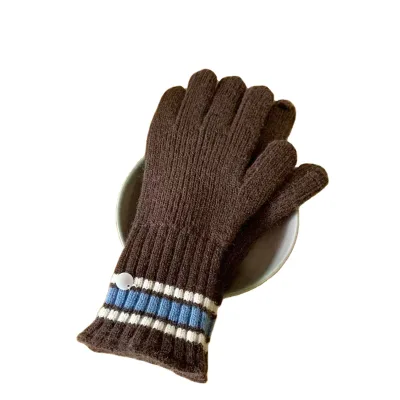
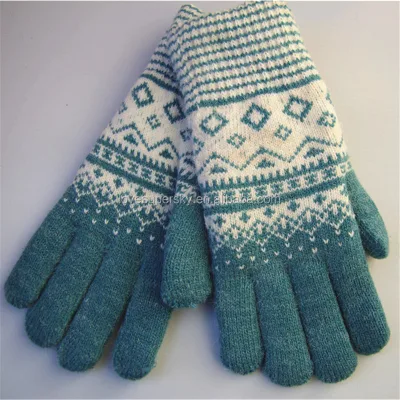
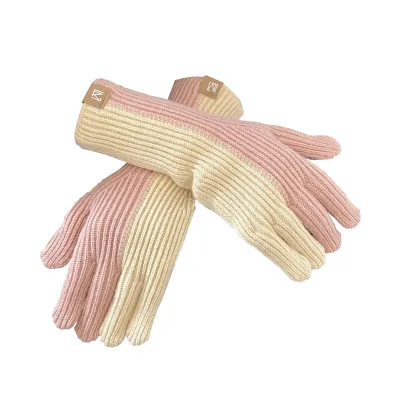
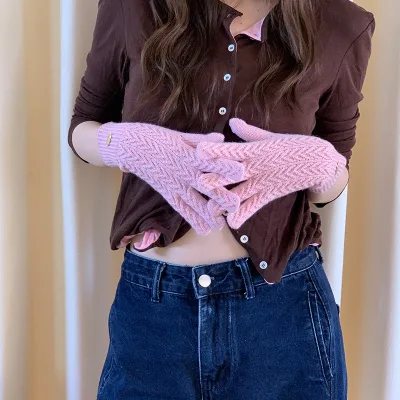
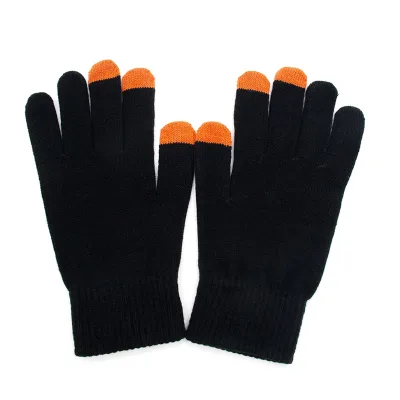
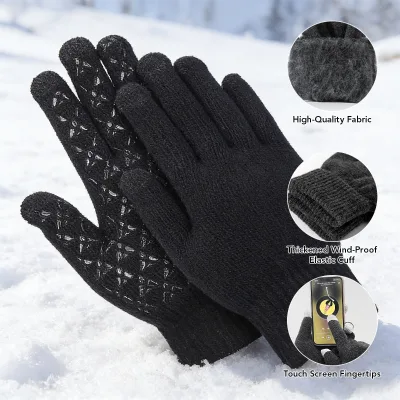
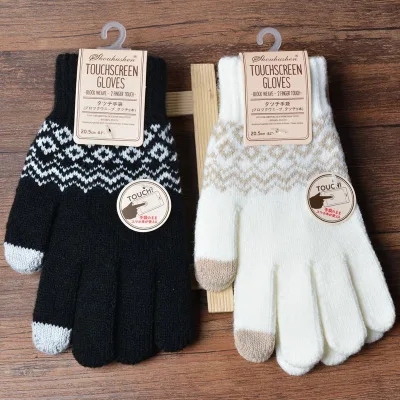
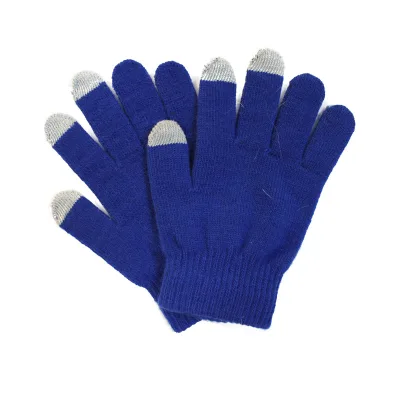
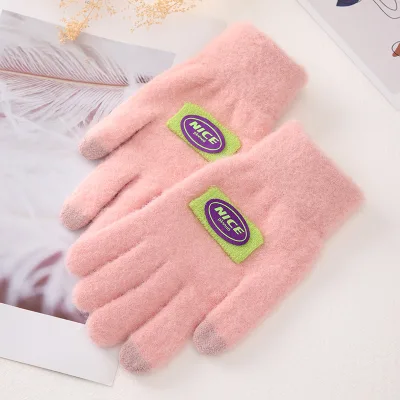
Knitted Color Blocked Knitted Warm Gloves Japanese Touchscreen Gloves Customized Colors
$3.79 - $3.99
MOQ: 1200
- Verified by Intertek
- Trading Company
- Lead time15 days
- Avg. response≤ 4h
Main productsBackpacks, Promotional Gifts, Tote Bags, Drawstring Bags, Waist Bags
Main marketsNorth America(22%), Africa(16%), South America(13%)

ZHENJIANG KIMTEX INDUSTRIAL INC.
- Verified by SGS
- Combined
- China Jiangsu
- Lead time30 days
- Avg. response≤ 13h
Main productsBaseball Cap, Beanie Hat, Trucker Hat, Snapback Cap, Bucket Hat, Gloves, Scarf, Socks, Bandana, T-Shirt
Main marketsAfrica,Southeast Asia/ Mideast,East Asia(Japan/ South Korea),Europe,Australia,North America


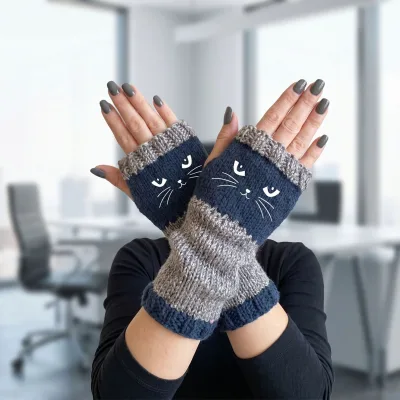
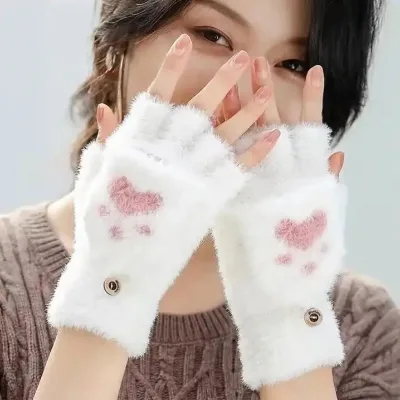
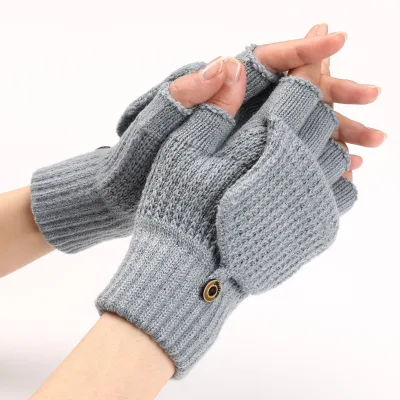
Hot Sale Autumn Winter Knitted Multipurpose Half Finger with Touch Screen Gloves
$1.10 - $1.40
MOQ: 100 Pieces

QUANZHOU VEKEDUO SUPPLY CHAIN MANAGEMENT CO.,LTD
- Verified by SGS
- Trading Company
- China Fujian
- Lead time30 days
- Avg. response≤ 7h
Main productsNon-Woven Bags, Apparel, Stationery, Resin Crafts, Stuffed Toys, Sport Products, Textile, Inflatable Toy
Main marketsSoutheast Asia/ Mideast,East Asia(Japan/ South Korea),Europe,North America

- Verified by CTI
- Trading Company
- China Anhui
- Lead time23 days
- Avg. response≤ 2h
Main productsFurniture, Home Furniture
Main marketsSoutheast Asia/ Mideast
- Verified by Intertek
- Manufacturer, Trading Company
- Lead time20 days
- Avg. response≤ 4h
Main productsPatio Umbrella, Cotton Bag, Vacuum Bottle, Roller Up Banner, Business Gift Set
Main marketsNorth America(14%), South America(13%), Eastern Europe(10%)

Nanjing New Climate Sport Ware Co., Ltd.
- Verified by CTI
- Trading Company
- China Jiangsu
- Lead time15 days
- Avg. response≤ 23h
Main productsCap, Hat, Scarf, Glove, Sock, Bag, Blacket, T-Shirt, Bandana, Beanie
Main marketsSoutheast Asia/ Mideast,East Asia(Japan/ South Korea),Europe,Australia,North America
Henan Huaxin Import & Export Trade Co., Ltd.
- Verified by SGS Group
- Trading Company
- Lead time6 days
- Avg. response≤ 7h
Main productsTowels, Bed Sheets, Key Chain, Plastic Bottles, Bucket Hats
Main marketsSoutheast Asia(50%), Western Europe(15%), North America(10%)

Sungnan Import & Export Co., Ltd.
- Verified by TUVRHEINLAND
- Combined
- China Zhejiang
- Lead time30 days
- Avg. response≤ 6h
Main productsScarf, Socks, China Scarf, Leggings, Hats, Bags, Gloves
Main marketsNorth America

- Verified by TUVRHEINLAND
- Trading Company,Manufacturer/Factory
- China Jiangsu
- Lead time23 days
- Avg. response≤ 4h
Main productsMedal, Coin, Lapel Pin, PVC Patch, Embroidery Patch, Keychain, Button Badge, Silicone Wristband, Lanyards, Gift
Main marketsSouth America,Eastern Europe,Mid East,North America,Oceania,Western Europe

Shijiazhuang Janefan Import and Export Trade Co., Ltd.
- Verified by CTI
- Trading Company
- China Hebei
- Lead time60 days
- Avg. response≤ 12h
Main productsSheepskin Glove, Leather Glove, Sheepskin Hat, Wool Glove, Sheepskin Earmuff, Wool Felt Hat
Main marketsEurope,North America


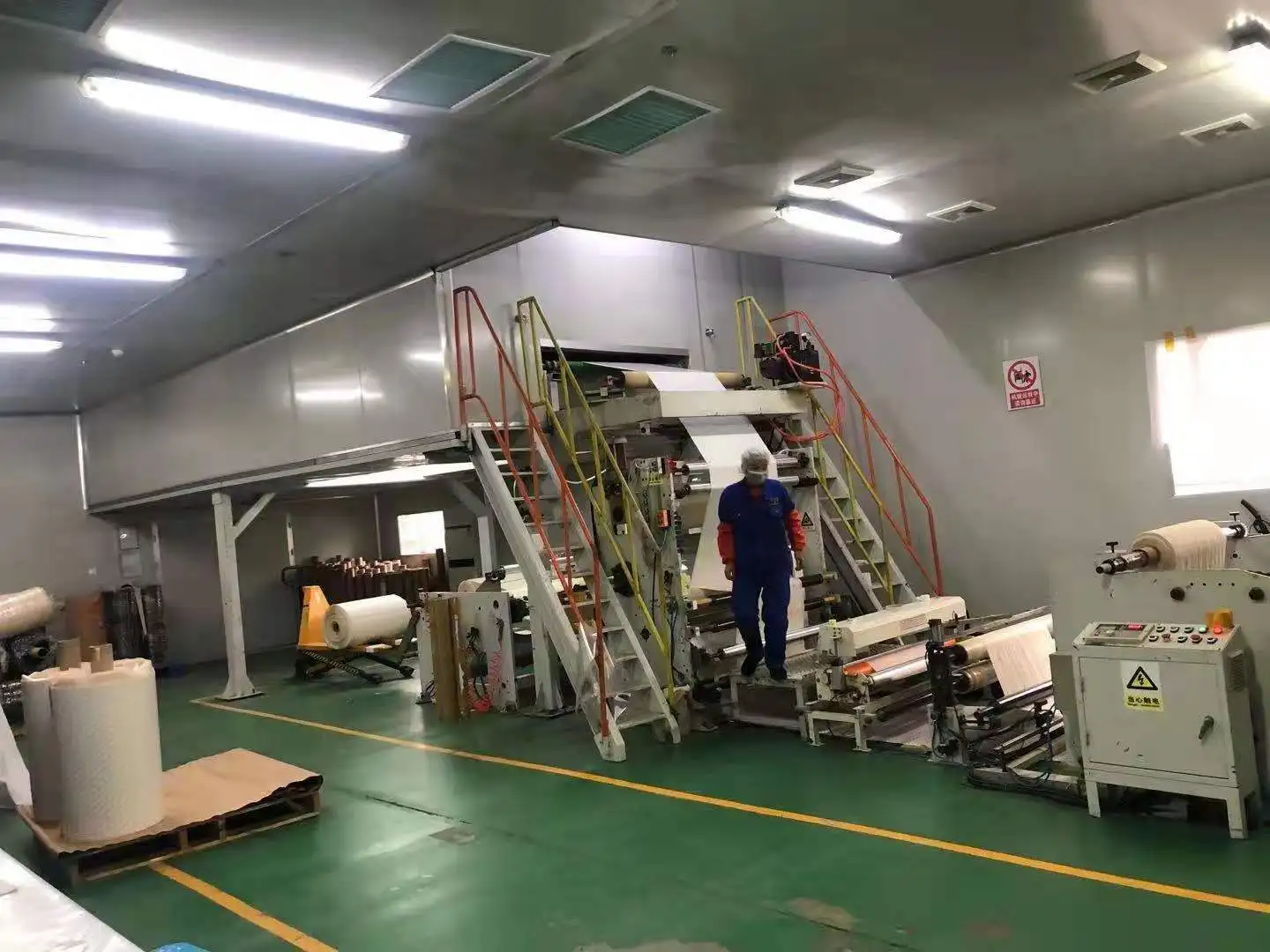
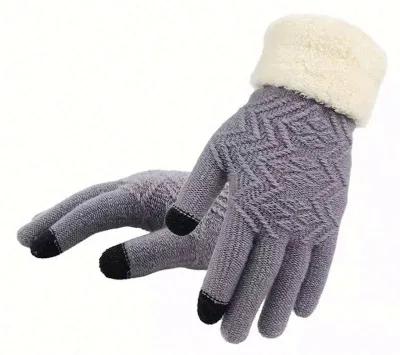
Fashion Winter Cashmere Wool Knitted Gloves for Women Touch Screen Designs
$3.50 - $3.70
MOQ: 100 Pairs


- Trading Company
- Jiangsu, China
- Lead time0 days
- Avg. response≤ 2h
Main productsprotective gears,resistance bands,indoor sports products,sports tape,elastic bandage
Main marketsNorth America(30.00%), Western Europe(20.00%), Eastern Europe(20.00%), Northern Europe(10.00%), Southeast Asia(5.00%)
Henan Huayi Glove Company Ltd.
- Verified by SGS Group
- Manufacturer, Trading Company
- Lead time30 days
- Avg. response≤ 2h
Main productsTPR Gloves, PU Coated Gloves, Cut Resistant Gloves, Nitrile Coated Gloves, Nylon Knitted Glove
Main marketsSouth America(25%), North America(15%), Central America(10%)
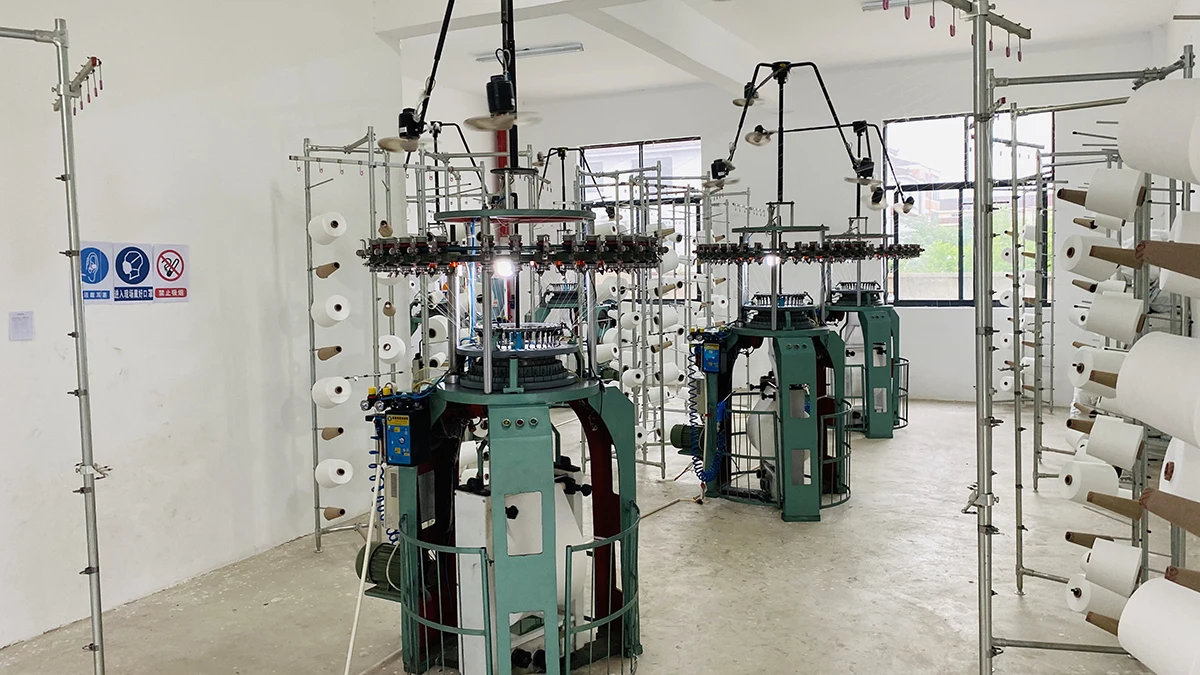
Jurong Jiasheng Knitting & Clothing Co., Ltd.
- Manufacturer, Trading Company
- JIANGSU, China
- Lead time15 days
- Avg. response≤ 16h
Main productsMultifunctional Seamless Tube Bandana,Knit Hat,Knit Scarf,Knit Gloves and Mittens,Beanie
Main marketsNorth America(27.00%), Southeast Asia(18.00%), Domestic Market(12.00%), Oceania(10.00%), Western Europe(10.00%), Northern Europe(9.00%), Eastern Asia(3.00%), Africa(2.00%), Eastern Europe(2.00%), South America(2.00%), South Asia(2.00%), Central America(1.00%), Southern Europe(1.00%), Mid East(1.00%)

Kunshan Kairui Clothes Co., Ltd.
- Trading Company
- Jiangsu, China
- Lead time30 days
- Avg. response≤ 2h
Main productsHAT,SCARF,GLOVES,SPORTS Accessories
Main marketsNorth America(40.00%), Northern Europe(20.00%), Western Europe(20.00%), Mid East(10.00%), Oceania(10.00%)
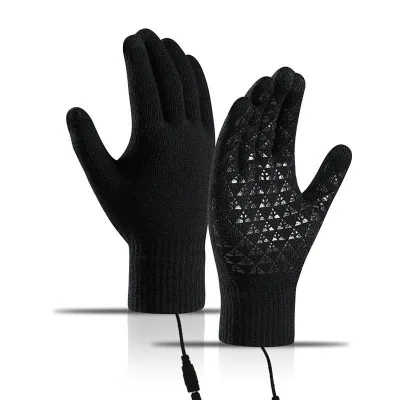
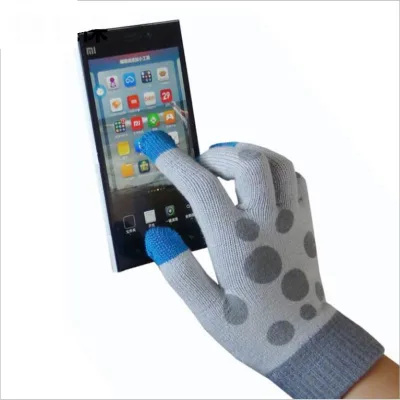
Wholesale Custom Polka-dot Acrylic Touch Screen Winter Warm Men and Women Universal Knitting Gloves
$1.88 - $2.38
MOQ: 500 pairs

- Verified by SGS
- Trading Company
- China Zhejiang
- Lead time15 days
- Avg. response≤ 3h
Main productsYiwu Sourcing Agent, DIY Toys, DIY Jewelry, Travel Souvenirs, Stationery, School Furtiture, Outdoor Products, Caps & Shoes & Socks, Costumes & Props, Beauty Tools
Main marketsAfrica,East Asia(Japan/ South Korea),North America

$0.56 - $0.86
MOQ: 200 Pieces


Knitted Warm Winter Men's and Women's Thick Velvet Yarn Anti Slip Touch Screen Gloves
$0.61 - $0.93
MOQ: 200 Pieces

$0.91 - $1.19
MOQ: 200 Pieces

Henan Jielun Import And Export Co., Ltd.
- Trading Company
- Henan Province, China
- Lead time7 days
- Avg. response≤ 2h
Main productsWomen's clothing,Men's clothing,Sexy lingerie,women underwear/panty,Men's bag & Women's bag
Main marketsNorth America(23.00%), South America(21.00%), Eastern Europe(11.00%), Southeast Asia(10.00%), Africa(6.00%), Oceania(5.00%), Domestic Market(3.00%), South Asia(3.00%), Southern Europe(3.00%), Northern Europe(3.00%), Central America(3.00%), Western Europe(3.00%), Eastern Asia(3.00%), Mid East(3.00%)

Henan Xiaokangning Import And Export Co., Ltd.
- Trading Company
- Henan, China
- Lead time7 days
- Avg. response≤ 3h
Main productsSexy lingerie,sexy sleepwear,women underwear/panty,Women's clothing,Men's clothing
Main marketsNorth America(23.00%), South America(21.00%), Eastern Europe(11.00%), Southeast Asia(10.00%), Africa(6.00%), Oceania(5.00%), Domestic Market(3.00%), South Asia(3.00%), Southern Europe(3.00%), Northern Europe(3.00%), Central America(3.00%), Western Europe(3.00%), Eastern Asia(3.00%), Mid East(3.00%)

Ningbo Youkiunite Imp &Exp Co., Ltd
- Verified by CTI
- Trading Company
- China Zhejiang
- Lead time15 days
- Avg. response≤ 6h
Main productsSocks, Hat/Cap, Slippers, Shoelaces, Scarf, Gloves, Pet Products, Shoes Accessories, Garment Accessories, Shoes
Main marketsSouth America,Europe,North America

Winter Warm Thickened Gloves Unisex Knitted Gloves Running Anti Slip Touch Screen Gloves
$0.60 - $0.80
MOQ: 50 Pairs


Winter Gloves Warm Full Fingertouchscreen Gloves Women Men Knit for Cold Weather
$1.45 - $1.89
MOQ: 10 Pairs


Yarn Knitted Gloves Exposed Fingers Solid Color Touch Screen Warm Windproof Acrylic for Adults
$0.64 - $0.72
MOQ: 300 pairs
Xin Ji Geshida Apparel&accessories Co., Ltd.
- Verified by SGS Group
- Manufacturer, Trading Company
- Lead time15 days
- Avg. response≤ 4h
Main productsGloves, Sport Ware, Hats, Face Mask, Knee Pad
Main marketsDomestic Market(83%), North America(3%), Eastern Asia(2%)
Nantong Extramile Textile Co., Ltd.
- Trading Company
- Jiangsu, China
- Lead time20 days
- Avg. response≤ 5h
Main productsKnit Beanies,Sports Caps,Protective Gloves,Scarves,House Socks
Main marketsNorth America(60.00%), Eastern Asia(17.00%), Western Europe(10.00%), Eastern Europe(5.00%), Southeast Asia(5.00%), South America(3.00%)
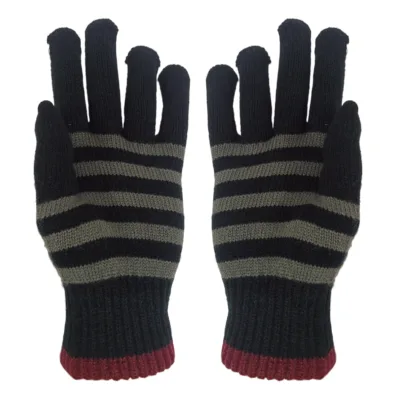
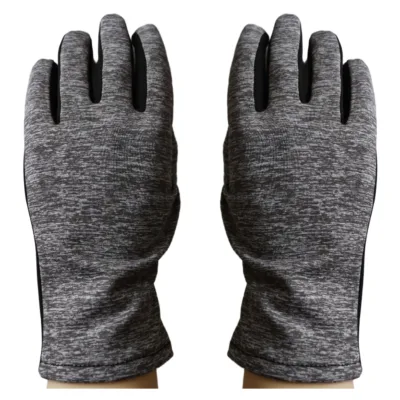
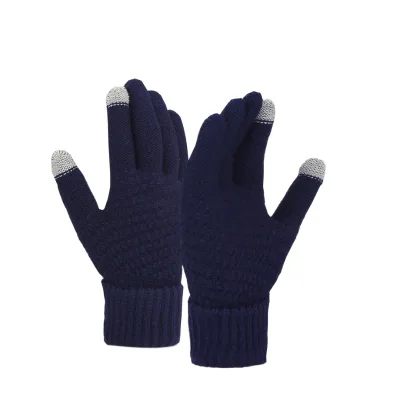
$1.03 - $1.05
MOQ: 10 pairs

Fuzhou Chongkang Gifts Trade Co., Ltd.
- Verified by SGS
- Manufacturer/Factory
- China Fujian
- Lead time23 days
- Avg. response≤ 5h
Main productsPromotional Gifts, Baseball Cap, Beanies Hat, Gift Bags, Scarf, Microfiber Cleaning Cloth, Keychain, USB Charging Line, Luggage Tag, Mobile Phone Holder
Main marketsSouth America,Eastern Europe,Mid East,North America,Southeast Asia,Eastern Asia,Oceania,Western Europe,Africa

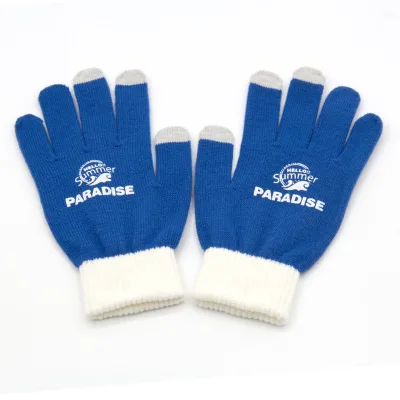
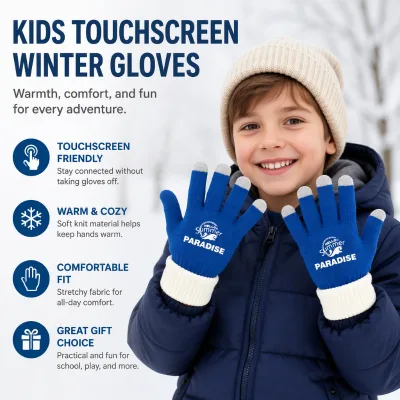
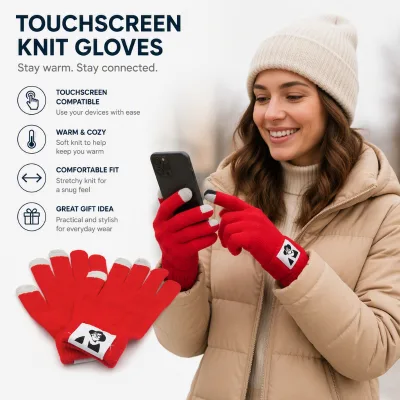
Promotional Custom Logo Adult Kids Touch Screen Winter Warm Fashion Knitted Gloves
$0.65 - $0.80
MOQ: 500 Pairs


Waterproof Winter Gloves Custom Windproof Thermal Warm Touch Screen Gloves
$0.79 - $0.97
MOQ: 60 pieces

- Trading Company
- China Jiangxi
- Lead time23 days
- Avg. response≤ 3h
Main productsDrawstring Bags, Canvas Bags, Plastic Case, Car Sunshade, Arm Sleeves, Cellphone Holder, Bandana, Headband, Scarf Scrunchie, Scarf
Main marketsEast Asia(Japan/ South Korea),Europe,Australia,North America


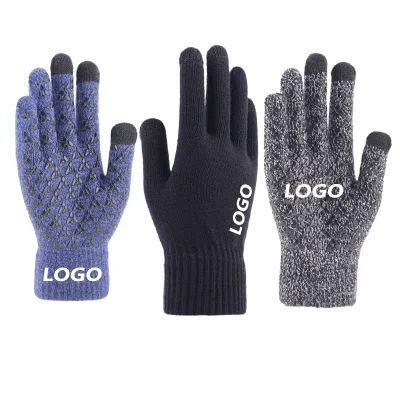
Promotion Customized Your Own Logo Touch Screen Winter Warm Knitted Gloves
$0.35 - $2.80
MOQ: 100 Pieces

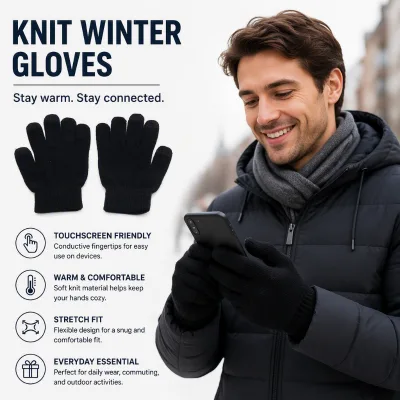
Unisex Black Knitting Custom Logo Smartphone Touchscreen Gloves for Winter
$0.35 - $2.80
MOQ: 100 Pairs
Lianyungang Mingan Protective Products Co., Ltd.
- Trading Company
- Jiangsu, China
- Lead time30 days
- Avg. response≤ 2h
Main productsLabor Protection Gloves,Magic Gloves,Cotton Yarn,Hat
Main marketsNorth America(60.00%), South America(20.00%), Mid East(10.00%), Southeast Asia(10.00%)

Zhejiang Laifeng Electromechanical Co., Ltd.
- Trading Company,Manufacturer/Factory
- China Zhejiang
- Lead time15 days
- Avg. response≤ 4h
Main productsSock Knitting Machine, Sock Linking Machine, Sock Iron Machine, Glove Knitting Machine, Glove Dotting Machine, Polyester Yarn, Glove Making Machine, Sock Making Machine, Glove Overlock Machine
Main marketsSouth America,Eastern Europe,Mid East,North America,Southeast Asia,Eastern Asia,Oceania,Western Europe,Africa
HONGKONG RUNSHINE INDUSTRY CO., LIMITED
- Trading Company
- Hong Kong S.A.R.
- Lead time0 days
- Avg. response≤ 6h
- Manufacturer, Trading Company
- Zhejiang, China
- Lead time9 days
- Avg. response≤ 8h
Main productsGloves Mittens,Beanies Hat,Scarves,Socks,LED DISPLAY sign
Main marketsNorth America(58.80%), Northern Europe(9.00%), Southern Europe(6.00%), Eastern Europe(5.20%), Western Europe(5.00%), Domestic Market(3.36%), Africa(2.58%), South Asia(2.30%), Central America(2.15%), South America(1.59%), Southeast Asia(1.46%), Mid East(1.23%), Oceania(1.00%), Eastern Asia(0.33%)
Yiwu Bangwai E-Commerce Co., Ltd.
- Verified by TüVRheinland
- Trading Company
- Lead time10 days
- Avg. response≤ 4h
Main productsBaseball Cap, Straw Hat, Bucket Hat, Beanie, Fedora Hat
Main marketsNorth America(74%), Oceania(8%), Eastern Europe(5%)

- Verified by SGS
- Trading Company
- China Hebei
- Lead time30 days
- Avg. response≤ 5h
Main productsBike, Kids Bike, Balance Bike, Bicycle, Mountain Bike, Bicycle Parts, Baby Tricycle, Baby Motorcycle, Baby Walker, Baby Car
Main marketsSouth America,Africa,Southeast Asia/ Mideast,Europe


Warm Knitted Gloves Plus Velvet Thick Non-Slip Winter Touch Screen Gloves
$2.80 - $2.90
MOQ: 500 Pieces
Hangzhou New Emperor Import And Export Co., Ltd.
- Trading Company
- Zhejiang, China
- Lead time30 days
- Avg. response≤ 4h
Main productsHat, Scarf, Glove, Cap, Sock
Main marketsNorth America(30.00%), Northern Europe(20.00%), Western Europe(15.00%), Southern Europe(15.00%), South America(5.00%), Africa(5.00%), Eastern Europe(5.00%), Eastern Asia(5.00%)
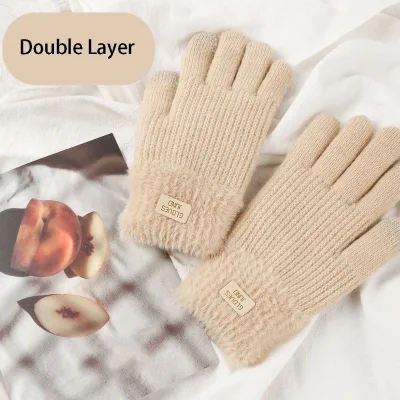
$2.4627 - $2.7713
MOQ: 10 pairs
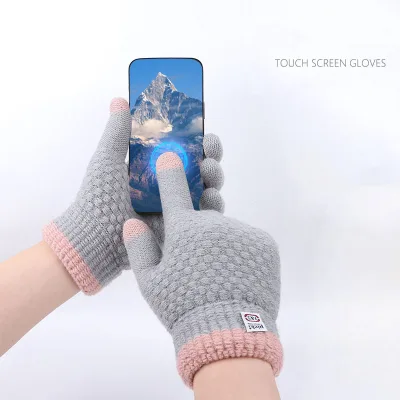
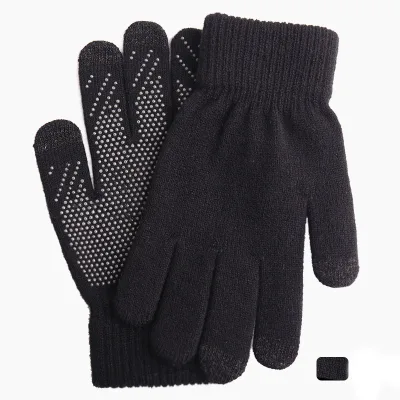
$1.131 - $1.5429
MOQ: 10 pairs
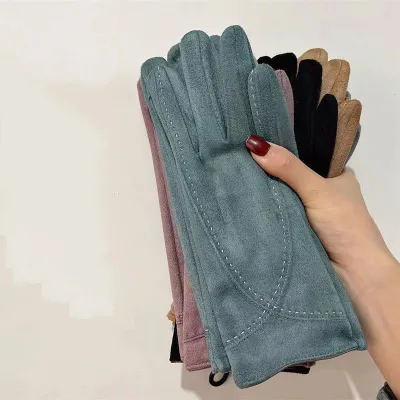
$2.9765 - $3.2836
MOQ: 10 pairs

Dongguan Kangbao Garment Co., Ltd.
- Verified by BV
- Combined
- China Guangdong
- Lead time23 days
- Avg. response≤ 5h
Main productsBeanie, Winter Hat, Scarf and Neck Warmer, Gloves and Mittens, Knit Poncho and Blanket, Headband Sports Gear, Canvas Bag, Golf Cover
Main marketsAfrica,Europe,North America
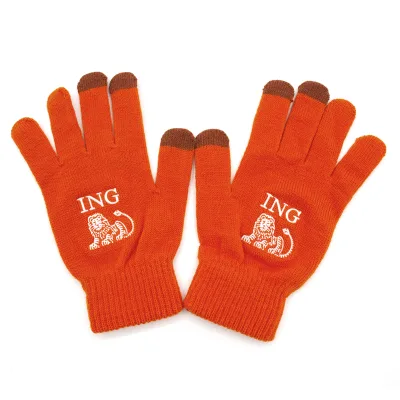






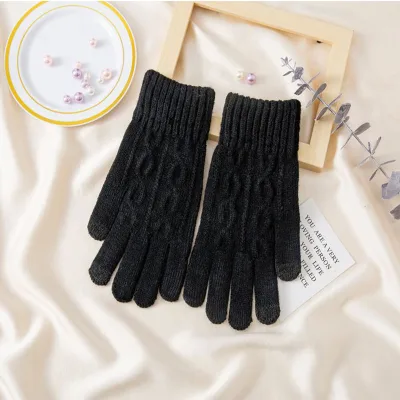


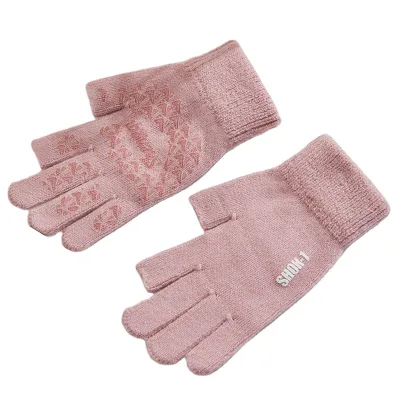
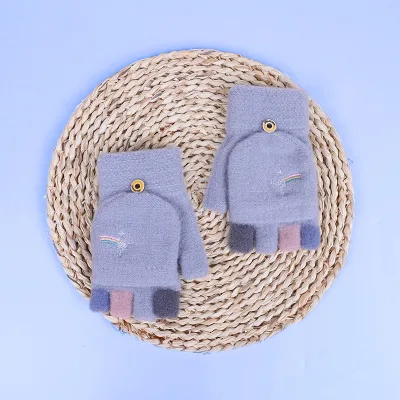
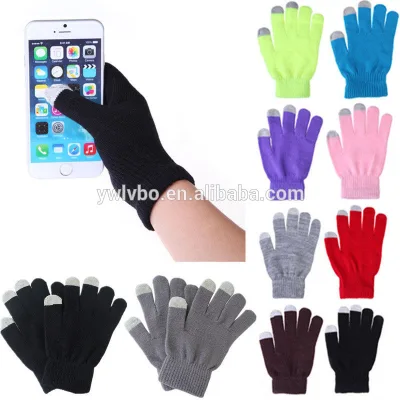


Comprehensive Sourcing Guide
Touch Screen Knitted Gloves Supplier Concentration and Factory Types
When sourcing Touch Screen Knitted Gloves, the supplier landscape splits into two broad categories: manufacturers who knit, finish and pack the gloves in-house, and trading companies who aggregate production from several factories. Both types appear in typical search results for this category, and each carries distinct implications. Manufacturers tend to offer tighter control over gauge, yarn sourcing and conductive fingertip assembly, while trading companies may offer a wider assortment of complementary knitwear such as beanies, scarves and socks, which matters if you plan a coordinated winter accessory range from a single order.
Cluster identification is the buyer's responsibility because listings do not always display a factory address at the category level. Product-level attributes can help: one listing in the current results places origin in Jiangsu, China, which signals that this province participates in knit glove production. To verify concentration independently, filter search results by origin field, request factory registration documents, and compare which provinces appear repeatedly across verified listings. Note that some suppliers list the origin only as "China," so province-level mapping requires direct inquiry. Ask each candidate whether knitting, conductive yarn insertion, touchscreen coating application and packaging occur in the same facility or across subcontractors. A supplier handling all stages under one roof generally responds faster to gauge changes and color matching requests, whereas split production increases the risk of inconsistent conductivity between batches and complicates quality accountability when a shipment arrives defective.
How to Verify Touch Screen Knitted Gloves Suppliers
Verification begins with third-party inspection status. Some suppliers in this category carry verification from recognized inspection bodies, such as TüV Rheinland or Intertek, which confirms that legal registration and business scope were audited by an external party. Treat this as a baseline filter rather than proof of production quality. Next, review system certifications shown on the profile. Listings in the current results show BSCI, OEKO-TEX STeP and EN 71 among claimed certifications, which respectively address social compliance, textile production stewardship and toy safety. For adult knit gloves, OEKO-TEX claims deserve certificate-number verification against the issuing body's public database, since certificate text on a profile can be outdated or transferred incorrectly.
Beyond documentation, verify production capability through the supplier's own evidence. The current results show sample processing, graphic processing and customized on-demand service listed as research and development capacity, which you should test by requesting a custom logo sample using your artwork. Conductive fingertip function is the defining technical feature of this category, so ask specifically how conductivity is achieved, whether through conductive yarn knitting, coating or sewn pads, and request a sample tested on multiple devices. Check needle detection claims too; at least one product listing states needle detection is performed, which is a meaningful safety practice for knit goods. Finally, confirm the supplier type matches your expectation: if you require a manufacturer for audit purposes, ensure the company is not actually a trading intermediary, because misclassification is common and affects both pricing transparency and factory audit access.
What to Compare Across Touch Screen Knitted Gloves Suppliers
Build a comparison sheet using the attributes suppliers actually display, then fill gaps by inquiry. Core comparison dimensions from the current results include lead time, with displayed figures of 25 days and 15 days for different suppliers; response time, with values of 3 hours and 4 hours; supplier type, distinguishing Manufacturer plus Trading Company hybrids from pure trading companies; and verification status from third-party inspection firms. Establishment year and escrow availability are commonly displayed dimensions on supplier profiles, but they are not present in every listing, so record them only where shown and request the information directly otherwise. Main products matter for fit: one supplier lists beanie, scarf, glove, sock and crochet doll production, while another lists backpacks, tote bags and promotional gifts, indicating very different core competencies even though both sell knit touch screen gloves.
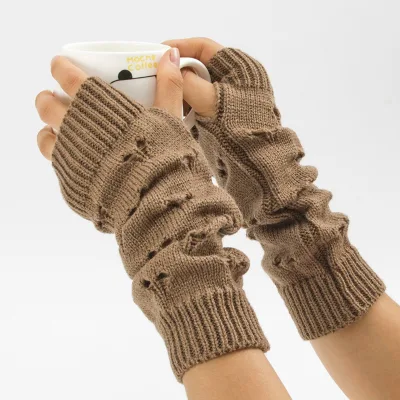
Product-level comparison is equally important. Listed touch screen glove products vary widely: a solid color acrylic pair priced between 0.75 and 1.75 USD at a 1200 pair MOQ, a women's acrylic-cotton style at 2.20 to 3.50 USD, a color-blocked Japanese style at 3.79 to 3.99 USD, and a fingerless vintage pattern style at 3.89 to 4.07 USD. Compare material composition, gauge, touchscreen method, size specifications, packaging dimensions and gross weight, since these determine landed cost. One listing shows a single gross weight of 0.200 kg while another shows 0.05 kg, a difference that materially affects freight calculations. Compare customization options as well: logo methods shown include woven labels, leather patches, printing and 3D embroidery, with heat-transfer printing specified on several products.
Common Touch Screen Knitted Gloves Sourcing Risks
The most category-specific risk is conductivity failure. A glove can look perfect on arrival yet fail to register touches on common devices, particularly after washing or extended wear. Because product listings rarely explain the touchscreen mechanism in detail, always test samples on at least three device types before approving production, and specify washing durability requirements in your purchase contract. A second risk is material misrepresentation: listings show 100% acrylic and acrylic-cotton blends, but the exact blend ratio drives both cost and hand feel, so require composition disclosure against the invoice and, where certifications are claimed, validate the certificate scope covers the actual fabric.
General sourcing risks take familiar forms here too. Trading companies posing as manufacturers can disappear between sampling and production, or substitute a cheaper subcontractor mid-run, producing color and gauge drift. Since one listed supplier's main products center on bags and promotional gifts rather than knitwear, deep knit expertise is not uniform across sellers of this category. Communication risk correlates partly with response time; suppliers advertising 3-hour response should be held to that standard during negotiation, and slow responses during quoting usually worsen after deposit payment. MOQ risk deserves attention as well: the 1200 pair minimum shown on several listings may be quoted flexibly for sampling but enforced strictly at production, and mixed-color orders sometimes carry higher minimums per colorway. Finally, shipping weight discrepancies, such as listings ranging from 0.05 kg to 0.200 kg per unit, can signal inaccurate packing data, so confirm actual carton weights and dimensions before booking freight.
Touch Screen Knitted Gloves Regional Sourcing and Logistics
Regional analysis in this category should start from displayed origin data rather than assumptions. The current results show one product origin in Jiangsu, China, indicating that this province participates in knit glove manufacturing and is worth including in any sourcing map. Other listings state origin only as "China," which is insufficient for freight planning or audit scheduling. To build a reliable regional picture, collect origin data from each product-level attribute field, request full factory addresses during negotiation, and note that a trading company's registered location may differ substantially from the producing factory's location. For this category, proximity to knit yarn suppliers and dye houses affects both lead time and color-matching capability, so ask candidates how far their facility is from yarn markets.
Logistics planning for knit gloves is straightforward compared to heavier goods, but details still matter. Displayed single gross weights range from 0.05 kg to 0.200 kg per unit, and single package dimensions vary from 30X8X2 cm to 30X20X15 cm, so volumetric calculations should use your confirmed packing specification, not listing data. Knit gloves are non-hazardous, generally unstressed in transit, and suitable for consolidated sea freight, though air freight is practical for samples and urgent replenishment given the low unit weight. Lead times displayed in current results are 25 days and 15 days, but these figures typically start after deposit and pre-production sample approval; confirm the countdown definition in writing. Plan seasonal timing carefully, since winter glove demand concentrates production capacity in the months before the retail season and can extend effective lead time beyond quoted figures.
Touch Screen Knitted Gloves Commercial Terms and Order Planning
Commercial planning should begin by reconciling displayed price and MOQ data with your own volume. Current listings show a 1200 pair MOQ on multiple touch screen glove products, with unit prices ranging from 0.75 to 1.75 USD for solid color acrylic styles up to 4.07 USD for specialty fingerless designs. Treat these as listing-level reference points subject to negotiation based on order quantity, colorway count and customization depth. Logo customization shown in the results spans woven labels, leather patches, printing and 3D embroidery, and at least one supplier offers fully customized printing and size for promotional gift use, which typically affects both unit price and lead time. Always request a tiered quotation rather than a single price point.
Order structuring benefits from the payment and lead time signals suppliers display. Escrow availability is a standard comparison dimension on sourcing platforms; where a supplier does not display escrow support, ask directly and treat refusal as a risk signal for first orders. Displayed lead times of 15 and 25 days provide a baseline, but add buffer for pre-production samples, especially when conductive fingertip performance must be validated. Response time commitments of 3 to 4 hours should be written into communication expectations for the production phase. Plan initial orders with conservative colorway counts to stay within MOQ per color, request needle detection confirmation as part of the packing specification where claimed, and schedule a pre-shipment inspection window into the production calendar before final balance payment, giving you leverage to resolve conductivity or workmanship defects before goods leave the factory.
FAQs
What is the typical lead time for Touch Screen Knitted Gloves?
Manufacturers typically require 25 days to produce and ship these items. Trading companies often offer faster turnaround times around 15 days. Buyers should confirm specific schedules with suppliers before placing orders to ensure timely delivery for seasonal demands.
What is the minimum order quantity for these gloves?
The standard minimum order quantity is 1200 pairs for most suppliers. This threshold applies to various styles including solid color and color-blocked designs. Buyers seeking smaller quantities may need to negotiate directly or look for trading companies with different policies.
What materials are used in these knitted gloves?
Most gloves are made from 100% acrylic for durability and warmth. Some options blend acrylic with cotton for added comfort. These materials ensure the gloves remain soft while maintaining the necessary structure for touchscreen functionality and winter wear protection.
Are these gloves suitable for winter use?
Yes, many models are specifically designed for winter seasons. They feature warmth-focused materials and wrist-length designs to retain heat. Some variants are also suitable for spring and autumn, offering versatile options for different weather conditions throughout the year.
What certifications do these gloves have?
Suppliers often hold BSCI, OEKO-TEX STeP, and EN 71 certifications. These verify compliance with social, environmental, and safety standards. Buyers should request current certificates to ensure products meet specific regulatory requirements for their target markets and distribution channels.
Can I customize the logo on these gloves?
Yes, customization is widely available through woven labels, leather patches, printing, or 3D embroidery. Suppliers support graphic processing and customized designs on demand. Buyers should provide high-resolution artwork to ensure accurate reproduction of their brand identity on the final products.