Source Corporate Tie for Weddings, Gifts, and Fashion Events
Explore 30 options for Corporate Tie including silk and polyester materials with custom designs. Buyers can compare patterns, sizes, and MOQs to find suitable neckties for weddings, gifts, and fashion applications; compare the available evidence and request quotations based on your requirements.
Updated
Key considerations
Products List


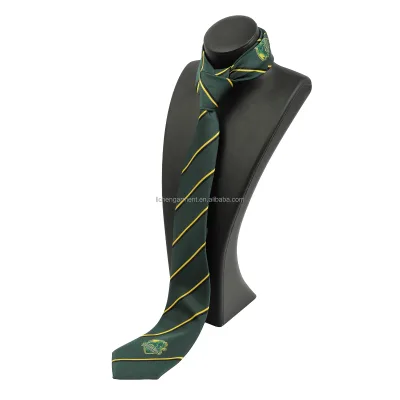
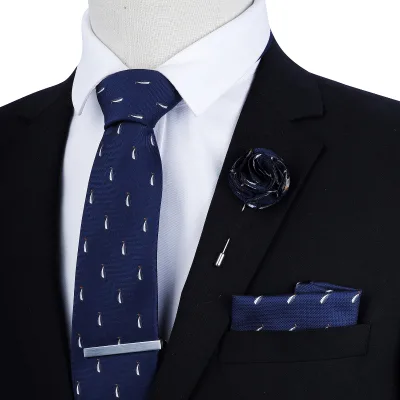
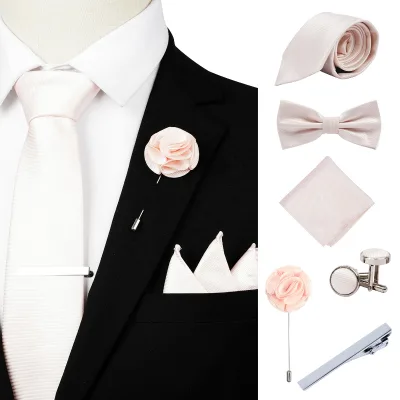
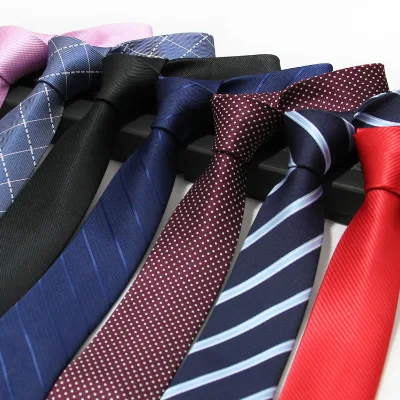
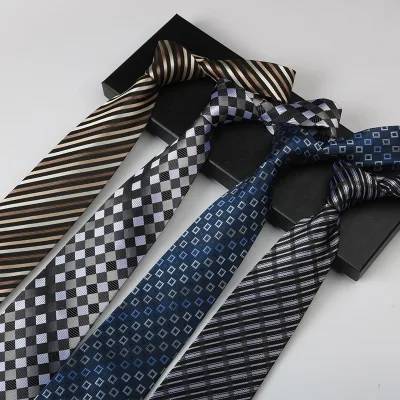
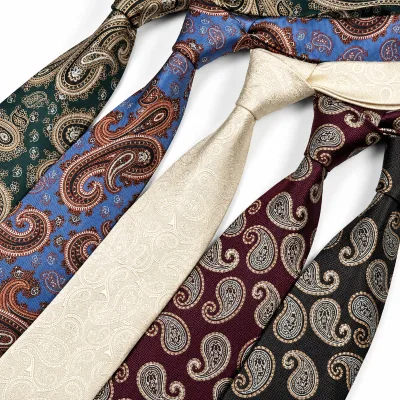
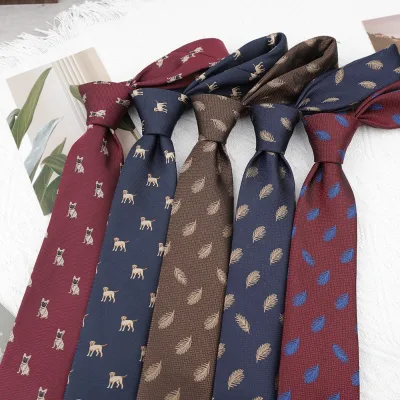
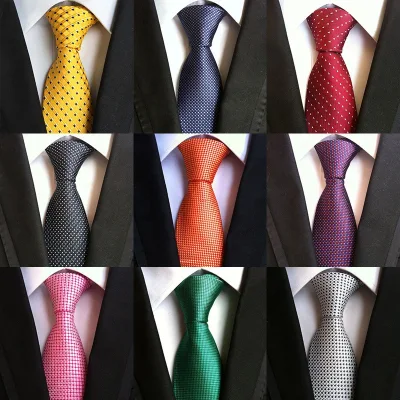
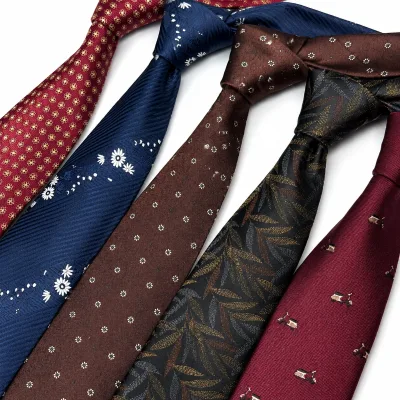
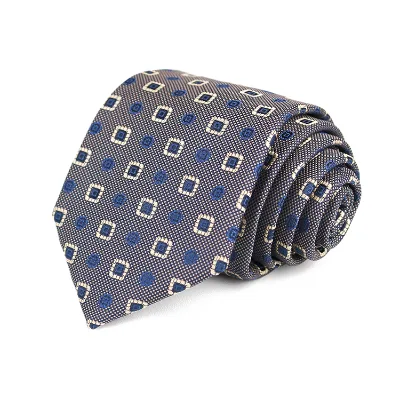
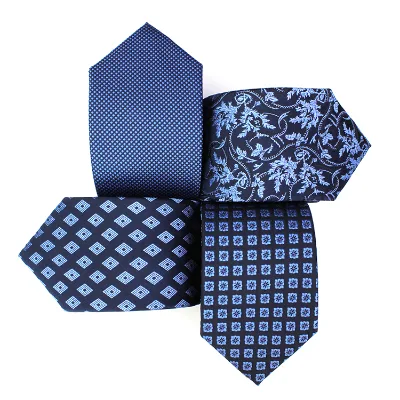


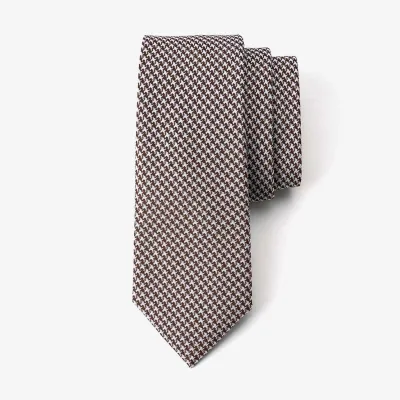
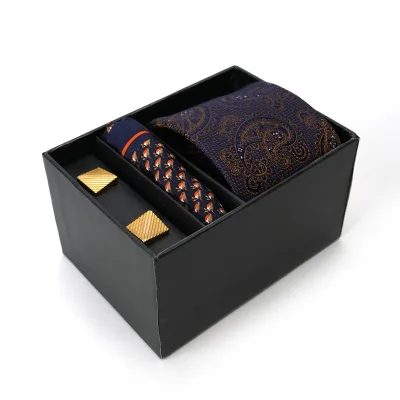
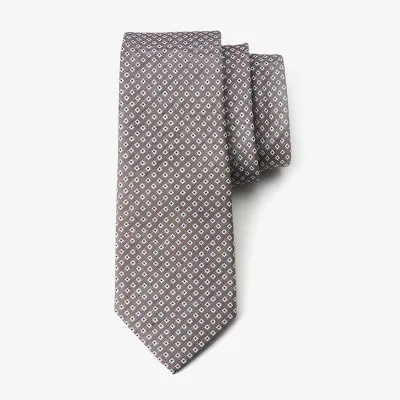
Executive Office Accessory 8x148cm Silk-Linen Tie Custom Patterns ODM New Design Support
$6.1249 - $7.1487
MOQ: 50 pieces
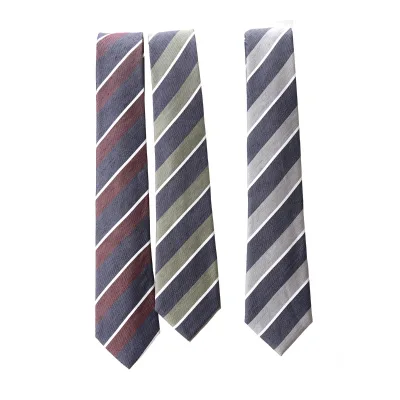
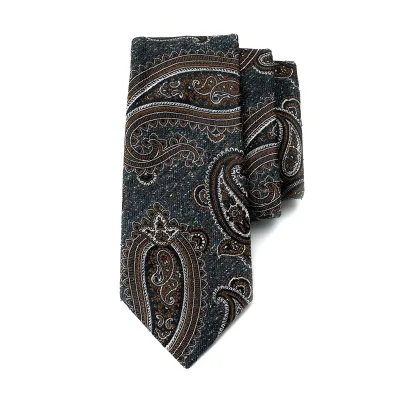
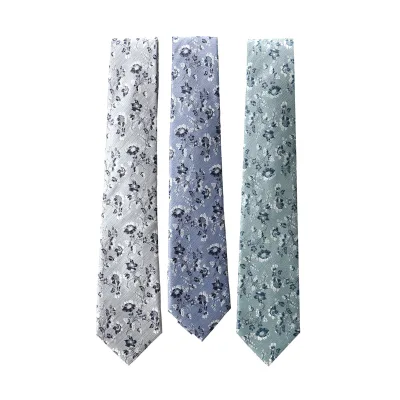


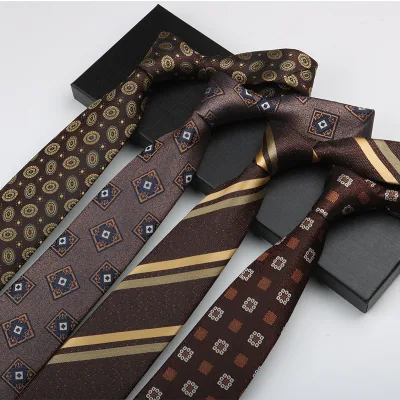
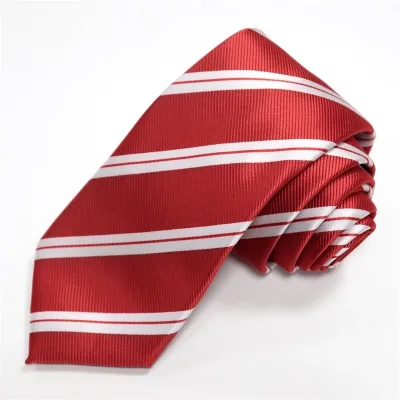
Business tie for men vintage coffee-colored high-end patterned 8cm tie
$2.0521 - $3.0879
MOQ: 2 pieces

Comprehensive Sourcing Guide
Corporate Tie Sourcing Guide
Sourcing corporate ties requires a strategic balance between brand identity, material durability, and cost efficiency. Buyers must navigate a market where customization is prevalent, allowing for tailored designs that align with specific corporate aesthetics. The observed product landscape indicates a strong emphasis on personalization, with many suppliers offering OEM and ODM services to create unique branding opportunities. This flexibility is crucial for companies looking to distribute branded merchandise that reflects their professional image while maintaining high quality standards.
The procurement process involves evaluating various material options, from natural fibers like silk to synthetic alternatives such as polyester and jacquard weaves. Each material offers distinct advantages in terms of texture, drape, and longevity. Understanding these differences is essential for selecting the right tie for different corporate events, from formal board meetings to casual team-building activities. Buyers should prioritize suppliers who provide transparent information about material composition and manufacturing processes to ensure consistency across large orders.
Product Scope and Observed Listing Signals
The current market for corporate ties features a diverse range of styles, including plain dyed, striped, geometric, plaid, and paisley patterns. These designs cater to various professional settings, allowing companies to choose ties that match their corporate culture and dress codes. The observed listings highlight the availability of custom designs, enabling buyers to incorporate specific logos, colors, or patterns into their tie collections. This level of customization is a key selling point for businesses seeking to create a cohesive and recognizable brand presence through employee attire.
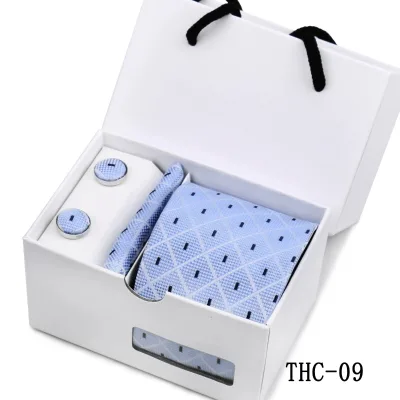
In addition to standard neckties, the product scope extends to gift sets and accessories, such as bowties and handkerchiefs, which can be bundled for promotional purposes. These sets often come in elegant packaging, making them suitable for corporate gifting or employee appreciation programs. The observed data indicates that many suppliers offer single-item packaging options, such as poly bags or gift boxes, which provide flexibility in distribution and storage. Buyers should consider the end-use of these products when selecting packaging solutions to ensure they meet both functional and aesthetic requirements.
Technical Specifications to Verify
When evaluating corporate ties, buyers must pay close attention to critical technical specifications that impact fit, comfort, and appearance. Key dimensions to verify include the overall length, width, and bowtie size, as these factors determine how the tie drapes and sits against the collar. The observed listings provide specific measurements, such as a standard tie size of approximately 148 cm in length and 8 cm in width, which serve as a baseline for comparison. Buyers should confirm these dimensions with suppliers to ensure they align with their target demographic’s preferences and sizing standards.
Material composition and construction details are equally important for assessing the quality and durability of corporate ties. The observed data highlights the use of materials like 100% silk, polyester, and polyester jacquard, each offering different levels of sheen, texture, and resilience. Buyers should inquire about the interlining weight and type, as this affects the tie’s structure and ability to hold a knot. Additionally, verifying the printing methods, such as heat-transfer printing, can help ensure that designs remain vibrant and resistant to fading after repeated wear and cleaning.
Compliance and Safety Documentation
Ensuring that corporate ties meet relevant safety and quality standards is a critical aspect of the procurement process. Buyers should request documentation that confirms the products have undergone necessary testing, such as needle detection, to ensure they are free from harmful metal fragments. This is particularly important for ties intended for use in environments where safety is a priority, such as manufacturing or construction sites. The observed listings indicate that some suppliers offer needle detection services, which can provide an additional layer of assurance for buyers concerned about product safety.
In addition to safety testing, buyers should verify that the materials used in the ties comply with environmental and chemical regulations. This includes checking for restrictions on harmful substances like azo dyes or formaldehyde, which can pose health risks if not properly managed. While specific standards like ISO 1833 are mentioned in the background context, buyers should confirm the exact compliance requirements with their suppliers and ensure that the products meet the regulatory standards of their target markets. This due diligence helps mitigate legal risks and enhances the brand’s reputation for responsible sourcing.
Cost Drivers and Commercial Terms
The cost of corporate ties is influenced by several factors, including material choice, customization level, and order quantity. Natural fibers like silk typically command a higher price point due to their premium quality and production complexity, while polyester options offer a more cost-effective alternative without compromising on durability. Buyers should analyze the price-to-quality ratio to determine the most suitable option for their budget and branding needs. The observed price range of $0.03 to $35 USD reflects the wide variety of products available, from basic polyester ties to high-end silk designs.
Commercial terms, such as minimum order quantities (MOQ) and lead times, also play a significant role in the total cost of ownership. The observed MOQs range from as low as 2 sets to 10,000 pieces, providing flexibility for businesses of different sizes. Buyers should negotiate terms that align with their inventory management strategies and cash flow constraints. Additionally, understanding the supplier’s sample policies and return procedures can help mitigate risks associated with large orders, ensuring that the final products meet the expected quality and design specifications.
Supplier Qualification and Quality Control
Selecting a reliable supplier is paramount to ensuring the consistent quality of corporate ties. Buyers should conduct thorough due diligence to verify the supplier’s manufacturing capabilities, quality control processes, and track record. The observed listings indicate that many suppliers offer custom OEM and ODM services, which suggests a level of expertise in handling bespoke orders. Buyers should request samples to assess the quality of materials, stitching, and printing before committing to a large order. This step allows for a practical evaluation of the supplier’s ability to meet specific design and quality requirements.
Implementing a robust quality control plan is essential for maintaining product consistency across large batches. Buyers should establish clear acceptance criteria for defects, such as misaligned patterns, loose threads, or color inconsistencies, and communicate these standards to the supplier. Regular inspections, either in-house or through third-party agencies, can help identify and address issues early in the production process. By prioritizing supplier qualification and rigorous quality control, buyers can minimize the risk of receiving substandard products and ensure that their corporate ties reflect the desired brand image.
Long-Term Procurement Checks
Building a sustainable supply chain for corporate ties requires ongoing monitoring and relationship management. Buyers should regularly review supplier performance metrics, such as on-time delivery rates, defect rates, and responsiveness to issues. This data-driven approach helps identify potential risks and opportunities for improvement, allowing buyers to make informed decisions about future orders. Maintaining open communication with suppliers fosters a collaborative environment where both parties can work together to address challenges and optimize the procurement process.
As market trends and corporate needs evolve, buyers should stay informed about emerging materials, designs, and technologies in the tie industry. This proactive approach enables buyers to adapt their sourcing strategies to meet changing demands and maintain a competitive edge. By continuously evaluating their supplier base and refining their procurement processes, buyers can ensure that their corporate ties remain a valuable asset for brand representation and employee engagement. Long-term success in this area depends on a commitment to quality, flexibility, and strategic partnership with reliable suppliers.
FAQs
What materials are commonly used for corporate ties on this page?
Corporate ties listed here are made from 100% silk, 100% polyester, or polyester jacquard, and some suppliers offer silk with a polyester silk custom option. Silk ties suit premium gifting and weddings, while polyester jacquard offers durability for daily corporate wear. Check each listing to confirm the exact material before ordering samples.
Can I order custom-branded corporate ties with my own logo?
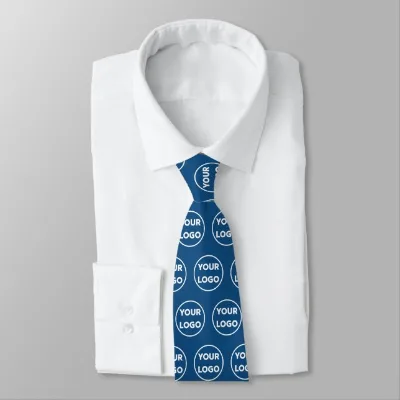
Yes, customization is available, with brand names listed as Custom or OEM. Suppliers accept custom designs and offer services such as custom OEM and ODM production. Heat-transfer printing is one listed printing method, and samples are accepted, so you can verify logo quality before committing to a full production run.
What is the typical minimum order quantity for corporate ties?
Minimum order quantities vary by listing, with observed values ranging from 1 piece to 10,000 pieces. Some gift sets are listed with an MOQ of 2 sets, while individual fashion polyester ties show an MOQ of 5 pcs. Confirm the exact MOQ with the supplier for your chosen design and customization level.
What sizes and specifications do these corporate ties come in?
Listed necktie sizes include 148 by 7.5 cm and about 148 by 8 cm, with a custom size of 145 by 8.5 by 3.8 cm also shown. Gift sets include a hanky of 27 by 27 cm and a bowtie of 12 by 6.5 cm. Custom sizing is available from suppliers offering OEM and ODM services.
How are Corporate Tie gift sets packaged for shipping?
Packaging options include one set per box, one piece per poly bag or gift box, and carton boxes for outer packing. A typical gift set has a single package size of 30 by 17 by 4 cm and a gross weight of 0.24 kg. Discuss export-grade carton packing with suppliers if you plan bulk shipping.
Which occasions suit these Corporate Tie designs?
Listed applications include gifts and weddings, and the ties are described as fashion fabric neck ties for decoration accessories. Patterns cover striped, geometric, plaid, paisley, animal, and other designs in plain dyed styles. Gift sets with matching hankies or bowties work well for corporate gifting, events, and formal occasions.