Fashion Leather Belts Suppliers and Manufacturers
Source Fashion Leather Belts from 27 verified suppliers in China. Compare key dimensions including ISO 9001 certification, OEM/ODM capabilities, lead times, and MOQs. Contact suppliers directly to request quotes and samples for your specific requirements; review the available evidence before requesting comparable quotations from suitable candidates.
Updated
Suppliers List

- Verified by CTI
- Trading Company
- China Anhui
- Lead time23 days
- Avg. response≤ 2h
Main productsFurniture, Home Furniture
Main marketsSoutheast Asia/ Mideast

WENZHOU KARION INDUSTRY & COMMERCE CO., LTD.
- Trading Company,Manufacturer/Factory
- China Zhejiang
- Lead time45 days
- Avg. response≤ 5h
Main productsBelt, Leather Belt, PU Belt, Webbing Belt, Elastic Belt, Women Belt, Jeans Belt, Braided Belt, Reversible Buckle Belt, Man Casual Belt
Main marketsSouth America,Eastern Europe,Mid East,North America,Southeast Asia,Eastern Asia,Oceania,Western Europe,Africa


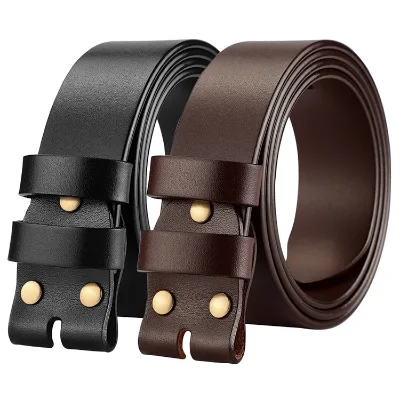
Men's Cow Hide Split Leather Belts Retro Fashion Leather Belt (35-22147)
$1.15 - $2.85
MOQ: 600 Pieces


Dongguan Maijite Garment Accessories Co., Ltd.
- Manufacturer
- Guangdong, China
- Lead time35 days
- Avg. response≤ 2h
Main productsGolf Belts,Outdoor Belts,leather,Buckles,luggage tags
Main marketsDomestic Market(65.00%), North America(15.00%), Eastern Europe(10.00%), Mid East(5.00%), Eastern Asia(5.00%)
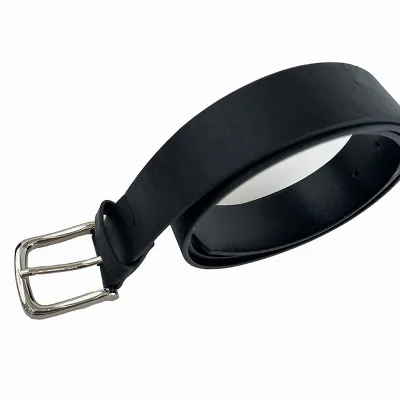
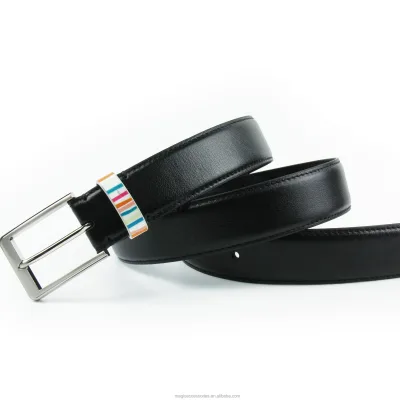
$1.30 - $1.50
MOQ: 100 pieces
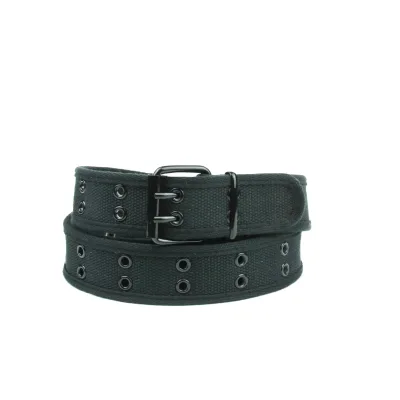
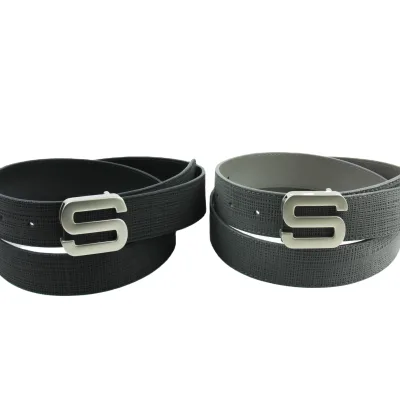
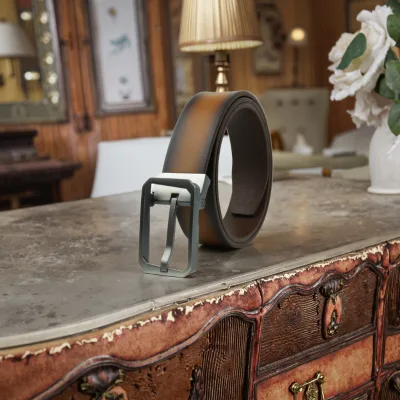

Dongguan Zhengyong Leather Co., Ltd.
- Verified by SGS
- Manufacturer
- China Guangdong
- Lead time15 days
- Avg. response≤ 18h
Main productsBelt, Handbags, Bracelet, Wallet, Card Holder, Dog Collar/Leash, Dog Harness, Carrier Bags, Camera Strap Series
Main marketsEurope,North America

- Verified by BV
- Trading Company
- China Zhejiang
- Lead time30 days
- Avg. response≤ 9h
Main productsWomen Bags, Sunglass, Jewelry, Women Perfume, Baseball Caps, Earrings, Necklace, Sport Hats, Women Shoes, Handbags
Main marketsNorth America

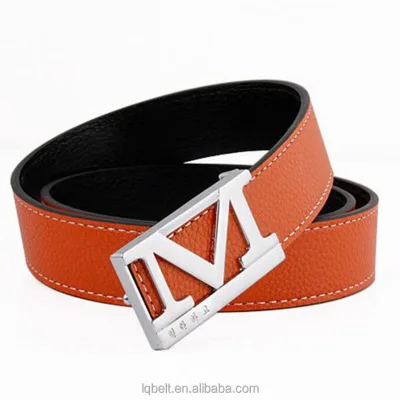
Wholesale Luxury Designer Belts for Men Women Famous Brand Fashion Ladies Leather Belt
$3.81 - $4.92
MOQ: 2 Pieces

Women Leather Belt Reversible Checkered Fashion Genuine Business Belt Alloy Leather Belts for Women
$4.13 - $5.22
MOQ: 2 Pieces


Guangzhou Wangjia Leatherware Co., Ltd.
- Manufacturer/Factory
- China Guangdong
- Lead time30 days
- Avg. response≤ 5h
Main productsWestern Cowboy & Cowgirl Belts, Western Buckles, Buckle Sets, Conchos, Dog Collars & Hat Belts, PU Belts, Leather Belts, PU Handbags, Straw Beach Bags, Wallets
Main marketsSouth America,Eastern Europe,Mid East,North America,Southeast Asia,Eastern Asia,Oceania,Western Europe,Africa

Man Belt Genuine Leather Fashion Belt, High Quality Men Gentleman Fashion Belts
$7.00 - $7.50
MOQ: 100 Pieces

Luxury Design Retro Vintage Fashion Western Buckle Classic Men Women Waist Belt
$5.00 - $5.50
MOQ: 100 Pieces

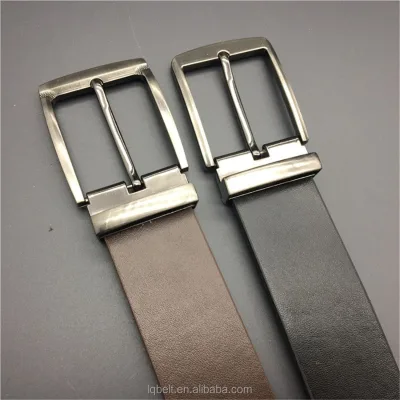
New Men's Genuine Leather Pin Buckle Belt Casual Retro Genuine Leather Belts
$4.90 - $5.50
MOQ: 100 Pieces
Yiwu Waist Color Leather Goods Co., Ltd.
- Verified by SGS Group
- Trading Company
- Lead time7 days
- Avg. response≤ 2h
Main productsElastic Braided , Tactical Belt, Genuine Belt, PU Belt, Woven belt
Main marketsSoutheast Asia(30%), South America(30%), Africa(20%)
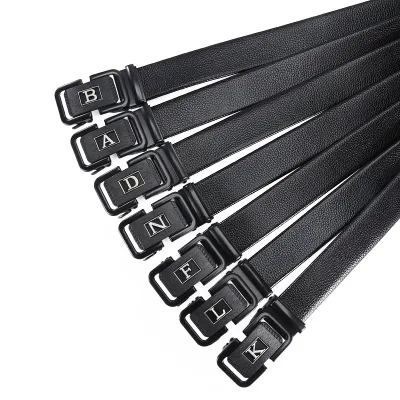
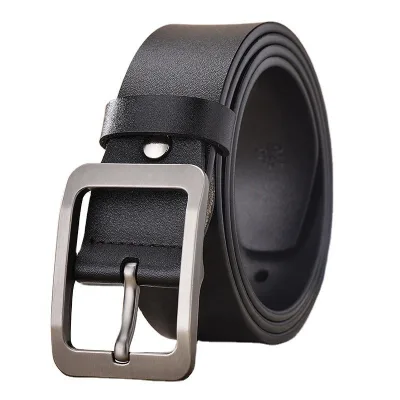
Custom Logo Cowhide Toothless Buckle Leather Golf Belt Vintage Business Casual Leather Belts for Men
$0.4554 - $0.5483
MOQ: 10 pieces
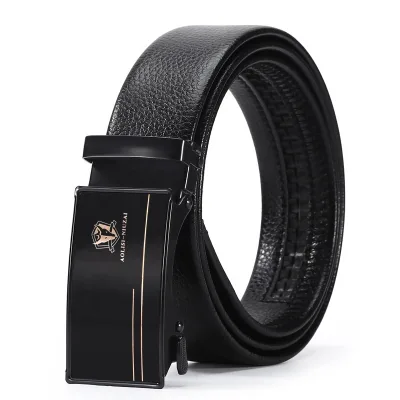
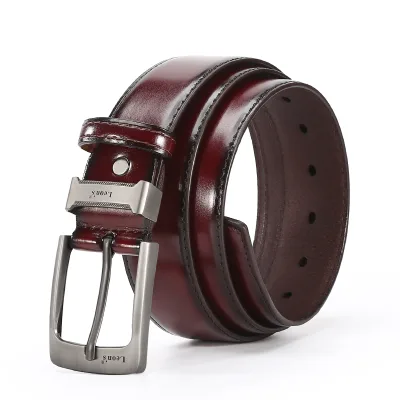
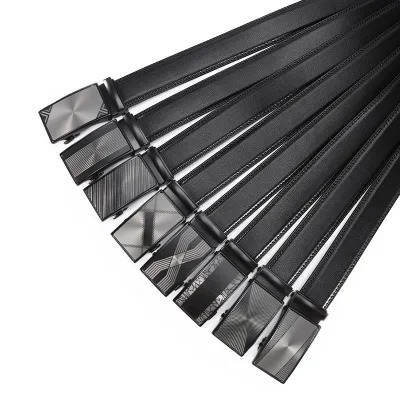
New Arrival Mens Genuine Leather Belt Business Suit Luxury Adjustable Leather Belt for Men
$0.5168 - $0.7235
MOQ: 1 pieces
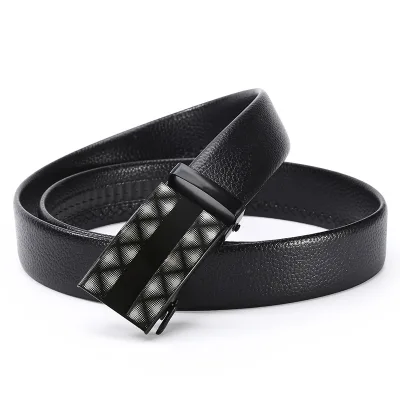
$0.6202 - $0.7235
MOQ: 10 pieces
BESTRADERS INTERNATIONAL LIMITED
- Trading Company
- Hong Kong S.A.R.
- Lead time0 days
- Avg. response≤ 7h
Main productsCufflinks,ties,belts,shirts,scarf,suspenders,bow ties,socks,silk knots,handkerchiefs,Wallets,Wallets
Main marketsNorth America(20.00%), Eastern Europe(20.00%), Southeast Asia(20.00%), Oceania(20.00%), Western Europe(20.00%)
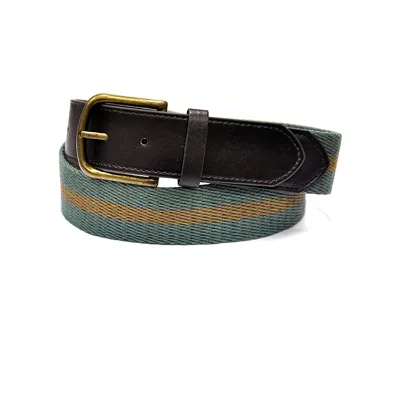
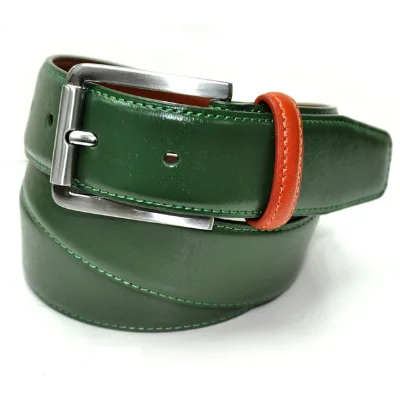
$4.142 - $6.7305
MOQ: 1200 Minimum

- Verified by CTI
- Trading Company
- China Zhejiang
- Lead time15 days
- Avg. response≤ 6h
Main productsJewelry, Brooch, Belt, Necklace, Agent, Bracelet, China Trim, China Ring, China Hair Accessory, China Earring
Main marketsSouth America

Wenzhou Fashion Leather Manufacture Co., Ltd.
- Combined
- China Zhejiang
- Lead time30 days
- Avg. response≤ 8h
Main productsBelt, Leather Belt, Fashion Lady Belt, Fashion Man Belt, Fashion Belt, Canvas Belt, PU Belt, Wallet, Purse, Man Wallet
Main marketsSouth America,Europe,North America
Shengzhou Haoshuai Necktie&Garment Co., Ltd.
- Verified by TüVRheinland
- Manufacturer, Trading Company
- Lead time20 days
- Avg. response≤ 6h
Main productsTie, Suspender, Scarf, Textile Products, Cravats
Main marketsEastern Asia(21%), Domestic Market(20%), South Asia(18%)
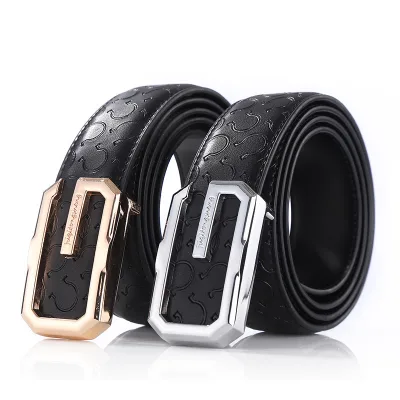
Fashion Split Leather Belts With Removable Buckles for Business Wedding
$2.235 - $2.7473
MOQ: 2 pieces
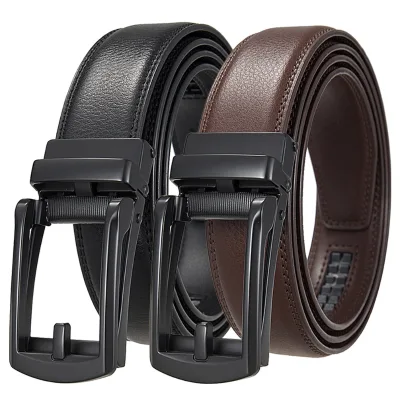

FBYL LEATHER CORPORATION LIMITED
- Verified by TUVRHEINLAND
- Trading Company,Manufacturer/Factory
- China Jiangsu
- Lead time45 days
- Avg. response≤ 18h
Main productsBags, Gloves, Wallet, Scarf, Hat, Boots
Main marketsEastern Europe,North America,Western Europe
Dongguan Humen Futuo Accessories Factory
- Manufacturer, Trading Company
- Guangdong, China
- Lead time25 days
- Avg. response≤ 8h
Main productsBelt,Wallets,Dog Collar,Handbag,gift accessories
Main marketsWestern Europe(27.00%), North America(25.00%), Oceania(19.00%), Eastern Asia(8.00%), Southern Europe(5.00%), South Asia(4.00%), Mid East(3.50%), Eastern Europe(3.00%), Domestic Market(2.00%), Southeast Asia(1.00%), South America(1.00%), Northern Europe(1.00%), Africa(0.50%)
Guangzhou Gionar Leather Products Co., Ltd.
- Verified by SGS Group
- Manufacturer, Trading Company
- Lead time30 days
- Avg. response≤ 5h
Main productsLaptop Backpacks, Handbags, Evening Bags, Collar And Leash Products, Messenger Bags
Main marketsNorth America(35%), Oceania(15%), Western Europe(11%)
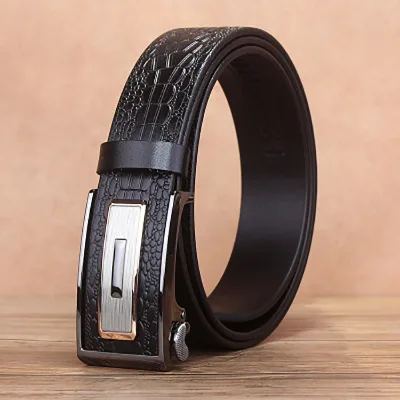
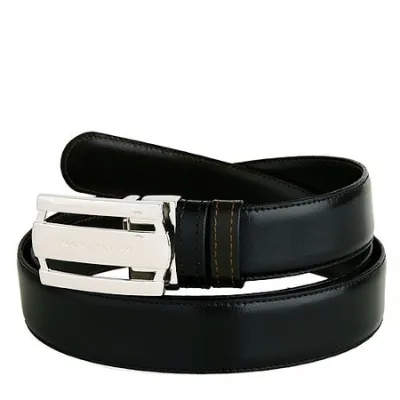
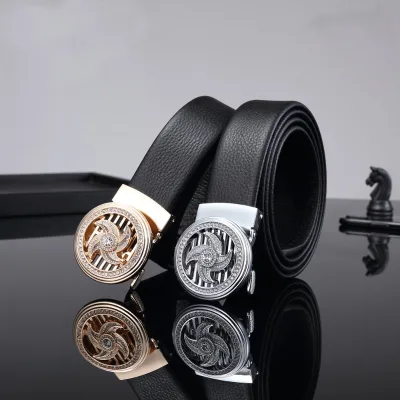
New Men's Belt Automatic Buckle Youth Belt Cowhide Crocodile Pants Leather Belts
$13.2124 - $15.1972
MOQ: 100 pieces
Yiwu Youhuang Leather Co., Ltd.
- Trading Company
- Zhejiang, China
- Lead time0 days
- Avg. response≤ 5h
Main productsbelt,Men's belt,Women's belt,Leisure belt,Business Belt
Main marketsSouth Asia(15.00%), Northern Europe(15.00%), Central America(13.00%), Eastern Asia(12.00%), Mid East(11.00%), Domestic Market(10.00%), Southeast Asia(10.00%), South America(5.00%), Southern Europe(3.00%), North America(2.00%), Africa(1.00%), Eastern Europe(1.00%), Oceania(1.00%), Western Europe(1.00%)

Guangzhou Govolon Trade Co., Ltd.
- Trading Company,Manufacturer/Factory
- China Guangdong
- Lead time15 days
- Avg. response≤ 24h
Main productsGarment Accessories, Lace, Button, Zipper, Fringe and Tassels, Belt Ribbon, Garment Trimming, Patch Badge, Buckle, Hotfix
Main marketsSouth America,Mid East,North America,Southeast Asia,Western Europe,Africa

Fashion Black Leather Belt with Alloy Metal Buckle and Beautiful Pattern
$9.20 - $9.50
MOQ: 500 Pieces

Guangzhou Duben Leather Co., Ltd.
- Verified by SGS Group
- Manufacturer, Trading Company
- Lead time15 days
- Avg. response≤ 2h
Main productsBelt, Scarf, Cap, Tissue Box, Travel Tag
Main marketsNorth America(40%), Western Europe(10%), Eastern Europe(8%)
- Verified by TüVRheinland
- Trading Company
- Lead time7 days
- Avg. response≤ 8h
Main productsBelt, Leather Belt, PU Belt, Belt Buckle, Custom Belt
Main marketsDomestic Market(20%), North America(17%), Northern Europe(13%)

Yiwu Fumiao Leather Goods Co., Ltd.
- Manufacturer, Trading Company
- Zhejiang, China
- Lead time30 days
- Avg. response≤ 5h
Main productsBelt; Bag
Main marketsNorth America(40.00%), Western Europe(30.00%), South America(10.00%), Northern Europe(10.00%), Oceania(5.00%), Southern Europe(5.00%)
Wenzhou Yuanqiao Leather Goods Co., Ltd.
- Verified by SGS Group
- Manufacturer, Trading Company
- Lead time15 days
- Avg. response≤ 3h
Main productsBelt, Canvas Belt
Main marketsSoutheast Asia(60%), South America(15%), Eastern Europe(10%)
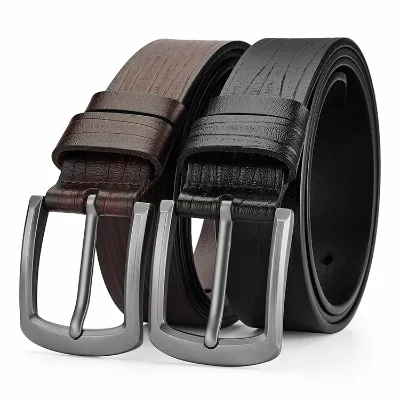
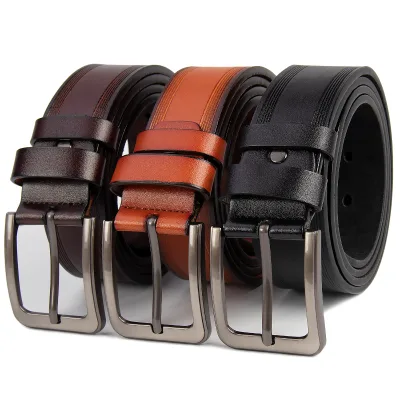
Lined Embossed Men's Pin Buckle Business Belt 2023 New Youth Fashion Pin Buckle Belt
$1.03 - $1.07
MOQ: 300

Hangzhou Kebo Orthopedic Rehabilitation Equipment Co.,Ltd
- Verified by SGS
- Combined
- China Zhejiang
- Lead time30 days
- Avg. response≤ 10h
Main productsSpine Orthosis, Orthosis Accessories, Upper Limb Orthosis, Lower Limbs Orthosis
Main marketsSoutheast Asia/ Mideast,Europe
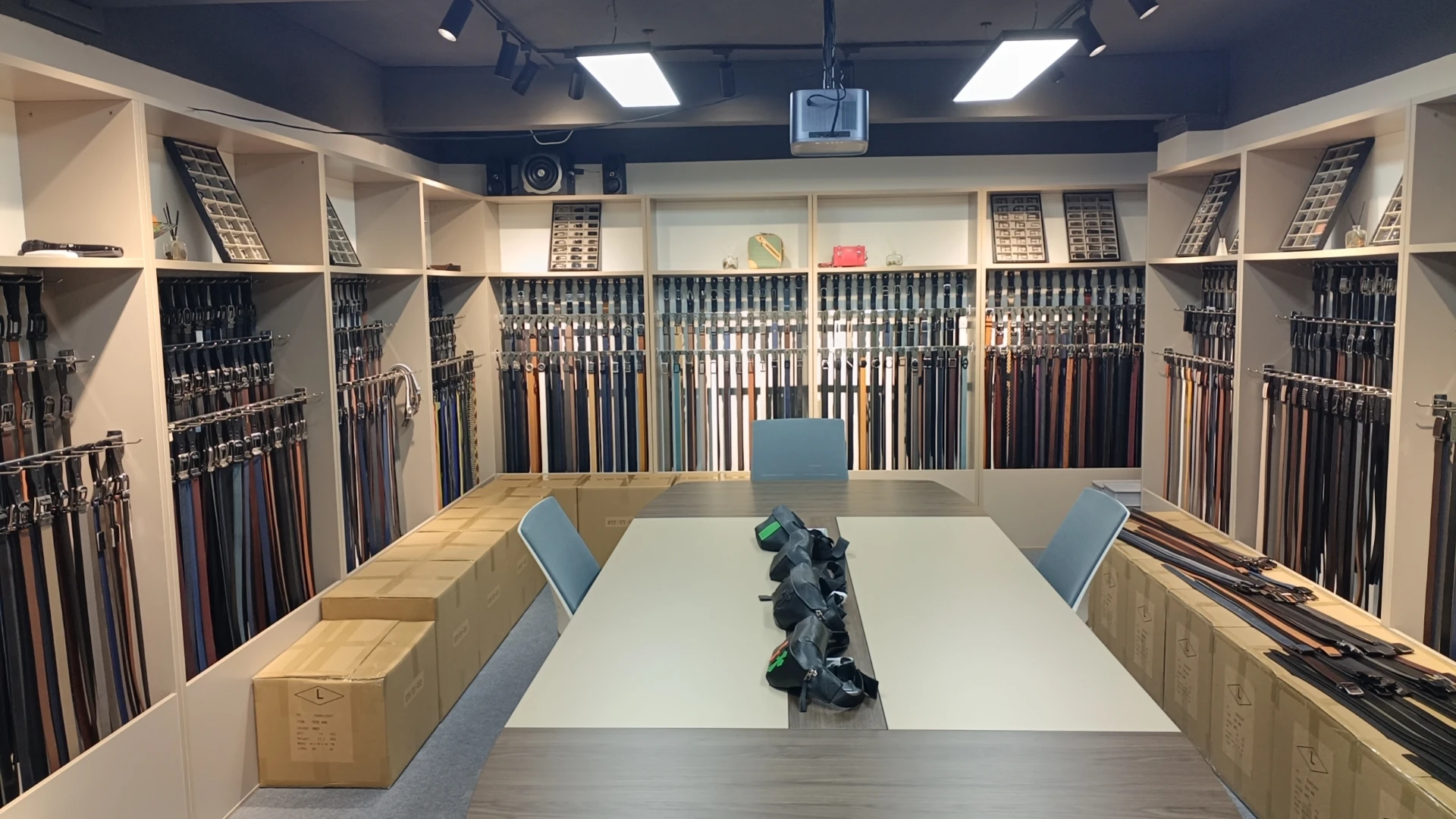
Guangzhou Zehai Leather Goods Factory
- Manufacturer, Trading Company, Distributor/Wholesaler
- Guangdong, China
- Lead time30 days
- Avg. response≤ 2h
Main productsMen Belt,genuine leather belt,Cowhide belt,men bags,wallet
Main marketsDomestic Market(25.00%), Southeast Asia(20.00%), North America(20.00%), Northern Europe(10.00%), Eastern Asia(10.00%), Eastern Europe(10.00%), South America(5.00%)
Hefei Easy Way Imp & Exp Co., Ltd.
- Verified by Intertek
- Trading Company
- Lead time30 days
- Avg. response≤ 3h
Main productsTies, Belt, Scarf, Silk Scarf, Hats
Main marketsSouthern Europe(55%), Eastern Asia(10%), Central America(10%)
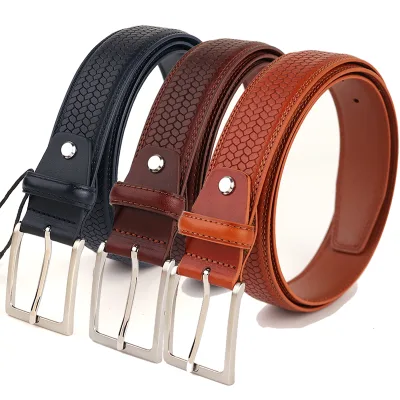
High Quality Double Stitched Dress Belts Fashion & Classic Designs Men's Genuine Leather Belts
$5.85 - $6.55
MOQ: 300 pieces
Guangzhou Huayuan Leather Co., Ltd.
- Manufacturer, Trading Company, Distributor/Wholesaler
- Guangdong, China
- Lead time0 days
- Avg. response≤ 1h
Main productsLeather goods,Belt,Women's bag,Women's bag,Customization
Main marketsSouth Asia(20.00%), Southeast Asia(20.00%), Western Europe(20.00%), Domestic Market(10.00%), Eastern Asia(10.00%), Southern Europe(10.00%), North America(10.00%)
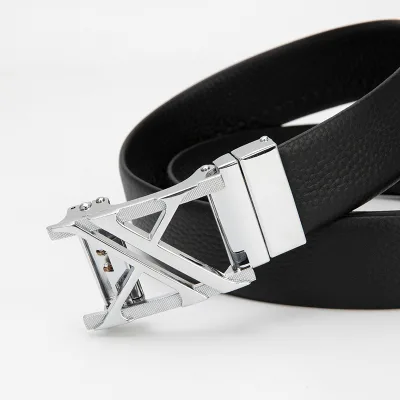
$5.30 - $5.50
MOQ: 100 pieces
Yiwu Lixueshun Garments Co., Ltd.
- Trading Company
- Zhejiang, China
- Lead time20 days
- Avg. response≤ 5h
Main productsbackpack,handbag,wallet,belt,down jacket
Main marketsSouth Asia(40.00%), North America(30.00%), South America(20.00%), Africa(10.00%)
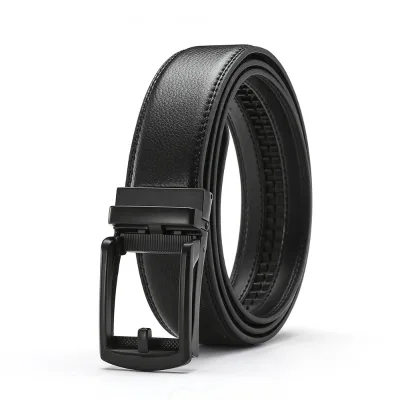
$2.90 - $3.10
MOQ: 10 pieces
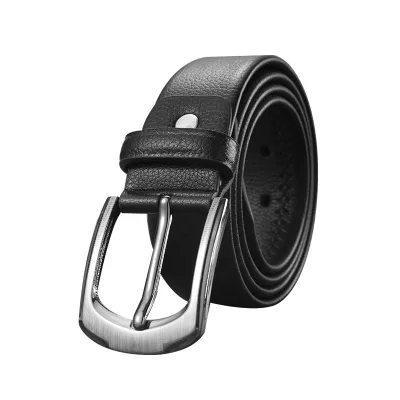
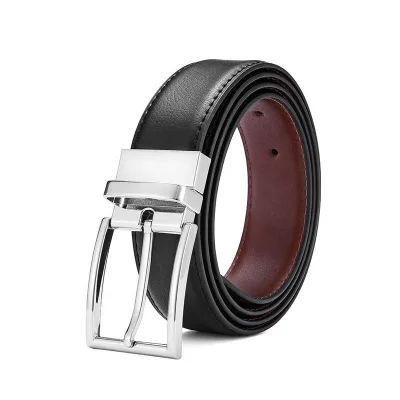
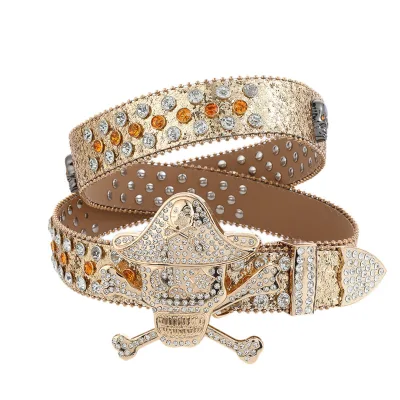
Guangzhou Zhenhao Clothing Products Co., Ltd.
- Manufacturer
- Guangdong Province, China
- Lead time0 days
- Avg. response≤ 3h
Main productsbelt,bracelet
Main marketsNorth America(50.00%), Central America(10.00%), Mid East(10.00%), Southeast Asia(10.00%)
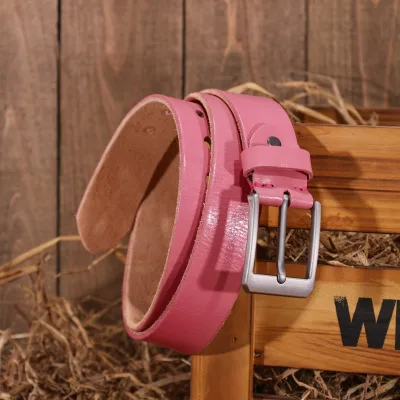
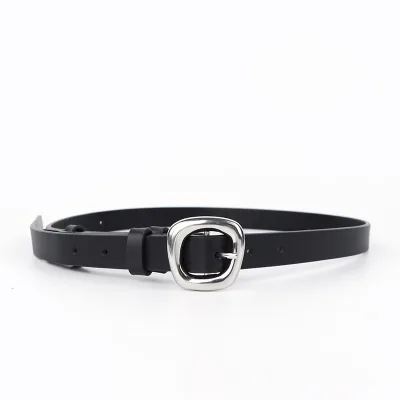
Sweet and Edgy Layered Leather Buckle Belt
$9.99 - $12.99
Guangzhou Fashion Leather Bags Co., Ltd.
- Manufacturer, Trading Company, Distributor/Wholesaler
- Guangdong, China
- Lead time25 days
- Avg. response≤ 2h
Main productsHandbags,Beach Bags,Evening Bags,Wallets,gift set
Main marketsNorth America(35.00%), Northern Europe(20.00%), Eastern Europe(12.00%), Southern Europe(9.00%), South Asia(8.00%), Southeast Asia(6.00%), Oceania(3.00%), South America(3.00%), Mid East(2.00%), Africa(0.50%), Eastern Asia(0.50%), Western Europe(0.50%), Central America(0.50%)




Comprehensive Sourcing Guide
Fashion Leather Belts Supplier Concentration and Factory Types
The sourcing landscape for Fashion Leather Belts reveals distinct patterns in supplier concentration and organizational structure that buyers must navigate carefully. Current data indicates a notable presence of suppliers located in China Anhui, where companies often operate as trading entities rather than direct manufacturers. These trading companies typically serve as intermediaries, connecting buyers with a broader network of production facilities. This structure allows for flexibility in product variety but requires buyers to verify the actual source of manufacturing to ensure quality control and supply chain transparency. The presence of such entities suggests that while the physical production may occur elsewhere, the commercial interface is centralized in specific industrial hubs. Understanding this dynamic is crucial for establishing clear communication channels and defining responsibilities for quality assurance throughout the production process.
In contrast, other segments of the market feature suppliers in China Zhejiang who operate as both trading companies and manufacturers. This dual role offers a potential advantage by combining the logistical efficiency of a factory with the market reach of a trading firm. These suppliers often possess established certifications such as ISO 9001 and SEDEX, indicating a commitment to standardized quality management and ethical labor practices. The ability to offer both OEM and ODM services further distinguishes these entities, allowing buyers to customize designs or leverage existing proprietary models. This flexibility is particularly valuable for brands seeking unique product differentiation without the overhead of developing entirely new manufacturing processes from scratch. Buyers should assess whether the supplier’s primary focus aligns with their specific needs for customization versus standardization.
How to Verify Fashion Leather Belts Suppliers
Verification is a critical step in mitigating risk when sourcing Fashion Leather Belts, requiring a multi-layered approach to due diligence. Buyers should prioritize suppliers who have undergone third-party verification processes, such as those conducted by CTI, which provide an objective assessment of the company’s operational capabilities and legal standing. This verification serves as a foundational layer of trust, confirming that the entity exists and operates within regulatory frameworks. However, verification alone is not sufficient; buyers must also examine the specific certifications held by the supplier. For instance, the presence of ISO 9001 certification indicates adherence to international quality management standards, while SEDEX certification reflects responsible business practices in the supply chain. These credentials are tangible evidence of a supplier’s commitment to consistency and ethical sourcing, which are vital for maintaining brand reputation.
Beyond certifications, buyers should evaluate the supplier’s response time and communication efficiency as indicators of operational reliability. A rapid response time, such as one recorded at 1.22 hours, suggests a responsive customer service team capable of addressing inquiries and resolving issues promptly. This agility is essential for managing the complexities of international trade, where delays in communication can lead to significant production setbacks. Additionally, buyers should request detailed information about the supplier’s main products and production capabilities. Suppliers listing a diverse range of belt types, from PU to genuine leather, may have broader manufacturing networks, whereas those specializing in specific niches might offer deeper expertise. Cross-referencing these claims with product evidence, such as specific model numbers and material specifications, helps validate the supplier’s actual capabilities against their marketing assertions.
What to Compare Across Fashion Leather Belts Suppliers
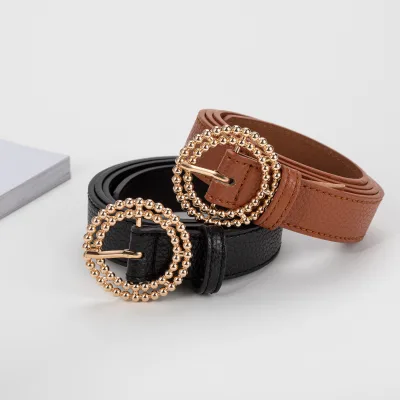
When evaluating multiple suppliers, buyers must systematically compare key operational metrics to identify the most suitable partner for their specific requirements. One of the most significant differentiators is the minimum order quantity (MOQ), which varies considerably across the market. Some suppliers may require an MOQ of 500 units, which is suitable for established brands with consistent demand, while others might offer lower thresholds, such as 100 units, catering to smaller businesses or test orders. This variation directly impacts inventory management and cash flow, making it a critical factor in supplier selection. Buyers should also examine the price ranges associated with different product models. For example, prices for certain PU belts may start at $2.80, while more complex designs like beaded belts can reach $8.00. Understanding these price disparities helps buyers align their budget with their product strategy.
Lead time and production capacity are equally important dimensions for comparison. Suppliers may have lead times ranging from 23 days to 45 days, depending on the complexity of the order and current production loads. A shorter lead time can be advantageous for responding to market trends quickly, but it must be balanced against the reliability of on-time delivery. Buyers should also consider the supplier’s response speed, as a faster response often correlates with better project management and issue resolution. Additionally, the availability of customization options, such as design and standard adjustments, should be assessed. Suppliers offering customized designs and standards provide greater flexibility for brand differentiation, but this may come with higher MOQs or longer lead times. Comparing these factors holistically allows buyers to make informed decisions that balance cost, speed, and flexibility.
Common Fashion Leather Belts Sourcing Risks
Sourcing Fashion Leather Belts involves several inherent risks that buyers must proactively manage to ensure a smooth procurement process. One significant risk is the discrepancy between sample quality and mass production output. Suppliers may provide high-quality samples that do not reflect the consistency of bulk orders, particularly when dealing with trading companies that outsource production. This risk is heightened when suppliers lack direct control over the manufacturing process, making it difficult to enforce quality standards. Buyers should mitigate this by implementing rigorous quality control measures, including third-party inspections during production and before shipment. Additionally, the use of specific packing standards, such as OPP bags or carton packaging, should be verified to ensure that products arrive in good condition and meet retail requirements.
Another common risk is the potential for delays in delivery due to supply chain disruptions or production bottlenecks. Suppliers with longer lead times, such as those exceeding 40 days, may be more susceptible to delays caused by material shortages or labor issues. Buyers should assess the supplier’s capacity to handle fluctuations in demand and their contingency plans for unexpected disruptions. Furthermore, the risk of intellectual property infringement is a concern when working with suppliers offering OEM and ODM services. Buyers must ensure that their designs are protected and that the supplier adheres to confidentiality agreements. Clear communication regarding design specifications, material requirements, and quality expectations is essential to minimize misunderstandings and ensure that the final product meets the buyer’s standards. Regular audits and performance reviews can help identify and address these risks early in the partnership.
Fashion Leather Belts Regional Sourcing and Logistics
Regional sourcing plays a pivotal role in determining the logistics and cost structure of fashion leather belt procurement. Current data highlights a concentration of suppliers in China Anhui and China Zhejiang, each offering distinct logistical advantages. Suppliers in Anhui, often operating as trading companies, may provide access to a diverse range of products through their extensive networks. However, buyers must consider the additional layer of coordination required when working with intermediaries. In contrast, suppliers in Zhejiang, who may function as both manufacturers and traders, often benefit from established industrial clusters and infrastructure. This proximity to manufacturing hubs can facilitate faster production cycles and more efficient logistics, reducing the overall time to market. Buyers should evaluate the geographic location of their chosen supplier in the context of their own distribution channels to optimize shipping costs and delivery times.
Logistics planning must also account for the specific packaging and shipping requirements of Fashion Leather Belts. Suppliers often use standardized packing methods, such as OPP bags for individual items and cartons for bulk shipments, with dimensions like 683528cm being common. These specifications impact container loading efficiency and freight costs. Buyers should work closely with their suppliers to optimize packaging for space utilization and product protection. Additionally, the origin of the products, consistently listed as China, influences import duties and regulatory compliance in the destination market. Understanding the trade regulations and tariff structures applicable to leather accessories is essential for accurate cost forecasting. Buyers should also consider the reliability of local logistics providers and their ability to handle customs clearance efficiently. Establishing clear logistics protocols with the supplier ensures a seamless transition from production to delivery.
Fashion Leather Belts Commercial Terms and Order Planning
Effective order planning for Fashion Leather Belts requires a thorough understanding of commercial terms and payment structures. Buyers should negotiate clear terms regarding pricing, payment schedules, and delivery conditions to protect their interests. The price ranges observed, from $1.15 to $8.00, vary based on material quality, design complexity, and order volume. Buyers must ensure that the quoted prices include all relevant costs, such as packaging and labeling, to avoid unexpected expenses. Payment terms, such as deposits and balance payments upon shipment, should be aligned with the supplier’s requirements and the buyer’s cash flow management. Utilizing secure payment methods, such as escrow services, can provide an additional layer of protection by holding funds until the buyer confirms receipt and quality of the goods.
Order planning also involves coordinating production schedules with inventory management strategies. Buyers should provide accurate forecasts and lead times to the supplier to ensure timely production and delivery. Suppliers with established lead times, such as 23 or 45 days, require precise planning to avoid stockouts or excess inventory. Buyers should also consider the flexibility of the supplier’s production capacity, particularly for seasonal or promotional items. Clear communication regarding order modifications, cancellations, and expedited shipping requests is essential to maintain a responsive supply chain. Additionally, buyers should establish a framework for ongoing performance evaluation, including metrics for quality, delivery reliability, and customer service. This structured approach to commercial terms and order planning fosters a collaborative partnership, enabling both parties to achieve their business objectives efficiently and effectively.
FAQs
What MOQs do fashion leather belt suppliers typically require?
MOQs on this page commonly start around 500 pieces per design, with some listings requiring 600, 800, or even 1000 pieces. A beaded leather belt listing shows a lower 100-piece MOQ, so specialty items can be more flexible. Always confirm the MOQ for your exact design, customization level, and color options before requesting a formal quotation.
How long does production take for Fashion Leather Belts?
Listed lead times on this page range from 23 days to 45 days, depending on the supplier and order complexity. Customized designs, special buckles, or large quantities can extend the timeline beyond these figures. Factor in sampling time and shipping separately, and confirm the confirmed production schedule in your purchase contract before paying any deposit.
What price range can buyers expect for Fashion Leather Belts?
Listed unit prices on this page span roughly 1.15 to 8.00 USD per piece. Simple PU or casual leather belts sit near the lower end, while beaded or decorative designs with detailed workmanship price higher. Final pricing depends on materials, buckle type, order quantity, and customization, so request quotations against your specific specifications rather than relying on list prices.
Can Fashion Leather Belts be customized with my own design?
Yes, customization is available from the suppliers listed here, with product listings explicitly marked as customized design and OEM/ODM capability noted. Customizable attributes typically include buckle material and type, belt width, length, color, and branding. Expect higher MOQs and slightly longer lead times for custom work, and approve a pre-production sample before mass production begins.
What specifications should I check when comparing belt suppliers?
Start with materials, such as genuine leather, split leather, or PU, since listings cover all of these. Then check belt width, which ranges around 3.5cm to 4cm, belt length around 120cm to 130cm, buckle type, and packing format such as OPP bags or cartons. Also verify response speed, production lead time, and certifications like ISO 9001 or SEDEX where claimed.
Which packaging and packing options do belt listings show?
Listings on this page show individual OPP bag packing as a common option, with carton packing also used. One listing specifies 100 pieces per carton and 10 pieces per inner box, with carton dimensions of 68 by 35 by 28 centimeters. Confirm inner box versus bulk carton preferences, carton marking, and any additional packaging costs during quotation.
Where are the fashion leather belt suppliers on this page located?
The suppliers featured here are located in China, specifically in Anhui and Zhejiang provinces. Zhejiang suppliers in this list show both trading company and manufacturer or factory profiles, meaning some offer direct production while others consolidate orders. Location affects shipping ports and transit times, so confirm the nearest departure port and freight terms with each shortlisted supplier.