Source Breathable Moisture Proof Ton Bag for Transport, Food, Chemical
Compare 30 options for the Breathable Moisture Proof Ton Bag designed for transport, food, and chemical applications. These bulk bags feature high breathability, water resistance, and customizable sizes to meet diverse packaging needs; compare the available evidence and request quotations based on your requirements.
Updated
Key considerations
Products List


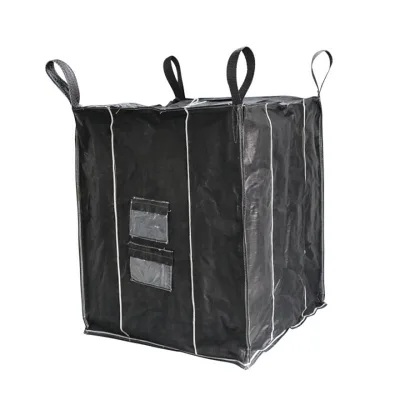
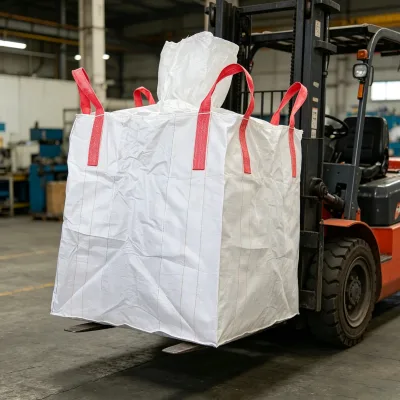
The Loading Port Moisture-proof Waterproof With the Bottom Port Ton Bag
$1.80 - $2.80
MOQ: 10000 pieces
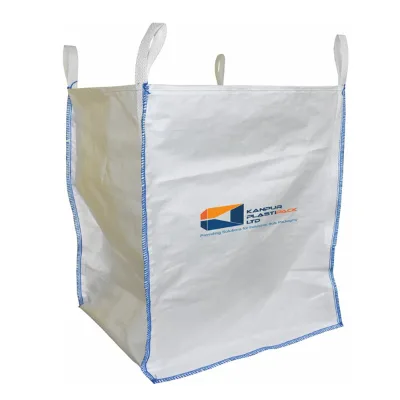
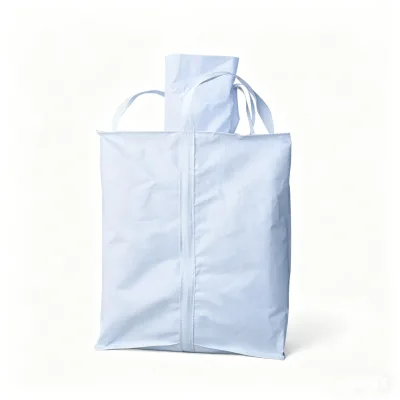


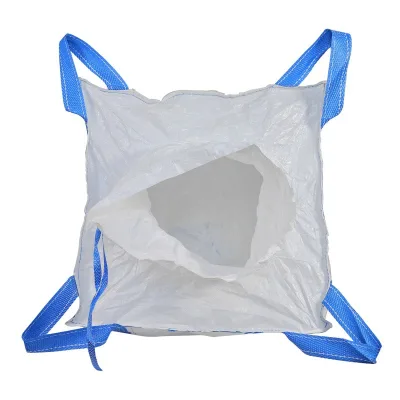


Comprehensive Sourcing Guide
Breathable Moisture Proof Ton Bag Sourcing Guide
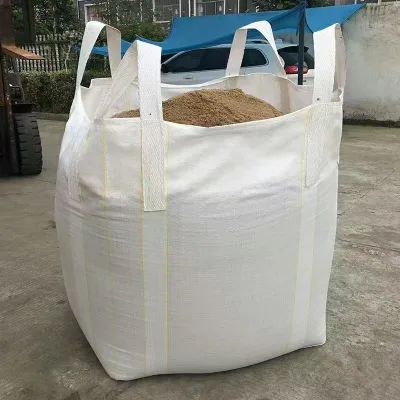
Buyers seeking breathable moisture proof ton bags must first distinguish between single-use and multi-use configurations, as the supplied data indicates both recyclability profiles exist in the market. The observed product attributes reveal that some units are designed for single-use applications like sand or fruit transport, while others offer multi-use durability for chemical or vegetable packaging. This distinction is critical because the intended lifecycle directly influences the selection of fabric structure and coating technology required for your specific supply chain needs.
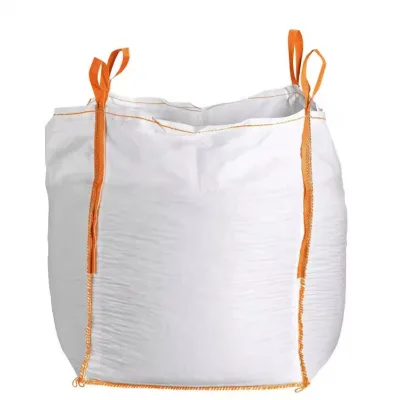
When evaluating listings, procurement teams should verify that the bag structure matches the intended cargo type, noting that options include U-Panel, tubular, circular, or rectangular shapes. The presence of a "High Breathability" feature alongside "Water Resistant" or "Water Proof" claims suggests a specialized balance where air circulation is maintained without compromising moisture protection. Buyers must confirm that the specific listing they are reviewing explicitly supports the dual requirement of ventilation for produce or chemicals while preventing external water ingress during transit.
Product Scope and Observed Listing Signals
The market for these bulk bags presents a wide range of loading capacities, with observed data showing units rated for 2000 kg and others specifically noted for capacities exceeding 20 kg. This variance indicates that a single supplier may offer different product tiers, requiring buyers to carefully match the bag's rated safety factor, which is listed as 5:1 or 5:Technics, to the actual weight of the material being transported. Ignoring these capacity signals can lead to selecting a bag that is either over-engineered for light loads or dangerously under-rated for heavy industrial shipments.
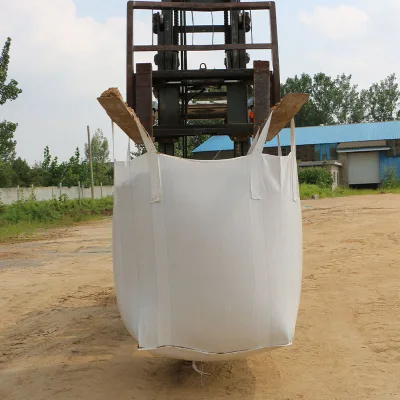
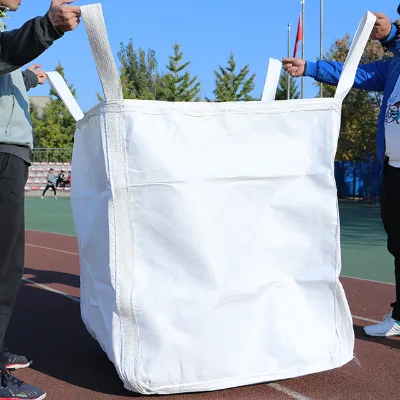
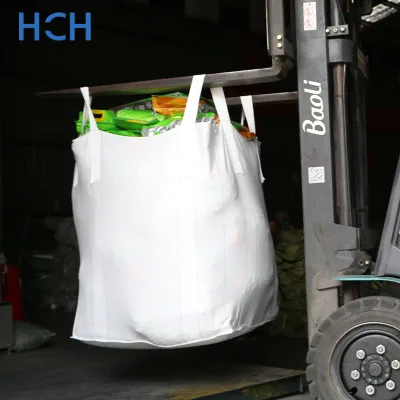
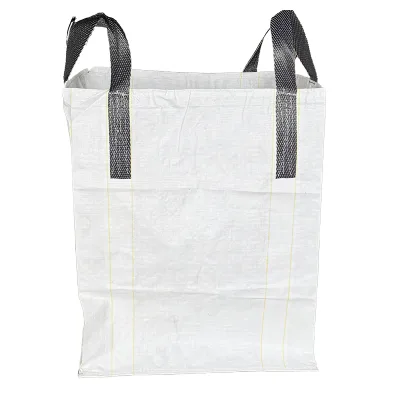
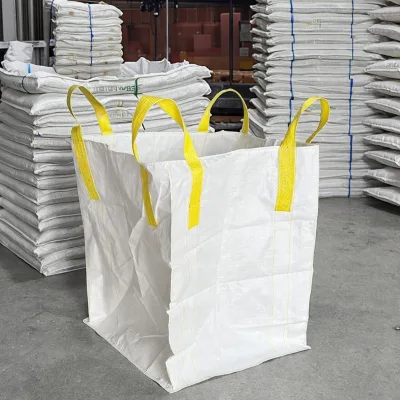
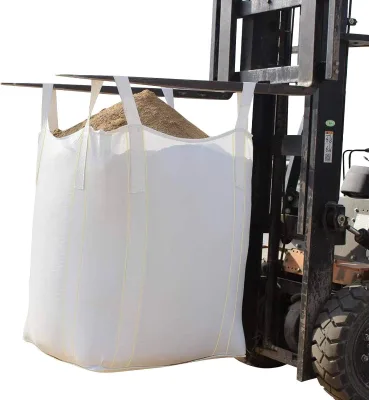
Listing signals also highlight specific design features such as cross-corner loops, four-loop configurations, and flat-bottom discharge options that dictate handling efficiency. The observed "Top Full Open" filling style combined with "Flat Bottom" discharge suggests a design optimized for rapid loading and complete emptying, which is essential for high-volume operations. Buyers should scrutinize the "Loop Option" and "Closure Type" details to ensure the bag integrates seamlessly with existing forklift or crane systems without requiring custom rigging modifications.
Technical Specifications to Verify
Verification of material composition is paramount, as the supplied facts confirm the use of PP (polypropylene) and mention eco-friendly biodegradable options in certain listings. Procurement teams must confirm whether the specific bag selected utilizes a standard heavy-weight fabric or a specialized coating to achieve the advertised windproof and anti-UV properties. The distinction between "Unlined" and lined configurations is equally important, as the presence or absence of a liner will determine the bag's suitability for fine powders versus coarse aggregates.
Dimensional specifications and structural integrity must be validated against the cargo requirements, with observed data citing customizable sizes like 100100100cm or 505050cm. Buyers should verify the mesh size, noting that "Fine Mesh" is available for specific applications, and confirm the thickness classification to ensure it meets the "Heavy Weight" standard required for your load. Additionally, the "Fabric Form" structure and "Coating" style must be cross-referenced with the intended storage environment to guarantee that the bag will not degrade under UV exposure or mildew conditions.
Compliance and Safety Documentation
Safety documentation for bulk bags must explicitly address the safety factor, which is observed in the data as a 5:1 ratio, ensuring the bag can withstand five times its rated load before failure. Buyers should request test reports that validate this safety margin under dynamic conditions, as static ratings alone do not account for the stresses of lifting and transport. The absence of specific certification names in the provided facts means that buyers must independently verify that the supplier can provide third-party validation for the claimed safety factors and structural integrity.
Environmental compliance is another critical area, given the conflicting data points regarding recyclability and biodegradability. While some listings claim "Biodegradable" eco-friendly materials, others specify "Single Use" or "Multi-use" recyclability, creating a need for clear documentation on the end-of-life disposal process. Procurement teams must ensure that the supplier provides evidence that the chosen material meets local environmental regulations, particularly if the bags are intended for food-grade applications or export to regions with strict waste management laws.
Cost Drivers and Commercial Terms
Cost drivers for breathable moisture proof ton bags are heavily influenced by the customization level, with observed data indicating that sizes and printing are fully customizable. Buyers should anticipate that custom dimensions, such as specific loop placements or unique printing patterns, will increase the unit price compared to standard plain designs. The "Heavy Weight" classification and specialized coatings for water resistance and UV protection also add to the manufacturing complexity, which is reflected in the observed price range of 1.2 to 46.4 USD per unit.
Commercial terms regarding minimum order quantities (MOQ) vary significantly, with observed ranges spanning from 200 pieces to 10,000 pieces depending on the specific product configuration. Buyers must align their order volume with the supplier's MOQ to avoid prohibitive per-unit costs, noting that some listings require 2000 pieces while others accept 200. Additionally, the delivery time of 15-18 days for a 20-foot container should be factored into the total landed cost, as expedited shipping or smaller batch orders may incur higher logistics expenses.
Supplier Qualification and Quality Control
Supplier qualification should begin with verifying the origin, as the supplied context consistently points to Shandong, China, as the primary manufacturing hub. Buyers must confirm that the supplier has a proven track record in producing FIBC bulk bags with the specific technical attributes required, such as the 4-loop design or high breathability features. It is essential to request samples that match the exact specifications of the final order to validate the "Fabric Form" and "Coating" quality before committing to a large-scale purchase.
Quality control protocols must include rigorous testing of the bag's tear resistance and anti-mildew properties, which are listed as key features in the product data. Buyers should establish a clear acceptance criteria that includes visual inspection for printing quality and structural checks for loop strength and bottom seam integrity. Implementing a pre-shipment inspection is advisable to ensure that the "Package Dimensions" and "Item Weight" match the agreed specifications, preventing discrepancies that could disrupt downstream logistics operations.
Long-Term Procurement Checks
Long-term procurement success depends on monitoring the consistency of the "Breathability" and "Water Proof" performance over multiple production batches. Buyers should establish a schedule for periodic re-testing of samples to ensure that the material composition and coating durability remain stable over time, especially if the bags are used in harsh outdoor environments. Tracking the performance of the "Anti-UV" and "Anti-Mildew" features is crucial, as degradation in these areas can compromise the safety and integrity of the cargo during extended storage periods.
Supply chain resilience requires maintaining a relationship with suppliers who can adapt to changing requirements, such as shifts in size standards or printing needs. Buyers should regularly review the supplier's ability to meet the "Customized Size" and "Customized Printing" demands without compromising lead times or quality. Establishing a feedback loop for any issues related to the "Loop Option" or "Closure Type" will help identify potential design flaws early, ensuring that the procurement strategy remains aligned with operational efficiency and safety standards.
FAQs
What is the loading capacity of a Breathable Moisture Proof Ton Bag?
The loading capacity is typically 2000 kg for heavy-duty industrial applications. This high weight rating ensures safe transport of bulk materials like sand, fruit, or fodder. The design includes a 5:1 safety factor to prevent failure during lifting. Users should verify specific weight limits based on the chosen loop configuration and fabric thickness for optimal performance.
Can I customize the size and printing on these bulk bags?
Yes, customization is available for both dimensions and visual branding. Standard sizes include 100*100*100cm and 50*50*50cm, with fully custom options also supported. Customized printing is acceptable to display logos or handling instructions. Buyers can select from various shapes such as U-panel, tubular, or circular designs to meet specific storage and transport requirements.
What material is used for the Breathable Moisture Proof Ton Bag?
The bags are primarily constructed from PP (polypropylene) fabric. This material offers windproof, water-resistant, and anti-UV properties to protect contents. Some variants feature biodegradable eco-friendly materials for sustainable packaging needs. The fabric structure provides high breathability while maintaining durability against tearing and mildew, ensuring long-term reliability in diverse environmental conditions.
What is the minimum order quantity for these FIBC bulk bags?
The minimum order quantity varies by supplier, ranging from 200 PCS to 2000 PCS. Most manufacturers require a baseline order to initiate production runs. Buyers should confirm the exact MOQ with their chosen vendor, as it may depend on customization levels, printing complexity, and specific material requirements for the final product delivery.
How long is the delivery time for bulk bag orders?
Delivery time is typically 15-18 days for one 20gp container. This lead time covers production, quality checks, and palletizing. Packaging is usually done in cartons on pallets, containing 100 to 300 pieces per package. Expedited options may be available depending on stock levels and specific supplier capabilities in Shandong, China.
Which loop options are available for lifting these ventilated bulk bags?
Common loop options include cross corner loops and four-loop configurations. These designs facilitate secure attachment to crane hooks or forklifts during loading and unloading. The top option is often a full open design for easy filling, while the bottom features a flat discharge for controlled emptying. Proper loop selection ensures stability and safety during heavy lifting operations.