Source Brightening Moisturizing Body Oil for spa, daily care, and skin rejuvenation
Find 30 verified suppliers offering Brightening Moisturizing Body Oil for body care, spa treatments, and daily skin rejuvenation. Compare OEM/ODM options, certifications, and packaging to select the right product for your brand; compare the available evidence and request quotations based on your requirements.
Updated
Key considerations
Products List


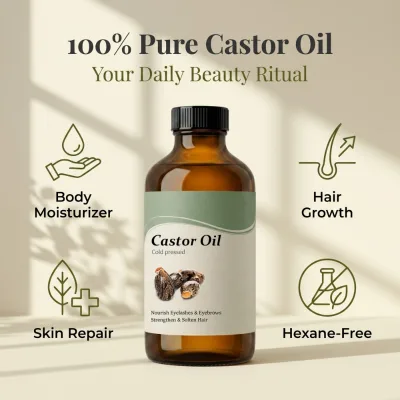
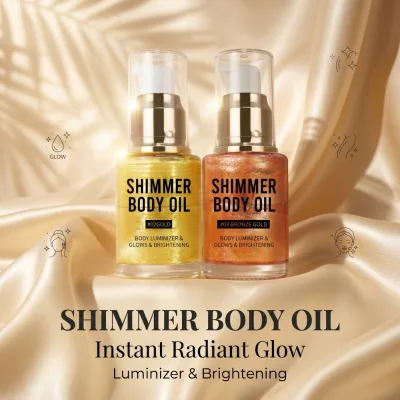

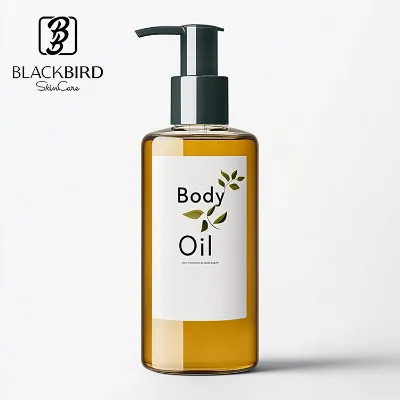
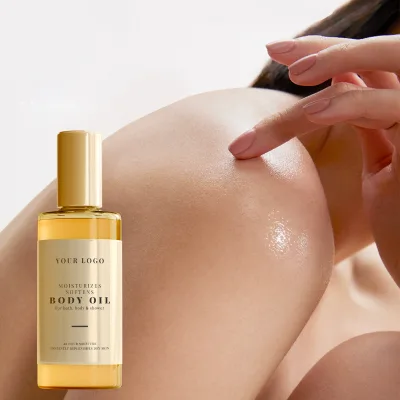
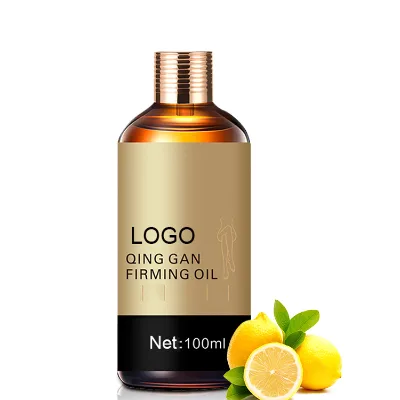
Customized New Moisturizing Body Oil Private Label OEM/ODM Hydrating Nourishing Skin Body Oil
$5.2121 - $5.8868
MOQ: 1000 pieces
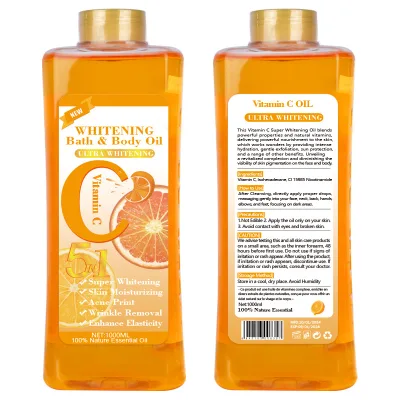


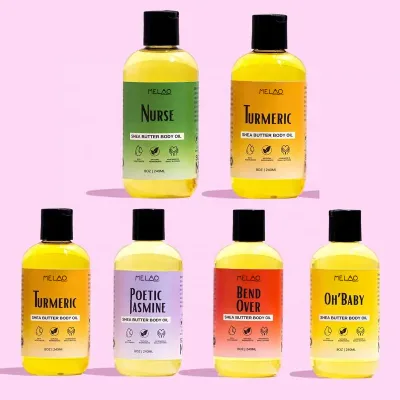


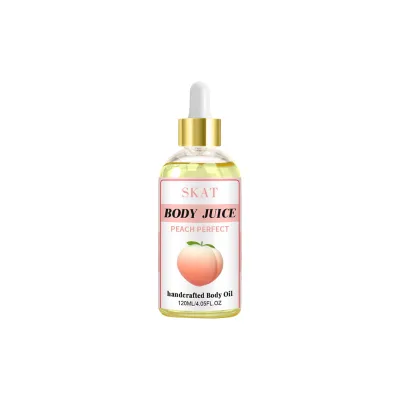
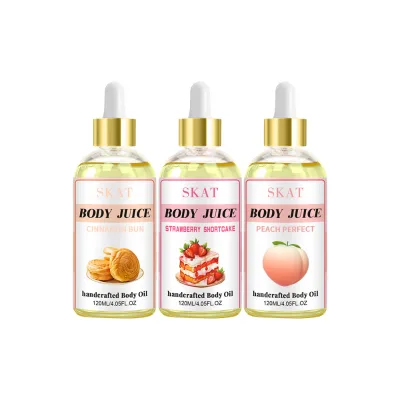
Wholesale Private Label New Formula Body Oil for Soft Nourished Smooth Skin
$3.45 - $3.90
MOQ: 1000 Pieces
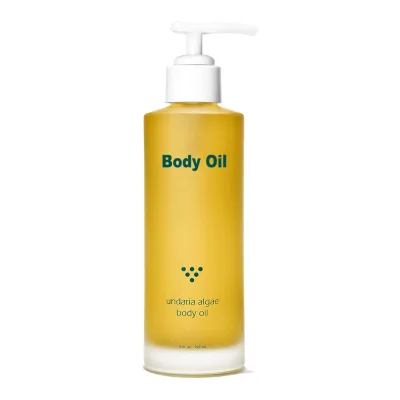
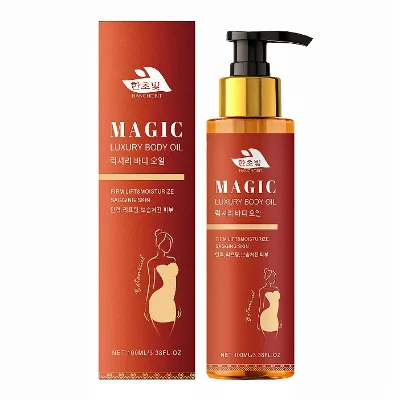
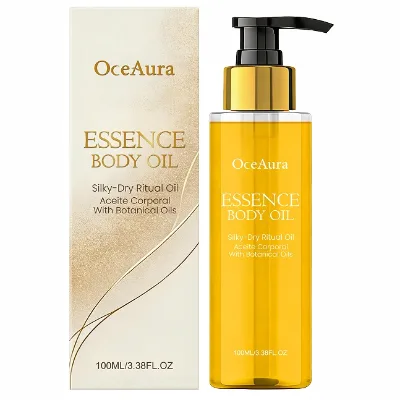
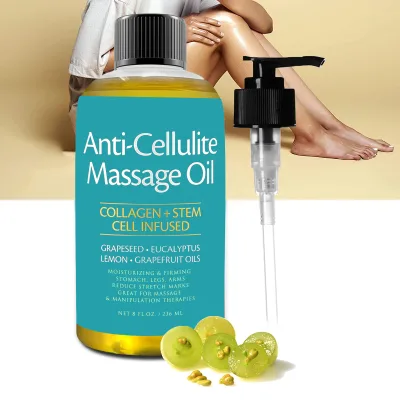
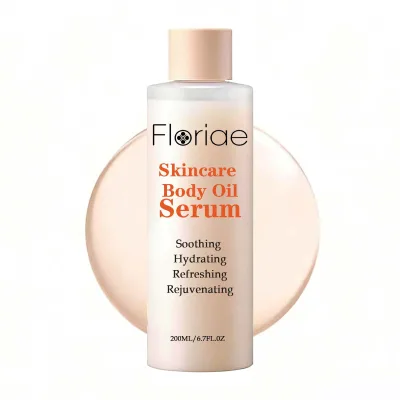
Comprehensive Sourcing Guide
Brightening Moisturizing Body Oil Sourcing Guide
Brightening Moisturizing Body Oil sits at the intersection of two high-demand cosmetic categories: skin-tone correction and daily hydration. For B2B buyers, the category offers a wide formulation spectrum, from rose-based compound essential oils extracted from flowers to cold-pressed castor oil blends marketed as massage and whole-body moisturizing products. Because the listed product range spans pure-grade essential oil formats in 100ml and 250ml sizes, Vitamin C body oil in 150g or customized weights, and glutathione whitening body oil variants, buyers must first decide which sub-segment aligns with their brand positioning before comparing quotations.
This guide is written for importers, private-label brand owners, and retail buyers evaluating Chinese suppliers. All observations below are drawn from actual product-page data, including observed prices from USD 0.74 to 7.5, MOQs from 1 to 5,000 units, and origins in Guangdong and Jiangxi, China. Treat every product attribute as a supplier-reported observation rather than a verified claim. The sections that follow define what to verify at specification, documentation, commercial, and supplier-qualification levels so that a listing translates into a dependable supply agreement.
Product Scope and Observed Listing Signals
The observed listings cluster into recognizable product types. One group is compound essential oil positioned as pure grade, made from rose raw material via extraction, with claimed features spanning whitening, anti-puffiness, dark-circle care, face-lift, anti-aging, and anti-wrinkle, and application on the body. A second group is whitening body oil built around actives such as Vitamin C and glutathione, with model numbers naming the active directly and stated effects of whitening, rejuvenating, and moisturizing. A third group is a body moisturizing massage oil based on castor oil, cold-pressed, skin-care grade, transparent oily liquid with a natural plant light color, sold under the brand name Hengshuo with model number HS-sty11.
Commercial signals vary widely across these clusters. Observed unit prices run from USD 0.74 to 7.5, a tenfold spread that reflects differences in active content, packaging, and order scale. MOQs range from 1 to 5,000 units, meaning some suppliers accept sampling-scale orders while others require volume commitments. Packaging options include private customized packaging, paper boxes, and plastic PET bottles, and several listings advertise OEM/ODM supply, customization availability, and private-label service. Buyers should map these signals against their own volume plans before shortlisting.
Technical Specifications to Verify
Start with the base formulation and raw material route. Listings report flowers as raw material, rose as the ingredient, extraction as the method for the essential oil segment, and cold-pressed extraction for the castor oil variant. Confirm which route applies to your product and ask for the full INCI list, because "rose" alone does not distinguish rosehip carrier oil from rose essential oil in a compound blend. Verify the grade designation—the listings use "Pure Grade" and "skin care grade"—and ask what testing supports each grade claim.
Physical and stability parameters matter next. The observed castor-oil-based product is described as a transparent oily liquid with a natural plant light color, all skin types, and a shelf life of three years unopened. Ask each supplier to document appearance tolerance, viscosity behavior across temperature ranges, oxidation stability for cold-pressed oils, and compatibility between your chosen actives (Vitamin C and glutathione are notably stability-sensitive) and the carrier base. Also verify container compatibility: the observed PET plastic bottle must be tested against essential-oil-rich formulas, which can degrade certain plastics or leach compounds over the stated shelf life.
Compliance and Safety Documentation
Certification claims in the listings include MSDS and GMP, with one listing adding CE. Treat these as claims to verify, not as guarantees. Request the actual MSDS for the finished oil and for each raw material, and confirm that the GMP reference refers to a current certificate covering the manufacturing site, not merely a statement on a product page. If you intend to cite CE, understand which directive or scheme it refers to for a cosmetic oil and whether it is relevant in your destination market. Never reproduce certification names in your own marketing without copies on file.
Beyond certificates, cosmetic safety depends on destination-market regulation, which the listings do not address. If you sell in the EU, the UK, the US, or other regulated markets, you are responsible for a Cosmetic Product Safety Report or equivalent, an ingredient review against restricted lists, and correct labeling including INCI names. Ask suppliers for safety assessment support, batch traceability records, and stability and challenge-test documentation where claims like anti-aging or whitening are made. Because whitening and spot-correction claims are regulated more strictly in many jurisdictions, review the claimed efficacy wording—such as "improve skin dullness" or "pigmentation correctors"—against local advertising rules before launch.
Cost Drivers and Commercial Terms
Observed prices span USD 0.74 to 7.5, and understanding what moves a quote within that range protects you from both overpayment and suspiciously low offers. Likely drivers include the active system (glutathione and Vitamin C formulations typically price above simple carrier-oil blends), the purity grade and extraction method (cold-pressed versus refined base oils), bottle material and packaging (PET bottle versus private customized packaging with paper box), and order quantity relative to the quoted MOQ. Ask suppliers to break quotes into base formula, packaging, and labeling components so you can compare like with like.
MOQs in the observed listings run from 1 to 5,000 units, which signals very different commercial models: sampling-friendly suppliers versus volume manufacturers. Negotiate MOQ against a realistic first order and clarify whether the MOQ applies per SKU or per order when you want multiple scents or bottle sizes—relevant here because one listing explicitly supports custom scent under OEM/ODM. Confirm Incoterms, payment terms, tooling or plate charges for private-label packaging, and whether the quoted price holds at your target annual volume. Get all packaging artwork costs, revision limits, and re-order pricing in writing before placing a trial order.
Supplier Qualification and Quality Control
Qualify suppliers on manufacturing capability rather than on listing polish. For this category, ask whether the supplier manufactures the oil blend in-house or trades finished goods, since the OEM/ODM and private-label service claims suggest formulation capability that should be confirmed with a facility audit or a third-party factory check. For the Jiangxi-based castor-oil listing and the Guangdong-based whitening oil listings, verify site location, production area, and whether filling and packaging occur on-site. Request references from existing private-label clients where possible.
Quality control should be structured around pre-shipment and incoming-material checkpoints. Require a certificate of analysis for each production batch covering appearance (the transparent oily liquid, natural plant light color benchmark), density or refractive index where applicable, and microbial limits appropriate to a leave-on body product. Agree on retained-sample policy and an acceptable quality limit for visual defects in bottles and cartons. For scented or essential-oil variants, ask for scent-matching approval procedures on production samples, since custom-scent claims need a documented reference standard. Put the inspection standard, sampling method, and remedy for failed lots into the purchase contract, not just email correspondence.
Long-Term Procurement Checks
Long-term reliability depends on how consistently a supplier can reproduce the approved formula and packaging over successive orders. Build an approved-specification file containing the signed-off formulation reference, the reference sample, packaging drawings, and the shelf-life claim (three years unopened in one observed listing) with the stability data behind it. Re-approve after any change notice—suppliers may substitute carrier oil lots, bottle suppliers, or print vendors, and each substitution can alter appearance, scent, or compatibility with the PET packaging.
Operationally, monitor supply continuity and relationship health. Track defect rates, on-time delivery, and responsiveness across reorder cycles, and schedule periodic re-verification of MSDS and GMP certificates before they lapse, since renewal status is rarely visible on product pages. If you scale from a 1-unit trial MOQ toward thousands of units, revisit pricing tiers and lock volume-based terms in an annual agreement. Finally, maintain a second qualified source for the same product type—whether a compound rose essential oil or a glutathione whitening oil—so that a single factory disruption does not leave your body-oil line without stock during peak retail seasons.
FAQs
What certifications do Brightening Moisturizing Body Oil suppliers hold?
Suppliers typically hold MSDS, GMP, and CE certifications for their Brightening Moisturizing Body Oil products. These credentials ensure compliance with safety and manufacturing standards. Buyers should verify specific certificates for each batch to guarantee regulatory adherence in their target markets. This verification is essential for maintaining product integrity and meeting international trade requirements.
Can I get custom packaging for Brightening Moisturizing Body Oil?
Yes, private customized packaging is available for Brightening Moisturizing Body Oil orders. Suppliers support OEM and ODM services to tailor branding and container designs. This flexibility allows businesses to create unique market identities. Buyers can specify materials like paper boxes or PET bottles to align with their brand aesthetics and sustainability goals.
What is the minimum order quantity for Brightening Moisturizing Body Oil?
The minimum order quantity ranges from 1 to 5000 units depending on the supplier. This wide range accommodates both small trial orders and large-scale commercial purchases. Buyers can negotiate MOQs based on their production needs and budget constraints. Flexible MOQs facilitate easier market entry for new brands and smaller enterprises seeking quality ingredients.
Where are Brightening Moisturizing Body Oil manufacturers located?
Manufacturers are primarily located in China, including Guangdong and Jiangxi provinces. These regions offer robust supply chains and advanced extraction technologies. Buyers can source products directly from these origins to leverage local expertise. Proximity to raw materials like flowers ensures freshness and quality in the final Brightening Moisturizing Body Oil formulations.
What features does Brightening Moisturizing Body Oil offer for skin care?
This oil offers whitening, anti-aging, anti-wrinkle, and dark circle reduction features. It also helps with puffiness and face-lift effects for overall skin rejuvenation. The compound essential oil formulation deeply moisturizes and nourishes dry skin. These benefits make it suitable for daily body care and spa massage applications.
How is Brightening Moisturizing Body Oil extracted and processed?
The oil is extracted using methods like cold pressing or general extraction techniques. Raw materials such as flowers and rose ingredients are processed to maintain purity. The result is a transparent oily liquid with a natural plant light color. This process preserves active compounds for effective skin revitalization and moisturizing performance.