Source camshaft adjuster for mercedes-benz for Repair, Maintenance, and Replacement
Find 30 camshaft adjuster for mercedes-benz options from verified suppliers. Compare specifications, prices, and MOQs for models like 2780503400 and 2760503800 to find the right part for your vehicle needs; compare the available evidence and request quotations based on your requirements.
Updated
Key considerations
Products List
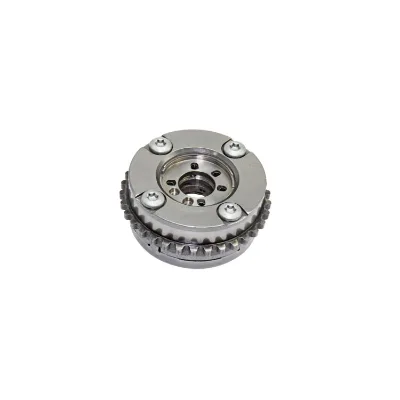
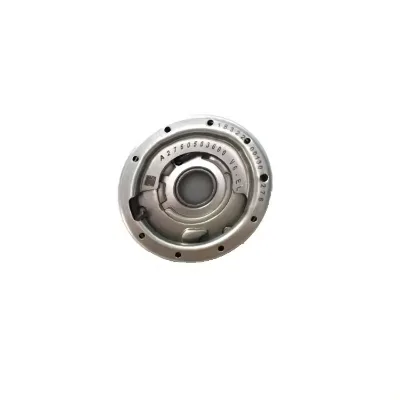
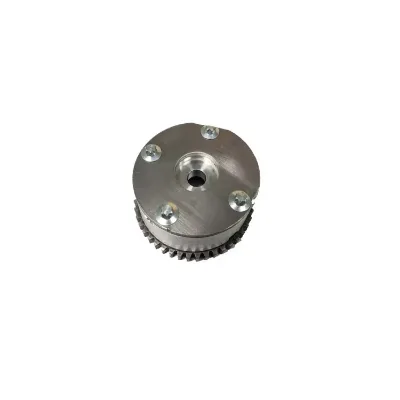


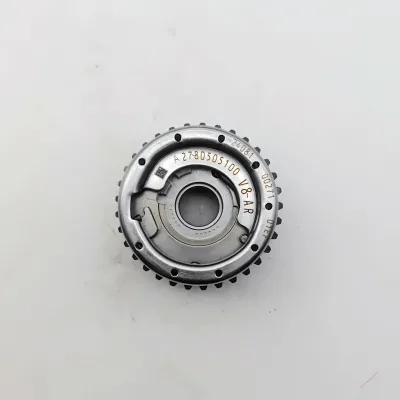
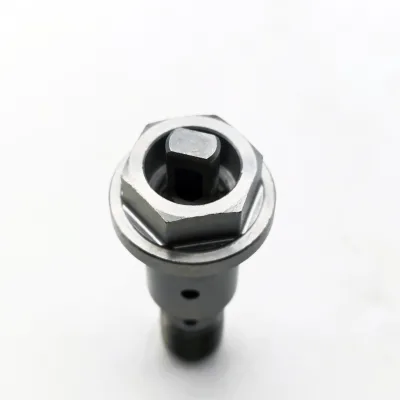
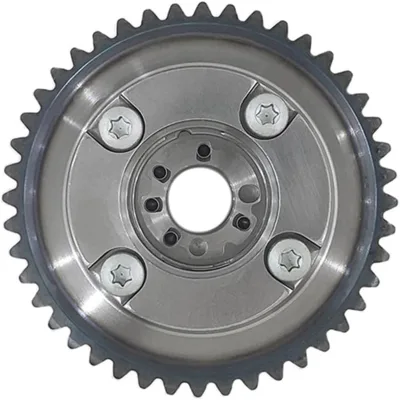
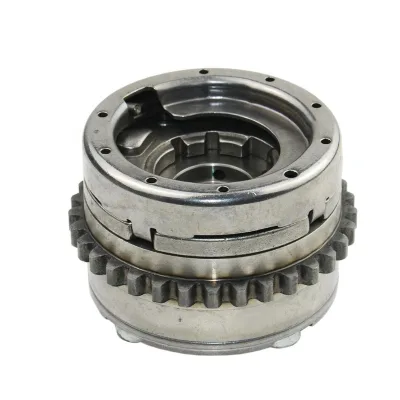
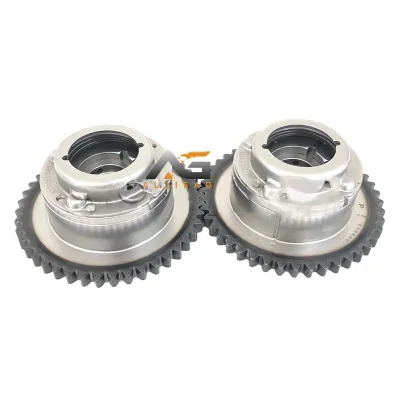


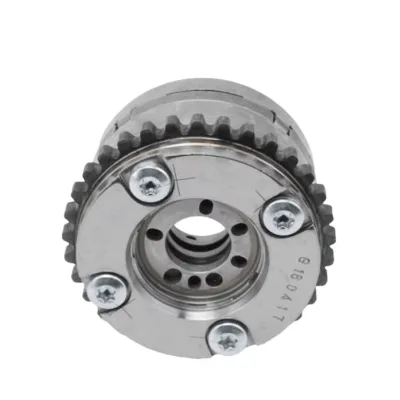


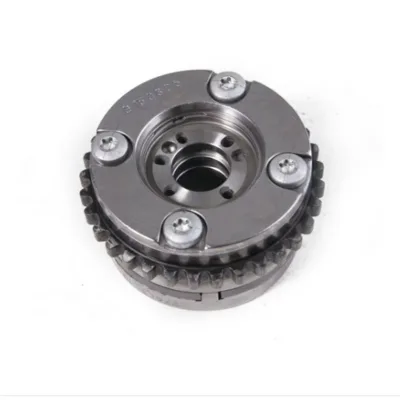
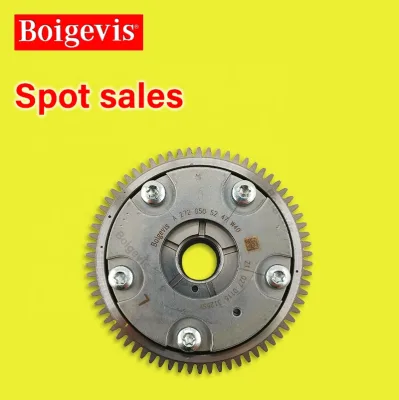
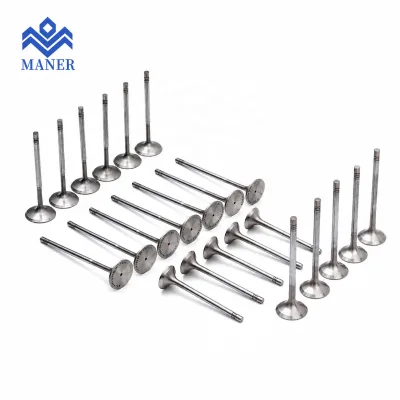
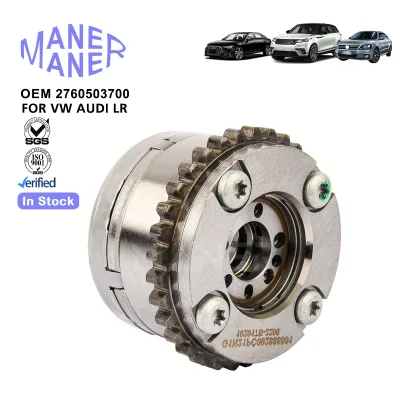

Hot Sale Engine Parts Intake Camshaft 3660500301 for Mercedes-Benz Om355
$1.00 - $50.00
MOQ: 10 Pieces


Comprehensive Sourcing Guide
Camshaft Adjuster for Mercedes-Benz Sourcing Guide
Sourcing camshaft adjusters for Mercedes-Benz vehicles requires a disciplined approach to verifying part compatibility and supplier reliability. The market offers a variety of options, ranging from new components to remanufactured units, each with distinct implications for vehicle performance and lifecycle costs. Buyers must navigate a landscape where generic descriptions often obscure critical technical differences, making precise identification of the original equipment number essential. This guide outlines the key verification steps and commercial considerations necessary to secure high-quality replacements that meet stringent automotive standards.
The procurement process begins with a clear understanding of the specific engine codes and model numbers associated with the target vehicle. Observed listings frequently cite multiple OE numbers, such as 2780503400 or 2760503800, alongside specific engine identifiers like 2720506847. Aligning these technical identifiers with the vehicle’s service history ensures that the purchased adjuster matches the exact hydraulic or mechanical requirements of the engine. This precision prevents installation errors and ensures optimal timing control, which is critical for maintaining fuel efficiency and emissions compliance in modern Mercedes-Benz powertrains.
Product Scope and Observed Listing Signals
The current market for camshaft adjusters presents a diverse range of product conditions and packaging standards. Listings indicate the availability of both new and remanufactured units, with some suppliers offering professional service guarantees and high-quality assurances. The material composition is predominantly aluminum, a standard choice for durability and heat resistance in engine components. Buyers should note that packaging varies significantly, from neutral packing to export cartons or wooden cases, which can impact shipping costs and product protection during transit. Understanding these variations helps in assessing the total landed cost and the care required during handling.
Observations reveal a wide spectrum in minimum order quantities and shipping methods, reflecting the flexibility of the supply chain. Some suppliers accept single-unit orders, catering to individual repair shops or small fleet operators, while others require bulk purchases of up to three thousand pieces. Shipping options include major express carriers like DHL, TNT, UPS, and FedEx, as well as air or sea freight for larger volumes. These logistical choices directly influence lead times and inventory management strategies, allowing buyers to tailor their procurement approach to their specific operational needs and budget constraints.
Technical Specifications to Verify
Verifying technical specifications is paramount to ensuring the camshaft adjuster fits and functions correctly within the Mercedes-Benz engine. Buyers must cross-reference the listed model numbers, such as 2780503400 or 1320340310, with the vehicle’s official service manual or parts catalog. The presence of multiple OE numbers in a single listing, such as 2780504900 and 2780503400, suggests interchangeability, but this must be confirmed for the specific engine variant. Incorrect specification matching can lead to improper valve timing, resulting in reduced engine performance, increased fuel consumption, or potential mechanical damage.
Dimensional and weight specifications provide additional verification points for authenticity and quality. Observed data indicates single package sizes ranging from 10x10x10 cm to 20x40x20 cm, with gross weights varying from 2.000 kg to 70.000 kg depending on the packaging and unit type. These metrics help in planning storage and logistics, but more importantly, they serve as a sanity check against counterfeit or substandard products. Significant deviations from expected weight or dimensions may indicate inferior materials or incomplete assemblies, prompting further investigation into the supplier’s manufacturing capabilities and quality control processes.
Compliance and Safety Documentation
While specific certification documents are not explicitly detailed in the observed listings, buyers must insist on proof of compliance with relevant automotive standards. The mention of industrial packaging and vacuum forming suggests a level of professional handling, but formal quality certifications are essential for B2B procurement. Buyers should request documentation that verifies the part meets original equipment manufacturer specifications, ensuring that the camshaft adjuster performs reliably under the high pressures and temperatures typical of Mercedes-Benz engines. This due diligence mitigates the risk of premature failure and associated warranty claims.
Safety and regulatory compliance also extend to the supplier’s operational practices and product labeling. The availability of customization options and professional service indicates a supplier’s willingness to adapt to specific buyer requirements, but this must be balanced with adherence to international trade regulations. Buyers should ensure that all imported components are accompanied by appropriate certificates of origin and material safety data sheets. This documentation is crucial for customs clearance and for maintaining a transparent supply chain, particularly when dealing with suppliers located in regions with varying regulatory frameworks.
Cost Drivers and Commercial Terms
The cost of camshaft adjusters is influenced by several factors, including the condition of the part, the complexity of the engineering, and the supplier’s service level. New units typically command higher prices than remanufactured alternatives, but they offer the advantage of a full warranty and predictable performance. The observed price range of 1 to 119.7 USD reflects this variability, with lower prices potentially corresponding to basic replacements or bulk discounts. Buyers must evaluate the total cost of ownership, considering not just the unit price but also shipping, duties, and potential downtime costs associated with part failures.
Commercial terms such as payment methods and warranty policies play a significant role in the procurement decision. Suppliers offer flexible payment options, including PayPal, Western Union, and T/T, which can facilitate transactions for international buyers. A one-year warranty is commonly provided, offering a safety net against manufacturing defects. However, buyers should carefully review the terms of this warranty, including coverage limits and the process for claims. Clear communication regarding delivery times, which can range from 7 to 25 working days, is also essential for effective inventory planning and avoiding production delays.
Supplier Qualification and Quality Control
Evaluating supplier qualification is critical to ensuring the long-term reliability of the camshaft adjuster supply. Buyers should prioritize suppliers who demonstrate a strong supply ability, such as the observed capacity of 5000 units per month, indicating robust manufacturing or distribution capabilities. The location of origin, often cited as Zhejiang, China, is a major hub for automotive components, but buyers must verify the supplier’s specific track record and reputation. Requesting samples or conducting factory audits can provide valuable insights into the supplier’s quality control processes and manufacturing standards.
Quality control measures should be explicitly defined in the procurement agreement. The mention of high-quality standards and professional service suggests a commitment to excellence, but buyers must validate these claims through independent testing or third-party inspections. Establishing clear acceptance criteria for incoming goods, including visual inspections and functional tests, helps to catch defects early in the supply chain. Building a relationship with suppliers who offer excellent after-sale service can also provide support in resolving any issues that arise post-delivery, ensuring minimal disruption to operations.
Long-Term Procurement Checks
Establishing long-term procurement checks ensures that the camshaft adjuster supply remains consistent and cost-effective over time. Regular performance reviews of the parts, including monitoring for any recurring issues or failures, help to identify potential quality trends. Buyers should maintain open communication with suppliers to stay informed about any updates in part specifications or manufacturing processes. This proactive approach allows for timely adjustments to the procurement strategy, ensuring that the supplied components continue to meet the evolving needs of the vehicle fleet.
Continuous improvement in the supply chain involves periodic re-evaluation of supplier performance metrics, such as delivery reliability, product quality, and customer service responsiveness. By tracking these metrics, buyers can identify opportunities for optimization, such as negotiating better terms or diversifying the supplier base to mitigate risk. The availability of customization options and standard sizes provides flexibility for future needs, but buyers must ensure that any changes are thoroughly tested and validated before full-scale implementation. This disciplined approach to procurement supports sustainable operations and long-term cost savings.
FAQs
What are the available model numbers for camshaft adjuster for mercedes-benz?
The available model numbers include 2780503400, 2760503800, 1320340310, 2720506847, A2710500900, 2720505247, A2760503600, and A2760501547. These specifications correspond to various engine codes and OE numbers such as 2780504900 and 2760503900. Buyers should verify the exact engine code to ensure compatibility with their specific vehicle requirements.
Can I customize the camshaft adjuster for mercedes-benz packaging?
Yes, customization is available for packaging requirements. Standard options include neutral packing, export cartons, or wooden cases. The standard industrial packaging involves vacuum forming with dimensions around 61x49x84cm. Buyers can request specific packaging solutions to meet their logistical needs or storage constraints during international shipping.
What is the minimum order quantity for camshaft adjuster for mercedes-benz?
The minimum order quantity varies by product type. Some items require a minimum of 100 pieces, while others allow for a single unit purchase. This flexibility supports both bulk procurement and individual replacement needs. Buyers should check the specific MOQ for their selected model number to plan their inventory effectively.
How long is the delivery time for camshaft adjuster for mercedes-benz?
The delivery time typically ranges from 7 to 25 working days. This duration depends on the specific product specifications and current stock availability. Shipping methods include DHL, TNT, UPS, EMS, and FedEx. Buyers should account for these lead times when planning their repair schedules or inventory replenishment strategies.
What warranty is provided for camshaft adjuster for mercedes-benz?
A one-year warranty is provided for new condition products. Remanufactured items may have different terms, so buyers should verify the condition status. The products are described as high-quality and intended for replacement or repair. This warranty coverage helps ensure reliability and provides assurance for the purchased automotive components.
Where are the camshaft adjuster for mercedes-benz products manufactured?
The products are manufactured in Zhejiang, China. The origin is clearly stated as China for all listed items. This location is consistent across the various model numbers and specifications provided. Buyers can rely on this origin information for supply chain planning and compliance with their sourcing policies.