Source CE RoHS 3D Printer Filament for Crafts Desktop Printing
Find 30 verified listings for CE RoHS 3D Printer Filament suitable for crafts and desktop printers. Compare specifications like material, diameter, and temperature to select the right option for your FDM 3D printing needs; compare the available evidence and request quotations based on your requirements.
Updated
Key considerations
Products List

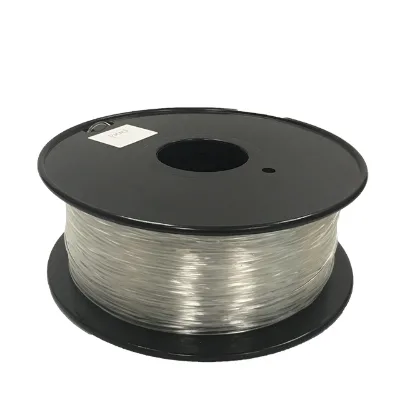
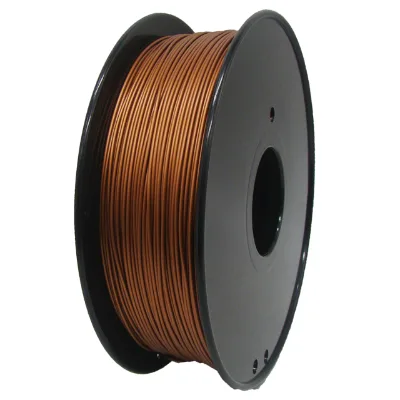
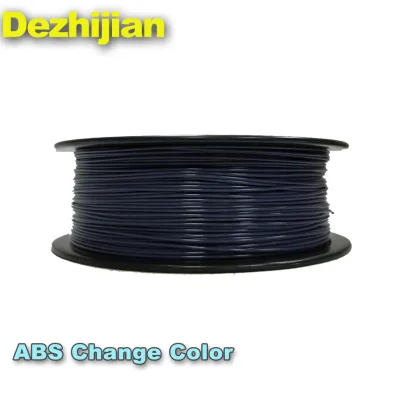
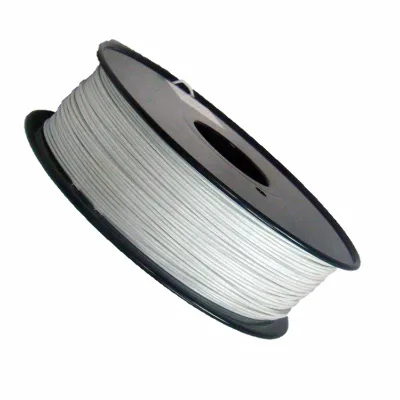





Comprehensive Sourcing Guide
CE RoHS 3D Printer Filament Sourcing Guide
Procuring certified filament requires balancing material performance with regulatory adherence, particularly for desktop printing applications in the crafts industry. Buyers must verify that the product aligns with specific forming technologies like FDM while ensuring the material composition meets safety standards. The observed market signals indicate a diverse range of options, from biodegradable PLA to ABS variants, each with distinct thermal and mechanical properties. Understanding these differences is crucial for selecting the right consumable for specific printing environments and end-use requirements.
The sourcing landscape includes suppliers from Shenzhen and Guangdong, China, offering customization services and various packaging formats. Key attributes such as diameter, length, and net weight vary across listings, necessitating careful review of technical sheets before placement. Buyers should focus on verifying the actual material type against the product name, as discrepancies between PLA and ABS designations can impact print quality and safety. This guide outlines the essential verification steps to ensure compliance and performance consistency in bulk orders.
Product Scope and Observed Listing Signals
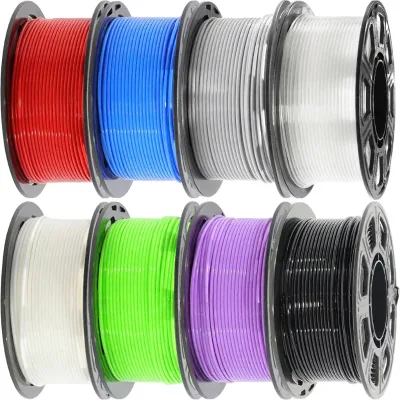
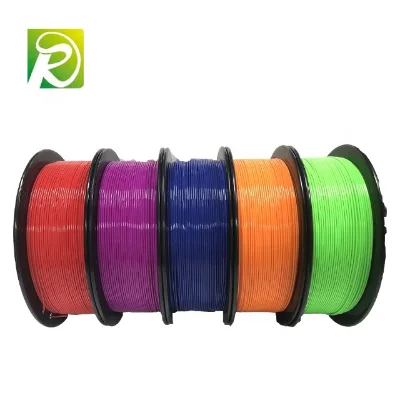
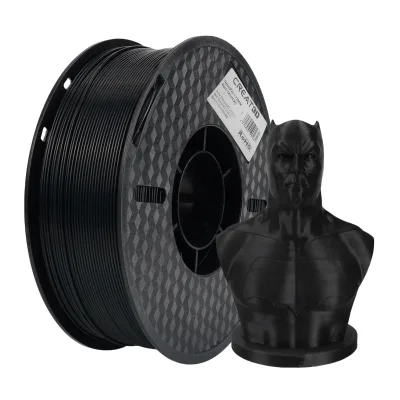
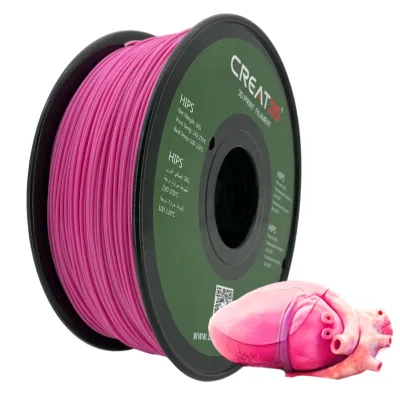
The current market offers a wide array of 3D printing filaments, primarily categorized by material type and application suitability. Observed listings highlight products suitable for desktop printers, with common materials including PLA, ABS, PA, PET, and HIPS. The color palette is extensive, featuring options like orange, white, black, red, green, and blue, catering to diverse aesthetic needs in crafts and prototyping. Buyers should note that while some products are labeled as PLA, others may specify ABS or mixed material compositions, requiring strict verification of the actual material content.
Packaging and physical specifications also vary significantly among suppliers. Typical net weights range around 1.0 kg, with gross weights slightly higher due to packaging materials. Lengths are commonly listed around 340 to 400 meters, with diameters available in 1.75 mm and 2.85 mm options. These variations directly impact printing duration and machine compatibility. Buyers must cross-reference the stated diameter and length with their printer’s specifications to avoid feed issues or inaccurate volume calculations during production runs.
Technical Specifications to Verify
Thermal properties are critical for ensuring stable printing processes and final part integrity. Buyers should verify the recommended printing temperature, which often centers around 200°C for PLA-based filaments, and the heated bed temperature, typically ranging from 70-100°C for materials like ABS. The heat deflection temperature, observed in some listings as 70-80°C, indicates the material’s resistance to deformation under load at elevated temperatures. Confirming these thermal thresholds helps prevent warping, layer separation, or structural failure during and after the printing process.
Mechanical and physical attributes further define the filament’s suitability for specific applications. Tensile strength, bending strength, and elongation at break are key indicators of durability and flexibility. For instance, some listings report tensile strength of ≥ 40 MPa and bending strength of ≥ 60 MPa, suggesting robust performance for functional parts. Density, often cited around 1.05 ± 0.02 g/cm³, affects the weight-to-strength ratio. Buyers must ensure these mechanical values align with the intended use case, whether for decorative crafts or load-bearing prototypes, to avoid premature failure.
Compliance and Safety Documentation
Regulatory compliance is a non-negotiable aspect of sourcing 3D printing consumables, especially for products intended for consumer or educational use. Certifications such as CE and ROHS are frequently cited in product listings, indicating adherence to European safety and environmental standards. Buyers should request valid certification documents from suppliers to verify that the filament does not contain hazardous substances like lead, mercury, or certain phthalates. This verification is essential for maintaining legal compliance in international trade and ensuring user safety during printing operations.
Beyond basic certifications, buyers should inquire about additional safety standards relevant to their target market. While some background context mentions REACH or EN71 standards, these should be confirmed directly with the supplier rather than assumed. The presence of biodegradable materials, such as PLA, may also require specific disposal or composting certifications depending on local regulations. Ensuring that the supplier can provide up-to-date and authentic compliance documentation protects the buyer from potential legal liabilities and enhances the product’s marketability in regulated industries.
Cost Drivers and Commercial Terms
Pricing for 3D printer filament is influenced by material type, certification status, and order volume. Observed price ranges in the market span from $1 to $16 per unit, reflecting differences in quality, brand reputation, and included services. Customization options, such as specific colors or packaging, may incur additional costs. Buyers should analyze the cost per meter or per kilogram rather than just the unit price to accurately compare value across different suppliers and product specifications.
Minimum Order Quantities (MOQs) and lead times are critical commercial terms that affect inventory management and cash flow. MOQs can range from 1 to 300 units, allowing flexibility for small-scale buyers while encouraging bulk purchases for larger operations. Suppliers located in Shenzhen and Guangdong may offer varying lead times based on production capacity and shipping logistics. Buyers should negotiate clear terms regarding payment methods, shipping responsibilities, and return policies to mitigate risks associated with supply chain disruptions or quality issues.
Supplier Qualification and Quality Control
Evaluating supplier reliability is paramount to ensuring consistent product quality and timely delivery. Buyers should assess the supplier’s manufacturing capabilities, including their processing services like molding and cutting, which indicate their ability to produce precise filament specifications. Verifying the supplier’s location and operational history can provide insights into their stability and capacity to handle large orders. Suppliers with established presence in industrial hubs like Shenzhen and Guangdong often have better access to raw materials and logistical networks.
Quality control processes should be explicitly discussed with potential suppliers. Buyers should inquire about in-house testing procedures for melt flow rate, diameter consistency, and tensile strength. Requesting sample batches before committing to large orders allows for practical verification of print quality and material performance. Additionally, establishing clear communication channels for addressing defects or discrepancies ensures that any issues can be resolved promptly, maintaining production continuity and protecting the buyer’s reputation for delivering high-quality 3D printed products.
Long-Term Procurement Checks
Sustaining a reliable supply chain requires ongoing monitoring of supplier performance and product consistency. Buyers should regularly review supplier feedback, delivery punctuality, and responsiveness to quality concerns. Establishing a long-term partnership with a few trusted suppliers can lead to better pricing, priority production slots, and improved support. Regular audits of the supplier’s quality management systems and compliance documentation help ensure that standards are maintained over time, reducing the risk of sudden changes in product quality or regulatory status.
Adapting to market trends and technological advancements is also essential for long-term success. As new materials and printing technologies emerge, buyers should stay informed about innovations in filament composition and performance. This includes exploring biodegradable options or high-temperature resistant materials that may offer competitive advantages. By maintaining a flexible procurement strategy and continuously evaluating supplier capabilities, buyers can ensure their 3D printing operations remain efficient, compliant, and aligned with evolving industry demands.
FAQs
What certifications do these 3D printer filaments hold?
The filaments hold CE and ROHS certifications, ensuring compliance with safety and environmental standards for global trade. These credentials verify that the materials meet strict regulatory requirements for manufacturing and consumer safety. Buyers can rely on these documented certifications when sourcing for regulated industries or regions with strict material compliance laws.
Which materials are available for FDM 3D printing?
Available materials include PLA, ABS, PA, PET, and HIPS, catering to diverse printing needs. PLA is highlighted as biodegradable and suitable for desktop printers, while ABS offers heat resistance. This variety allows users to select the optimal material based on required strength, flexibility, and thermal properties for their specific craft or industrial applications.
Can I customize the filament specifications for my project?
Yes, customization is available for these 3D printer filaments to meet specific project requirements. Buyers can request tailored specifications to ensure the material aligns with their unique manufacturing processes. This flexibility supports diverse applications, allowing for precise adjustments in material properties or packaging to suit particular industrial or creative needs effectively.
What are the standard filament diameters offered?
Standard filament diameters offered are 1.75 mm and 2.85 mm, compatible with most FDM 3D printers. These sizes ensure broad compatibility with various desktop and industrial printing equipment. Selecting the correct diameter is crucial for optimal extrusion and print quality, making these standard options versatile for different printer models and applications.
Where are these filaments manufactured and shipped from?
These filaments are manufactured in Shenzhen and Guangdong, China, ensuring proximity to major supply chains. The origin in China supports efficient logistics and competitive pricing for international buyers. Sourcing from these regions provides access to established manufacturing capabilities and reliable shipping routes for global distribution of 3D printing consumables.
What is the typical net weight per package?
The typical net weight per package is 1.0 kg, with a gross weight of approximately 1.3 kg. This standard packaging size facilitates easy handling and storage for both small workshops and larger production facilities. The consistent weight ensures accurate material usage calculations and simplifies inventory management for regular 3D printing operations.