Source Self Adhesive Rainbow Acrylic Mirror for wall decor, signage, lighting
Compare 30 listings for Self Adhesive Rainbow Acrylic Mirror suitable for wall decoration, furniture embellishment, and advertising signage. Buyers can evaluate thickness, color options, and customization availability across verified Chinese manufacturers; compare the available evidence and request quotations based on your requirements.
Updated
Key considerations
Products List
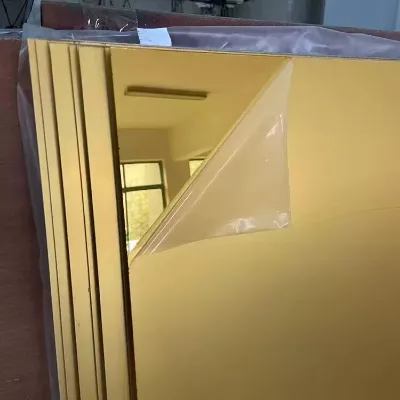

$4.50 - $12.50
MOQ: 300 Square Meters

$4.50 - $12.50
MOQ: 300 Square Meters

$4.50 - $12.50
MOQ: 300 Square Meters

$4.50 - $12.50
MOQ: 300 Square Meters

$4.50 - $12.50
MOQ: 300 Square Meters

$4.50 - $12.50
MOQ: 300 Square Meters
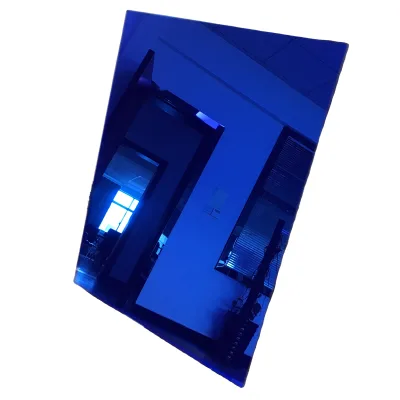


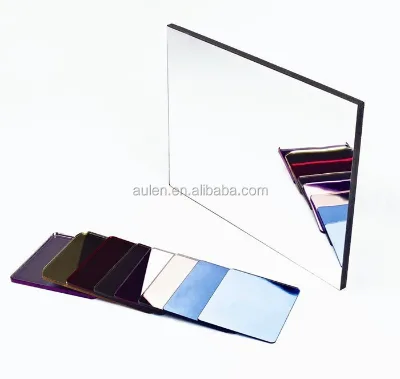






Comprehensive Sourcing Guide
Self Adhesive Rainbow Acrylic Mirror Sourcing Guide
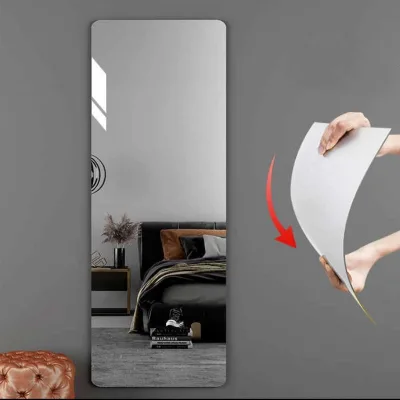
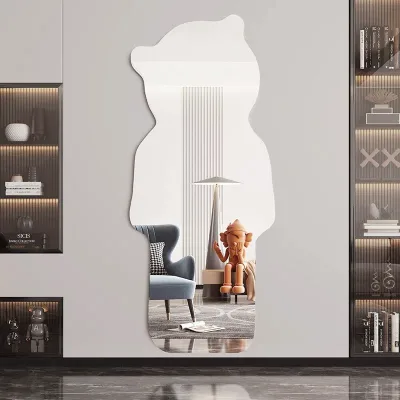
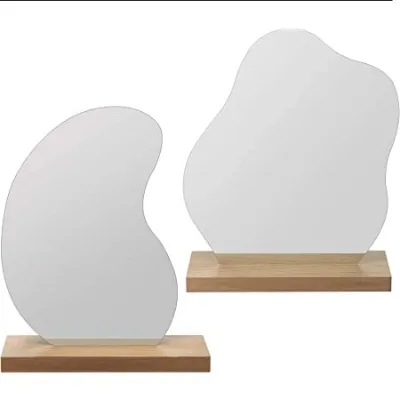
Procuring self-adhesive rainbow acrylic mirrors requires a nuanced understanding of material properties and application-specific constraints. These products are primarily utilized for wall decoration and furniture embellishment, offering high plasticity that simplifies processing and shaping. Buyers must recognize that while the visual appeal is driven by the rainbow or metallic finishes, the underlying substrate is typically virgin PMMA or lucite, ensuring structural integrity. The material’s high surface hardness and excellent weather resistance make it suitable for both indoor and protected outdoor environments, provided the adhesive layer remains intact.
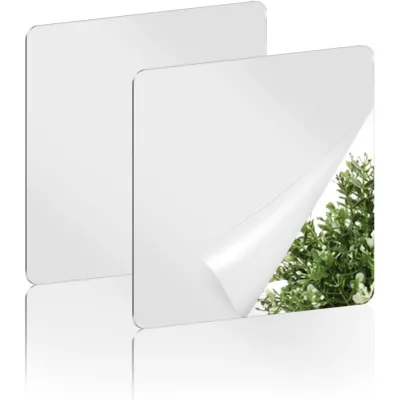
The sourcing landscape includes various form factors, from standard sheets to customized sizes, with thicknesses ranging from 0.7mm to 10mm depending on the supplier. It is critical to distinguish between transparent plastic sheets and actual mirror surfaces, as some listings may refer to the base material rather than the reflective coating. The availability of self-adhesive variants simplifies installation for advertising, signage, and lighting projects, but buyers must verify the adhesive type and backing protection, often PE film, to prevent surface damage during transit and handling.
Product Scope and Observed Listing Signals
The observed market signals indicate a diverse range of product attributes, with prices fluctuating between $0.15 and $50.31 USD based on thickness, color, and quantity. Minimum order quantities (MOQs) vary significantly, ranging from 10 pieces to 2000, reflecting the flexibility of suppliers to accommodate both small-scale decorative projects and large commercial installations. Common colors include silver, golden, rose golden, pink, blue, green, orange, bronze, and grey, with some suppliers offering customized color options to meet specific design requirements.
Listings frequently highlight features such as high plasticity and ease of processing, which are essential for cutting and molding applications. The standard sheet sizes observed are 1220x2440mm and 1220x1830mm, though customized dimensions are widely accepted. Buyers should note that some products are marketed as "plastic mirrors" or "PS mirrors," which may differ in durability and optical clarity from true acrylic mirrors. It is advisable to request physical samples to verify the rainbow effect’s consistency and the adhesive’s strength before committing to bulk orders.
Technical Specifications to Verify
Technical verification should begin with the material composition, ensuring the product is made from virgin PMMA rather than recycled or mixed materials. Key mechanical properties to confirm include tensile strength, which should be around 3.46MPa, and water absorption rates below 0.01%, indicating high resistance to moisture-induced degradation. The contraction percentage should be less than 0.4%, ensuring dimensional stability during temperature fluctuations and processing. These specifications are critical for maintaining the mirror’s reflective quality and structural integrity over time.
Thickness is a primary differentiator, with options ranging from 0.7mm to 10mm, each serving different structural and aesthetic needs. Thinner sheets are suitable for lightweight wall decorations, while thicker variants provide better rigidity for furniture embellishment. Buyers must also verify the surface hardness and the quality of the protective PE film, which prevents scratches during handling. Additionally, the single package size and gross weight, often around 1.000 kg for smaller units, impact shipping costs and logistics planning, so accurate dimensional data is essential for budgeting.
Compliance and Safety Documentation
Compliance documentation is vital for ensuring that the acrylic mirrors meet international safety and quality standards. Certifications such as CE, ISO, and CO Form E/Form F are commonly cited, indicating adherence to specific regulatory requirements for materials used in construction and consumer goods. Buyers should request valid certificates from the supplier and verify their authenticity with the issuing bodies. These documents provide assurance that the product has undergone necessary testing for chemical composition, flammability, and mechanical performance.
In addition to certifications, buyers should inquire about the product’s compliance with local building codes and safety regulations, especially for applications in public spaces like shopping halls or advertising signage. The material’s excellent weather resistance is a key selling point, but buyers must confirm that the adhesive and reflective layers do not degrade under UV exposure or humidity. Requesting test reports for tensile strength, water absorption, and contraction percentage can further validate the supplier’s claims and ensure long-term performance in the intended environment.
Cost Drivers and Commercial Terms
Cost drivers for self-adhesive rainbow acrylic mirrors include material quality, thickness, color complexity, and order volume. Thicker sheets and customized colors typically command higher prices due to increased material usage and processing time. The observed price range of $0.15 to $50.31 USD reflects these variables, with bulk orders often benefiting from economies of scale. Buyers should negotiate pricing based on total volume and lead time, considering that expedited production may incur additional charges.
Commercial terms such as MOQ, payment methods, and delivery times are critical components of the procurement agreement. MOQs can range from 10 to 2000 pieces, influencing the initial investment required. Delivery times typically span 15 to 25 days, depending on the order size and customization level. Buyers should clarify packing methods, such as standard exported packing or wooden boxes, to ensure safe transit. Understanding these terms helps in planning inventory and cash flow, minimizing the risk of delays or unexpected costs.
Supplier Qualification and Quality Control
Supplier qualification involves assessing their manufacturing capabilities, quality control processes, and track record. Buyers should verify the supplier’s place of origin, with many manufacturers located in Zhejiang and Guangdong, China, known for their acrylic production expertise. Processing services such as cutting and molding should be confirmed to ensure the supplier can meet specific size and shape requirements. Requesting references or case studies from previous clients can provide insights into the supplier’s reliability and product consistency.
Quality control measures should include regular inspections of raw materials, production processes, and finished goods. Buyers should inquire about the supplier’s testing protocols for tensile strength, water absorption, and surface hardness. Sampling is a crucial step in quality assurance, allowing buyers to evaluate the product’s physical attributes and adhesive performance before placing a large order. Establishing clear communication channels and defining quality standards in the contract helps mitigate risks and ensures that the delivered products meet the buyer’s expectations.
Long-Term Procurement Checks
Long-term procurement checks focus on maintaining supplier performance and product quality over time. Regular audits of the supplier’s quality control processes and compliance documentation are essential to ensure ongoing adherence to standards. Buyers should monitor any changes in material composition or manufacturing processes that could affect product performance. Establishing a feedback loop with the supplier allows for continuous improvement and addresses any issues promptly, fostering a collaborative relationship.
Additionally, buyers should stay informed about market trends and technological advancements in acrylic mirror production. This includes updates on new colors, finishes, and adhesive technologies that may enhance product appeal and functionality. Periodic reviews of commercial terms and pricing help ensure competitive advantage and cost efficiency. By maintaining a proactive approach to supplier management and market analysis, buyers can secure a reliable supply of high-quality self-adhesive rainbow acrylic mirrors for their projects.
FAQs
What thickness options are available for Self Adhesive Rainbow Acrylic Mirror?
Thickness options range from 0.7mm to 10mm depending on the specific product model. Standard sheets are available in 0.7mm, 0.8mm, 1mm, 1.9mm, 2mm, and 3mm. Custom thicknesses between 1mm and 8mm or 1mm and 10mm can also be accommodated to meet specific project requirements.
Can I customize the size of the acrylic mirror sheets?
Yes, customization is available for size. Standard dimensions include 1220x2440mm and 1220x1830mm. Custom sizes are accepted to fit specific design needs. The material supports cutting and moulding processes to ensure precise dimensions for wall decoration or signage applications.
What certifications do these acrylic mirrors hold?
These mirrors hold CE, CO, Form E, Form F, and ISO certifications. These documents verify compliance with international standards for quality and safety. Buyers can request these certifications to ensure the products meet regulatory requirements for export and specific market entry criteria.
What is the minimum order quantity for these mirrors?
The minimum order quantity varies between 10 and 2000 pieces. Some listings specify an MOQ of 100 pieces. Buyers should confirm the exact MOQ with the supplier based on the selected thickness, color, and packaging requirements to ensure smooth order processing.
Which colors are available for the acrylic mirror sheets?
Available colors include silver, golden, rose golden, pink, blue, green, orange, bronze, grey, and red. There are 24 colors in total. Customized colors are also available upon request. These options allow for versatile use in advertising, signage, and interior decoration projects.
How long is the delivery time for these products?
The delivery time is typically 15 to 25 days. This timeframe applies to standard production and shipping processes. Buyers should account for this lead time when planning projects. Expedited options may be available depending on the supplier's current capacity and specific order details.