Source Compact Manual Edgebander Glue Pot for furniture, cabinets, and woodwork
Compare 15 Compact Manual Edgebander Glue Pot options from verified Chinese suppliers. These units support gluing and edge banding for PVC, wood veneer, and melamine materials with customizable features and varying power ratings; compare the available evidence and request quotations based on your requirements.
Updated
Key considerations
Products List


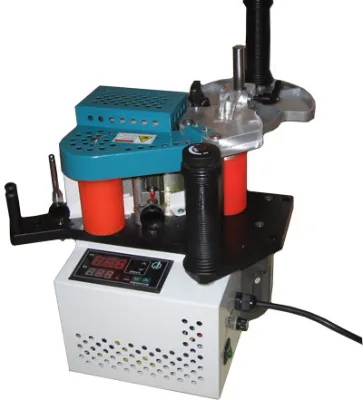


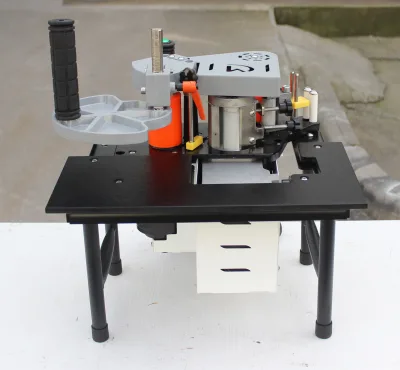
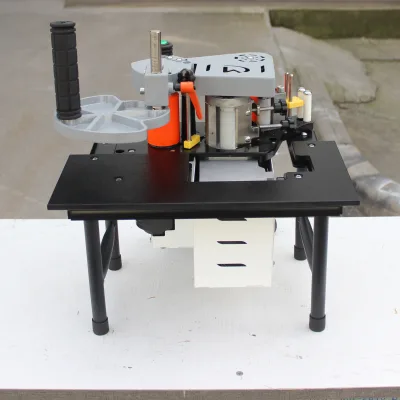
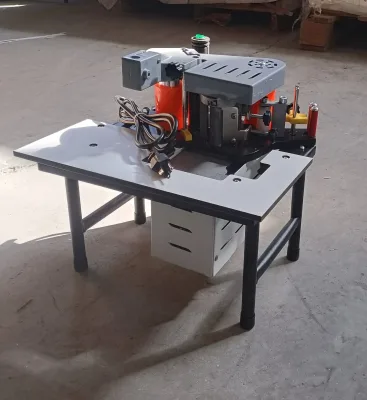
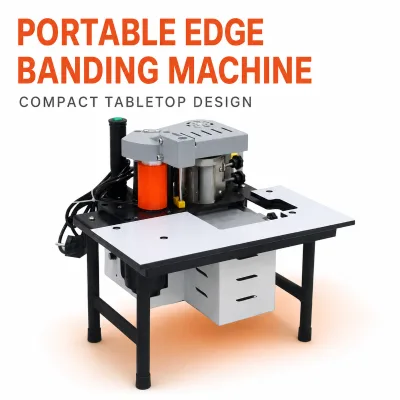

Large Capacity Glue Pot Edge Banding Machine Reduce Refill Frequency
$1000.00 - $1090.00
MOQ: 1 Pieces

High Speed with Large 4000ml Glue Pot Woodworking Use Edge Banding Machine
$1000.00 - $1090.00
MOQ: 1 Pieces


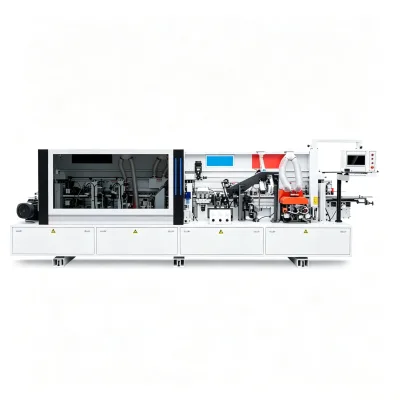
Comprehensive Sourcing Guide
Compact Manual Edgebander Glue Pot Sourcing Guide
Procuring a compact manual edgebander with a dedicated glue pot requires careful evaluation of portability, power consumption, and adhesive management systems. Buyers must distinguish between fully automatic industrial units and semi-automatic or portable models designed for smaller workshops or on-site installations. The observed market includes machines with varying automatic grades, ranging from semiautomatic configurations to explicitly portable designs, each serving distinct operational needs. Understanding these mechanical differences is critical for aligning equipment capabilities with specific production volumes and workspace constraints.
The presence of a glue pot is a central feature, with observed capacities such as 5000ml indicating robust adhesive storage for extended operation without frequent refilling. However, power specifications vary significantly, with some units listing total power around 1.4kw while others, particularly portable models, operate at much lower wattages like 6500W or even 725W for smaller components. This variance suggests that buyers must verify the electrical requirements and heating efficiency of the glue pot to ensure it meets the viscosity demands of their chosen edge banding materials, whether PVC, wood veneer, or melamine.
Product Scope and Observed Listing Signals
The current market landscape for compact edgebanding equipment reveals a diverse range of product types, including straight line machines and specialized curve edge banding units. Listings indicate that customization is available for many models, allowing buyers to tailor features to specific workflow requirements. The observed product attributes highlight a mix of fixed and portable designs, with some units explicitly marketed as portable edge banding machines weighing as little as 9.5kg, while others are heavier industrial-grade equipment. This diversity necessitates a clear definition of whether the primary need is for high-volume straight-line processing or flexible, mobile edge banding solutions.
Key selling points often emphasize high accuracy and reliable gluing performance, which are critical for maintaining consistent edge quality. The observed data shows that machines are designed to work with various edge banding materials, including PVC, wood veneer, melamine, and plastic, with banding tape thicknesses ranging from 0.3mm to 3mm. Buyers should note that while some models offer automatic operation, others may require manual feeding or semi-automatic control, impacting the overall throughput and labor intensity of the edge banding process.
Technical Specifications to Verify
When evaluating technical specifications, the edge band width is a crucial parameter, with observed ranges spanning from 8mm to 60mm depending on the machine model. Buyers must ensure that the selected edgebander can accommodate the specific width of the edge banding tape required for their projects. Additionally, the feeding speed varies across models, with some units operating between 0.5-8m/min and others at 2-6m/min, directly influencing production efficiency. It is essential to match the feeding speed with the desired output rate to avoid bottlenecks in the manufacturing process.
The physical dimensions and weight of the machine are also significant factors, particularly for portable units. Observed dimensions range from compact sizes like 380330380mm to larger industrial footprints such as 890800970mm. Weight observations include both lightweight portable models at 9.5kg and heavier units, indicating that space constraints and mobility requirements must be carefully considered. Furthermore, the voltage requirements, typically 220V/380V, must be verified against the available power supply at the installation site to ensure safe and efficient operation.
Compliance and Safety Documentation
Safety and compliance are paramount when operating edge banding machinery, which involves high temperatures and moving parts. Buyers should verify that the equipment carries relevant certifications, such as CE, which indicates adherence to European health, safety, and environmental protection standards. While CE certification is observed in the data, it is crucial to confirm that the specific model purchased meets all local regulatory requirements in the buyer’s country. This includes checking for proper electrical safety certifications and machine guarding standards to protect operators from potential hazards.
Documentation should also include detailed user manuals and maintenance guides that outline safe operating procedures for the glue pot and heating elements. The glue pot, which can hold up to 5000ml of adhesive, requires careful handling to prevent burns or spills. Buyers should ensure that the supplier provides comprehensive safety instructions, including emergency stop procedures and regular maintenance schedules, to minimize the risk of accidents and ensure the longevity of the equipment.
Cost Drivers and Commercial Terms
The cost of a compact manual edgebander is influenced by several factors, including the machine’s power rating, automatic grade, and included features. Observed price ranges are broad, reflecting the diversity from simple portable units to more complex semiautomatic machines. Buyers should consider the total cost of ownership, which includes not only the initial purchase price but also ongoing costs such as electricity consumption, adhesive usage, and maintenance. Higher power units may offer faster processing speeds but will incur higher energy costs.
Commercial terms such as minimum order quantity (MOQ) and supply ability are also important considerations. Observed MOQs range from 1 to 10 units, indicating flexibility for small businesses, while supply abilities can reach up to 500 sets per month for larger suppliers. Buyers should negotiate clear terms regarding packaging, with options like wooden packages or plywood boxes observed, to ensure safe transit. Additionally, warranty periods, typically one year, and after-sales service provisions, such as overseas engineer availability, should be clearly defined to mitigate future risks.
Supplier Qualification and Quality Control
Selecting a reliable supplier is critical for ensuring the quality and reliability of the edgebanding equipment. Buyers should verify the supplier’s manufacturing principles and production capabilities, such as the glue tank underneath design, which can impact the machine’s stability and efficiency. Observations indicate that suppliers may offer customization services, allowing for tailored solutions that meet specific operational needs. It is advisable to request detailed product specifications and performance data to assess the machine’s suitability for the intended application.
Quality control measures should be established to ensure that the delivered equipment meets the agreed-upon standards. Buyers should inquire about the supplier’s quality assurance processes, including testing procedures for the glue pot and edge banding mechanisms. The brand name, such as DELILAI, may indicate a level of market presence and reputation, but buyers should still conduct due diligence to verify the supplier’s track record. Establishing clear communication channels for technical support and spare parts availability is essential for long-term operational success.
Long-Term Procurement Checks
Long-term procurement success depends on the availability of spare parts and ongoing technical support. Buyers should confirm that the supplier provides a comprehensive list of spare parts, particularly for high-wear components like the glue pot heating elements and edge banding rollers. The observed warranty of one year is a baseline, but buyers should explore options for extended warranty coverage or service contracts to protect their investment. Reliable after-sales service, including the availability of engineers for overseas maintenance, is crucial for minimizing downtime.
Regular maintenance and calibration are also key to maintaining the accuracy and efficiency of the edgebander over time. Buyers should develop a preventive maintenance schedule that includes cleaning the glue pot, checking electrical connections, and inspecting mechanical parts for wear. By staying proactive with maintenance and maintaining a good relationship with the supplier, buyers can ensure that their compact manual edgebander continues to perform reliably, delivering high-quality edge banding results for years to come.
FAQs
What is the glue pot capacity for the DELILAI edge banding machine?
The DELILAI edge banding machine features a 5000ml glue pot capacity. This large volume supports continuous operation for straight line edge banding tasks. The system operates automatically with a feeding speed of 0.5-8m/min. It is designed for professional woodworking applications requiring consistent adhesive application and high accuracy performance.
Can the Compact Manual Edgebander Glue Pot be customized for specific needs?
Yes, customization is available for the edge banding machine. The product offers both customized and non-customized options to suit different production requirements. Buyers can select specific models like W-1 or MY07B. The machine supports various edge banding materials including PVC, wood veneer, and melamine for versatile application.
Which certifications does the curve edge banding machine hold?
The curve edge banding machine holds CE certification. This ensures compliance with European safety and quality standards for machinery. The equipment is manufactured in China and packed in wooden packages or plywood boxes. It provides reliable performance for industrial woodworking environments with a one-year warranty and overseas service support.
How much does the portable edge banding machine weigh?
The portable edge banding machine weighs 9.5 kg. This lightweight design facilitates easy movement and setup in various workshop environments. The single gross weight is 11.000 kg when packaged. It operates on 220V/380V power with a total power of 725W, making it energy efficient for small to medium scale production.
What is the edge band width specification for the machine?
The machine supports an edge band width of 8-50mm for the curve model. The MY07B model handles a banding type width of 10-60mm. It accommodates banding tape thickness from 0.3-3mm. These specifications allow for versatile processing of different board edge thicknesses and materials in professional furniture manufacturing settings.