Tilting Spindle Moulder with Sliding Table Suppliers and Manufacturers
Compare 18 verified suppliers offering Tilting Spindle Moulder with Sliding Table units from China. Review dimensions, certifications like CE and ISO, response times, and pricing ranges before contacting vendors for quotes; review the available evidence before requesting comparable quotations from suitable candidates.
Updated
Suppliers List

Qingdao Kingmarks Machinery Co., Ltd
- Verified by TUVRHEINLAND
- Trading Company
- China Shandong
- Lead time30 days
- Avg. response≤ 9h
Main productsClamp Carrier, Sander, Finger Jointer, Saw, Planer, Press, Tenoner, Spindle Mouler, Router, Drilling Machine
Main marketsSouth America


Sliding Table Spindle Moulder Woodworking Milling Machine with Sliding Table
$1000.00 - $1600.00
MOQ: 1 Pieces


Sliding Table Spindle Moulder with Pressure Woodworking Slide-Table Milling Machine
$1000.00 - $3500.00
MOQ: 1 Pieces


Qingdao Zhongding Machinery Co., Ltd.
- Verified by SGS
- Combined
- China Shandong
- Lead time30 days
- Avg. response≤ 3h
Main productswoodworking machinery
Main marketsSouth America,Africa,Southeast Asia/ Mideast,East Asia(Japan/ South Korea),Europe,Australia,North America


Customized Wood Board Shaper Table Machine Vertical Spindle Moulder with Low Price
$1450.00 - $1600.00
MOQ: 1 Sets

Wood Board Vertical Table Spindle Milling Machine Shaper Spindle Moulder
$1450.00 - $1600.00
MOQ: 1 Sets

Customized Board Shaper Table Wood Machine Vertical Spindle Moulder with CE Hot Sale
$1450.00 - $1600.00
MOQ: 1 Sets

CE Approved Table Wood Board Shaper Machine Vertical Spindle Moulder with Low Price
$1450.00 - $1600.00
MOQ: 1 Sets
Dongguan Chengong Machinery Equipment Co., Ltd.
- Trading Company
- Guangdong, China
- Lead time7 days
- Avg. response≤ 7h
Main products: Vertical Packing Machine,Filling machine,Multi-lane Packing Machine,Multi-Function Packaging Machine,Doypack Packing Machine
Main marketsEastern Europe(20.00%), North America(20.00%), Southern Europe(10.00%), Domestic Market(5.00%), South Asia(5.00%), South America(5.00%), Northern Europe(5.00%), Central America(5.00%), Western Europe(5.00%), Eastern Asia(5.00%), Mid East(5.00%), Africa(5.00%), Southeast Asia(5.00%)

Shanghai Win Star Woodworking Machinery Co., Ltd.
- Verified by SGS
- Manufacturer/Factory
- China Shanghai
- Lead time23 days
- Avg. response≤ 2h
Main productsEdge Banding Machine, Sliding Table Saw, Wide Belt Sander Machine, Hot Press Machine, Cold Press Machine, Four Side Moulder, Double Side Planer, Wood Drilling Machine, CNC Router, Profile Wrapping Machine
Main marketsSouth America,Eastern Europe,Mid East,North America,Southeast Asia,Eastern Asia,Oceania,Western Europe,Africa

Woodworking Door Milling Shaper Machine Wood Vertical Spindle Moulder with Sliding Table
$900.00 - $1600.00
MOQ: 1 Sets

Single Vertical Spindle Shaper Wood Milling Machine Woodworking Sliding Table Spindle Moulder
$900.00 - $1600.00
MOQ: 1 Sets

Woodworking Sliding Table Vertical Shaper Moulding Machine Single Spindle Milling Moulder
$900.00 - $1600.00
MOQ: 1 Sets

Door Profiles Groove Woodworking Milling Machine Vertical Sliding Table Spindle Moulder
$900.00 - $1600.00
MOQ: 1 Sets

Woodworking Automatic Feeding Sliding Table Spindle Shaper Moulding Moulder Machine
$900.00 - $1600.00
MOQ: 1 Sets

Woodworking Wood Spindle Milling Moulder Sliding Table Vertical Shaper Machine
$900.00 - $1600.00
MOQ: 1 Sets
Laizhou Huibang Machinery Equipment Co., Ltd.
- Verified by SGS Group
- Manufacturer, Trading Company
- Shandong, China
- Lead time30 days
- Avg. response≤ 5h
Main productsWoodworking Machinery, Metalworking Machinery, Construction Machinery
Main marketsOceania(52%), North America(30%), Eastern Europe(5%)
- Manufacturer, Trading Company
- Guangdong, China
- Lead time20 days
- Avg. response≤ 8h
Main productsWoodworking machine,Sliding Table Saw,Computer Panel Saw,Automatic Edge Bander,Solid Wood Machine
Main marketsDomestic Market(30.00%), Africa(20.00%), South Asia(20.00%), Mid East(10.00%), South America(5.00%), Southeast Asia(3.00%), North America(2.00%), Western Europe(2.00%), Southern Europe(2.00%), Eastern Asia(2.00%), Central America(1.00%), Eastern Europe(1.00%), Northern Europe(1.00%), Oceania(1.00%)
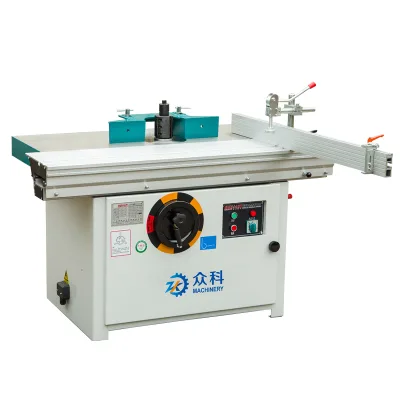
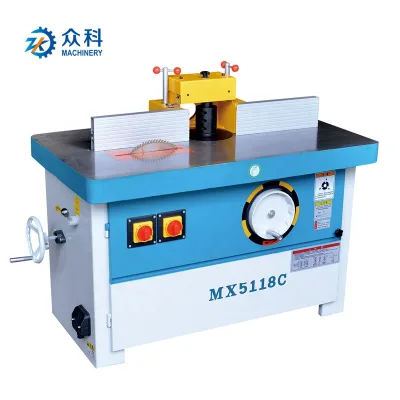
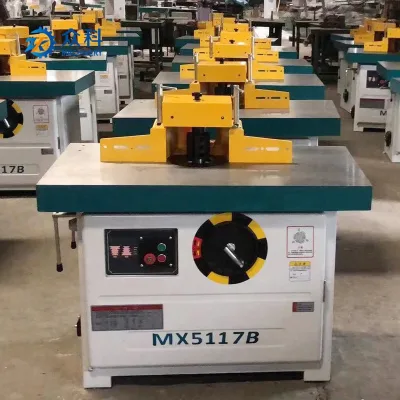
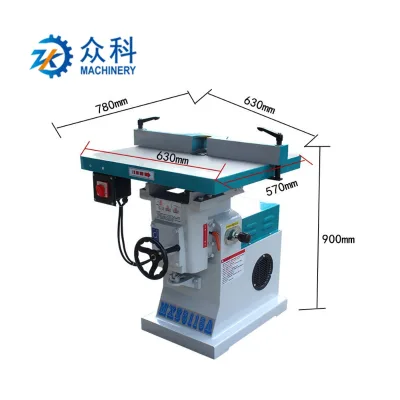
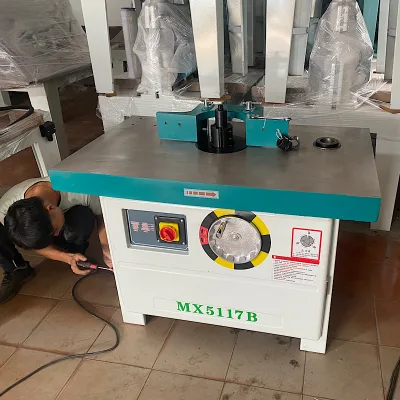
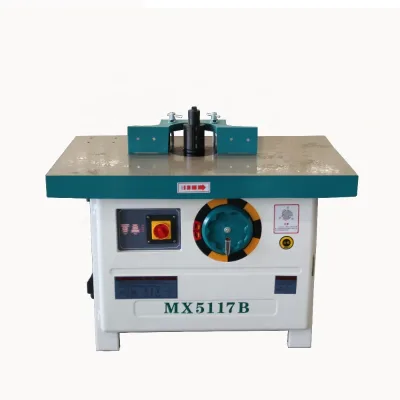
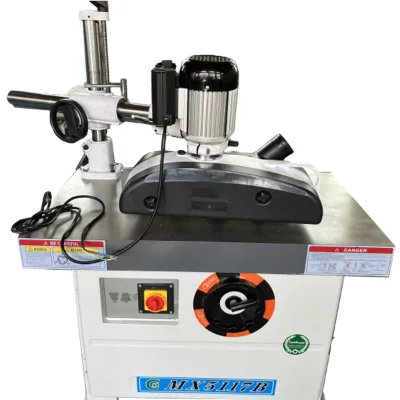
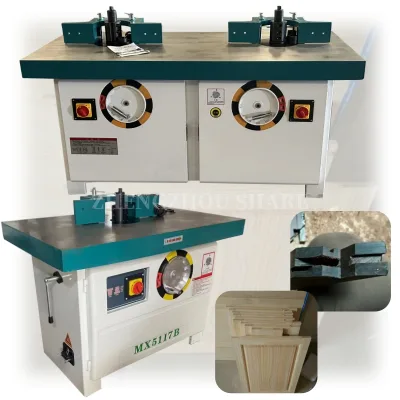
Woodworking Vertical Spindle Moulder Machine MX5117B/Wood Milling Machine for Furniture
$1200.00 - $1800.00
MOQ: 1

Qingdao Maonple Machinery Technology Co., Ltd.
- Verified by CTI
- Trading Company,Manufacturer/Factory
- China Shandong
- Lead time15 days
- Avg. response≤ 4h
Main productsPanel Saw, Edge Banding Machine, CNC Router, Electric Panel Saw, CNC Beam Saw, Edge Bander, Drilling Machine, Hot Press Machine
Main marketsSouth America,Eastern Europe,Mid East,Southeast Asia,Eastern Asia,Western Europe,Africa

Qingdao Joway Machinery Co., Ltd.
- Manufacturer, Trading Company
- Shandong, China
- Lead time7 days
- Avg. response≤ 1h
Main productsEdge banding machine,Panel saw,Polishing Machine,Press Machine,dustless blasting
Main marketsSouth Asia(10.00%), Central America(10.00%), Southeast Asia(10.00%), Mid East(10.00%), South America(10.00%), North America(10.00%), Domestic Market(5.00%), Oceania(5.00%), Southern Europe(5.00%), Northern Europe(5.00%), Africa(5.00%), Western Europe(5.00%), Eastern Asia(5.00%), Eastern Europe(5.00%)
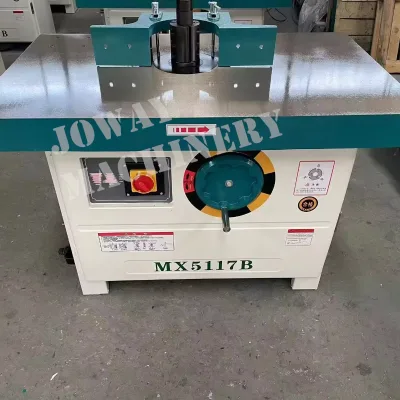
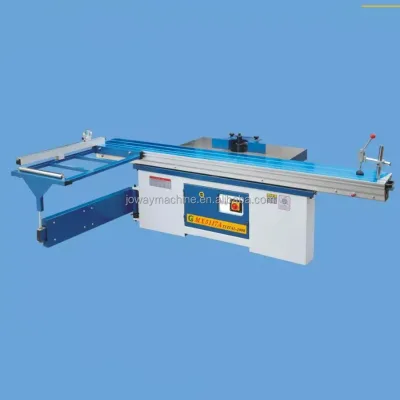
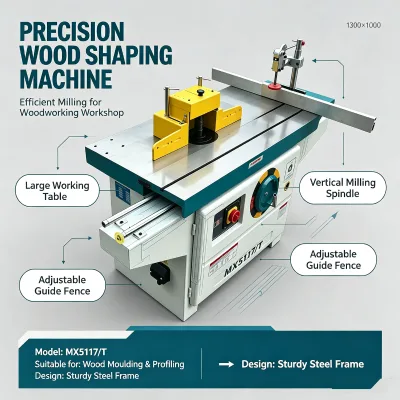
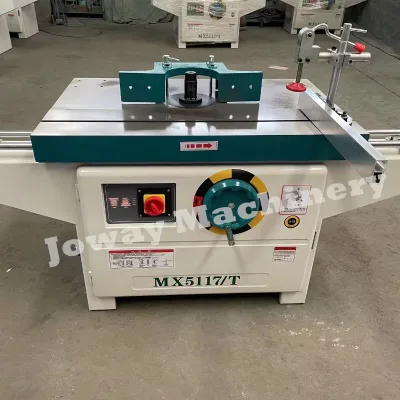
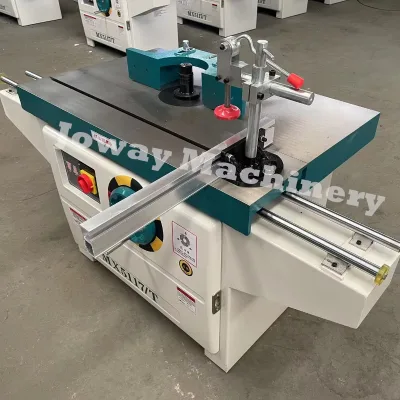
$1388.00 - $1450.00
MOQ: 1 pieces
Weihai Allwin Electrical & Mechanical Tech. Co., Ltd.
- Verified by TüVRheinland
- Manufacturer, Trading Company
- Lead time60 days
- Avg. response≤ 1h
Main productsDust Collector, Band Saw, Belt Sander, Wet Sharpener, Bench Grinder
Main marketsNorth America(45%), Western Europe(20%), Eastern Europe(8%)

Shenzhen Aucox Technology Co., Ltd.
- Manufacturer, Trading Company, Distributor/Wholesaler
- Guangdong, China
- Lead time7 days
- Avg. response≤ 4h
Main productsedge banding machine,sliding table saw,woodworking machinery,other woodworking machinery,table saw
Main marketsMid East(20.00%), Africa(16.00%), Southeast Asia(15.00%), North America(10.00%), South America(10.00%), Central America(10.00%), Western Europe(5.00%), South Asia(5.00%), Eastern Europe(4.00%), Eastern Asia(3.00%), Northern Europe(2.00%)
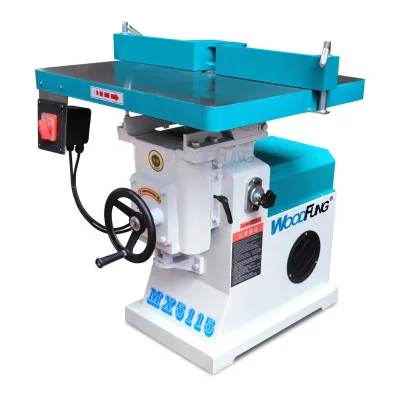
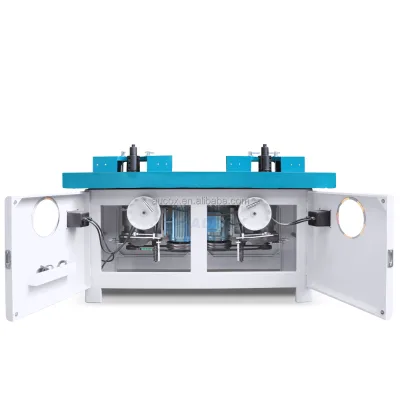
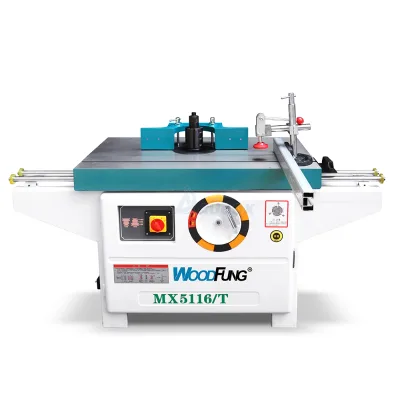
45 Degree Tilting Table Wood Spindle Shaper Moulder for Furniture Trimming and Slotting
$476.00 - $575.00
MOQ: 1 sets
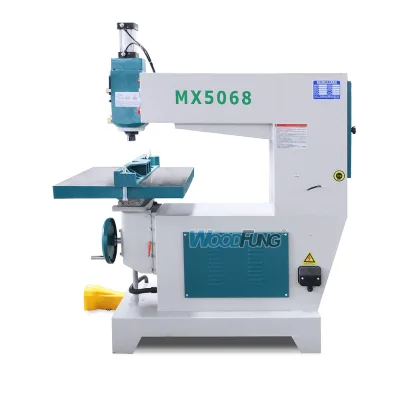
MX5068 Widely Used Easy Operational Run Smoothly Wood Shaper Spindle Moulder
$1080.00 - $1580.00
Dongguan Top Machinery Co., Ltd.
- Trading Company
- Lead time旺季: "1 - 1":15,"> 1":"To be negotiated", 淡季: "1 - 1":15,"> 1":"To be negotiated"
- Avg. response≤ 3h
Main productsMetal Marking Machine,Badge Machine,Automotive Maintenance and Diagnostic products,Jewelry making machinery,Sports Machinery
Samet Intelligent Manufacturing Co., Ltd.
- Verified by SGS Group
- Manufacturer, Trading Company
- Lead time15 days
- Avg. response≤ 1h
Main productsCNC Router, Vacuum Press Machine, Polishing Machine, 3D Scanner, Fiber Laser Cutting Machine
Main marketsSouth America(20%), North America(10%), Eastern Europe(10%)
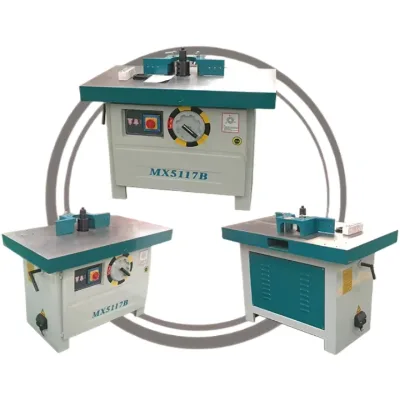
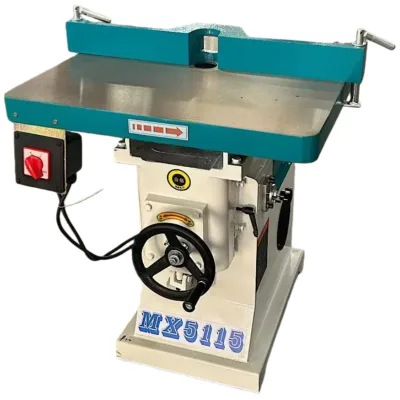
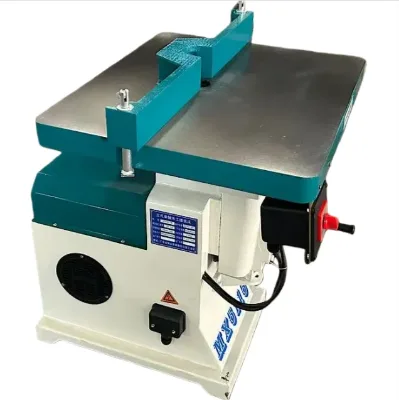
Single-Head Vertical Spindle Moulder for Wood Line/Door Frame Profile Machining
$817.4646
MOQ: 1 Minimum
Henan Share M&E Equipment Co.,Ltd
- Verified by SGS Group
- Trading Company
- Lead time7 days
- Avg. response≤ 3h
Main productsTextile Machinery, Printing Machinery, Construction Machinery, Wood Machinery
Main marketsNorth America(20%), South America(20%), Eastern Europe(10%)

Qingdao Zhongding Machinery Co., Ltd.
- Combined
- China Shandong
- Lead time30 days
- Avg. response≤ 9h
Main productsCNC Machinery, Panel Saw, Edge Bander, Press Machine, Sanding Machine, Drilling Machine
Main marketsSouth America,Africa,Southeast Asia/ Mideast,East Asia(Japan/ South Korea),Europe,Australia,North America
Laizhou Fulin Machinery Co.,Ltd.
- Manufacturer, Trading Company
- Shan Dong, China
- Lead time0 days
- Avg. response≤ 2h
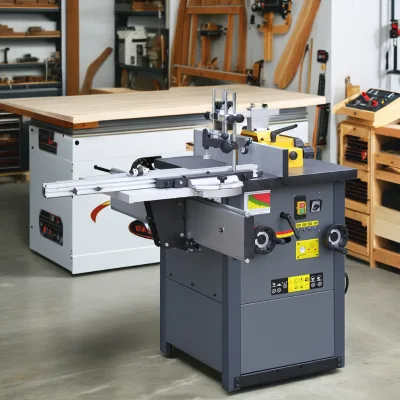
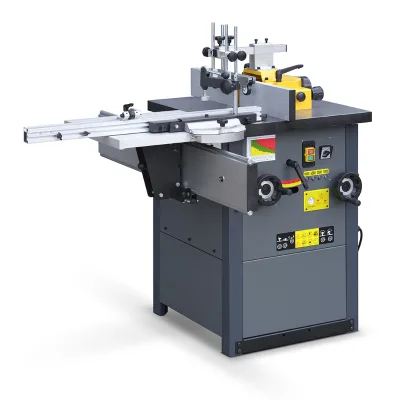
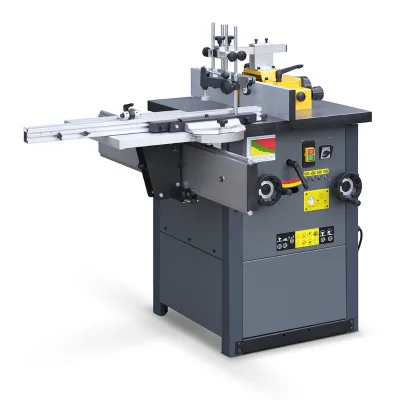
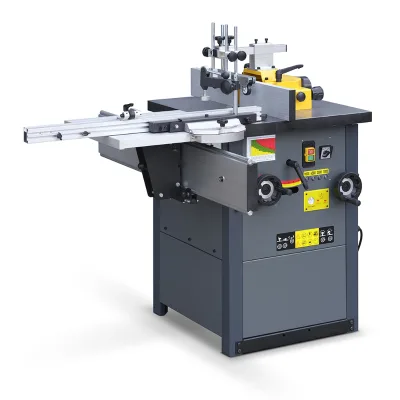
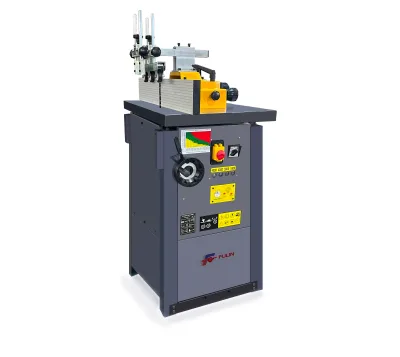
MX5110T Woodworking Machine Price Spindle Moulder Router Table
$977.50 - $1150.00
Zhengzhou Chryso Machinery Equipment Co., Ltd.
- Verified by SGS Group
- Trading Company
- Lead time10 days
- Avg. response≤ 1h
Main productsWoodworking Machinery
Main marketsCentral America(19%), Southeast Asia(15%), Southern Europe(15%)
Zhengzhou Share Machinery Co., Ltd.
- Trading Company
- Lead time旺季: "1 - 1":7,"> 1":"To be negotiated", 淡季: "1 - 1":7,"> 1":"To be negotiated"
- Avg. response≤ 3h
Main productsConstruction Machinery/Industrial Machinery/Printing Machinery

- Trading Company,Manufacturer/Factory
- China Shandong
- Lead time0 days
- Avg. response≤ 24h
Main productsWoodworking Machine, Dust Collector, Panel Saw, Band Saw, Wood Lathe, Metal Cutting Bandsaw, Sanding Machine, Mortising Machine, Router Table, Drill Press
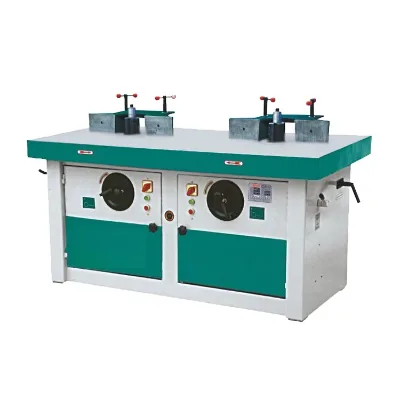
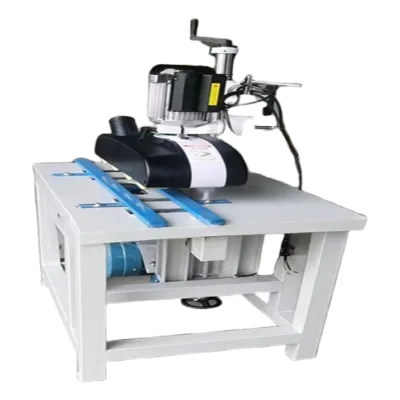
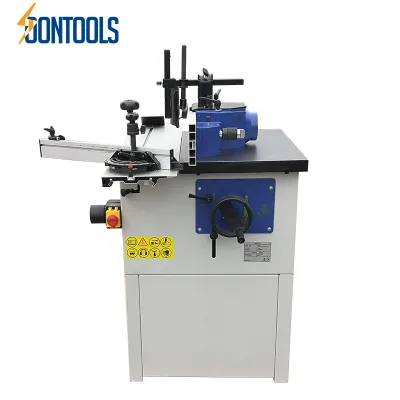
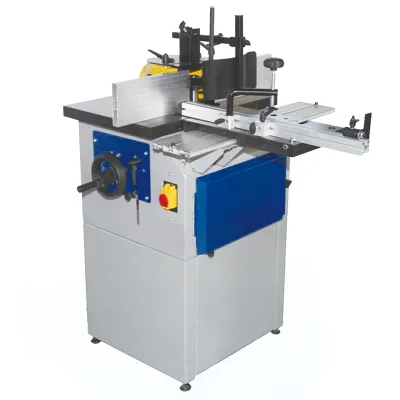


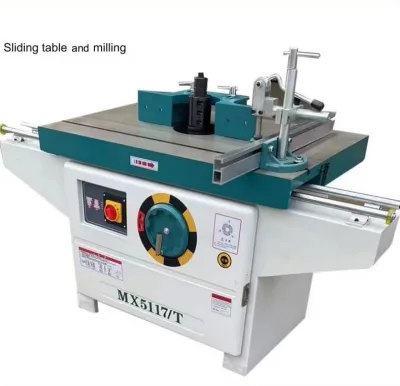
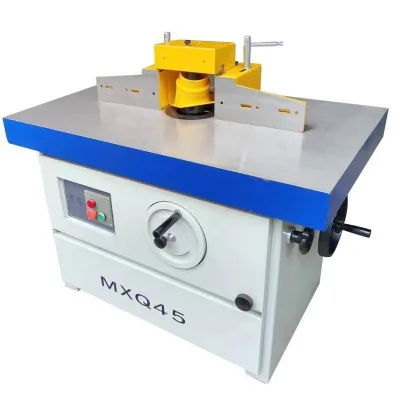
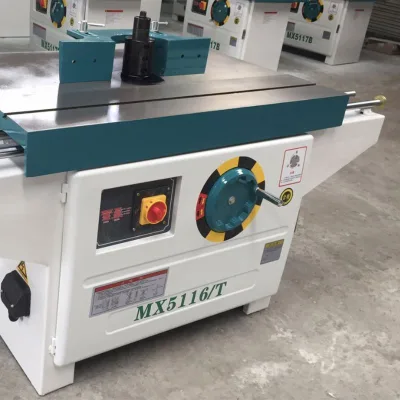
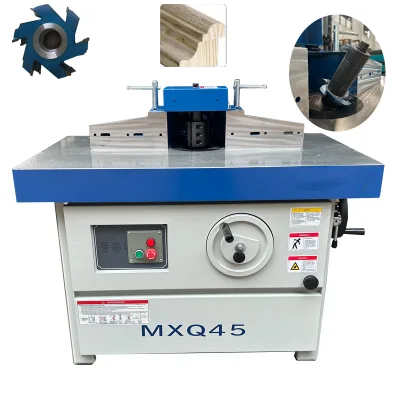




Comprehensive Sourcing Guide
Tilting Spindle Moulder with Sliding Table Supplier Concentration and Factory Types
The sourcing landscape for tilting spindle moulders with sliding tables is heavily concentrated in specific industrial hubs, with China’s Shandong province emerging as a primary manufacturing cluster for these woodworking machines. Suppliers located in this region often specialize in a broad range of industrial machinery, including clamp carriers, sanders, finger jointers, saws, planers, presses, tenoners, spindle moulders, routers, and drilling machines. This concentration suggests a mature supply chain where component sourcing and specialized labor are readily available, potentially offering buyers access to a diverse array of machine configurations. The presence of both trading companies and combined entity types indicates that buyers may encounter intermediaries who aggregate products from multiple workshops or direct manufacturers who also handle export logistics. Understanding this geographic and structural concentration helps buyers anticipate the volume of available options and the nature of the entities they will be negotiating with, whether they are seeking direct factory pricing or the logistical support of a trading partner.
Factory types in this sector vary significantly, ranging from pure trading companies to combined entities that may offer original design manufacturing (ODM) and own brand services. Some suppliers are verified by international bodies such as TÜV Rheinland or SGS, which can serve as an initial indicator of operational maturity, although verification status alone does not guarantee product quality or financial stability. The main products listed by these suppliers often include spindle moulders with precision sliding tables, single-axis spindle moulders, and various wood routers, indicating a focus on vertical uniaxial wood routers and manual milling machines. Buyers should note that while some suppliers list themselves as trading companies, they may have close ties to manufacturing facilities, whereas combined entities might have more direct control over production processes. This distinction is crucial for buyers who need to assess the level of customization available, as ODM capabilities suggest a higher degree of engineering flexibility compared to standard catalog offerings.
How to Verify Tilting Spindle Moulder with Sliding Table Suppliers
Verification of suppliers requires a multi-layered approach that goes beyond simple platform badges, focusing on tangible evidence of manufacturing capability and compliance. Buyers should prioritize suppliers who hold recognized certifications such as CE and ISO, which are frequently listed in product attributes for spindle moulders and indicate adherence to specific safety and quality management standards. It is essential to cross-reference these certifications with the supplier’s verification status, such as TÜV Rheinland or SGS checks, to ensure that the claims are backed by third-party audits. However, buyers must remain cautious, as some suppliers may list certifications without providing valid certificate numbers or expiration dates. Direct communication is key; requesting recent test reports, factory audit videos, or specific technical drawings for the tilting spindle moulder model can reveal the depth of the supplier’s engineering knowledge and their ability to support complex machinery like sliding table moulders.
Response time and communication quality are also critical verification metrics that reflect a supplier’s operational efficiency and customer service commitment. Data indicates that response times can vary significantly, with some suppliers responding within a few hours while others may take longer, impacting the speed of quotation and technical clarification processes. Buyers should test this by sending detailed inquiries about specific machine parameters, such as spindle diameter, rotating speed, and sliding table stroke, to gauge the accuracy and completeness of the responses. Additionally, verifying the supplier’s establishment year and company type can provide insights into their market longevity and business model. For instance, a combined entity with ODM capabilities may offer more tailored solutions than a standard trading company, but this should be confirmed through direct discussion. Buyers should also inquire about the supplier’s ability to provide after-sales support, including spare parts availability and technical guidance, which are vital for maintaining the performance of precision woodworking equipment over its lifecycle.
What to Compare Across Tilting Spindle Moulder with Sliding Table Suppliers
When evaluating multiple suppliers, buyers must compare a wide range of technical specifications and commercial terms to ensure the selected machine meets their production needs. Key technical attributes to compare include the worktable size, max sliding table stroke, max milling thickness, and spindle diameter, as these directly impact the machine’s capacity and versatility. For example, some models feature a worktable size of 1600x710mm with a sliding table stroke of 1350mm, while others may have smaller dimensions like 1200x710mm with an 850mm stroke. Buyers should also compare the spindle rotate speed, which can range from 8000r/min to 10000r/min, and the install power, which varies from 4kw to 7.5kw depending on the model’s complexity and intended workload. Additionally, the feed mode, whether manual or mechanical, and the controlling mode, typically artificial for these machines, should be assessed against the buyer’s operational preferences and labor availability.
Commercial terms such as price, MOQ, lead time, and packaging are equally important in the comparison process. Prices for tilting spindle moulders with sliding tables can range from $1000 to $3500, depending on the model’s features and specifications. Buyers should note that MOQs are often low, sometimes as low as one unit, which facilitates trial orders but may affect unit pricing. Lead times are another critical factor, with some suppliers indicating a standard lead time of 30 days, which buyers must align with their production schedules. Packaging methods, such as plywood cases or stretch film, should also be compared to ensure safe transit, especially for heavy machinery with delicate sliding mechanisms. By systematically comparing these technical and commercial dimensions, buyers can identify the supplier that offers the best balance of performance, cost, and reliability for their specific woodworking requirements.
Common Tilting Spindle Moulder with Sliding Table Sourcing Risks
One of the primary risks in sourcing tilting spindle moulders is the potential discrepancy between advertised specifications and actual machine performance, particularly regarding precision and durability. Buyers may encounter suppliers who list generic attributes without providing detailed engineering data, leading to machines that do not meet the required tolerances for high-quality woodworking. For instance, the max milling thickness or spindle diameter might be listed, but the actual stability of the sliding table under load may not be guaranteed without physical inspection or third-party testing. This risk is exacerbated by the fact that some suppliers are trading companies rather than manufacturers, which can obscure the true origin and quality control processes of the machinery. Buyers must be vigilant in verifying the source of components, such as the spindle motor and sliding table rails, to ensure they are of industrial grade and not inferior substitutes.
Another significant risk is the lack of standardized after-sales support and spare parts availability, which can lead to prolonged downtime if the machine requires maintenance. While some suppliers offer customization and optional upgrades, the long-term availability of specific parts like cutter spindles or control panels may not be assured. Buyers should assess the supplier’s commitment to post-sale service, including the provision of user manuals, technical diagrams, and remote support capabilities. Additionally, the risk of logistical damage is high due to the heavy weight and complex structure of these machines, with net weights ranging from 385kgs to 420kgs. Inadequate packaging, such as insufficient reinforcement in plywood cases, can result in damage during transit, leading to additional costs and delays. Buyers should insist on detailed packaging specifications and consider purchasing insurance to mitigate these logistical risks, ensuring that the machine arrives in optimal condition.
Tilting Spindle Moulder with Sliding Table Regional Sourcing and Logistics
Sourcing from regional hubs like Shandong, China, offers logistical advantages due to the concentration of manufacturing facilities and established export infrastructure. Buyers should consider the proximity of suppliers to major ports, such as Qingdao, which is frequently cited as the origin for many woodworking machinery exports. This geographic advantage can reduce inland transportation costs and lead times, facilitating faster delivery to international destinations. However, buyers must also account for the complexities of international shipping, including customs clearance, import duties, and compliance with local safety regulations in the destination country. The overall dimensions of the machines, which can range from 1270x1570x1050mm to 1870x910x1530mm, significantly impact container loading efficiency and freight costs. Buyers should work with suppliers to optimize packaging and loading plans to maximize container space and minimize shipping expenses.
Logistics planning should also include the coordination of installation and commissioning services, which are critical for ensuring the machine operates correctly upon arrival. Some suppliers may offer remote guidance, but on-site installation support may require additional travel arrangements and costs. Buyers should clarify whether the supplier provides installation services or if they need to engage local technicians, and factor these costs into the total landed cost of the machine. Additionally, the voltage and frequency requirements of the machines, which may vary by region, must be matched to the buyer’s local power supply to avoid electrical issues. Buyers should verify the install power and voltage specifications with the supplier and ensure that any necessary transformers or electrical adapters are included in the shipment. Proper logistics planning, including accurate documentation and compliance checks, is essential to avoid delays and ensure a smooth transition from factory to factory floor.
Tilting Spindle Moulder with Sliding Table Commercial Terms and Order Planning
Effective order planning for tilting spindle moulders requires careful attention to commercial terms, including payment methods, warranty conditions, and delivery schedules. Buyers should negotiate clear payment terms, such as a deposit followed by balance payment before shipment, to mitigate financial risk while ensuring supplier commitment. It is also crucial to define the warranty period and scope, covering parts and labor, to protect against manufacturing defects. Buyers should inquire about the supplier’s return policy and procedures for handling defective parts, ensuring that there is a clear mechanism for resolution. Additionally, the lead time of 30 days, as indicated by some suppliers, should be confirmed and factored into the production schedule, with penalties for delays specified in the contract to incentivize timely delivery.
Order planning should also include the specification of customization requirements, if any, as many suppliers offer customized options for color, spindle layout, and other features. Buyers must provide detailed specifications and obtain written confirmation of these customizations to avoid misunderstandings. The price range of $1000 to $3500 should be treated as a baseline, with final pricing dependent on the selected model, customization, and order volume. Buyers should request detailed quotations that break down the cost of the machine, packaging, and shipping to ensure transparency. Furthermore, buyers should plan for the installation and training of operators, as the complexity of tilting spindle moulders with sliding tables requires skilled operation. By addressing these commercial and planning aspects proactively, buyers can secure a reliable supply of high-quality woodworking machinery that meets their production needs and budget constraints.
FAQs
What certifications do tilting spindle moulders have?
Most tilting spindle moulders with sliding tables carry CE and ISO certifications. These standards ensure the machinery meets essential safety and quality requirements for industrial woodworking operations. Buyers should verify specific documentation with suppliers to confirm compliance before placing orders.
What is the typical lead time for these machines?
The typical lead time for these machines is approximately 30 days. This duration allows for manufacturing, quality control, and preparation for shipment. Buyers should confirm exact timelines with suppliers, as production schedules may vary based on order volume and customization requirements.
What is the minimum order quantity for these machines?
The minimum order quantity is typically one unit. This low MOQ allows buyers to test equipment quality before committing to larger purchases. It is ideal for small workshops or businesses looking to expand their woodworking capabilities without significant initial inventory investment.
Where are these spindle moulders manufactured?
These spindle moulders are primarily manufactured in China, specifically in the Shandong province. This region is known for its robust industrial machinery production. Buyers can expect competitive pricing and reliable supply chains from suppliers located in this major manufacturing hub.
What is the price range for these machines?
Prices for these machines generally range from $1,000 to $3,500. The cost varies based on features like sliding table size, spindle power, and customization options. Buyers should request detailed quotes to understand how specific configurations affect the final price.
What spindle speeds are available on these machines?
Available spindle speeds typically include 8,000, 10,000, and 9,700 revolutions per minute. Some models offer multiple speed settings to accommodate different wood types and cutting requirements. Buyers should check specific model specifications to ensure the speed range matches their operational needs.