foot-operated manual pedal-driven nailer Suppliers and Manufacturers
Compare 20 verified suppliers offering foot-operated manual pedal-driven nailer tools with ISO certifications and OEM capabilities. Review lead times, response rates, and product specs to select a factory in China or Zhejiang for your project needs; review the available evidence before requesting comparable quotations from suitable candidates.
Updated
Suppliers List

Chongqing Leeyu Fasteners Technology Co., Ltd.
- Verified by CTI
- Manufacturer/Factory
- China Chongqing
- Lead time23 days
- Avg. response≤ 3h
Main productsNail Gun, Gad Nail, Powder Actuated Nail Gun, Gas Actuated Nail Gun, Air Actuated Nail Gun, Shooting Nails, Gas Fuel Cell, Power Loads
Main marketsSouth America,Eastern Europe,Mid East,North America,Southeast Asia,Eastern Asia,Oceania,Western Europe,Africa
Yuyao Goldsen International Trade Co., Ltd.
- Verified by TüVRheinland
- Trading Company
- Lead time30 days
- Avg. response≤ 4h
Main productsPower Tools, Spray Tan Machine, Paint Spray Gun, Electric Drill, Rotary Hammer
Main marketsSouth America(27%), North America(21%), Southeast Asia(21%)
Jiaxing Xinye Technology Co., Ltd.
- Trading Company
- Zhejiang, China
- Lead time45 days
- Avg. response≤ 8h
Main productsdrive pins,power load,nitrocotton drive pins,gas nail,tools
Main marketsSoutheast Asia(15.00%), Mid East(15.00%), Central America(10.00%), Eastern Europe(10.00%), Domestic Market(5.00%), South Asia(5.00%), Southern Europe(5.00%), Northern Europe(5.00%), South America(5.00%), Western Europe(5.00%), Eastern Asia(5.00%), North America(5.00%), Oceania(5.00%), Africa(5.00%)
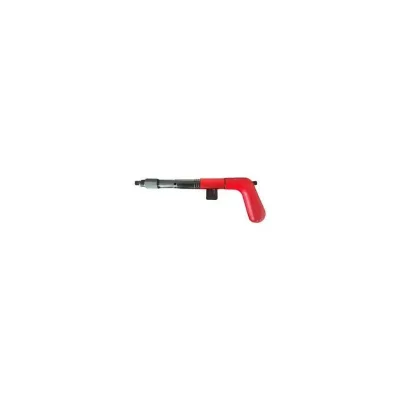
$36.3744 - $43.6173
MOQ: 2 pieces
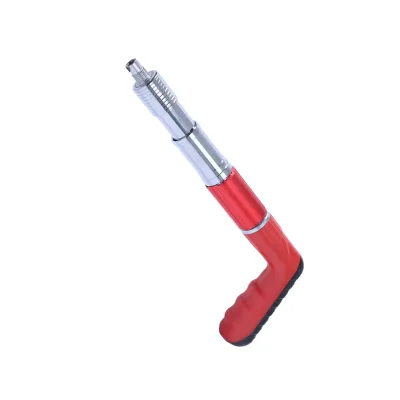
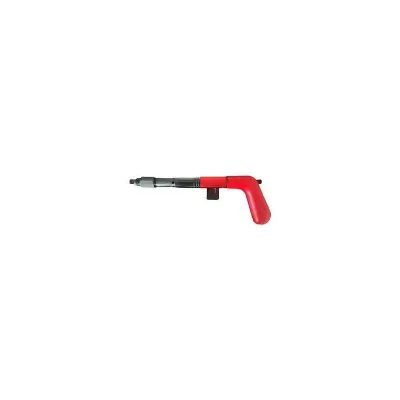
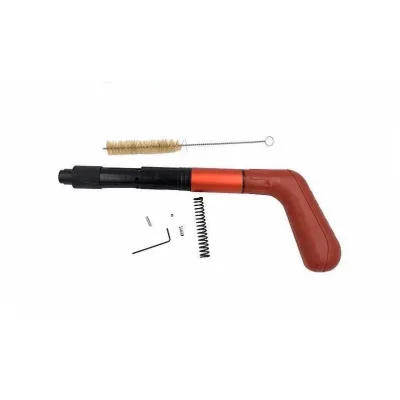
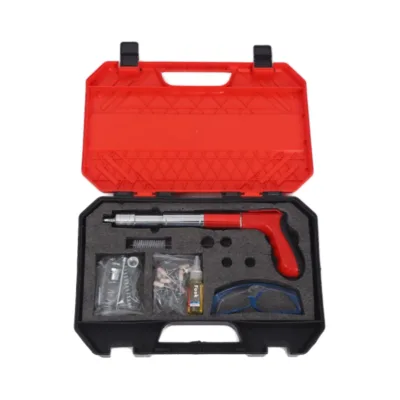
Chongqing Leeyu Fasteners Technology Co., Ltd.
- Verified by SGS Group
- Trading Company
- Lead time15 days
- Avg. response≤ 2h
Main productsShooting Nailers, Gas Nailers, Nails and Fasteners, Gas Cylinders
Main marketsMid East(30%), Africa(20%), Eastern Europe(16%)
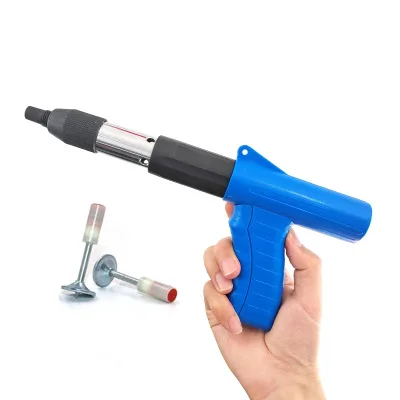
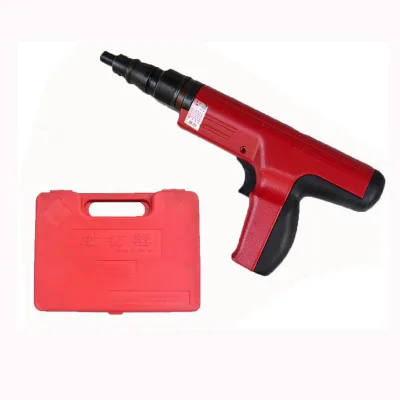
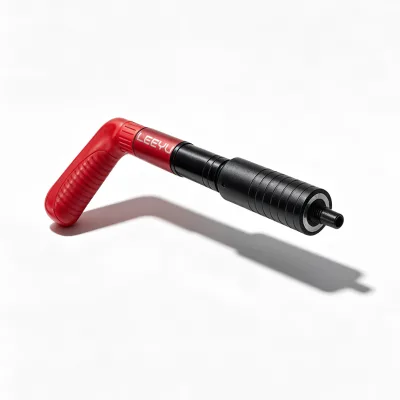
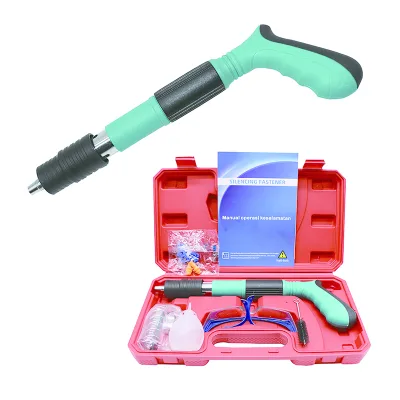
CHEAP NAILER NAIL FASTENING TOOL SEMI AUTOMATIC NAILER
$55.00 - $65.00
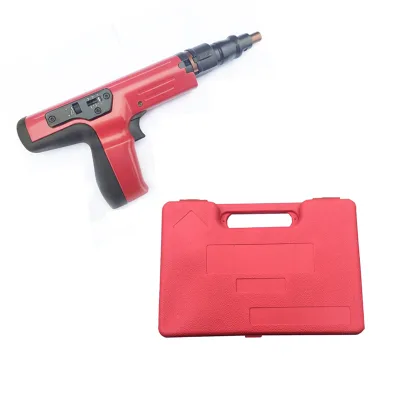
Huangshan Zhanfei International Trade Co., Ltd.
- Trading Company
- Anhui, China
- Lead time7 days
- Avg. response≤ 4h
Main productsSocket Wrench Set,Screwdriver Bits Set,Hex Key Wrench,Nail Fixer,Household Tool Set
Main marketsWestern Europe(15.00%), Mid East(15.00%), North America(15.00%), Eastern Europe(10.00%), South America(10.00%), Northern Europe(5.00%), Central America(5.00%), Africa(5.00%), Eastern Asia(5.00%), Southeast Asia(5.00%), Southern Europe(5.00%), South Asia(2.00%), Oceania(2.00%), Domestic Market(1.00%)
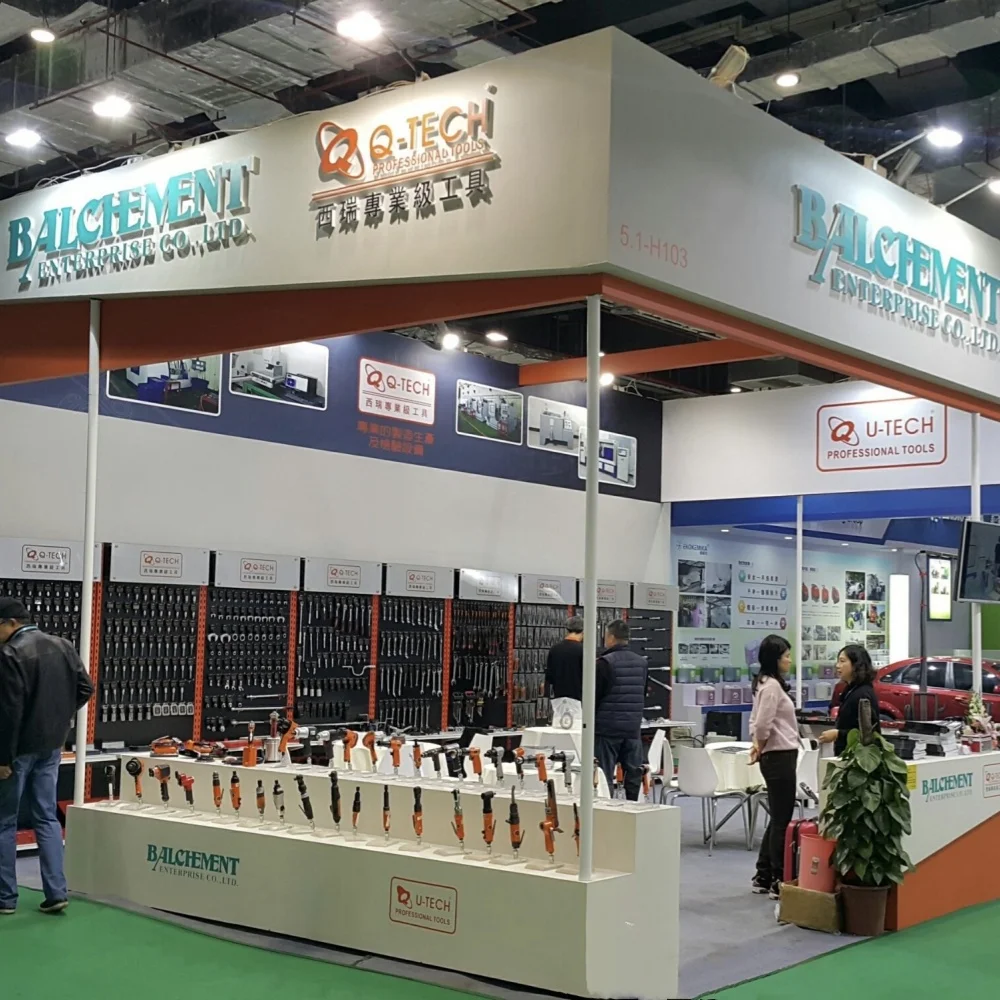
BALCHEMENT ENTERPRISE CO., LTD.
- Trading Company
- Taiwan, China
- Lead time40 days
- Avg. response≤ 1h
Main productstools,hardwares,hand tools,wrenches,screws
Main marketsWestern Europe(20.00%), Mid East(20.00%), Eastern Europe(20.00%), Northern Europe(20.00%), Southern Europe(10.00%), North America(10.00%)

Shanghai AMC International Trading Co., Ltd.
- Verified by BV
- Trading Company
- China Shanghai
- Lead time30 days
- Avg. response≤ 13h
Main productsHandware, Hinges, Hardware, Hand Tools, Tools, Hammer, Plier, Measuring Tape, Screwdriver, Screws
Main marketsSouth America,Africa,Europe,North America

Shandong Xinchen Pneumatic Tools Co., Ltd
- Verified by SGS
- Trading Company
- China Shandong
- Lead time15 days
- Avg. response≤ 2h
Main productsSpray Gun, Nail Gun, Air Impact Wrench, Air Sander, Air Hose, Air Compressor, Air Rivet Gun, Electric Blower, Electric Shear, Foam Gun
Main marketsSouth America,Others(foreignTradeCapacity.exportBusinessCapacityMarketOther),Southeast Asia/ Mideast,Domestic


NG1-2 Compact Manual Nailer Multi Purpose Construction Decoration Fastening Gun
$2.70 - $3.50
MOQ: 2 Pieces

Chongqing Leeyu Fasteners Technology Co., Ltd.
- Trading Company
- Lead time旺季: "1 - 50":9,"51 - 100":15,"101 - 1000":25,"> 1000":"To be negotiated", 淡季: "1 - 50":9,"51 - 100":15,"101 - 1000":25,"> 1000":"To be negotiated"
- Avg. response≤ 5h
Main productsGas Concrete Plastic Pin Nail/Shooting Nail/Ceiling Nail/PDW Nail,Gas Power-Actuated Nailer/Powder-Actuated Nailer/Ceiling Nailer
Chongqing Action Trading Co., Ltd.
- Verified by SGS Group
- Trading Company
- Lead time15 days
- Avg. response≤ 2h
Main productsElectric Spray Gun Tool, Electric Caulking Gun Tool, Electric Nailer Gun Tool, Electric Garden Spray Tool, Electric Home Cleaning Tool
Main marketsSouth America(50%), Eastern Europe(20%), Southeast Asia(10%)
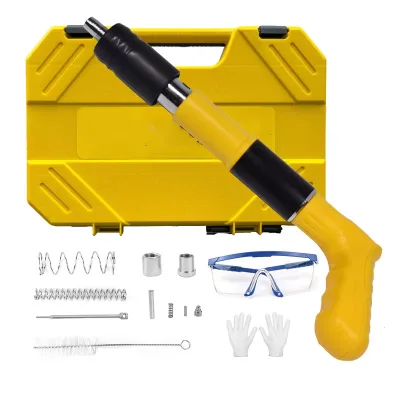
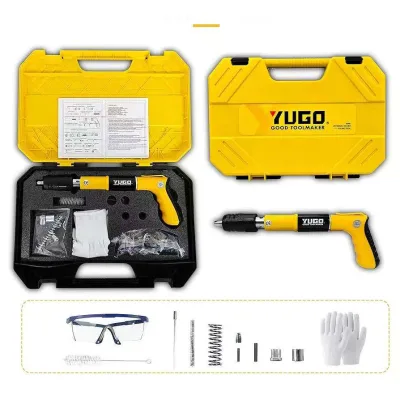
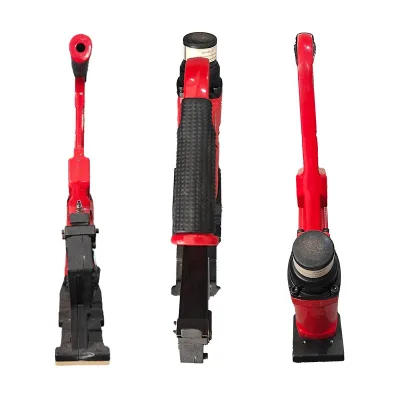
Industrial Mini Nail Wall Fastening Tool Manual Stainless Steel Concrete Nailer with 3-Year Warranty
$4.5539 - $5.6909
MOQ: 100 sets

Shang Hai Prior Chemical Scientific and Technical Co., Ltd.
- Verified by CTI
- Trading Company
- China Shanghai
- Lead time23 days
- Avg. response≤ 4h
Main productsHydroxy Ethylcellulose, Ammonium Carboxym Ethyl Cellulose, Red Group Kd
Main marketsDomestic

Rivfast Machinery(Shanghai) Co., Ltd
- Verified by TUVRHEINLAND
- Trading Company,Manufacturer/Factory
- China Shanghai
- Lead time23 days
- Avg. response≤ 2h
Main productsRivet Gun, Cordless Paint Sprayer, Nail Gun, Power Tools, Air Tools
Main marketsSouth America,Eastern Europe,North America,Western Europe

$22.50 - $28.00
MOQ: 2 Pieces

$119.00 - $130.00
MOQ: 5 Pieces

NINGBO FASTRACK INT'L TRADE CO., LTD.
- Trading Company
- China Zhejiang
- Lead time30 days
- Avg. response≤ 9h
Main productsMultifunctional Nail Gun, Pneumatic Nailers, Pneumatic Staplers, Flow Drills, Electric Nail Gun, Friction Drill
Main marketsSouth America,Southeast Asia/ Mideast,East Asia(Japan/ South Korea),Europe,North America
Jinan Hehong Electric Tools Co., Ltd.
- Trading Company
- Shandong, China
- Lead time10 days
- Avg. response≤ 8h
Main productsNail guns,Power tools,Hand tool boxes,Measuring tools,Insulation tools
Main marketsAfrica(30.00%), Mid East(20.00%), Eastern Asia(10.00%), Southeast Asia(8.00%), South Asia(5.00%), Northern Europe(5.00%), Eastern Europe(5.00%), Oceania(5.00%), Domestic Market(5.00%), North America(5.00%), South America(2.00%)

Xuzhou Dingfeng Hardware Products Co., Ltd.
- Verified by BV
- Combined
- China Jiangsu
- Lead time30 days
- Avg. response≤ 15h
Main productsCoil Nails, Paper Strip Nails, Common Loose Nails, Nail Guns
Main marketsSouth America,East Asia(Japan/ South Korea),Domestic,Europe,Australia,North America
Yiwu Baishun Import And Export Co., Ltd.
- Verified by SGS Group
- Trading Company
- Lead time15 days
Main productsHand Tools, Power Tools
Main marketsMid East(30%), North America(10%), Eastern Europe(10%)
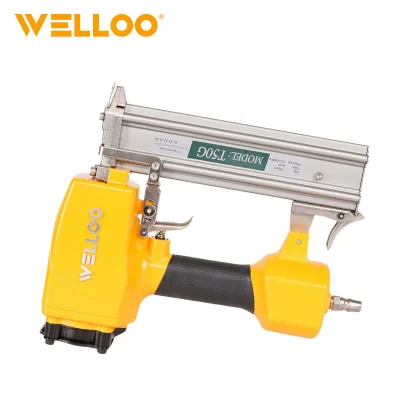
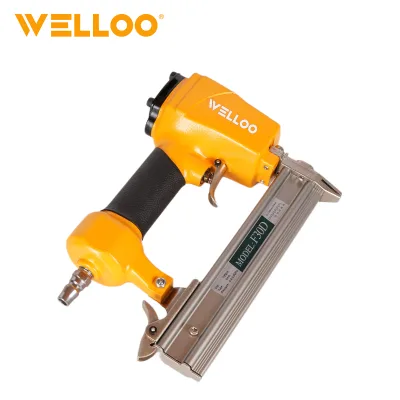
A Brand-new Upgraded Manual Hardware Tool Pneumatic Wood Nail Gun Machine
$9.85 - $10.84
MOQ: 20 pieces
Jiangxi Chuanghui Tools Co., Ltd.
- Manufacturer, Trading Company
- Jiangxi, China
- Lead time45 days
- Avg. response≤ 8h
Main productsStaple Gun, Electric Staple Gun, Hollow Expansion Bolts, Manual Nailer Kit, Heavy Duty Staple Gun
Main marketsEastern Europe(55.00%), South America(15.00%), Southeast Asia(10.00%), South Asia(5.00%), Western Europe(5.00%), Eastern Asia(5.00%), Africa(5.00%)

YANGZHOU XINGSHUNTAI MACHINERY CO., LTD
- Verified by BV
- Trading Company,Manufacturer/Factory
- China Henan
- Lead time0 days
- Avg. response≤ 8h
Main productsNail Making Machine, Wire Drawing Making Machine, Wire Mesh Making Machine, Barrel Plating Machine Equipment, Nail Making Machine Auxiliary Equipment, Wire Drawing Making Machine Auxiliary Equipment, Annealing Equipment, Welding Mesh Making Machine, Pulley Type Wire Drawing Machine, Barbed Wire Machine
Changzhou Hantechn Imp. & Exp. Co., Ltd.
- Verified by SGS Group
- Trading Company
- Lead time35 days
- Avg. response≤ 2h
Main productsPower Garden Tools, Cordless Tools, Agriculture Machinery, Garden Hand Tools, Gasoline Garden Tools
Main marketsWestern Europe(30%), South America(15%), North America(10%)

Changzhou Kya Trading Co., Ltd.
- Verified by BV
- Trading Company,Manufacturer/Factory,Other
- China Jiangsu
- Lead time45 days
- Avg. response≤ 3h
Main productsCoil Nail, Staple, Nailer, Stapler, Hog Ring, Mattress Clip, Polyester Cord Strap, Stitching Wire, Rebar Tie Wire, Binding Wire
Main marketsSouth America,Eastern Europe,Mid East,North America,Southeast Asia,Eastern Asia,Oceania,Western Europe,Africa


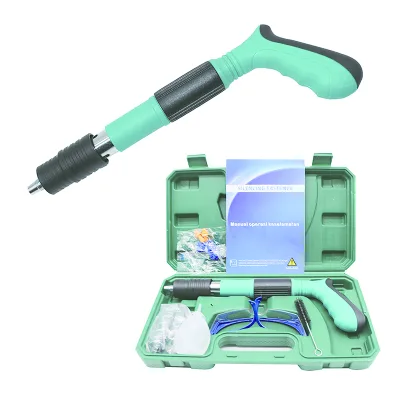
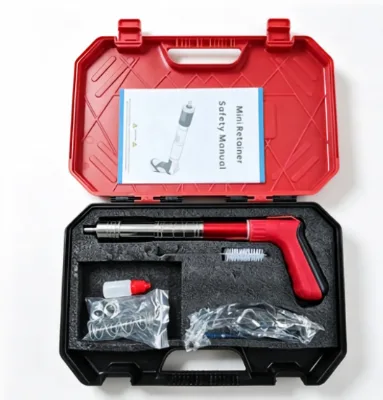
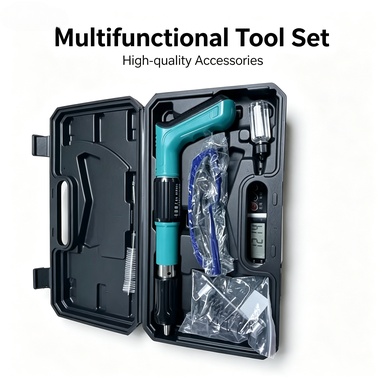
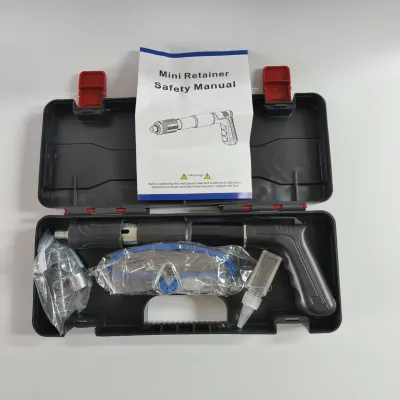
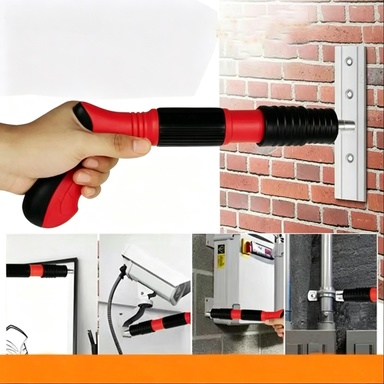
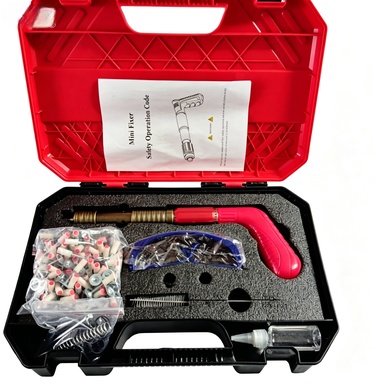
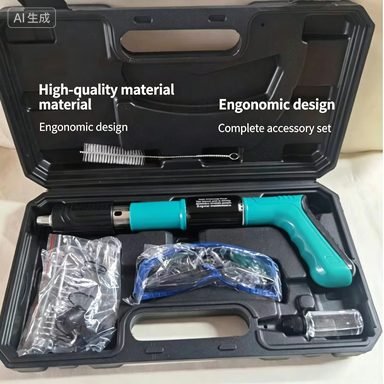
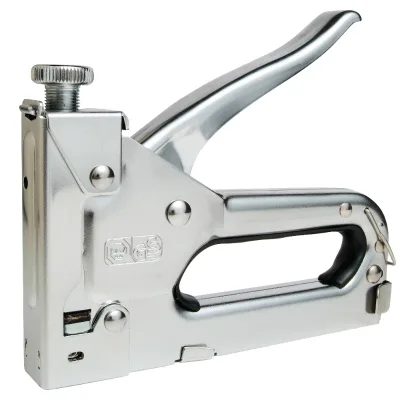
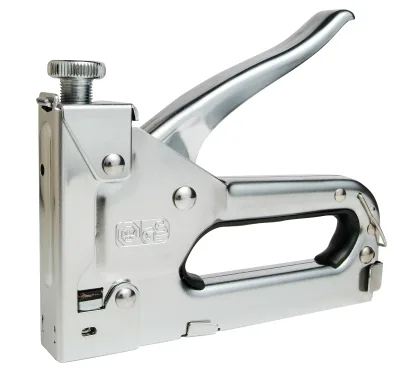


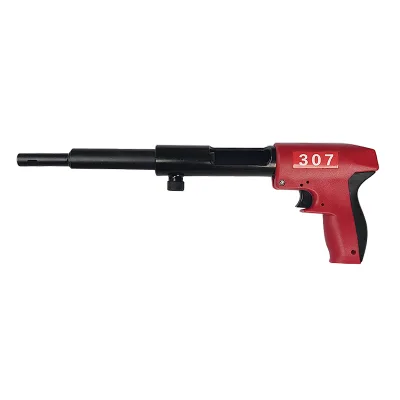
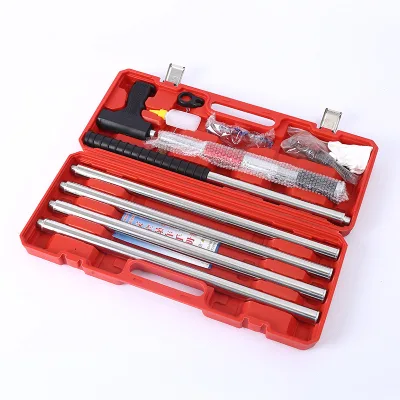


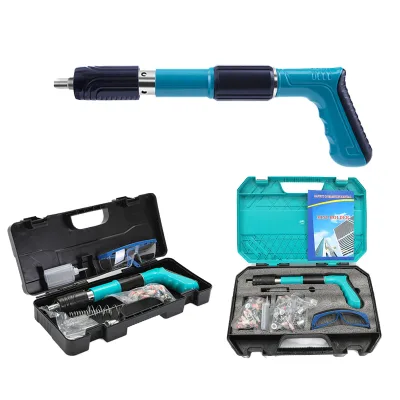






Comprehensive Sourcing Guide
Foot-Operated Manual Pedal-Driven Nailer Supplier Concentration and Factory Types
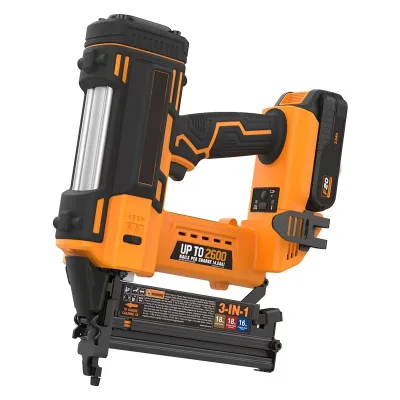
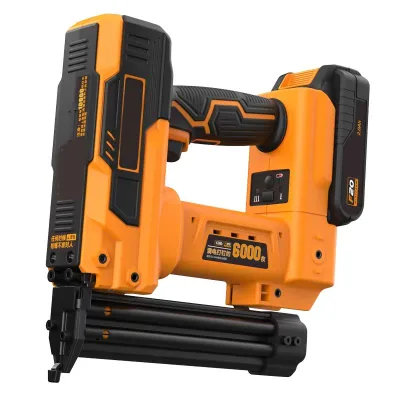
The current supplier landscape for nail guns and related fastening tools reveals a distinct split between manufacturing entities and trading companies, each offering different value propositions for buyers seeking specialized equipment like foot-operated manual pedal-driven nailers. Analysis of the available results indicates that a significant portion of the supply base consists of manufacturers and factories located in China, specifically within the Chongqing region. These entities typically possess robust production capabilities, evidenced by their declared OEM and ODM capacities, allowing them to customize tools for specific industrial applications. The presence of such manufacturers suggests that buyers looking for direct factory engagement, potential for custom engineering, and deeper supply chain integration should prioritize suppliers identified as factories. These suppliers often control the entire production process, from raw material sourcing to final assembly, which can be critical for ensuring consistent quality in mechanical devices that rely on precise physical mechanisms like pedals and springs.
Conversely, the results also highlight the presence of trading companies, such as those verified by TüVRheinland, which operate with different operational models. These entities often focus on a broader range of power tools and hardware, including spray tan machines, paint spray guns, and electric drills, alongside nail guns. While they may not own the manufacturing facilities, trading companies can offer advantages in terms of product variety, consolidated shipping, and potentially faster response times, as indicated by some suppliers showing response metrics around four hours. For buyers who need a diverse catalog of tools or prefer a single point of contact for multiple hardware needs, trading companies might be more suitable. However, it is important to note that the specific niche of foot-operated manual pedal-driven nailers may not be the primary focus of all these suppliers, requiring buyers to carefully verify if the trading company actually stocks or can source this specific type of manual tool, or if they are primarily dealing with pneumatic, gas, or cordless alternatives.
How to Verify Foot-Operated Manual Pedal-Driven Nailer Suppliers
Verifying the legitimacy and capability of suppliers requires a multi-layered approach that goes beyond simple profile reviews, especially when dealing with mechanical tools that involve physical safety mechanisms. Buyers should first scrutinize the verification badges provided by the platform, such as CTI or TüVRheinland, which indicate that a third-party inspection has been conducted. For instance, some suppliers in the results are verified by CTI, while others hold TüVRheinland verification, signaling different levels of audit rigor. It is crucial to request the actual verification reports to understand what was inspected, whether it was the factory floor, quality control processes, or business licenses. Additionally, buyers should check for system certifications like ISO 9000, ISO 9001, ISO 14001, and ISO 14000, which demonstrate a commitment to quality management and environmental standards. These certifications are particularly relevant for manufacturers, as they indicate a structured approach to production consistency, which is vital for tools that must withstand repetitive mechanical stress.
Beyond certifications, buyers must verify the specific product attributes and compliance standards associated with the nailer. The results show various certifications such as GS, CE, CCC, RoHS, and EMC, which are critical for ensuring the tool meets regional safety and electromagnetic compatibility requirements. For a foot-operated manual nailer, while electrical certifications like EMC might be less relevant if the tool is purely mechanical, buyers should still confirm the absence of hazardous materials and the durability of the materials used, such as steel components. It is also advisable to ask for detailed product specifications, including dimensions, weight, and material composition, to ensure the tool matches the intended use case. Buyers should not assume that all listed products are available in the exact configuration they need; instead, they should engage in direct communication to confirm the availability of the specific foot-operated model and request samples or video demonstrations of the pedal mechanism in action to verify its functionality and safety features.
What to Compare Across Foot-Operated Manual Pedal-Driven Nailer Suppliers
When evaluating multiple suppliers, buyers should systematically compare key operational metrics such as lead times, minimum order quantities (MOQs), and response times to determine which supplier best fits their procurement timeline and volume requirements. The data indicates a range of lead times, with some suppliers reporting around 23 days and others up to 30 days, which can significantly impact project scheduling. Similarly, MOQs vary, with some products requiring a minimum of 10 units, while others may have different thresholds. Buyers should also consider the response time, which ranges from approximately 2.6 hours to 4 hours, as a faster response can indicate a more agile and customer-centric supplier. These metrics are not just numbers; they reflect the supplier's operational efficiency and willingness to accommodate buyer needs. For instance, a supplier with a shorter lead time and lower MOQ might be preferable for smaller, urgent orders, while a supplier with a longer lead time but higher capacity might be better for large-scale, planned purchases.
In addition to operational metrics, buyers should compare the product range and customization options offered by each supplier. The results show a diverse array of nail guns, including gas actuated, air actuated, and manual models, with some suppliers offering OEM and ODM services. Buyers interested in foot-operated manual nailers should specifically inquire about the availability of such models and the extent of customization possible, such as branding, packaging, or minor design modifications. Some suppliers list customization as available, while others specify non-customized items. It is also important to compare the technical specifications of the tools, such as nail diameter, magazine capacity, and material quality, to ensure they meet the specific requirements of the buyer's application. By creating a comparison matrix that includes these factors, buyers can make a more informed decision, balancing cost, speed, and product suitability to find the most appropriate supplier for their needs.
Common Foot-Operated Manual Pedal-Driven Nailer Sourcing Risks
One of the primary risks in sourcing foot-operated manual pedal-driven nailers is the potential mismatch between the supplier's primary product focus and the buyer's specific needs. Many suppliers in the current results specialize in gas, pneumatic, or cordless nail guns, which are more common in industrial settings. A foot-operated manual nailer is a niche product, and buyers may encounter suppliers who do not actually stock this specific type of tool but instead offer similar-looking manual nailers that require hand operation. This discrepancy can lead to delays and additional costs as buyers search for the correct product. To mitigate this risk, buyers must explicitly confirm the operation mechanism of the nailer, ensuring it is indeed foot-operated and not hand-triggered. Requesting detailed product images, videos, or technical drawings that clearly show the pedal mechanism is essential to avoid receiving an incorrect product.
Another significant risk is the variability in quality and safety standards, particularly for tools that involve physical force and potential injury. While some suppliers list certifications like CE and GS, others may not provide comprehensive safety documentation. Buyers should be cautious of suppliers who do not clearly state their compliance with relevant safety standards, as this could indicate a lack of rigorous quality control. Additionally, the durability of the pedal mechanism and the overall build quality of the nailer are critical factors that may not be immediately apparent from product listings. Buyers should request samples to test the tool's performance and durability, paying close attention to the smoothness of the pedal action and the reliability of the nail firing mechanism. Furthermore, buyers should verify the supplier's after-sales support and warranty policies, as mechanical tools may require maintenance or repairs, and a lack of support can lead to operational disruptions.
Foot-Operated Manual Pedal-Driven Nailer Regional Sourcing and Logistics
Sourcing from China, particularly from regions like Chongqing, offers certain logistical advantages and challenges that buyers must consider. The concentration of manufacturers in this region can lead to competitive pricing and efficient production, but it also means that buyers need to account for international shipping times and costs. The results indicate lead times of around 23 to 30 days, which, when combined with shipping duration, can result in a total delivery time of several weeks. Buyers should plan their inventory accordingly to avoid stockouts, especially if they are relying on a single supplier. Additionally, buyers should be aware of the packaging standards, which vary among suppliers. Some products are packed in cartons with specific dimensions, such as 5142.524cm, while others may use different packaging methods. Understanding the packaging details is crucial for calculating shipping volumes and costs, as well as for ensuring the tools arrive in good condition.
Logistics also involve navigating customs and import regulations, which can vary by destination country. Buyers should ensure that their suppliers provide all necessary documentation, including commercial invoices, packing lists, and certificates of origin. For products with specific certifications, such as CE or GS, buyers should verify that the documentation matches the product being shipped. It is also advisable to work with freight forwarders who have experience in handling tools and hardware, as they can provide valuable advice on optimal shipping methods and cost-saving strategies. Buyers should also consider the impact of currency fluctuations and trade policies on their procurement costs, as these factors can affect the final price of the tools. By carefully planning the logistics and staying informed about regulatory requirements, buyers can minimize risks and ensure a smooth supply chain process.
Foot-Operated Manual Pedal-Driven Nailer Commercial Terms and Order Planning
Commercial terms and order planning are critical components of a successful sourcing strategy, requiring buyers to negotiate favorable conditions that align with their business goals. The results show price ranges for various nail guns, with some products priced between $148 and $165, while others range from $45 to $64. Buyers should use this information as a baseline for negotiations, keeping in mind that prices can vary based on order volume, customization requirements, and payment terms. It is important to clarify the payment terms, such as whether the supplier accepts letters of credit, telegraphic transfers, or other methods, and to understand any associated fees or risks. Buyers should also inquire about the supplier's return and refund policies, as well as their approach to handling defective products, to protect their investment.
Order planning should also consider the supplier's capacity and production schedule. Suppliers with OEM and ODM capabilities may have longer lead times due to the customization process, while those offering standard products may have shorter lead times. Buyers should communicate their order volumes and delivery deadlines clearly to the supplier to ensure they can meet their requirements. Additionally, buyers should explore opportunities for volume discounts or long-term partnership agreements, which can provide cost savings and supply chain stability. By carefully planning their orders and negotiating favorable commercial terms, buyers can optimize their procurement process and build a reliable supply chain for foot-operated manual pedal-driven nailers. This proactive approach helps mitigate risks and ensures that the buyer receives the right products at the right time and price.
FAQs
What certifications do manual nail guns have?
Manufacturers offer products with ISO 9000, ISO 9001, ISO 14001, and ISO 14000 system certifications. Some models also hold GS, CE, CCC, RoHS, and EMC approvals. These credentials ensure compliance with international safety and quality standards for power tools and hardware.
What is the typical lead time for orders?
Standard lead times range from 15 to 30 days depending on the supplier and product type. Specific items like concrete nails may ship within 15 days, while other tools can take up to 30 days. Buyers should confirm exact timelines with the supplier before placing orders.
What is the minimum order quantity for nailers?
The minimum order quantity is typically 10 pieces for most manual nail gun models. This low MOQ allows buyers to test product quality and market response with minimal initial investment. Suppliers often support customization and OEM services for larger volume orders.
Where are these nail guns manufactured?
These tools are primarily manufactured in China, with specific production hubs in Chongqing and Zhejiang. The origin is clearly stated as China for most models. Buyers can verify the exact place of origin and supplier location during the sourcing process to ensure supply chain transparency.
What is the price range for manual nailers?
Prices for manual nail guns typically range from $45 to $189 per unit. Basic steel pin nailers start around $45, while advanced gas or cordless models can cost up to $189. The final price depends on the specific model, features, and order quantity.
How quickly do suppliers respond to inquiries?
Supplier response times vary, with some responding within 2.6 hours and others taking up to 4 hours. Fast response times indicate active customer service teams. Buyers should expect prompt replies when inquiring about product specifications, pricing, and shipping details for manual nail guns.
Can I customize the nail gun design?
Yes, many suppliers offer OEM, ODM, and OBM customization services. Buyers can request custom branding, packaging, and specific product features. Some models support graphic processing and customized designs on demand. This flexibility allows businesses to create unique products tailored to their market needs.