Source Horizontal Continuous Charcoal Carbonization Kiln for BBQ, Hookah, Shisha
Compare 30 Horizontal Continuous Charcoal Carbonization Kiln models from verified Chinese manufacturers. These units support high productivity and can process wood, coconut shells, and rice husks for various charcoal applications; compare the available evidence and request quotations based on your requirements.
Updated
Key considerations
Products List


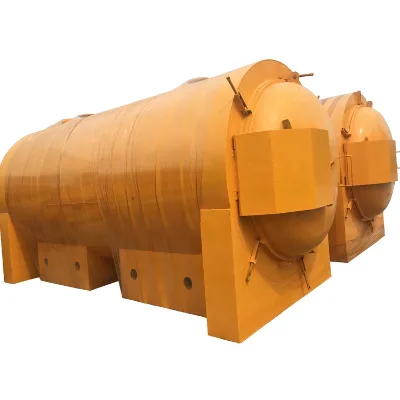
Charcoal Carbonization Furnace Continuous Charcoal Kiln Wood Carbonization Furnace
$1599.00 - $8880.00
MOQ: 1 Pieces

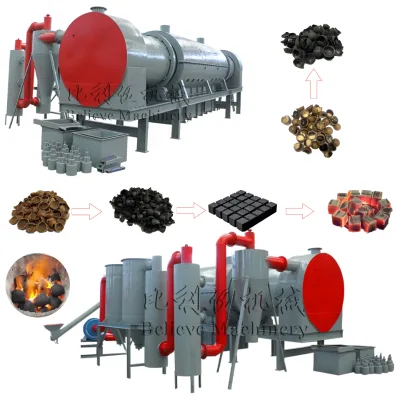
Charcoal Carbonization Furnace Biochar Kiln Price Carbonization Kiln
$1599.00 - $8880.00
MOQ: 1 Pieces


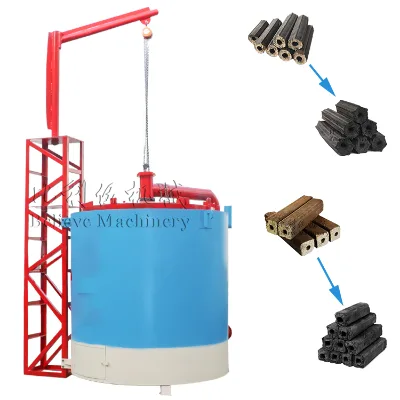
Continuous Charcoal Kiln Charcoal Making Machine Industrial Carbonization Furnace
$1599.00 - $8880.00
MOQ: 1 Pieces

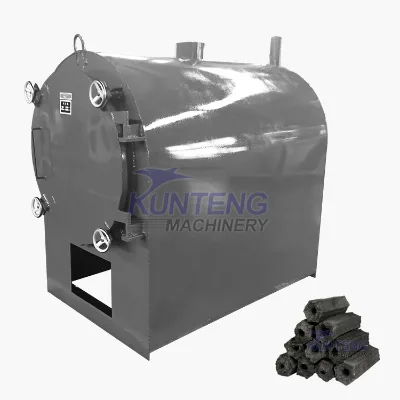
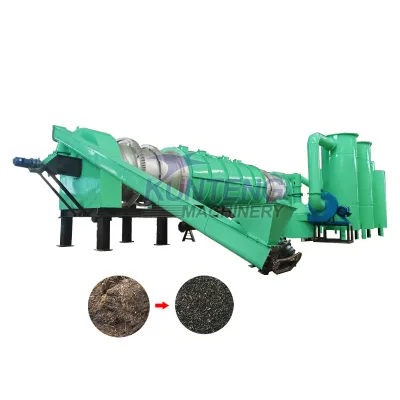
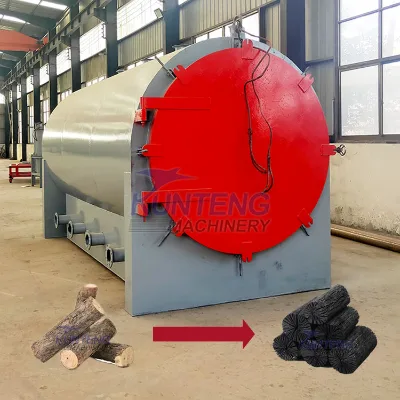
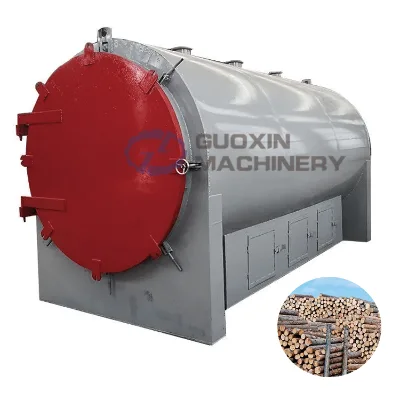
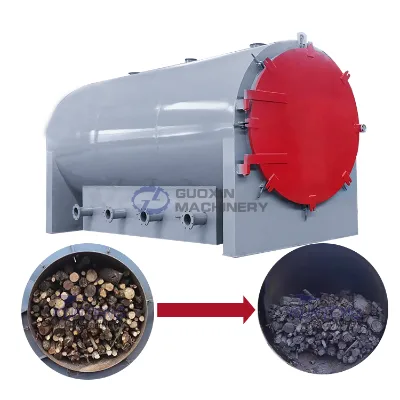
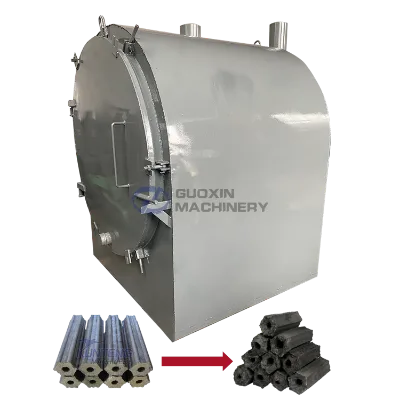
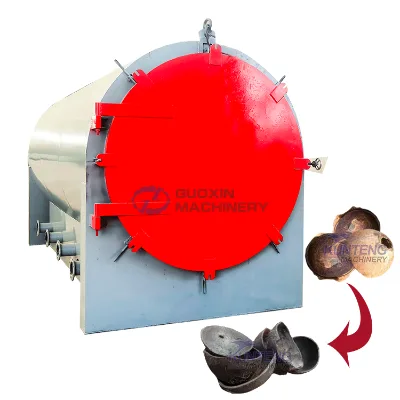
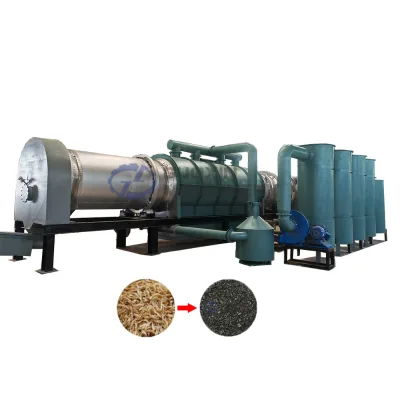
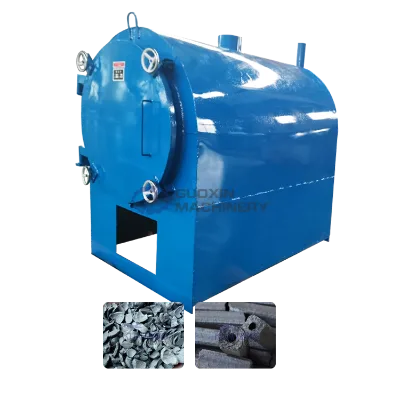

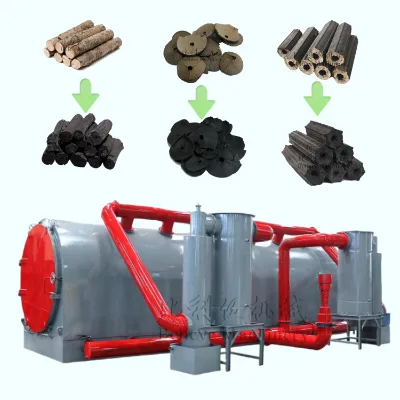
Horizontal Charcoal Retort Kiln Biochar Machine Wood Vinegar Continuous Carbonization Furnace
$3800.00 - $4900.00
MOQ: 1 Pieces

Carbon Wood Charcoal Carbonization Furnace Continuous Charcoal Production Line Factory Price
$3800.00 - $4900.00
MOQ: 1 Pieces


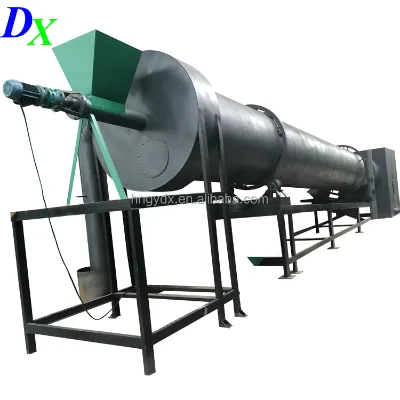
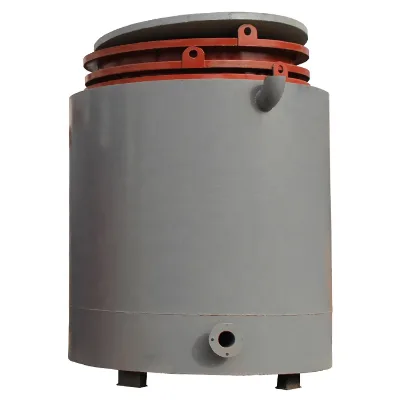
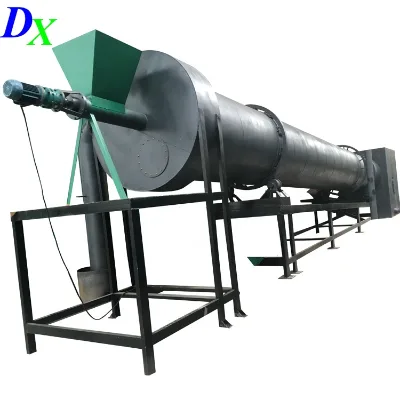


Comprehensive Sourcing Guide
Horizontal Continuous Charcoal Carbonization Kiln Sourcing Guide
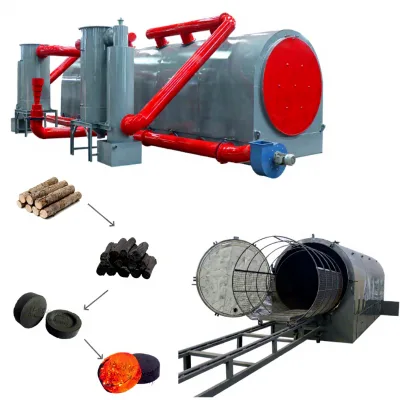
Procuring a Horizontal Continuous Charcoal Carbonization Kiln requires a clear understanding of the operational differences between batch and continuous systems. The supplied product data indicates a strong market presence for models such as the Atth-50 and the KT series, which are designed for industrial-scale production. Buyers must distinguish between smaller units with a 50kg per time capacity and larger continuous systems capable of processing 1000-3000kg per hour. This distinction is critical for aligning equipment selection with your specific throughput requirements and facility layout constraints.
The horizontal design offers distinct advantages for continuous production environments, allowing for large capacity output and consistent carbonizing rates ranging from 88% to 99%. These systems are engineered to handle a variety of raw materials, including wood, coconut shell, cashew nut shell, rice husks, and sawdust. Understanding the specific input material characteristics is essential, as the kiln’s efficiency and final product quality, such as BBQ or hookah charcoal, depend heavily on the moisture content and particle size of the biomass feedstock.
Product Scope and Observed Listing Signals
The current market listings reveal a wide variance in product specifications, with observed prices ranging from $550 to $50,000 USD. This broad range reflects the diversity in machine scale, from compact units weighing 400kg to heavy-duty industrial furnaces weighing up to 7500kg. Buyers should note that the minimum order quantity (MOQ) is consistently listed as one unit, suggesting that suppliers are willing to accommodate single-unit purchases for pilot projects or small-scale operations. This flexibility allows for easier entry into the market without significant initial inventory commitments.
Product names and descriptions vary significantly, with terms like "Carbonization Furnace," "Continuous Carbonization Furnace," and "Biomass Charcoal Making Machine" appearing interchangeably. Some listings highlight specific models like KT-150 or KT-800-10000, while others focus on the application, such as making palm shell charcoal or activated charcoal. It is crucial to verify the actual dimensions and weight of the unit, as listed dimensions can range from 80080010000mm to 1.51.21.4m, impacting shipping logistics and installation space requirements.
Technical Specifications to Verify
When evaluating technical specifications, the power consumption and voltage requirements are primary considerations. Listed power ratings vary from 2.5KW to 17.5kw, with voltage options customizable between 220-420V to match local electrical infrastructure. Buyers must ensure that the selected model’s power draw aligns with their facility’s electrical capacity to avoid costly upgrades or operational disruptions. Additionally, the core components, including PLC, motor, bearing, and burner chamber, should be inspected for quality and brand reputation to ensure long-term reliability.
The carbonization chamber and waste gas purification systems are critical for both efficiency and environmental compliance. The supplied data mentions features like exhaust gas self-sufficiency and waste heat utilization, which can significantly reduce operational fuel costs. However, buyers should verify the actual carbonization time and the effectiveness of the purification system, as these factors directly impact the quality of the final charcoal product and the environmental footprint of the operation. Customization options for capacity and voltage should be confirmed in writing before placing an order.
Compliance and Safety Documentation
Safety and compliance are paramount when operating high-temperature industrial equipment. While ISO 9001:2015 and CE certification are mentioned in the background context, buyers must request official documentation to verify that the specific model purchased meets these standards. The absence of explicit certification details in the primary product attributes suggests that buyers should proactively ask for test reports and compliance certificates from the supplier. This due diligence is essential to ensure that the equipment meets local safety regulations and insurance requirements.
The machinery test report is listed as provided, which is a positive indicator of quality control. Buyers should review these reports to understand the performance metrics under test conditions, including pressure tests, temperature stability, and emission levels. Additionally, the warranty period of one year should be clearly defined in the contract, covering both parts and labor. Understanding the scope of the warranty and the process for claiming repairs is crucial for minimizing downtime and unexpected maintenance costs during the initial operational phase.
Cost Drivers and Commercial Terms
Several factors influence the total cost of ownership for a Horizontal Continuous Charcoal Carbonization Kiln. The weight and dimensions of the unit, which can range from 400kg to 7500kg, significantly impact shipping and installation costs. Buyers should obtain detailed quotes that include freight, insurance, and any necessary customs duties. The packaging, often described as a wooden case box, should be inspected to ensure it provides adequate protection during transit, especially for international shipments.
Customization options, such as adjusting the capacity or voltage, may incur additional costs. Buyers should clarify whether these customizations affect the lead time or the warranty terms. The after-sale service, which includes on-site installation or video guidance, is a valuable component that can reduce installation errors and operational learning curves. It is advisable to confirm the availability and cost of these services in advance to avoid unexpected expenses during the commissioning phase.
Supplier Qualification and Quality Control
Selecting a reliable supplier is critical for the long-term success of your charcoal production operation. The brand name KUNTENG appears in the supplied data, indicating a specific manufacturer with a presence in Henan, China. Buyers should verify the supplier’s production capabilities, including their factory size, workforce, and quality control processes. Requesting references from existing customers can provide insights into the supplier’s reliability and the performance of their equipment in real-world conditions.
Quality control should extend beyond the initial purchase to include ongoing support and maintenance. The supplier’s ability to provide spare parts and technical assistance is a key indicator of their commitment to customer satisfaction. Buyers should inquire about the availability of replacement components for core parts like the motor, PLC, and burner chamber. Establishing a clear communication channel with the supplier’s technical team can facilitate quicker resolution of any issues that arise during operation.
Long-Term Procurement Checks
Long-term procurement success depends on the supplier’s ability to support the equipment throughout its lifecycle. Buyers should establish a maintenance schedule based on the manufacturer’s recommendations, focusing on key components like bearings, gears, and the carbonization chamber. Regular inspections and timely replacements of worn parts can prevent costly breakdowns and extend the lifespan of the kiln. Keeping a record of all maintenance activities and spare parts used is essential for tracking the equipment’s health and planning future upgrades.
As technology evolves, suppliers may offer upgrades or new models with improved efficiency and environmental performance. Buyers should stay informed about these developments and evaluate whether upgrading their existing equipment is cost-effective. Building a strong relationship with the supplier can provide access to early information about new products and services. Regular feedback on the equipment’s performance can also help the supplier improve their designs and better meet the needs of their customers.
FAQs
What raw materials can be processed in this Horizontal Continuous Charcoal Carbonization Kiln?
This equipment processes diverse biomass including wood logs, coconut shells, palm shells, cashew nut shells, rice husks, and sawdust. The system is designed to convert these varied organic materials into high-quality charcoal products suitable for BBQ, hookah, and shisha applications through efficient carbonization.
How is the fuel consumption managed in the continuous carbonization furnace?
The furnace utilizes a self-sufficiency fuel system that recovers exhaust gas for energy. This design allows the carbonization chamber to operate continuously without external fuel dependency, significantly reducing operational costs while maintaining high productivity and an environmentally friendly working environment for industrial users.
What is the typical carbonizing rate and output capacity of the machine?
The carbonizing rate ranges from 88% to 99%, ensuring high yield from raw biomass. Capacity is customizable, with options ranging from 50kg per batch to 1000-3000kg per hour for continuous production. This flexibility allows buyers to select models that match their specific production scale.
Can the voltage and specifications be customized for different industrial requirements?
Yes, customization is available for voltage, which can be adjusted between 220V and 420V to suit local power grids. Additionally, models like KT-150 or KT-800 series allow for tailored dimensions and capacities. Buyers can request specific configurations to align with their facility infrastructure.
What after-sale services are provided for the horizontal charcoal kiln?
Suppliers offer on-site installation services or comprehensive video guidance to ensure proper setup and operation. A one-year warranty covers core components such as the PLC, motor, and burner chamber. Machinery test reports are also provided to verify performance standards before shipment to the buyer.
What are the key selling points of this biomass charcoal making machine?
Key advantages include high productivity, easy operation, and a continuous working environment that is friendly to sustainability. The machine features robust core components like PLC controls and efficient waste gas purification systems. These attributes ensure reliable long-term performance and minimal maintenance requirements for industrial users.