Automatic Finger Joint Comb Machine Suppliers and Manufacturers
Explore 16 verified suppliers offering automatic finger joint comb machines with varying lead times, response speeds, and certifications. Compare specifications like working width and warranty terms, then request quotes to finalize your sourcing decision; review the available evidence before requesting comparable quotations from suitable candidates.
Updated
Suppliers List

Qingdao Zhongding Machinery Co., Ltd.
- Verified by SGS
- Combined
- China Shandong
- Lead time30 days
- Avg. response≤ 3h
Main productswoodworking machinery
Main marketsSouth America,Africa,Southeast Asia/ Mideast,East Asia(Japan/ South Korea),Europe,Australia,North America


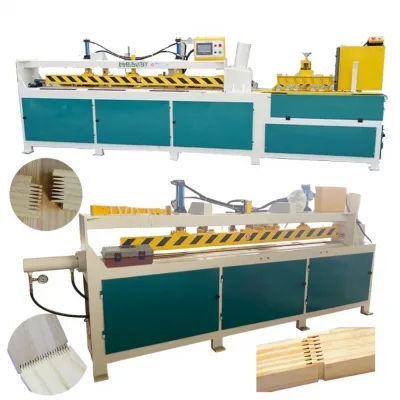
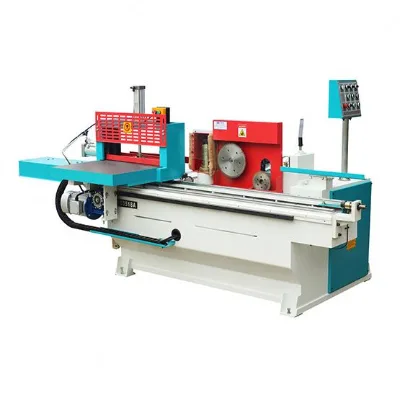
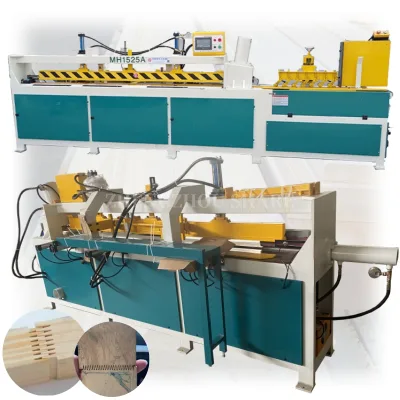
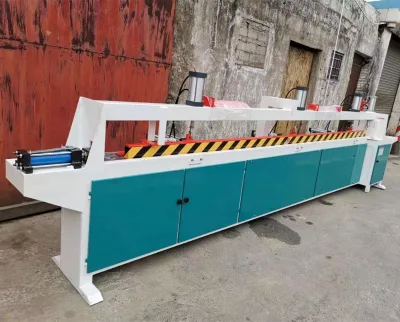
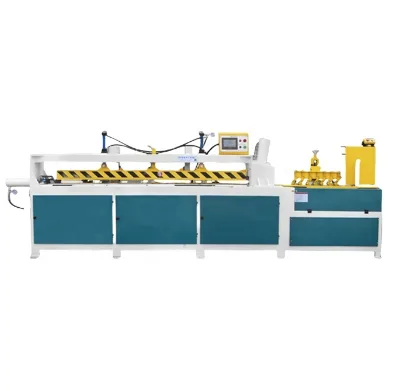
1 Year Warranty Finger Joint Wood Comb Automatic Combing Machine with Low Price
$6300.00 - $6500.00
MOQ: 1 Sets

1 Year Warranty Wood Finger Joint Automatic Comb Combing Machine with Good Price
$6300.00 - $6500.00
MOQ: 1 Sets
Qingdao Delilai Machinery Co., Ltd
- Verified by TüVRheinland
- Manufacturer, Trading Company
- Lead time7 days
- Avg. response≤ 2h
Main productsPrecise Panel Saw, Polishing Machine, Edge Banding Machine, Sanding Machine, Press Machine
Main marketsNorth America(50%), South America(10%), Eastern Europe(10%)
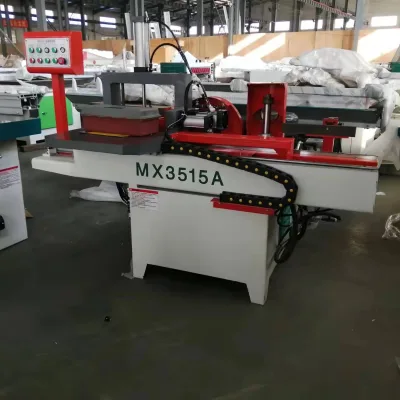
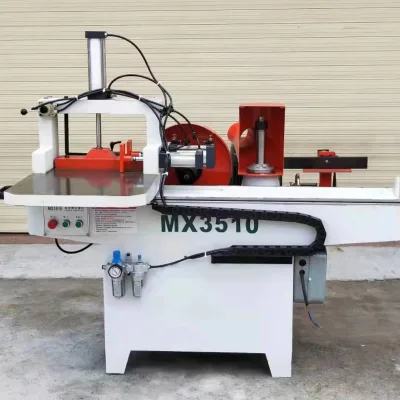
$2800.9664 - $2904.7059
MOQ: 1 pieces
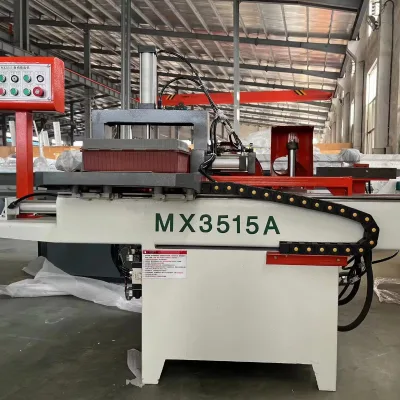

Henan Share M&E Equipment Co., Ltd
- Verified by TUVRHEINLAND
- Trading Company
- China Henan
- Lead time15 days
- Avg. response≤ 4h
Main productsBag Printing Machine, Brick Making Machine, Quilting Machine, Water Well Drilling Rig, Roll Forming Machine
Main marketsSouth America,Africa,Others(foreignTradeCapacity.exportBusinessCapacityMarketOther),Southeast Asia/ Mideast,East Asia(Japan/ South Korea),Domestic,Europe,Australia,North America

Qingdao Kingmarks Machinery Co., Ltd
- Verified by TUVRHEINLAND
- Trading Company
- China Shandong
- Lead time30 days
- Avg. response≤ 9h
Main productsClamp Carrier, Sander, Finger Jointer, Saw, Planer, Press, Tenoner, Spindle Mouler, Router, Drilling Machine
Main marketsSouth America
Henan Share M&E Equipment Co.,Ltd
- Verified by SGS Group
- Trading Company
- Lead time7 days
- Avg. response≤ 3h
Main productsTextile Machinery, Printing Machinery, Construction Machinery, Wood Machinery
Main marketsNorth America(20%), South America(20%), Eastern Europe(10%)

Zhengzhou Share Machinery Co., Ltd.
- Verified by BV
- Trading Company,Manufacturer/Factory
- China Henan
- Lead time15 days
- Avg. response≤ 4h
Main productsRoll Forming Machine, Purlin Making Machine, Storage Rack Making Machine, Hydraulic Baler, Brick Making Machine, Quilting Machine, Bag Printing Machine, Soap Stamping Machine, Water Well Drilling Rig, Wax Granules Making Machine
Main marketsSouth America,Eastern Europe,Mid East,North America,Southeast Asia,Eastern Asia,Oceania,Western Europe,Africa


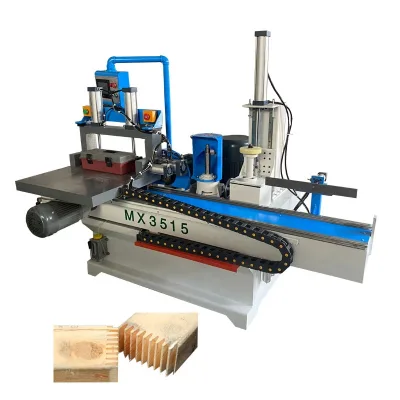
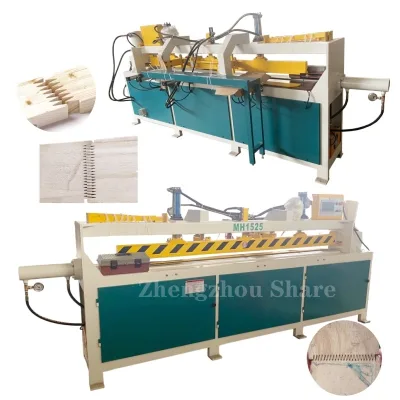
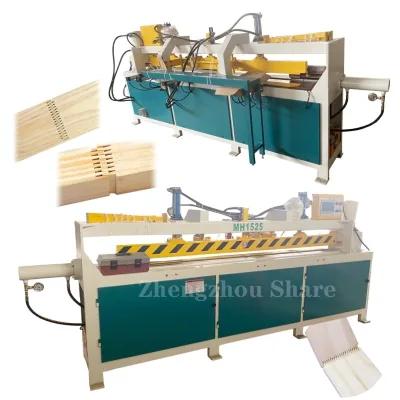
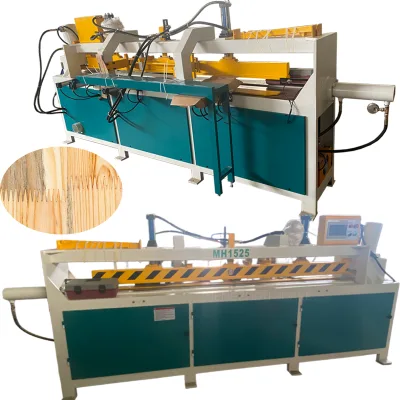
Wood Working Tenon Mortising Wooden Comb Making Finger Joint Machine for Woodworking
$1698.00
MOQ: 1 Pieces

Shanghai Win Star Woodworking Machinery Co., Ltd.
- Verified by SGS
- Manufacturer/Factory
- China Shanghai
- Lead time23 days
- Avg. response≤ 2h
Main productsEdge Banding Machine, Sliding Table Saw, Wide Belt Sander Machine, Hot Press Machine, Cold Press Machine, Four Side Moulder, Double Side Planer, Wood Drilling Machine, CNC Router, Profile Wrapping Machine
Main marketsSouth America,Eastern Europe,Mid East,North America,Southeast Asia,Eastern Asia,Oceania,Western Europe,Africa

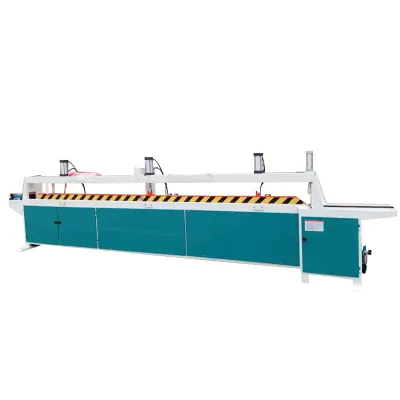
Comb Tooth Jointing Machine Finger Joint Press Machine Finger Joint Wood Making Machine
$20000.00 - $30000.00
MOQ: 1 Sets

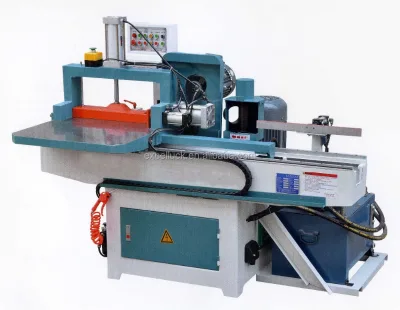
Automatic Wood Tenoning Comb Making Machine Wood Finger Joint Machine for Wood
$1500.00 - $1900.00
MOQ: 1 Sets

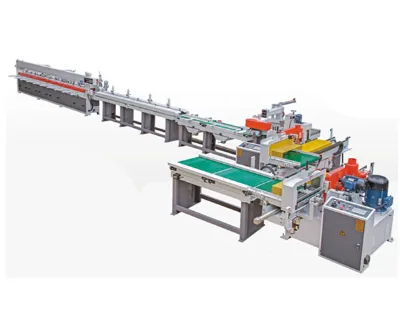
Woodworking Semi-Automatic Finer Joint Production Line Comb Tenoning Finger Joint Machine
$12000.00 - $15000.00
MOQ: 1 Sets

Qingdao Wardwin Industry and Trade Co., Ltd.
- Verified by SGS
- Manufacturer/Factory
- China Shandong
- Lead time23 days
- Avg. response≤ 3h
Main productsWoodworking Machine, Sliding Table Saw, Edge Banding Machine, Finger Joint Machine, Planer, Wood Cutting Machine, Automatic Edge Bander, Wood Composer Machine, CNC Router, Drilling & Boring Machine
Main marketsSouth America,Eastern Europe,Mid East,North America,Southeast Asia,Eastern Asia,Oceania,Western Europe,Africa

Woodworking Automatic Finer Joint Production Line Comb Tenoning Finger Joint Machine
$40000.00
MOQ: 1 Pieces

Finger Joint Cutting Machine Comb Tenoning Machine Finger Joint Assembly Machine
$40000.00
MOQ: 1 Pieces


Foshan City Weho Machinery Co., Ltd.
- Trading Company
- Guangdong, China
- Lead time20 days
- Avg. response≤ 6h
Main productsWood Working Machines And Accessories
Main marketsEastern Europe(30.00%), Eastern Asia(20.00%), Western Europe(10.00%), Northern Europe(10.00%), South America(10.00%), Africa(5.00%), North America(5.00%), Mid East(3.00%), Oceania(3.00%), South Asia(2.00%), Southeast Asia(2.00%)
Zhengzhou Share Machinery Co., Ltd.
- Trading Company
- Lead time旺季: "1 - 1":7,"> 1":"To be negotiated", 淡季: "1 - 1":7,"> 1":"To be negotiated"
- Avg. response≤ 3h
Main productsConstruction Machinery/Industrial Machinery/Printing Machinery

Henan Elasn Machinery Equipment Co., Ltd.
- Verified by SGS
- Trading Company
- China Henan
- Lead time30 days
- Avg. response≤ 2h
Main productsHot Press Machine, Finger Joint Machine, Wood Block Extruder, Wood Veneer Press Machine, Wood Pallet Nailing Machine, Block Press Machine, Automatic Pallet Nailing Machine, Short Cycle Machine, Melamine Hot Press Machine, Wood Door Laminating Veneering Machine
Main marketsSouth America,Europe

Automatic Comb Tenoning Machine Finger Jointer Joint Wood Cutting Machine
$38000.00 - $50000.00
MOQ: 1 Sets


Automatic Finger Jointing Line, Wood Finger Joint Machine, Finger Joint Cutter Finger Joint Machine
$38000.00 - $50000.00
MOQ: 1 Sets

High Efficiency Finger Joint Line Full Automatic Finger Joint Machine
$38000.00 - $50000.00
MOQ: 1 Sets


Zhengzhou Chryso Machinery Equipment Co., Ltd.
- Verified by SGS Group
- Trading Company
- Lead time10 days
- Avg. response≤ 1h
Main productsWoodworking Machinery
Main marketsCentral America(19%), Southeast Asia(15%), Southern Europe(15%)
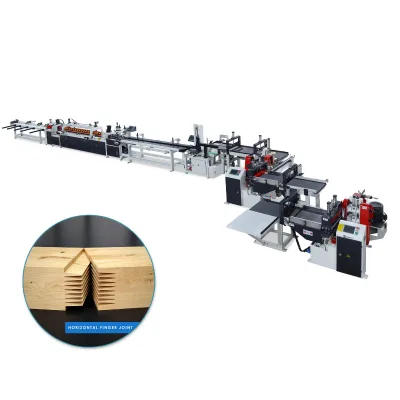
Fully Automatic Combing Glue Coating Wood Panel PVC Belt Finger Joint Making Machine
$6780.00 - $13000.00
MOQ: 1 sets
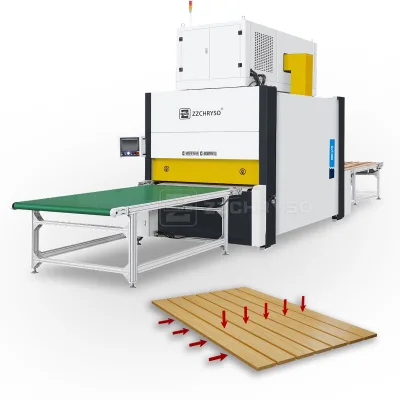
Automatic Wood Comb Finger Joint Plate Jointing Clamp Press Splicing Machine Compact Laminated Board
$34500.00 - $35150.00
MOQ: 1 sets
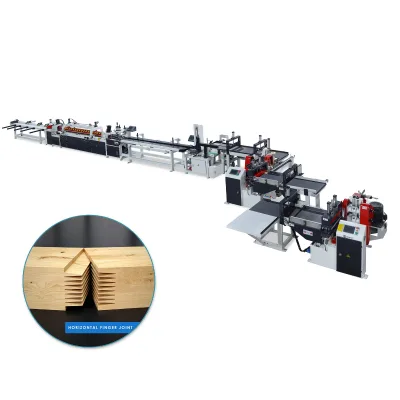
High Efficiency CNC Rubber Wood Full Automatic Finger Jointing Production Line
$4156.00 - $4356.00
MOQ: 1 sets
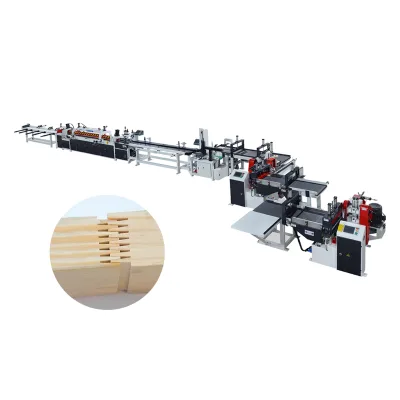
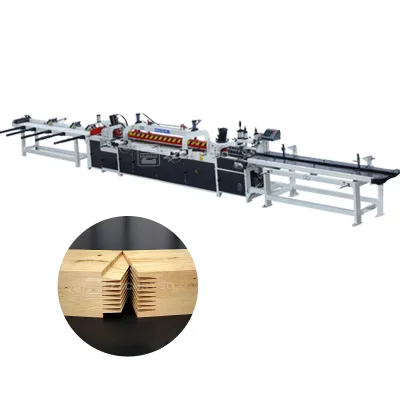
Factory Price CE Approved Grafting Finger Joint Combination Automatic Wood Assemble Machine
$4156.00 - $4356.00
MOQ: 1 sets
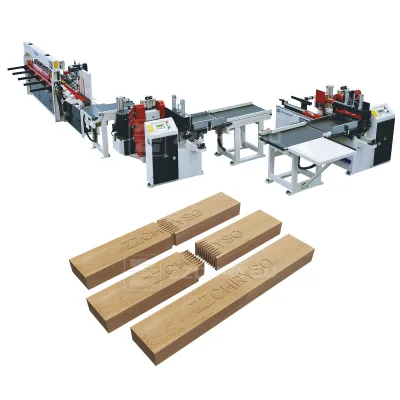
Woodworking Machine Automatic Joint Finger Cutter Tools Tenoner Machine
$4156.00 - $4356.00
MOQ: 1 sets
Qingdao Excel Luck Industry Co., Ltd
- Verified by Intertek
- Trading Company
- Lead time0 days
- Avg. response≤ 5h
Main productsWoodworking Sander, Woodworking Spindle Moulder, Four Side Moulder, Hot Press, Precision Panel Saw
Main marketsAfrica(33%), South America(30%), North America(10%)

Qingdao Xinlihui Machinery Co., Ltd.
- Trading Company
- China Shandong
- Lead time23 days
- Avg. response≤ 12h
Main productsWoodworking Machinery, Wood Panel Saw Machine, Wood Sanding Machine, Wood Edge Banding Machine, PVC or Paper Sticking Machine, CNC Router, Wood Drilling and Boring Machine, Plywood Production Line, Press Machine Series, Vacuum Laminating Machine
Main marketsSouth America,Africa,Southeast Asia/ Mideast,East Asia(Japan/ South Korea),Domestic,Europe,Australia,North America

Shandong STX Machinery Trade Co., Ltd.
- Trading Company
- China Shandong
- Lead time30 days
- Avg. response≤ 16h
Main productsWoodworking Machines, Four Side Moulder, Wood Sanding Machine, Optimizing Cross Cut Saw, Moulder Automatic Conveyor Line, Hydraulic Clamp Carrier, Horizontal Resaw Bandsaw, Wood Drying Kiln, High Frequency Wood Jointing Machine, Multi Blade Rip Saw
Main marketsSouth America,Southeast Asia/ Mideast,Europe,Australia,North America

Shandong Geelong Machinery Equipment Co., Ltd.
- Verified by BV
- Trading Company
- China Shandong
- Lead time30 days
- Avg. response≤ 1h
Main productsPlywood Machine, Veneer Machine, Veneer Composer, Glue Spreader, Veneer Dryer Machine, Cold Press Machine, Hot Press Machine, Sanding Machine, Woodworking Machine, Edge Cutting Saw Machine
Main marketsSoutheast Asia/ Mideast

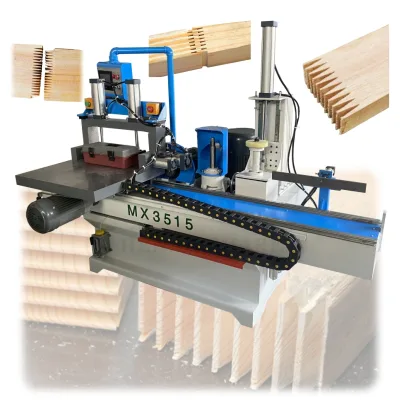
High Productivity L Type Veneer Finger Joint Machine, Veneer Composing Machine
$45000.00 - $48000.00
MOQ: 1 SET

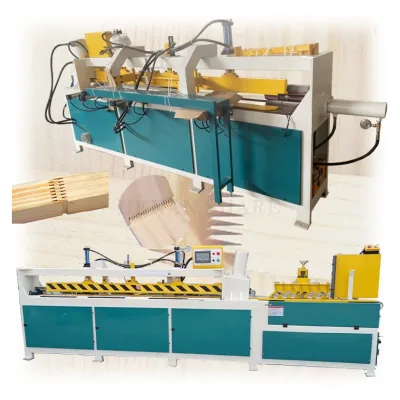
L Type Continuous Veneer Finger Jointing Machine, Veneer Composing Machine
$45000.00 - $48000.00
MOQ: 1 SET




Comprehensive Sourcing Guide
Automatic Finger Joint Comb Machine Supplier Concentration and Factory Types
The landscape for sourcing automatic finger joint comb machines reveals a distinct concentration of manufacturing activity within specific industrial regions of China, particularly Shandong and Henan provinces. These locations serve as primary hubs for woodworking machinery production, offering buyers access to established supply chains and specialized labor pools. When evaluating potential partners, it is crucial to distinguish between different company types, as this significantly impacts your sourcing strategy and risk profile. The available data indicates a mix of combined entities, pure manufacturers, and trading companies operating within this sector. Combined companies often blend manufacturing capabilities with trading functions, potentially offering streamlined communication but requiring careful verification of their actual production capacity. Pure manufacturers typically provide greater control over quality assurance and customization, while trading companies may offer a broader portfolio of complementary equipment, such as panel saws, edge banding machines, and sanding systems, which can be advantageous for buyers looking to equip an entire workshop.
Understanding the operational model of each supplier is essential for aligning with your business needs. Suppliers identified as manufacturers or combined entities often highlight their research and development capacities, including ODM services and own brand development, which suggests a capability for innovation and tailored solutions. In contrast, trading companies might focus on aggregating products from various sources, such as bag printing machines or brick making equipment, indicating a broader but potentially less specialized inventory. For buyers seeking high-volume or highly customized automatic finger joint comb machines, verifying the supplier’s primary product focus is critical. Some suppliers list woodworking machinery as their main product, ensuring deep expertise in this niche, while others may have diversified portfolios that dilute their focus. This distinction helps buyers assess whether a supplier can provide the technical support and after-sales service required for complex machinery like automatic finger joint comb machines, which require precise calibration and maintenance.
How to Verify Automatic Finger Joint Comb Machine Suppliers
Verification is the cornerstone of mitigating risk when sourcing industrial machinery from international suppliers. Buyers should prioritize suppliers who have undergone third-party verification processes, as these provide an independent assessment of the company’s legitimacy and operational capabilities. In the current market, several suppliers have achieved verification status through recognized agencies such as SGS and TÜV Rheinland. These verifications offer a layer of confidence regarding the supplier’s business registration, financial stability, and adherence to basic operational standards. However, verification alone is not a guarantee of product quality or performance. Buyers must look beyond the verification badge and examine the specific details provided in the supplier’s profile, such as their response time and lead times, which serve as indicators of operational efficiency and customer service responsiveness. A supplier with a rapid response time, such as under three days, often demonstrates a more agile and customer-centric approach, which is vital for resolving technical issues or negotiating custom specifications.
In addition to third-party verification, buyers should scrutinize the technical documentation and product evidence provided by the supplier. High-quality suppliers typically provide detailed product attributes, including motor power, spindle diameter, and working dimensions, which allow for precise comparison across different models. For instance, some suppliers offer machines with a total power of 15.8kw and a max working width of 510mm, while others may provide different specifications tailored to specific production needs. Buyers should also check for the availability of machinery test reports and video outgoing-inspections, which provide tangible proof of the machine’s functionality before shipment. Furthermore, warranty terms are a critical indicator of supplier confidence in their product; warranties ranging from one to two years are common, but the specific coverage and service terms should be clearly defined. By combining third-party verification data with detailed technical scrutiny, buyers can build a comprehensive profile of each supplier’s reliability and capability.
What to Compare Across Automatic Finger Joint Comb Machine Suppliers
When evaluating multiple suppliers for automatic finger joint comb machines, buyers must establish a clear comparison framework based on key performance indicators. One of the most critical factors is the lead time, which directly impacts production scheduling and inventory management. Suppliers in this sector exhibit varying lead times, with some offering rapid turnaround times of seven days, while others may require up to thirty days for production and delivery. This variance often correlates with the supplier’s location, manufacturing capacity, and current order backlog. Buyers should align their procurement timeline with the supplier’s stated lead time to avoid production delays. Additionally, the minimum order quantity (MOQ) is a significant consideration, particularly for smaller businesses or those testing new equipment. Many suppliers offer an MOQ of one unit, providing flexibility for initial purchases, while others may have higher thresholds that require larger capital investment. Understanding these constraints helps buyers determine which suppliers can accommodate their specific order volumes and budgetary constraints.
Beyond lead times and MOQs, buyers should compare the technical specifications and customization options offered by each supplier. Automatic finger joint comb machines come in various configurations, including full-automatic and semi-automatic grades, with different power ratings and working dimensions. For example, some models feature a marking motor of 1.1kw and a saw motor power of 3kw, while others may have higher power outputs to handle heavier-duty tasks. Buyers should also assess the customization availability, as some suppliers offer tailored solutions to meet specific production requirements, such as unique spindle diameters or working thicknesses. Furthermore, the warranty period and after-sales support should be compared, as longer warranties and comprehensive support packages can reduce long-term operational costs. By systematically comparing these attributes, buyers can identify the supplier that best balances cost, performance, and service quality for their specific needs.
Common Automatic Finger Joint Comb Machine Sourcing Risks
Sourcing automatic finger joint comb machines from international suppliers introduces several potential risks that buyers must proactively manage. One significant risk is the discrepancy between advertised specifications and actual product performance. While suppliers provide detailed technical data, such as motor power and working dimensions, there is a possibility that the delivered machine may not meet these exact standards. This risk is heightened when dealing with trading companies or suppliers with less transparent manufacturing processes. To mitigate this, buyers should request detailed machinery test reports and video outgoing-inspections before finalizing the purchase. These documents provide evidence of the machine’s functionality and adherence to specified parameters, reducing the likelihood of receiving substandard equipment. Additionally, buyers should be cautious of suppliers who offer prices that seem unusually low compared to market averages, as this may indicate compromised quality or hidden costs.
Another common risk is the lack of adequate after-sales support and spare parts availability. Automatic finger joint comb machines are complex pieces of equipment that require regular maintenance and occasional repairs. If a supplier does not provide comprehensive warranty coverage or readily available spare parts, buyers may face significant downtime and increased operational costs. Buyers should verify the supplier’s warranty terms, including the duration and scope of coverage, and inquire about their policy for providing spare parts and technical support. Furthermore, language barriers and cultural differences can lead to misunderstandings regarding technical specifications and delivery terms. To address this, buyers should ensure clear and documented communication with the supplier, confirming all details in writing. By identifying and addressing these risks early in the sourcing process, buyers can protect their investment and ensure a smooth procurement experience.
Automatic Finger Joint Comb Machine Regional Sourcing and Logistics
The geographic location of suppliers plays a crucial role in determining logistics costs and delivery times for automatic finger joint comb machines. Most suppliers in this sector are located in China, with significant concentrations in provinces such as Shandong and Henan. These regions are well-established industrial hubs for woodworking machinery, offering efficient supply chains and access to major shipping ports. Buyers should consider the proximity of the supplier to these ports when evaluating logistics options, as closer proximity can reduce inland transportation costs and lead times. Additionally, the type of supplier, whether a manufacturer or a trading company, can impact logistics arrangements. Manufacturers may have more control over the production and packaging process, ensuring that machines are properly prepared for international shipping, while trading companies may rely on third-party logistics providers, which can introduce additional variables.
Logistics planning should also account for the specific requirements of shipping heavy machinery. Automatic finger joint comb machines typically have substantial weight and dimensions, requiring specialized packaging and handling to prevent damage during transit. Buyers should verify the supplier’s packaging standards, such as the use of standard export wooden boxes, to ensure the machine is adequately protected. Furthermore, buyers should consider the Incoterms agreed upon for the shipment, as this determines the responsibility for transportation, insurance, and customs clearance. Understanding these logistics factors allows buyers to accurately estimate the total landed cost of the machinery and plan for efficient delivery to their facility. By carefully evaluating the regional sourcing advantages and logistics requirements, buyers can optimize their supply chain and minimize potential disruptions.
Automatic Finger Joint Comb Machine Commercial Terms and Order Planning
Commercial terms and order planning are critical components of a successful sourcing strategy for automatic finger joint comb machines. Buyers must carefully negotiate payment terms, delivery schedules, and warranty conditions to protect their interests. Payment terms often vary among suppliers, with some requiring full payment upfront, while others may offer partial payments or escrow services to ensure transaction security. Buyers should assess the financial stability of the supplier and consider using secure payment methods to mitigate the risk of fraud. Additionally, delivery schedules should be clearly defined, taking into account the supplier’s lead time and any potential delays due to customs clearance or transportation issues. Buyers should also establish clear communication channels for tracking the order status and addressing any issues that may arise during the production or shipping process.
Warranty and after-sales support are equally important commercial considerations. Buyers should ensure that the warranty period, typically ranging from one to two years, covers both parts and labor, and that the supplier provides clear instructions for claiming warranty services. Furthermore, buyers should inquire about the availability of technical support and training, which can be invaluable for ensuring the proper operation and maintenance of the machinery. By carefully planning the commercial terms and order logistics, buyers can establish a strong foundation for a long-term and mutually beneficial relationship with their supplier. This proactive approach helps to minimize risks, ensure timely delivery, and maximize the value of the investment in automatic finger joint comb machines.
FAQs
What is the price range for automatic finger joint comb machines?
Prices for these woodworking machines typically range from $2,150 to $6,500 depending on specifications. Some models are priced around $2,700 to $2,900, while premium full-automatic units may cost up to $6,500. Buyers should verify exact quotes based on customization needs and order volume.
What is the typical lead time for manufacturing these machines?
Manufacturing lead times vary by supplier, generally ranging from 7 to 30 days. Some manufacturers offer faster production cycles of one week, while others require up to a month for complex orders. Buyers should confirm specific delivery schedules with suppliers before placing orders to ensure timely project completion.
What is the minimum order quantity for these machines?
The minimum order quantity is typically one unit, allowing buyers to purchase single machines for testing or small-scale operations. This low MOQ facilitates easier entry for new buyers. However, bulk pricing may apply for larger orders, so buyers should inquire about volume discounts when requesting quotes from suppliers.
What warranty is provided with automatic finger joint machines?
Most suppliers offer a one-year warranty for their automatic finger joint comb machines. Some manufacturers provide extended coverage, such as a two-year warranty, for additional peace of mind. Buyers should verify the specific warranty terms, including coverage for core components like motors, before finalizing their purchase agreements.
Where are these woodworking machines typically manufactured?
These machines are primarily manufactured in China, with specific production hubs located in Shandong and Henan provinces. Buyers can find suppliers from these regions offering various models. Verifying the exact place of origin helps in assessing shipping logistics and potential import duties associated with the machinery.
What certifications do these machines typically hold?
Many automatic finger joint machines carry CE certification, ensuring compliance with European safety standards. Some suppliers may also have SGS verification or TÜV Rheinland audits. Buyers should request valid certification documents to confirm that the machinery meets the required regulatory standards for their specific market or operational environment.