Source Cookie Cutter and Pancake Mold Set for Home Baking
Source a cookie cutter and pancake mold set from 30 verified listings. Compare plastic baking tools, custom shapes, and eco-friendly options for home kitchen use. Evaluate MOQs, packaging, and supplier capabilities to find the right fit for your needs; compare the available evidence and request quotations based on your requirements.
Key considerations
Products List
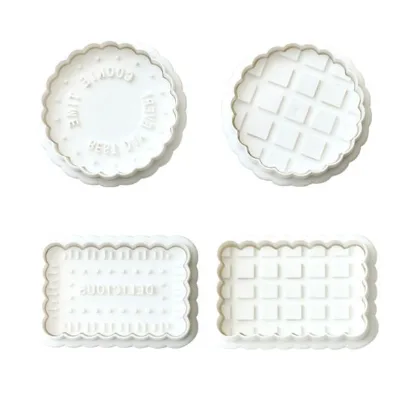
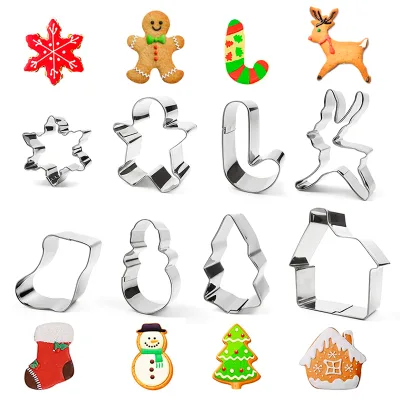
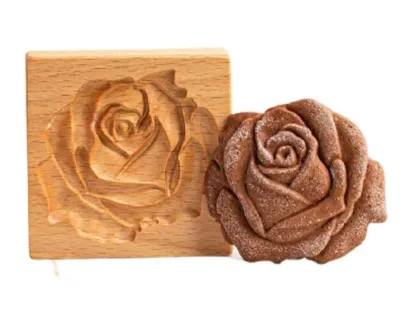
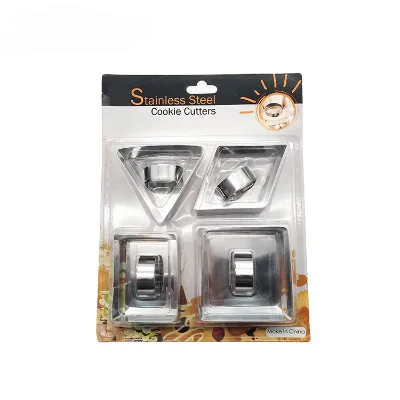
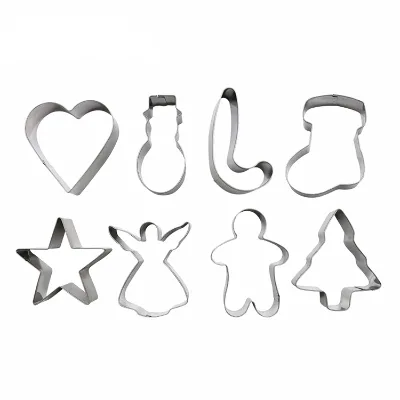


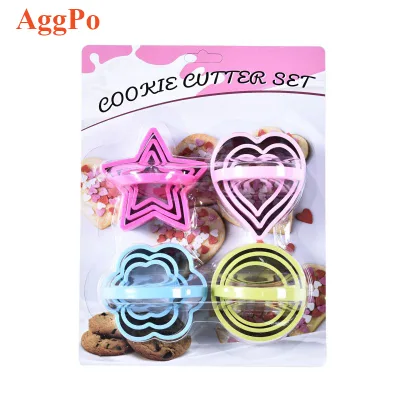
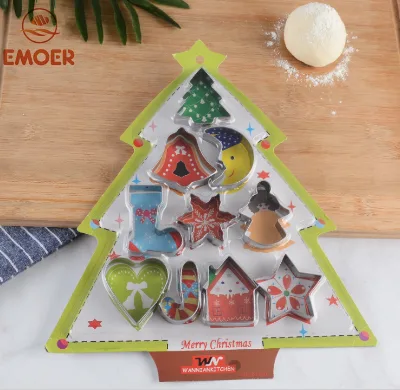
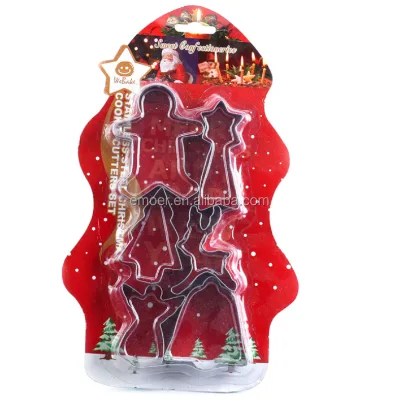
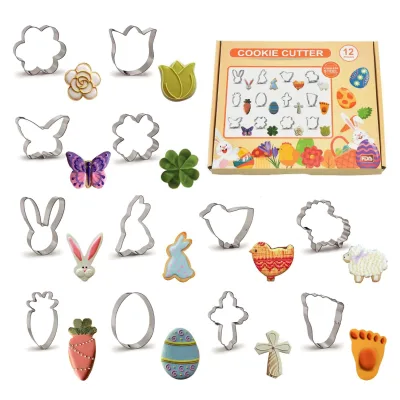

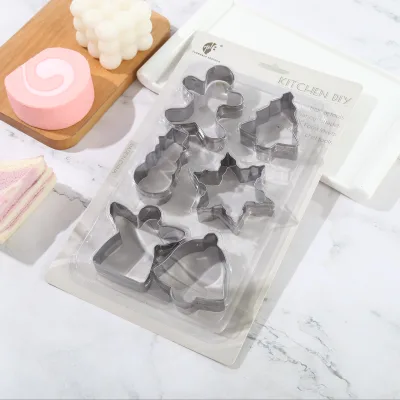

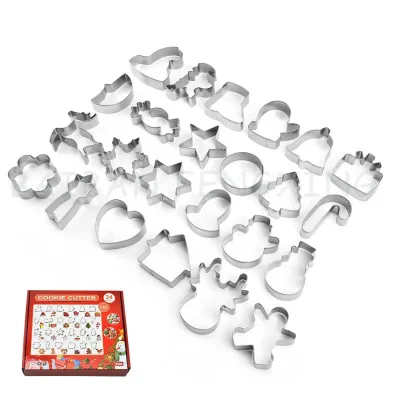

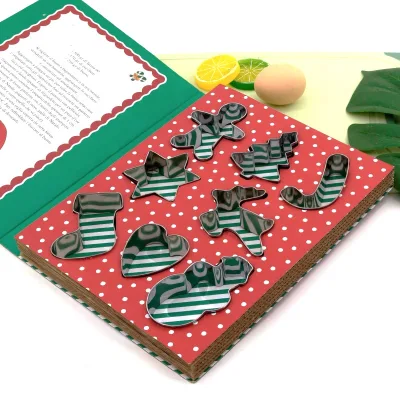


Comprehensive Sourcing Guide
Cookie Cutter and Pancake Mold Set Sourcing Guide
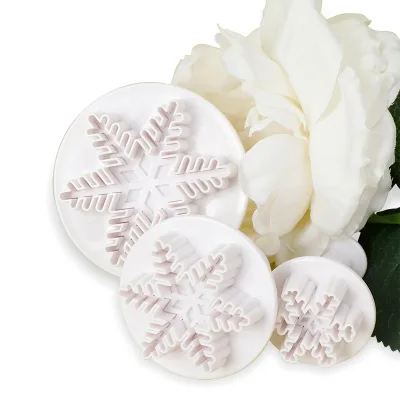
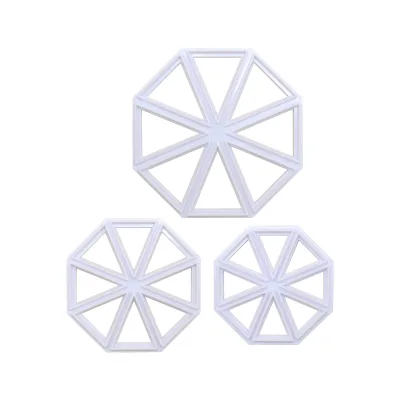
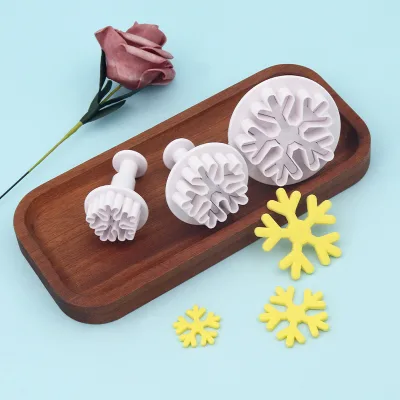
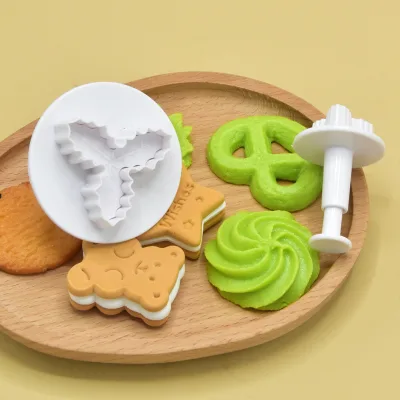
Sourcing cookie cutter and pancake mold sets requires a clear understanding of the diverse product landscape available from manufacturers, particularly those concentrated in regions like Zhejiang, China. Buyers must navigate a market where items range from simple plastic cutters to more complex spring-loaded molds, each serving distinct culinary functions. The observed product data indicates a strong presence of DIY-oriented tools, including fine snowflake spring molds and triangle cookie cutter sets, which cater to both home bakers and small-scale commercial operations. Understanding these variations is the first step in defining precise procurement requirements, as the functional differences between a basic cutter and a spring mold significantly impact production efficiency and final product aesthetics.
Procurement teams must also account for the wide variability in minimum order quantities (MOQs) and packaging formats when evaluating potential suppliers. Listings show MOQs ranging from as low as two pieces to as high as three thousand sets, reflecting the flexibility of manufacturers to accommodate both trial orders and large-scale distribution needs. Additionally, the prevalence of eco-friendly features and stocked inventory suggests that many suppliers are prepared to meet immediate demand while adhering to sustainability trends. Buyers should carefully assess whether their specific volume requirements align with the supplier’s standard MOQs to avoid unnecessary logistical complexities or excessive inventory holding costs during the initial sourcing phase.
Product Scope and Observed Listing Signals
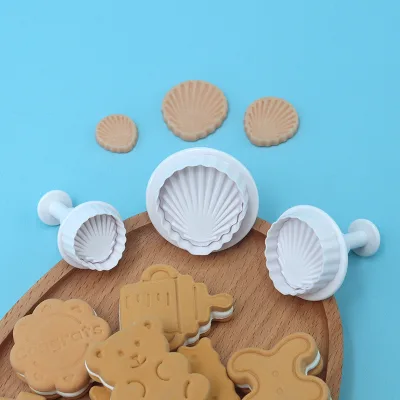
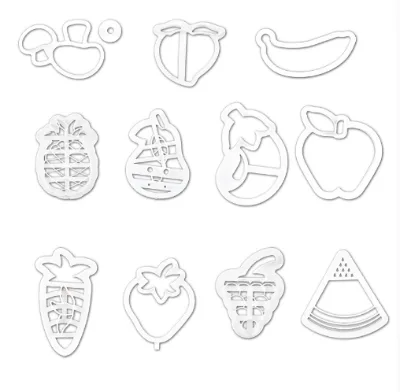
The current market for cookie cutter and pancake mold sets is characterized by a high degree of customization and material diversity, with plastic emerging as the dominant material due to its cost-effectiveness and durability. Observed listings highlight specific product types such as fruit sets, cartoon-shaped cutters, and fine snowflake spring molds, indicating that buyers can source highly specialized tools for niche baking applications. The presence of customized logo options and OEM/ODM services further suggests that many manufacturers are equipped to handle branded procurement projects, allowing businesses to create unique product lines that stand out in competitive retail environments. This flexibility is crucial for buyers looking to differentiate their offerings through distinctive shapes and personalized branding.
Packaging and logistical specifications also play a significant role in the sourcing decision, with products typically shipped in OPP bags or customized packaging solutions. The single package sizes observed, ranging from compact dimensions like 10x10x6 cm to larger formats such as 16x14x6 cm, provide insight into the spatial efficiency of the products and their suitability for various distribution channels. Furthermore, the lightweight nature of these items, with gross weights often under 0.1 kg, contributes to lower shipping costs and easier handling. Buyers should leverage these logistical advantages by consolidating orders with compatible packaging sizes to optimize freight efficiency and reduce the overall landed cost of their procurement.
Technical Specifications to Verify
When evaluating technical specifications, buyers must prioritize the verification of material safety and structural integrity, especially since many products are made from plastic intended for direct food contact. It is essential to confirm that the plastic used is food-grade and free from harmful additives, ensuring that the molds do not leach chemicals during baking or repeated use. The observed model numbers, such as THM-025 and BGMJ012, serve as unique identifiers for specific product designs, allowing buyers to request detailed technical datasheets that outline material composition, temperature resistance, and cleaning instructions. Verifying these details helps prevent potential safety issues and ensures that the products meet the rigorous standards expected by end-users in the baking industry.
Dimensional accuracy and shape consistency are also critical technical factors that influence the quality of the final baked goods. Buyers should request samples to assess the precision of the cutters and molds, paying close attention to edge sharpness and the uniformity of the shapes produced. The ability to customize shapes, as indicated by the "Customize Shape" attribute, offers significant flexibility but requires careful validation to ensure that the custom designs can be manufactured consistently at scale. Additionally, verifying the weight and balance of the tools can provide insights into their ergonomic design and ease of use, which are important considerations for both professional bakers and home enthusiasts who value functionality and comfort.
Compliance and Safety Documentation
Compliance with food safety regulations is a non-negotiable aspect of sourcing cookie cutter and pancake mold sets, requiring buyers to obtain comprehensive documentation from suppliers. This includes certificates of compliance with relevant food contact material standards, such as FDA or EU regulations, depending on the target market. Buyers must verify that the suppliers have the necessary testing reports to demonstrate that their products do not contain prohibited substances and are safe for repeated use with various types of dough and batter. Without proper documentation, there is a risk of regulatory non-compliance, which can lead to product recalls, legal liabilities, and damage to brand reputation in the competitive baking tool market.
In addition to material safety, buyers should inquire about the supplier’s quality management systems and their adherence to international standards for manufacturing processes. Documentation such as ISO certifications can provide assurance that the supplier maintains consistent quality control measures throughout production. It is also advisable to request information on the supplier’s testing protocols for durability and wear resistance, as these factors directly impact the longevity of the molds. By thoroughly reviewing and verifying all compliance-related documents, buyers can mitigate risks and ensure that their procurement activities align with global safety expectations and legal requirements.
Cost Drivers and Commercial Terms
The cost structure for cookie cutter and pancake mold sets is influenced by several key factors, including material costs, customization complexity, and order volume. Plastic remains a cost-effective material, but the price can vary based on the grade of plastic used and the intricacy of the mold design, such as fine snowflake patterns or cartoon shapes. Buyers should analyze the price ranges observed in the market, which span from $0.10 to $7.55, to understand the value proposition of different suppliers. It is important to consider that lower prices may correlate with simpler designs or lower-quality materials, while higher prices often reflect advanced features, better durability, or extensive customization options.
Commercial terms, particularly minimum order quantities (MOQs) and payment conditions, significantly impact the overall procurement strategy. The wide range of MOQs, from two pieces to three thousand sets, allows buyers to negotiate terms that align with their inventory management goals and cash flow constraints. Buyers should also consider the implications of customized packaging and logo printing, which may incur additional setup fees or increase the MOQ. Understanding these commercial dynamics enables buyers to structure agreements that balance cost efficiency with operational flexibility, ensuring that they can scale their procurement efforts effectively as market demand fluctuates.
Supplier Qualification and Quality Control
Supplier qualification is a critical step in ensuring the reliability and consistency of cookie cutter and pancake mold set procurement. Buyers should conduct thorough due diligence to assess the supplier’s manufacturing capabilities, production capacity, and track record in the baking tools industry. This includes verifying the supplier’s location, such as Zhejiang, China, and evaluating their experience in handling OEM/ODM projects. A qualified supplier should demonstrate a robust quality control system that includes incoming material inspections, in-process checks, and final product testing to ensure that every unit meets the specified standards. This rigorous approach helps minimize the risk of defects and ensures that the products delivered are consistent in quality and performance.
Quality control measures should also extend to the packaging and shipping processes, as these steps are crucial for protecting the products during transit. Buyers should verify that the supplier uses appropriate packaging materials, such as OPP bags or customized boxes, to prevent damage and maintain the integrity of the molds. Additionally, implementing a pre-shipment inspection protocol can provide an extra layer of assurance, allowing buyers to catch any potential issues before the goods leave the factory. By establishing clear quality control expectations and regularly monitoring supplier performance, buyers can build a resilient supply chain that delivers high-quality products consistently.
Long-Term Procurement Checks
Long-term procurement success depends on establishing ongoing performance metrics and regular supplier evaluations to ensure continuous improvement. Buyers should track key performance indicators such as on-time delivery rates, defect rates, and responsiveness to custom requests to assess supplier reliability over time. Regular audits and feedback sessions can help identify areas for improvement and foster a collaborative relationship with the supplier. By maintaining open communication and setting clear expectations, buyers can address potential issues proactively and ensure that the supplier remains aligned with their evolving business needs and quality standards.
Furthermore, buyers should stay informed about market trends and technological advancements in the baking tools industry to remain competitive. This includes monitoring changes in consumer preferences for eco-friendly products, new shape designs, and innovative materials. By continuously evaluating the product portfolio and exploring new sourcing opportunities, buyers can adapt to market shifts and maintain a competitive edge. Long-term procurement checks should also include periodic reviews of commercial terms and pricing structures to ensure that the procurement strategy remains cost-effective and aligned with the company’s strategic goals.
FAQs
What materials are used for these cookie cutters?
The cookie cutters are made from durable plastic material. This ensures they are safe for home kitchen use while remaining lightweight and easy to clean. The plastic construction supports various shapes including snowflakes and cartoon designs for diverse baking needs.
Can I customize the logo on these molds?
Yes, customized logos are acceptable for these cookie cutter sets. Manufacturers welcome OEM and ODM requests to allow branding on the products. This option helps businesses create unique baking tools that reflect their specific brand identity and marketing strategies effectively.
What is the minimum order quantity for these items?
The minimum order quantity varies by product type, ranging from 2 pieces to 3000 sets. Some specific models require a minimum of 20 pieces or 500 sets. Buyers should check the specific model number to confirm the exact MOQ required for their order.
Where are these cookie cutter molds manufactured?
These molds originate from Zhejiang, China. This location is a known hub for manufacturing baking tools and kitchenware. Products are typically packed in OPP bags or customized packaging before being shipped to international buyers for their baking operations.
How long does it take to get a sample?
Sample time is typically 5 to 7 days for these cookie cutter sets. This allows buyers to verify product quality and design before placing a larger order. The sample process ensures that the final customized molds meet the specific requirements of the buyer.
Are these cookie cutters eco-friendly?
Yes, the product features include eco-friendly attributes. These molds are designed to be stocked and ready for immediate use in home kitchens. The eco-friendly nature makes them suitable for sustainable baking practices while maintaining high quality and durability for repeated use.