Source Corrosion Resistance Concrete Conveyor Belt for Mining, Power, and Chemical
Compare 30 verified options for Corrosion Resistance Concrete Conveyor Belt designed for mining, power plants, and chemical industry applications. Buyers can evaluate features like oil resistance, heat resistance, and tear resistance across multiple models and specifications; compare the available evidence and request quotations based on your requirements.
Updated
Key considerations
Products List


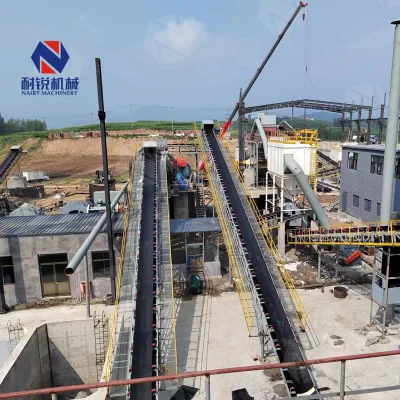
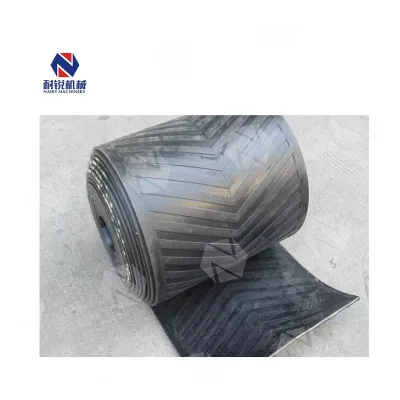
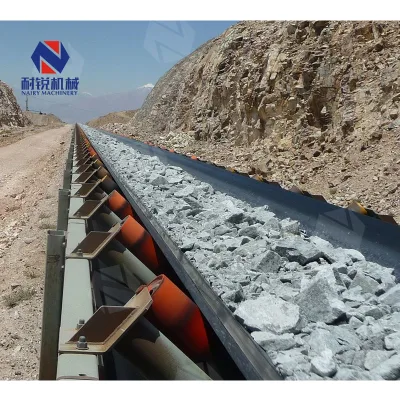
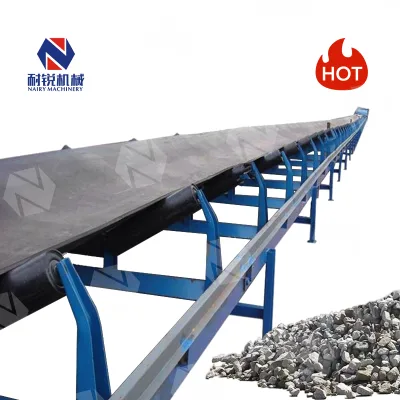



Comprehensive Sourcing Guide
Corrosion Resistance Concrete Conveyor Belt Sourcing Guide
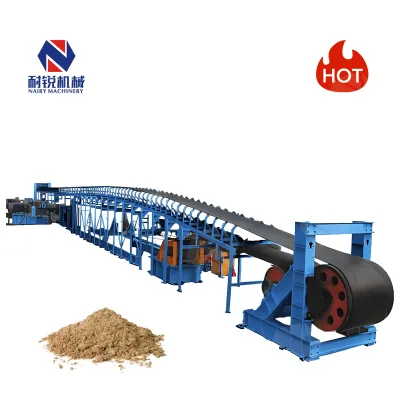
Procuring conveyor systems for concrete handling requires careful attention to material compatibility and structural integrity, as the abrasive nature of cementitious materials accelerates wear on standard components. Buyers must prioritize belts and supporting structures that offer robust resistance to chemical degradation and physical abrasion, ensuring longevity in harsh industrial environments. The selection process involves evaluating specific product attributes such as tensile strength, material composition, and specialized features like oil or acid resistance, which are critical for maintaining operational efficiency.
This guide synthesizes observed market data to help procurement professionals navigate the complexities of sourcing durable conveyor solutions. By focusing on verified specifications and observable listing signals, buyers can make informed decisions that align with their operational requirements. The following sections detail the technical parameters, compliance considerations, and commercial terms that define a successful procurement strategy for concrete handling equipment, emphasizing evidence-based selection criteria over generic marketing claims.
Product Scope and Observed Listing Signals
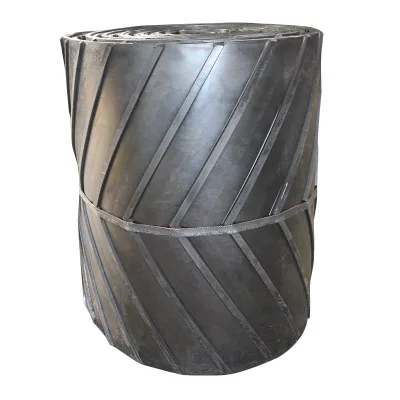
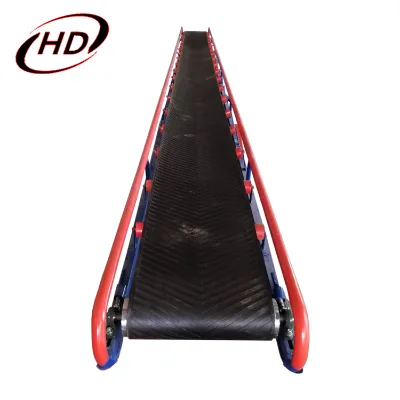
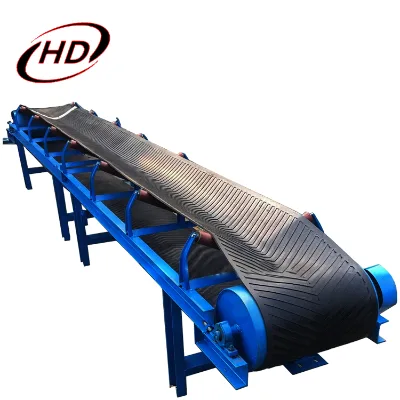
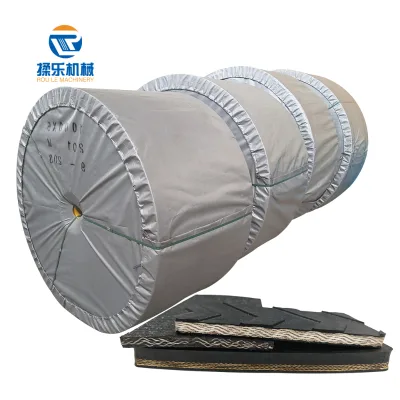
The current market offers a diverse range of conveyor belts tailored for heavy-duty applications, with observed product names including flame-resistant, oil-resistant, and patterned variants. Listings frequently highlight materials such as rubber with nylon, EP/NN/ST/CC-56, and plastic composites, often featuring inside fabric layers for enhanced durability. Key attributes observed include wear-resistant, cold-resistant, heat-resistant, tear-resistant, and acid-and-alkali-resistant properties, which are essential for mitigating the corrosive effects of concrete and associated chemicals.
Observed specifications reveal a wide variety of models, from EP200 and EP400 types to customized patterned belts with heights ranging from 5mm to 80mm. These belts are designed for adjustable speeds and tilt angles up to 40 degrees, catering to diverse conveying needs in construction, mining, and energy sectors. The presence of general packing and container loading options indicates standardized logistics, while the availability of single-item selling units suggests flexibility for smaller procurement volumes or specific replacement needs.
Technical Specifications to Verify
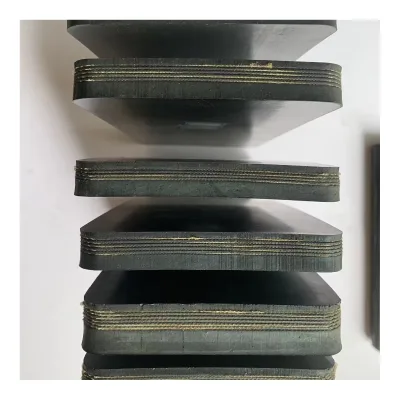
When evaluating conveyor belts for concrete applications, buyers should verify tensile strength and material composition to ensure they can withstand the heavy loads and abrasive conditions typical of cement handling. Observed listings indicate strong tensile strength and materials like rubber with nylon or carbon steel frames, which provide the necessary structural support. It is crucial to confirm that the belt material offers specific resistance features, such as oil, acid, and alkali resistance, to prevent degradation from chemical exposure during the conveying process.
Dimensional specifications and customization options are also critical factors in the selection process. Buyers should check for belt widths ranging from 500 mm to 1200 mm and confirm if the product can be customized to specific dimensions as requested. Additionally, verifying the layer construction, such as one or two-layer designs, and the pattern shape, which can be tailored to customer requirements, ensures that the conveyor belt meets the precise operational demands of the concrete handling facility.
Compliance and Safety Documentation
Safety and compliance are paramount when sourcing conveyor systems for industrial use, particularly in environments involving heavy machinery and hazardous materials. Buyers should request documentation that verifies the belt’s flame resistance and oil resistance, as these features are critical for preventing accidents and ensuring worker safety. Although specific certification standards like ASTM A240 or ISO 12944 are mentioned in background contexts, buyers must confirm the actual compliance status of the product with relevant local and international safety regulations.
Documentation should also include details on the product’s condition, with new items being the standard expectation for industrial equipment. Buyers should verify that the conveyor belt meets the required standards for its intended application, such as those for power plants, mining transport, or chemical industries. Ensuring that the supplier provides clear evidence of compliance with safety standards helps mitigate risks and ensures that the equipment can be legally and safely deployed in the workplace.
Cost Drivers and Commercial Terms
The cost of conveyor belts is influenced by several factors, including material composition, customization options, and order quantity. Observed price ranges vary significantly, reflecting differences in quality, features, and supplier pricing strategies. Buyers should consider the total cost of ownership, which includes not only the initial purchase price but also maintenance, replacement, and operational efficiency costs associated with the belt’s durability and performance.
Commercial terms such as minimum order quantities (MOQ) and lead times also play a crucial role in procurement planning. Observed MOQs range from 1 to 200 units, offering flexibility for both small and large orders. Buyers should negotiate terms that align with their production schedules and inventory management strategies, ensuring that they can secure the necessary equipment without incurring excessive storage costs or facing production delays due to long lead times.
Supplier Qualification and Quality Control
Selecting a reliable supplier is essential for ensuring the quality and consistency of conveyor belts. Buyers should verify the supplier’s origin, with many listings indicating production in China, particularly in regions like Chongqing. It is important to assess the supplier’s reputation, production capabilities, and quality control processes to ensure that the products meet the specified standards and performance requirements.
Quality control measures should include regular inspections and testing of the conveyor belts to verify their tensile strength, material integrity, and resistance features. Buyers should request samples or test reports to validate the supplier’s claims and ensure that the products are suitable for their specific applications. Establishing a strong relationship with a qualified supplier can lead to better pricing, improved service, and consistent product quality over time.
Long-Term Procurement Checks
Long-term procurement success depends on regular monitoring of supplier performance and product quality. Buyers should establish key performance indicators (KPIs) to track metrics such as delivery times, product defect rates, and customer satisfaction. Regular audits and feedback sessions with suppliers can help identify areas for improvement and ensure that the procurement process remains efficient and effective.
Additionally, buyers should stay informed about industry trends and technological advancements in conveyor belt technology. This includes monitoring changes in material science, safety regulations, and operational best practices. By continuously evaluating and updating their procurement strategies, buyers can ensure that their conveyor systems remain competitive, safe, and efficient, supporting the long-term success of their concrete handling operations.
FAQs
What materials are used for corrosion resistance concrete conveyor belts?
These belts typically utilize rubber with nylon or plastic composites for the main structure. The inside material often includes fabric layers to enhance durability. Specific types like EP400 or EP200 offer varying tensile strengths. The combination of rubber and fabric ensures the belt can withstand the abrasive nature of concrete transport while maintaining flexibility and strength under load.
Can these conveyor belts handle oil and chemical exposure?
Yes, many options are designed with oil-resistant and acid-alkali resistant properties. Features such as heat resistance and tear resistance are common in heavy-duty models. This makes them suitable for environments where concrete mixing involves chemical additives or oily residues. The specialized material composition ensures longevity even when exposed to harsh industrial substances during continuous operation.
What specifications are available for belt width and size?
Standard belt widths include 500 mm, 650 mm, 800 mm, 1000 mm, and 1200 mm. Custom sizes are also available to meet specific project requirements. The standard product dimensions often reference 1000*1500 configurations. Buyers can select from various models to match their conveyor system's exact width needs, ensuring optimal material flow and system integration for concrete handling applications.
Which industries commonly use these concrete conveyor belts?
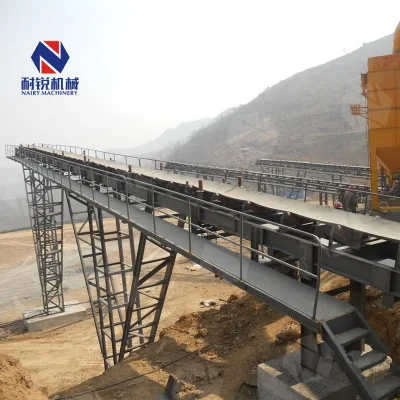
These belts are widely used in mining transport, power plants, and construction works. They are also suitable for grain transport and chemical industry applications. The durable design supports heavy loads in energy and mining sectors. Their versatility allows them to handle various bulk materials, making them a reliable choice for industrial facilities requiring efficient and continuous material conveying solutions.
What customization options are available for patterned belts?
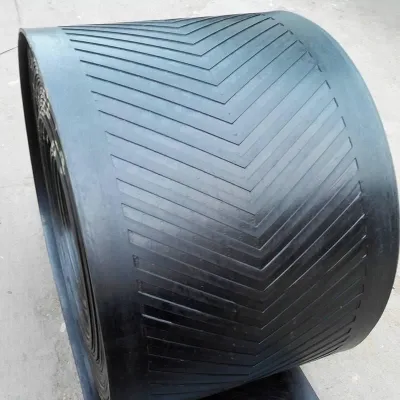
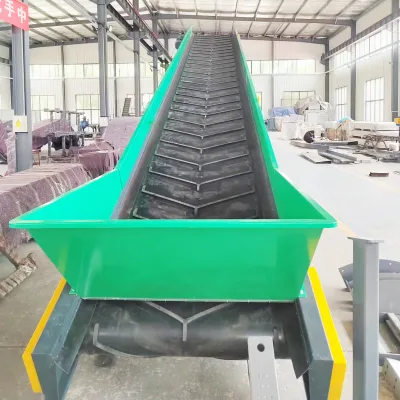
Patterned belts offer customizable pattern shapes and heights ranging from 5mm to 80mm. The tilt angle can be adjusted between 0 and 40 degrees for inclined transport. Buyers can request specific layer configurations, such as 1 or 2 layers. This flexibility allows for tailored solutions to prevent material slippage and ensure efficient upward transport of concrete or similar bulk materials.
How is the packaging and shipping handled for these belts?
Products are typically packed in general packaging or loaded directly into containers for shipping. The single package size often measures around 50x20x20 cm. This standardized packing method facilitates efficient logistics and storage. Buyers can expect secure packaging that protects the belt during transit, ensuring it arrives in new condition ready for immediate installation and operation in industrial settings.