Source Custom Color Tool Box for Basements, Workshops, and Travel
Explore 30 listings for Custom Color Tool Box options featuring iron, aluminum, and polyester materials. Buyers can compare waterproof, shockproof cases with OEM/ODM support, various sizes, and customized packaging for basements, workshops, and travel needs; compare the available evidence and request quotations based on your requirements.
Updated
Key considerations
Products List


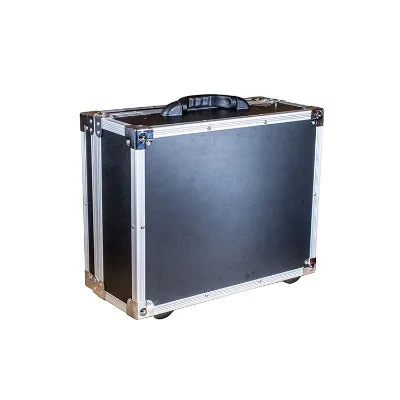


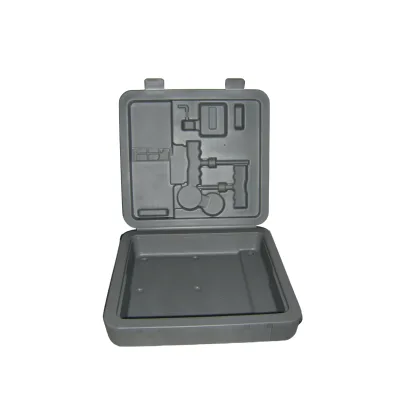
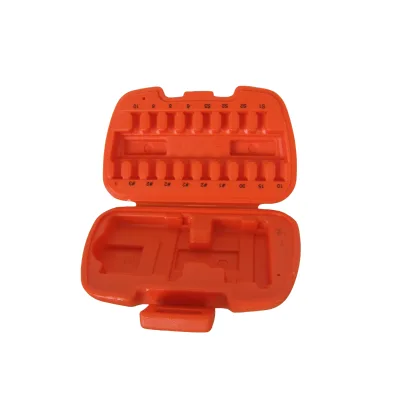
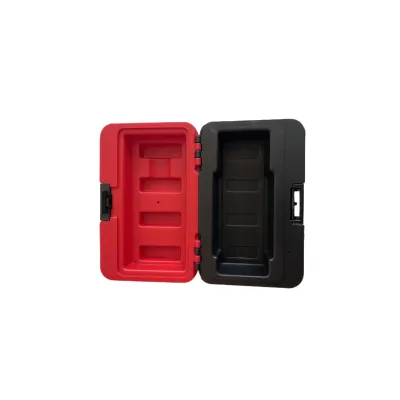
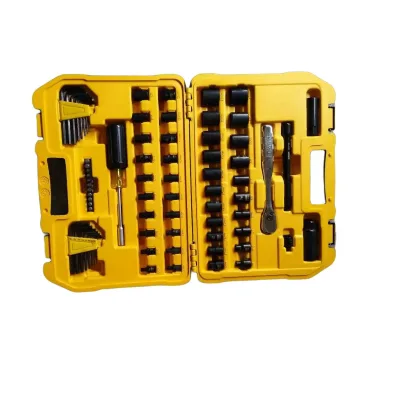
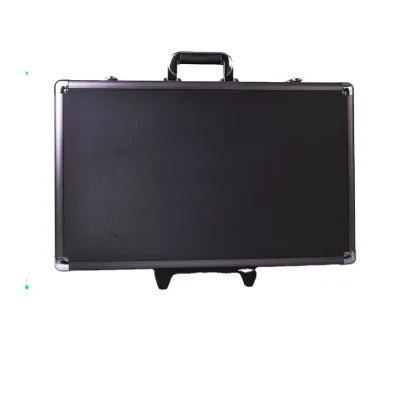
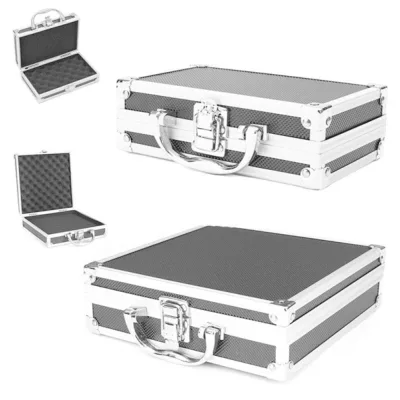

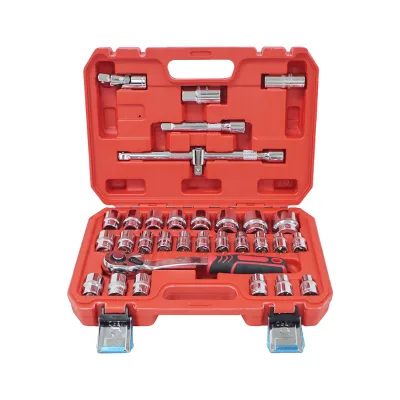
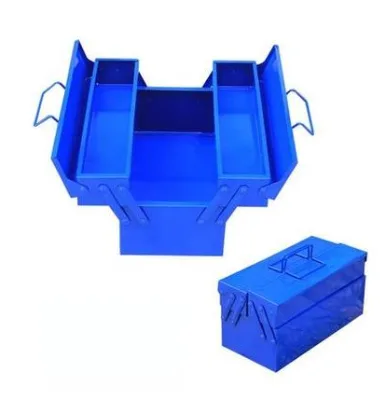


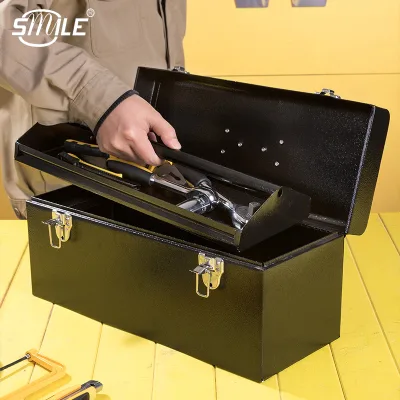
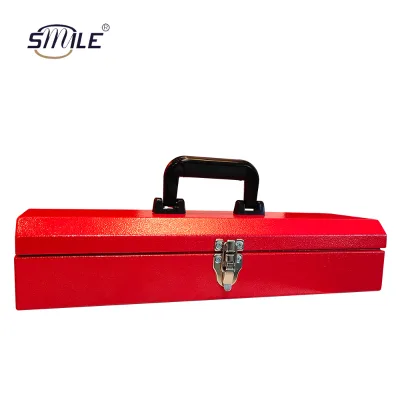
Comprehensive Sourcing Guide
Custom Color Tool Box Sourcing Guide
Sourcing custom color tool boxes requires a disciplined approach to balancing aesthetic branding with rugged utility. Buyers must first distinguish between the structural materials observed in the market, such as iron, aluminum, or polyester blends, as these dictate the final weight and durability profile. The presence of OEM and ODM support indicates that manufacturers are equipped to handle bespoke branding requests, allowing companies to imprint logos or select specific color palettes that align with their corporate identity. This customization capability is critical for businesses seeking to differentiate their equipment in competitive industrial or consumer markets.
Procurement teams should also evaluate the functional attributes that accompany these aesthetic choices. Many listed units feature waterproof and shockproof designs, often utilizing EVA veneer linings to protect sensitive instruments from impact and moisture. The variety of styles, ranging from hand-held to wheeled configurations, suggests that buyers need to match the case type to the specific transport needs of their tools. Understanding these physical characteristics ensures that the selected tool box not only looks professional but also performs reliably under the demanding conditions of field service or warehouse logistics.
Product Scope and Observed Listing Signals
The current market landscape for custom color tool boxes reveals a diverse array of product types, including aluminum frame cases, metal boxes, and polyester-lined containers. Listings indicate a wide range of sizes, from mini capacity units to larger models with dimensions such as 65"x43"x18", catering to both small handheld tools and extensive professional kits. The observed price range of 0.1 to 208.34 USD reflects this variability, driven by material costs, complexity of customization, and order volume. Buyers should note that the minimum order quantity (MOQ) typically spans from 1 to 500 units, offering flexibility for both prototype testing and bulk procurement.
Visual and structural signals in product listings often highlight key features like aluminum profiles, MDF panels, and plastic core locks. These components suggest a focus on durability and secure closure mechanisms, which are essential for protecting valuable equipment. The availability of customized colors and logo printing services further emphasizes the market's shift toward branded solutions. Procurement specialists should carefully review the specific model numbers and specifications provided, such as Jy-T01 through Jy-T13, to ensure that the selected item meets the precise dimensional and functional requirements of their inventory management systems.
Technical Specifications to Verify
When evaluating technical specifications, buyers must prioritize the material composition and structural integrity of the tool box. Common materials observed include iron, aluminum, and polyester, each offering distinct advantages in terms of weight, corrosion resistance, and cost. It is essential to verify the exact dimensions, such as length, width, and depth, to ensure compatibility with existing storage racks or transport vehicles. The presence of features like waterproofing and shockproofing should be confirmed through detailed product descriptions, as these attributes are critical for maintaining the longevity of the contents in harsh environments.
Additionally, the internal configuration and accessory options play a significant role in the overall utility of the tool box. Buyers should inquire about the lining material, such as EVA veneer, and the type of locking mechanisms, such as plastic core locks, to assess security and protection levels. The option for customized interiors allows for tailored organization of tools, enhancing workflow efficiency. It is also important to check the gross weight and bearing capacity, ensuring that the case can withstand the intended load without compromising structural stability during transit or daily use.
Compliance and Safety Documentation
Compliance with international standards is a non-negotiable aspect of sourcing custom color tool boxes, particularly for industries with strict regulatory requirements. Buyers should verify that suppliers hold relevant certifications, such as CE, SGS, and RoHS, which indicate adherence to safety, environmental, and quality management standards. These certifications provide assurance that the materials used, including paints and plastics, meet specific health and environmental criteria. Procurement teams must request up-to-date certification documents from suppliers to ensure ongoing compliance and mitigate risks associated with non-conforming products.
Beyond certifications, buyers should also consider the packaging standards and shipping protocols employed by the supplier. The use of carton or pallet packaging can impact the protection of the tool boxes during transit, especially for large or heavy items. It is advisable to confirm that the packaging meets international shipping regulations to prevent damage and ensure safe delivery. Additionally, verifying the origin of the products, such as Guangdong or Jiangsu in China, can help buyers assess the supply chain reliability and potential logistical challenges associated with international trade.
Cost Drivers and Commercial Terms
Several factors influence the total cost of custom color tool boxes, including material selection, customization complexity, and order volume. Aluminum and iron frames typically command higher prices due to their durability and weight, while polyester options may offer a more budget-friendly alternative. The extent of customization, such as specific color matching, logo printing, and interior modifications, also adds to the overall cost. Buyers should negotiate clear commercial terms that outline the pricing structure, payment methods, and any additional fees for tooling or setup, ensuring transparency in the procurement process.
Lead times and minimum order quantities are critical commercial terms that affect inventory planning and cash flow. Suppliers may offer varying MOQs, ranging from single units for sampling to bulk orders for mass production, which can impact the unit price. It is essential to establish realistic lead times for production and shipping, considering potential delays due to customization or supply chain disruptions. Buyers should also clarify the warranty terms and return policies to protect against defects or non-conformities, ensuring that the investment in custom tool boxes is safeguarded.
Supplier Qualification and Quality Control
Qualifying suppliers for custom color tool boxes requires a thorough assessment of their manufacturing capabilities and quality control processes. Buyers should verify the supplier's experience in OEM and ODM production, as this indicates their ability to handle bespoke orders with precision. It is advisable to request samples to evaluate the finish, durability, and functionality of the tool boxes before committing to large orders. Additionally, checking the supplier's production capacity and facility conditions can provide insights into their ability to meet volume requirements and maintain consistent quality standards.
Implementing a robust quality control plan is essential to ensure that the delivered products meet the specified requirements. Buyers should define clear acceptance criteria, including dimensional tolerances, material specifications, and cosmetic standards, and communicate these to the supplier. Conducting pre-shipment inspections or hiring third-party inspection services can help identify and rectify any issues before the goods are dispatched. Establishing a feedback loop for continuous improvement allows buyers to address recurring problems and strengthen the supplier relationship over time.
Long-Term Procurement Checks
Long-term procurement success with custom color tool boxes depends on regular performance reviews and relationship management. Buyers should monitor key performance indicators, such as on-time delivery rates, defect rates, and responsiveness to issues, to assess supplier reliability. Regular communication with the supplier can help address any emerging challenges and ensure that both parties remain aligned on quality and service expectations. Building a strong partnership with a reliable supplier can lead to better pricing, priority production, and improved support for future customization needs.
As market trends and regulatory requirements evolve, buyers must stay informed about changes that may impact their sourcing strategy. This includes keeping abreast of new materials, technologies, and compliance standards that could affect the design and production of custom color tool boxes. Periodically reviewing the supplier base and exploring alternative sources can help mitigate risks and ensure competitive pricing. By maintaining a proactive approach to procurement, buyers can secure a steady supply of high-quality custom tool boxes that meet their evolving business needs.
FAQs
Can custom color tool boxes be manufactured with OEM or ODM support?
Yes, custom color tool boxes are available with full OEM and ODM support. Buyers can request customized logos, specific aluminum profiles, and tailored panel materials such as aluminum combined with MDF. This flexibility allows brands to create unique packaging solutions that align with their identity while maintaining structural integrity and professional appearance.
What materials are used for Custom Color Tool Box construction?
Custom color tool boxes are typically constructed from iron, aluminum, or metal frames. The panels often combine aluminum with MDF for durability. Internal linings may use EVA veneer for shock protection. Some variants also feature polyester components. These materials ensure the cases are waterproof, shockproof, and suitable for protecting sensitive equipment during transport.
What certifications apply to Custom Color Tool Box products?
Custom color tool boxes may comply with CE, SGS, and RoHS standards. These certifications indicate adherence to safety and environmental regulations. Buyers should verify specific product listings for the exact standard applied. Compliance ensures the products meet international quality requirements for materials and manufacturing processes, providing assurance for global distribution and usage.
What are the typical dimensions for a Custom Color Tool Box?
Typical dimensions include a length of 1651mm, width of 1092.2mm, and depth of 457.2mm. Other sizes like 65x43x18 inches are also available. Models range from mini to medium capacity. Buyers can choose from various model numbers such as Jy-T01 through Jy-T13. Custom specifications are available to fit specific equipment requirements.
Where are custom color tool boxes manufactured?
Custom color tool boxes are primarily manufactured in Guangdong and Jiangsu, China. These regions are known for robust manufacturing capabilities in metal and aluminum cases. Buyers can source products directly from these origins. The location ensures efficient logistics and access to specialized suppliers offering both standard and customized packaging solutions for industrial and commercial use.
What packaging options are available for custom color tool boxes?
Packaging options include standard shipping packaging, carton boxes, or palletized arrangements. Buyers can choose customized packing methods to suit their logistics needs. The cases themselves are designed for durability, often featuring plastic core locks and handles. Proper packaging ensures the tool boxes arrive in perfect condition, protecting both the case and its contents during transit.