Source Customized Color Roller Coaster Lights for parks, malls, resorts
Compare 25 listings for Customized Color Roller Coaster Lights designed for amusement parks, shopping malls, and resorts. These units feature metal and fiberglass construction with customizable colors and lighting options for commercial venues; compare the available evidence and request quotations based on your requirements.
Updated
Key considerations
Products List
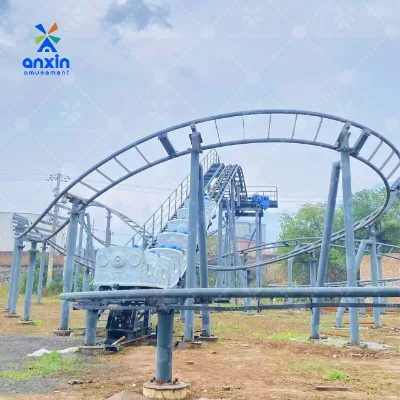
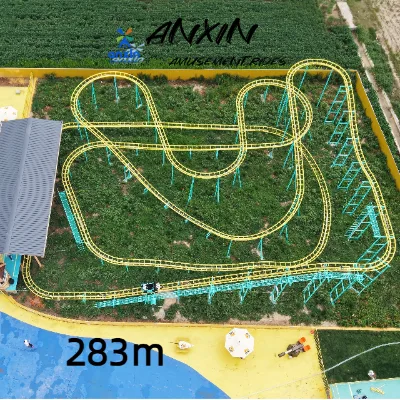
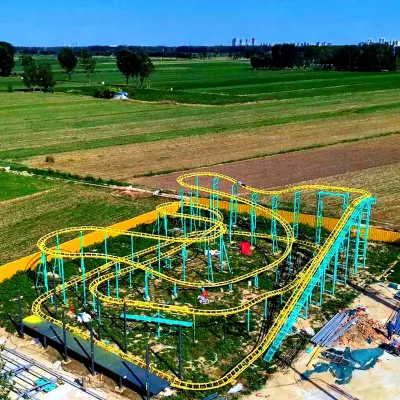
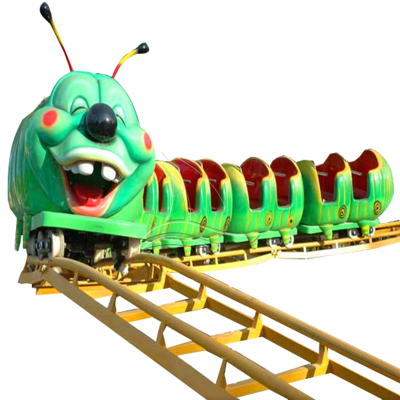
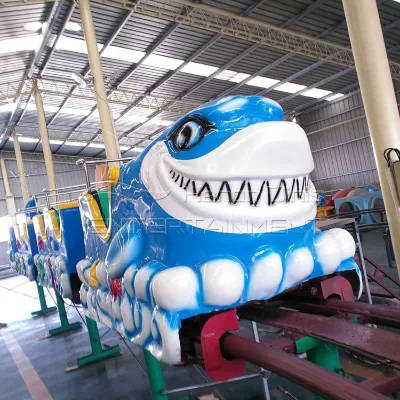
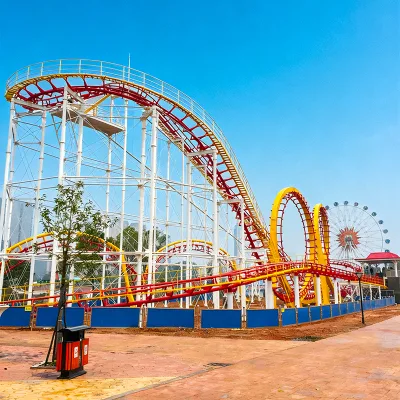
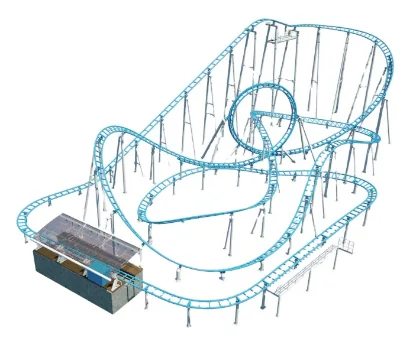
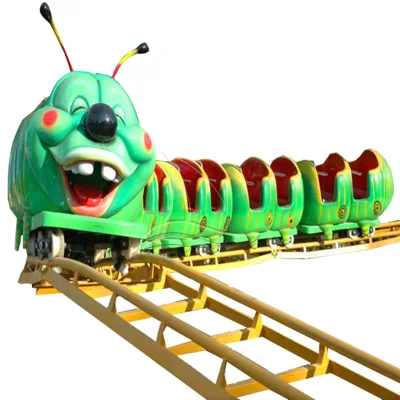
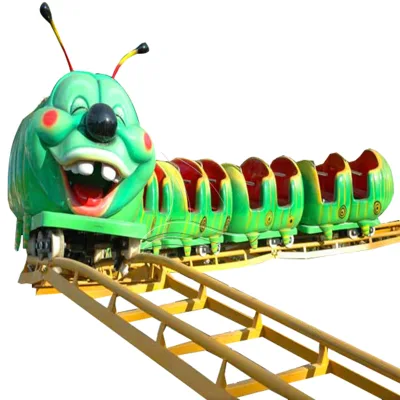
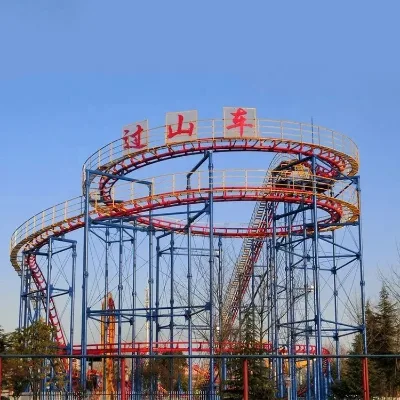
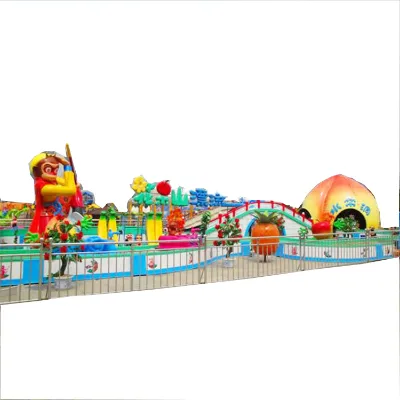
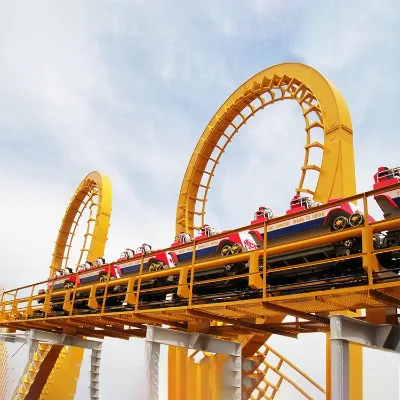
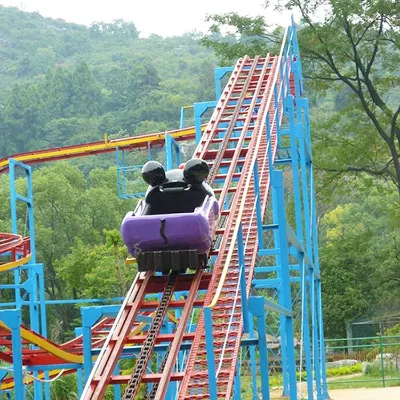
Happy Kids Game Amusement Park Ride Thrilling Roller Coaster for Sale
$73449.8458 - $77587.8653
MOQ: 1 sets
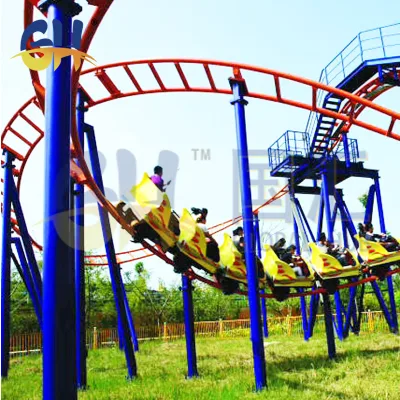


Theme Park Rides Children Adult Roller Coasters with Amusement Park Ride
$5000.00 - $29500.00
MOQ: 1 Sets


Children Theme Park Changeable Track Space Shuttle Ride Mini Roller Coaster
$9000.00 - $19500.00
MOQ: 1 Sets
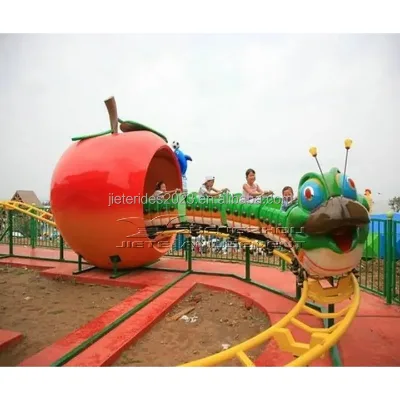
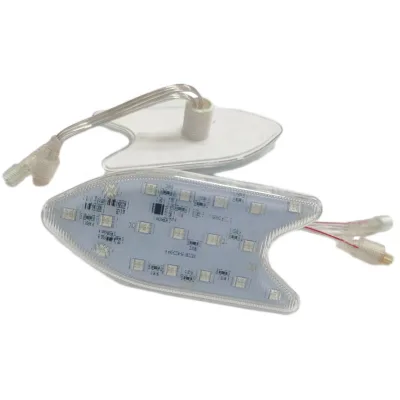
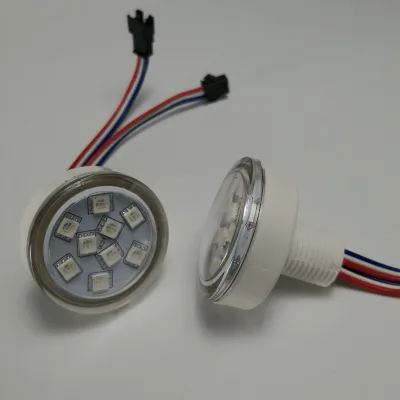
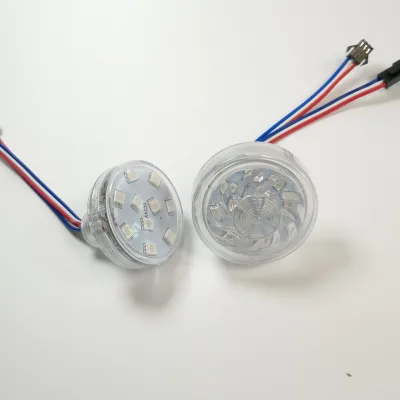
Comprehensive Sourcing Guide
Customized Color Roller Coaster Lights Sourcing Guide
Procuring amusement rides with specific aesthetic requirements demands a rigorous evaluation of both structural integrity and visual customization capabilities. Buyers must recognize that "customized color" is not merely a cosmetic preference but a critical component of brand identity and park theming. The supplied data indicates that manufacturers like Anxin and Dinis offer extensive color palettes, including yellow, pink, white, green, red, black, and metallic shades. This variety allows operators to align ride aesthetics with specific marketing campaigns or seasonal themes. However, the customization process involves complex material interactions, particularly when dealing with fiberglass and steel components that require durable, weather-resistant coatings.
Beyond aesthetics, the integration of lighting features adds a layer of technical complexity to the procurement process. Several listed models, such as the 283mi and D-R01 variants, explicitly mention features like "with light," indicating that illumination is often embedded within the carriage or track design. These lighting systems must be compatible with the ride’s electrical infrastructure, which typically operates at 380V. Buyers need to ensure that the lighting components do not compromise the structural safety or electrical load capacity of the unit. The interplay between custom colors and integrated lighting creates a unique visual experience, but it requires precise coordination between the design team and the engineering specifications to avoid conflicts in power distribution or heat management.
Product Scope and Observed Listing Signals
The current market for roller coasters exhibits a wide range of configurations, from small family trains to larger shark-themed units. Observed listings reveal model numbers such as 16 seats, 283mi, D-R01, and DRC-18, each catering to different capacity and spatial requirements. The DRC-18 Shark Roller Coaster, for instance, specifies a capacity of 18 passengers and requires an area of 25x17 meters, while other models offer customizable sizes up to 16x24 meters. This variability means that buyers must first define their spatial constraints and passenger volume needs before engaging with suppliers. The presence of both "Outdoor/Indoor" and specific "Outdoor" keywords suggests that some units are versatile, while others are strictly designed for external environments, impacting material selection and durability requirements.
Material composition is another critical signal observed in the product data, with listings frequently citing metal, fiberglass, steel, and FRP+steel combinations. These materials are chosen for their strength and ability to hold custom paint finishes, which is essential for maintaining the integrity of customized colors over time. The allowance for passenger weights exceeding 500kg and capacities greater than 10 indicates that these are robust commercial-grade units. Buyers should note that the "Inflatable: No" attribute confirms these are rigid structures, requiring careful foundation planning. The diversity in supply abilities, such as 20 pieces per month for certain brands, suggests that lead times may vary significantly, necessitating early engagement with suppliers to secure production slots for large-scale park developments.
Technical Specifications to Verify
Electrical and power specifications are paramount when sourcing rides with integrated lighting and custom finishes. The observed voltage of 380V and power ratings ranging from 5kw to 6kw (or 8-13 kw/h in some contexts) indicate substantial energy requirements. Buyers must verify that their site’s electrical infrastructure can support these loads, especially when multiple units are installed. The speed specifications, noted as 8-13 kw/h, likely refer to operational metrics that affect ride dynamics and energy consumption. It is crucial to confirm whether these figures represent motor power or operational speed, as this distinction impacts the overall energy budget and cooling requirements for the ride’s mechanical systems.
Structural dimensions and carriage configurations also require strict verification to ensure compatibility with the intended installation site. Models like the DRC-18 specify a track size of 12x24 meters and an area size of 25x17 meters, while others offer fully customized dimensions. Buyers must ensure that the chosen model fits within their allocated space, accounting for safety zones and access paths. The number of carriages, such as the five-carriage configuration mentioned, affects throughput and passenger flow. Additionally, the use of FRP (Fiberglass Reinforced Plastic) for parts requires specific packaging details, such as wooden cases, to prevent damage during transit. Verifying these technical details early prevents costly modifications during the installation phase.
Compliance and Safety Documentation
Safety certifications are non-negotiable for amusement park equipment, and the presence of CE certificates in the supplied data provides a baseline for regulatory compliance. Buyers must ensure that the specific model they select carries valid certification for their target market, as standards vary between regions. The CE mark indicates adherence to European safety directives, which is often a benchmark for global quality. However, buyers should request detailed test reports and structural analysis documents to verify that the ride meets local safety codes, particularly regarding load-bearing capacities and emergency stop mechanisms. The warranty periods, typically listed as 12 months or 1 year, offer some protection but do not replace the need for rigorous pre-delivery inspections.
Documentation regarding material safety and electrical compliance is equally important, especially for rides with custom colors and lighting. Buyers should request Material Safety Data Sheets (MSDS) for the fiberglass and steel components to ensure they are free from harmful substances. For the lighting systems, verification of IP ratings for water and dust resistance is essential, particularly for outdoor installations. The packaging details, which include bubble plastic and wooden cases, suggest that manufacturers are aware of transit risks, but buyers should still inspect for damage upon arrival. Ensuring that all documentation is complete and valid before payment is released helps mitigate legal and operational risks associated with non-compliant equipment.
Cost Drivers and Commercial Terms
The price range for these roller coasters is extensive, observed from $2.69 to $230,000, reflecting the vast differences in scale, complexity, and customization. Lower-end prices may correspond to smaller, simpler units or partial components, while higher prices reflect full-scale installations with advanced features like integrated lighting and custom color schemes. Buyers must understand that "customized color" and "OEM Accepted" attributes often incur additional costs due to the specialized labor and materials required. The minimum order quantity (MOQ) ranges from 1 to 50 sets, indicating that suppliers are flexible but may offer better pricing for bulk orders. Understanding the cost breakdown helps buyers budget accurately and avoid unexpected expenses during the procurement process.
Shipping and logistics are significant cost drivers, with options including express, air, and sea freight. The ports of dispatch, such as Qingdao, Ningbo, Tianjin, and Shanghai, suggest that most suppliers are located in China, specifically in regions like Henan. Sea freight is likely the most cost-effective option for large units, but it requires careful planning to manage lead times and storage costs. The supply ability of 20 pieces per month for some brands indicates that production capacity is limited, which can impact pricing and availability. Buyers should negotiate clear terms regarding delivery schedules, insurance, and responsibility for customs clearance to ensure a smooth transaction and avoid hidden costs that can erode the initial price advantage.
Supplier Qualification and Quality Control
Evaluating supplier qualifications is essential to ensure that the manufacturer can deliver on promises of customization and quality. Buyers should verify the company’s history, production facilities, and past project portfolios to assess their capability to handle complex orders. The mention of brands like Anxin and Dinis provides starting points for due diligence, but buyers must confirm that these are the actual manufacturers and not trading companies. Checking for relevant business licenses and export qualifications is crucial, especially when dealing with international shipments. Suppliers who accept OEM designs demonstrate flexibility, but buyers must ensure that the supplier has the engineering expertise to translate custom designs into safe, functional products.
Quality control processes should be clearly defined and agreed upon before production begins. Buyers should request details on the manufacturing standards, inspection protocols, and testing procedures used by the supplier. The use of specific packaging methods, such as wooden cases for FRP parts, indicates a level of care in handling delicate components. Buyers may consider hiring third-party inspection agencies to conduct pre-shipment inspections, verifying that the custom colors match the agreed samples and that the lighting systems function correctly. Establishing a clear communication channel with the supplier’s technical team ensures that any issues are addressed promptly. A robust quality control strategy minimizes the risk of receiving defective or non-compliant equipment, protecting the buyer’s investment and reputation.
Long-Term Procurement Checks
Post-purchase support and maintenance planning are critical for the long-term success of any amusement ride investment. Buyers should inquire about the availability of spare parts, particularly for custom-colored components and lighting systems, which may be harder to replace if damaged. The 12-month warranty provides initial coverage, but buyers should explore extended warranty options or service contracts for ongoing support. Understanding the maintenance requirements for fiberglass and steel structures, including cleaning and repainting schedules, helps in planning operational costs. Suppliers who offer comprehensive training and technical support can significantly reduce downtime and extend the lifespan of the equipment.
Continuous monitoring of supplier performance and market trends is also important for future procurement decisions. Buyers should maintain records of delivery times, product quality, and after-sales service responsiveness to inform future purchases. As technology evolves, newer models with improved energy efficiency or enhanced safety features may become available. Staying informed about industry developments allows buyers to make strategic decisions about upgrades or expansions. Additionally, building a strong relationship with the supplier can lead to better pricing and priority service in the future. By focusing on long-term partnership rather than just transactional purchases, buyers can ensure a sustainable and profitable operation for their amusement park or playground.
FAQs
Can Customized Color Roller Coaster Lights be used in commercial shopping malls?
Yes, these rides are suitable for commercial shopping malls and amusement parks. The product specifications list occasions including commercial centers, resorts, and schools. The design accepts OEM customization, allowing the lighting and colors to match specific venue themes while ensuring safety for over ten passengers.
What materials are used for Customized Color Roller Coaster Lights?
The structures typically utilize metal, fiberglass, and steel for durability. Some models combine FRP with steel to withstand outdoor conditions. These robust materials support the track and carriages, ensuring the ride remains stable and safe for high-capacity usage in various environments like theme parks or residential areas.
What is the MOQ for ordering Customized Color Roller Coaster Lights?
The minimum order quantity is one set. Buyers can start with a single unit for testing or initial deployment. This low MOQ allows smaller operators to enter the market easily. The supplier accepts OEM designs, meaning even single orders can be tailored to specific color and lighting requirements.
How are Customized Color Roller Coaster Lights packaged for shipping?
FRP parts are packed in wooden cases, while other components use bubble plastic. The entire set is then loaded into a container or packed as required. This method protects the customized colors and lights during transit via express, air, or sea freight from ports like Qingdao or Shanghai.
What certifications do Customized Color Roller Coaster Lights have?
The products hold CE certificates, ensuring compliance with European safety standards. This certification is crucial for international buyers in resorts and theme parks. The manufacturing process in China adheres to these regulations, providing buyers with confidence in the structural integrity and electrical safety of the lighting systems.
What is the warranty period for Customized Color Roller Coaster Lights?
The standard warranty is one year or twelve months. This coverage applies to the structural components and electrical systems, including the lights. Buyers receive support for defects during this period. The supplier offers a supply ability of twenty pieces per month, ensuring consistent quality control and after-sales service availability.