Source Customized Color Polymer Products for Home, Car, and Electronic
Find 30 listings for Customized Color Polymer Products suitable for home appliances, automotive, and electronic hardware. Buyers can compare specifications, certifications, and pricing to select the right molded components for their projects; compare the available evidence and request quotations based on your requirements.
Updated
Key considerations
Products List


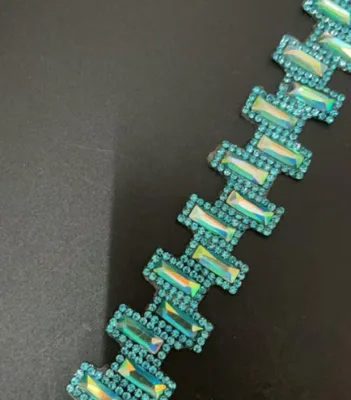


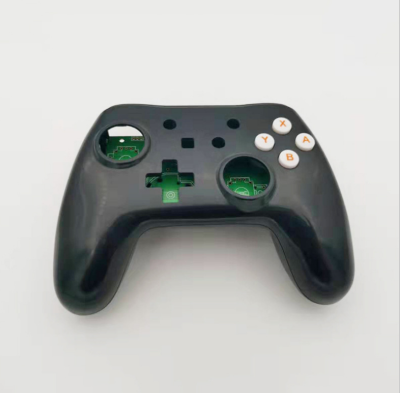
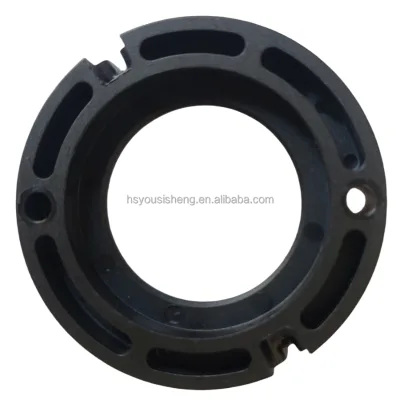
Customized Processing of Irregular Rubber Products
$22.00 - $25.00
MOQ: 200 meters
Hengshui Yousisheng Rubber And Plastic Products Trade Co., Ltd.
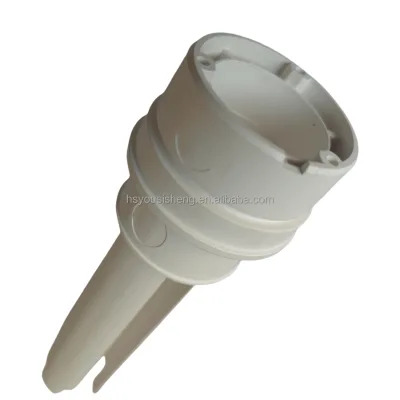
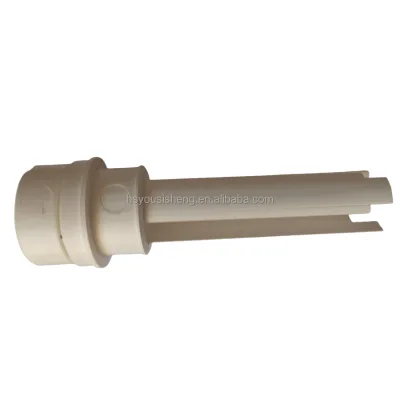
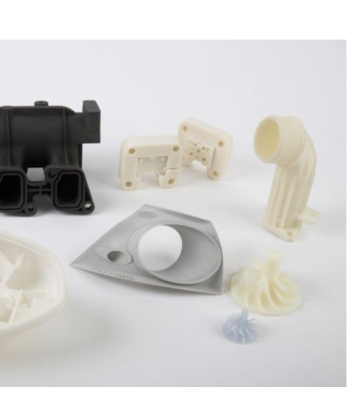
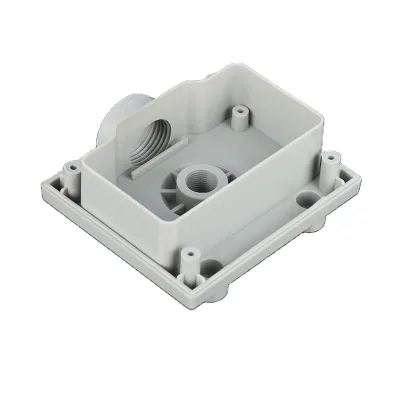
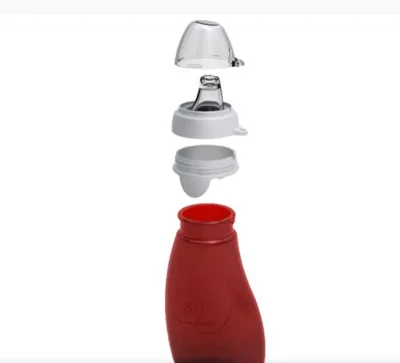


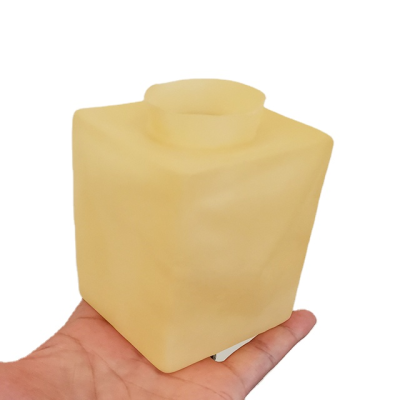


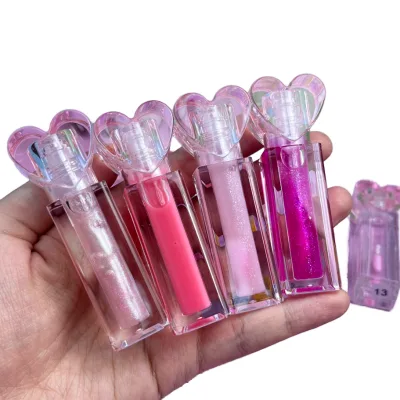
Injection Molding Products Injection Mold Factory Plastic Product Manufacturer
$0.50 - $2.00
MOQ: 1000 pieces



Comprehensive Sourcing Guide
Customized Color Polymer Products Sourcing Guide
Sourcing Customized Color Polymer Products requires a strategic approach that balances aesthetic precision with functional durability. Buyers must recognize that these components often serve as critical interface points in home appliances, automotive assemblies, and electronic hardware. The availability of multi-control switches and change-over switches indicates a demand for reliable electrical connectivity within consumer devices. Procurement teams should prioritize suppliers who demonstrate expertise in both material science and mold engineering, as the final product’s performance depends heavily on the integration of these elements.
The market offers a wide spectrum of customization options, including specific color palettes such as red, black, green, aqua, and blue. This variety allows brands to maintain consistent visual identity across their product lines while meeting diverse user preferences. However, the complexity of achieving uniform coloration across large production runs necessitates rigorous quality control protocols. Buyers should evaluate potential partners based on their ability to manage color consistency and material stability under varying environmental conditions, ensuring that the final output meets both aesthetic and operational standards.
Product Scope and Observed Listing Signals
The observed product landscape reveals a diverse range of polymer applications, primarily focused on household appliances, electronics, and automotive components. Listings indicate the presence of flat-type switches and multi-cavity molds, suggesting a high-volume manufacturing capability. The material composition frequently includes PET, PVC, and HDPE, each offering distinct mechanical and chemical properties suitable for different end-use environments. Buyers should note that the term "rubber molded products" often overlaps with plastic injection molding, requiring careful clarification of the exact material formulation during initial supplier inquiries.
Commercial signals highlight significant variability in production scales, with minimum order quantities ranging from single units to one hundred thousand pieces. This flexibility accommodates both prototyping phases and mass production requirements. The observed price range spans from minimal entry-level costs to substantial investments for complex tooling, reflecting the disparity between simple commodity parts and highly engineered components. Procurement specialists must align their budget expectations with the specific technical demands of their project, understanding that higher customization levels and stricter tolerances will inevitably influence the final unit cost.
Technical Specifications to Verify
Technical verification begins with confirming the manufacturing processes, particularly pressing forming molds and injection molding techniques. Buyers must ensure that the supplier utilizes appropriate design software, such as UG, to create precise mold geometries that align with product requirements. The working temperature range of negative sixty to two hundred degrees Celsius is a critical parameter for applications exposed to thermal stress. Verifying this specification ensures that the polymer products will maintain structural integrity and functional performance under extreme operational conditions without degradation or failure.
Mold life and runner systems are equally important technical considerations. Suppliers should provide data on mold longevity, with observed ranges extending up to one million cycles, indicating robust tooling construction. The use of hot runner systems can enhance production efficiency and reduce material waste, offering a competitive advantage in high-volume scenarios. Additionally, surface treatments such as polishing contribute to the final product’s aesthetic appeal and tactile quality. Buyers should request detailed technical drawings and material data sheets to validate these specifications before committing to large-scale production orders.
Compliance and Safety Documentation
Regulatory compliance is non-negotiable for polymer products intended for global markets. Buyers must verify that suppliers hold relevant certifications, including CE, RoHS, UL, FDA, and REACH, which attest to safety and environmental standards. These certifications are particularly crucial for products used in household appliances and food-contact applications, where material safety is paramount. The presence of ISO certifications further indicates a supplier’s commitment to standardized quality management systems, reducing the risk of production inconsistencies and non-compliant outputs.
Documentation should also include detailed material safety data sheets and test reports for specific chemical compositions. Buyers should confirm that the polymers used do not contain restricted substances that could violate international trade regulations. The TSCA certification is another critical document for products entering the United States market, ensuring compliance with toxic substance control laws. Procurement teams must maintain a comprehensive audit trail of all compliance documents, as these records are essential for customs clearance and liability protection in the event of product recalls or regulatory audits.
Cost Drivers and Commercial Terms
Several factors influence the total cost of Customized Color Polymer Products, with mold design and material selection being primary drivers. Complex geometries and multi-cavity molds require significant upfront investment in tooling, which can be amortized over larger production volumes. Buyers should negotiate clear terms regarding mold ownership and maintenance responsibilities to avoid unexpected costs during the production lifecycle. Additionally, the choice of plastic material, such as PVC or HDPE, directly impacts unit pricing due to fluctuations in raw material markets.
Commercial terms also encompass packaging and logistics considerations. Observed packaging methods include protective bags, steel boxes, and other specialized containers designed to prevent damage during transit. Buyers should assess the cost implications of different packaging options, balancing protection needs with shipping efficiency. Warranty periods, often cited as five years for certain components, provide a layer of financial security against premature failures. Understanding these cost drivers enables procurement teams to develop accurate total cost of ownership models and negotiate favorable payment terms with suppliers.
Supplier Qualification and Quality Control
Supplier qualification requires a thorough assessment of manufacturing capabilities and quality control systems. Buyers should verify the supplier’s experience with specific materials and processes, such as compound die combinations and polishing surface finishes. On-site audits can reveal the condition of machinery, the expertise of engineering staff, and the effectiveness of quality assurance protocols. Suppliers with a proven track record in producing injection plastic products for reputable brands are generally more reliable partners for long-term procurement relationships.
Quality control measures should include rigorous incoming material inspections, in-process monitoring, and final product testing. Buyers should request samples for initial evaluation to assess color accuracy, dimensional tolerance, and mechanical strength. Establishing clear acceptance criteria and inspection protocols helps minimize the risk of receiving non-conforming goods. Additionally, suppliers should provide detailed reports on mold life and maintenance schedules, ensuring that tooling remains in optimal condition throughout the production run. Regular communication and feedback loops are essential for maintaining consistent quality standards.
Long-Term Procurement Checks
Long-term procurement success depends on continuous monitoring of supplier performance and market dynamics. Buyers should establish key performance indicators related to delivery times, defect rates, and responsiveness to design changes. Regular reviews of these metrics help identify potential issues before they escalate into significant supply chain disruptions. Maintaining open lines of communication with suppliers facilitates collaborative problem-solving and fosters a partnership approach to product development and improvement.
Adaptability to market changes is another critical factor for long-term procurement strategies. Buyers should stay informed about advancements in polymer materials and manufacturing technologies that could offer cost savings or performance improvements. Periodic re-evaluation of supplier contracts and pricing structures ensures that the procurement strategy remains competitive and aligned with business objectives. By proactively managing supplier relationships and staying attuned to industry trends, buyers can secure a reliable supply of Customized Color Polymer Products that meet their evolving needs.
FAQs
What certifications are available for Customized Color Polymer Products?
Certifications include CE, RoHS, UL, FDA, REACH, and Ts16949. These standards ensure compliance with international safety and environmental regulations. Buyers can verify specific documentation based on their regional requirements. The products also meet TSCustomized standards for quality assurance. This variety supports diverse industrial applications and regulatory needs.
Can Customized Color Polymer Products be used in home appliances?
Yes, these products are designed for home appliance applications. They function as control switches, change-over switches, and disconnectors. The material is suitable for household electrical appliances. The design supports multi-control switch functionality. This makes them ideal for integration into various consumer electronics and home devices.
What is the working temperature range for these polymer products?
The working temperature range is from -60°C to 200°C. This wide range ensures reliability in extreme conditions. The material maintains stability across this spectrum. It is suitable for environments with significant thermal fluctuations. This performance characteristic supports diverse industrial and commercial usage scenarios.
Which plastic materials are used for these customized products?
Materials include PET, PVC, and HDPE. These plastics offer different mechanical and chemical properties. PET provides strength and clarity. PVC offers flexibility and durability. HDPE ensures chemical resistance. The choice depends on specific application requirements and performance needs.
What is the mold life for these injection molded products?
The mold life ranges from 500,000 to 1,000,000 times. This indicates high durability and long-term production capability. The manufacturing process uses pressing forming molds. This lifespan supports large-scale manufacturing operations. It ensures consistent quality over extended production runs.
How are Customized Color Polymer Products packaged for shipment?
Packaging options include protective packages, bags, and steel boxes. These methods ensure safe transit and product integrity. The choice depends on order size and destination. Protective packaging minimizes damage risks. Steel boxes offer robust protection for bulk shipments. This flexibility supports various logistical requirements.