commercial eco-friendly pvc bounce house Suppliers and Manufacturers
Find 26 verified suppliers offering commercial eco-friendly pvc bounce house with CPC and CE certifications. Compare response times, lead times, and MOQs to source customized units from Guangdong or Henan factories. Contact suppliers directly to request samples; review the available evidence before requesting comparable quotations from suitable candidates.
Updated
Suppliers List
Guangzhou Aurora Amusement Equipment Co., Ltd.
- Verified by TüVRheinland
- Trading Company
- Lead time7 days
- Avg. response≤ 2h
Main productsSoft Play Equipments, Bounce House, Indoor Playground, Amusement Eqiupments, Inflatable Games
Main marketsNorth America(30%), Mid East(15%), Oceania(10%)
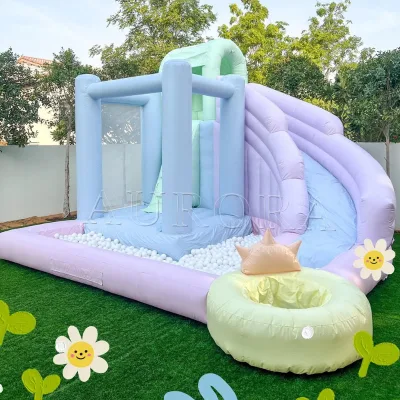
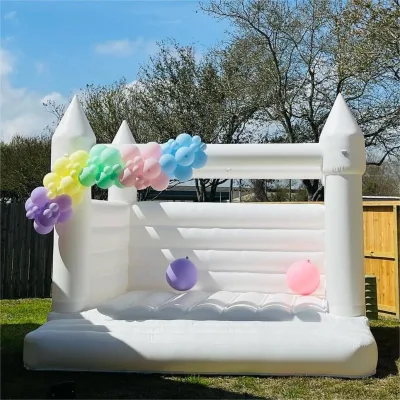
$203.2936 - $511.3123
MOQ: 1 pieces
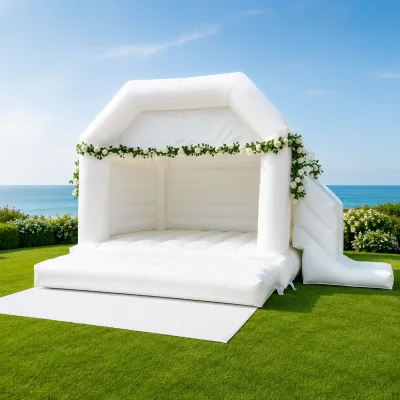
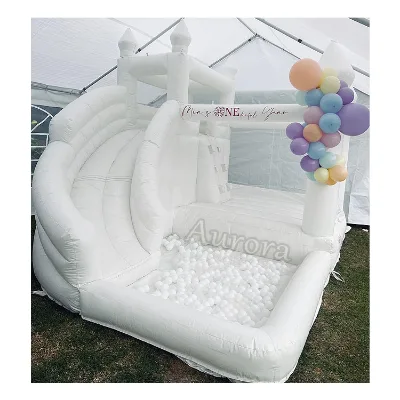
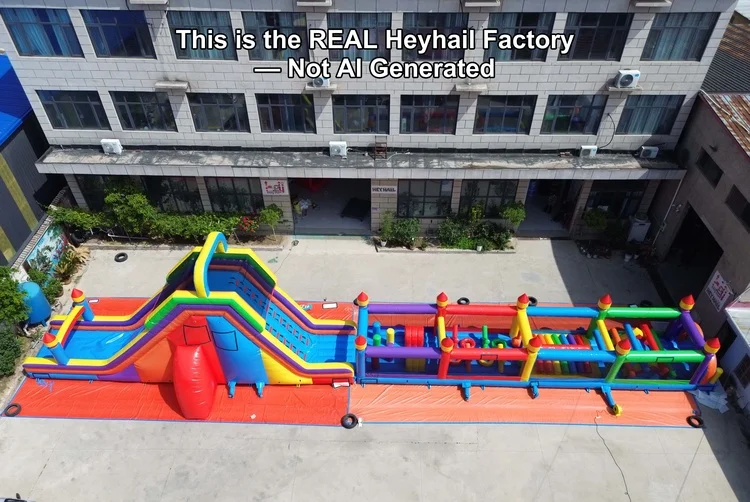
Zhengzhou Heyhail Inflatables Co., Ltd.
- Manufacturer, Trading Company
- Henan, China
- Lead time11 days
- Avg. response≤ 3h
Main productswater slide,wet dry combo,obstacle course,Regular bounce house,White bounce house
Main marketsNorth America(95.00%)

Guangzhou Barry Industrial Co., Ltd.
- Verified by CTI
- Combined
- China Guangdong
- Lead time15 days
- Avg. response≤ 1h
Main productsInflatable Water Park, Inflatable Sport Game, Inflatable Water Slide, Swimming Pool, Bouncy Castle, Inflatable Dock, Air Track, Inflatable Theme Park, Inflatable Tent, Inflatable Obstacle Course
Main marketsSouth America,Southeast Asia/ Mideast,East Asia(Japan/ South Korea),Domestic,Europe,Australia,North America


0.55mm PVC Inflatable Bouncer Jumping Castle Commercial Bounce House with Air Blower
$459.00 - $799.00
MOQ: 1 Pieces


Outdoor Commercial Bounce House with Backyard Water Slide for Sale Cheap Party
$459.00 - $799.00
MOQ: 1 Pieces


$499.00 - $1266.00
MOQ: 1 Pieces
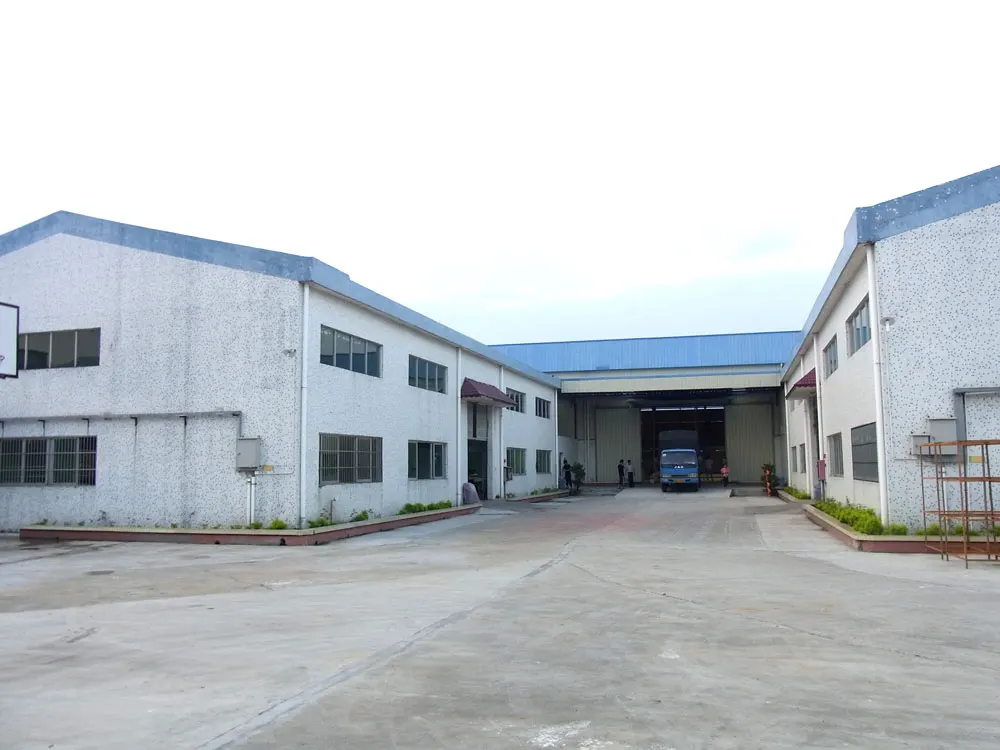
Guangzhou Hongli Amusement Equipment Ltd
- Manufacturer, Trading Company, Distributor/Wholesaler, Other
- Guangdong, China
- Lead time0 days
- Avg. response≤ 1h
Main productsinflatable park,inflatable water game,inflatable tent,advertising inflatable,inflatable slide
Main marketsNorth America(50.00%), Mid East(30.00%), Southern Europe(5.00%), Western Europe(5.00%), South America(5.00%), Eastern Europe(5.00%)
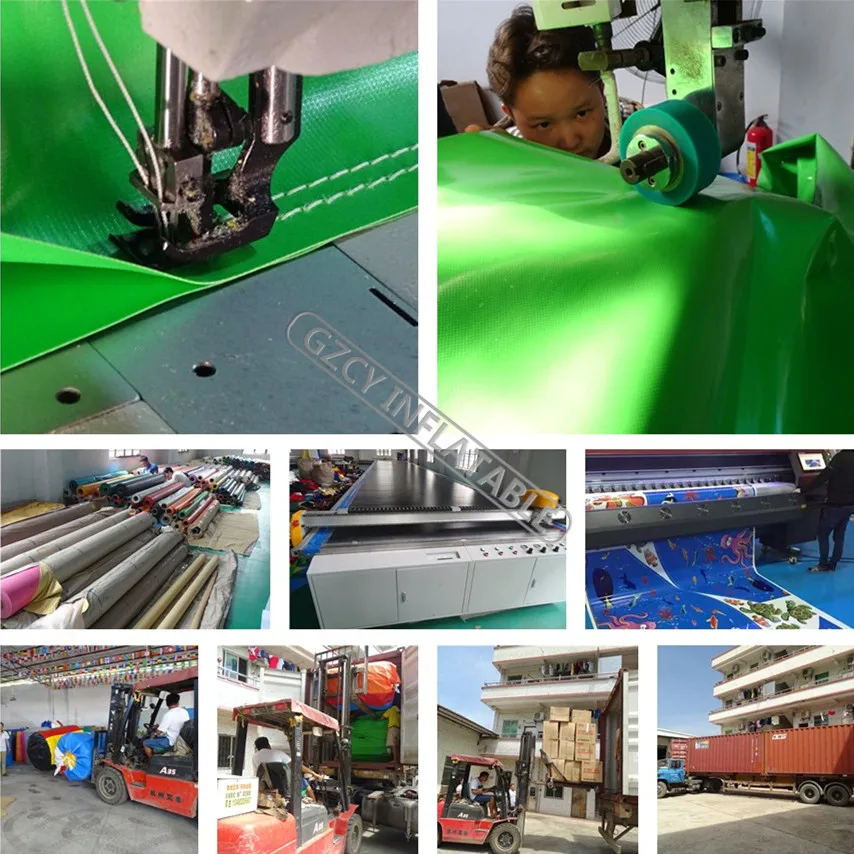
Guangzhou Caiyun Inflatable Products Co., Ltd.
- Manufacturer, Trading Company
- Guangdong, China
- Lead time10 days
- Avg. response≤ 3h
Main productsWater Park Games, Inflatable Slide, Inflatable Castle, Inflatable Tent, Customized Inflatables
Main marketsNorth America(10.00%), Western Europe(10.00%), Southern Europe(10.00%), Central America(10.00%), Northern Europe(10.00%), Eastern Europe(10.00%), Mid East(10.00%), Africa(7.00%), Eastern Asia(5.00%), South America(5.00%), Oceania(5.00%), Southeast Asia(5.00%), South Asia(3.00%)
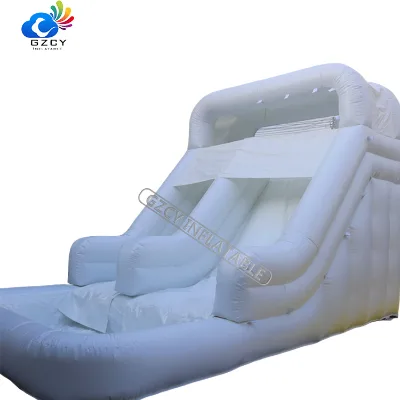
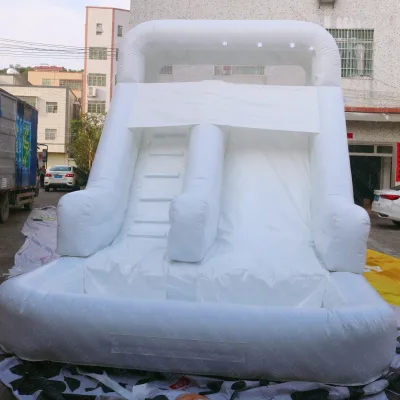
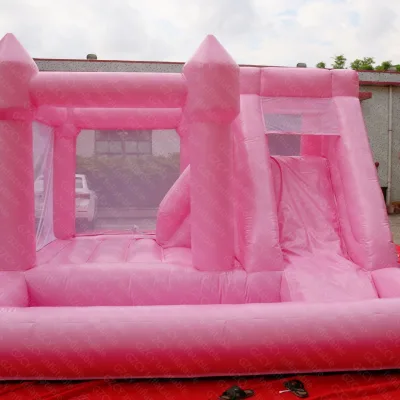
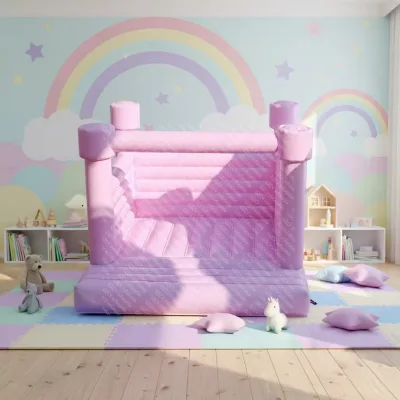
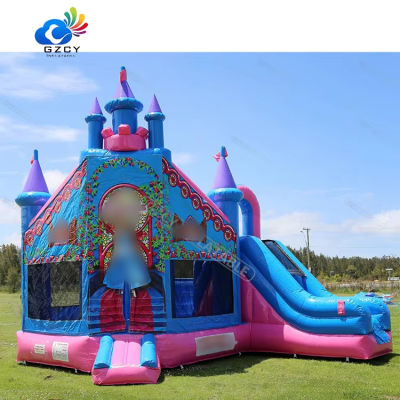
Commercial grade pvc bounce house inflatable bouncer white bounce house with ball pit for party
$355.00 - $785.00
MOQ: 1 pieces

Guangzhou Smart Sports Equipment Co., Ltd.
- Verified by SGS
- Trading Company
- China Guangdong
- Lead time30 days
- Avg. response≤ 3h
Main productsIndoor Playground, Outdoor Playground, Slide, Trampoline, Water Park Equipment, Climbing Equipment, Water Park Slide, Kindergarten Furniture, Toys, Kids Playground
Main marketsDomestic
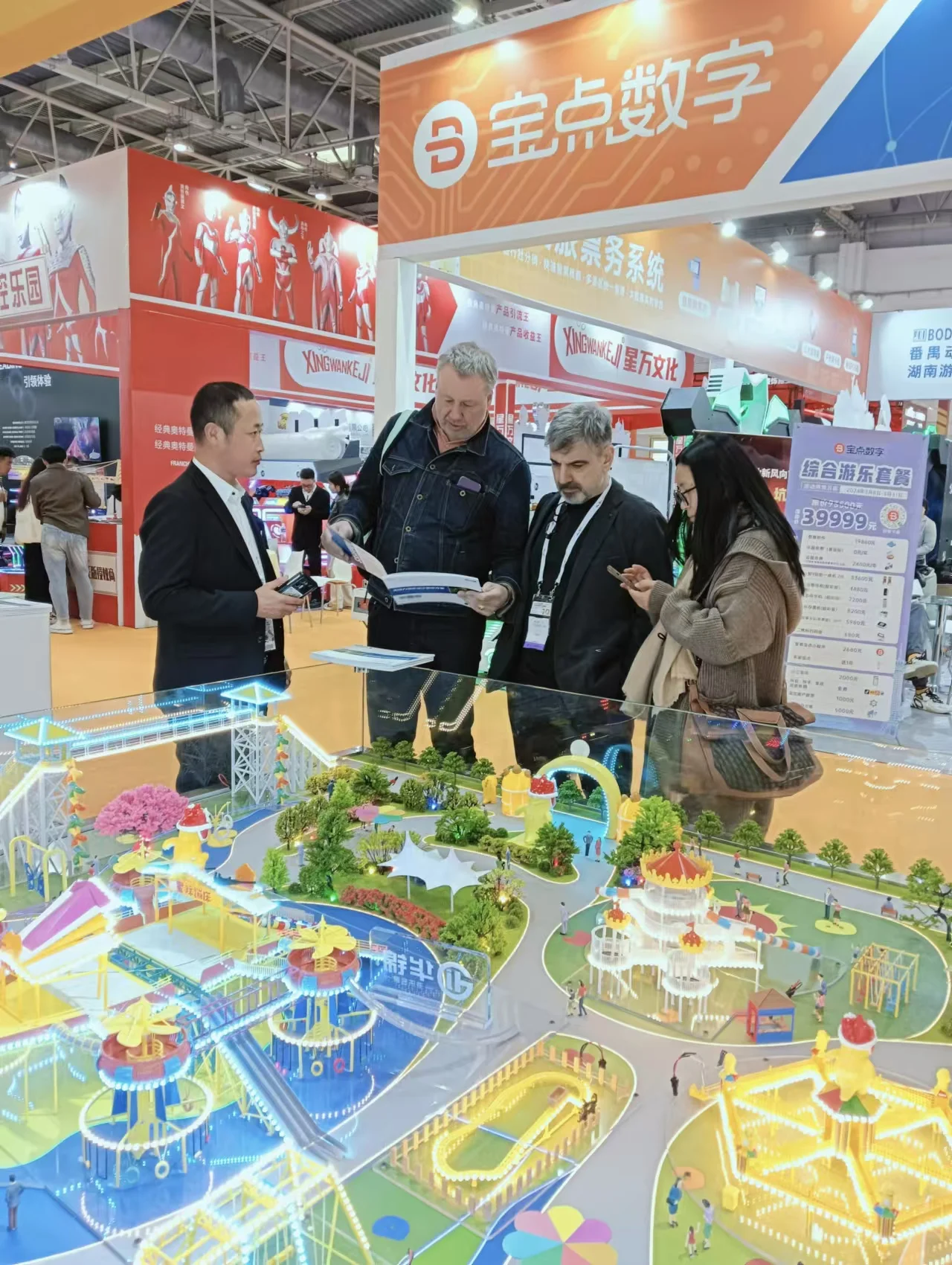
Zhengzhou Huajin Amusement Equipment Co., Ltd.
- Manufacturer, Trading Company
- Henan, China
- Lead time0 days
- Avg. response≤ 3h
Main productsnon power amusement equipment,naughty castle amusement equipment,inflatable castle amusement equipment,water amusement equipment
Main marketsSouth Asia(30.00%)
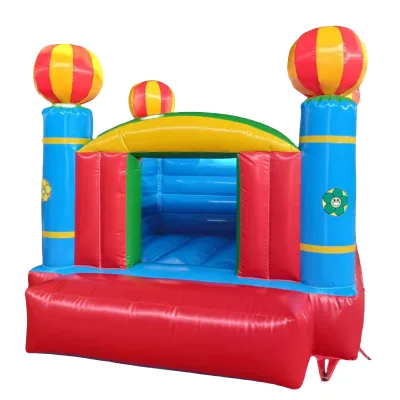
$25.8645 - $36.2097
MOQ: 1 square
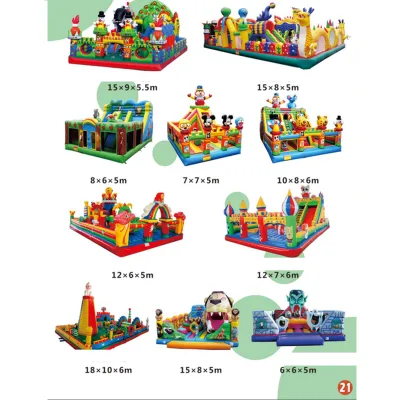
Indoor / Outdoor Bounce Houses Bounce Castle Perfect with Ball Pits Slides and Blowers
$280.00 - $680.00
MOQ: 1 sets

Zhengrong Amusement Equipment Co., Ltd
- Combined
- China Guangdong
- Lead time15 days
- Avg. response≤ 6h
Main productsInflatable Water Park, Inflatable Bouncer, Inflatable Slide, Inflatable Castle, Inflatable Obstacle Course, Inflatable Sport Games, Water Sports Game, Inflatable Water Game, Inflatable Amusement Equipment, Inflatable Yacht Toy Dock
Main marketsDomestic

Bounce House Commercial Party Bounce House Inflatable Infant Bouncer Party Bounce House
$385.00 - $468.00
MOQ: 1 Pieces

$385.00 - $468.00
MOQ: 1 Pieces

Attention Grabbing Commercial Inflatable Bounce House - Bubba Big Bounce House
$4563.00 - $8000.00
MOQ: 1 Pieces

$963.00 - $8000.00
MOQ: 1 Pieces

Commercial Inflatable Obstacle Course Durable Bounce House for Outdoor Use
$3836.36 - $100000.00
MOQ: 1 Pieces

Durable Commercial Inflatables Bounce House Inflatable Bouncer Party Jumpers Inflatable Bouncers
$3653.00 - $8000.00
MOQ: 1 Pieces
- Verified by TüVRheinland
- Manufacturer, Trading Company
- Lead time10 days
- Avg. response≤ 3h
Main productsInflatable Water Park, Inflatable Slide Bounce, Inflatable Paddle Board, Inflatable Tent, Inflatable Pool
Main marketsWestern Europe(20%), North America(15%), Eastern Europe(10%)

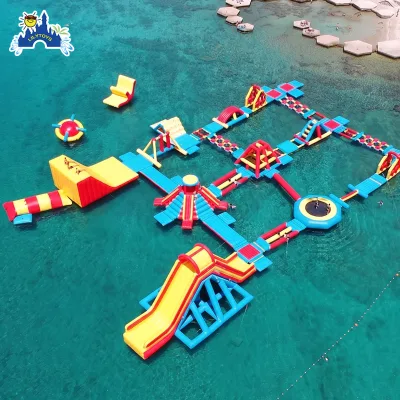
Dinosaur Commercial Grade PVC Jumper Blow up Bounce House with Slide
$1099.00 - $1199.00
Guangzhou Hangyuan Outdoor Products Co., Ltd.
- Verified by BV
- Combined
- China Guangdong
- Lead time15 days
- Avg. response≤ 3h
Main productsInflatable Towing Product, Inflatable Mat, Inflatable Dock, Inflatable Playground, Inflatable Slide, Inflatalbe Bouncer, Inflatalbe Trampoline, Inflatable Bubble House
Main marketsDomestic

Zhengzhou Tonle Inflatables Co., Ltd.
- Verified by TUVRHEINLAND
- Combined
- China Henan
- Lead time15 days
- Avg. response≤ 2h
Main marketsSouth America,Europe,North America

Guangzhou U-Rides attraction Co.,Ltd
- Trading Company,Manufacturer/Factory
- China Guangdong
- Lead time23 days
- Avg. response≤ 8h
Main productsMechanical Bull, Inflatables, Inflatable Water Park, Inflatable Castle, Inflatable Slide, Amusement Park, Trampoline, Inflatable Tent, Inflatable Game, Inflatable Products
Main marketsSouth America,Eastern Europe,Mid East,North America,Southeast Asia,Eastern Asia,Oceania,Western Europe,Africa

commercial micky inflatable cartoon bounce castle bounce jumping castles bounce house
$399.00 - $699.00
MOQ: 1 Pieces

commercial inflatable cartoon bounce castle bounce jumping castles bounce houses for sale
$1100.00 - $1400.00
MOQ: 1 Pieces

New design inflatable bounce house commercial bouncy castle jumping castle for kids
$899.00 - $1599.00
MOQ: 1 Pieces

Customized Inflatable Bouncer Combo Bouncy Castle Bounce House with Slide for Event
$950.00 - $1050.00
MOQ: 1 Pieces

MAX (HK) INDUSTRIAL CO., LIMITED
- Verified by SGS
- Trading Company,Manufacturer/Factory,Group Corporation
- China Guangdong
- Lead time23 days
- Avg. response≤ 2h
Main productsInflatable Promotion Items, Inflatable Pool Float, Inflatable Swimming Tools, Inflatable Hot Air Balloon, Mascot Costume, Inflatable Sofa or Furniture, Inflatable Moon House Bouncer, Inflatable Castle and Sports Game, Inflatable Commerical Ad Display, Inflatable Outdoor Camping Prodcuts
Main marketsSouth America,Eastern Europe,Mid East,North America,Southeast Asia,Eastern Asia,Oceania,Western Europe,Africa

Guangzhou Zhongli Amusement Equipment Group Co., Ltd.
- Verified by CTI
- Combined
- China Guangdong
- Lead time30 days
- Avg. response≤ 9h
Main marketsDomestic,Europe,North America
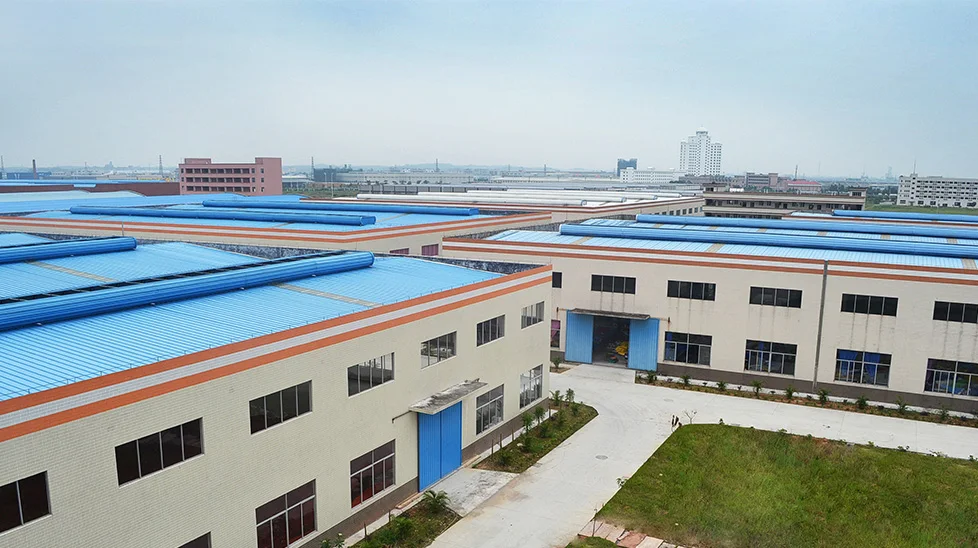
- Manufacturer, Trading Company
- Guangdong, China
- Lead time0 days
- Avg. response≤ 4h
Main productsInflatable Park,Inflatable Bouncy Castle,Inflatable Slide,Inflatable Tent,Inflatable Pool Bar
Main marketsWestern Europe(25.00%), Northern Europe(20.00%), Southern Europe(10.00%), North America(10.00%), South America(10.00%), Eastern Europe(10.00%), Domestic Market(5.00%), Central America(5.00%), Mid East(5.00%)
Guangzhou Aurora Sports Products Co., Ltd.
- Verified by SGS Group
- Trading Company
- Lead time7 days
- Avg. response≤ 3h
Main productsInflatable Water Slide, Soft Play Equipment, Inflatable Water Toys, Inflatable Bouncer, Advertising Inflatable
Main marketsNorth America(45%), Oceania(10%), Western Europe(10%)
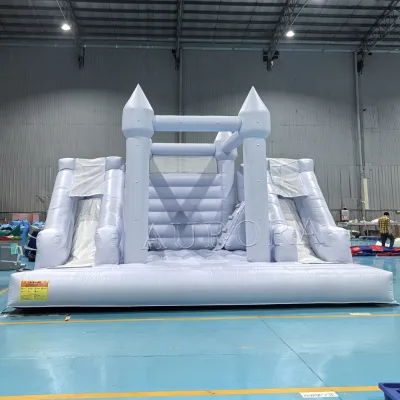
Commercial Cheap Large Bounce House Economically Priced With Slide,PVC Jump Castle for Party
$127.8918 - $1257.9425
MOQ: 1 Minimum
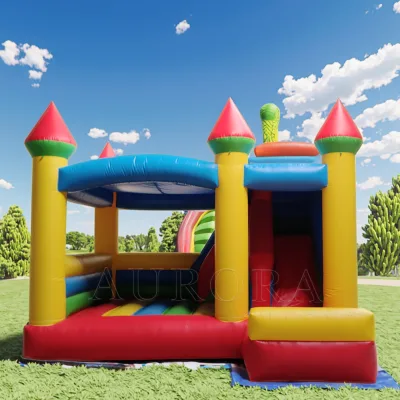
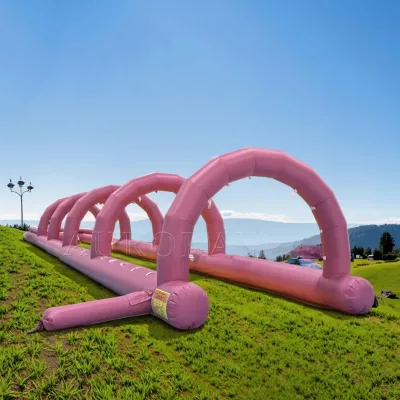
$190.00 - $1880.00
MOQ: 1 Minimum

- Verified by BV
- Combined
- China Guangdong
- Lead time15 days
- Avg. response≤ 10h
Main productsInflatables, Inflatable Jumping, Inflatable Bouncer, Inflatable Slide, Inflatable Toys, Water Balls, Zorbs, Inflatable Water Toys, Inflatable Games
Main marketsSouth America,Africa,Southeast Asia/ Mideast,East Asia(Japan/ South Korea),Europe,Australia,North America


Inflatable Castle Type: and Plato PVC Tarpaulin Material Bounce House
$800.00 - $3500.00
MOQ: 1 Pieces


Guangzhou Powerful Toys Co., Ltd.
- Verified by SGS Group
- Manufacturer, Trading Company
- Lead time10 days
- Avg. response≤ 3h
Main productsWedding Bouncer, Jump Airbag, Inflatable Landing Airbag, Inflatable Sports Games, Inflatable Water Games
Main marketsDomestic Market(30%), North America(10%), South America(10%)
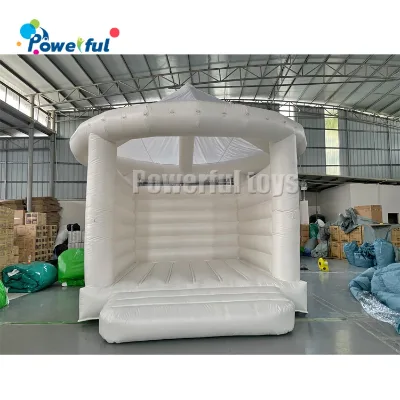
Commercial Bounce House Inflatables White Bounce House Inflatable White Bouncy Castle for Wedding
$780.00 - $1380.00
MOQ: 1 Minimum
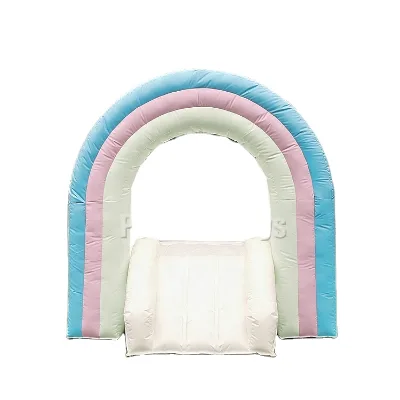
$250.00 - $500.00
MOQ: 1 Minimum
Zhengzhou Donwin Import And Export Co., Ltd.
- Trading Company
- Henan, China
- Lead time7 days
- Avg. response≤ 1h
Main productsGolf cart,Classic car,Electric bus,Mini jeep,Amusement equipment
Main marketsNorth America(20.00%), South America(15.00%), Eastern Europe(10.00%), Domestic Market(5.00%), South Asia(5.00%), Southern Europe(5.00%), Northern Europe(5.00%), Central America(5.00%), Western Europe(5.00%), Eastern Asia(5.00%), Mid East(5.00%), Oceania(5.00%), Africa(5.00%), Southeast Asia(5.00%)
Guangzhou Dream Kiddie Amusement Equipment Studio
- Verified by TüVRheinland
- Manufacturer, Trading Company
- Guangdong, China
- Lead time13 days
- Avg. response≤ 2h
Main productsInflatable Bouncer, Inflatable Slide, Inflatable Water Park Games, Residential Inflatable Bouncer, Inflatable Tent
Main marketsNorth America(56%), Eastern Europe(10%), Mid East(10%)
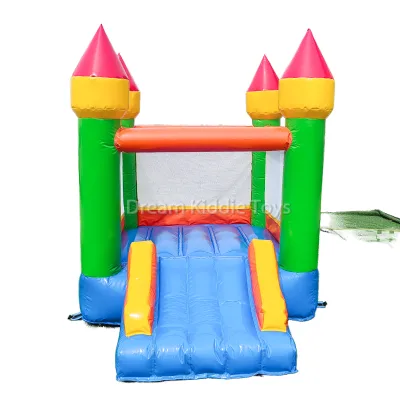
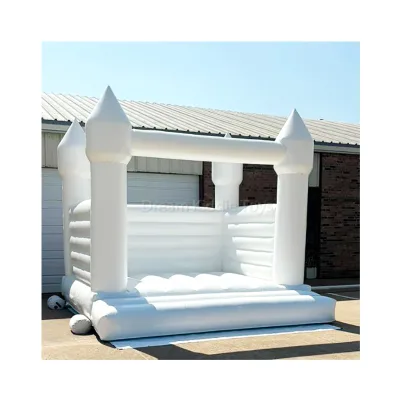
$378.0847 - $511.2854
MOQ: 1 pieces
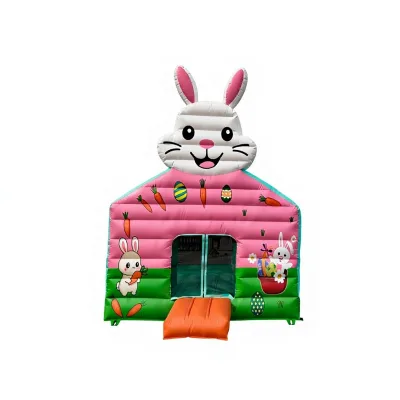
- Verified by Intertek
- Trading Company
- Lead time7 days
- Avg. response≤ 1h
Main productsInflatable Bouncer Slide, Inflatable Water Park, Amusement Electric Equipment, Outdoor Playground, Kids Toys

Guangzhou Planet Inflatables Ltd.
- Combined
- China Guangdong
- Lead time15 days
- Avg. response≤ 2h
Main productsInflatable Tents, Inflatable Sports Tunnels, Inflatable Advertising Products, Inflatable Bouncer, Inflatable Water Games, Inflatable Games, Inflatable Interactive Games, Inflatable Slides, PVC Balloons&Blimps
Main marketsSouth America,Africa,Southeast Asia/ Mideast,East Asia(Japan/ South Korea),Domestic,Europe,Australia,North America

Popular Outdoor PVC Jumping Castle Bouncy Combo Bouncer Inflatable Bounce House
$1759.00 - $1850.00
MOQ: 1 Pieces

Hot Sale Mini Inflatable Bouncer White Bouncy Castle PVC Bounce House with Slide
$359.00 - $419.00
MOQ: 1 Pieces


- Verified by TUVRHEINLAND
- Trading Company
- China Zhejiang
- Lead time15 days
- Avg. response≤ 7h
Main marketsEurope


Inflatable Bounce House Spacious Comfortable Enjoyable Inflatable Bouncers
$8.00 - $10.00
MOQ: 5 Pieces
Guangzhou Airfunpro Inflatables Co., Ltd.
- Verified by TüVRheinland
- Manufacturer, Trading Company
- Lead time15 days
- Avg. response≤ 1h
Main productsInflatable Water Park, Inflatable Theme Park, Inflatable Tent, Inflatable Water Games, Inflatable Sport Games
Main marketsNorth America(38%), South America(10%), Oceania(10%)

Guangzhou Channal Inflatable Co., Ltd.
- Verified by TUVRHEINLAND
- Combined
- China Guangdong
- Lead time30 days
- Avg. response≤ 10h
Main productsInflatable Slide, Inflatable Bouncer, Inflatable Tent, Inflatable Water Games, Inflatable Sport Game, Inflatable Advertising, Inflatable, Residential Inflatable, Inflatable Obstacle, Zorb Ball Water Ball Bumper Ball
Main marketsEurope,North America

Commercial Outdoor Inflatable Bounce House Inflatable Jumping Castle Chb1355
$599.00 - $799.00
MOQ: 1 Pieces


$799.00 - $1299.00
MOQ: 1 Pieces

Commercial Jungle Inflatable Bounce House with Slide Inflatable Dry Slide for Sale Chsl990
$1399.00 - $1799.00
MOQ: 1 Pieces

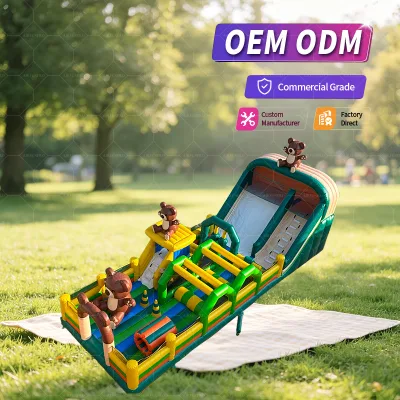
Small Inflatable Bounce House with Slide Forest Monkey Combo for Outdoor
$750.00 - $950.00
MOQ: 1 Pieces

- Verified by BV
- Combined
- China Guangdong
- Lead time23 days
- Avg. response≤ 2h
Main productsInflatables, Inflatable Tent, Inflatable Games, Boats, Advertising Products
Main marketsSouth America,Southeast Asia/ Mideast,East Asia(Japan/ South Korea),Europe,Australia,North America
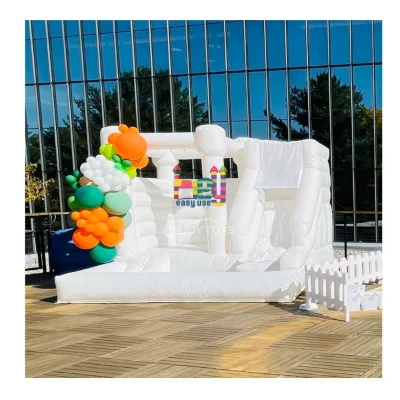
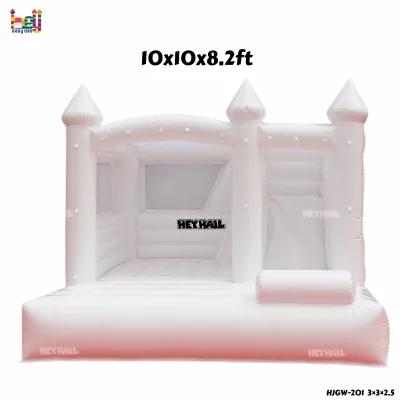


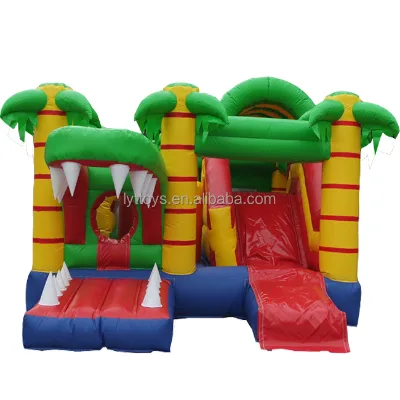
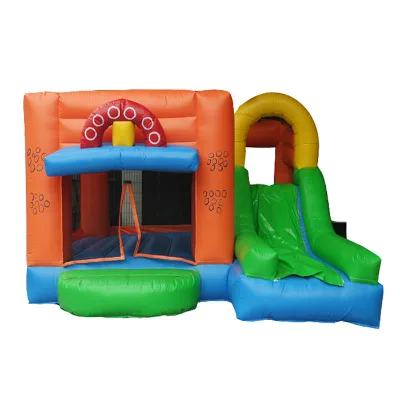
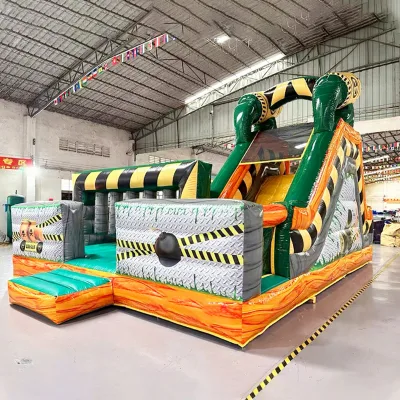
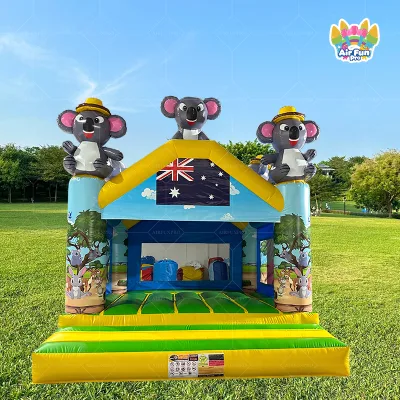


Comprehensive Sourcing Guide
Commercial Eco-Friendly Pvc Bounce House Supplier Concentration and Factory Types
The current supplier landscape for commercial eco-friendly PVC bounce houses reveals a mix of trading companies and manufacturers, with specific facility types identified in the data. Some entities operate strictly as trading companies, while others function as both manufacturers and trading companies, offering direct production capabilities alongside sourcing services. This distinction is critical for buyers seeking to understand the supply chain structure, as manufacturer-trading hybrids may offer more flexibility in customization and direct quality control compared to pure trading entities. The presence of these varied company types suggests a diverse market where buyers must carefully distinguish between intermediaries and actual production facilities to ensure product integrity.
Geographic concentration of these suppliers is observed in specific regions, with Guangdong and Henan identified as key locations for production. Guangdong-based suppliers often highlight their capacity for sample processing, graphic processing, and customized on-demand production, indicating a mature manufacturing ecosystem capable of handling complex design requests. Henan-based suppliers also appear in the results, suggesting a secondary cluster that may offer competitive advantages in specific product lines or pricing structures. Buyers should verify the specific factory location for each supplier to confirm their proximity to raw material sources and logistics hubs, as this can significantly impact lead times and shipping costs for heavy inflatable equipment.
How to Verify Commercial Eco-Friendly Pvc Bounce House Suppliers
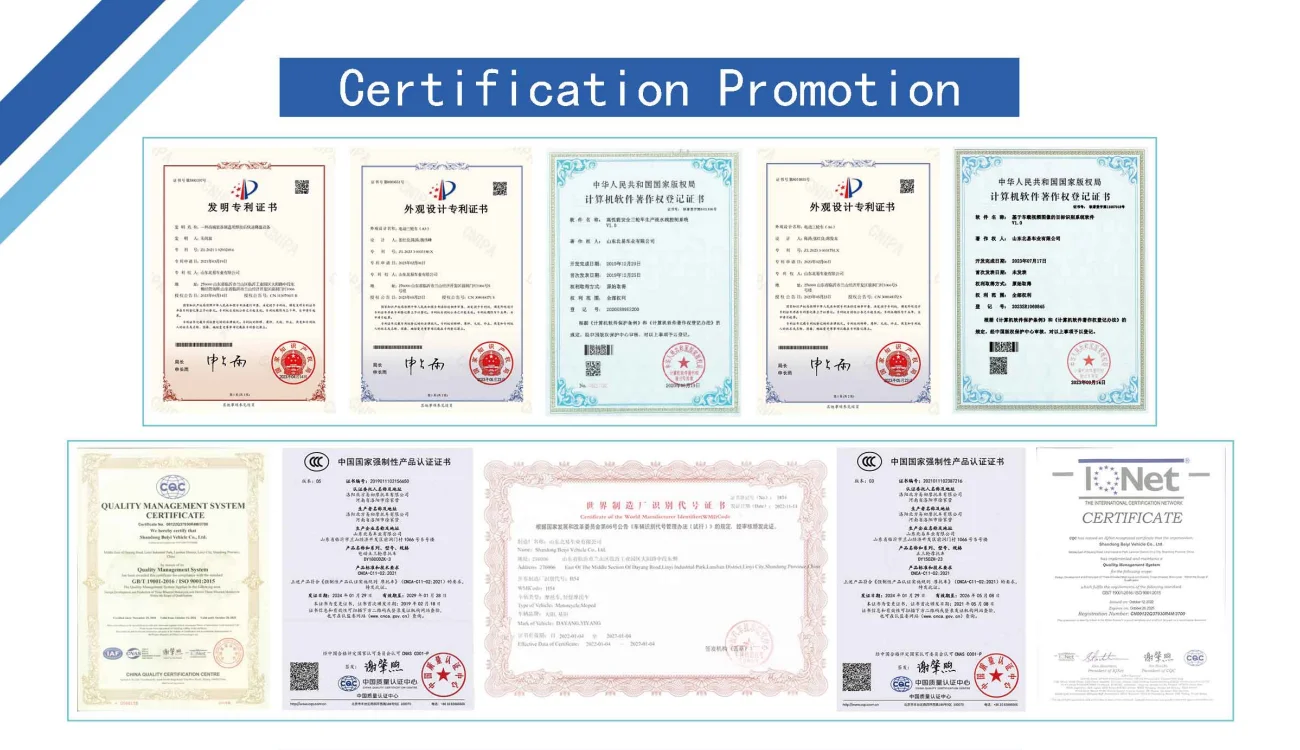
Verification of suppliers in this category requires a rigorous check of third-party credentials and system certifications to ensure compliance with safety and quality standards. The data indicates that some suppliers hold TüVRheinland verification status, which serves as a robust indicator of operational reliability and business legitimacy. Additionally, system certifications such as CPC and CE are present in the supplier profiles, signaling adherence to specific safety regulations required for commercial amusement equipment. Buyers must request and validate these specific certificates directly from the supplier, as the presence of a certification label does not guarantee current validity without independent confirmation.
Beyond certifications, buyers should assess the supplier's response time and production capacity to gauge their operational readiness. Response times recorded in the data range from two to three days, which can serve as a benchmark for evaluating communication efficiency during the sourcing process. Suppliers with faster response times may indicate a more organized sales team capable of addressing urgent inquiries and technical specifications promptly. Furthermore, verifying the supplier's ability to handle sample processing and graphic design requests is essential, as these capabilities demonstrate the technical infrastructure required to produce custom commercial-grade bounce houses that meet specific client requirements.
What to Compare Across Commercial Eco-Friendly Pvc Bounce House Suppliers
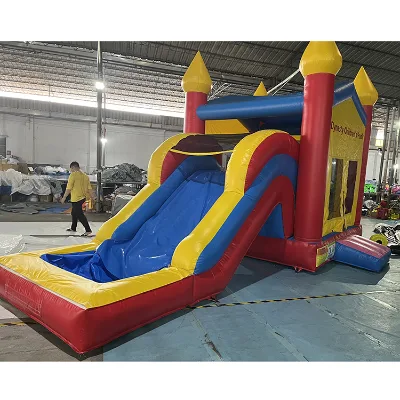
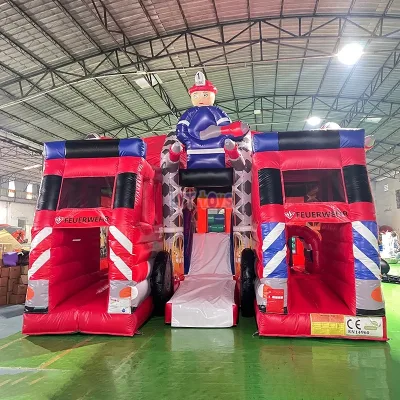
When evaluating multiple suppliers, buyers should prioritize comparing lead times, minimum order quantities, and pricing structures to determine the most suitable partner for their project. Lead times in the observed data vary, with some suppliers offering a seven-day turnaround while others require eleven days, a difference that can significantly impact project scheduling and inventory planning. Minimum order quantities are generally low, with some suppliers accepting orders for a single piece, which allows for flexible testing and small-scale deployments. However, buyers must confirm if these low MOQs apply to customized designs or only to standard models, as customization often incurs higher thresholds.
Pricing and product specifications also require detailed comparison to ensure value alignment. The observed price ranges for commercial bounce houses vary widely, from approximately $203 to $1,298, depending on size, material thickness, and included features like slides or repair kits. Buyers should scrutinize the material specifications, such as 0.55mm PVC tarpaulin versus standard PVC, to understand the durability differences that justify price variations. Additionally, comparing the allowable passenger capacity and maximum weight limits across different models helps ensure the selected equipment meets the intended usage requirements for commercial venues like trampoline parks or daycare centers.
Common Commercial Eco-Friendly Pvc Bounce House Sourcing Risks
One significant risk in sourcing commercial bounce houses involves the potential discrepancy between advertised material quality and actual product specifications. While suppliers may claim their products are commercial-grade, the material thickness and durability can vary, with some products using standard PVC and others utilizing thicker, more durable tarpaulin. Buyers must verify the exact material composition and thickness, as thinner materials may not withstand the high-traffic usage typical of commercial environments, leading to premature wear and safety hazards. This risk is compounded if the supplier does not provide detailed material test reports or if the product description lacks specific technical data regarding the PVC grade used.
Another critical risk relates to the warranty and after-sales support provided by the supplier. Although some suppliers offer a one-year warranty and include repair kits with their products, the scope of this warranty and the availability of replacement parts can vary significantly. Buyers should clarify the terms of the warranty, including what constitutes a defect versus normal wear and tear, and whether the supplier provides technical support for repairs. Failure to secure clear warranty terms can leave buyers vulnerable to unexpected costs if the equipment fails shortly after installation, particularly in high-use commercial settings where downtime directly impacts revenue.
Commercial Eco-Friendly Pvc Bounce House Regional Sourcing and Logistics
Logistics planning for commercial bounce houses must account for the specific dimensions and weight of the products, which can vary significantly based on the model and size. The data indicates that single package sizes can range from approximately 60x45x45 cm to 115x44x45 cm, with single gross weights varying from 60 kg to 68 kg. These dimensions and weights influence shipping costs and the choice of transport method, as larger or heavier units may require specialized freight services rather than standard courier options. Buyers should calculate the total shipping volume and weight for their order to accurately estimate freight charges and ensure the selected logistics provider can handle the specific requirements of inflatable equipment.
Regional sourcing also impacts the efficiency of the supply chain, with suppliers located in Guangdong and Henan offering different logistical advantages. Guangdong-based suppliers may benefit from proximity to major ports, potentially reducing transit times for international shipments, while Henan-based suppliers might offer competitive inland logistics options. Buyers should verify the specific shipping terms, such as whether the supplier offers sea, air, or express shipping, and how these options affect the overall delivery timeline. Understanding the regional logistics capabilities of the supplier helps in planning the arrival of equipment, ensuring it is ready for installation and operation within the desired timeframe.
Commercial Eco-Friendly Pvc Bounce House Commercial Terms and Order Planning
Commercial terms for these products often include specific payment methods and delivery conditions that buyers must carefully review before finalizing an order. The data shows that suppliers may accept payment via T/T or PayPal, and some explicitly state their shipping methods as sea, air, or express. Buyers should confirm the exact payment terms, including any deposit requirements and the timing of the final payment, to ensure cash flow alignment with the project schedule. Additionally, understanding the Incoterms, such as FOB or CIF, is crucial for determining who bears the risk and cost during transit, as this can significantly affect the total landed cost of the equipment.
Order planning must also consider the customization process and the time required for production and delivery. Suppliers with capabilities for digital printing and customized sizes can accommodate specific branding and design needs, but these customizations may extend the lead time beyond the standard production window. Buyers should factor in the time required for sample approval, graphic design, and final production when creating their project timeline. By aligning the order placement date with the supplier's lead time and customization requirements, buyers can ensure that the commercial bounce houses are delivered and installed on schedule, minimizing delays in the launch of their amusement facility.
FAQs
What is the minimum order quantity for commercial PVC bounce houses?
The minimum order quantity is one piece for most commercial-grade options. This low threshold allows buyers to test product quality and durability before committing to larger bulk orders. It supports flexible procurement strategies for small event businesses or new market entrants seeking to validate supplier reliability without significant initial inventory investment.
How long does production typically take for these inflatable units?
Production lead times generally range from seven to eleven days depending on the specific manufacturer and customization requirements. Standard models may ship faster, while those requiring custom graphics or specific size adjustments might take closer to the upper end of this range. Buyers should confirm exact timelines during the inquiry phase to ensure timely delivery for events.
What certifications are required for safe commercial use?
Reputable suppliers provide CPC and CE certifications to ensure compliance with international safety standards. These documents verify that the PVC materials and structural integrity meet rigorous testing protocols for commercial environments. Buyers should always request these certificates to guarantee the bounce houses are safe for public use and suitable for rental or amusement park operations.
What is the price range for commercial grade PVC bounce houses?
Prices typically range from approximately two hundred to twelve hundred dollars per unit based on size and features. Basic models start near two hundred dollars, while larger combos with slides can exceed one thousand dollars. This variation reflects differences in material thickness, blower inclusion, and customization options available from various manufacturers in the supply chain.
Are these bounce houses suitable for both indoor and outdoor use?
Yes, most commercial PVC bounce houses are designed for versatile use in both indoor and outdoor settings. They feature durable materials that withstand various weather conditions while remaining safe for indoor play areas. Buyers should verify specific occasion recommendations with suppliers to ensure the selected model matches their intended environment, whether it is a park, daycare, or residential garden.
What response time can buyers expect from suppliers?
Suppliers typically respond to inquiries within two to three days. This rapid communication ensures that buyers receive timely quotes and technical specifications for their requested models. Quick response times are crucial for planning events and securing inventory, so buyers should prioritize suppliers who demonstrate consistent and prompt communication during the initial sourcing phase.