Source Commercial Kids Rotating Ride for parks, malls, and resorts
Find 30 Commercial Kids Rotating Ride options from verified suppliers. Compare specifications, prices, and customization features for use in amusement parks, shopping malls, and educational play areas. These units feature steel and fiberglass construction with ISO and CE certifications suitable for outdoor public playgrounds and commercial venues.
Updated
Key considerations
Products List
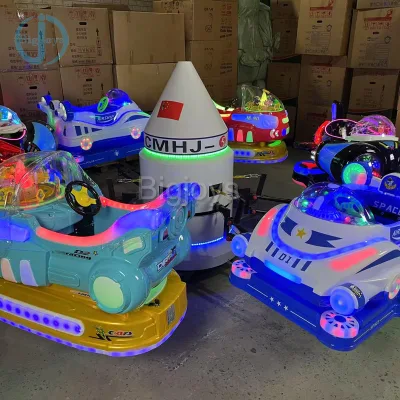
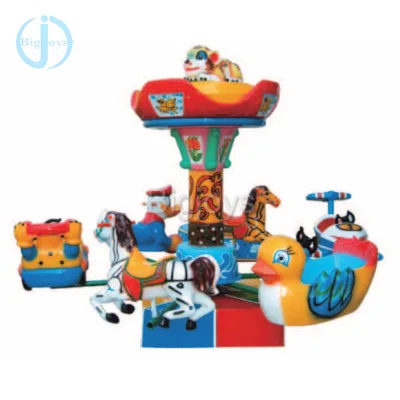
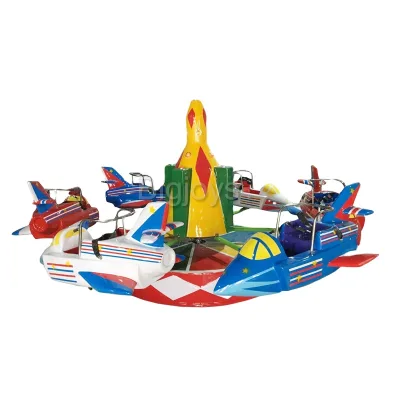
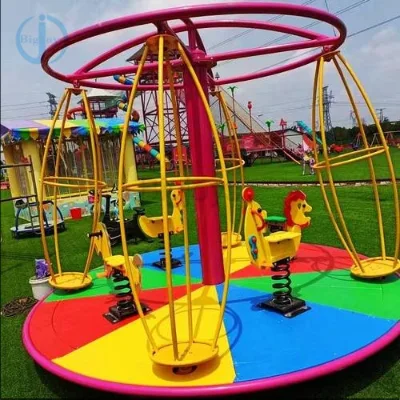

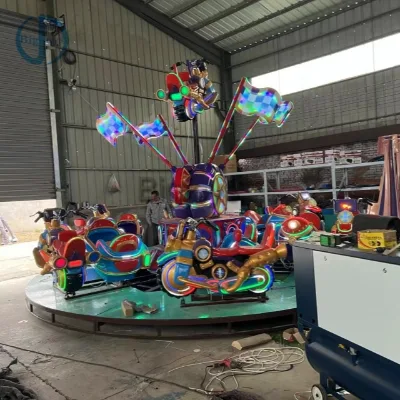
Hot Sale Theme Park Rides 12 Seats Motor Race Rides Kids Amusement Rides for Sale
$10288.2366 - $15432.3549
MOQ: 1 Minimum
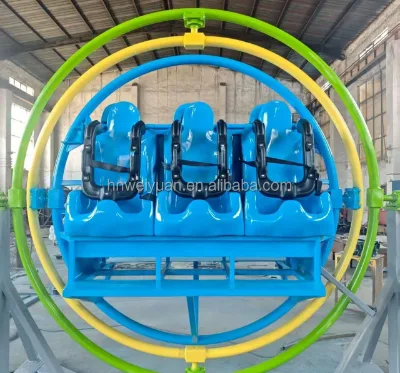
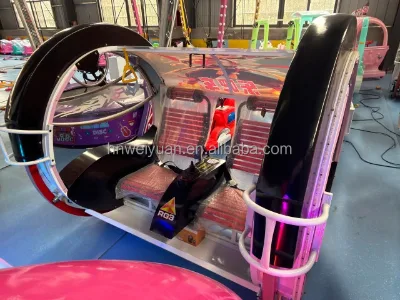
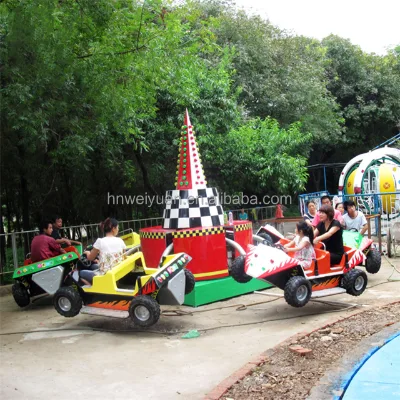
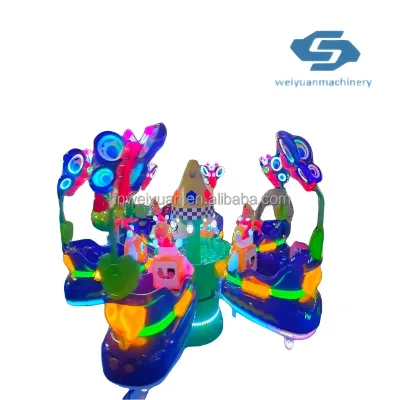
Hot Sale 6-Seat Rotating Butterfly Ride | LED Lighted Kids Amusement Park Ride
$1487.708 - $1692.9091
MOQ: 4 sets
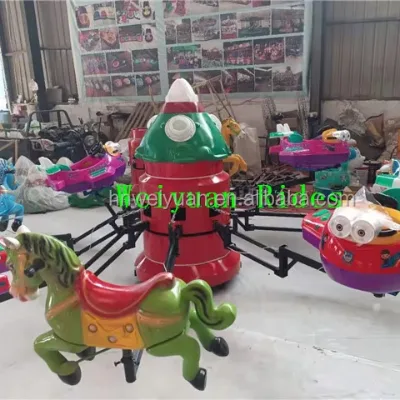


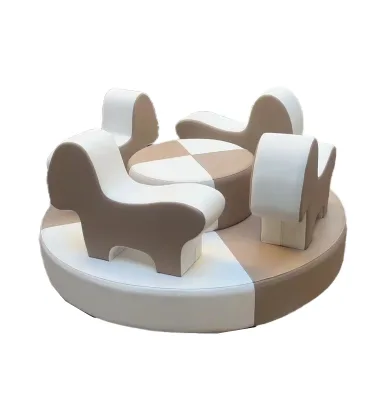
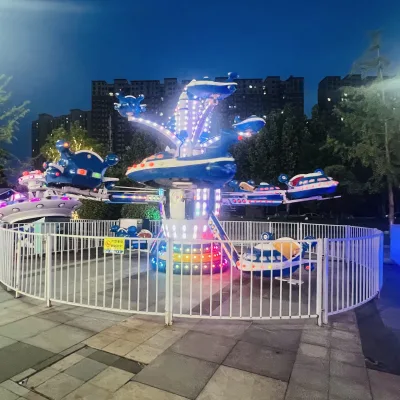
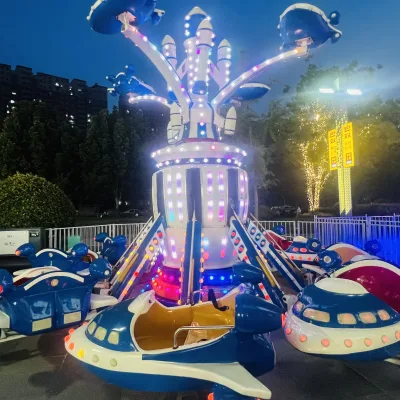
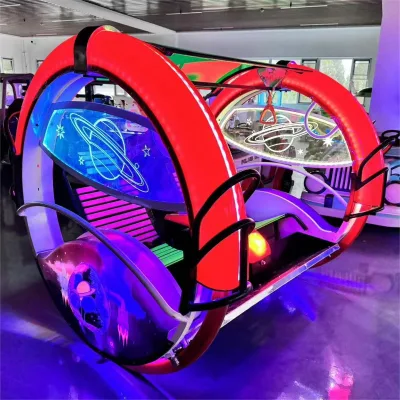
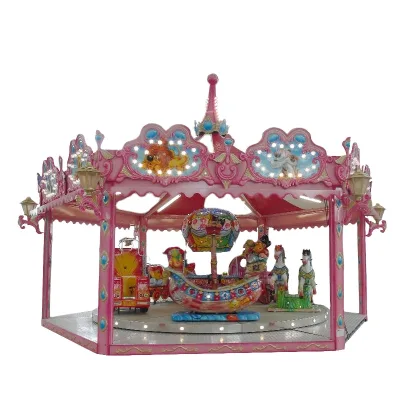
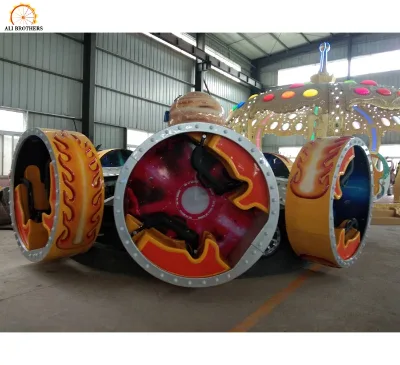
Amusement park new design rotary turntable ride wandering the earth ride
$27272.00 - $28787.00
MOQ: 1 Minimum
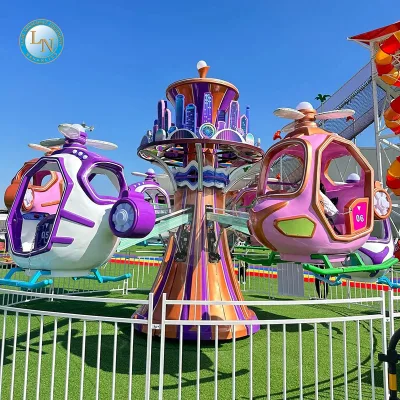
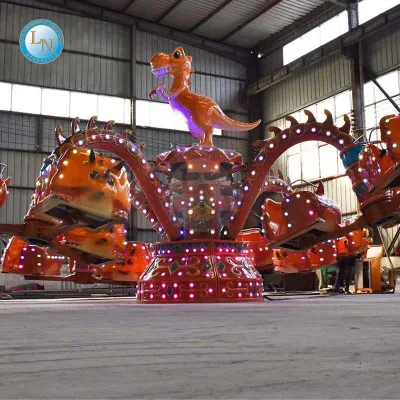
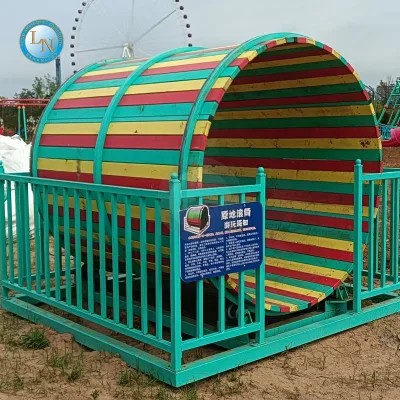
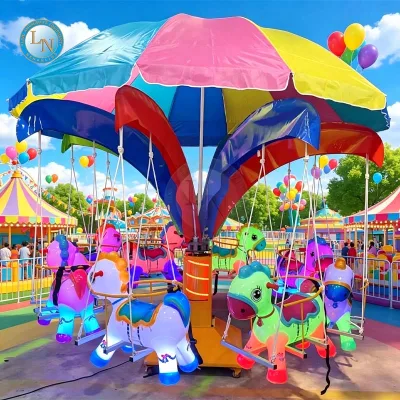
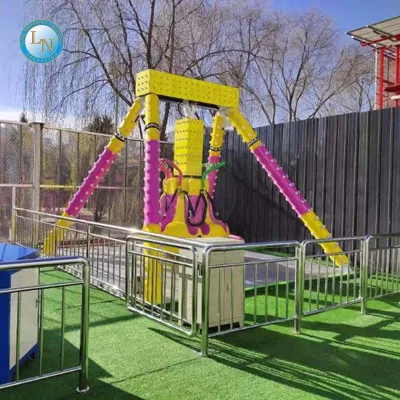
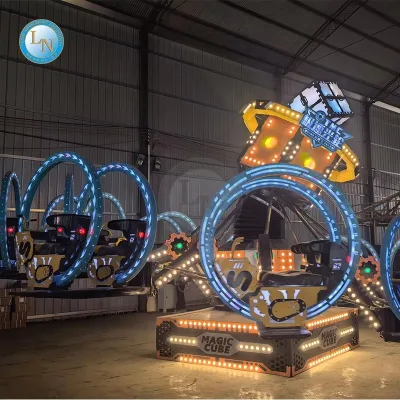

Comprehensive Sourcing Guide
Commercial Kids Rotating Ride Sourcing Guide
Procuring commercial kids rotating rides requires a disciplined approach to balancing aesthetic appeal with rigorous safety engineering. Buyers must recognize that these attractions serve high-traffic environments such as city parks, shopping malls, and adventure parks, where durability and visual impact are paramount. The observed market data indicates a strong preference for customizable designs, allowing operators to tailor color schemes and dimensions to specific venue themes. This flexibility is critical for brand integration but necessitates clear communication with manufacturers to ensure that customizations do not compromise structural integrity or operational safety.
The supply chain for these rides is heavily concentrated in specific manufacturing hubs, with Henan, China, emerging as a significant origin point for these specialized amusement products. Sourcing from this region often involves navigating complex logistics and verifying that suppliers adhere to international quality standards. Buyers should prioritize suppliers who offer comprehensive warranty support, typically ranging around one year, to mitigate the risks associated with early-stage operational failures. Understanding the geographic and logistical context of the supplier is essential for accurate cost modeling and effective project planning.
Product Scope and Observed Listing Signals
The current market landscape for commercial kids rotating rides reveals a diverse array of product types, including spinning rides, kiddie rides, and specialized models like rotary spacemen or motor race rides. Listings frequently highlight customizable colors, with options ranging from standard red and yellow to fully customized palettes, catering to the specific branding needs of amusement parks and educational play areas. The observed price range spans from approximately $200 to $40,000, reflecting the vast difference between simple standalone units and complex, multi-passenger installations. This wide variance underscores the importance of defining precise operational requirements before engaging with suppliers.
Minimum order quantities (MOQ) in this sector are generally low, often starting at just one set, which facilitates testing for smaller operators or those looking to expand their inventory gradually. However, buyers must be cautious of inflated MOQ claims or hidden fees associated with customization. The packaging methods observed, such as bubble foam, indicate a focus on protecting delicate components like fiberglass and stainless steel during transit. Understanding these listing signals helps buyers filter out unreliable suppliers and focus on those who provide transparent, detailed product specifications that align with their operational scale.
Technical Specifications to Verify
Technical verification begins with confirming the material composition, as most commercial rotating rides utilize a combination of steel, fiberglass, and stainless steel to ensure longevity and safety. Buyers should insist on detailed material certifications to verify that the fiberglass reinforcement meets industry standards for weather resistance and structural strength. The allowable passenger capacity is another critical specification, with observed models supporting more than five passengers, though some larger units can accommodate up to twelve persons. Verifying these capacity limits is essential for ensuring compliance with local safety regulations and maximizing revenue potential per ride cycle.
Model numbers and size specifications vary significantly across suppliers, with many offering customized dimensions to fit specific venue constraints. Buyers must verify that the proposed size and model number correspond to the actual physical footprint and power requirements of the installation site. Additionally, the technical assembly process, often described as assemblage, requires careful planning to ensure that on-site installation meets manufacturer guidelines. Confirming the applicable age groups, which typically range from three to twelve years, helps in selecting the appropriate ride intensity and safety features for the target demographic.
Compliance and Safety Documentation
Safety compliance is non-negotiable in the amusement ride industry, and buyers must ensure that all suppliers provide valid CE certificates and ISO certifications. These documents serve as proof that the manufacturing processes and final products adhere to stringent European and international safety standards. Buyers should request copies of these certificates and verify their authenticity with the issuing bodies to avoid fraudulent claims. The presence of these certifications is a strong indicator of a supplier’s commitment to quality and safety, reducing the risk of regulatory penalties and operational shutdowns.
Beyond basic certifications, buyers should inquire about specific test results and safety protocols implemented during the manufacturing process. While specific test data may not always be publicly listed, reputable suppliers should be willing to share detailed safety reports upon request. The warranty period, typically observed at one year, provides a baseline for post-purchase support, but buyers should clarify the scope of coverage, including parts and labor. Ensuring that all documentation is complete and verifiable before payment is crucial for protecting the investment and ensuring long-term operational compliance.
Cost Drivers and Commercial Terms
The cost of commercial kids rotating rides is influenced by several key factors, including material quality, customization level, and production complexity. Buyers should expect prices to vary significantly based on the chosen color scheme, size, and additional features such as advanced lighting or sound systems. The observed MOQ of one set allows for flexible purchasing, but buyers should be aware that unit prices may decrease with larger orders. Understanding these cost drivers helps in budgeting accurately and negotiating favorable terms with suppliers.
Payment terms are another critical aspect of the procurement process, with options like T/T and Western Union commonly observed. Buyers should negotiate clear payment schedules that align with production milestones, such as deposits for material procurement and final payments upon completion of quality inspections. Additionally, buyers should consider the total cost of ownership, including shipping, installation, and maintenance expenses. Transparent commercial terms and clear communication regarding payment structures are essential for building a trustworthy relationship with suppliers and avoiding unexpected financial burdens.
Supplier Qualification and Quality Control
Supplier qualification involves a thorough assessment of the manufacturer’s capabilities, including their production facilities, quality control processes, and past performance. Buyers should request virtual or physical tours of the manufacturing site to verify the scale and professionalism of the operation. Checking for consistent brand names, such as Big Joys or BigJoys, can help identify established players in the market, but buyers should not rely solely on brand recognition. Instead, focus on the supplier’s ability to meet specific technical and safety requirements through rigorous internal quality checks.
Quality control should extend beyond the final product to include the entire production lifecycle, from material sourcing to assembly and packaging. Buyers should inquire about the specific quality assurance protocols in place, such as stress testing and material inspections. The use of protective packaging, like bubble foam, indicates a level of care in handling delicate components, but buyers should verify that this packaging meets international shipping standards. Establishing a clear quality control framework with the supplier ensures that the delivered rides meet the expected standards of safety and durability.
Long-Term Procurement Checks
Long-term procurement success depends on establishing a robust maintenance and support strategy for commercial kids rotating rides. Buyers should verify the availability of spare parts and technical support from the supplier to minimize downtime and ensure continuous operation. The one-year warranty period provides initial protection, but buyers should explore extended warranty options or service contracts for long-term peace of mind. Regular maintenance checks, guided by the supplier’s recommendations, are essential for identifying potential issues before they lead to costly repairs or safety hazards.
Additionally, buyers should stay informed about industry trends and regulatory changes that may impact the operation of commercial rides. Engaging with the supplier for periodic updates on product improvements or safety enhancements can help keep the attraction competitive and compliant. Building a long-term relationship with a reliable supplier ensures access to timely support and potential upgrades, maximizing the return on investment. Continuous monitoring of operational performance and supplier responsiveness is key to sustaining a successful amusement business over time.
FAQs
What certifications do these commercial kids rotating rides have?
These commercial kids rotating rides hold ISO and CE certifications to ensure safety and quality standards. The products are manufactured in Henan, China, using materials like steel and fiberglass. This compliance helps operators meet regulatory requirements for amusement parks and commercial play areas, providing peace of mind for business owners investing in durable equipment.
Can the color and design be customized for my project?
Yes, the color and design can be fully customized to match your brand or theme. The manufacturer offers tailored solutions for various occasions, including shopping malls, city parks, and resorts. Buyers can specify unique aesthetics to create a distinctive attraction, ensuring the ride integrates seamlessly into their specific commercial environment or educational play area.
What is the minimum order quantity for these spinning rides?
The minimum order quantity is one set, allowing for flexible purchasing options. This low MOQ supports businesses testing new attractions or expanding existing facilities without large initial commitments. The selling unit is a single item, making it accessible for small commercial venues, kindergartens, or adventure parks looking to add reliable family rides to their inventory.
Which age groups are suitable for these commercial rotating attractions?
These commercial rotating attractions are suitable for various age groups, including children aged 3 to 6 years and older demographics. Some models accommodate adults and teenagers, making them versatile for family rides. The design ensures safety and enjoyment for different user segments, allowing operators to target a broad audience in theme parks, resorts, and public playgrounds.
What warranty is provided for these amusement park rides?
A one-year warranty is provided for these amusement park rides to cover manufacturing defects. This support ensures operational reliability for commercial venues like shopping malls and educational play areas. The warranty complements the durable construction using steel and fiberglass, giving buyers confidence in the long-term performance and safety of their investment in high-quality spinning rides.