Customized Logo Bouncy House Suppliers and Manufacturers
Explore 31 verified options for Customized Logo Bouncy House suppliers offering OEM, ODM, and own brand capabilities. Compare locations in Guangdong, lead times, certifications like CE and ISO9001, and pricing ranges to select the right partner for your project; review the available evidence before requesting comparable quotations from suitable candidates.
Updated
Suppliers List

- Verified by BV
- Combined
- China Guangdong
- Lead time15 days
- Avg. response≤ 10h
Main productsInflatables, Inflatable Jumping, Inflatable Bouncer, Inflatable Slide, Inflatable Toys, Water Balls, Zorbs, Inflatable Water Toys, Inflatable Games
Main marketsSouth America,Africa,Southeast Asia/ Mideast,East Asia(Japan/ South Korea),Europe,Australia,North America

Customized Color and PVC Inflatable Bouncy Castle Inflatable Bouncy House
$800.00 - $2000.00
MOQ: 1 Pieces


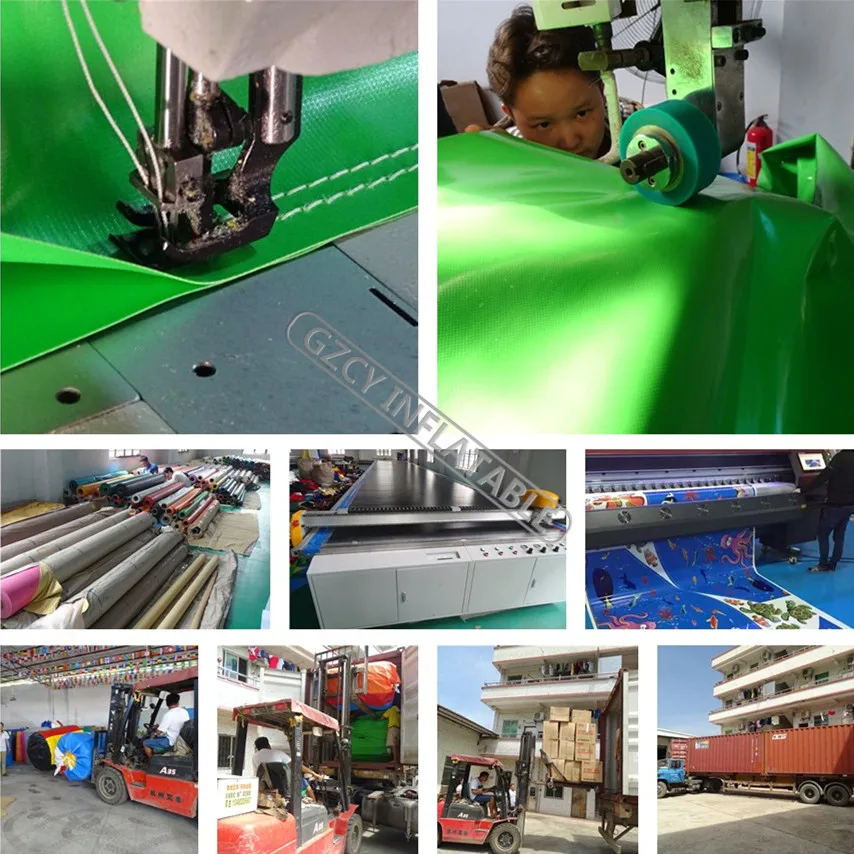
Guangzhou Caiyun Inflatable Products Co., Ltd.
- Manufacturer, Trading Company
- Guangdong, China
- Lead time10 days
- Avg. response≤ 3h
Main productsWater Park Games, Inflatable Slide, Inflatable Castle, Inflatable Tent, Customized Inflatables
Main marketsNorth America(10.00%), Western Europe(10.00%), Southern Europe(10.00%), Central America(10.00%), Northern Europe(10.00%), Eastern Europe(10.00%), Mid East(10.00%), Africa(7.00%), Eastern Asia(5.00%), South America(5.00%), Oceania(5.00%), Southeast Asia(5.00%), South Asia(3.00%)

Guangzhou Barry Industrial Co., Ltd.
- Verified by CTI
- Combined
- China Guangdong
- Lead time15 days
- Avg. response≤ 1h
Main productsInflatable Water Park, Inflatable Sport Game, Inflatable Water Slide, Swimming Pool, Bouncy Castle, Inflatable Dock, Air Track, Inflatable Theme Park, Inflatable Tent, Inflatable Obstacle Course
Main marketsSouth America,Southeast Asia/ Mideast,East Asia(Japan/ South Korea),Domestic,Europe,Australia,North America


Inflatable Candy Theme Colorful Playground Jumping Bouncy Castle House Funny
$399.00 - $799.00
MOQ: 1 Pieces


Pink Bouncy Castle with Slide Small Pool Wedding Bounce House for Party
$299.00 - $599.00
MOQ: 1 Pieces
- Verified by Intertek
- Trading Company
- Lead time7 days
- Avg. response≤ 1h
Main productsInflatable Bouncer Slide, Inflatable Water Park, Amusement Electric Equipment, Outdoor Playground, Kids Toys
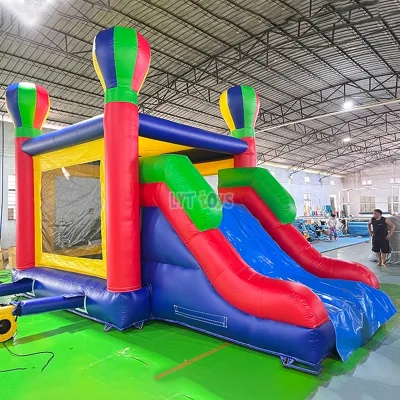
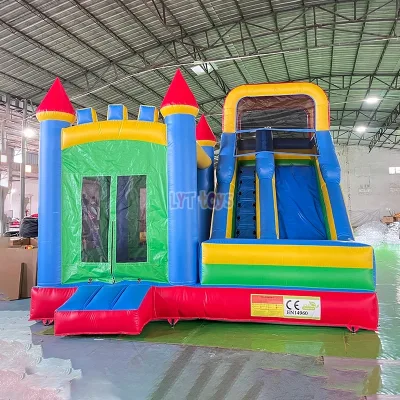
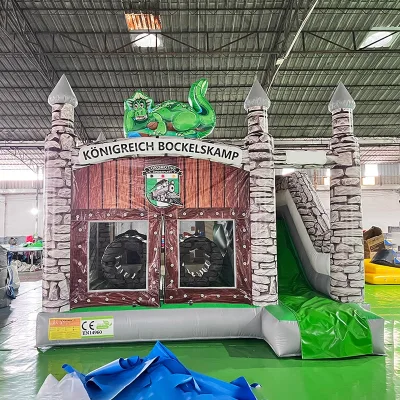
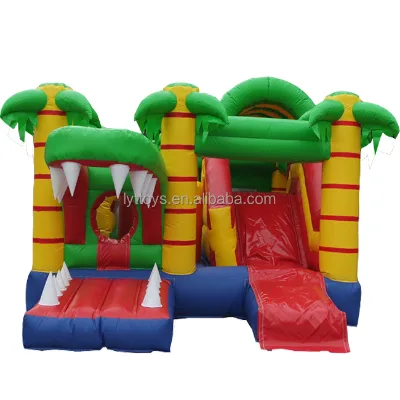
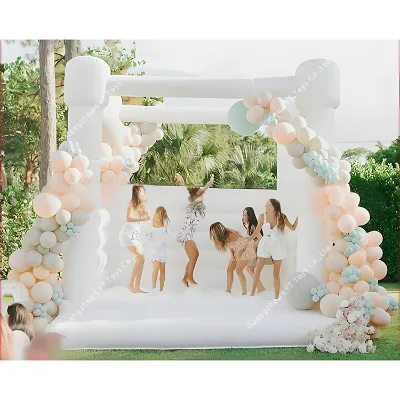
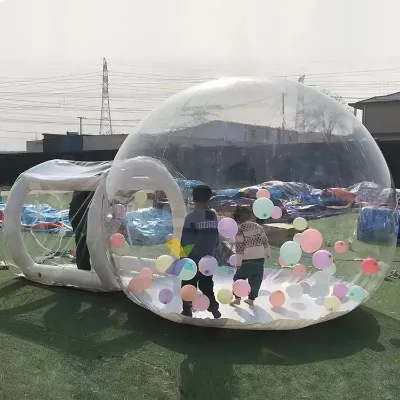
High Quality 8 ft Wedding Theme Decor Castle White Bubble Bounce House for Adults
$410.4101 - $615.6151
MOQ: 1 pieces
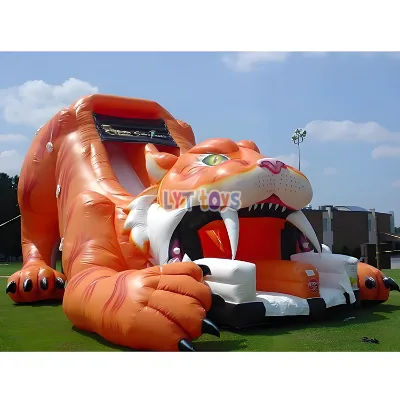

Guangzhou U-Rides attraction Co.,Ltd
- Trading Company,Manufacturer/Factory
- China Guangdong
- Lead time23 days
- Avg. response≤ 8h
Main productsMechanical Bull, Inflatables, Inflatable Water Park, Inflatable Castle, Inflatable Slide, Amusement Park, Trampoline, Inflatable Tent, Inflatable Game, Inflatable Products
Main marketsSouth America,Eastern Europe,Mid East,North America,Southeast Asia,Eastern Asia,Oceania,Western Europe,Africa

Customized Inflatable Bouncer Combo Bouncy Castle Bounce House with Slide for Event
$950.00 - $1050.00
MOQ: 1 Pieces

Halloween Inflatable Pumpkin Bouncer inflatable jumper bouncy house for Sale
$1200.00 - $1500.00
MOQ: 1 Pieces
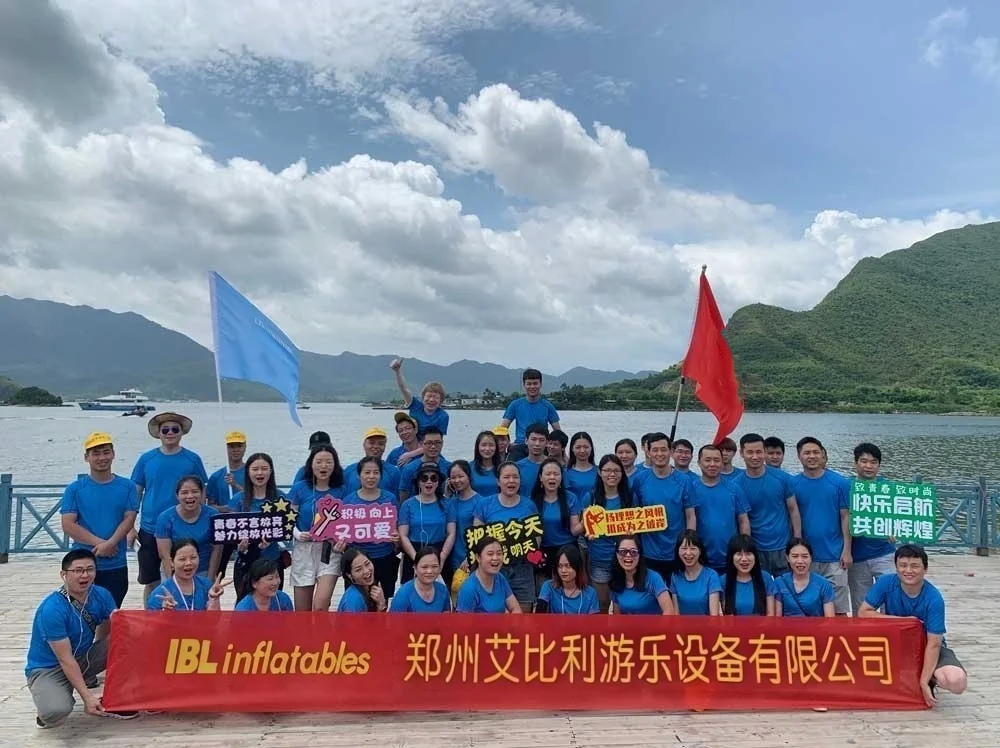
Zhengzhou Ibl Amusement Equipment Co., Ltd.
- Manufacturer, Trading Company
- Henan, China
- Lead time7 days
- Avg. response≤ 1h
Main productsIBL inflatable bouncer,inflatable slide,inflatable water park,inflatable water slide,inflatable theme park
Main marketsNorth America(35.00%), Eastern Europe(25.00%), South America(15.00%), Southeast Asia(10.00%), Central America(5.00%), Western Europe(5.00%), Mid East(5.00%)
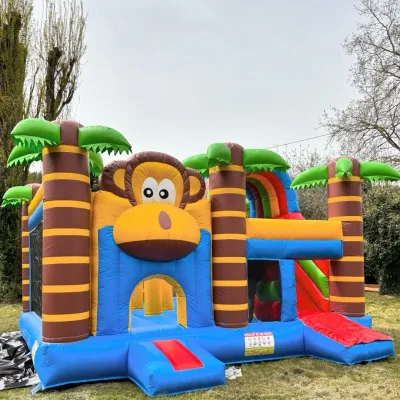
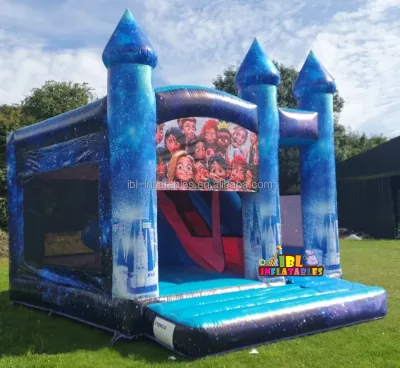
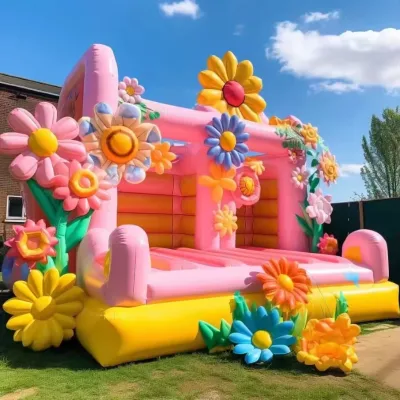
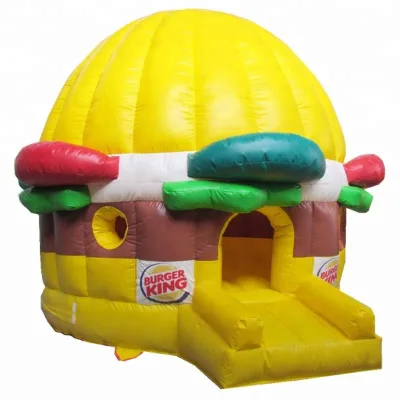
Custom-Themed Backyard Bounce Castle Inflatable Jumping House- Jungle, Castle, Ocean & More Designs
$2499.00 - $2599.00
MOQ: 1 pieces

Guangzhou Zhongli Amusement Equipment Group Co., Ltd.
- Verified by CTI
- Combined
- China Guangdong
- Lead time30 days
- Avg. response≤ 9h
Main marketsDomestic,Europe,North America

New Popularity Commercial Kids Cartoon Bouncy House Castle for Event Center
$799.00 - $1099.00
MOQ: 1 Pieces


Large Inflatable Bounce House with Slide Bouncy Castle Jumping Castle for Kids
$2799.00 - $2999.00
MOQ: 1 Pieces

Custom Inflatable Bounce House with Slide for Kids Outdoor Playground
$1580.00 - $1680.00
MOQ: 1 Pieces
Zhengzhou MaiHigh Amusement Equipment Co., Ltd.
- Trading Company
- Henan, China
- Lead time20 days
- Avg. response≤ 4h
Main productsamusement park rides,family rides,rotating rides,ferris wheel,mechanical bull
Main marketsMid East(15.00%), Domestic Market(15.00%), South America(10.00%), North America(10.00%), Africa(10.00%), Southeast Asia(10.00%), Central America(8.00%), South Asia(6.00%), Eastern Europe(5.00%), Eastern Asia(5.00%), Northern Europe(2.00%), Western Europe(2.00%), Southern Europe(2.00%)

Zhengzhou Tonle Inflatables Co., Ltd.
- Verified by TUVRHEINLAND
- Combined
- China Henan
- Lead time15 days
- Avg. response≤ 2h
Main marketsSouth America,Europe,North America

Zzrs Amusement Equipment Co., Ltd.
- Verified by BV
- Combined
- China Zhejiang
- Lead time30 days
- Avg. response≤ 3h
Main productsCommercial Outdoor Playground Equipment, Indoor Soft Play Equipment, Outdoor Fitness Equipment, Custom Playground Equipment
Main marketsDomestic

Durable Bouncy Houses for Amusement Parks - Bounce Castle for Ages 3-12
$800.00 - $1800.00
MOQ: 1 sets

Bouncy Houses for Children Aged 3-12 - Ideal for Kindergartens and Pre-Schools
$800.00 - $1800.00
MOQ: 1 sets

Shanghai Airtech Industrial Co., Ltd.
- Trading Company
- Shanghai, China
- Lead time7 days
- Avg. response≤ 6h
Main productsinflatable games,water park,Inflatable obstacles,Inflatable tent,inflatable park
Main marketsWestern Europe(30.00%), North America(30.00%), Mid East(10.00%), Oceania(5.00%), Central America(5.00%), South Asia(3.50%), Northern Europe(3.50%), Southern Europe(3.00%), Southeast Asia(3.00%), South America(3.00%), Eastern Asia(2.00%), Eastern Europe(2.00%)
- Verified by TüVRheinland
- Manufacturer, Trading Company
- Lead time10 days
- Avg. response≤ 3h
Main productsInflatable Water Park, Inflatable Slide Bounce, Inflatable Paddle Board, Inflatable Tent, Inflatable Pool
Main marketsWestern Europe(20%), North America(15%), Eastern Europe(10%)
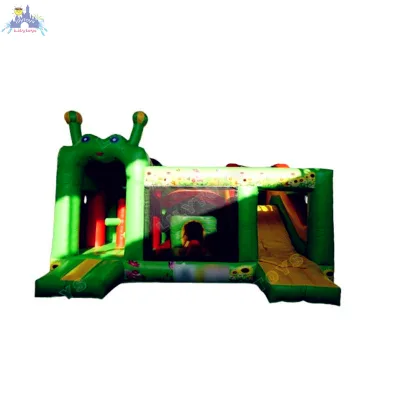
Commercial Kids Backyard Bouncy House With Slide Aufblasbare Hupfburg Inflatable Jungle Park Castle
$700.9097 - $716.2567
MOQ: 1 pieces
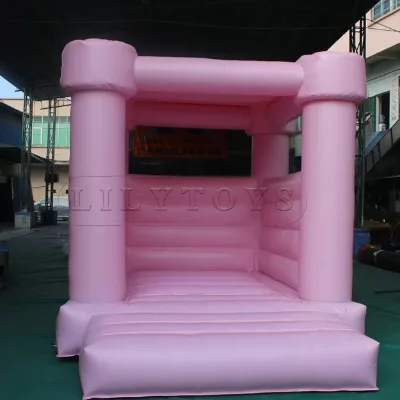
High Quality Wedding Inflatables Bounce House Inflatable Bounce House for Party for Sell
$433.4703 - $465.541
MOQ: 1 pieces
Yushan Yijia Inflatable Products Co., Ltd.
- Manufacturer, Trading Company
- Lead time旺季: "1 - 2":7,"3 - 9":15,"10 - 49":35,"> 49":"To be negotiated", 淡季: "1 - 2":7,"3 - 9":15,"10 - 49":35,"> 49":"To be negotiated"
- Avg. response≤ 3h
Main productsInflatable Electric Boat,inflatable house boat with motor for water play, Ice bath tube & Accessories,SPA tub, Recovery tub for family, Inflatable water floating, Platform for pool
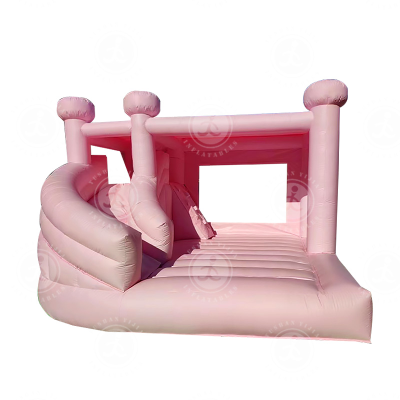
$417.1016 - $521.6381
MOQ: 1 pieces
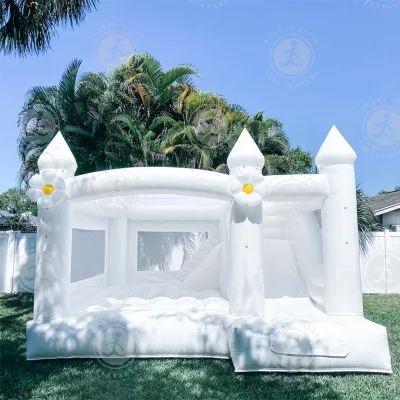
$459.00 - $699.00
MOQ: 1 Minimum
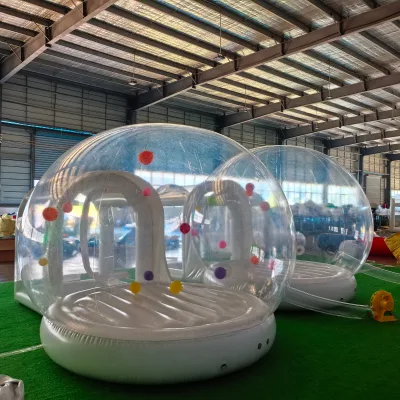
Bubble House with Bouncing Clear Balloon Jumping House with Full Cushion Balloons House Party 4m/5m
$309.5407 - $516.5913
MOQ: 1 pieces
Guangzhou Audi Inflatables Co., Ltd.
- Manufacturer, Trading Company
- Guangdong, China
- Lead time15 days
- Avg. response≤ 3h
Main productsInflatable Jumpers,Inflatable Toys,Inflatable Sports Games,Inflatables
Main marketsSouthern Europe(9.09%), Northern Europe(9.09%), Central America(9.09%), Western Europe(9.09%), Eastern Asia(9.09%), Mid East(9.09%), Oceania(9.09%), Southeast Asia(9.09%), Eastern Europe(9.09%), South America(9.09%), North America(9.09%)
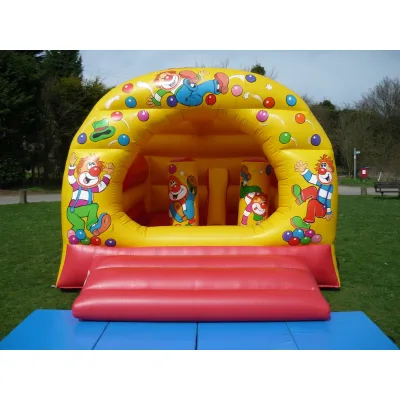
$543.8849 - $1233.7648
MOQ: 1 Minimum
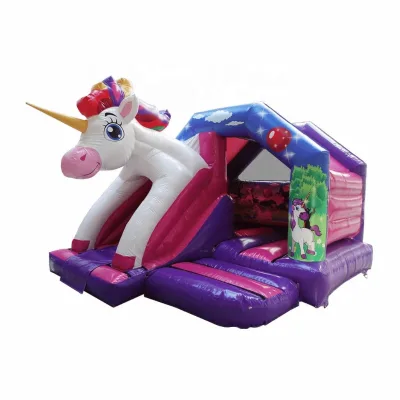
Unicorn Disco Bounce and Slide unicorn Bounce House with Slide unicorn Bouncy Castle to Buy
$299.00 - $1200.00
MOQ: 1 Minimum
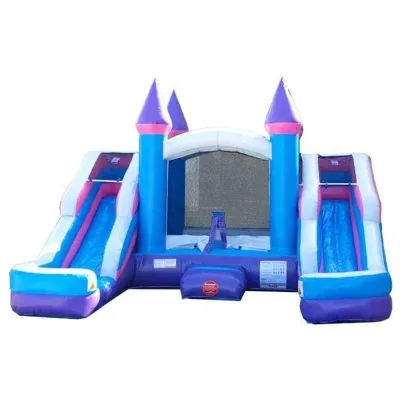

Zhengrong Amusement Equipment Co., Ltd
- Combined
- China Guangdong
- Lead time15 days
- Avg. response≤ 6h
Main productsInflatable Water Park, Inflatable Bouncer, Inflatable Slide, Inflatable Castle, Inflatable Obstacle Course, Inflatable Sport Games, Water Sports Game, Inflatable Water Game, Inflatable Amusement Equipment, Inflatable Yacht Toy Dock
Main marketsDomestic

Hot Sale Inflatable Jumper Bounce House with Slide Inflatable Bouncy House Combo
$652.00 - $8000.00
MOQ: 1 Pieces

$2563.00 - $8000.00
MOQ: 1 Pieces

Inflatable Bouncer Castle Pink Combo Inflatable Bouncing Jumping Castle House with Slide
$652.00 - $8000.00
MOQ: 1 Pieces

$1208.00 - $8000.00
MOQ: 1 Pieces


$963.00 - $8000.00
MOQ: 1 Pieces

Guangzhou Huayue Inflatable Products Co., Ltd.
- Verified by BV
- Combined
- China Guangdong
- Lead time30 days
- Avg. response≤ 3h
Main productsInflatable Water Park, Inflatable Slide, Bouncy Castle, Inflatable Mirror Ball, Air Track, Inflatable Bunkers, Inflatable Platform, Inflatable Tent, Inflatable Water Toy, Paddle Boards
Main marketsSouth America,Africa,Southeast Asia/ Mideast,East Asia(Japan/ South Korea),Europe,Australia,North America


Factory Supply Inflatable Castle High Quality Bouncy Castle Jumping Castle
$500.00 - $650.00
MOQ: 1 Pieces

Guangzhou Caixin Inflatable Products Co., Ltd.
- Verified by SGS
- Trading Company
- China Guangdong
- Lead time15 days
- Avg. response≤ 11h
Main productsInflatable, Inflatable Tent, Inflatable Bouncer, Inflatable Slide, Inflatable Water Park, Helium Balloon, Inflatable Advertising Replica, Inflatable Toys, Interactive Inflatable, Festival Inflatable
Main marketsOthers(foreignTradeCapacity.exportBusinessCapacityMarketOther)

2023 New Outdoor Kids Advertiisng Inflatable Castle Bouncy House for Sale
$600.00 - $1500.00
MOQ: 1 Pieces

2023 New Cheap Commercial Inflatable Castle Bouncer Bouncy House for Sale
$600.00 - $1500.00
MOQ: 1 Pieces

Nanjing Pegasus Recreation Equipment Co., Ltd.
- Verified by TUVRHEINLAND
- Combined
- China Jiangsu
- Lead time30 days
- Avg. response≤ 3h
Main productsIndoor Playground, Trampoline Park, Adventure Park, Amusement Park, Rope Course, Ninja Course, Jumping Castle, Inflatable Park
Main marketsSouth America,Africa,Southeast Asia/ Mideast,East Asia(Japan/ South Korea),Domestic,Europe,Australia,North America

Cheer Amusement Spirit Themed Inflatable Bouncer Inflatable Slide Bouncy House
$50.00 - $70.00
MOQ: 15 Square Meters


Zhengzhou Haofeng Amusement Equipment Co., Ltd.
- Manufacturer, Trading Company
- Henan, China
- Lead time10 days
- Avg. response≤ 4h
Main productsInflatable bouncy castles,Inflatable slide,Inflatable obstacle Courses,inflatable theme park,Advertising Inflatables
Main marketsNorth America(40.00%), Western Europe(15.00%), Southern Europe(10.00%), Mid East(5.00%), Oceania(5.00%), Northern Europe(5.00%), South America(5.00%), Central America(3.00%), Eastern Asia(3.00%), South Asia(2.00%), Eastern Europe(2.00%), Domestic Market(2.00%), Southeast Asia(2.00%), Africa(1.00%)
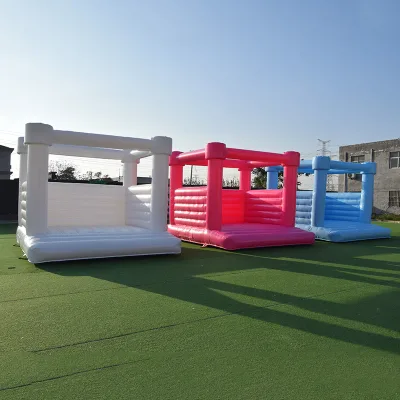
Commercial Bouncy Castle White Jumping House Inflatable Balloon Bounce House for Wedding
$290.00 - $490.00
MOQ: 1 pieces
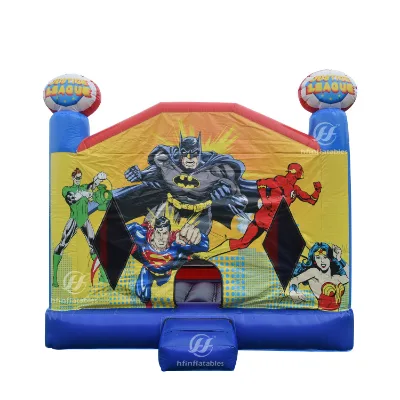
$599.00 - $899.00
MOQ: 1 Minimum
Yushan Yijia Inflatable Products Co., Ltd.
- Manufacturer, Trading Company
- Lead time旺季: "1 - 1":15,"> 1":"To be negotiated", 淡季: "1 - 1":15,"> 1":"To be negotiated"
- Avg. response≤ 4h
Main productsInflatable Air Track,Inflatable Ice Bath,Inflatable Tent,Inflatable DWF Water Play,Inflatable Toys
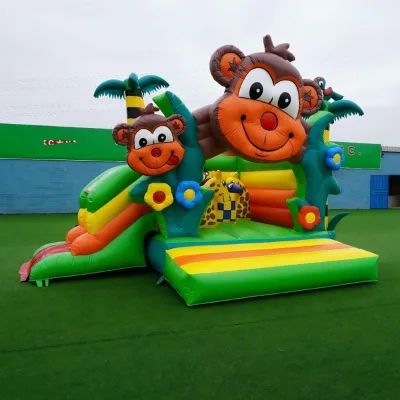
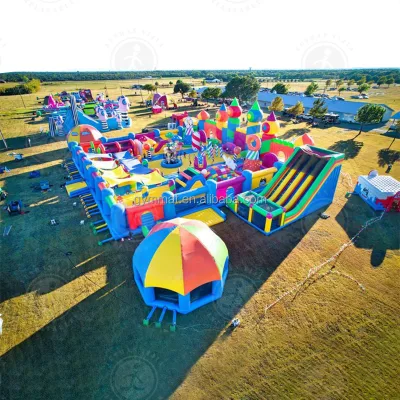
$520.1805 - $1041.4021
MOQ: 1 Minimum
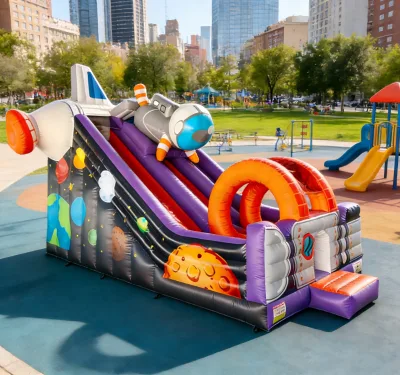
Guangzhou Audi Inflatables Co., Ltd.
- Manufacturer, Trading Company
- Lead time旺季: "1 - 2":20,"> 2":"To be negotiated", 淡季: "1 - 2":20,"> 2":"To be negotiated"
- Avg. response≤ 7h
Main productsInflatables,Inflatable toys,Inflatable games,Inflatable slides,Inflatable castles
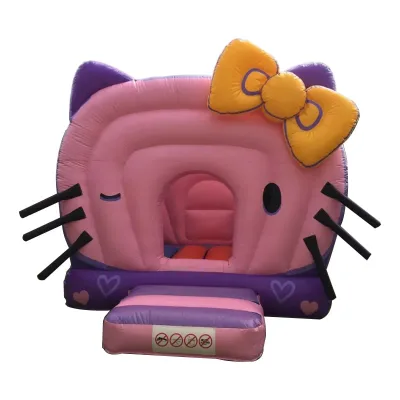
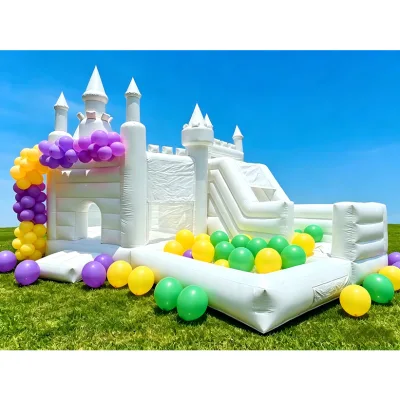
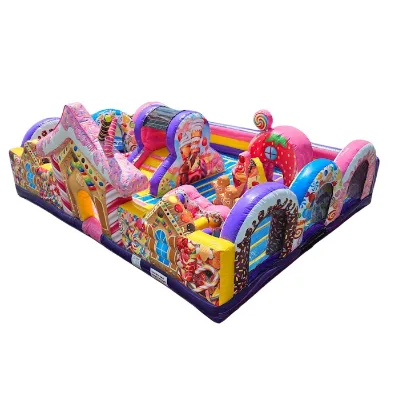
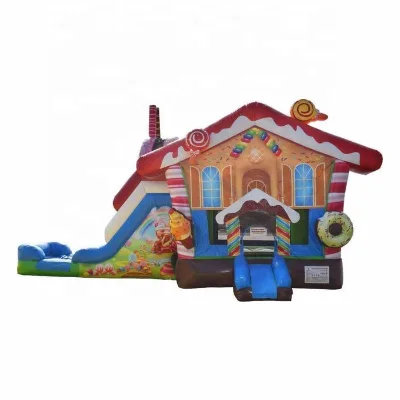
$925.5753 - $1512.4257
MOQ: 1 Minimum
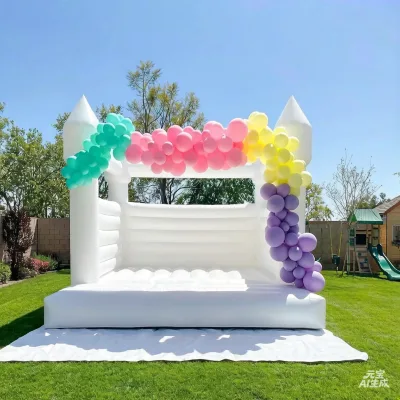
Guangzhou Barry Industrial Co., Ltd.
- Verified by SGS Group
- Manufacturer, Trading Company
- Lead time7 days
- Avg. response≤ 3h
Main productsInflatable Dock, Inflatable Obstacle Course, Inflatable Water Park, Inflatable Water Slide, Inflatable Playground
Main marketsWestern Europe(20%), Northern Europe(17%), North America(15%)

Zhengzhou Bigjoys Amusement Equipment Co., Ltd.
- Trading Company,Manufacturer/Factory
- China Henan
- Lead time23 days
- Avg. response≤ 8h
Main productsTrampoline Park/Indoor Playground, Inflatable Bouncy Castle, Inflatable Water Park, Inflatable Slide, Park Rides/Carousel, Thrill Park Rides, Family Rides, Roller Coaster, Bungee Trampoline, Ferris Wheel
Main marketsSouth America,Eastern Europe,Mid East,North America,Southeast Asia,Eastern Asia,Oceania,Western Europe,Africa

Commercial High Quality Inflatable Bouncing Castles, Commercial Inflatable Bouncy Castle
$800.00 - $2000.00
MOQ: 1 Pieces

Small Size Jumping Bouncing Castles, Commercial Inflatable Bouncy Castle with Slide
$1000.00 - $7000.00
MOQ: 1 Pieces

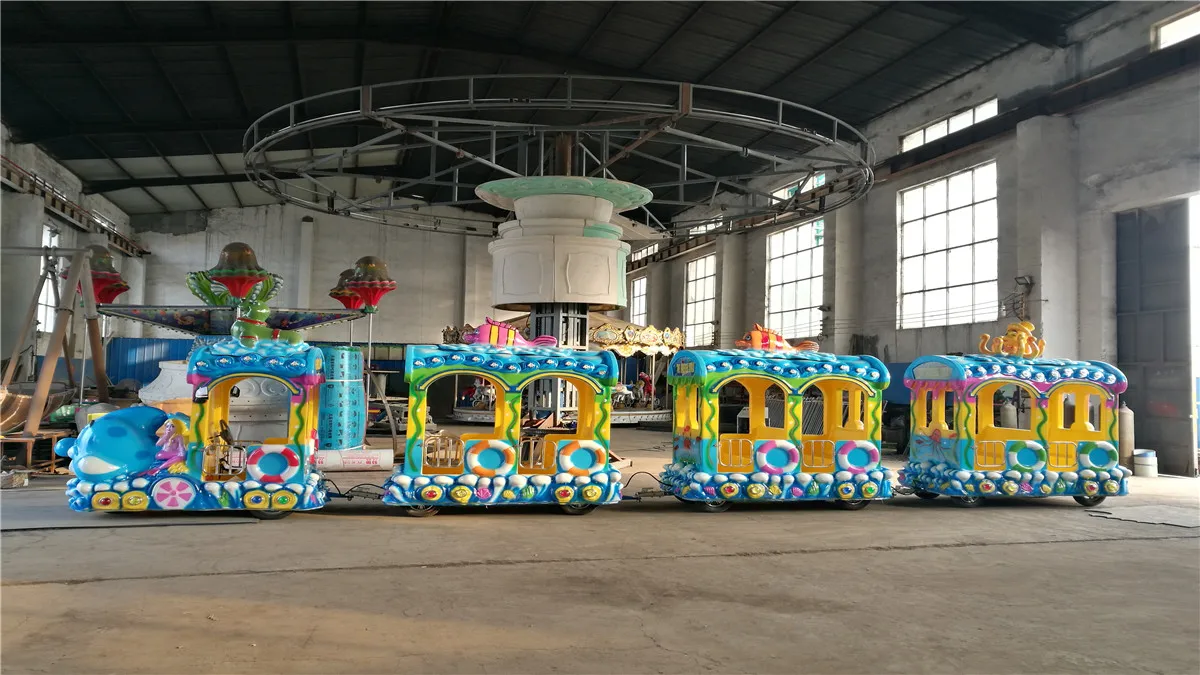
Henan Weiyuan Machinery Co., Ltd.
- Manufacturer, Trading Company
- Henan, China
- Lead time15 days
- Avg. response≤ 3h
Main productscarousel horse,bumper car,flying chairs,disco tagada,self-control plane
Main marketsAfrica(28.00%), Mid East(24.00%), North America(12.00%), Southeast Asia(8.00%), South America(5.00%), Central America(4.00%), Northern Europe(4.00%), Eastern Europe(3.00%), South Asia(3.00%), Southern Europe(3.00%), Western Europe(2.00%), Eastern Asia(2.00%), Oceania(2.00%)
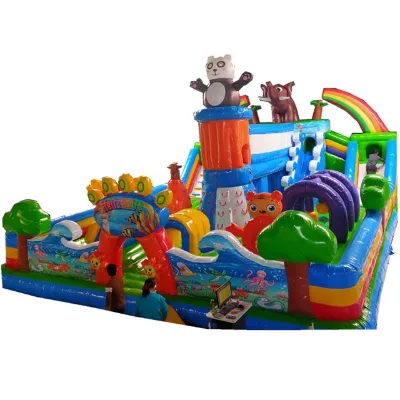
High Quality Customizable PVC Inflatable Jumping House Small Indoor Bouncy Castle Toys Jumping Fun
$300.00 - $370.00
MOQ: 1 pieces
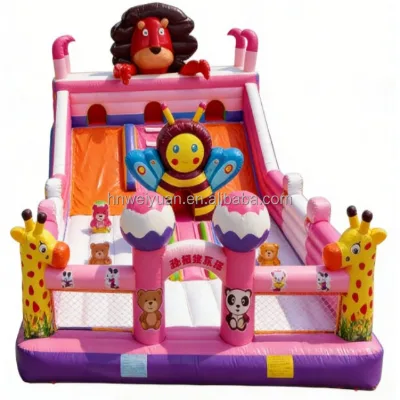
Safe & Thickened Mini Inflatable Bounce House with Slide, Kids Indoor Fun Jumping Play Facility
$3650.00 - $3750.00
MOQ: 1
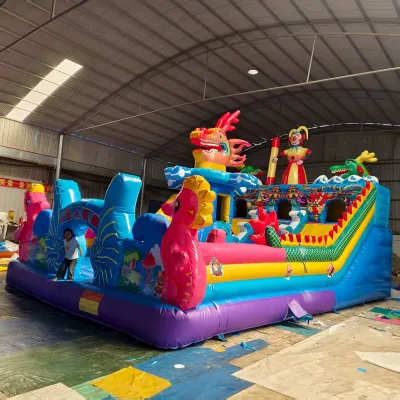
Giant Dragon Inflatable Bounce House with Slide for Commercial Use
$1700.00 - $2000.00

Guangzhou Planet Inflatables Ltd.
- Combined
- China Guangdong
- Lead time15 days
- Avg. response≤ 2h
Main productsInflatable Tents, Inflatable Sports Tunnels, Inflatable Advertising Products, Inflatable Bouncer, Inflatable Water Games, Inflatable Games, Inflatable Interactive Games, Inflatable Slides, PVC Balloons&Blimps
Main marketsSouth America,Africa,Southeast Asia/ Mideast,East Asia(Japan/ South Korea),Domestic,Europe,Australia,North America


Colorful Inflatable Bouncy Castle Bouncer Mini Inflatable Bounce House with Slide
$378.00 - $450.00
MOQ: 1 Pieces

Zhengzhou Fiveflowers Amusement Equipment Co., Ltd.
- Trading Company
- Henan, China
- Lead time0 days
- Avg. response≤ 2h
Main productsInflatable bouncer,Inflatable slides,Inflatable games,Inflatable obstacle,Bounce house
Main marketsNorth America(50.00%), Southern Europe(5.00%), Northern Europe(5.00%), Western Europe(5.00%), Eastern Asia(5.00%), Mid East(5.00%), Oceania(5.00%), Africa(5.00%), Southeast Asia(5.00%), Eastern Europe(5.00%), South America(5.00%)
Guangzhou Airfunpro Inflatables Co., Ltd.
- Verified by TüVRheinland
- Manufacturer, Trading Company
- Lead time15 days
- Avg. response≤ 1h
Main productsInflatable Water Park, Inflatable Theme Park, Inflatable Tent, Inflatable Water Games, Inflatable Sport Games
Main marketsNorth America(38%), South America(10%), Oceania(10%)

MAX (HK) INDUSTRIAL CO., LIMITED
- Verified by SGS
- Trading Company,Manufacturer/Factory,Group Corporation
- China Guangdong
- Lead time23 days
- Avg. response≤ 2h
Main productsInflatable Promotion Items, Inflatable Pool Float, Inflatable Swimming Tools, Inflatable Hot Air Balloon, Mascot Costume, Inflatable Sofa or Furniture, Inflatable Moon House Bouncer, Inflatable Castle and Sports Game, Inflatable Commerical Ad Display, Inflatable Outdoor Camping Prodcuts
Main marketsSouth America,Eastern Europe,Mid East,North America,Southeast Asia,Eastern Asia,Oceania,Western Europe,Africa
Zhengzhou Beiyouqu Amusement Equipment Co., Ltd.
- Trading Company
- Henan, China
- Lead time7 days
- Avg. response≤ 6h
Main productsOutdoor play equipment
Main marketsNorthern Europe(20.00%), North America(15.00%), Southeast Asia(15.00%), Eastern Europe(10.00%), Mid East(10.00%), Eastern Asia(10.00%), Southern Europe(10.00%), Western Europe(5.00%), South Asia(5.00%)
Guangzhou Jiale Inflatable Amusement Equipment Co., Ltd.
- Manufacturer
- Guangdong, China
- Lead time15 days
- Avg. response≤ 1h
Main productsInflatable toy,Advertising design,mirror ball,inflat bouncer,bounce house inflatable
Main marketsNorth America(50.00%), Southeast Asia(20.00%), Domestic Market(10.00%), Central America(10.00%), Eastern Asia(10.00%)
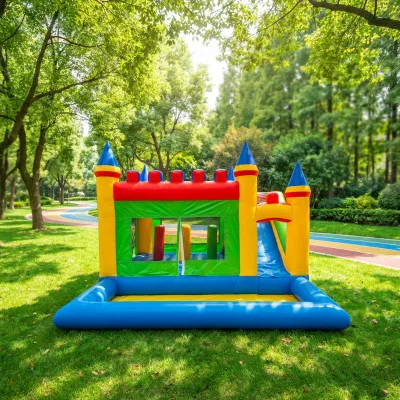
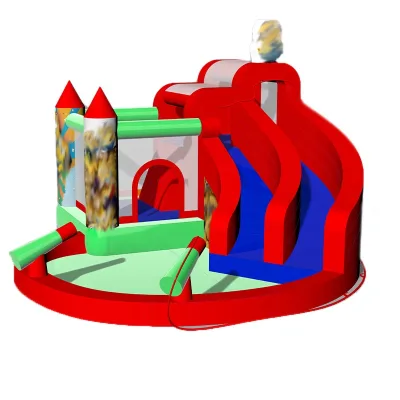
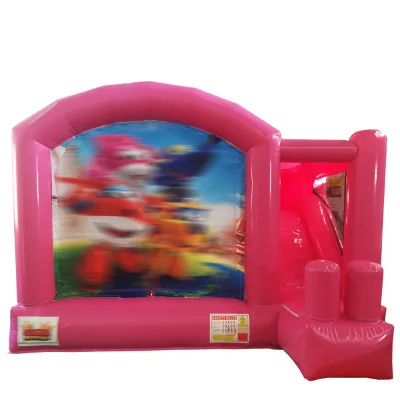
Factory Direct Sale Happy Hop Bouncer House Funny Bouncer Inflatable Bouncer House
$450.00 - $470.00
MOQ: 1
Henan Dongyuan Tourism Development Co., Ltd.
- Verified by TüVRheinland
- Manufacturer, Trading Company
- Lead time0 days
- Avg. response≤ 1h
Main productsCarousel, Bumper Car, Water Amusement Facilities, Bouncy Castle, Inflatable Slide
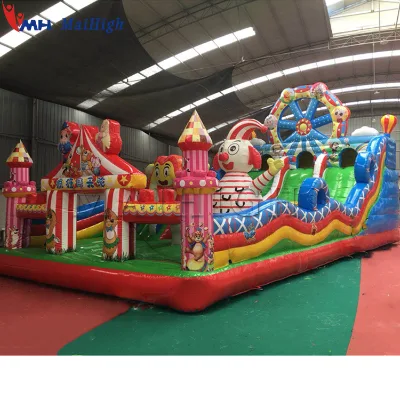
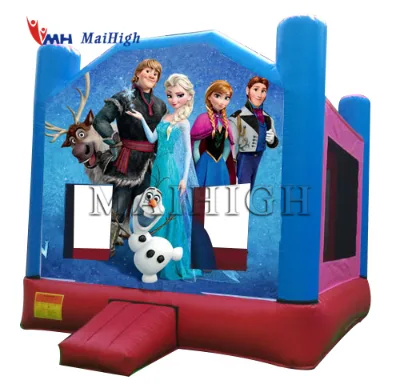


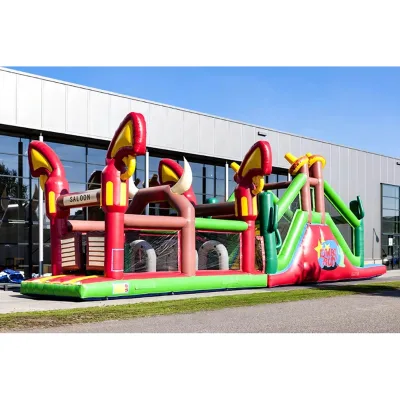
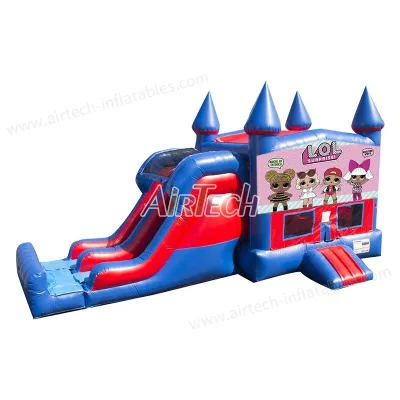
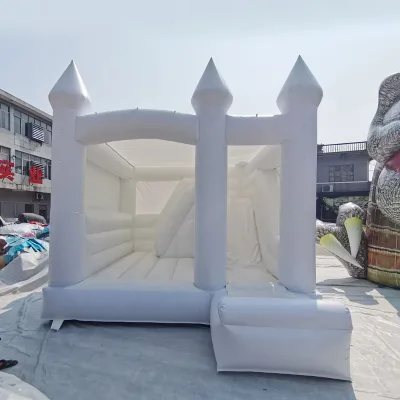
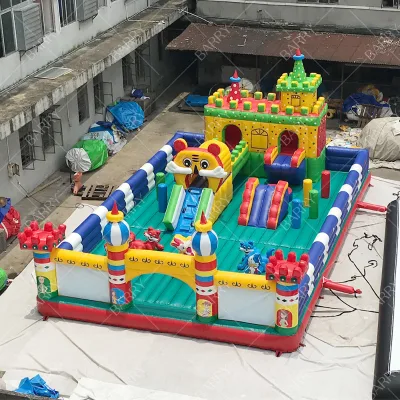
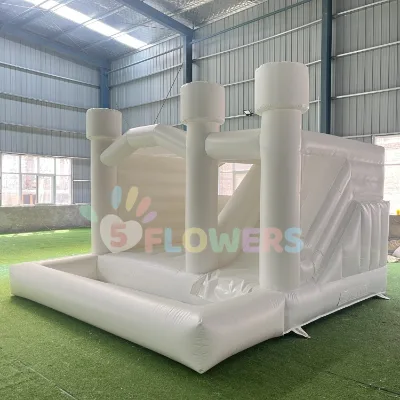
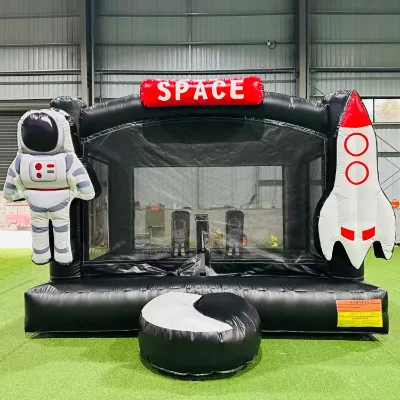
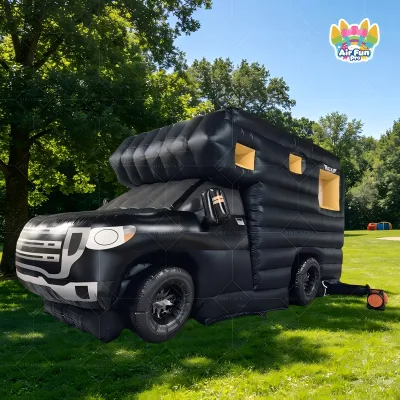
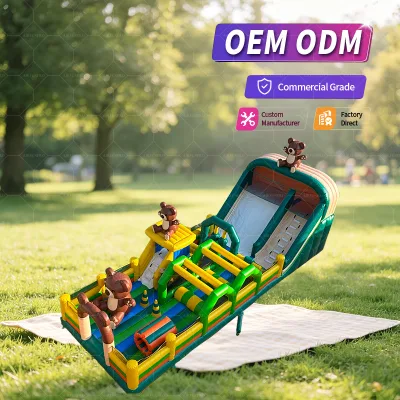
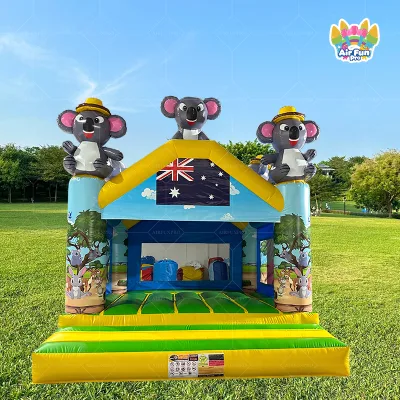
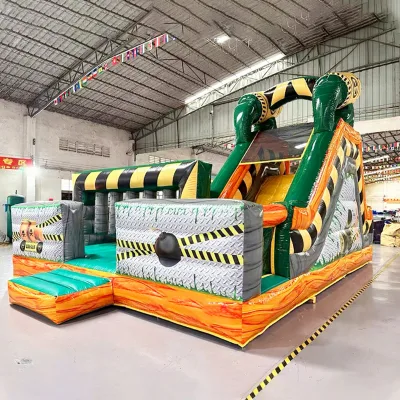


Comprehensive Sourcing Guide
Customized Logo Bouncy House Supplier Concentration and Factory Types
The sourcing landscape for customized logo bouncy houses is heavily concentrated in specific manufacturing hubs, with Guangdong, China emerging as a primary cluster for these products. Suppliers in this region often operate as combined entities, functioning as both manufacturers and trading companies, which allows them to offer a wide array of inflatable solutions ranging from simple jumping castles to complex commercial slides. This dual capability is significant for buyers seeking customization, as it suggests an integrated supply chain that can handle both production and logistics coordination. The presence of such combined company types indicates that many factories have evolved to meet the diverse needs of international buyers who require not just the physical product but also the flexibility of branding and design adjustments. When evaluating suppliers in this cluster, buyers should recognize that the concentration of expertise in Guangdong facilitates rapid iteration on custom designs, as local supply chains for materials like PVC tarpaulin are well-established. This geographic clustering reduces the friction associated with sourcing raw materials, allowing for more efficient production cycles for customized orders.
Understanding the factory type is crucial for determining the level of control a buyer has over the customization process. Manufacturers typically offer direct access to production lines, which can be beneficial for large orders where consistency and cost-efficiency are paramount. However, trading companies or combined entities may provide a broader selection of existing molds and designs, which can accelerate the time-to-market for customized logo applications. Buyers should assess whether the supplier’s primary focus is on high-volume standard production or flexible small-batch customization. The main products listed by many suppliers in this sector include inflatable bouncers, slides, and combo units, indicating a specialization in amusement park facilities. This specialization ensures that the suppliers possess the technical knowledge required to maintain structural integrity while applying custom graphics. It is important to verify if the supplier’s manufacturing capabilities align with the specific complexity of the desired logo customization, as some factories may excel in simple printing while others offer advanced digital printing techniques for detailed brand imagery.
How to Verify Customized Logo Bouncy House Suppliers
Verification is a critical step in ensuring that a supplier for customized logo bouncy houses meets international safety and quality standards. Buyers should prioritize suppliers who hold recognized system certifications, such as ISO9001:2015, which indicates a standardized approach to quality management in their production processes. Additionally, product-specific certifications like CE and EN14960 are essential for ensuring that the inflatable structures comply with European safety regulations, which are often adopted as benchmarks globally. The presence of SGS certification further validates the material quality and safety performance of the bouncy houses. Buyers must request copies of these certificates and verify their authenticity, as counterfeit documentation is a risk in the industry. Furthermore, third-party verification services, such as BV (Bureau Veritas), provide an additional layer of confidence by confirming the supplier’s business legitimacy and operational capabilities. This verification process helps mitigate the risk of engaging with fraudulent entities that may not have the actual manufacturing capacity to deliver customized orders.
Beyond certifications, buyers should assess the supplier’s responsiveness and communication efficiency, as these factors are indicative of their overall professionalism and reliability. A quick response time, such as within a few hours, suggests that the supplier has dedicated customer service teams capable of handling complex customization queries promptly. Buyers should also inquire about the supplier’s experience with logo customization, asking for examples of previous work or case studies. It is important to verify the specific printing techniques used, such as digital printing, which allows for high-resolution and durable logo application. Buyers should also check if the supplier offers a repair kit along with the bouncy house, as this indicates a commitment to after-sales support and product longevity. Additionally, verifying the supplier’s production capacity and lead times can provide insight into their ability to handle rush orders or large-scale projects. By combining certification checks with operational assessments, buyers can build a comprehensive profile of the supplier’s reliability and capability to deliver high-quality customized bouncy houses.
What to Compare Across Customized Logo Bouncy House Suppliers
When comparing suppliers for customized logo bouncy houses, lead time is a key metric that directly impacts project planning and inventory management. Suppliers may offer varying lead times, ranging from ten to twenty-five working days, depending on the complexity of the customization and the current order volume. Buyers should clearly define their required delivery dates and compare how different suppliers accommodate these timelines. It is also important to inquire about the factors that influence lead times, such as the availability of raw materials or the need for mold creation. In addition to lead times, buyers should compare the minimum order quantities (MOQ) required by different suppliers. Some suppliers may accept orders for a single unit, which is beneficial for testing the market or for small-scale events, while others may require larger quantities to justify the setup costs for customization. Understanding these MOQs helps buyers align their procurement strategy with their budget and sales projections.
Another critical aspect of comparison is the price range and the inclusion of accessories. Prices for customized bouncy houses can vary significantly based on size, material thickness, and the complexity of the logo design. Buyers should request detailed quotations that break down the costs of the inflatable structure, the blower, and any additional accessories like repair kits. It is important to note whether the blower is included in the price, as this can affect the total cost of ownership. Some suppliers may offer blower-included options, while others may list them as un-included, requiring separate procurement. Additionally, buyers should compare the warranty terms offered by different suppliers, as this reflects their confidence in the product’s durability. A warranty of two to three years is common for commercial-grade inflatables, but terms may vary. By systematically comparing lead times, MOQs, pricing structures, and warranty terms, buyers can identify the supplier that offers the best value and alignment with their specific business needs.
Common Customized Logo Bouncy House Sourcing Risks
One of the primary risks in sourcing customized logo bouncy houses is the potential discrepancy between the approved design and the final product. Buyers must ensure that the supplier has a robust quality control process to verify that the logo printing matches the approved proofs in terms of color, placement, and resolution. Digital printing is often used for customization, but variations in ink quality or printing techniques can lead to inconsistencies. To mitigate this risk, buyers should request physical samples or detailed digital proofs before mass production begins. Another significant risk is the quality of the materials used, particularly the PVC tarpaulin. Buyers should verify the fabric thickness, which is often specified as 0.55mm, and ensure that the material meets the required durability and safety standards. Inferior materials may lead to premature wear and tear, resulting in customer complaints and potential safety hazards. It is crucial to specify the material grade and thickness in the contract to hold the supplier accountable for the quality of the final product.
Logistics and packaging also pose risks that buyers must manage carefully. Inflatable bouncy houses are large and bulky, making them susceptible to damage during transit if not packed properly. Buyers should verify that the supplier uses strong PVC bags or other protective packaging to prevent tears and abrasions during shipping. Additionally, buyers should be aware of the shipping costs and lead times associated with different logistics methods. Delays in shipping can disrupt event schedules and lead to financial losses. Another risk is the compliance with local regulations in the buyer’s destination country. Buyers must ensure that the supplier’s products meet the specific safety and certification requirements of their market, such as CE or EN14960 standards. Failure to comply with these regulations can result in customs delays or product seizures. By proactively addressing these risks through clear communication, detailed specifications, and thorough verification, buyers can minimize the potential for issues during the sourcing process.
Customized Logo Bouncy House Regional Sourcing and Logistics
Sourcing customized logo bouncy houses from regional hubs like Guangdong, China, offers logistical advantages due to the concentration of manufacturing facilities and established export infrastructure. Suppliers in this region are well-versed in international shipping requirements, which can streamline the export process for buyers. However, buyers must still manage the complexities of international logistics, including customs clearance and freight forwarding. It is important to work with suppliers who have experience in exporting to the buyer’s specific region, as they can provide guidance on documentation and compliance. The proximity of suppliers to major ports in China can also reduce transit times and shipping costs, making it a competitive option for global buyers. Buyers should inquire about the supplier’s preferred shipping methods and whether they offer door-to-door delivery services, which can simplify the logistics process.
In addition to shipping, buyers should consider the environmental impact and sustainability of the sourcing process. Many suppliers are adopting eco-friendly practices, such as using environmentally friendly materials and production methods. Buyers can leverage this by requesting information on the sustainability credentials of the supplier’s products. Furthermore, buyers should evaluate the supplier’s ability to handle reverse logistics, such as returns or repairs, in case of product defects. A reliable supplier should have a clear process for handling after-sales issues, including the provision of repair kits and technical support. By understanding the logistical landscape and sustainability practices of the sourcing region, buyers can make informed decisions that align with their operational and ethical standards. This holistic approach to regional sourcing ensures that buyers not only receive high-quality products but also maintain efficient and responsible supply chains.
Customized Logo Bouncy House Commercial Terms and Order Planning
Commercial terms play a vital role in the successful execution of Customized Logo Bouncy House orders. Buyers should negotiate clear payment terms, such as a deposit followed by the balance before delivery, to protect their financial interests. It is important to specify the payment methods accepted by the supplier, such as T/T, Western Union, or L/C, and ensure that they align with the buyer’s financial policies. Additionally, buyers should clarify the terms for customization, including any additional costs for logo printing or design changes. These costs should be itemized in the quotation to avoid unexpected expenses. Buyers should also establish a clear timeline for the approval of proofs and the commencement of production to ensure that the order is completed within the agreed lead time. Effective order planning requires close collaboration with the supplier to manage these commercial terms and ensure a smooth transaction.
Warranty and after-sales support are also critical components of the commercial agreement. Buyers should verify the warranty period offered by the supplier, which typically ranges from two to three years for commercial-grade inflatables. The warranty should cover defects in materials and workmanship, and buyers should understand the process for making a claim. Suppliers should provide a repair kit and detailed instructions for maintenance and repair, which can extend the lifespan of the product. Buyers should also inquire about the supplier’s availability for technical support and spare parts. By establishing comprehensive commercial terms and planning for after-sales support, buyers can mitigate risks and ensure the long-term success of their customized bouncy house investments. This proactive approach to commercial planning fosters a strong partnership with the supplier and enhances the overall value of the procurement process.
FAQs
What is the minimum order quantity for customized bouncy houses?
The minimum order quantity is one unit, allowing buyers to test quality before scaling up. This low threshold supports small businesses and event organizers who need single units for specific occasions. Customization options remain available even for single orders, ensuring flexibility for diverse project requirements.
How long does production take for custom inflatable castles?
Production lead times typically range from 10 to 25 working days depending on the supplier and order complexity. Some manufacturers offer faster turnaround times of around 10 days, while larger or more intricate designs may require up to 25 days. Buyers should confirm specific timelines during negotiation.
Are blowers included with the customized bouncy house purchase?
Blower inclusion varies by supplier and product model. Some listings indicate that blowers are included with the inflatable structure, while others specify that they are not included in the base price. Buyers must verify this detail with the supplier to ensure all necessary components are accounted for in the final quote.
What certifications are required for commercial inflatable bouncy houses?
Commercial units typically require CE and EN14960 certifications to ensure safety and compliance with international standards. Some suppliers also provide SGS, ISO9001, or UL certifications. These documents verify material quality and structural integrity, which are critical for insurance and regulatory approval in amusement parks and public venues.
What material is used for durable customized bouncy houses?
High-quality PVC tarpaulin is the standard material, often with a thickness of 0.55mm for durability. This material offers resistance to tearing and weather conditions, making it suitable for both indoor and outdoor use. Buyers should confirm the specific material grade and thickness to ensure longevity and safety for commercial applications.
Can I customize the size and logo of the bouncy house?
Yes, customization is widely available for size, color, and logo printing. Suppliers offer digital printing for logos and banners, allowing for brand integration. Sizes can be tailored to specific venue constraints, ensuring the inflatable fits the intended space perfectly while maintaining structural stability and safety standards for users.