Source Customized Pattern Woven Challie Fabric for Dresses, Shirts, and Home Textile
Explore 18 listings for Customized Pattern Woven Challie Fabric suitable for dresses, shirts, and home textile applications. Compare specifications like weight, width, and printing techniques from verified suppliers in Jiangsu, China; compare the available evidence and request quotations based on your requirements.
Updated
Key considerations
Products List
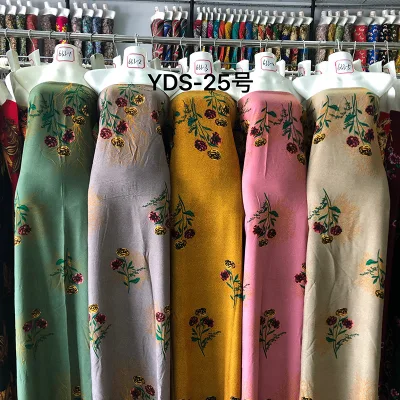
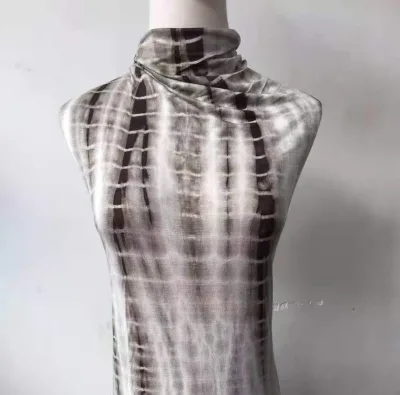
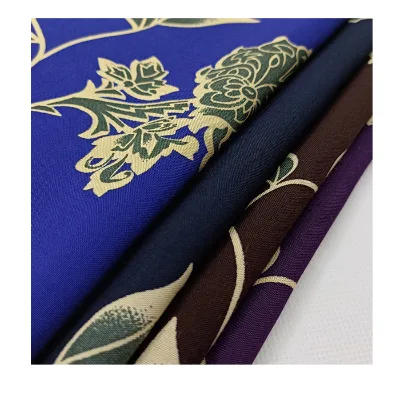
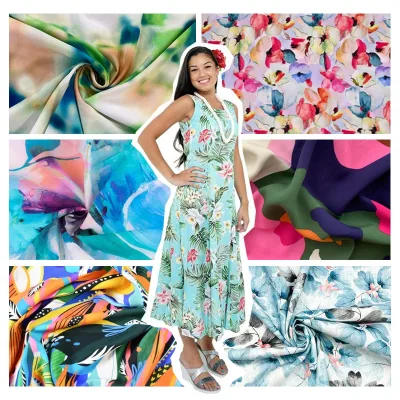


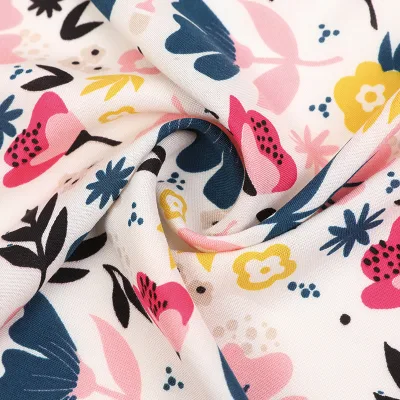
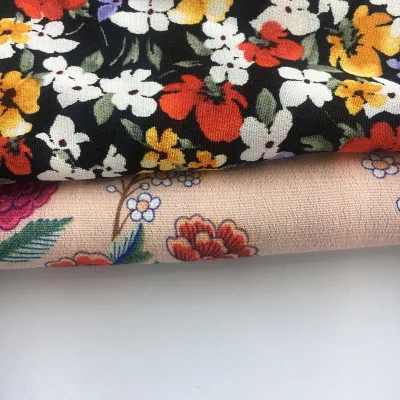
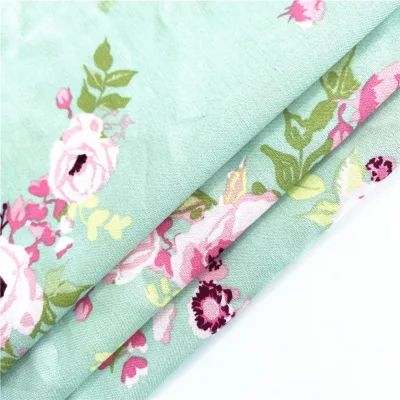
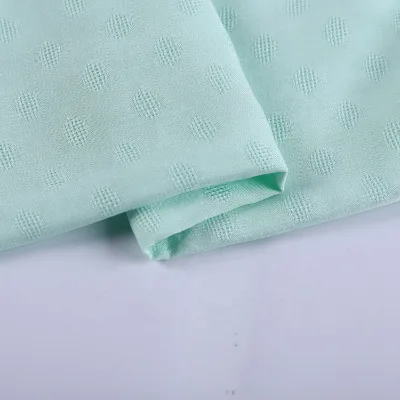
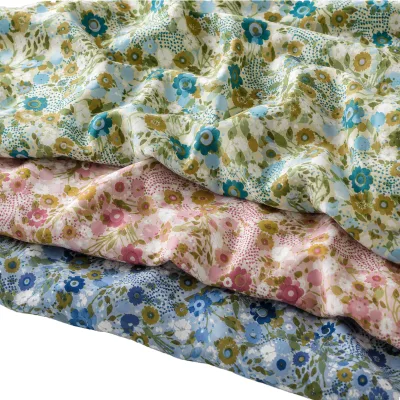
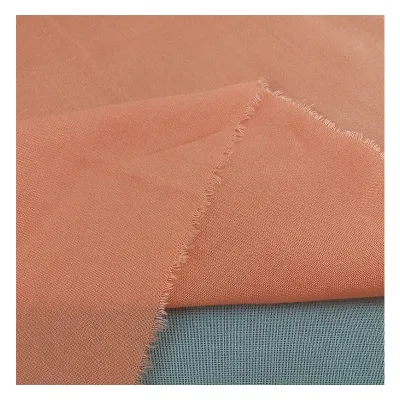
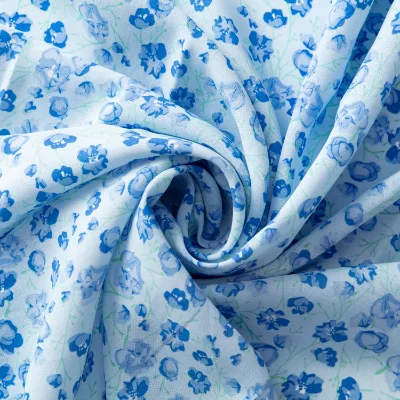
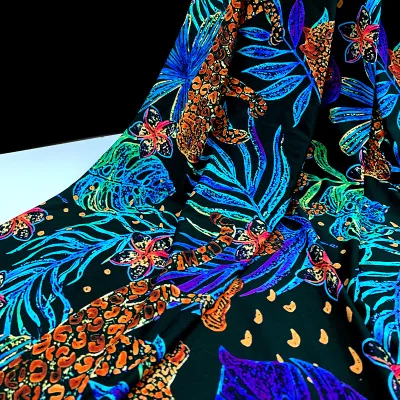
Crepe Rayon Fabric Factory Wrinkle Viscose Rayon Challis Woven Dress Fabrics
$1.05 - $1.45
MOQ: 3000 Meters

Comprehensive Sourcing Guide
Customized Pattern Woven Challie Fabric Sourcing Guide
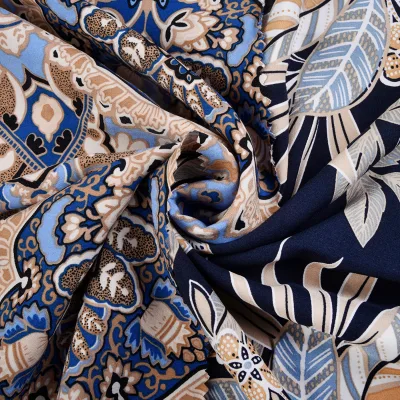
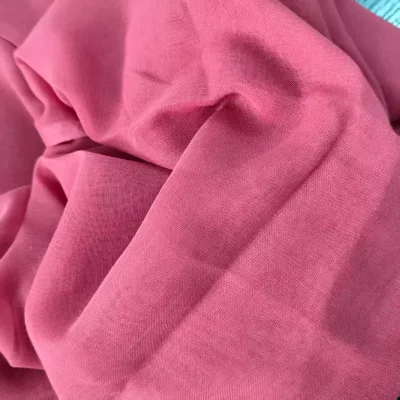
Sourcing Customized Pattern Woven Challie Fabric requires a clear understanding of the material’s unique texture and the specific technical parameters that define its quality. Challie fabric, often made from 100% rayon or viscose spun yarns, is prized for its soft hand feel and distinctive crinkled surface, making it ideal for summer dresses, shirts, and lightweight apparel. Buyers must distinguish between standard plain weaves and those with complex patterns such as tie-dye, digital prints, or jacquard designs, as these variations significantly impact production complexity and cost. The woven construction ensures durability while maintaining the breathable, moisture-absorbent properties essential for garments worn in warm climates or for baby and kids’ clothing where skin comfort is paramount.
The customization process involves selecting the appropriate yarn count, weight, and width to match the end-use requirements. Common yarn counts observed in the market include 30s, 45s, and 60s, with weights ranging from 60gsm to 200gsm, allowing for versatility from sheer overlays to medium-weight garments. Widths typically vary between 55/56 inches and 130cm, influencing yardage calculations and cutting efficiency. Buyers should verify whether the supplier offers make-to-order capabilities, as this model allows for tailored specifications but may require longer lead times compared to stock items. Understanding these foundational attributes ensures that the selected fabric aligns with both design aesthetics and functional performance needs.
Product Scope and Observed Listing Signals
The current market landscape for Customized Pattern Woven Challie Fabric reveals a diverse range of product listings that cater to various apparel segments. Observed listings indicate a price range of $0.51 to $5.42 per unit, reflecting differences in material quality, pattern complexity, and order volume. Minimum order quantities (MOQs) typically range from 500 to 3000 units, with some suppliers specifying a minimum of 1500 meters for custom runs. These signals suggest that smaller buyers may face higher per-unit costs, while larger orders benefit from economies of scale. The presence of digital printing techniques and various pattern options like floral, plaid, and solid colors indicates a high degree of customization potential, allowing brands to create unique collections without relying on generic stock fabrics.
Buyers should also note the variety of supply types and production capabilities advertised. Many suppliers offer make-to-order services with a supply ability of up to 5000 meters per day, ensuring timely delivery for urgent projects. The availability of free samples is a common practice, enabling buyers to assess the soft hand feel, colorfastness, and texture before committing to large orders. Additionally, the use of terms like "Challie Fabric" and "Rayon Crinkle Fabric" helps in identifying the correct material type, although buyers must verify the exact composition, as some listings may mix rayon with other fibers. Understanding these market signals helps in setting realistic expectations regarding pricing, lead times, and the level of customization available from different suppliers.
Technical Specifications to Verify
Verifying technical specifications is critical to ensuring that the challie fabric meets the intended application requirements. Buyers must confirm the material composition, as listings may specify 100% viscose, rayon spun, or 100% rayon, each offering slightly different drape and care characteristics. The weight of the fabric, ranging from 60gsm to 200gsm, directly affects the garment’s structure and suitability for different seasons, with lighter weights preferred for summer dresses and heavier weights for autumn wear. Width is another key parameter, with options like 55/56 inches and 130cm impacting fabric utilization and cutting patterns. Buyers should request detailed spec sheets that include yarn count, such as 30s, 45s, or 60s, to ensure the fabric has the desired texture and strength.
Pattern and printing techniques also require close scrutiny, especially for customized orders. Digital printing allows for intricate designs and color variations, but buyers must verify colorfastness and resolution standards. Patterns such as tie-dye, jacquard, and twill add visual interest but may introduce variations in texture and thickness. It is essential to confirm whether the fabric is single-faced or double-faced, as this affects opacity and layering options. Additionally, features like wrinkle resistance, shrink-resistance, and breathability should be validated through supplier data or independent testing. Buyers should also check the packaging details, such as roll packing in OPP bags or cartons, to ensure the fabric arrives in good condition without creases or damage.
Compliance and Safety Documentation
Compliance and safety documentation are non-negotiable aspects of sourcing challie fabric, particularly for products intended for children or sensitive skin. Buyers must ensure that the fabric meets relevant chemical safety standards, such as OEKO-TEX, which certifies the absence of harmful substances. Although specific certification status may not be explicitly listed in all product descriptions, buyers should request test reports from accredited laboratories to verify compliance with international regulations. This is especially important for fabrics used in baby and kids’ clothing, where strict limits on formaldehyde, heavy metals, and azo dyes are enforced. Suppliers who provide comprehensive documentation demonstrate a commitment to quality and regulatory adherence, reducing the risk of product recalls or legal issues.
In addition to chemical safety, buyers should verify the fabric’s performance characteristics through standardized tests. Properties like stain resistance, water repellency, and anti-pill performance are often claimed but require empirical validation. Buyers should ask for test results that confirm these features, ensuring that the fabric performs as advertised in real-world conditions. Furthermore, understanding the supply chain’s environmental impact is increasingly important, with many brands seeking eco-friendly and organic options. Buyers should inquire about the sourcing of raw materials and the manufacturing processes used, looking for suppliers who prioritize sustainable practices. Clear communication regarding compliance and safety expectations helps in building a trustworthy supplier relationship and ensures that the final product meets all regulatory and brand standards.
Cost Drivers and Commercial Terms
Understanding the cost drivers and commercial terms is essential for effective budgeting and negotiation when sourcing customized challie fabric. The primary cost factors include material composition, yarn count, weight, and pattern complexity. Fabrics with higher yarn counts, such as 60s, or those with intricate digital prints and jacquard weaves, typically command higher prices due to increased production time and resource usage. Minimum order quantities also play a significant role, with larger orders often benefiting from lower per-unit costs. Buyers should consider the total cost of ownership, including shipping, packaging, and potential sample costs, to get a accurate picture of the financial implications. Transparent pricing structures help in comparing suppliers and identifying any hidden fees that may affect the final cost.
Commercial terms such as payment methods, lead times, and return policies are equally important. Common payment terms include T/T with a 30% deposit and L/C, providing security for both parties. Buyers should negotiate clear lead times, especially for custom orders, to ensure timely delivery for production schedules. Suppliers with a supply ability of 5000 meters per day can offer faster turnaround times, which is beneficial for urgent projects. Additionally, understanding the return and refund policies for defective goods or non-conforming products is crucial. Buyers should also consider the port of dispatch, such as Shanghai, Ningbo, or Guangzhou, as this can impact shipping costs and transit times. Clear and fair commercial terms facilitate a smooth procurement process and minimize financial risks.
Supplier Qualification and Quality Control
Supplier qualification and quality control are vital steps in ensuring the reliability and consistency of customized challie fabric orders. Buyers should conduct thorough due diligence on potential suppliers, verifying their business licenses, production capabilities, and past performance. Suppliers with a place of origin in Jiangsu, China, often have established manufacturing hubs with access to raw materials and skilled labor. It is important to assess their quality control processes, including in-line inspections and final random inspections, to ensure that the fabric meets the specified standards. Buyers should also evaluate the supplier’s ability to handle custom designs and patterns, as this requires specialized equipment and expertise. A robust quality control system minimizes the risk of defects and ensures that the final product aligns with the buyer’s expectations.
Effective communication and collaboration with suppliers are key to successful quality control. Buyers should establish clear quality benchmarks and share detailed specifications, including color codes, pattern designs, and performance requirements. Regular communication during the production process helps in addressing any issues promptly and making necessary adjustments. Requesting pre-production samples and conducting thorough evaluations before mass production is a best practice to catch potential problems early. Additionally, buyers should consider third-party inspection services for large orders to provide an independent assessment of quality. Building a strong relationship with the supplier based on transparency and mutual trust enhances the overall procurement experience and leads to consistent, high-quality outcomes.
Long-Term Procurement Checks
Long-term procurement checks are necessary to maintain the quality and reliability of the challie fabric supply chain over time. Buyers should regularly review supplier performance metrics, including on-time delivery rates, defect rates, and responsiveness to issues. Consistent performance indicates a reliable partner, while recurring problems may signal the need for corrective actions or supplier changes. It is also important to stay updated on market trends and technological advancements in fabric production, as these can impact cost and quality. Buyers should periodically re-evaluate their supplier base to ensure they are getting the best value and quality for their needs. Continuous improvement and adaptation to market changes help in maintaining a competitive edge and ensuring customer satisfaction.
Additionally, buyers should monitor regulatory changes and industry standards that may affect the sourcing of challie fabric. Staying informed about new safety regulations, environmental requirements, and trade policies helps in anticipating potential disruptions and adjusting procurement strategies accordingly. Building a diversified supplier base can mitigate risks associated with single-source dependencies, providing flexibility in case of supply chain disruptions. Regular audits and feedback loops with suppliers foster a culture of continuous improvement and accountability. By implementing these long-term checks, buyers can ensure a stable, efficient, and compliant procurement process that supports their business goals and brand reputation.
FAQs
What materials are used for Customized Pattern Woven Challie Fabric?
The fabric is made from 100% viscose or rayon spun yarn. It is available in various yarn counts including 30s, 45s, and 60s. This material choice ensures a soft hand feel suitable for diverse applications. The woven construction provides durability while maintaining the characteristic crinkle texture of challie fabric for fashion and home textile uses.
Can I customize the design and pattern of this fabric?
Yes, custom designs are accepted for this woven challie fabric. Buyers can choose from solid, printed, tie-dyed, crepe, discharge, and twill patterns. Digital printing techniques are utilized for detailed designs. The fabric supports customization for various styles including plain, jacquard, and dobby, allowing for unique aesthetic requirements in garment production.
What is the minimum order quantity for this fabric?
The minimum order quantity is 1500 meters. This supply type is make-to-order, ensuring production aligns with specific buyer requirements. The supply ability reaches 5000 meters per day, facilitating timely delivery for larger orders. Buyers should plan their procurement accordingly to meet this initial threshold for customized woven challie fabric production runs.
What are the available weight options for this rayon fabric?
The fabric is available in multiple weight options including 60gsm, 100gsm, 120gsm, 150gsm, and 160gsm. Some listings also indicate weights of 180gsm and 200gsm. The medium weight classification makes it versatile for summer dresses, shirts, and home textiles. Buyers can select the appropriate weight based on the intended garment structure and seasonal requirements.
Where is this Customized Pattern Woven Challie Fabric manufactured?
The fabric originates from Jiangsu, China. It is dispatched via major ports including Shanghai, Ningbo, Guangzhou, and Yiwu. The manufacturing location supports efficient logistics for international buyers. The product model numbers vary, such as 20230404 and RC03, indicating different production batches or specifications available from this regional manufacturing base.
What payment terms are accepted for this fabric purchase?
Payment is accepted via T/T with a 30% deposit or L/C. These standard trade finance methods ensure secure transactions for bulk orders. Buyers should arrange the initial deposit to initiate the make-to-order production process. The remaining balance is typically settled upon completion or shipment, aligning with standard international textile trade practices for customized fabric orders.