Source Child Safe Ladder Tape for Hotels, Schools, and Offices
Compare 30 verified listings for Child Safe Ladder Tape designed for hotels, schools, and offices. Buyers can evaluate materials like FRP and nylon, weight capacities, and customization options to find the right folding ladders for rescue or daily use; compare the available evidence and request quotations based on your requirements.
Updated
Key considerations
Products List
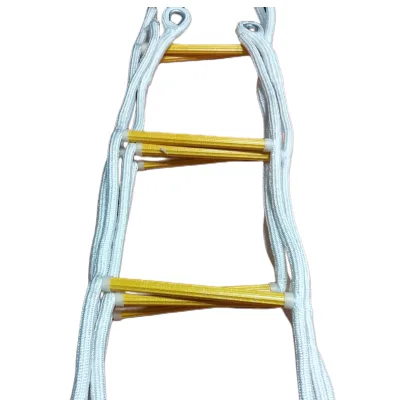
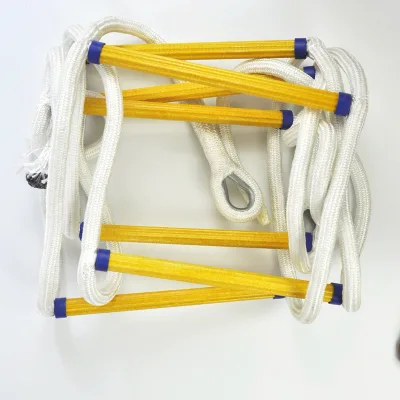
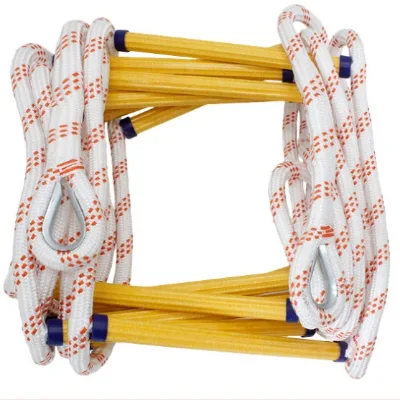
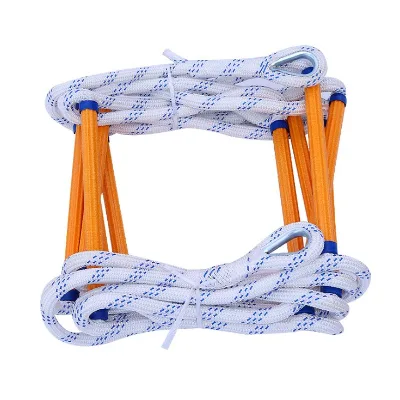
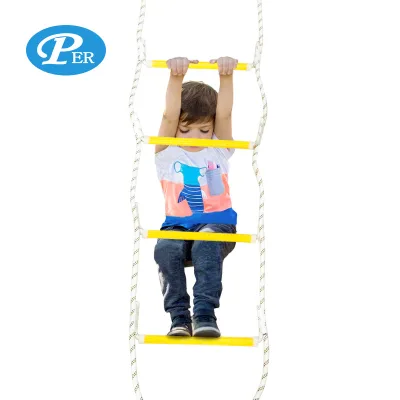
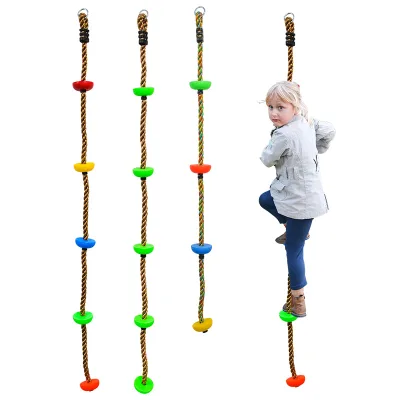


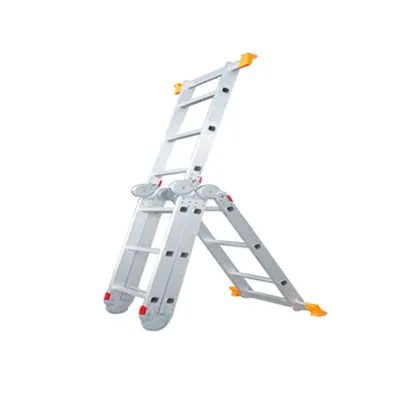


Durable Safe Climbing Ladder for Various Climbing Needs and Environments
$800.00 - $1000.00
MOQ: 5 Tons

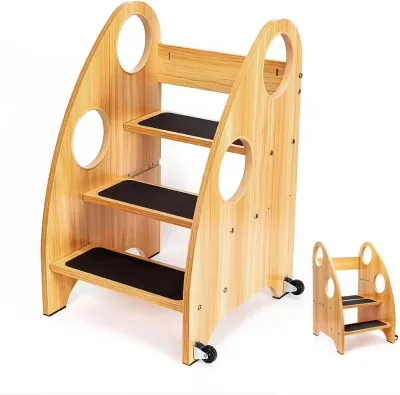




Comprehensive Sourcing Guide
Child Safe Ladder Tape Sourcing Guide
Procuring ladder components for residential or commercial use requires a careful balance of structural integrity and user safety, particularly when the end-user demographic includes children. The market offers a variety of folding and rope-based solutions, ranging from lightweight nylon ladders designed for hotel or villa use to heavy-duty climbing ladders intended for rescue operations. Buyers must distinguish between these distinct product categories, as the material requirements and safety protocols differ significantly. For instance, lightweight kids' nylon folding ladders often prioritize portability and ease of storage, while rescue-grade rope ladders emphasize high-strength durability and load-bearing capacity. Understanding these fundamental differences is the first step in defining accurate procurement specifications.
When evaluating suppliers, it is crucial to verify the specific material composition and construction methods used in the ladder tape and associated components. Observed listings indicate the use of materials such as FRP, high-strength polyester, and nylon, each offering different benefits regarding weight, corrosion resistance, and tensile strength. Buyers should request detailed material data sheets to confirm that the selected tape meets the necessary safety standards for the intended application. Additionally, verifying the manufacturer's ability to customize colors and sizes ensures that the final product aligns with brand identity and functional requirements, whether for a hospital, school, or outdoor climbing facility.
Product Scope and Observed Listing Signals
The current market landscape for ladder components includes a diverse range of products, from folding ladders with resin tube combinations to specialized climbing rope ladders. Observed product attributes highlight items such as lightweight kids' nylon folding ladders with specific dimensions like 40 x 30 cm, as well as larger rescue ladders available in lengths of 5m, 8m, and 10m. These variations suggest that buyers must clearly define their use case, whether it involves indoor residential use, commercial building maintenance, or outdoor emergency rescue scenarios. The presence of customized color options and specific packaging details, such as PP bags and cartons, indicates that suppliers are equipped to handle both standard and bespoke procurement orders.
Weight and capacity specifications are critical signals when assessing product suitability. Listings show single gross weights ranging from 2.0 kg for smaller units to 8.5 kg for larger rescue ladders, with weight capacities specified up to 300 lbs for certain types. These metrics help buyers estimate shipping costs and structural load limits. Furthermore, the observation of supply abilities, such as 10,000 pieces per month, provides insight into the supplier's production scale and reliability. Buyers should cross-reference these signals with their own volume requirements to ensure that the supplier can meet demand without compromising on quality or delivery timelines.
Technical Specifications to Verify
Verifying technical specifications is essential to ensure that the ladder components meet the required performance standards. Buyers should confirm the exact dimensions, including single package sizes and overall product dimensions, to ensure compatibility with storage and installation spaces. For example, some listings specify package sizes of 30x25x15 cm or 50x40x40 cm, which directly impact logistics and handling. Additionally, the type of ladder, whether it is a step ladder or a climbing rope ladder, must be clearly defined in the purchase order to avoid mismatches between expectation and delivery. Detailed technical drawings and material thickness specifications should be requested to validate structural integrity.
Material composition and structural design are other key areas requiring verification. The use of high-strength polyester or nylon for rope ladders and FRP for certain folding ladders suggests a focus on durability and lightweight performance. Buyers should verify the tensile strength and abrasion resistance of the ladder tape, as these factors directly influence safety and longevity. Furthermore, the inclusion of features such as resin tube combinations or customized colors should be confirmed through sample approval. Ensuring that the product model numbers, such as SVWP-01 or climbing rope ladder variants, match the ordered specifications prevents confusion and ensures that the correct components are delivered for assembly or direct use.
Compliance and Safety Documentation
Safety compliance is paramount when sourcing ladder components, especially for applications involving children or rescue operations. Buyers must request relevant certification documents, such as ISO9001 and CE marks, to verify that the manufacturer adheres to recognized quality management and safety standards. These certifications indicate that the production processes have been audited and meet specific regulatory requirements. Additionally, buyers should inquire about any industry-specific standards, such as EN 131-1 or EN 131-2, which may apply to step ladders and ensure that the products are suitable for professional or household use.
In addition to certifications, buyers should seek detailed test reports and safety data sheets for the ladder materials. These documents provide evidence of the product's performance under stress, including load-bearing capacity and resistance to environmental factors. For rescue ladders, verifying the weight capacity and structural stability through third-party testing is crucial. Buyers should also confirm that the manufacturer provides clear usage instructions and safety warnings, which are essential for end-user safety. Ensuring that all compliance documentation is up-to-date and verifiable helps mitigate liability risks and ensures that the products meet the legal requirements of the destination market.
Cost Drivers and Commercial Terms
Understanding the cost drivers associated with ladder components allows buyers to negotiate more effectively and budget accurately. Key factors influencing price include the material type, such as high-strength polyester versus standard nylon, and the complexity of the design, such as folding mechanisms or resin tube combinations. Customization options, including specific colors and sizes, may also impact the final cost due to additional production steps. Buyers should request detailed quotations that break down these costs to identify areas where savings can be achieved without compromising quality. Volume discounts and bulk pricing structures should also be explored to optimize procurement costs.
Commercial terms, including minimum order quantities (MOQ) and payment terms, play a significant role in the procurement process. Observed MOQs range from 10 pieces to 3600 pieces, depending on the product type and supplier capabilities. Buyers should align their order quantities with these MOQs to avoid excessive inventory or production delays. Additionally, lead times and port of dispatch details, such as Shanghai, should be confirmed to plan logistics effectively. Sample acceptance policies and warranty terms are also important considerations, as they provide assurance of product quality and supplier reliability. Clear communication of these terms helps establish a transparent and mutually beneficial partnership.
Supplier Qualification and Quality Control
Supplier qualification is a critical step in ensuring the reliability and consistency of ladder component supplies. Buyers should conduct thorough due diligence on potential suppliers, verifying their business licenses, production facilities, and quality control processes. Suppliers with established supply abilities, such as 10,000 pieces per month, demonstrate the capacity to handle large orders efficiently. Additionally, checking for certifications like ISO9001 and CE provides confidence in the supplier's commitment to quality and safety standards. Buyers should also assess the supplier's responsiveness and communication skills, as these factors influence the smooth execution of the procurement process.
Quality control measures should be implemented throughout the production and delivery process to ensure that the products meet the specified requirements. Buyers should request pre-shipment inspections and third-party quality audits to verify that the ladder components conform to the agreed-upon specifications. This includes checking material composition, dimensions, weight, and overall construction quality. Implementing a robust quality control plan helps identify and address potential issues before they impact the end product. Additionally, establishing clear communication channels for feedback and issue resolution ensures that any discrepancies are promptly addressed, maintaining high standards of product quality and supplier performance.
Long-Term Procurement Checks
Establishing long-term procurement checks ensures that the supplier relationship remains productive and that product quality remains consistent over time. Regular performance reviews should be conducted to assess the supplier's adherence to delivery schedules, quality standards, and communication protocols. These reviews provide an opportunity to address any recurring issues and implement corrective actions. Additionally, staying updated on changes in safety regulations and industry standards is essential to ensure that the sourced products remain compliant. Buyers should proactively engage with suppliers to discuss potential improvements and innovations in ladder design and materials.
Continuous monitoring of market trends and supplier capabilities helps buyers stay competitive and responsive to changing demands. This includes evaluating new product offerings, such as customized colors or advanced materials, that may enhance product value. Buyers should also maintain a diversified supplier base to mitigate risks associated with supply chain disruptions. Regularly updating procurement specifications and requirements ensures that the sourced products align with evolving safety standards and user needs. By implementing these long-term checks, buyers can build a resilient and efficient procurement process that supports their business objectives and ensures the safety and satisfaction of end-users.
FAQs
What materials are used for Child Safe Ladder Tape?
The ladder tape is constructed from high-strength polyester or nylon to ensure durability and safety. These materials provide the necessary tensile strength for climbing applications while remaining lightweight. The resin tubes are made from FRP, offering resistance to corrosion and weathering. This combination ensures a reliable and long-lasting product for various environments.
Can I customize the color of the rope ladder?
Yes, customized colors are available for the rope ladder. Standard options typically include white, but buyers can request specific shades to match their requirements. This customization allows for better visibility or aesthetic integration into different settings. Contact suppliers directly to discuss specific color preferences and any potential impact on lead times or pricing.
What is the minimum order quantity for these ladders?
The minimum order quantity varies by supplier but is commonly set at 50 pieces. Some vendors may accept orders as low as 10 pieces, while others might require higher volumes. It is advisable to check specific supplier listings for their exact MOQ policies. Bulk orders often benefit from more competitive pricing and streamlined logistics arrangements.
Where are these folding ladders manufactured?
These ladders are primarily manufactured in China, with production facilities located in Guangdong and Jiangsu provinces. These regions are known for their robust manufacturing capabilities and supply chain efficiency. Buyers can expect consistent quality standards and competitive pricing due to the established industrial infrastructure in these areas. Verify specific factory locations with suppliers for detailed logistics planning.
What certifications do these climbing ladders hold?
Many suppliers offer climbing ladders with ISO9001 and CE certifications. These certifications indicate adherence to international quality management and safety standards. While EN 131 standards are mentioned in background contexts, explicit certification claims should be verified with the supplier. Always request valid certification documents to ensure compliance with your specific regulatory requirements.
What are the typical sizes available for rope ladders?
Rope ladders are available in various sizes, including 5m, 8m, and 10m lengths. Customized sizes can also be requested to meet specific project needs. The single package dimensions vary based on the ladder length, typically ranging from 30x25x15 cm to 50x40x40 cm. Select the appropriate size based on your intended application and storage constraints.