Source Log Timber Transport Crawler Dumper for Mining, Forestry, and Farming
Source the Log Timber Transport Crawler Dumper for efficient material handling in rugged terrain. Compare 30 available models featuring diesel power, hydraulic transmission, and capacities from 1 to 10 tons. Options include 4x4 drive, Euro 2 emission standards, and CE/ISO certifications for reliable performance.
Updated
Key considerations
Products List


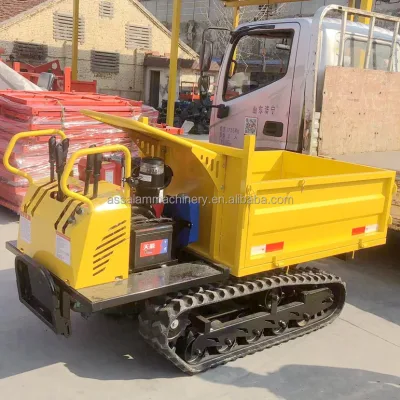
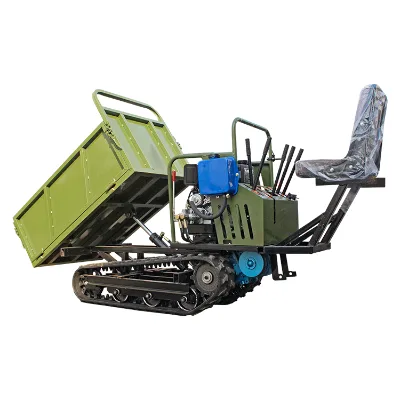
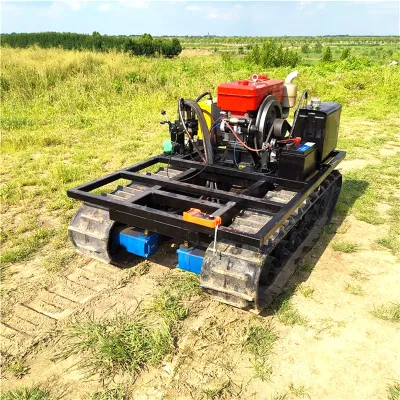
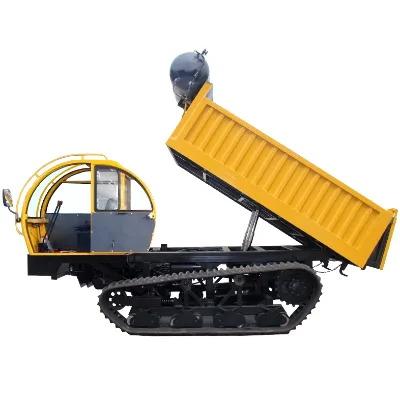
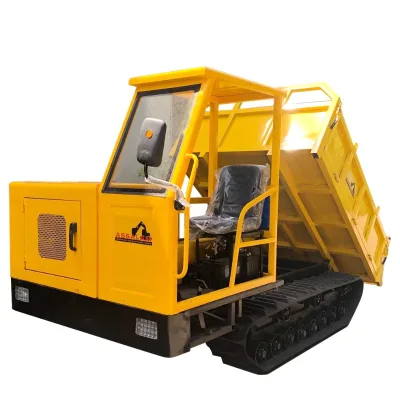


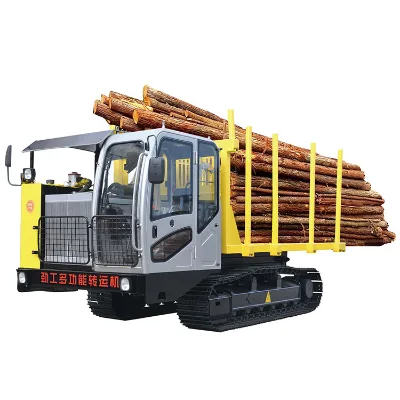
Technical Certification Crawler Dumper for Log Timber Transport From High Quality Factory
$33000.00 - $35000.00
MOQ: 1 pieces


Comprehensive Sourcing Guide
Log Timber Transport Crawler Dumper Sourcing Guide
Log timber transport crawler dumpers are specialized machines designed for rugged terrain where standard wheeled vehicles cannot operate effectively. These units typically feature a crawler walking mode and a rear dump loading mechanism, allowing them to navigate narrow forest trails and steep slopes while carrying heavy timber loads. The observed market data indicates that these machines often utilize diesel engines with power ratings ranging from 13HP to 90kw, ensuring sufficient torque for demanding logging operations. Buyers must verify that the specific model selected matches the intended load capacity, which varies significantly from 1.5 tons to 5 tons depending on the configuration.
When evaluating potential units, procurement teams should focus on the transmission type and engine brand to ensure reliability in harsh environments. The available listings show a mix of hydraulic and mechanical gearbox transmissions, each offering distinct advantages for different operational speeds and load requirements. Engine brands such as Yunnei and Koop 1100 appear in the current market, suggesting a range of power sources that buyers must cross-reference with their specific fuel availability and maintenance capabilities. It is critical to confirm that the machine weight and dimensions align with the transport logistics required to move the equipment to the job site.
Product Scope and Observed Listing Signals
The current product listings reveal a diverse range of specifications, including models with rated loads from 1 to 3 tons up to 5 tons, catering to varying timber volume needs. Some units are explicitly marketed as mini crawler dumpers with compact dimensions, while others are larger palm oil or heavy-duty variants with extended lengths and widths. The observed load capacities span from 1500kg to 5000kg, indicating that buyers must carefully match the machine's rated load to the average weight of their timber batches to avoid overloading risks. The dumping type is consistently noted as rear dump, which is a standard configuration for efficient unloading in confined logging areas.
Buyers should also note the variation in tire design, with many units featuring track systems rather than traditional tires to maximize traction on muddy or uneven ground. The product origin is primarily listed as Shandong and Hunan in China, which may influence shipping costs and lead times for international procurement. Additionally, the condition of the machines is uniformly listed as new, though the packing methods vary between barely packing and unpackage options, affecting the initial inspection process upon arrival. Understanding these listing signals helps buyers filter out unsuitable models before engaging with suppliers for detailed negotiations.
Technical Specifications to Verify
Engine power and capacity are critical technical parameters that directly impact the machine's ability to handle heavy timber loads without stalling. The observed data includes engine powers ranging from 13HP to 90kw, with specific models utilizing turbocharged engines like the 4108 for enhanced performance. Buyers must verify that the engine capacity, often listed as less than 4L for smaller units, is sufficient for the required horsepower output in their specific terrain conditions. The running speed, observed between 8km/h and 12km/h, should be evaluated against the operational tempo required for efficient timber extraction and transport cycles.
Dimensional constraints and machine weight are equally important for ensuring the dumper can access specific logging sites and fit within transport trailers. The listed dimensions vary significantly, with some models measuring 2610mm in length while others extend to 3700mm, requiring careful planning for site access and maneuverability. The machine weight, ranging from 920kg to 2300kg, affects the ground pressure and stability on soft forest floors. Buyers should also confirm the track model specifications, such as the 4009082 dimensions, to ensure compatibility with the ground conditions and to prevent excessive soil compaction or track damage during operation.
Compliance and Safety Documentation
Certification status is a primary compliance factor that buyers must verify before finalizing any procurement decision. The supplied context explicitly lists CE and ISO certifications as available attributes for these machines, indicating that some models meet European safety and quality standards. However, buyers should not assume all listed units possess these certifications without requesting valid documentation from the supplier. The presence of these marks suggests adherence to specific safety protocols, but the actual validity and scope of the certification must be confirmed through official certificates to ensure legal compliance in the buyer's jurisdiction.
Safety documentation should also include detailed manuals for operation and maintenance, particularly regarding the hydraulic and mechanical transmission systems. The warranty of core components is listed as six months for some models, while after-sales service is generally offered for one year, providing a baseline for expected support. Buyers must ensure that the supplier provides clear instructions for the front lifting style dumping mechanism and the rear dump mode to prevent operational accidents. Verifying that the machine meets local emission standards, such as the observed Euro 2 standard, is essential for regulatory compliance and environmental safety in logging operations.
Cost Drivers and Commercial Terms
The price range for these crawler dumpers is substantial, spanning from 100 USD to 35,000 USD, reflecting the wide variety of capacities and configurations available. This broad spectrum indicates that cost is heavily driven by engine power, load capacity, and the complexity of the transmission system. Buyers should expect higher prices for models with larger rated loads, such as the 5-ton variants, and those equipped with more powerful engines like the 90kw units. Understanding these cost drivers helps in budgeting accurately and avoiding unexpected expenses when selecting a machine that balances performance with financial constraints.
Commercial terms such as minimum order quantity (MOQ) and customization availability are key factors in the procurement process. The observed MOQ ranges from 1 to 10 units, offering flexibility for small-scale operations or larger fleet expansions. Customization is explicitly available, allowing buyers to tailor specific attributes like engine brand or packing methods to their unique operational needs. However, buyers must clarify the lead times and shipping terms, as the origin locations in Shandong and Hunan may result in different transit durations. Negotiating clear terms for OEM and ODM services can further optimize the total cost of ownership and ensure the machine meets specific logistical requirements.
Supplier Qualification and Quality Control
Supplier qualification should be based on their ability to provide verifiable proof of the certifications and standards claimed in the product listings. While CE and ISO are mentioned, buyers must request current certificates to confirm that the specific batch of machines being purchased meets these standards. The presence of OEM and ODM capabilities suggests that suppliers have the infrastructure to support custom orders, but this requires a rigorous vetting process to ensure quality control measures are in place. Buyers should assess the supplier's track record in delivering machines with the specified engine brands and transmission types to avoid receiving substandard equipment.
Quality control extends to the physical inspection of the machine upon delivery, focusing on the condition of the tracks, engine, and hydraulic systems. The listed machine weights and dimensions must be verified against the actual delivered units to ensure they match the specifications provided in the listing. Buyers should also inspect the packing method, whether barely packed or unpackage, to assess the level of protection provided during transit. Establishing a clear inspection protocol before acceptance is crucial, as it allows for the identification of any discrepancies in the engine model, track dimensions, or overall build quality that could affect long-term performance.
Long-Term Procurement Checks
Long-term procurement success depends on the availability of reliable after-sales service and the durability of core components. The observed warranty periods of six months for core components and one year for general after-sales service provide a baseline for expected support, but buyers should negotiate extended terms for critical parts like the engine and transmission. Regular maintenance schedules should be established to monitor the condition of the tracks and the hydraulic system, ensuring that the machine remains operational in demanding logging environments. Buyers must also verify the availability of spare parts, particularly for the specific engine brands and track models selected.
Performance monitoring over time is essential to validate the initial specifications and ensure the machine continues to meet operational needs. Buyers should track the actual load capacity and running speed against the rated specifications to identify any degradation in performance. The emission standard, such as Euro 2, may require periodic checks to ensure compliance with evolving environmental regulations. By maintaining detailed records of maintenance, repairs, and operational data, buyers can make informed decisions about future procurement, ensuring that the selected crawler dumpers remain a cost-effective and reliable asset for log timber transport operations.
FAQs
What is the load capacity range for these mini crawler dumpers?
The load capacity ranges from 1 to 10 tons, with specific models rated for 1-3 tons and others up to 5 tons. These machines are designed for efficient material handling in confined spaces, offering versatile options for various industrial and agricultural applications requiring reliable transport solutions.
Can these crawler dumpers be customized for specific operational needs?
Yes, customization is available for these units to meet specific operational requirements. Buyers can request OEM and ODM services to tailor features such as engine power, dimensions, and transmission types. This flexibility ensures the equipment aligns precisely with unique site conditions and logistical demands.
What engine power options are available for the 3T to 8T models?
Engine power options range from 13HP to 90kW depending on the model. Smaller units may feature 15-50HP engines, while larger variants offer higher output for heavy loads. These power configurations ensure efficient performance across different terrains and load requirements for timber transport operations.
Which certifications do these crawler dumpers typically hold?
These crawler dumpers typically hold CE and ISO certifications, ensuring compliance with international safety and quality standards. These credentials provide buyers with confidence in the manufacturing quality and regulatory adherence, facilitating smoother import processes and operational safety for global procurement teams seeking reliable machinery.
What is the warranty coverage for core components of these machines?
The warranty for core components is typically six months, while general after-sales service may extend to one year. This coverage supports buyers by addressing potential mechanical issues early, ensuring operational continuity and reducing downtime risks associated with heavy-duty crawler dumper usage in demanding environments.
How fast can these crawler dumpers operate on site?
These crawler dumpers operate at running speeds of 8km/h to 12km/h, depending on the specific model and load conditions. This speed range balances efficiency with safety, allowing for steady material transport across uneven terrain without compromising stability or control during critical loading and unloading cycles.