Source Double Nozzle PVC Welding Machine for Windows, Doors, and Profiles
Compare 30 Double Nozzle PVC Welding Machine listings with varying specifications like welding length, voltage, and air consumption. Buyers can evaluate models such as HJ02-3500.2/2A and WFH3500.2A for window, door, and profile fabrication needs; compare the available evidence and request quotations based on your requirements.
Updated
Key considerations
Products List


UPVC Double Head Welding Machinery/Double PVC Profile Welding Machine
$2490.00 - $2540.00
MOQ: 1 Pieces


Double Head Welding Machine for PVC UPVC Plastic Profile PVC Window Machine
$2400.00 - $3000.00
MOQ: 1 Pieces


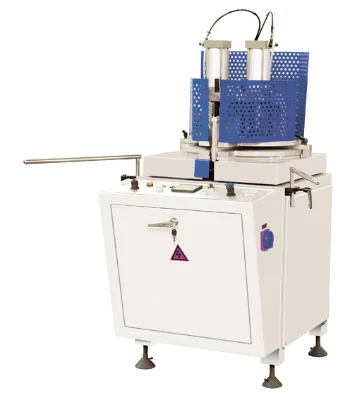

Double Head Welding Machine for PVC UPVC Plastic Profile PVC Window Machine
$3040.00 - $3200.00
MOQ: 1 Pieces

Two Head Seamless Welding Machine Colorful PVC Profile Welding Machine
$5490.00 - $5700.00
MOQ: 1 Pieces

CE ISO Double Head UPVC Window Welding Machine Good Quality Made in China
$2950.00 - $3200.00
MOQ: 1 Pieces

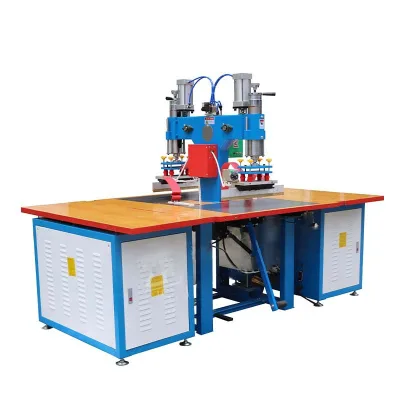

Competitive Price Excellent Performance UPVC Double Head Welding Machine
$1980.00 - $6980.00
MOQ: 1 Sets


PVC Door and Window Double Head Welding Machine Plastic Window Welding Machine
$3400.00 - $3650.00
MOQ: 1 Sets


Comprehensive Sourcing Guide
Double Nozzle PVC Welding Machine Sourcing Guide
Procuring a Double Nozzle PVC Welding Machine requires careful evaluation of technical specifications and supplier capabilities to ensure seamless integration into your manufacturing workflow. These machines are designed for high-precision welding tasks, often featuring CNC automation and automatic operation grades to enhance consistency and reduce manual labor. Buyers must prioritize machines that offer customizable welding lengths and profile dimensions to match specific production requirements. The observed market includes models with varying air consumption rates, such as 100L/Min or 180L/Min, indicating that operational efficiency varies significantly by unit. Understanding these baseline differences is crucial for selecting equipment that aligns with your facility’s power and air supply infrastructure.
Beyond basic functionality, the physical dimensions and weight of the machine are critical logistical considerations. Observed specifications reveal standard dimensions around 450010001700mm or 430010501800mm, with weights ranging from approximately 500kg to 950kg. These factors directly impact factory floor planning, foundation requirements, and shipping costs. Additionally, the voltage requirements, typically 380V or 220V, must be verified against your local electrical standards to prevent compatibility issues. Buyers should also consider the machine’s structural design, such as horizontal configurations, which may offer stability advantages for certain welding profiles.
Product Scope and Observed Listing Signals
The current market for double nozzle PVC welding machines presents a diverse range of options, with observed prices spanning from $1,980 to $9,500 USD. This wide variance suggests differences in build quality, automation levels, and included features. Most listings indicate a minimum order quantity (MOQ) of one unit, providing flexibility for small-scale procurement or trial purchases. The presence of customization options allows buyers to tailor machines to specific niche applications, ensuring that the equipment meets precise operational needs. This flexibility is particularly valuable for manufacturers producing custom PVC profiles or specialized construction components.
Listing signals also highlight the importance of packaging and transportation methods. Products are typically packed in standard seaworthy packages, wooden packages, or standard plywood packing to ensure safe delivery via sea transportation. This attention to packaging detail is essential for protecting the machine during international transit, especially given the substantial weight and delicate nature of CNC components. Buyers should verify that the packaging method is suitable for their specific shipping route and handling capabilities. Additionally, the origin of these machines is predominantly China, with some specific origins noted as Shandong, providing insight into the manufacturing hubs driving this sector.
Technical Specifications to Verify
When evaluating technical specifications, buyers must closely examine the welding length and profile dimensions to ensure compatibility with their production goals. Observed welding lengths range from 400mm to 4500mm, with some models supporting up to 3500mm, allowing for flexibility in handling various profile sizes. The welding profile height typically ranges from 10mm to 110mm, while the width is often capped at less than 120mm or specifically set at 110mm. These parameters define the machine’s capacity to handle different PVC extrusions, making it essential to match these specs with your product line’s requirements.
Air consumption and pressure requirements are another critical area for verification. Listings show air consumption values of 100L/Min, 180L/Min, or 200L/Min, with operating air pressures ranging from 0.4MPa to 0.8MPa. These figures determine the necessary compressor capacity and air line infrastructure in your facility. Additionally, the input power is generally listed as 2.5kw, and motor rotational speeds may reach 2800 R/Min. Buyers should also check the operating temperature range, which is specified as 0-300 degrees, and humidity conditions, which should be less than 80% without dew, to ensure optimal machine performance and longevity.
Compliance and Safety Documentation
Compliance with international standards is a non-negotiable aspect of sourcing industrial machinery. Most observed listings indicate that the machines hold CE certification, which is essential for market access in Europe and often serves as a benchmark for safety and quality globally. Some suppliers also mention ISO certification, further validating their adherence to recognized quality management systems. Buyers should request copies of these certificates to verify their validity and ensure they cover the specific model being purchased. This documentation provides assurance that the machine meets essential safety and environmental regulations.
Safety features and operational documentation are equally important for risk management. The machines are described as being in new condition, which implies adherence to current manufacturing standards. However, buyers must ensure that the supplier provides comprehensive user manuals, safety guidelines, and maintenance schedules. These documents are crucial for training operators and preventing accidents. Additionally, the warranty period is typically listed as one year, offering some protection against early failures. Buyers should clarify the scope of this warranty, including whether it covers parts, labor, and on-site service, to fully understand their protection.
Cost Drivers and Commercial Terms
Several factors influence the final cost of a Double Nozzle PVC Welding Machine, including automation level, CNC integration, and material quality. Machines with CNC capabilities and automatic operation grades tend to be more expensive due to their advanced control systems and precision. The observed price range of $1,980 to $9,500 reflects these variations, with higher-end models offering greater efficiency and lower long-term operational costs. Buyers should evaluate the total cost of ownership, considering energy consumption, maintenance needs, and potential downtime, rather than focusing solely on the initial purchase price.
Commercial terms such as payment methods, shipping responsibilities, and after-sales support also play a significant role in the procurement process. Most suppliers offer standard payment terms, but buyers should negotiate for favorable conditions based on order volume and relationship history. Shipping costs can be substantial due to the machine’s weight and dimensions, so understanding Incoterms is crucial. Additionally, the availability of 24/7 after-sales service is a key differentiator, ensuring rapid resolution of technical issues. Buyers should prioritize suppliers who provide robust support networks to minimize production disruptions.
Supplier Qualification and Quality Control
Supplier qualification is a critical step in mitigating procurement risks. Buyers should verify the supplier’s manufacturing capabilities, including their production facilities, quality control processes, and R&D resources. Suppliers originating from regions like Shandong, China, often have established supply chains and expertise in PVC welding equipment. However, buyers must conduct due diligence to ensure the supplier has a proven track record of delivering reliable machines. Requesting references from existing customers and reviewing case studies can provide valuable insights into the supplier’s performance and reliability.
Quality control measures should be clearly defined and agreed upon before placing an order. This includes pre-shipment inspections, functional testing, and verification of technical specifications against the contract. Buyers should insist on witnessing or receiving detailed reports from these inspections to ensure the machine meets all agreed-upon standards. Additionally, understanding the supplier’s defect resolution process is essential. A clear protocol for handling non-conforming products or warranty claims can save significant time and money. Establishing a strong relationship with the supplier through transparent communication and mutual expectations fosters long-term partnership and consistent quality.
Long-Term Procurement Checks
Long-term procurement success depends on continuous monitoring of machine performance and supplier reliability. Buyers should establish key performance indicators (KPIs) such as welding quality consistency, maintenance frequency, and energy efficiency to track the machine’s operational health. Regular audits of the machine’s condition and performance can help identify potential issues before they lead to costly downtime. Additionally, maintaining open communication with the supplier for feedback and improvement suggestions ensures that any emerging problems are addressed promptly. This proactive approach enhances the machine’s lifespan and operational efficiency.
Reviewing the supplier’s commitment to innovation and support is also vital for long-term procurement. The PVC welding industry is evolving, with new technologies and materials emerging regularly. Buyers should assess whether the supplier offers upgrades, spare parts availability, and technical updates to keep their equipment current. A supplier that invests in R&D and customer support is more likely to provide a sustainable partnership. By focusing on these long-term factors, buyers can ensure that their investment in a Double Nozzle PVC Welding Machine delivers consistent value and supports their manufacturing goals over time.
FAQs
What are the welding length specifications for this machine?
The welding length ranges from 400mm to 3500mm or up to 4500mm depending on the specific model configuration. This adjustable range allows for versatile processing of various profile sizes. Users can select the appropriate machine variant based on their maximum required welding length requirements for production efficiency.
Can the machine be customized for specific production needs?
Yes, customization is available for this Double Nozzle PVC Welding Machine to suit specific operational requirements. Buyers can request modifications to accommodate unique profile dimensions or workflow integrations. This flexibility ensures the equipment aligns precisely with individual manufacturing processes and facility layouts.
What certifications does the welding machine hold?
The machine holds CE and ISO certifications, ensuring compliance with international safety and quality standards. These credentials verify that the equipment meets rigorous manufacturing regulations. Buyers can rely on these certifications for regulatory compliance in various global markets and for internal quality assurance protocols.
How much air consumption does the machine require?
Air consumption varies between 100L/Min and 200L/Min depending on the specific model and operational settings. The required operation air pressure typically ranges from 0.4 to 0.8 MPa. Proper air supply management is essential for maintaining consistent welding performance and machine efficiency during continuous operation cycles.
What is the voltage and power input for the machine?
The machine operates on 380V or 220V power supplies with an input power of 2.5kw. Some models support 380V/220V 50Hz configurations for broader electrical compatibility. Ensuring the correct voltage connection is critical for safe operation and optimal performance of the welding components and control systems.
What is the machine weight and shipping packaging method?
The machine weight ranges from approximately 500kg to 950kg depending on the specific model and structural components. It is packed in standard seaworthy packages, wooden packages, or standard plywood packing to ensure safe sea transportation. This robust packaging protects the equipment during international logistics and handling.