Source Drawstring Waste Management Poly Bags for Garbage, Household, and Grocery
Compare 30 Drawstring Waste Management Poly Bags from verified suppliers. These options feature customizable sizes, various sealing types like heat seal and drawstring, and materials including PE and PP for garbage, household, and food applications; compare the available evidence and request quotations based on your requirements.
Updated
Key considerations
Products List


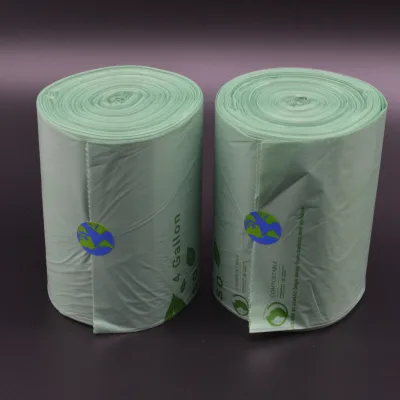


Trash Bin Poly Bag Rolls Biodegradable Compostable Clear Drawstring Garbage Bag
$0.016 - $0.06
MOQ: 50000 Pieces
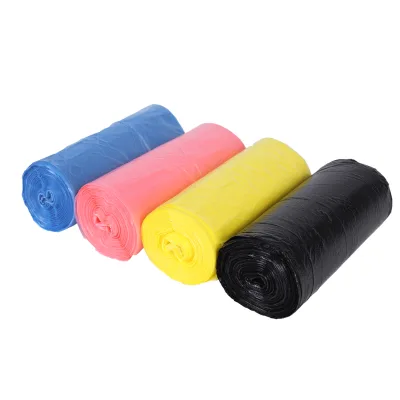
Drawstring Trash Bags Drawstring Garbage Bags Plastic Bags With Own logo
$0.01 - $0.10
MOQ: 10000 Minimum
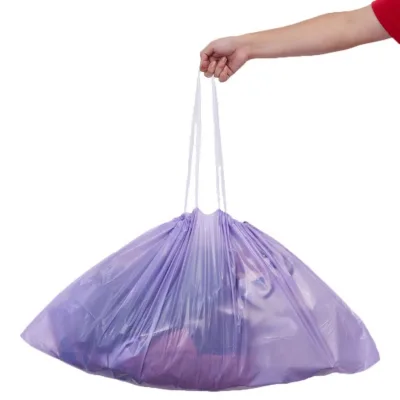
Bin Bags Small Drawstring Garbage Bag Custom Size and Logo Plastic Trash Polypropylene
$0.0104 - $0.0828
MOQ: 30000 Minimum
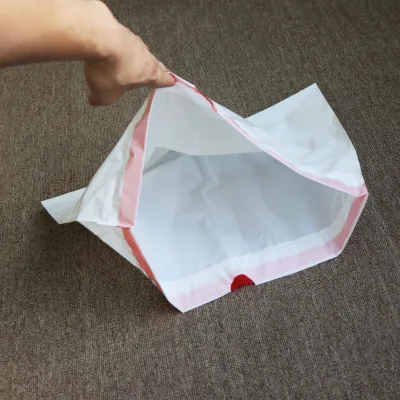

Custom Drawstring Garbage Bags for Efficient Waste Management Solutions
$0.06 - $0.09
MOQ: 10000 Pieces


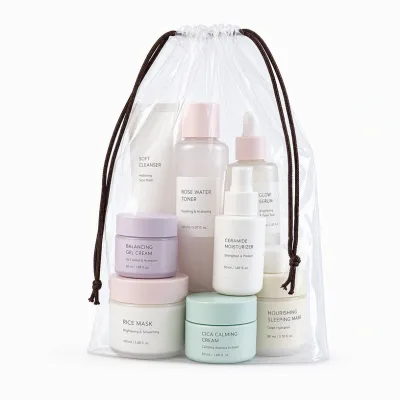
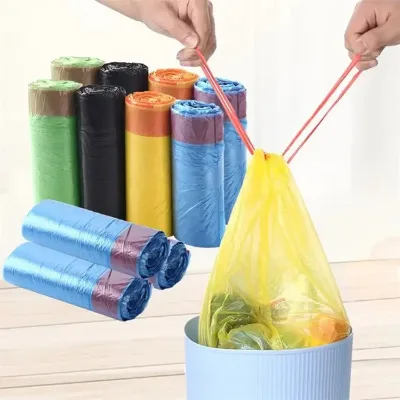
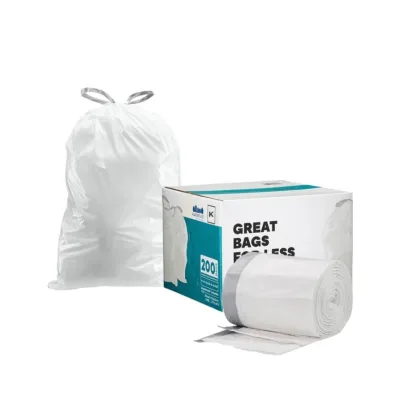


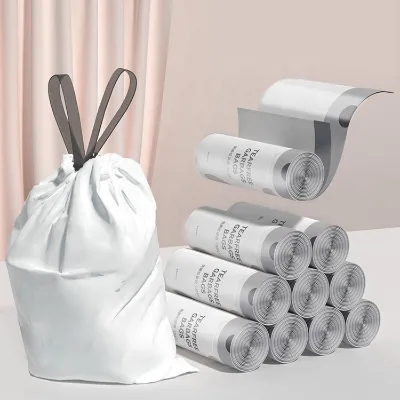
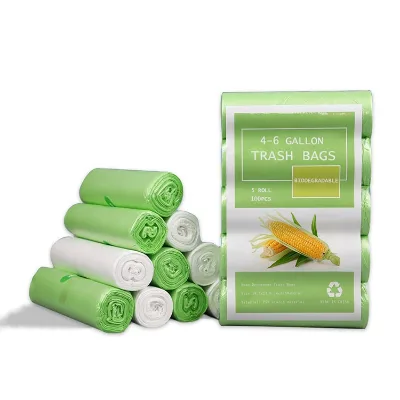

Trash Heavy Duty Bin Poly Bag Rolls Biodegradable Compostable Drawstring Garbage Bag
$0.04 - $0.06
MOQ: 100000 Pieces


Biodegradable Waste Bag Drawstring Garbag Bag Custom Plastic Bag Compostable Bag
$0.10 - $0.30
MOQ: 50000 Pieces

High Quality No Plastic Waterproof Compostable Drawstring Garbage Bags
$0.06 - $0.09
MOQ: 100000 Pieces




Comprehensive Sourcing Guide
Drawstring Waste Management Poly Bags Sourcing Guide
Procuring Drawstring Waste Management Poly Bags requires a clear understanding of material composition and sealing mechanisms to ensure operational efficiency. Buyers must distinguish between high-pressure polyethylene options and other plastic types, as these dictate durability and cost. The observed market includes products with heat seal and drawstring closures, offering flexibility for different waste streams. Understanding these fundamental attributes helps in selecting the right bag for specific household or industrial applications.
The customization landscape for these bags is extensive, allowing for tailored solutions that meet unique logistical needs. Suppliers often offer customized sizes, colors, and printing designs, which can enhance brand visibility or waste sorting efficiency. However, this flexibility comes with specific minimum order quantities and lead times that must be factored into the procurement plan. Buyers should evaluate whether standard or customized options best align with their volume requirements and budget constraints.
Product Scope and Observed Listing Signals
The product scope encompasses a variety of bag types, including star-seal, C-fold, and drawstring configurations, catering to diverse waste management needs. Observed listings indicate that these bags are primarily made from polyethylene, with some variations using polypropylene for specific hardness or transparency requirements. The thickness range typically spans from 6 to 80 microns, allowing buyers to select bags based on the weight and type of waste being handled. This variability ensures that both light household trash and heavier industrial waste can be managed effectively.
Listing signals also highlight the importance of handle design, with options ranging from hand-length to shoulder-length handles for improved ergonomics. These bags are often marketed for use in garbage, household, food, and grocery applications, emphasizing their versatility. The color options are frequently multicolor or specific shades like yellow, which can aid in waste segregation protocols. Buyers should verify the specific application claims against their internal waste management policies to ensure compatibility.
Technical Specifications to Verify
Verifying technical specifications is critical to ensuring that the selected bags meet performance expectations. Key parameters include the sealing method, with bottom-sealed and heat-sealed options being common. Buyers should confirm the raw material quality, such as high-pressure polyethylene, to guarantee strength and resistance to tearing. The weight limit for these bags often exceeds 10 kg, but this should be validated for heavy-duty applications to prevent failure during transport.
Transparency and hardness are also important technical factors, with opaque and partially hard options available for different visibility and structural needs. The bag variety, such as back seal bags, influences how easily they can be opened and closed. Buyers must ensure that the chosen model number, such as HPP-GB137 or HR0337, corresponds to the desired specifications. Clear communication of these details with suppliers prevents mismatches between ordered and delivered products.
Compliance and Safety Documentation
Compliance and safety documentation are essential for ensuring that the poly bags meet regulatory standards for their intended use. While specific certifications like ISO 9001 or ISO 22000 are mentioned in background contexts, buyers must verify the actual certification status of the supplier. This verification is crucial for applications involving food or household use, where safety standards are strictly enforced. Buyers should request relevant test reports and compliance certificates before finalizing any purchase.
The application of these bags in chemical or household settings requires careful attention to material safety. Buyers should confirm that the materials used are non-toxic and suitable for their specific waste stream. Documentation regarding the manufacturing process, such as plastic packaging bag production standards, should also be reviewed. Ensuring that the supplier adheres to recognized quality management systems helps mitigate risks associated with product failure or regulatory non-compliance.
Cost Drivers and Commercial Terms
Cost drivers for Drawstring Waste Management Poly Bags include material costs, customization levels, and order volume. The observed price range varies significantly, reflecting differences in thickness, size, and printing requirements. Minimum order quantities can be substantial, with some suppliers requiring 2,000 kilograms or more, which impacts cash flow and storage capacity. Buyers should negotiate terms that align with their inventory management strategies and budget constraints.
Commercial terms also encompass lead times and delivery schedules, which can range from 25 to 30 days for standard container loads. Sample availability is often free for existing designs, allowing buyers to test quality before committing to large orders. Packaging options, such as cartons or customized packing, can affect shipping costs and handling efficiency. Understanding these commercial dynamics helps buyers optimize their procurement process and avoid unexpected expenses.
Supplier Qualification and Quality Control
Supplier qualification involves assessing the manufacturer’s capability to produce consistent, high-quality poly bags. Buyers should verify the supplier’s location, with many manufacturers based in regions like Shandong or Shanghai in China. Quality control processes should include checks on sealing integrity, handle strength, and material consistency. Suppliers that offer OEM services and accept custom orders demonstrate flexibility and a commitment to meeting specific buyer requirements.
Establishing a robust quality control protocol is essential for maintaining product standards. Buyers should define clear acceptance criteria for thickness, color, and printing accuracy. Regular audits or third-party inspections can help ensure that the supplier adheres to these standards. Building a long-term relationship with a qualified supplier reduces the risk of quality issues and ensures a steady supply of reliable waste management bags.
Long-Term Procurement Checks
Long-term procurement checks focus on sustaining supplier performance and adapting to changing market conditions. Buyers should regularly review supplier compliance with environmental and safety regulations, as these standards may evolve. Monitoring changes in raw material costs and availability helps in forecasting future price trends and adjusting procurement strategies accordingly. Maintaining open communication with suppliers ensures that any issues are addressed promptly.
Additionally, buyers should evaluate the sustainability of the poly bags, considering recyclability and environmental impact. The observed feature of recyclability is a key selling point, but buyers must verify the actual recyclability in their local waste management systems. Exploring opportunities for further customization or innovation can help improve waste management efficiency over time. Continuous assessment of supplier performance and product quality ensures that the procurement process remains effective and aligned with organizational goals.
FAQs
How are the Drawstring Waste Management Poly Bags sealed and closed?
These bags use a drawstring sealing method, and heat seal construction is also offered across the range. The drawstring lets users gather and lift the bag closed after use, while bottom sealed options suit different applications. Buyers can confirm the preferred sealing style when requesting a customized order, since both drawstring and star-seal types are available.
What thickness options are available for these drawstring poly bags?
Thickness ranges from 6 to 80 microns, produced as required for each order. Thinner gauges work for light household and grocery waste, while heavier microns suit garbage and chemical applications where the weight limit exceeds 10 kg. Buyers should specify the micron level needed, as thickness is confirmed during customization alongside size and color requirements.
Can I order custom sizes, colors, and printing on the bags?
Yes, customization is available. Sizes are made to client requirements, multicolor and specific color options such as yellow are listed, and customized designs or simple logo printing are accepted. Orders can be fully customized, and OEM arrangements are acceptable. Free existing samples are offered so buyers can verify material, drawstring strength, and print quality before committing to volume.
What is the minimum order quantity for Drawstring Waste Management Poly Bags?
The listed MOQ is 2,000 kilograms, measured by material weight rather than piece count. Since packing is 10 to 50 bags per roll, total bag quantity depends on bag size and thickness. Buyers with lower volumes can ask about customized arrangements, but the standard MOQ reflects the polyethylene material supply basis used for these products.
What is the delivery time for a typical order?
Delivery takes 25 to 30 days for a 1X20FT container. This lead time applies after order confirmation and depends on bag specifications, customization level, and current production scheduling. Buyers needing larger volumes or complex printing should confirm timing early. Packing is in cartons or customized as required, which can also affect final shipping arrangements.
What material are these poly bags made from?
The bags are made from PE polyethylene, specifically high pressure polyethylene plastic bag raw materials. Some listings also identify PP plastic type. PE provides the recyclable feature noted in the product attributes and supports applications spanning garbage, food, household, grocery, and home appliance uses. Buyers should confirm the exact resin grade when requesting samples for chemical applications.
Which applications and usage scenarios do these bags suit?
Usage spans garbage, household, food, grocery, and home appliance applications, with chemical and household applications also listed. Capacity options include 1.6L to 2L for smaller bins, while some bags carry a weight limit above 10 kg for heavy waste. Hand length and shoulder length handle styles are available, so buyers can match bag type to intended use.
Where are these drawstring poly bags produced and packed?
Production origins listed include Shandong, China and Shanghai, China. Packing is in cartons or customized as required, with 10 to 50 bags per roll. Models such as HPP-GB137 and HR0337 appear in the listings. Buyers can specify carton configuration and roll counts during customization to align with their warehouse handling and distribution requirements.