Designer Flat Lotion Pump Suppliers and Manufacturers
Source Designer Flat Lotion Pump options from 27 verified suppliers in China. Compare key dimensions including ISO and SGS certifications, PP material specs, and OEM/ODM capabilities. Review lead times and MOQs to identify the right partner for your packaging needs.
Updated
Suppliers List

ningbo crown commodity co.,ltd
- Verified by SGS
- Combined
- China Zhejiang
- Lead time30 days
- Avg. response≤ 25h
Main productsPerfume Sprayer, Lotion Pump, Trigger Sprayer, Pet Bottle, Cosmetic Package, Eyeliner Package
Main marketsAfrica,Southeast Asia/ Mideast,Europe,North America

- Verified by SGS
- Combined
- China Zhejiang
- Lead time30 days
- Avg. response≤ 11h
Main productsTrigger Sprayer, Lotion Pump, Mini Trigger Sprayer, Foam Pump, Cream Pump, Airless Bottle
Main marketsEurope

NINGBO UBPACK PACKAGING CO., LTD
- Verified by CTI
- Trading Company
- China Zhejiang
- Lead time30 days
- Avg. response≤ 4h
Main productsPlastic Packaging, Trigger Spray, Plastic Mold, Lotion Pump, Airless Bottla, Aluminum Bottle
Main marketsSoutheast Asia/ Mideast,Europe,North America
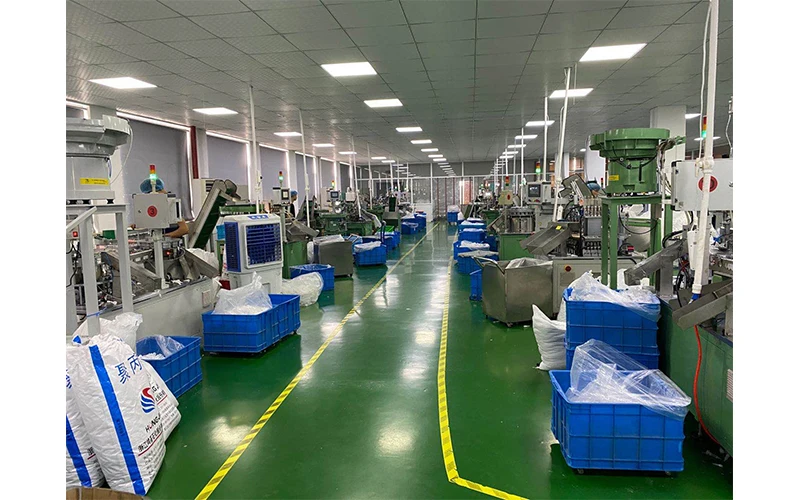
Ningbo Kylin Packaging Solutions Co., Ltd.
- Manufacturer
- Zhejiang, China
- Lead time25 days
- Avg. response≤ 9h
Main productsmist sprayer,lotion pump,foam pump,trigger sprayer,mini trigger
Main marketsMid East(40.00%), Western Europe(20.00%), North America(20.00%), South America(20.00%)

YUYAO MENG HONG PLASTIC CO., LTD.
- Combined
- China Zhejiang
- Lead time30 days
- Avg. response≤ 6h
Main productsLotion Pump, Mist Sprayer, Trigger Sprayer, Perfume Pen, Press Cap, Foam Pump, Cream Pump, Dispenser Pump, Nail Pump, Sprayer
Main marketsSoutheast Asia/ Mideast,Europe,North America
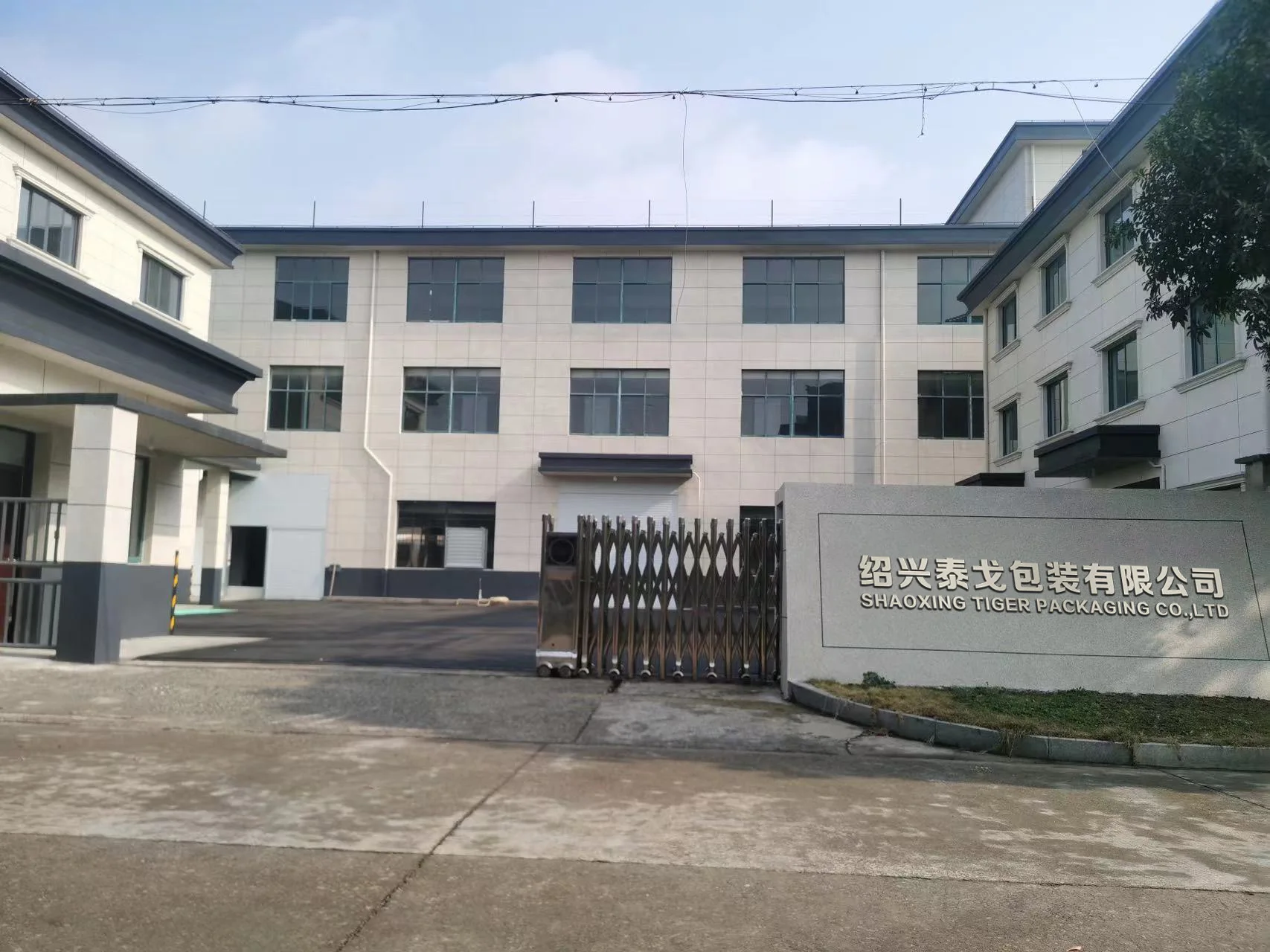
Shaoxing Tiger Packaging Co., Ltd.
- Trading Company
- Zhejiang, China
- Lead time20 days
- Avg. response≤ 3h
Main productsPlastic Cap, Mist Sprayer, Lotion Pump, Lip Stick Tube, Plastic Bottle
Main marketsDomestic Market(50.00%), North America(15.00%), Southeast Asia(15.00%), Eastern Asia(10.00%), Mid East(10.00%)

Factory Wholesale Colored Lotion Pump Custom Lotion Bottles Unique Designs Enhance Aesthetic Appeal
$0.0523 - $0.0627
MOQ: 10000 pieces

Wholesale Price Personalized Lotion Pump Customized Bottles Adjustable Features Stylish Designs
$0.09 - $0.10
MOQ: 10000 pieces

Guangzhou Zhengxi Packing Products Co., Ltd.
- Verified by BV
- Combined
- China Guangdong
- Lead time15 days
- Avg. response≤ 15h
Main productsLotion Pump
Main marketsSouth America,Southeast Asia/ Mideast,East Asia(Japan/ South Korea),Europe,Australia,North America
Yuyao Lonshine Sprayer Co.,ltd
- Verified by SGS Group
- Manufacturer, Trading Company
- Lead time20 days
- Avg. response≤ 3h
Main productsTrigger Sprayer, Nail & Cleaning Pump, Fine Mist Sprayer, Lotion Pump, Airless Bottle
Main marketsSoutheast Asia(60%), North America(10%), South America(10%)
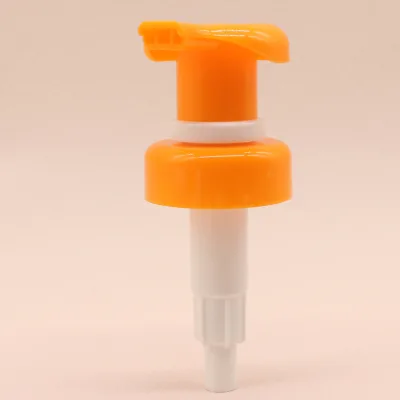
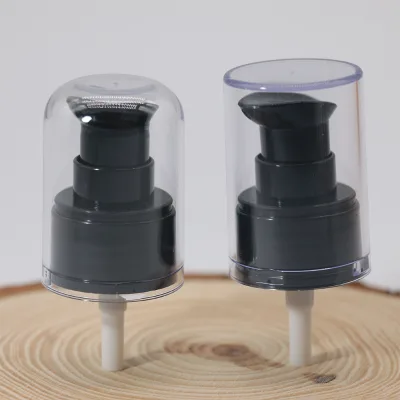
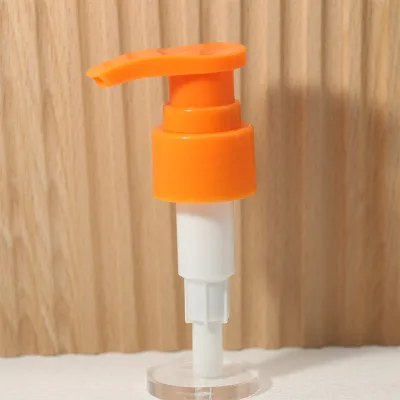
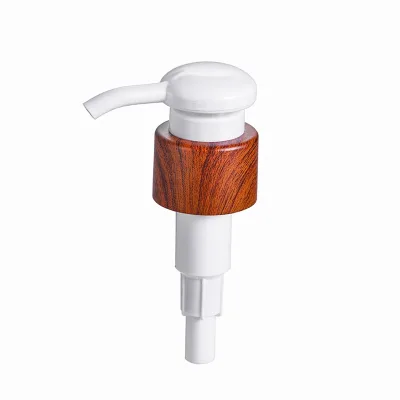
Color Custom Orange Plastic Lotion Pump 24/410 28/410 Dispenser Pump Body Lotion Pump Head
$0.0512 - $0.0819
MOQ: 10000 Minimum
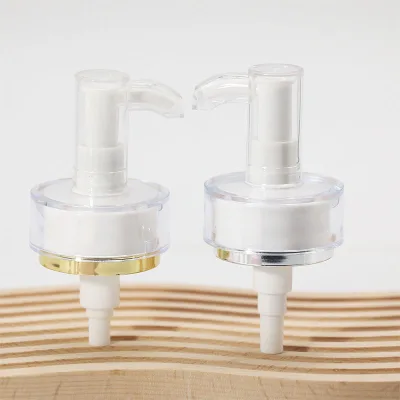
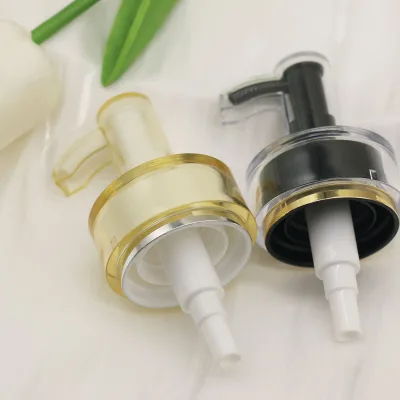
$0.1458 - $0.1678
MOQ: 10000 pieces

Ningbo Sunshine Plastic Industry Co., Ltd.
- Manufacturer
- Zhejiang, China
- Lead time20 days
- Avg. response≤ 6h
Main productsLotion Pump,Trigger Sprayer,Mist Sprayer,Foam Pump,Dispenser Pump
Main marketsMid East(30.00%), Domestic Market(20.00%), Africa(20.00%), Southeast Asia(15.00%), North America(10.00%), Southern Europe(5.00%)
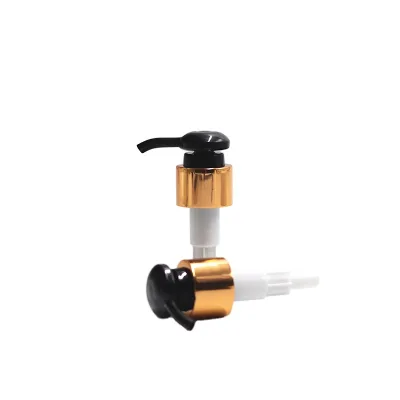
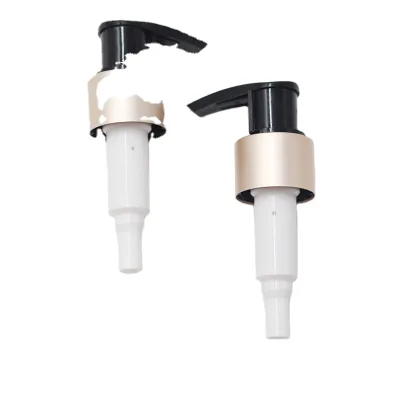
Zhejiang Lotion Pump 28/410 Gold Color or Cream Pump Lotion for Pump Lotion Bottle
$0.10 - $0.12
MOQ: 10000

Yuyao Zhuoyu Plastic Industry Co., Ltd.
- Verified by SGS
- Combined
- China Zhejiang
- Lead time30 days
- Avg. response≤ 12h
Main productsCream pump
Main marketsSoutheast Asia/ Mideast

YUYAO SHUOHONG COMMODITY CO., LTD.
- Verified by BV
- Combined
- China Zhejiang
- Lead time23 days
- Avg. response≤ 5h
Main productsMist Sprayer, Lotion Pump, Trigger Sprayer, Perfume Atomizer, Plastic Cap, Plastic Bottle, Cream Jar, Plastic Tube, Foam Pump, out Spring Lotion Pump
Main marketsSouth America,Africa,Southeast Asia/ Mideast,East Asia(Japan/ South Korea),Europe,Australia,North America

Ningbo Kylin Packaging Solutions Co., Ltd.
- Verified by TUVRHEINLAND
- Manufacturer/Factory
- China Zhejiang
- Lead time23 days
- Avg. response≤ 9h
Main productsTrigger Sprayer, Lotion Pump, Fine Mist Sprayer, Plastic Cap, Dropper, Cream Pump, Airless, Glass Bottle, Alum. Bottle, Mini Trigger
Main marketsSouth America,Eastern Europe,North America,Oceania,Western Europe

Yuyao Luhang Daily Necessities Co., Ltd.
- Verified by TUVRHEINLAND
- Combined
- China Zhejiang
- Lead time23 days
- Avg. response≤ 5h
Main productsTrigger Sprayer, Lotion Pump, Fine Mist Sprayer, Sprayer Pen&Card Sprayer, Treatment Pump, Foam Pump, Nail&Cleaning Pump, Plastic Cap, Airless Bottle, Bottle
Main marketsSouth America,Others(foreignTradeCapacity.exportBusinessCapacityMarketOther),Southeast Asia/ Mideast,Domestic
- Verified by SGS Group
- Trading Company
- Lead time10 days
- Avg. response≤ 2h
Main productsPET Bottle, Powder Spray Bottle, Cosmetic Bottle, Glass Bottle, Continuous Spray Bottle
Main marketsNorth America(37%), Domestic Market(10%), Eastern Europe(8%)
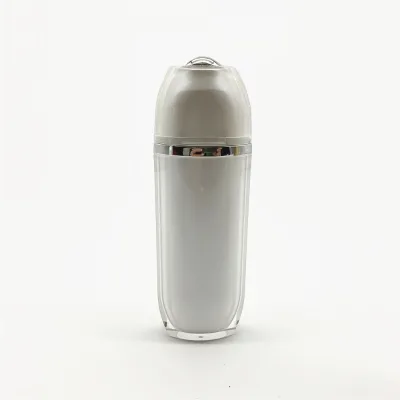
Designer Style Flat Shape LLotion Pump Cosmetic 100 ml Bottle Acrylic
$0.3071 - $0.9213
MOQ: 10 Minimum
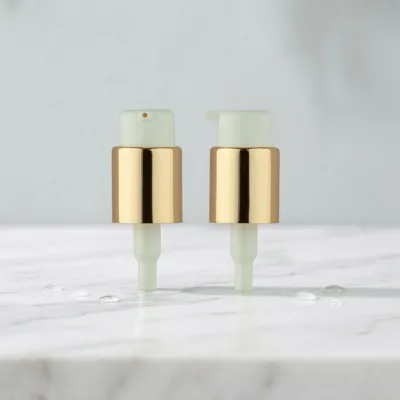
Ningbo Honghui Plastic Industry Co., Ltd.
- Verified by TüVRheinland
- Manufacturer, Trading Company
- Lead time15 days
- Avg. response≤ 2h
Main productsTrigger Sprayer, Lotion Pump, Foam Pump, Airless Bottle, Mist Sprayer
Main marketsDomestic Market(50%), Southeast Asia(7%), Africa(6%)
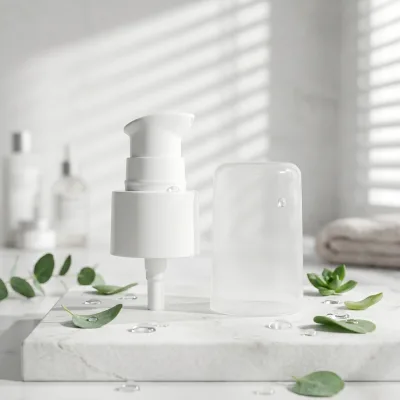
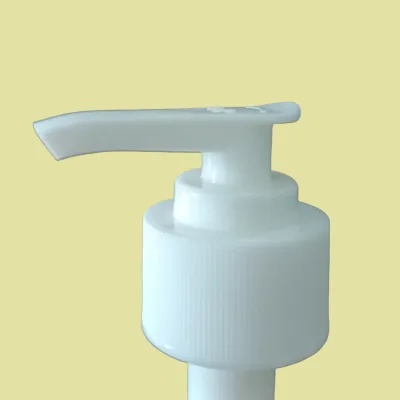
High Quality Customized Color 28/410 Lotion Pump for Hand Sanitizer and Cleaning Lotion
$0.036 - $0.0463
MOQ: 20 Minimum
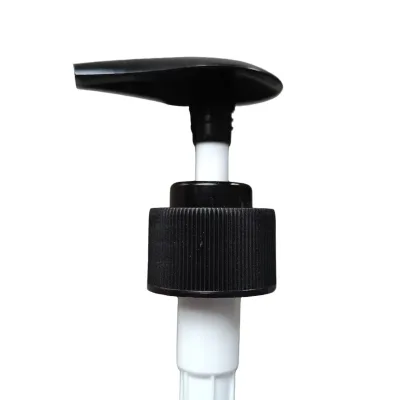
$0.0404 - $0.0642
MOQ: 20000 Minimum
Guangdong Zhongkai Plastics Co., Ltd.
- Manufacturer
- Guangdong, China
- Lead time15 days
- Avg. response≤ 23h
Main productsLotion Pump, Spray Pump, Foam Pump
Main marketsDomestic Market(85.00%), Southeast Asia(8.00%), North America(2.00%), Northern Europe(2.00%), Africa(2.00%), Mid East(1.00%)
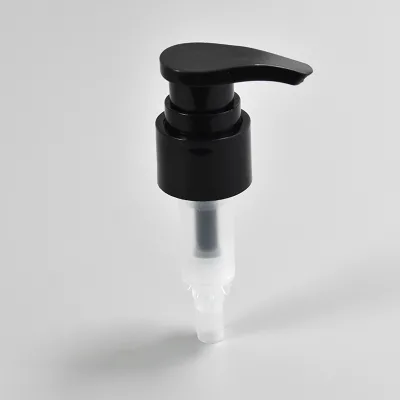
28/410 Transparency Plastic Black Lotion Pumps Lotion Pump Bottle Cream
$0.0309 - $0.0514
MOQ: 10000 pieces
Zhengzhou Kebona Industry Co., Ltd.
- Trading Company
- Henan, China
- Lead time5 days
- Avg. response≤ 6h
Main productsLotion Pump,Mist Sprayer,Spray Bottle,Trigger Sprayer,Foam Pumps
Main marketsAfrica(20.00%), South America(19.00%), Domestic Market(10.00%), South Asia(10.00%), Central America(9.00%), Eastern Asia(7.00%), Southeast Asia(6.00%), Mid East(5.00%), Eastern Europe(5.00%), Western Europe(3.00%), North America(2.00%), Oceania(2.00%), Southern Europe(1.00%), Northern Europe(1.00%)
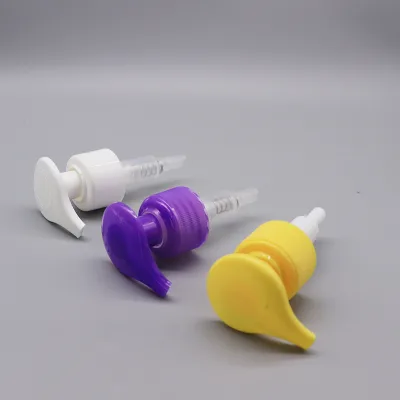
Factory Direct Sales of Toiletries Lotion Pump Head with Novel Style and Quality Assurance
$0.033 - $0.55
MOQ: 5000 Minimum
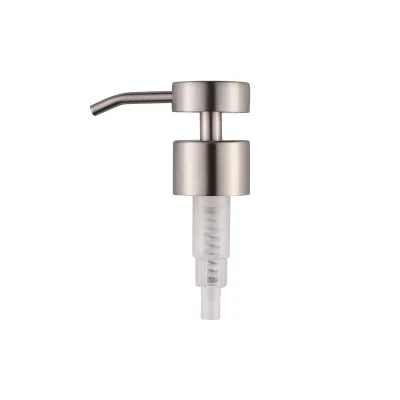
$0.3011 - $1.0231
MOQ: 5000 Minimum
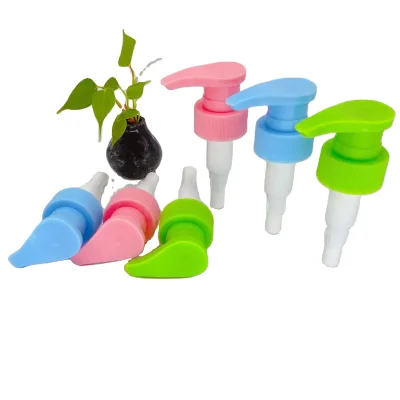
$0.033 - $0.55
MOQ: 5000 Minimum
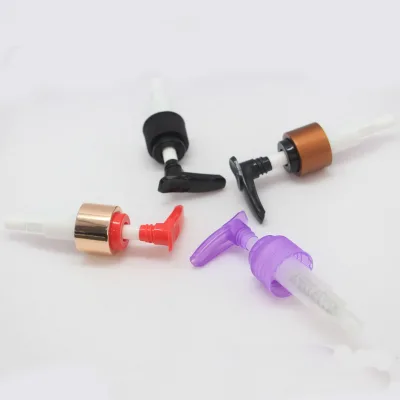
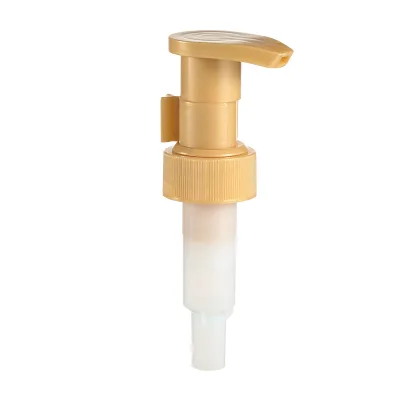
$0.0341 - $0.5692
MOQ: 5000 Minimum

Shantou Jihao Industry Co., Ltd.
- Manufacturer
- Guangdong, China
- Lead time25 days
- Avg. response≤ 3h
Main productslotion pump,foam pump,Lotion dispenser pump,mist sprayer pump,liquid soap hand pump
Main marketsSoutheast Asia(20.00%), Mid East(20.00%), North America(20.00%), South America(15.00%), Africa(15.00%), Eastern Asia(10.00%)
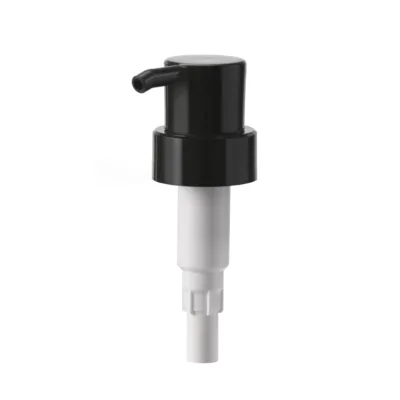
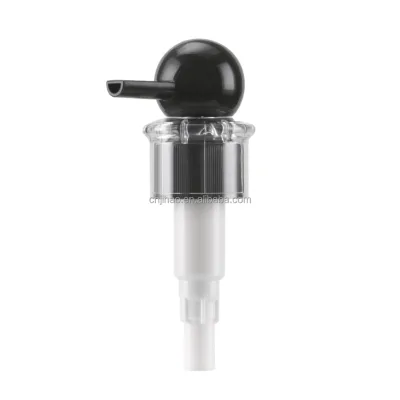
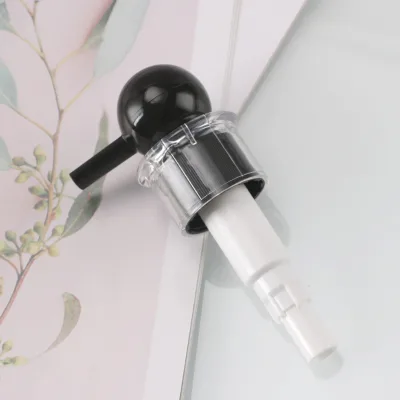
High Quality 28/410 Black Plastic Luxurious Lotion Pump with 4CC Lids Bottle Caps & Closures
$0.0311 - $0.0726
MOQ: 20000 pieces

Jinhua Allies Import and Export Co., Ltd.
- Verified by SGS
- Manufacturer/Factory
- China Zhejiang
- Lead time23 days
- Avg. response≤ 6h
Main productsCanister, Container, Bottle, Cosmetic, Make up, Plastic Packaging, Eyeshadow, Palette, Box, Compact Case
Main marketsSouth America,Mid East

NINGBO KINPACK COMMODITY CO., LTD.
- Verified by TUVRHEINLAND
- Trading Company
- China Zhejiang
- Lead time30 days
- Avg. response≤ 4h
Main productsFoam Pump, Ailress Bottle, Trigger Sprayer, Lotion Pump, Airless Jars, Treatment Pump, Lotion Bottle, Mini Trigger Sprayer, Cosmetics Package, Outdoor Products
Main marketsSouth America,Africa,Southeast Asia/ Mideast,East Asia(Japan/ South Korea),Domestic,Europe
Zhangjiagang Longjun Import And Export Trading Co., Ltd.
- Trading Company
- Jiangsu, China
- Lead time15 days
- Avg. response≤ 2h
Main productsPlastic bottle,glass bottle,can,plastic jar,glass jar
Main marketsSouth America(30.00%), Domestic Market(30.00%), North America(20.00%), Eastern Europe(10.00%), Southern Europe(10.00%)

YUYAO YIHE COMMODITY CO., LTD.
- Verified by TUVRHEINLAND
- Manufacturer/Factory
- China Zhejiang
- Lead time23 days
- Avg. response≤ 5h
Main products20ml Pocket Perfume Bottle with Caps, Trigger Sprayer, Lotion Pump, Mist Sprayer, Pet Bottle, Disc Top Cap, Flip Top Cap, Foam Sprayer, Foam Sprayer Bottle, Perfume Sprayer
Main marketsSouth America,Eastern Europe,Mid East,North America,Southeast Asia,Eastern Asia,Oceania,Western Europe
Yuyao Jialong Sprayer Co., Ltd.
- Verified by Intertek
- Manufacturer, Trading Company
- Lead time15 days
- Avg. response≤ 2h
Main productsFine Mist Spray, Mini Trigger Spray, Pump, Plastic Cap, Airless Bottle
Main marketsDomestic Market(35%), Western Europe(20%), Eastern Europe(10%)
Jiangsu Meyi Science And Technology Co., Ltd.
- Manufacturer, Trading Company
- Jiangsu, China
- Lead time20 days
- Avg. response≤ 7h
Main productsPerfume Packaging,Cosmetic pump,Glass dropper,Glass bottle,Plastic bottle
Main marketsNorth America(50.00%), Eastern Europe(10.00%), South America(10.00%), Mid East(10.00%), Southeast Asia(5.00%), Northern Europe(5.00%), Western Europe(5.00%), Africa(5.00%)
Yuyao Blooming Commodity Co., Ltd.
- Verified by TüVRheinland
- Manufacturer, Trading Company
- Lead time15 days
- Avg. response≤ 3h
Main productsCream Pump, Roll On Bottle, Airless Bottle, All Plastic Trigger Sprayer, Deodorant Stick Tube
Main marketsNorth America(26%), Eastern Europe(22%), Domestic Market(15%)
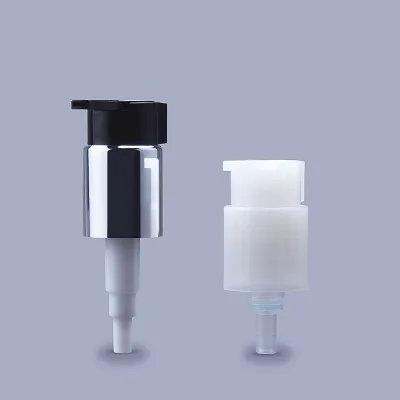
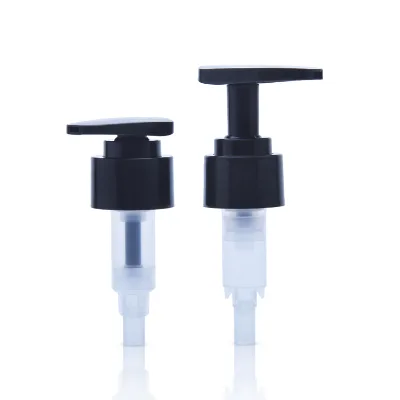
$0.049 - $0.14
MOQ: 50000 Minimum

Jiangyin Qingyang Hardware and Plastic Factory
- Verified by TUVRHEINLAND
- Combined
- China Jiangsu
- Lead time15 days
- Avg. response≤ 3h
Main productsBottle Cap, Glass Jar, Glass Bottle, Aluminum Jar, Airless Bottle, Aluminum Cap, Cream Jar, Lotion Pump Bottle, Essential Oil Bottle, Dropper Bottle
Main marketsSoutheast Asia/ Mideast,Domestic

Ningbo Refiner Imp. & Exp. Co., Ltd.
- Verified by BV
- Trading Company,Manufacturer/Factory
- China Zhejiang
- Lead time23 days
- Avg. response≤ 12h
Main productsAll Plastic Trigger Sprayer, Oblique Pump Trigger Sprayer, Foam Pump, Lotion Pump, Mist Sprayer, Cream Pump, Plastic Cap, Plastic Bottle
Main marketsSouth America,Eastern Europe,Mid East,North America,Southeast Asia,Eastern Asia,Oceania,Western Europe,Africa




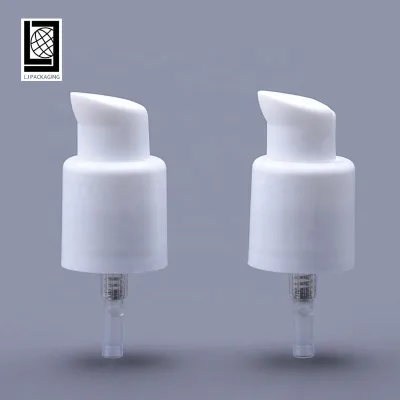


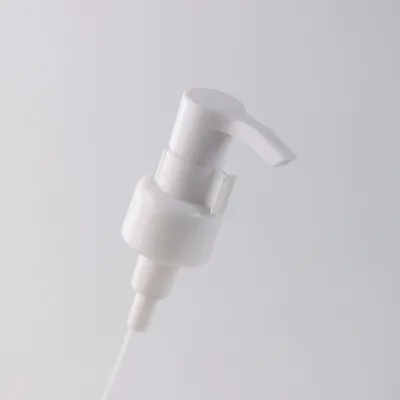
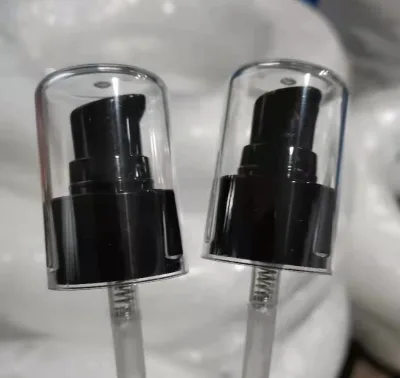
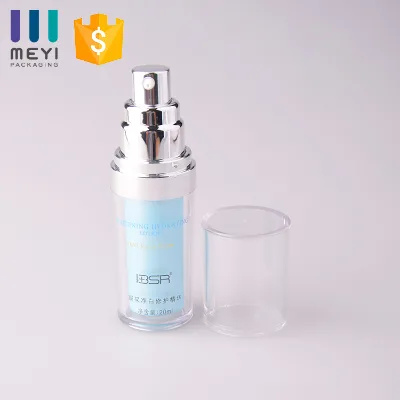


Comprehensive Sourcing Guide
Designer Flat Lotion Pump Supplier Concentration and Factory Types
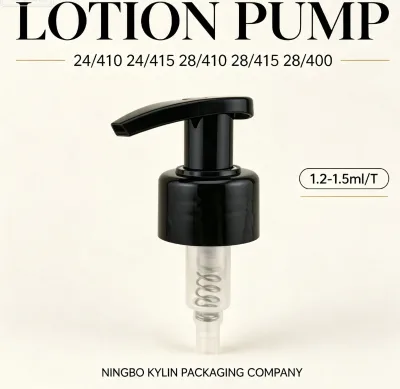
When buyers search for a Designer Flat Lotion Pump, the results on this page point clearly to one manufacturing region: Zhejiang, China. Several listed products carry Ningbo as their stated origin, which is consistent with the well-known packaging supply chain in that coastal province. For this category, the concentration matters because pumps, closures, and bottle systems are usually made by specialized component factories rather than by full-line cosmetic brands. Buyers should treat Zhejiang and Ningbo as a high-confidence starting cluster for sampling, while still confirming each factory's own production depth, since some listed companies are combined manufacturers and others operate as trading companies.
The factory types visible in these results fall into three broad groups. First, combined manufacturers that list pumps alongside related components such as perfume sprayers, trigger sprayers, pet bottles, and cosmetic packages, suggesting in-house tooling for multiple closure formats. Second, trading companies that offer lotion pumps among wider plastic packaging, molds, and aluminum bottles, which can be useful for mixed orders but require extra diligence about who actually molds the pump. Third, suppliers offering ODM and OEM capacity, and in some cases their own brands, which signals design involvement beyond catalog copying. For a design-led flat pump, confirm whether the supplier can modify actuator height, collar styling, and surface finish, because these are the details that separate a designer SKU from a stock closure.
How to Verify Designer Flat Lotion Pump Suppliers
Verification should begin with the credentials displayed on the supplier profile, then move to documents the buyer requests directly. Among the suppliers represented here, some carry SGS verification, others carry CTI verification, and one shows an ISO9001:2015 system certificate, while others list no system certification at all. That spread is normal, but it means buyers cannot assume uniform quality systems across the page. Request the actual certificate PDF, check the scope covers injection molding or assembly of plastic closures, and confirm the certificate is currently valid. For product-level claims, note that several listings state ISO certification on the product itself, which should also be verified with documentation rather than accepted from a listing attribute.
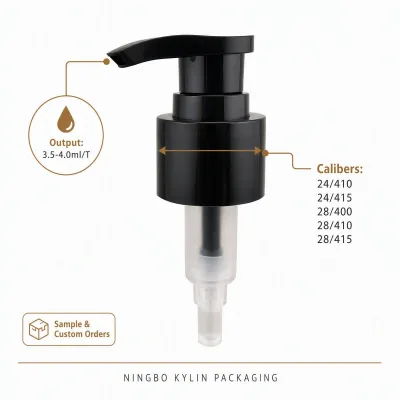
Second, verify production reality rather than paperwork alone. Ask whether the supplier manufactures the pump head, spring, and housing in-house or sources subcomponents, because metal springs are a common outsourced part. Several products here describe PP construction with metal springs, so confirm food-contact or cosmetic-grade material declarations if your formula demands them. Third, test responsiveness as a proxy for account management: the listed response times on this page range from roughly three hours to around twenty-five hours, a meaningful spread when iterating on a designer pump. Fourth, verify the exact product standards quoted in listings, such as 24/410 and 28/410 neck finishes, by requesting samples that fit your bottle and running leak, actuation-force, and discharge-rate checks before committing to tooling.
What to Compare Across Designer Flat Lotion Pump Suppliers
Build a comparison sheet with the attributes actually shown on supplier profiles, and record gaps honestly rather than guessing. Useful displayed dimensions on this page include company type (combined manufacturer versus trading company), main product lines, location, response time, verification badges, system certifications, and ODM or OEM capacity. Product listings add another layer: customization availability, material (PP dominates these listings), neck standards such as 24/410 and 28/410, discharge rates, spring material, packaging descriptions, and stated origin. A designer flat pump depends on appearance as much as function, so customization availability and finish options should weigh heavily in your scoring even though not every supplier displays them.
Commercial dimensions deserve equal weight. Minimum order quantities in the observed listings range widely, from around ten thousand pieces on some pump models to twenty thousand, thirty thousand, and fifty thousand on others, so match MOQ to your launch volume and color-count plan. Lead time appears as roughly thirty days for at least one listed supplier, but confirm current production scheduling, especially for custom colors. Response time differences of three versus twenty-five hours will compound across a development cycle with multiple sampling rounds. Also compare breadth: suppliers listing pumps alongside trigger sprayers, foam pumps, cream pumps, and airless bottles may consolidate your closure purchasing, while a narrower pump specialist may offer faster tooling revisions for the flat actuator profile you want.
Common Designer Flat Lotion Pump Sourcing Risks
The most frequent risk in this category is a design mismatch between pump and bottle. Listings here quote standards such as 24/410 and 28/410 with internal threaded connections, but thread dimensions, gasket types, and glass or PET bottle tolerances vary. A pump that threads onto a sample bottle may still leak or sit unevenly on production tooling. Order sample pumps from more than one supplier, test them on your actual bottle batch, and check the flat actuator's alignment, because even minor collar distortion is visible on a designer SKU. Non-spill features are claimed on some listings, so verify them with filled-bottle transit simulation rather than trusting the attribute.
Second, watch for quotation and volume risks. Observed MOQs span ten thousand to fifty thousand pieces, and custom colors or finishes often trigger higher minimums than the stock listing shows, so get the custom SKU's MOQ in writing. Unit prices in the listings range from a few cents to around ten cents, which suggests meaningful cost differences by model and output, but treat displayed prices as starting points only. Third, distinguish trading companies from manufacturers; if you pay a trading margin, confirm who controls tooling and who owns the mold after payment. Fourth, certification gaps are real: some profiles show no system certification, so plan third-party inspection before shipment. Finally, confirm spring material and lubricant compatibility with your formula, since essential oils can degrade standard components.
Designer Flat Lotion Pump Regional Sourcing and Logistics
Zhejiang is the only region named in the current results, with several products stating Ningbo as their origin, so regional guidance here can be specific rather than speculative. Ningbo's port access makes it a practical origin for sea freight of closure components, and one listed supplier describes packing as "by Sea, by Air," indicating both options are handled routinely. Pump components are lightweight but bulky, so freight cost per thousand units is driven more by carton cube than weight; one listing even quotes a carton standard of 60x37x38cm with 500 pieces per carton, which you can use to model container fill. Ask every supplier for carton dimensions, pieces per carton, and gross weight to compare landed costs accurately.
Because the cluster is concentrated, plan logistics around consolidation opportunities. If you source pumps from one Zhejiang supplier and bottles or triggers from another, ask whether vendors can consolidate at a nearby warehouse before export, reducing freight splits and customs handling. Confirm "Safe Export Pack" descriptions in the listings by requesting packing photos, since pump actuators scratch easily and retail-grade presentation matters for a designer item. Also verify export documentation capability, including material declarations for your destination market. Air freight is workable for pre-production samples and urgent top-ups, but a thirty-day lead time quoted by one listed supplier suggests sea freight should be the baseline for volume orders, with buffers built in for mold trials and color approval.
Designer Flat Lotion Pump Commercial Terms and Order Planning
Structure commercial terms around the realities shown on this page. Customization is marked available across the listed pump products, so negotiate a written scope covering the flat actuator design, color matching, neck finish, and packaging before quoting. Ask for a tooling quotation separate from unit pricing, clarify whether the mold fee is amortized, waived at a volume threshold, or refundable, and agree on mold ownership. Where MOQs of ten thousand to fifty thousand pieces appear, consider splitting an initial order across one stock model and one custom color to hold inventory risk down while still validating the designer look in market. Confirm whether escrow or other payment protection is offered, since not every profile displays it, and use staged payments tied to sample approval and pre-shipment inspection.
Order planning should account for lead time and responsiveness together. With thirty days cited as a lead time and response times varying from about three to twenty-five hours, build a calendar that includes sample rounds, color confirmation, and a pre-shipment inspection window, then add buffer for peak-season port congestion. Lock specifications in a document referencing the exact model numbers shown in listings, such as 24/410 and 28/410 variants, discharge rate, spring material, and carton packing, so reorders do not drift. Finally, plan a pilot production batch before committing to full volume, keep retention samples from every shipment, and schedule annual re-verification of certificates so a supplier whose status has lapsed does not silently compromise your compliance chain.
(Section word counts: 232, 230, 233, 229, 228, 228; total approximately 1380 words.)
FAQs
What is the minimum order quantity for lotion pumps?
Minimum order quantities vary by supplier and product specifications. Some suppliers require a minimum of 10,000 units, while others set the threshold at 20,000 or 30,000 pieces. Buyers should verify the specific MOQ for their chosen model, as custom designs or specialized materials may have different requirements.
Are customization options available for plastic lotion pumps?
Yes, customization is widely available for plastic lotion pumps. Suppliers offer OEM and ODM services, allowing buyers to select specific materials like PP plastic, choose colors such as white or green, and request custom shapes or discharge rates. This flexibility supports branding needs and specific application requirements.
What certifications do these lotion pump suppliers hold?
Many suppliers hold ISO certifications, and some products are verified by SGS or CTI. These certifications ensure quality standards and compliance with industry regulations. Buyers should request specific certification documents to verify that the products meet their safety and quality requirements before placing large orders.
How long does production typically take for these items?
Production lead times generally range around 30 days, though this can vary based on order volume and customization complexity. Some suppliers may have different timelines depending on their current capacity. Buyers should confirm the exact lead time with the supplier to ensure timely delivery for their projects.
Where are these lotion pump manufacturers located?
Most manufacturers are located in China, specifically in regions like Zhejiang and Ningbo. These areas are known for their strong packaging and printing industries. Buyers can expect efficient logistics and access to a wide range of suppliers specializing in cosmetic packaging and auxiliary materials.
What is the typical price range for these pumps?
Prices for lotion pumps vary significantly based on material, design, and order quantity. Some basic models may start at very low unit prices, while premium designs with features like bamboo accents or aluminum pumps may cost more. Buyers should request quotes for specific models to get accurate pricing.