Source woven pp tear-proof bulk sacks for Food, Chemical, Fertilizer
Compare 30 listings of woven pp tear-proof bulk sacks from suppliers in China and Wenzhou. These PP woven bags feature heat-cut tops and single-fold stitched bottoms for applications like vegetable, sand, and chemical transport; compare the available evidence and request quotations based on your requirements.
Updated
Key considerations
Products List


$0.09 - $0.12
MOQ: 10000 Pieces


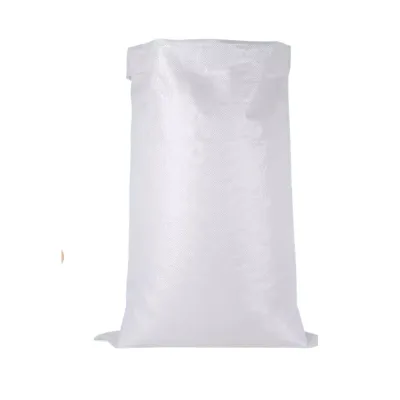
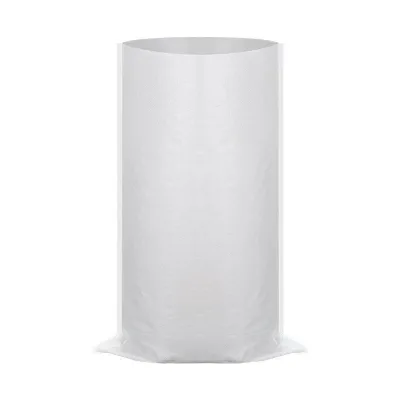


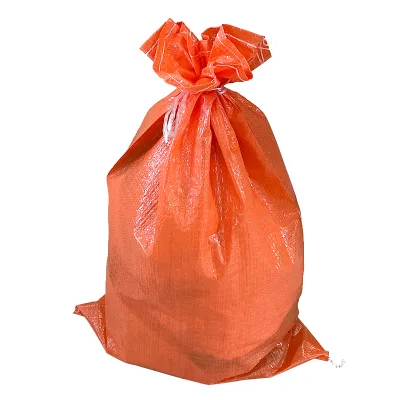


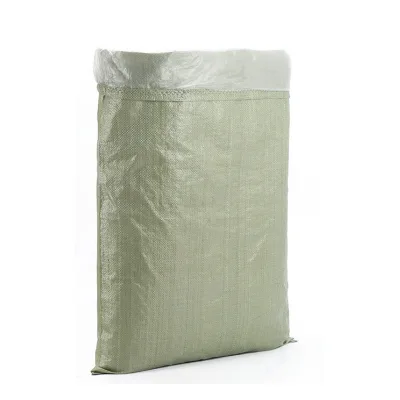
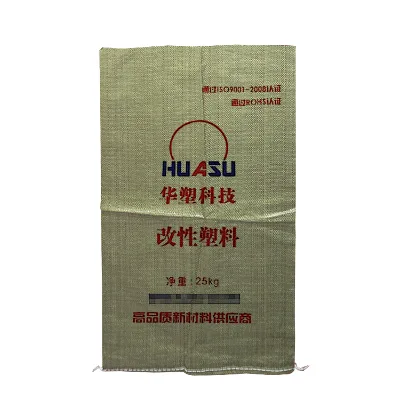
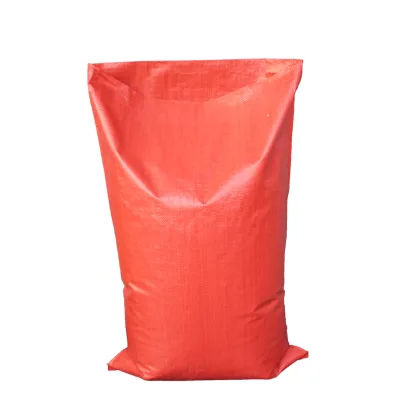
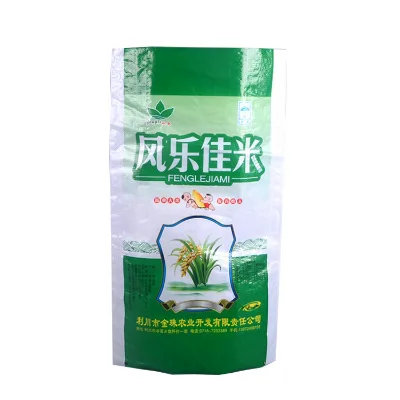
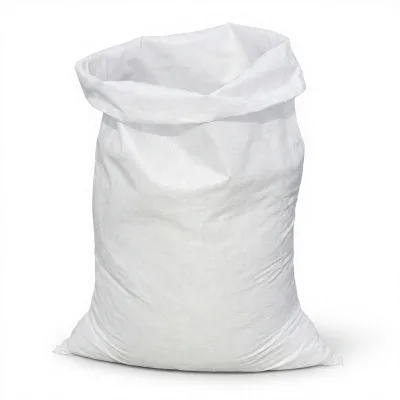


Comprehensive Sourcing Guide
Woven PP Tear-Proof Bulk Sacks Sourcing Guide
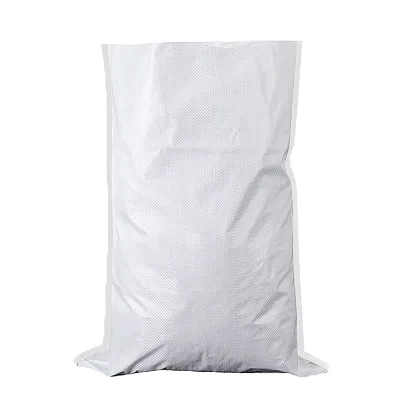
Procuring woven polypropylene sacks requires a clear understanding of material properties and structural integrity, especially when handling heavy or abrasive bulk goods. These sacks are primarily manufactured from polypropylene raw materials, offering a balance of strength, durability, and cost-effectiveness for industrial packaging needs. Buyers must distinguish between standard woven bags and those engineered with specific tear-resistant features, as the latter often involve reinforced weaving patterns or additional laminations to prevent rupture during transit.
The market offers a variety of configurations, including straight bags, tubular designs, and flat-bottom options, each suited to different filling and stacking requirements. Key attributes such as GSM weight, typically ranging from 60 to 100 GSM, directly influence the sack’s resistance to tearing and puncturing. Understanding these baseline specifications is crucial for selecting the right product, as heavier GSM values generally provide enhanced durability for high-load applications like fertilizers, chemicals, or construction materials.
Product Scope and Observed Listing Signals
Current market listings indicate a diverse range of applications for these sacks, including vegetable bags, transport packaging, sand bags, food storage, fertilizer distribution, and chemical handling. Some specialized variants are also noted for fodder and feed packing, highlighting the versatility of woven PP materials across agricultural and industrial sectors. Buyers should verify that the specific product model aligns with their intended use, as applications like chemical storage may require additional barrier properties not present in standard food-grade sacks.
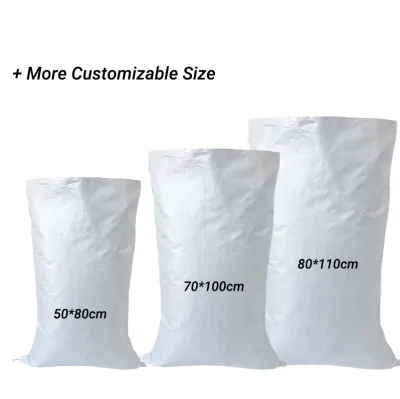
Observed product models such as 9810, 9698, 1156, 4120, 85235, 2158, TD080, TD076, TD077, TD116, and various kilogram-based models (10KG to 60KG) suggest a wide inventory of standardized and customizable options. Sizes vary from fixed dimensions like 55*90 cm to fully customized measurements, allowing for precise fitment around specific product volumes. The presence of features like antistatic, bio-degradable, recyclable, moisture-proof, and antiskid properties in certain models indicates that buyers can source specialized sacks tailored to environmental or safety requirements beyond basic containment.
Technical Specifications to Verify
When evaluating technical specifications, the top and bottom construction methods are critical for ensuring tear resistance and load-bearing capacity. Common configurations include heat-cut tops with full open options and single-fold stitched bottoms, which provide secure closure and stability. Flat bottom options are also available, offering improved stacking stability for automated filling lines. Buyers must confirm that the stitching and sealing processes meet the required safety factors, with some listings indicating a 6:1 safety factor, which is essential for preventing catastrophic failure under heavy loads.
Material composition and weaving techniques further define performance. Most sacks are made from polypropylene using woven packaging bag processes, but composite bag technologies are also observed for enhanced barrier protection. Features like loop options, which are often absent, and specific packing methods such as bale or pallet packing, impact handling efficiency. Buyers should verify the exact GSM, size tolerances, and whether the sack is designed as a straight or tubular bag, as these factors influence filling speed and structural integrity during transport.
Compliance and Safety Documentation
Safety and compliance requirements vary significantly based on the contents being packaged. For food and fodder applications, buyers must ensure that the polypropylene material meets relevant food-contact safety standards, although specific certification names are not universally listed in general market data. It is essential to request material safety data sheets (MSDS) and proof of compliance with local food safety regulations, particularly when the sacks will come into direct contact with consumable goods like vegetables, fruits, or animal feed.
For industrial applications involving chemicals or building materials, documentation regarding chemical resistance and static dissipation is crucial. Some models offer antistatic properties, which are vital for preventing dust explosions or material degradation in sensitive environments. Buyers should verify if the sacks meet specific industry standards for hazardous material transport, even if general standards like ISO 23560 are referenced as background context. Clear documentation ensures that the packaging does not introduce contamination or safety risks during storage and distribution.
Cost Drivers and Commercial Terms
Several factors influence the final cost of woven PP sacks, including raw material prices, GSM weight, and customization requirements. Standard sizes like 55*90 cm or common weights such as 25kg, 40kg, and 20kg capacities may offer more competitive pricing due to economies of scale. Customized sizes and specialized features, such as bio-degradable additives or composite layers, typically increase production costs. Buyers should anticipate price variations based on the complexity of the weaving pattern and the inclusion of additional features like moisture-proofing or antiskid surfaces.
Minimum order quantities (MOQs) and packing methods also affect commercial terms. Observed MOQs range from 3 to 100,000 units, allowing flexibility for both small-scale trials and large-volume contracts. Packing options like bale packing or pallet packing influence logistics costs and storage efficiency. Buyers should negotiate clear terms regarding lead times and payment structures, keeping in mind that origin locations like Wenzhou, Zhejiang, or Chuzhou, China, may impact shipping costs and delivery schedules.
Supplier Qualification and Quality Control
Supplier qualification begins with verifying manufacturing capabilities and quality control processes. Buyers should assess whether the supplier can produce sacks with consistent GSM weights and precise dimensions, as variations can lead to filling errors or weak points in the bag. Factories located in major manufacturing hubs like Wenzhou and Chuzhou often have established supply chains for polypropylene raw materials, which can ensure material consistency. Requesting samples for physical testing, including tear strength and stitch integrity, is a critical step in validating supplier claims.
Quality control should also include checks for visual defects, such as uneven weaving or poor stitching, which can compromise the sack’s durability. Buyers should inquire about the supplier’s testing protocols for safety factors and load-bearing capacity. Since customization is available, it is important to confirm that the supplier can maintain quality standards across different product models, from standard 9810 types to specialized TD-series bags. Establishing a clear quality agreement helps prevent disputes over product performance in the field.
Long-Term Procurement Checks
Long-term procurement success depends on continuous monitoring of supplier performance and market trends. Buyers should regularly review supplier adherence to agreed-upon specifications, including size, weight, and feature requirements. Tracking any changes in raw material quality or manufacturing processes can help anticipate potential issues before they impact production. Building a relationship with suppliers who offer flexible customization options allows for adaptation to changing product needs or regulatory requirements over time.
Sustainability and recyclability are increasingly important factors in long-term sourcing strategies. With some models offering bio-degradable and recyclable properties, buyers can align their packaging choices with corporate sustainability goals. Monitoring advancements in woven PP technology, such as improved antistatic or moisture-proof features, can provide competitive advantages. Regularly reassessing supplier capabilities and market offerings ensures that the procurement strategy remains cost-effective, compliant, and aligned with evolving industry standards.
FAQs
What materials are used for woven pp tear-proof bulk sacks?
These sacks are primarily manufactured from polypropylene, a durable plastic material known for its strength and versatility. The woven construction provides excellent tear resistance, making them suitable for heavy loads. This material choice ensures the bags remain robust during transport and storage while offering reliable protection for various industrial and agricultural products.
What are the common applications for these woven polypropylene bags?
These bags serve multiple industries, including packaging for vegetables, fruits, food, fodder, fertilizer, and chemicals. Their versatile design allows them to handle diverse contents safely. Whether for agricultural produce or industrial chemicals, the woven structure provides the necessary durability to protect goods during shipping, storage, and handling processes effectively.
Can these bulk sacks be customized for specific needs?
Yes, customization is available to meet specific client requirements. Buyers can often specify dimensions, such as the standard 55*90 cm size or custom options. Additionally, features like top openings, bottom stitching styles, and printing can be tailored. This flexibility ensures the packaging aligns perfectly with unique product handling and branding needs.
What is the typical weight capacity for these woven bags?
The bags are designed to handle various weights, with standard capacities often listed as 20kg, 25kg, 40kg, or up to 60kg. The safety factor is typically rated at 6:1, ensuring significant strength beyond the nominal load. This robust engineering allows for safe handling of heavy bulk materials without compromising bag integrity.
How are these sacks packed for shipment?
The sacks are typically packed in bales or on pallets for efficient logistics. Bale packing is a common method to secure multiple units together, preventing damage during transit. This standardized packing approach facilitates easier handling, stacking, and storage in warehouses, ensuring the products arrive at their destination in optimal condition for immediate use.
What are the standard bottom and top options for these bags?
Common configurations include a heat-cut top with a full open option for easy filling. The bottom is often single-fold and stitched or flat-bottomed for stability. These structural choices enhance the bag's usability, allowing for secure sealing and upright placement. The specific design depends on the application, ensuring optimal performance for the contained goods.