Source Biodegradable PLA PBAT Trash Bags for Garbage, Food, and Household
Find 30 Biodegradable PLA PBAT Trash Bags from China suppliers. Compare options featuring PLA, Pbat, and corn starch materials with thicknesses from 18mic to 30mic. Options include heat seal and drawstring closures for garbage, household, and food applications; compare the available evidence and request quotations based on your requirements.
Updated
Key considerations
Products List


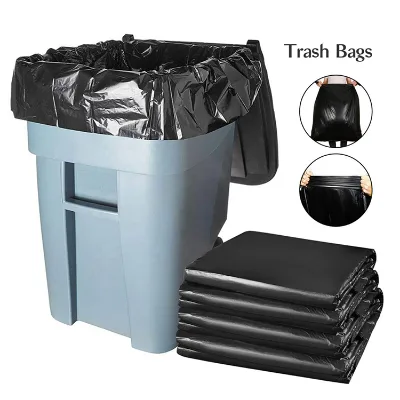
55 Gallon Custom Plastic Trash Bag PLA Pbat Fully Biodegradable Garbage Bags
$0.05 - $0.09
MOQ: 15000 Pieces

Pbat/PLA Compostable Trash Bag Biodegradable Plastic Garbage Bag Custom Print
$0.80 - $1.00
MOQ: 1000 Pieces


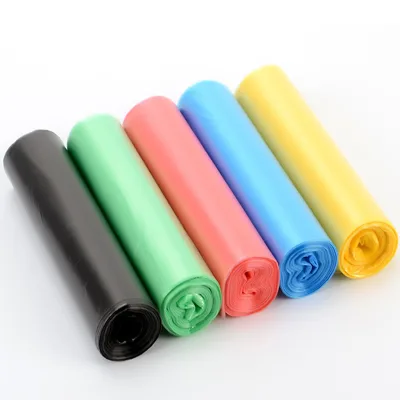
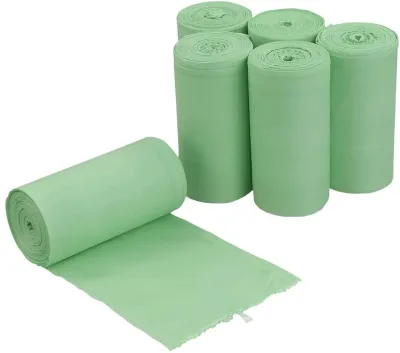
100% Biodegradable Compostable PLA PBAT Plastic Trash Bags 50 60 Gallon Garbage Bags
$0.01 - $0.02
MOQ: 10000 pieces
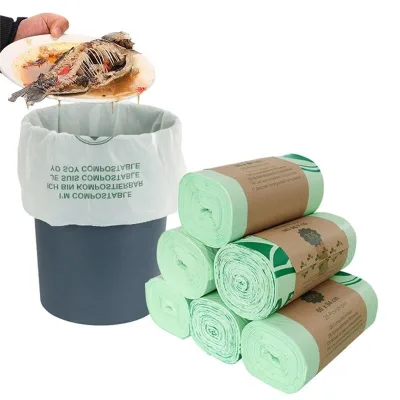
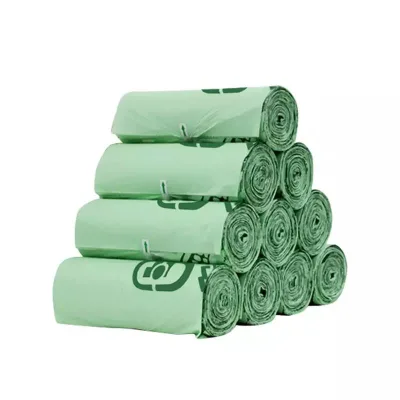
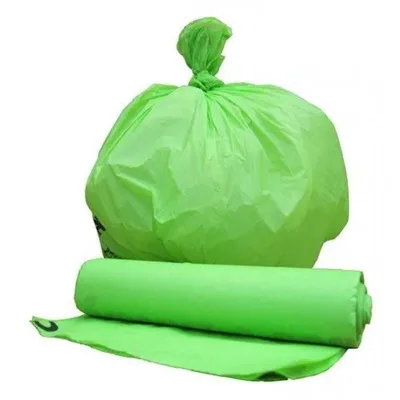
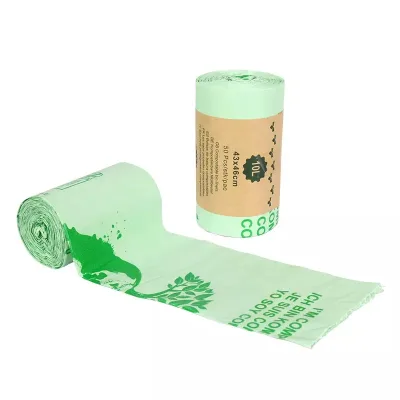


Compostable Bin Bags/ Biodegradable Trash Bags/ Eco Friendly Garbage Bags
$1300.00 - $4000.00
MOQ: 1 Tons
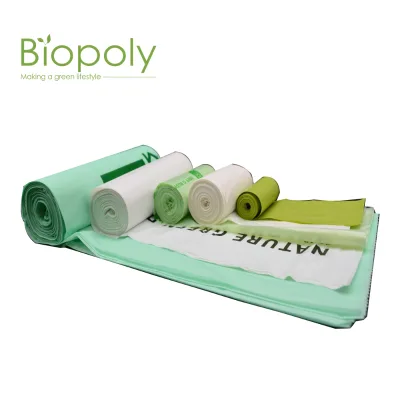


Comprehensive Sourcing Guide
Biodegradable PLA PBAT Trash Bags Sourcing Guide
Procuring Biodegradable PLA PBAT Trash Bags requires a strategic approach that balances material science with practical supply chain logistics. Buyers must first understand that these products are typically composed of a blend of Polylactic Acid (PLA), Polybutylene Adipate Terephthalate (Pbat), and sometimes corn starch, designed to offer compostable alternatives to traditional polyethylene. The observed market signals indicate a wide range of customization options, from specific thicknesses like 18mic to 30mic, to varied sealing mechanisms such as heat seals or drawstrings. This diversity means that a one-size-fits-all procurement strategy is ineffective; instead, buyers should align their material selection with their specific waste management infrastructure and end-user expectations.
The sourcing landscape is heavily concentrated in China, with specific origins noted in regions like Henan, suggesting a mature manufacturing ecosystem for these eco-friendly packaging solutions. Suppliers frequently offer customized logos and packaging details, allowing brands to maintain visual consistency while committing to sustainability goals. However, the presence of both biodegradable and standard PE material listings in the same search results highlights the importance of precise specification definition. Buyers must clearly distinguish between true biodegradable blends and conventional plastics to avoid greenwashing risks and ensure compliance with their corporate sustainability mandates.
Product Scope and Observed Listing Signals
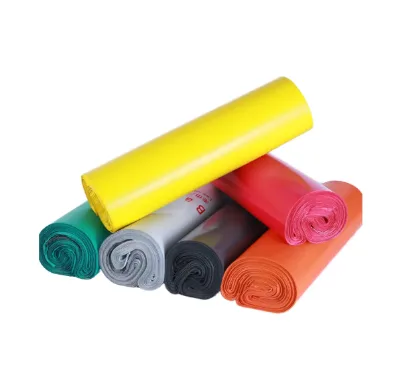
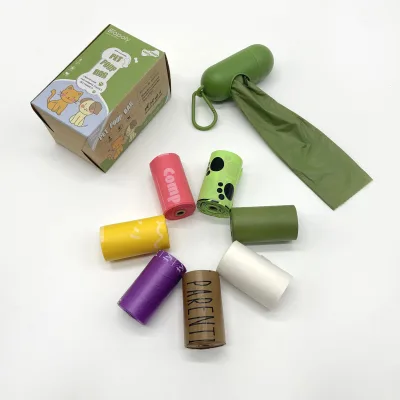
The current market for biodegradable trash bags exhibits significant variation in product attributes, reflecting diverse customer needs and application scenarios. Observed listings feature products with capacities ranging from small 1.6L-2L household bins to larger 2L-3L options, indicating versatility in daily use cases. Key features prominently displayed include biodegradability, recyclability, and disposability, which are critical selling points for environmentally conscious consumers. Additionally, the availability of multicolor options and custom logos allows for brand differentiation, while the inclusion of handles, such as shoulder-length or hand-length designs, enhances user convenience and ergonomics during waste disposal.
Usage applications span a broad spectrum, including garbage collection, household chores, food storage, and even industrial uses like cement or electronic packaging. This wide applicability suggests that biodegradable bags are not limited to residential waste but are increasingly adopted in commercial and specialized sectors. The observed sealing methods, primarily heat seals and drawstrings, provide secure closure options that prevent odor and leakage, which is essential for maintaining hygiene in both home and office environments. Buyers should carefully evaluate these functional attributes against their specific operational requirements to ensure the selected product meets both performance and aesthetic standards.
Technical Specifications to Verify
Technical verification is paramount when sourcing biodegradable bags, as material composition and physical properties directly impact performance and environmental claims. Buyers must confirm the exact blend ratios of PLA, Pbat, and corn starch, as these determine the bag’s strength, flexibility, and decomposition rate. Thickness specifications observed in the market range from 18mic to 30mic, with customized options available, allowing for tailored durability based on the intended load and usage frequency. It is crucial to verify that the stated thickness is consistent across batches to prevent premature tearing or failure during use, which could undermine the product’s reliability.
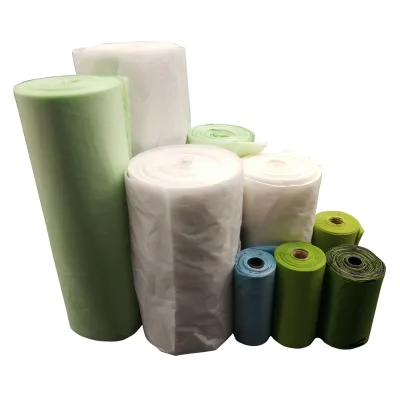
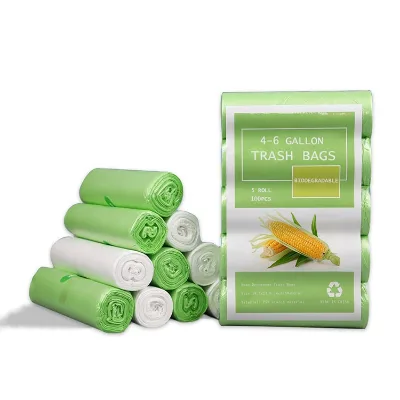
Sealing integrity and dimensional accuracy are other critical technical parameters that require rigorous testing. Standard dimensions such as 45cm50cm or 60cm80cm are commonly listed, but buyers should request samples to verify actual measurements against these standards. The presence of drawstring or heat seal mechanisms must be evaluated for ease of use and security, ensuring that the closure remains intact under typical handling conditions. Additionally, the packaging details, such as 15 or 25 pieces per roll, should be confirmed to align with inventory management and distribution logistics, preventing discrepancies in supply chain operations.
Compliance and Safety Documentation
Compliance with environmental standards is a non-negotiable aspect of sourcing biodegradable products, requiring thorough documentation from suppliers. Buyers should request certificates that verify the biodegradability claims, such as ASTM D6400 or equivalent regional standards, to ensure the products meet recognized compostability criteria. While specific certification statuses may vary, the presence of such documentation is essential for validating the environmental benefits and avoiding regulatory penalties. It is advisable to engage with suppliers who provide transparent test reports from accredited laboratories, confirming that the materials decompose within specified timeframes under industrial or home composting conditions.
Safety and chemical compliance are equally important, particularly for bags intended for food or household use. Buyers must ensure that the materials used do not contain harmful additives or heavy metals that could leach into the environment or contaminate waste streams. Documentation should include material safety data sheets (MSDS) and declarations of conformity, verifying that the products are free from toxic substances. Additionally, suppliers should provide evidence of adherence to good manufacturing practices (GMP) to ensure consistent quality and safety across all production batches, protecting both the buyer’s brand reputation and end-user health.
Cost Drivers and Commercial Terms
Understanding the cost structure of biodegradable trash bags is essential for effective budgeting and negotiation. Key cost drivers include the raw material prices of PLA and Pbat, which are influenced by global agricultural and petrochemical markets, as well as the complexity of the manufacturing process. Observed minimum order quantities (MOQs) range from 500kg to 100,000 units, indicating that larger orders may yield better unit prices but require significant storage and cash flow management. Buyers should negotiate flexible MOQ terms, especially for initial orders, to mitigate risk and allow for market testing before committing to large-scale purchases.
Commercial terms such as delivery time and payment conditions also play a significant role in the total cost of ownership. Lead times observed in the market are approximately 20-30 days, which must be factored into inventory planning to avoid stockouts. Buyers should clarify whether these timelines include customization processes, such as logo printing, which may extend production schedules. Additionally, packaging details, such as carton or box packing, should be discussed to determine shipping efficiency and potential damage risks during transit, ensuring that the final delivered cost aligns with the initial quotation.
Supplier Qualification and Quality Control
Supplier qualification is a critical step in ensuring the reliability and consistency of biodegradable trash bag supplies. Buyers should conduct thorough due diligence on potential suppliers, verifying their manufacturing capabilities, production capacity, and quality control systems. The observed rigorous making processes and plastic packaging bag expertise suggest that many suppliers have established quality assurance protocols, but buyers must confirm these through audits or third-party inspections. It is advisable to request references from existing clients and review their track record for on-time delivery and product consistency to assess supplier reliability.
Quality control measures should be integrated into the procurement process, starting with sample approval before mass production. Buyers should define clear acceptance criteria for material composition, thickness, sealing strength, and visual appearance, ensuring that the final product meets their specifications. Regular quality checks during production and pre-shipment inspections can help identify and rectify defects early, reducing the risk of receiving substandard goods. Additionally, establishing a clear communication channel with the supplier for addressing quality issues and implementing corrective actions is essential for maintaining long-term partnership success and product integrity.
Long-Term Procurement Checks
Long-term procurement success depends on continuous monitoring and adaptation to market changes and regulatory updates. Buyers should regularly review supplier performance metrics, including delivery accuracy, product quality, and responsiveness to issues, to ensure ongoing alignment with their procurement goals. As environmental regulations evolve, staying informed about new standards and compliance requirements is crucial to avoid disruptions in supply. Buyers should engage in periodic reviews with suppliers to discuss potential improvements in material sustainability, cost efficiency, and innovation, fostering a collaborative relationship that drives mutual growth.
Furthermore, buyers should assess the scalability and flexibility of their supply chain to accommodate changing demand patterns and product variations. The ability to customize products, such as adjusting thickness or sealing methods, should be evaluated based on the supplier’s responsiveness and production agility. Building a diversified supplier base can mitigate risks associated with single-source dependencies, ensuring business continuity in case of disruptions. By maintaining a proactive approach to supplier management and market analysis, buyers can secure a stable supply of high-quality biodegradable trash bags that support their sustainability objectives and operational needs.
FAQs
What materials are used for Biodegradable PLA PBAT Trash Bags?
These bags are made from PLA, PBAT, and corn starch. This combination ensures the product is biodegradable and recyclable. The material composition supports eco-friendly disposal while maintaining durability for household and food usage applications.
Can I customize the logo on these Biodegradable PLA PBAT Trash Bags?
Yes, customization is available for these products. Buyers can request custom logos to be printed on the bags. This service allows businesses to brand their waste management solutions effectively while utilizing the biodegradable features of the material.
What is the delivery time for Biodegradable PLA PBAT Trash Bags?
The delivery time is approximately 20 to 30 days. This lead time applies to standard production runs. Buyers should account for this duration when planning inventory, as it ensures the manufacturing process remains rigorous and quality-controlled.
What specifications are available for Biodegradable PLA PBAT Trash Bags?
Specifications include thicknesses of 18, 20, 25, or 30 microns. Standard sizes range from 22.5cm to 80cm in width. Customized dimensions are also available to meet specific packaging requirements for garbage, household, or grocery applications.
What is the MOQ for Biodegradable PLA PBAT Trash Bags?
The minimum order quantity is 500kg. This threshold applies to bulk orders of the biodegradable material. Buyers seeking smaller quantities may need to adjust their procurement strategy or negotiate specific terms with the supplier for customized needs.
How are Biodegradable PLA PBAT Trash Bags packaged for shipment?
Bags are typically packed by carton or in boxes. Some rolls contain 15 or 25 pieces per roll. This packaging method protects the product during transit and ensures efficient storage for buyers handling garbage, food, or household waste solutions.