Source Squeezable PET Plastic Bottle for Cosmetics, Chemical, Medicine
Compare 30 listings of Squeezable PET Plastic Bottle options from verified Chinese manufacturers. Buyers can evaluate capacities from 30ml to 500ml, sealing types like pump sprayers, and customization features for cosmetics, chemical, and medicine applications; compare the available evidence and request quotations based on your requirements.
Updated
Key considerations
Products List


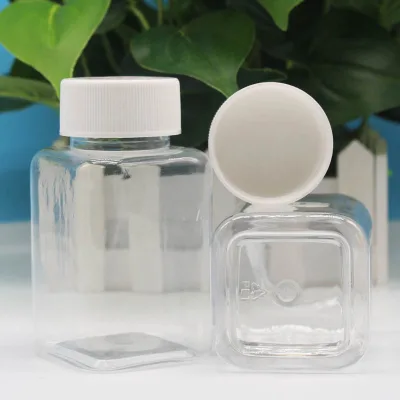


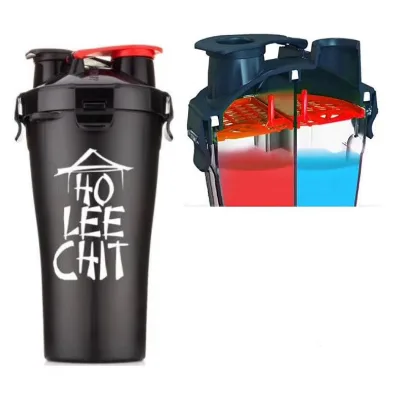

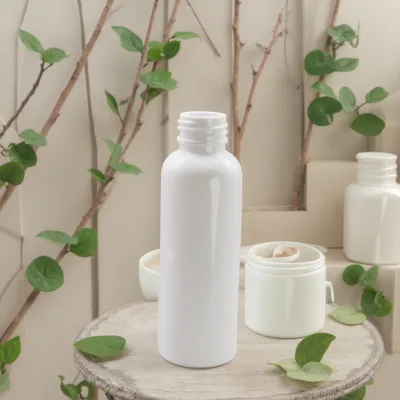
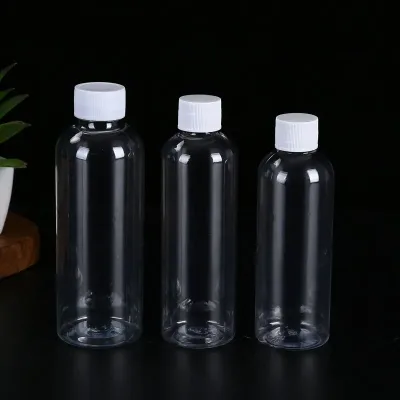





Comprehensive Sourcing Guide
Squeezable PET Plastic Bottle Sourcing Guide
Procuring squeezable PET plastic bottles requires a strategic balance between material integrity, functional design, and supply chain reliability. These containers are widely utilized across cosmetics, personal care, pharmaceutical, and beverage sectors due to their durability and lightweight nature. Buyers must navigate a market where customization is readily available, yet technical specifications vary significantly between suppliers. Understanding the interplay between bottle shape, sealing mechanisms, and volume capacity is essential for ensuring product compatibility and consumer satisfaction.
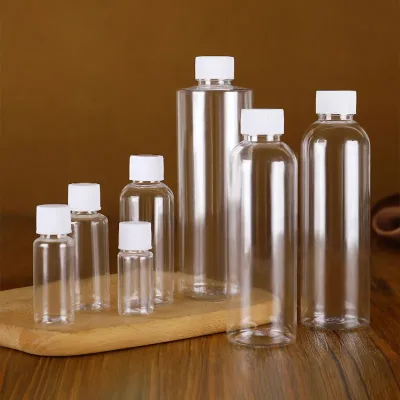
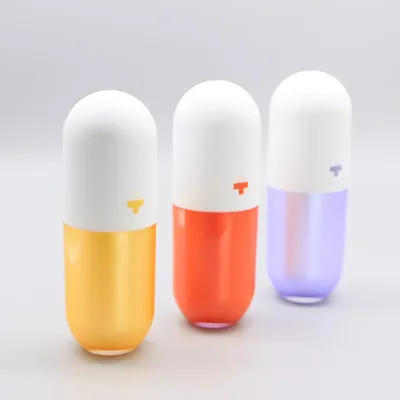
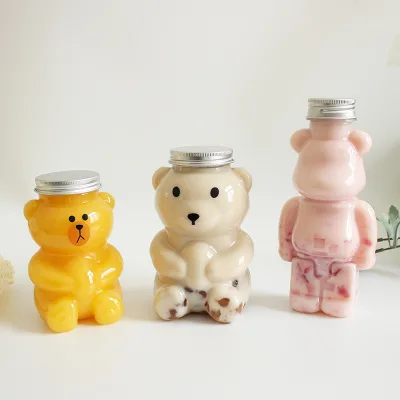
The sourcing landscape offers a diverse range of options, from round and square shapes to specialized shaped bottles designed for ergonomic handling. Key attributes such as wide-mouthed designs, pump sprayers, and rubber stoppers dictate the end-use application. Furthermore, features like recyclability and non-spill properties add value for eco-conscious brands. This guide outlines the critical verification steps, compliance requirements, and commercial considerations necessary to secure high-quality squeezable PET packaging that meets rigorous industry standards and operational demands.
Product Scope and Observed Listing Signals
The observed market for squeezable PET bottles reveals a broad spectrum of product configurations, with volumes ranging from small 30ml containers to larger 500ml options. Listings frequently highlight specific models such as the WL-PJ50 and TY06801030152, indicating a standardized yet customizable inventory. Buyers should note that while many products are described as white, color options often include pink, yellow, red, green, and black, allowing for brand-specific aesthetic alignment. The presence of export carton packing and safe export pack options suggests that suppliers are equipped for international logistics, though packaging details must be confirmed per order.
Material properties are consistently identified as plastic, with a specific emphasis on PET as a key point for many listings. This material choice supports the squeezable functionality required for viscous products like lotions, sauces, and oils. The observed daily production capacity of 50,000 pieces indicates that suppliers have the scale to handle substantial order volumes. However, buyers must verify if this capacity aligns with their specific volume requirements, as some listings specify narrower ranges such as 601-700ml or fixed standards like 250ml and 300ml. Understanding these volume constraints is crucial for matching packaging to product formulations.
Technical Specifications to Verify
Technical verification begins with confirming the necksize and sealing type, which are critical for dispenser compatibility. Common specifications include a 24/410mm necksize, which is standard for many pump and spray applications. Buyers must distinguish between different sealing mechanisms, such as pump sprayers, pumps, and rubber stoppers, as each serves a distinct functional purpose. For instance, pump sprayers are ideal for fine mists, while rubber stoppers may be used for droppers or specific chemical applications. The shape of the bottle, whether round, square, or uniquely shaped, also impacts shelf presence and handling ergonomics.
Thickness and structural integrity are vital for maintaining the squeezable feature without deformation or leakage. One observed specification notes a thickness of 1mm, which provides a baseline for durability, but buyers should request material density data for their specific volume. Additionally, the bottleneck design, such as wide-mouthed bottles, facilitates filling and cleaning processes. It is essential to verify the exact dimensions, such as the 29mmx17mm measurement noted for certain 3G variants, to ensure compatibility with existing filling lines. Misalignment in these technical details can lead to significant production delays and equipment incompatibility.
Compliance and Safety Documentation
Regulatory compliance is non-negotiable for packaging used in cosmetics, medicine, and food-related applications. Buyers must ensure that suppliers provide valid certifications, with ISO 9001 and ISO 14001 being common standards observed in the market. These certifications indicate a commitment to quality management and environmental responsibility, which are increasingly important for brand reputation. Additionally, safety testing documentation should be requested to verify adherence to Reach, California 65, and US FDA standards. These tests confirm that the PET material does not leach harmful substances into the product, ensuring consumer safety and legal compliance in target markets.
Beyond general certifications, specific product standards such as SGS testing may be referenced, but buyers should verify the scope of these tests. It is crucial to confirm that the testing covers the specific formulation of the product being packaged, as different chemicals may interact differently with PET. The origin of the product, often listed as China or specifically Ningbo and Zhejiang, does not inherently guarantee compliance, so documentation must be reviewed on a case-by-case basis. Buyers should also inquire about the recyclability claims, ensuring they are backed by recognized recycling codes and local infrastructure capabilities.
Cost Drivers and Commercial Terms
Pricing for squeezable PET bottles is influenced by volume, customization, and material thickness. The observed price range of $0.03 to $4.44 USD reflects the diversity in product complexity, from simple round bottles to shaped, multi-component assemblies with pumps. Buyers should anticipate that customized colors and unique shapes may incur additional tooling or setup fees. The minimum order quantity (MOQ) typically ranges from 10 to 10,000 pieces, with some listings specifying an MOQ of 10,000 pieces. Understanding these thresholds is essential for budgeting, especially for smaller brands or trial orders.
Lead times are another significant commercial factor, with observed ranges spanning from 15 to 30 days. This variability depends on the complexity of the order, including color matching and assembly of dispensers. Buyers should plan their inventory accordingly to avoid stockouts, especially during peak seasons. Sample availability is often free, which is a valuable opportunity to test the squeezable functionality and seal integrity before committing to a large order. However, buyers should clarify if shipping costs for samples are covered, as this can impact the initial cost assessment.
Supplier Qualification and Quality Control
Supplier qualification requires a thorough review of production capabilities and quality control processes. Buyers should verify the supplier’s daily capacity, which has been observed at 50,000 pieces, to ensure they can meet delivery deadlines without compromising quality. It is advisable to request a factory audit or virtual tour to assess the cleanliness of the production environment, particularly for pharmaceutical and cosmetic-grade packaging. Suppliers located in established manufacturing hubs like Zhejiang and Ningbo often have mature supply chains, but this should be confirmed through direct engagement.
Quality control measures should include rigorous inspection of sealing integrity and dimensional accuracy. Buyers should establish clear acceptance criteria for defects such as scratches, discoloration, or misaligned pumps. The availability of free samples allows for preliminary testing, but a pilot production run is recommended to validate consistency. Additionally, suppliers should provide a detailed quality assurance plan that outlines how defects are identified and corrected during production. This proactive approach minimizes the risk of receiving non-conforming goods and ensures that the final product meets the brand’s standards.
Long-Term Procurement Checks
Long-term procurement success depends on establishing a reliable and adaptable supply chain. Buyers should regularly review supplier performance metrics, including on-time delivery rates and defect percentages. Maintaining open communication channels allows for quick resolution of issues and facilitates continuous improvement. It is also important to monitor market trends for new materials or designs that could enhance product appeal or sustainability. Suppliers who offer customization and are responsive to feedback are more likely to be valuable long-term partners.
Sustainability is becoming a critical factor in packaging procurement. Buyers should explore options for recyclable PET and inquire about the supplier’s environmental practices. Certifications like ISO 14001 indicate a commitment to environmental management, but buyers should also ask about the use of recycled content in the PET material. Additionally, considering the end-of-life options for the packaging can enhance brand value. By staying informed about regulatory changes and consumer preferences, buyers can make proactive decisions that align with their brand’s long-term goals and sustainability commitments.
FAQs
What materials and certifications are used for these bottles?
These bottles are made from plastic, specifically PET, and are available in various colors including white, pink, yellow, red, green, and black. They hold certifications such as ISO 9001 and ISO 14001. Safety testing includes Reach, California 65, and US FDA standards, ensuring compliance for cosmetics, beverages, and pharmaceutical applications.
What is the minimum order quantity and lead time?
The minimum order quantity is 10,000 pieces, though some listings indicate a range from 10 to 10,000 units. The production lead time typically ranges from 15 to 30 days, with specific estimates of 20 to 25 days noted. Daily production capacity can reach up to 50,000 pieces, supporting large-scale supply needs efficiently.
Which sealing types and shapes are available?
Available sealing types include pump sprayers, rubber stoppers, and standard pumps. Bottle shapes vary from round and square to shaped bottles, with wide-mouthed options also offered. Standard volumes range from 30ml to 500ml, with specific models like 30ml, 60ml, and 400ml available to suit diverse packaging requirements for personal care and chemical products.
Can I get free samples for quality testing?
Yes, free samples are available for quality assessment before placing a bulk order. This allows buyers to verify material thickness, sealing integrity, and customization options. Samples help ensure the plastic PET bottles meet specific application needs for cosmetics, medicine, or beverages, reducing risk and confirming suitability for your brand's packaging standards.
Where are these bottles manufactured and packed?
These bottles originate from China, with specific production locations in Ningbo and Zhejiang. They are packed in export cartons or safe export packs to ensure protection during transit. The manufacturing process supports customized colors and shapes, providing reliable sourcing for global buyers requiring durable, recyclable, and non-spill plastic packaging solutions for various industries.
What volume capacities and neck sizes are offered?
Volume capacities range from 30ml to 500ml, with specific standards like 250ml, 300ml, and 60ml available. Neck sizes include 24/410mm for secure fitting with pumps or stoppers. These specifications support diverse applications, from small cosmetic samples to larger beverage or chemical containers, ensuring compatibility with various dispensing mechanisms and user preferences.