Recycled Material PE Plastic Pouch Suppliers and Manufacturers
Explore 33 verified options for Recycled Material PE Plastic Pouch from Guangdong and Shandong factories. Compare certifications like ISO and BRC, lead times, and MOQs to find the right partner. Contact suppliers directly to request samples and pricing details; review the available evidence before requesting comparable quotations from suitable candidates.
Updated
Suppliers List

JIANGMEN MST PACKAGING GROUP LIMITED
- Verified by BV
- Trading Company
- China Guangdong
- Lead time30 days
- Avg. response≤ 2h
Main productsPackaging Bag, Box Pouch, Kraft Paper Bag, Paper Bag, Coffee Bag, Plastic Bag, Compostable Bags, Recyclable Bags, Biodegradable Bags, Spout Pouch
Main marketsEurope,Australia,North America

Yishui Union Packing Products Co., Ltd.
- Verified by TUVRHEINLAND
- Combined
- China Shandong
- Lead time15 days
- Avg. response≤ 3h
Main productsFood Bag, Coffee Bag, Pet Food Bag, Stand up Pouch, Roll Film, Flat Bottom Pouch, Side Gusset Bag, Three Side Seal Bag, Kraft Paper Bag, Shaped Pouch
Main marketsOthers(foreignTradeCapacity.exportBusinessCapacityMarketOther),Europe,North America

Ocean-Bound Plastic Recycled PE Pouch - Upcycled Material for Coastal Conservation Brands
$0.04 - $0.05
MOQ: 10000 Pieces

PE Stand up Pouch with PCR Content - Containing 30% Post-Consumer Recycled Material
$0.04 - $0.05
MOQ: 10000 Pieces

PCR Content PE Stand up Pouch - Containing 30% Post-Consumer Recycled Material
$0.04 - $0.05
MOQ: 10000 Pieces

Recyclable Mono-Material Three-Side Seal Pouch - PE/PP Only Design for Streamlined Recycling
$0.04 - $0.05
MOQ: 10000 Pieces

Degradable PE Stand up Pouch - Compostable Material for Sustainable Food Packaging
$0.04 - $0.05
MOQ: 10000 Pieces

Degradable PE Stand up Pouch - Compostable Material for Sustainable Packaging
$0.04 - $0.05
MOQ: 10000 Pieces

- Verified by TUVRHEINLAND
- Combined
- China Fujian
- Lead time23 days
- Avg. response≤ 5h
Main productsSpout Pouch, Packaging Film, Chicken Bag, Stand up Pouch, Zipper Bag, Laminate Film, Vacuum Bag, Aluminum Bag, Pet Food Packaging, Quad Pouch
Main marketsSoutheast Asia/ Mideast,Europe,Australia

Dongguan Fuhehu Packaging Co., Ltd
- Verified by SGS
- Trading Company,Manufacturer/Factory
- China Guangdong
- Lead time15 days
- Avg. response≤ 25h
Main productsCoffee Bag, Stand up Pouch, Flat Bottom Pouch, Mylar Pouch, Quad Seal Bag, Aluminum Foil Bag, Spout Pouch, Vacuum Bag, Food Packaging Bag, Back Seal Bag
Main marketsSouth America,Eastern Europe,Mid East,North America,Southeast Asia,Eastern Asia,Oceania,Western Europe,Africa

Eco Friendly Recyclable PE Material Sanitary Pads Packing Plastic Stand up Pouch
$0.05 - $0.08
MOQ: 10000 Pieces

Wholesale Recyclable PE/PE Irregular Shape Food Packaging Stand up Pouch Plastic Bag
$0.02 - $0.06
MOQ: 10000 Pieces

Custom Print Plastic Resealable Packaging Pouch Soft Touch Shaped Pouch with Zipper
$0.02 - $0.06
MOQ: 3000 Pieces
Dongguan Haifeng Plastic Packing Co., Ltd.
- Manufacturer, Trading Company
- Guangdong, China
- Lead time0 days
- Avg. response≤ 18h
Main productsPlastic Bags,LDPE Shopping Bags,Pastry Bags,PBAT PLA Biodegradable Mailing Bags,Roll Bags
Main marketsNorth America(25.00%), Eastern Asia(15.00%), South America(10.00%), Oceania(10.00%), Eastern Europe(10.00%), Domestic Market(10.00%), South Asia(5.00%), Western Europe(5.00%), Southern Europe(5.00%), Northern Europe(5.00%), Central America(0.00%), Africa(0.00%), Mid East(0.00%), Southeast Asia(0.00%)

SHANDONG FUKUN NEW MATERIALS CO., LTD.
- Trading Company,Manufacturer/Factory
- China Shandong
- Lead time30 days
- Avg. response≤ 14h
Main productsCompostable Bag, Biodegradable Bag, Aprons, Cape, Mailer Bag, Non-Woven Bag, Poop Bag, Garbage Bag, Vest Bag, Carrier Bag
Main marketsSouth America,Eastern Europe,Mid East,North America,Southeast Asia,Eastern Asia,Oceania,Western Europe,Africa

Dongguan Chenghua Industrial Co., Ltd.
- Verified by BV
- Manufacturer/Factory
- China Guangdong
- Lead time23 days
- Avg. response≤ 4h
Main productsZiplock Bag, Biodegradable Bag, Aluminum Bag, Doypack, Zipper Bag, Food Bag, OPP Bags, Plastic Bags, Poly Bags, Specimen Bags
Main marketsSouth America,Eastern Europe,Mid East,North America,Southeast Asia,Eastern Asia,Oceania,Western Europe,Africa


Resealable Ziplock Plastic Bag Thickened PE Food Grade Storage Packaging Bag
$0.01 - $0.03
MOQ: 1000 Pieces

Shenyang Zhonghe Plastic Packaging Products Co., Ltd.
- Verified by SGS
- Manufacturer
- China Liaoning
- Lead time15 days
- Avg. response≤ 2h
Main productsGarbage Bag, Food Packing Bag, Plastic Packing Bag, Biodegradable Plastic Bag, Non Woven Bag, OPP Bag, Vest Bag, PE Bag, Frozen Food Flat Bag, Stand up Pouch


Custom Printed PE Bag Plastic Packaging Pouch Food Grade Resealable for Food
$0.01 - $0.50
MOQ: 10000 Pieces
Dongguan Chuangcai Packaging Materials Co., Ltd.
- Verified by TüVRheinland
- Manufacturer, Trading Company
- Lead time15 days
- Avg. response≤ 2h
Main productsCoffee Bag, Drink Pouch Water Bag, Pet Bag, Mono-Material Recycle Bag, Food Packaging Bag
Main marketsNorthern Europe(15%), North America(10%), Eastern Europe(10%)

Weifang Brother Packing Co., Ltd.
- Verified by TUVRHEINLAND
- Combined
- China Shandong
- Lead time15 days
- Avg. response≤ 3h
Main productsPP Woven Bag, PP Woven Fabric, Flexible Packaging, Bulk Bag, Ground Weed Control Fabric, PP Woven Shopping Bag, Kraft Paper Laminated PP Woven Bag, PE Shopping Bag, PP Nonwoven Shopping Bag, BOPP Woven Bag
Main marketsOthers(foreignTradeCapacity.exportBusinessCapacityMarketOther),North America

PE Packing Bag Plastic Packaging Bag Plastic Bag 3 Layers Co-Extruded PE Bag
$0.08 - $0.40
MOQ: 50000 Pieces

Composite Packaging Bags Plastic Packaging Bags PE Packaging Bags 25kg Packaging Bag
$0.08 - $0.40
MOQ: 50000 Pieces
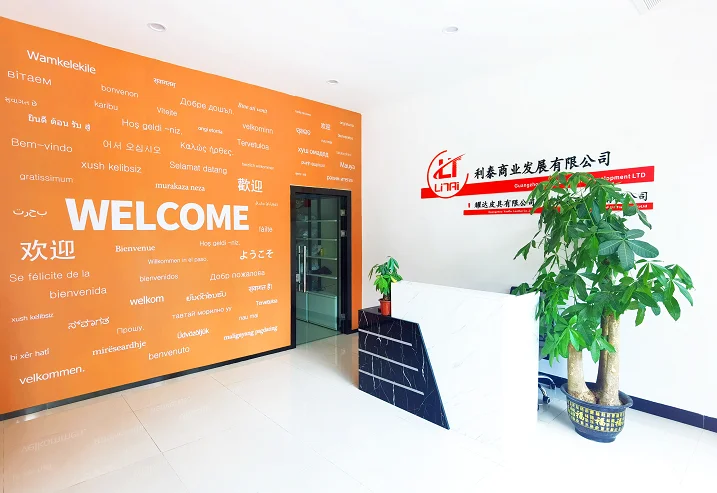
Guangzhou Litai Commercial Development Ltd.
- Manufacturer, Trading Company
- Guangdong, China
- Lead time7 days
- Avg. response≤ 2h
Main productsPlastic Packaging Bags,Food Grade Packaging Bags,Aluminum Foil Food Stand Up Bags,Snack Food Laminated Bag,Coffee Packaging Bag
Main marketsNorth America(25.00%), Southeast Asia(22.00%), Western Europe(9.00%), South America(8.00%), South Asia(8.00%), Mid East(7.00%), Southern Europe(5.00%), Northern Europe(5.00%), Eastern Europe(5.00%), Oceania(2.00%), Eastern Asia(2.00%), Central America(1.00%), Africa(1.00%)
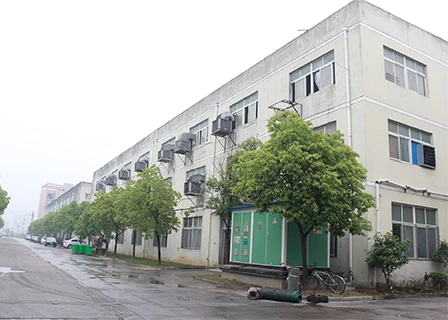
Wenzhou Jiete Plastic Packaging Co., Ltd
- Manufacturer, Trading Company
- Zhejiang, China
- Lead time20 days
- Avg. response≤ 6h
Main productsPP Woven Bag
Main marketsAfrica(40.00%), Southeast Asia(40.00%), South America(10.00%), North America(10.00%)
BEIJING HONGHAI PACKAGING CO., LTD.
- Verified by Intertek
- Trading Company
- Lead time15 days
- Avg. response≤ 3h
Main productsMylar Bag, Coffee Bag, Food Bag, Pet Products Packaging, Retort Pouch
Main marketsNorth America(50%), Mid East(20%), Eastern Europe(5%)

Dongguan Hua Di Packaging Product Co., Ltd.
- Manufacturer
- Guangdong, China
- Lead time20 days
- Avg. response≤ 4h
Main productsbeverage bag,spout pouch,breast milk bag,bag in box,zipper pouch
Main marketsNorth America(40.00%), Southern Europe(20.00%), Southeast Asia(10.00%), Eastern Asia(5.00%), South America(5.00%), Mid East(3.00%)

Jining Mingchuang International Co., Ltd.
- Manufacturer/Factory,Group Corporation
- China Shandong
- Lead time15 days
- Avg. response≤ 14h
Main productsPVC Film, Transparent Film, LLDPE Stretch Film, PVC Tarpaulin and Canvas, PE Shrink Film, PVC Sheet, HDPE Liner, PVC Tapes, Packaging Film, PVC Products
Main marketsSouth America,Eastern Europe,Mid East,North America,Southeast Asia,Eastern Asia,Oceania,Western Europe

Yantai Meifeng Plastic Products Co., Ltd.
- Verified by TUVRHEINLAND
- Combined
- China Shandong
- Lead time23 days
- Avg. response≤ 4h
Main productsStand up Pouch
Main marketsNorth America


Manufacturer Custom Printed Wet Food Packaging Bag Durable & Recyclable Retort Pouch
$0.02 - $0.029
MOQ: 60000 Pieces

Shenzhen Huachuaf Technology Co., Ltd.
- Manufacturer, Trading Company
- Lead time旺季: "1 - 100000":15,"> 100000":"To be negotiated", 淡季: "1 - 100000":15,"> 100000":"To be negotiated"
- Avg. response≤ 3h
Main productsPlastic Packaging Bag, Mylar Bag, Die-cut Bag, Stand Up Pouch, Paper Box
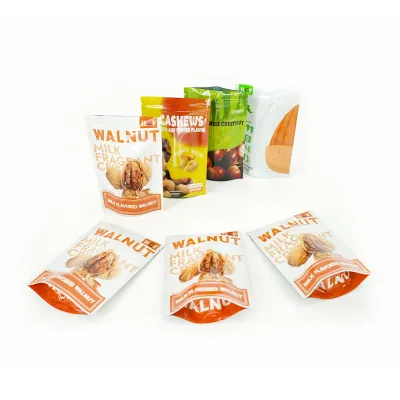
$0.0103 - $0.0924
MOQ: 500 Minimum
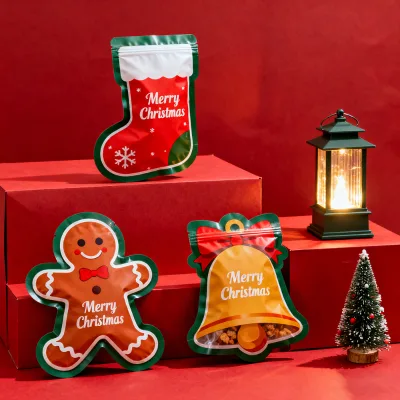
$0.0103 - $0.0925
MOQ: 500 Minimum
Shenzhen J-Shine Packaging Co., Ltd.
- Manufacturer, Trading Company
- Guangdong, China
- Lead time12 days
- Avg. response≤ 2h
Main productsfood bag,kraft paper bag,aluminum foil bag,zipper bag,coffee bag
Main marketsWestern Europe(76.00%), North America(20.00%), Southern Europe(1.00%), South America(1.00%), Africa(1.00%), Eastern Europe(1.00%)
Foshan City Taiyang Packing Co., Ltd.
- Verified by Intertek
- Manufacturer, Trading Company
- Lead time20 days
- Avg. response≤ 1h
Main productsT Shirt Bag, Garbage Bag, Die Cut Bag, Fresh-kept Bag, Zip Lock Bag
Main marketsDomestic Market(25%), South America(18%), Africa(15%)

Kazuo Beiyin Paper and Plastic Packing Co., Ltd.
- Verified by CTI
- Combined
- China Hebei
- Lead time23 days
- Avg. response≤ 2h
Main productsFlexible Packaging, Stand up Pouches, Food Packaging, Coffee Packaging, Snack Packaging, Mylar Bags, Roll Film, Spouted Pouches, Flat Bottom Bags, Packaging Bags
Main marketsSouth America,Africa,Southeast Asia/ Mideast,Europe,Australia,North America
Shenzhen Linlan Plastic Products Co., Ltd.
- Verified by SGS Group
- Manufacturer, Trading Company
- Lead time7 days
- Avg. response≤ 2h
Main productsFood Packaging Bags, Cosmetic Packaging Bags, Electronics Packaging Bags, Daily Life Products Packaging Bags, Gift Packaging Bags
Main marketsNorth America(30%), South America(10%), Eastern Europe(5%)

Tianjin Xiezuo Trading Co., Ltd.
- Verified by SGS
- Trading Company
- China Tianjin
- Lead time15 days
- Avg. response≤ 7h
Main productsPaper and Plastic Packaging
Main marketsNorth America
Guangdong Danqing Printing Co., Ltd.
- Verified by TüVRheinland
- Manufacturer, Trading Company
- Lead time15 days
- Avg. response≤ 5h
Main productsStand Up Pouch With Spout, Cup Sealing Film, Stand Up Zipper Pouch, Plastic Film, Flat Bottom Pouch
Main marketsAfrica(20%), Southeast Asia(15%), Mid East(15%)
Shenzhen Meirui Packaging Products Co., Ltd.
- Manufacturer, Trading Company, Agent
- Guangdong, China
- Lead time15 days
- Avg. response≤ 1h
Main productsCustom mylar Bags,Custom plastic bag,Custom paper boxes,Manual,Sticker
Main marketsNorth America(60.00%), South America(10.00%), Northern Europe(5.00%), Central America(5.00%), Western Europe(5.00%), Oceania(5.00%), Africa(5.00%), Eastern Europe(5.00%)

Zhongshan Langke Packaging Co., Ltd.
- Combined
- China Guangdong
- Lead time15 days
- Avg. response≤ 2h
Main productsPackaging Film, Lamination Film, Medical Film, Medical Pouch, Food Pouch, Daily-Use Pouch, Daily Chemical Pouch, Snack Packaging, Printing and Packaging, Clothing Packaging
Main marketsSoutheast Asia/ Mideast,East Asia(Japan/ South Korea),Europe
Yijia Packaging (dongguan) Co., Ltd.
- Verified by TüVRheinland
- Manufacturer, Trading Company
- Lead time7 days
- Avg. response≤ 1h
Main productsPlastic Bag, Roll Film
Main marketsNorth America(40%), Western Europe(32%), South America(5%)
Qingdao Fullsun Biotechnology Packaging Co., Ltd
- Verified by BV
- Combined
- China Shandong
- Lead time15 days
- Avg. response≤ 17h
Main productsBiodegradable Bag
Main marketsNorth America
Xiamen Jinqian Supply Chain Co., Ltd.
- Verified by TüVRheinland
- Trading Company
- Lead time15 days
- Avg. response≤ 2h
Main productsPlastic Bag, PVC Bags, Shopping Bag, Gift Bag, Trash Bag
Main marketsNorth America(30%), Mid East(30%), Western Europe(20%)
Dongguang Runyang International Trade Co., Ltd.
- Verified by TUVRHEINLAND
- Trading Company
- China Hebei
- Lead time15 days
- Avg. response≤ 2h
Main productsFood Packaging Series, Agricultural Garden Supplies Packaging Series, Pet Products Packaging, Daily Chemical & Chemical Products Packaging Ser, Rice Flour Seasoning Packaging, Snack Food Packaging, Beverage Brewing Packaging Bag, Cooked Food Packaging Bag, Frozen & Fresh Packaging Bag, Packaging of Washing Products
Main marketsSouth America
Cangzhou Jingtian Plasticindustry Co., Ltd.
- Verified by SGS Group
- Manufacturer, Trading Company
- Lead time7 days
- Avg. response≤ 1h
Main productsPlastic Packaging Bag, Food packaging bags
Main marketsNorth America(70%), Eastern Asia(10%), South America(10%)

Chaozhou Jiayin Packaging Co., Ltd.
- Verified by BV
- Combined
- China Guangdong
- Lead time23 days
- Avg. response≤ 3h
Main productsStand up Pouch, Coffee Bag, Zipper Bag, Spout Pouch, Ziplock Bag, Drinking Bag, Printed Roll Film
Main marketsDomestic

Plastic Bag Gift Bag Zip Lock Bag Stand up Pouch Bag Food Grade Material Bag
$0.01 - $0.50
MOQ: 2000 Pieces

$0.01 - $0.50
MOQ: 2000 Pieces
Foshan Clouds Packaging Co., Ltd.
- Manufacturer, Trading Company
- Guangdong, China
- Lead time30 days
- Avg. response≤ 3h
Main productsMylar Bags,Shrinking Sleeves,Stand Up Pouches,Zip Lock Bags,Sticker Labels
Main marketsSoutheast Asia(25.00%), Domestic Market(20.00%), Africa(10.00%), North America(10.00%), Mid East(10.00%), South America(5.00%), Northern Europe(5.00%), Western Europe(5.00%), Eastern Europe(5.00%), Oceania(5.00%)

- Verified by SGS
- Trading Company
- China Hebei
- Lead time15 days
- Avg. response≤ 1h
Main productsStand up Pouch, Mylar Bag, Food Packaging Bag, Coffee Packaging Bag, Pet Food Bags, Stand up Bag, Aluminium Foil Bag, Pet Food Packaging Bag, Square Bottom Bag, Side Gusset Bag
Main marketsEurope,North America


















Comprehensive Sourcing Guide
Recycled Material PE Plastic Pouch Supplier Concentration and Factory Types
Current data indicates a concentration of suppliers in China Guangdong, where many trading companies and combined entities operate to serve global demand for packaging solutions. These suppliers frequently list main products including various plastic bags, pouches, and compostable options, suggesting a robust local ecosystem for manufacturing and distribution. The presence of verified entities with BV or TÜV Rheinland credentials in this region provides a baseline for assessing operational legitimacy. Buyers should note that while some suppliers are identified as trading companies, others may function as combined entities, blending manufacturing capabilities with direct sales. This mix influences how a buyer approaches the initial contact, as trading companies might offer broader catalogs while combined entities could provide more direct production oversight.
When evaluating factory types, it is essential to distinguish between pure trading firms and those with integrated production lines. The observed supplier profiles show a mix of company types, which impacts the depth of customization and the speed of response. A trading company might facilitate sourcing from multiple factories, whereas a combined entity could manage the entire process in-house. Buyers must verify the actual manufacturing capability rather than relying solely on the company type label. If a supplier claims to be a factory but lacks specific production evidence, the buyer should request detailed facility information. Understanding this distinction helps in predicting lead times and the flexibility of the supply chain for specific recycled material requirements.
How to Verify Recycled Material PE Plastic Pouch Suppliers
Verification is a critical step when sourcing recycled material PE plastic pouches, as the market contains a mix of verified and unverified entities. Current results show suppliers with BV verification and TÜV Rheinland certifications, which serve as tangible proof of operational standards. Buyers should prioritize suppliers displaying these specific verification badges, as they indicate a third-party assessment of business practices and product quality. However, the absence of a visible badge does not automatically disqualify a supplier, but it necessitates a more rigorous due diligence process. Buyers must actively request copies of current certificates and cross-reference them with the issuing bodies to ensure authenticity.
Beyond verification badges, buyers should scrutinize the specific certifications listed for their products, such as ISO9001, BRC, HACCP, or QS. These standards often relate to food safety and quality management, which are paramount for packaging used in food applications. The observed product attributes frequently mention these certifications, suggesting they are common requirements in this sector. Buyers should ask suppliers to provide the exact certificate numbers and expiration dates to confirm they are current. Additionally, checking the response time, which can be as low as 1.92 hours for some verified entities, offers insight into the supplier's operational efficiency. A slow response time might indicate a lack of dedicated support staff or poor communication channels, which are red flags for long-term partnerships.
What to Compare Across Recycled Material PE Plastic Pouch Suppliers
When comparing suppliers, buyers should focus on key operational dimensions such as lead time, minimum order quantity (MOQ), and response speed. The data shows lead times ranging from 18 to 30 days, with some suppliers offering delivery details of 18-25 days depending on quantity. MOQs vary significantly, with some suppliers requiring as few as 10,000 pieces while others demand 50,000 or more. This variation directly impacts the feasibility of small-batch orders and the overall cost structure for the buyer. Buyers must align their order volume with the supplier's MOQ to avoid unnecessary costs or rejection of the inquiry. Comparing these metrics side-by-side helps in identifying suppliers that match the buyer's specific production and inventory needs.
Another critical comparison point is the range of product attributes and customization options available. Suppliers offer varying features such as moisture proofing, biodegradability, and different sealing methods like zippers or heat seals. The material composition also differs, with some using laminated materials and others utilizing high-pressure polyethylene or cotton paper blends. Buyers should compare the specific product attributes listed, such as the number of colors allowed, the availability of custom logos, and the specific bag varieties like upright bags or doypacks. Additionally, the price range, which can span from $0.01 to $0.50 per unit, must be evaluated against the quality and feature set. A lower price might come with reduced customization or lower material quality, so a holistic comparison is necessary to ensure value.
Common Recycled Material PE Plastic Pouch Sourcing Risks
One significant risk in sourcing recycled material PE plastic pouches is the potential discrepancy between claimed certifications and actual product compliance. While suppliers may list certifications like ISO9001 or BRC, the actual production process might not consistently meet these standards without rigorous oversight. Buyers should be wary of suppliers who provide generic certification lists without specific product testing reports. The risk is heightened when dealing with trading companies that may not have direct control over the manufacturing process. To mitigate this, buyers should request third-party test reports specifically for the recycled content and safety of the final product. Relying solely on the supplier's word without independent verification can lead to compliance issues in the buyer's home market.
Another risk involves the variability in lead times and the potential for delays due to raw material shortages or production bottlenecks. The observed lead times of 30 days or more indicate that production is not instantaneous, and any disruption can impact the supply chain. Buyers should account for buffer time in their planning to avoid stockouts. Furthermore, the complexity of customization, such as specific sizes or multi-color printing, can extend production times beyond the standard estimates. If a supplier promises a short lead time for a highly customized order, it may be a sign of overpromising. Buyers should verify the supplier's historical performance on similar orders and ask for a detailed production schedule before committing to a large order.
Recycled Material PE Plastic Pouch Regional Sourcing and Logistics
Regional sourcing plays a vital role in determining logistics costs and delivery efficiency. Current data highlights a concentration of suppliers in China Guangdong, a region known for its robust manufacturing infrastructure and export capabilities. This location offers advantages in terms of established logistics networks and proximity to major ports, which can reduce shipping times and costs. Buyers should consider the geographic location of the supplier when calculating total landed costs, as shipping from inland regions like Shandong might incur additional freight charges. Understanding the specific port of origin, such as Jiangmen, helps in planning the logistics chain more accurately. Buyers should also verify if the supplier offers FOB or CIF terms, as this affects who bears the risk and cost during transit.
Logistics planning must also account for the packaging and handling requirements of the products. The observed product attributes indicate that items are often packed in PE bags, cartons, and on pallets, which is standard for bulk shipping. However, the specific packing method can vary by supplier, and buyers should confirm the exact packing details to ensure compatibility with their storage and handling systems. For instance, some suppliers might use different pallet sizes or stacking methods that could affect container loading efficiency. Buyers should request a packing list and dimensions before finalizing the order to optimize container space. Additionally, understanding the delivery details, such as the 18-25 day window mentioned by some suppliers, helps in coordinating with downstream logistics partners to ensure a smooth transition from factory to warehouse.
Recycled Material PE Plastic Pouch Commercial Terms and Order Planning
Commercial terms are a crucial aspect of order planning, as they define the financial and legal framework of the transaction. Buyers should carefully review price terms such as CIF or FOB, which determine the point at which risk and cost transfer from the seller to the buyer. The observed data shows suppliers offering terms like CIF or FOB Jiangmen, which provides clarity on the shipping responsibilities. Buyers must also consider the payment terms and the availability of escrow services to protect their funds. While some suppliers may offer flexible payment options, others might require full payment upfront, which carries a higher risk for the buyer. Understanding these terms helps in budgeting and managing cash flow effectively throughout the procurement process.
Order planning should also include a detailed assessment of the customization requirements and the associated costs. The data indicates that customization is widely available, with options for specific sizes, colors, and logos. However, the cost of customization can vary significantly, and buyers should request a detailed quote that breaks down the base price and any additional fees for custom features. The MOQ for customized orders might be higher than for standard products, so buyers need to balance their order volume with their customization needs. Additionally, the availability of samples should be confirmed, as this allows for quality verification before placing a large order. By carefully planning the commercial terms and customization details, buyers can minimize risks and ensure a successful sourcing experience.
FAQs
What is the price range for recycled PE plastic pouches?
Prices for recycled PE plastic pouches typically range from $0.01 to $0.25 per unit. The final cost depends on material thickness, customization options, and order volume. Buyers should expect higher prices for complex features like zippers or specific certifications. Always request a quote based on your exact specifications to get an accurate price.
What is the minimum order quantity for these pouches?
Minimum order quantities vary by supplier and product type. Some suppliers require a minimum of 10,000 pieces, while others may ask for 20,000 or even 50,000 pieces. Lower MOQs might be available for standard items, but custom printed or specialized recycled pouches usually have higher thresholds. Confirm the MOQ with the supplier before placing an order.
How long does delivery take for recycled plastic pouches?
Lead times for recycled plastic pouches generally range from 18 to 30 days. Some suppliers offer faster delivery within 18-25 days, while others may take up to 30 days depending on production capacity and order size. Expedited shipping options might be available for an additional fee. Always confirm the estimated delivery time with your chosen supplier.
Are recycled PE pouches suitable for food packaging?
Yes, many recycled PE pouches are suitable for food packaging, provided they meet relevant safety standards. Look for certifications like ISO9001, Brc, HACCP, or QS to ensure compliance. These certifications indicate that the pouches are manufactured under strict quality control measures. Always verify the specific food-grade status and certifications with the supplier before use.
What customization options are available for recycled plastic pouches?
Suppliers offer various customization options, including custom sizes, colors, and printing. You can choose from up to 10 colors and add your logo or branding. Features like zippers, valves, and tin ties are also available. Customization allows you to tailor the pouches to your specific product needs and brand identity. Discuss your requirements with the supplier for a tailored solution.
Where are recycled PE plastic pouches manufactured?
Recycled PE plastic pouches are primarily manufactured in China, with key production hubs in Guangdong and Shandong provinces. These regions are known for their advanced packaging manufacturing capabilities and competitive pricing. Buyers can find a wide range of suppliers offering different materials and customization options. Verifying the supplier's location can help assess logistics and shipping costs.