Source Cosmetic Lip Balm Jars for Cream, Tea, and Candle Use
Source 30 Cosmetic Lip Balm Jar options including glass and aluminum pots. Compare specs like 50g capacity, amber or natural colors, and screw cap sealing for skin care, tea, and candle applications; compare the available evidence and request quotations based on your requirements.
Updated
Key considerations
Products List
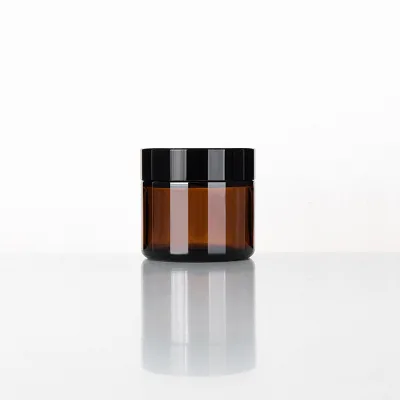


Premium Refillable Aluminum Cosmetic Jar for Cream Lotion and Lip Balm
$0.10 - $0.20
MOQ: 10000 Pieces

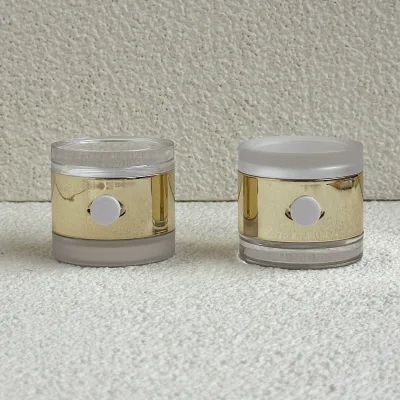
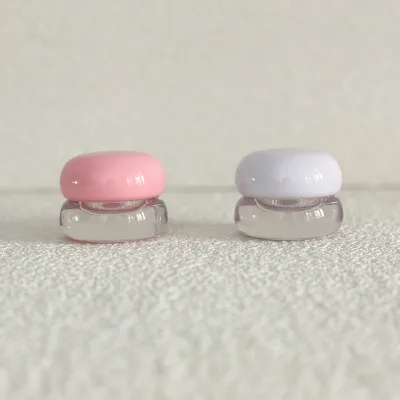
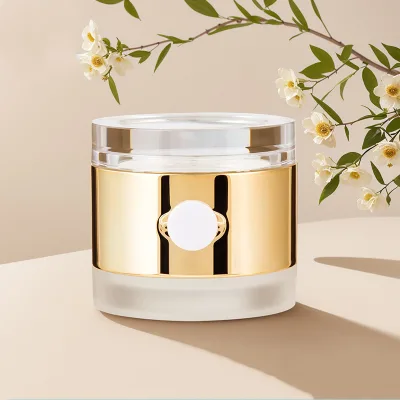


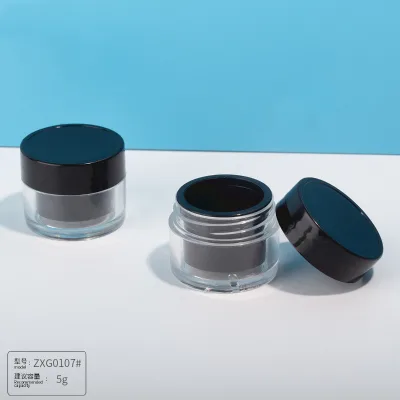
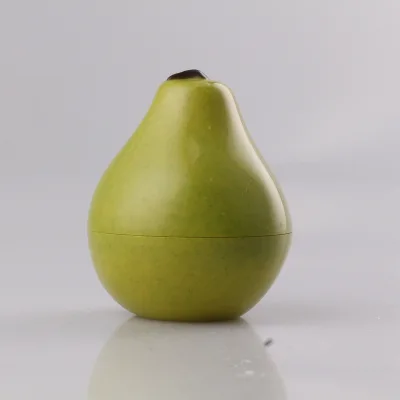
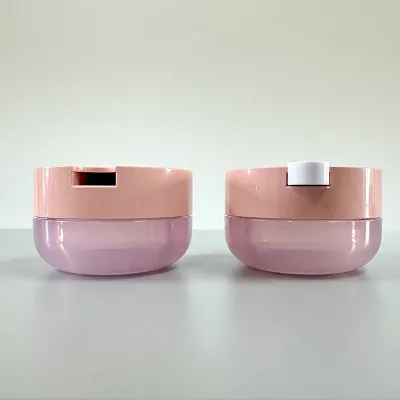
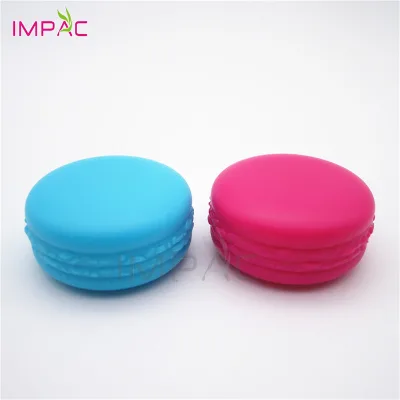
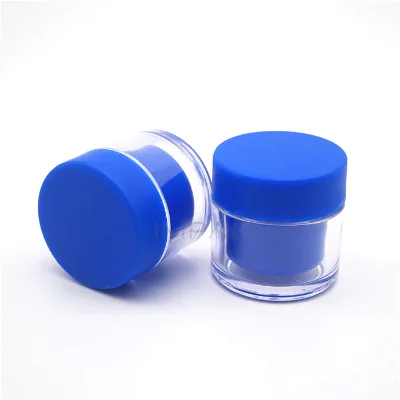
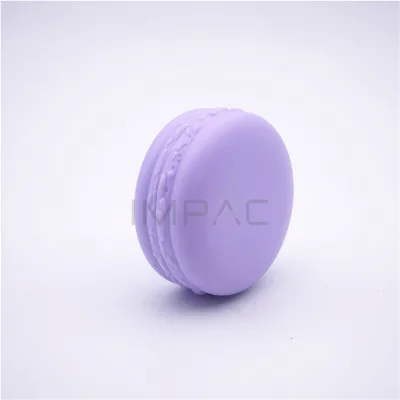
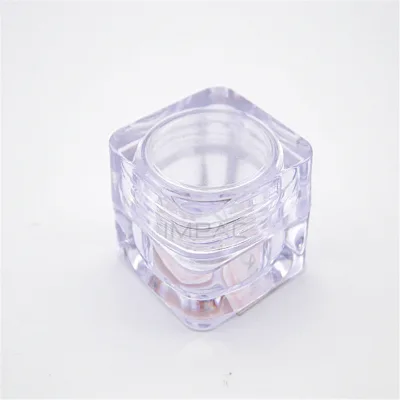
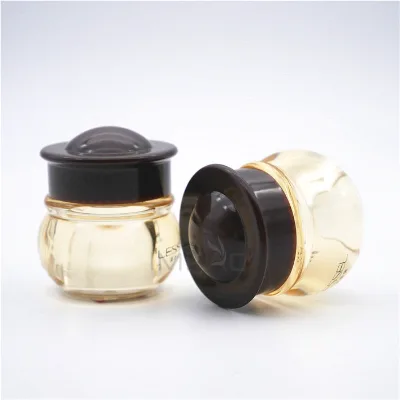

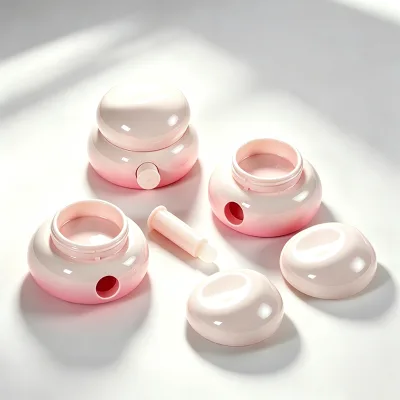
Private Label Cute Pumpkin-Shaped Lip Moisturizing Cream Lip Balm Jars
$0.42 - $0.45
MOQ: 10000 Pieces




Comprehensive Sourcing Guide
Cosmetic Lip Balm Jar Sourcing Guide
Procurement professionals evaluating cosmetic lip balm jars must first distinguish between glass and aluminum options based on the specific product requirements. The available market data indicates a clear divergence in material composition, with some listings specifying glass products for cream applications while others highlight aluminum jars for broader packaging needs. Buyers should carefully review the material attributes of each supplier to ensure the container aligns with the viscosity and preservation needs of their specific lip balm formula.
The observed product range includes various volume capacities and sealing mechanisms that directly impact the user experience and shelf life. Listings show capacities ranging from small 5g units up to larger 300g formats, though specific lip balm applications typically require smaller, precise volumes. Additionally, the sealing types vary from round lids to screw caps, necessitating a verification of the closure mechanism to prevent leakage and maintain product integrity during transit and storage.
Product Scope and Observed Listing Signals
Buyers must analyze the listed attributes to confirm the intended industrial use matches their specific cosmetic category. The data reveals products designated for skin care cream and cosmetic cream usage, alongside items marked for tea, food, and chemical applications. This distinction is critical because a jar optimized for heavy creams may not provide the same aesthetic or functional performance for a lightweight lip balm, requiring a careful review of the usage scenario before placing an order.
The visual and physical characteristics of the jars also vary significantly across different supplier listings. Some products are described with amber glass colors and specific dimensions like D89xh38mm, while others offer natural colors or customized color options. The presence of surface handling features such as printing and logo embossing suggests that branding is a key consideration, yet the buyer must verify if these customization options are available for the specific volume and material they intend to purchase.
Technical Specifications to Verify
Dimensional accuracy and wall thickness are primary technical factors that influence the durability and perceived quality of the packaging. The provided specifications mention a thickness of 3mm for certain glass products, which serves as a benchmark for structural integrity. Procurement teams should request detailed dimensional drawings for any aluminum or glass alternative to ensure the internal volume and external footprint meet the design constraints of their lip balm tubes or sticks.
Sealing mechanisms and cap materials require precise verification to ensure a hermetic seal that prevents oxidation or contamination. The market data lists sealing types such as Pet Window Screw Lids and standard screw caps, with cap materials ranging from plastic to aluminum. It is essential to confirm that the selected cap material is chemically compatible with the lip balm ingredients and that the sealing type provides the necessary friction or locking mechanism to prevent accidental opening during shipping.
Compliance and Safety Documentation
Regulatory compliance is a non-negotiable aspect of sourcing cosmetic packaging, particularly when the product will be sold in international markets. The observed listings include certifications such as MSDS, ISO, and CE, which indicate a baseline level of safety and quality management. Buyers should explicitly request current certification documents for the specific batch of jars they intend to purchase, ensuring that the certifications apply to the exact material composition and manufacturing process used.
Food and chemical safety standards are also relevant, as some listings reference FDA and SGS standards alongside eco-friendly attributes. Even if the primary use is cosmetic, verifying that the packaging materials meet food-grade safety requirements can provide an additional layer of consumer trust. Procurement teams must ensure that the supplier can provide test reports confirming the absence of harmful substances, especially if the lip balm formulation contains sensitive active ingredients that could interact with the container material.
Cost Drivers and Commercial Terms
Pricing structures in this sector are heavily influenced by material costs, order volume, and the complexity of customization. The observed minimum order quantities (MOQ) range widely from 10 to 20,000 pieces, creating a significant variance in unit economics for different buyers. Smaller orders may incur higher per-unit costs, while larger volumes often unlock more competitive pricing tiers, making it essential for buyers to calculate the total landed cost based on their specific production forecast.
Payment terms and logistics arrangements further define the commercial viability of a sourcing agreement. The data indicates standard payment methods like T/T and trading terms such as FOB and CIF, which dictate who bears the risk and cost during transit. Buyers must clarify the loading port, typically Ningbo, and negotiate the Incoterms to ensure that the shipping costs and insurance responsibilities align with their supply chain strategy and budget constraints.
Supplier Qualification and Quality Control
Supplier location and manufacturing origin play a crucial role in determining lead times and communication efficiency. The available data points to origins in Jiangsu and Zhejiang, China, which are established manufacturing hubs for glass and aluminum packaging. Buyers should verify the specific factory location to assess the logistical proximity to their own distribution centers and to evaluate the supplier's capacity to handle rush orders or scale production during peak seasons.
Quality control processes must be rigorously defined to prevent defects such as cracks, uneven sealing, or printing errors. The listings mention features like recyclability and eco-friendly status, which often correlate with stricter internal quality standards. Procurement teams should establish a clear inspection protocol that includes pre-shipment sampling and defines acceptable defect rates, ensuring that the final product meets the aesthetic and functional expectations of the brand.
Long-Term Procurement Checks
Sustainability and environmental impact are becoming increasingly important factors in long-term supplier selection and product lifecycle management. The observed products include eco-friendly and recyclable attributes, which can enhance brand reputation and comply with evolving environmental regulations. Buyers should inquire about the specific recycling processes for the glass or aluminum materials and verify if the supplier has a roadmap for reducing their carbon footprint in the manufacturing process.
Consistency in supply and the ability to adapt to future design changes are critical for maintaining a stable supply chain. The availability of OEM and ODM services suggests that suppliers can accommodate custom molds and branding updates, but this capability must be validated through a trial run. Establishing a long-term partnership requires regular performance reviews to ensure that the supplier continues to meet quality standards, delivery schedules, and cost targets over multiple production cycles.
FAQs
What materials are used for cosmetic lip balm jars?
Manufacturers typically use glass, PET, or aluminum for cosmetic lip balm jars. Glass options provide an amber or natural color with a thickness of 3mm, while aluminum variants offer a lightweight alternative. PET collars are often paired with glass bases to ensure durability. These materials support eco-friendly and recyclable packaging requirements for modern cosmetic brands seeking sustainable solutions.
Can I customize the design of the lip balm jar?
Yes, customization is available for most cosmetic lip balm jars. Buyers can request specific colors, logo embossing, or printing on the surface. The sealing caps, such as round lids or screw caps, can also be tailored. OEM and ODM services are commonly offered to meet unique branding needs, allowing for distinct visual identities in the competitive cosmetic market.
What certifications do these jars typically hold?
Common certifications include MSDS, ISO, CE, FDA, and SGS. These documents verify that the packaging materials meet international safety and quality standards for cosmetic and food contact applications. Buyers should verify specific certification requirements with suppliers to ensure compliance with regional regulations, particularly when sourcing from manufacturers in China for export to global markets.
What is the typical MOQ for ordering these jars?
The minimum order quantity usually ranges from 10 to 20,000 pieces, depending on the supplier and customization level. Standard items may have an MOQ of 1,000 pieces, while complex custom designs might require higher volumes. Buyers should confirm the exact MOQ with the manufacturer, as it directly impacts pricing tiers and production scheduling for bulk orders.
Where are these cosmetic jars primarily manufactured?
These jars are primarily manufactured in Jiangsu and Zhejiang provinces in China, with loading ports often located in Ningbo. Suppliers in these regions are known for their efficient production capabilities and competitive pricing. Buyers can expect standard export carton packing and palletized shipping to ensure safe transit of fragile glass or aluminum containers to international destinations.
What sizes are available for these lip balm jars?
Available sizes typically range from 5g to 300g, including 10g, 15g, 30g, 50g, 80g, 100g, 150g, and 200g options. Specific models may have dimensions like D89xh38mm for a 200g capacity. Buyers should select the volume that matches their product formulation, ensuring the jar size aligns with the intended usage for skin care creams or cosmetic balms.