Source Expandable Prefabricated Shipping Container House for Villa Dormitory Office
Compare 30 Expandable Prefabricated Shipping Container House options featuring wind resistance, earthquake safety, and fast installation. Buyers can evaluate models like PD150 and hk270 for villas, dormitories, and temporary offices with customizable designs and ISO certifications; compare the available evidence and request quotations based on your requirements.
Updated
Key considerations
Products List


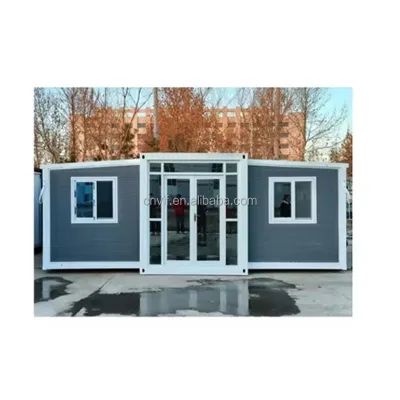
Factory Good-Quality Prefabricated Customed Expandable Container House
$18000.00 - $20000.00
MOQ: 1 Pieces


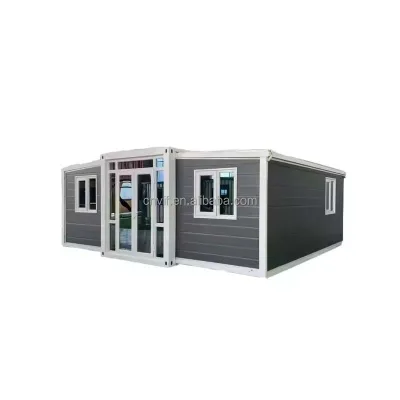
20FT Expandable Modular Prefab Prefabricated Shipping Container House.
$22000.00 - $27000.00
MOQ: 1 Pieces

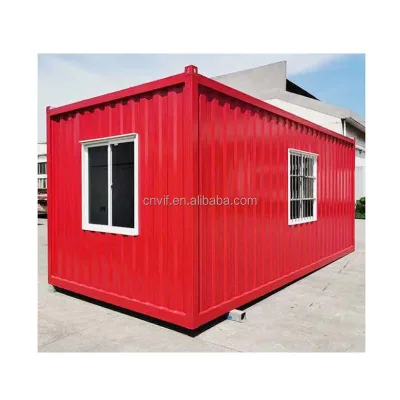
20FT Expandable Prefab Prefabricated Portable Modular Shipping Container House
$22000.00 - $27000.00
MOQ: 1 Pieces


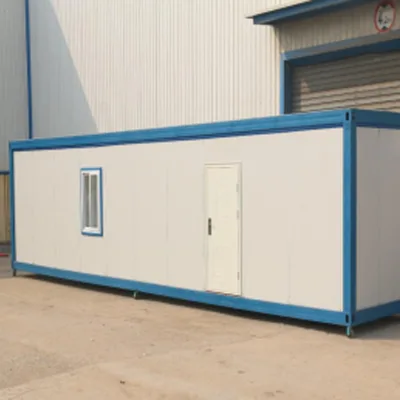


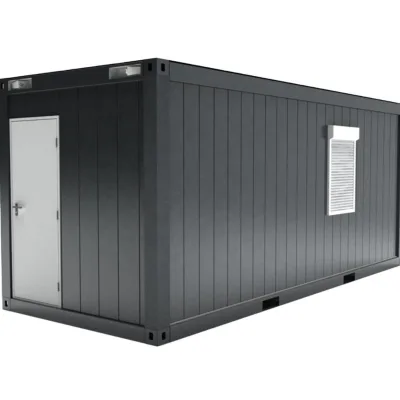


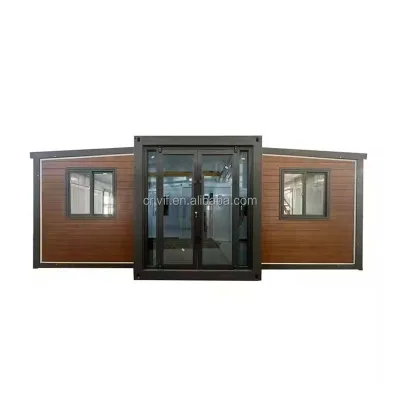
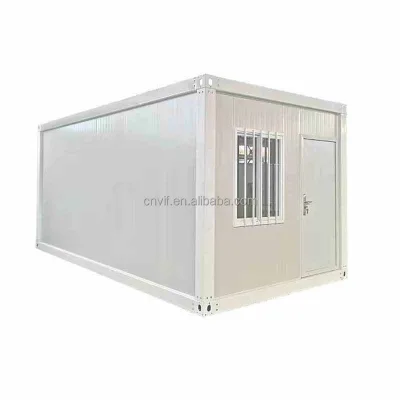
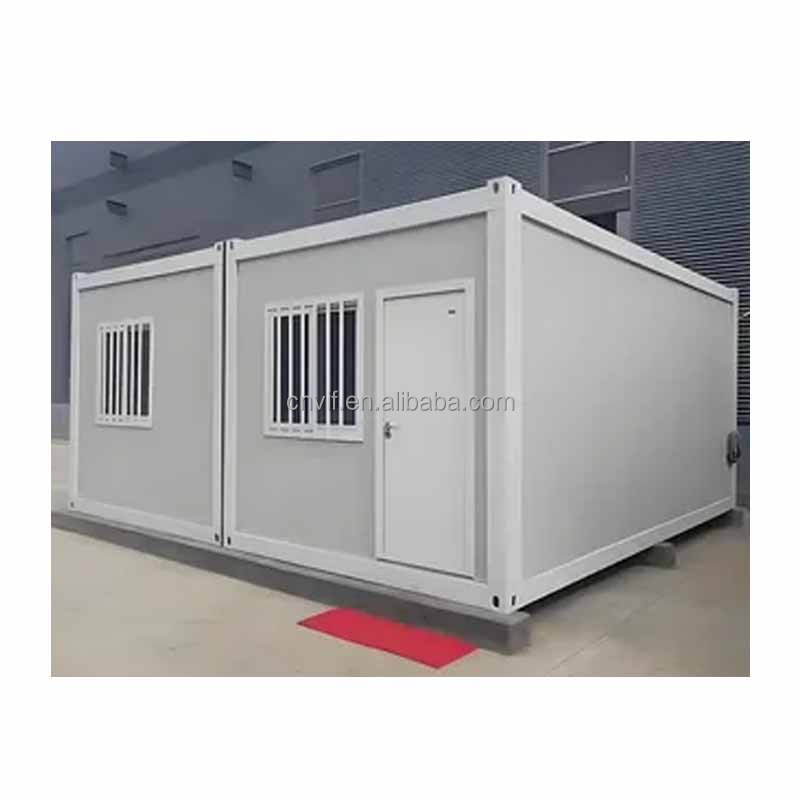
Mobile Expandable House Prefabricated Expandable Container House for Sale
$3699.00 - $4299.00
MOQ: 1 Sets



Comprehensive Sourcing Guide
Expandable Prefabricated Shipping Container House Sourcing Guide
Procuring expandable prefabricated shipping container houses requires a strategic approach that balances rapid deployment needs with structural integrity and long-term durability. These modular units offer a versatile solution for temporary or semi-permanent structures, leveraging the robustness of steel frames while providing the flexibility of container-based design. Buyers must navigate a market where product attributes vary significantly between suppliers, necessitating a rigorous verification process to ensure the selected units meet specific project requirements. The core appeal lies in the combination of fast installation, portability, and customizable features, which make these structures ideal for diverse applications ranging from emergency housing to permanent villas.
Understanding the specific technical capabilities and limitations of these units is crucial for successful procurement. The observed market data indicates a wide range of models, each with distinct dimensions, materials, and performance ratings. Buyers should focus on verifying key attributes such as wind resistance, earthquake resilience, and thermal insulation properties, as these factors directly impact the safety and comfort of the final structure. Additionally, the ease of disassembly and reinstallation is a critical factor for projects requiring mobility or temporary deployment. By aligning project needs with the precise specifications of available models, buyers can mitigate risks and ensure a cost-effective, high-quality outcome.
Product Scope and Observed Listing Signals
The current market for expandable prefabricated shipping container houses presents a diverse array of models, each tailored to specific use cases and performance requirements. Observed listings reveal a price range from $800 to $27,000, reflecting variations in size, material quality, and customization options. The minimum order quantity (MOQ) is consistently observed at one unit, offering flexibility for both small-scale and large-scale procurement projects. This accessibility allows buyers to test individual units before committing to larger orders, reducing initial investment risks. The wide price spectrum underscores the importance of detailed specification review to avoid overpaying for unnecessary features or under-specifying for critical needs.
Product attributes vary significantly across different models, with some emphasizing luxury finishes while others focus on industrial utility. Common features include wind resistance, waterproofing, thermal insulation, and earthquake resistance, with some units rated for Level 16 wind and Level 8 earthquake resilience. Materials range from steel structures to sandwich panels, with dimensions varying from compact 10ft units to larger 40ft configurations. Some models are designed for specific applications such as hotels, apartments, or camping rooms, while others are more general-purpose, suitable for warehouses, villas, or temporary offices. Buyers must carefully match these attributes to their intended use to ensure optimal performance and satisfaction.
Technical Specifications to Verify
Verifying technical specifications is paramount to ensuring the structural integrity and functionality of expandable prefabricated shipping container houses. Key attributes to confirm include wind and earthquake resistance levels, with some units offering robust protection against extreme weather events. Thermal insulation and moisture-proofing capabilities are essential for maintaining internal comfort and preventing damage from environmental factors. Buyers should also assess the installation and disassembly times, as rapid deployment is a significant advantage of these modular structures. Units that can be installed in two hours by two people and disassembled in 1.5 hours offer substantial time savings for project timelines.
Material composition and construction standards further influence the longevity and safety of the units. Steel structures provide a strong foundation, while sandwich panels offer enhanced insulation and lightweight properties. Dimensions and standard configurations, such as 10ft, 20ft, and 40ft sizes, must align with site constraints and usage requirements. Additionally, the portability of the units, often facilitated by forklift or crane compatibility, is crucial for projects requiring frequent relocation. Buyers should request detailed technical drawings and material certificates to verify these specifications, ensuring that the selected units meet all necessary performance criteria and regulatory standards.
Compliance and Safety Documentation
Compliance with international standards and safety regulations is non-negotiable when sourcing expandable prefabricated shipping container houses. Certifications such as ISO and CE indicate adherence to quality management and safety standards, providing buyers with confidence in the product's reliability. Buyers should request copies of these certifications to verify their validity and scope, ensuring that the supplier meets recognized industry benchmarks. Additionally, fire resistance ratings, such as the observed 90-minute refractory rating, are critical for ensuring safety in case of emergencies. These ratings should be clearly documented and verified through independent testing reports.
Beyond certifications, buyers must ensure that the units comply with local building codes and regulations in the destination country. This includes structural integrity, electrical safety, and environmental impact assessments. Suppliers should provide comprehensive documentation, including material safety data sheets and installation manuals, to facilitate smooth compliance processes. Buyers should also verify the warranty terms, which typically range from two to three years, covering potential defects or performance issues. Clear warranty policies provide an additional layer of protection, ensuring that buyers can address any post-delivery concerns effectively and maintain the long-term value of their investment.
Cost Drivers and Commercial Terms
Understanding the cost drivers behind expandable prefabricated shipping container houses is essential for effective budgeting and negotiation. Factors such as material quality, customization options, and additional features significantly influence the final price. Luxury decorations, advanced insulation, and specialized applications like hotel or apartment configurations tend to increase costs. Buyers should prioritize features based on their specific needs to avoid unnecessary expenditures. The observed price range of $800 to $27,000 highlights the importance of aligning specifications with budget constraints, ensuring that buyers receive the best value for their investment.
Commercial terms, including payment methods, shipping arrangements, and lead times, also play a crucial role in the procurement process. Suppliers may offer different packing options, such as naked packing or plywood packing, which can affect shipping costs and handling requirements. Units designed to fit inside standard 40ft HQ containers offer logistical advantages, reducing transportation expenses and simplifying delivery. Buyers should negotiate clear terms regarding delivery schedules, installation support, and after-sales service to ensure a seamless procurement experience. Transparent commercial terms help mitigate risks and foster a collaborative relationship with suppliers, leading to successful project outcomes.
Supplier Qualification and Quality Control
Supplier qualification is a critical step in ensuring the reliability and quality of expandable prefabricated shipping container houses. Buyers should conduct thorough due diligence, verifying the supplier's manufacturing capabilities, quality control processes, and track record. OEM availability indicates a supplier's ability to customize products to specific requirements, offering greater flexibility for unique project needs. Buyers should request references and case studies to assess the supplier's experience and customer satisfaction levels. Additionally, verifying the supplier's origin, such as Taiyuan or Guangzhou in China, can provide insights into their manufacturing expertise and regional advantages.
Quality control measures, including factory audits and product inspections, are essential to ensure that the units meet specified standards. Buyers should implement a robust quality assurance plan, including pre-shipment inspections and third-party testing, to verify product quality before delivery. Clear communication channels with the supplier are vital for addressing any issues promptly and ensuring that the final product aligns with expectations. Buyers should also establish clear criteria for acceptance and rejection, based on predefined quality metrics. By prioritizing supplier qualification and rigorous quality control, buyers can minimize risks and ensure the successful delivery of high-quality expandable prefabricated shipping container houses.
Long-Term Procurement Checks
Long-term procurement checks are necessary to maintain the performance and value of expandable prefabricated shipping container houses over time. Regular maintenance and inspections should be scheduled to identify and address potential issues before they escalate. Buyers should establish a maintenance plan that includes routine checks of structural components, insulation, and electrical systems. This proactive approach helps extend the lifespan of the units and ensures continued safety and functionality. Additionally, keeping detailed records of maintenance activities and repairs provides valuable insights for future procurement decisions and helps track the overall condition of the assets.
Supplier relationship management is also crucial for long-term success. Maintaining open communication with suppliers allows buyers to stay informed about product updates, technological advancements, and potential improvements. Buyers should periodically review their procurement strategies to ensure they align with evolving project needs and market trends. Engaging in continuous feedback loops with suppliers can lead to better product designs and enhanced service offerings. By focusing on long-term procurement checks and supplier collaboration, buyers can maximize the return on investment and ensure the sustained performance of their expandable prefabricated shipping container houses.
FAQs
How fast can expandable prefabricated shipping container houses be installed?
Installation is remarkably quick, with some models ready in just two hours by two people. This rapid setup is supported by a design that allows for easy disassembly in 1.5 hours. The units are portable and can be moved by forklift or crane, making them ideal for temporary offices or workshops requiring immediate deployment.
What certifications do these container homes typically hold?
Many expandable prefabricated shipping container houses carry ISO and CE certifications, ensuring compliance with international quality and safety standards. These credentials are essential for buyers seeking reliable structures for villas, dormitories, or warehouses. The steel structure and sandwich panel materials further support durability and thermal insulation requirements for various applications.
Can these houses be customized for specific applications?
Yes, customization is available for various needs, including luxury apartments, hotels, or camping rooms. Buyers can select from different models like PD150 or hk270, with options for 10ft, 20ft, or 40ft sizes. Features such as wind resistance, earthquake resistance, and thermal insulation can be tailored to meet specific project requirements and local conditions.
What is the typical warranty period for these units?
Warranty periods generally range from two to three years, depending on the specific model and supplier. This coverage helps protect buyers investing in structures for temporary offices or permanent villas. The warranty typically covers structural integrity and material defects, ensuring long-term reliability for expandable prefabricated shipping container houses used in diverse environments.
How are these houses packaged for shipping?
Packaging methods vary by model, including naked packing, plywood packing, or loading inside 40ft HQ containers. This flexibility optimizes shipping costs and protects the units during transit. The design ensures they fit standard shipping containers, making logistics straightforward for global buyers sourcing expandable prefabricated shipping container houses from manufacturers in China.
What are the main features of these container homes?
Key features include wind resistance, waterproofing, thermal insulation, and earthquake resistance. They are also moisture-proof, leak-proof, and eco-friendly. The structures are easily movable and flexibly combinable, making them suitable for warehouses, dormitories, and workshops. These attributes ensure durability and comfort in various climates and usage scenarios.