Source Hot-dip Galvanized Steel Structure Shed for Factory, Warehouse, Carport
Compare 30 hot-dip galvanized steel structure shed options from Shandong, China. Buyers can evaluate Q235B and Q355B materials, customizable sizes, and installation support for factory parking sheds, community carports, and bonded warehouses; compare the available evidence and request quotations based on your requirements.
Updated
Key considerations
Products List


Hot DIP Galvanized Steel Structure Shed Warehouse with GB Standard
$25.00 - $50.00
MOQ: 100 Square Meters


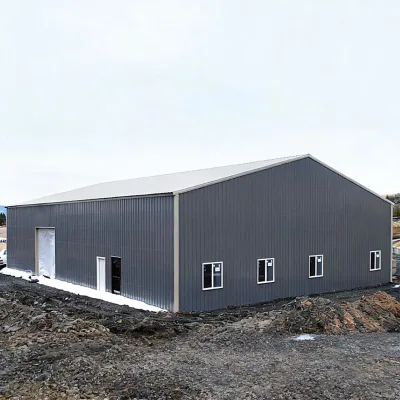


Prefabricated Steel Structure Small Shed Warehouse Metal Building Shed
$16.00 - $18.00
MOQ: 1 Square Meters


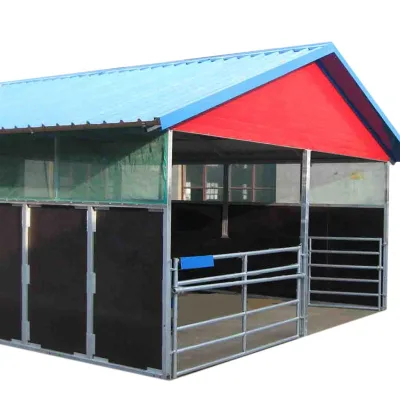

Hot DIP Galvanized Steel Framework Steel Structure Prefab Metal Storage Shed
$35.00 - $60.00
MOQ: 200 Square Meters


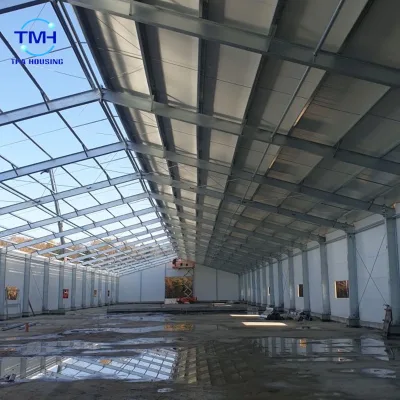

Comprehensive Sourcing Guide
Hot-Dip Galvanized Steel Structure Shed Sourcing Guide
Procuring a hot-dip galvanized steel structure shed requires careful alignment of material specifications with environmental demands. The observed market features carbon structural steel grades such as Q235B, Q355b, A36, and S235jr, which serve as the primary structural backbone. Buyers must verify that the surface treatment explicitly includes shot blasting to SA2.5 standards followed by hot-dip galvanizing or painting to ensure long-term corrosion resistance. This combination is critical for sheds intended for outdoor storage or industrial use where exposure to moisture and chemicals is inevitable.
The structural design typically utilizes H-section steel columns and beams connected via bolted or welded joints, providing a robust frame structure capable of supporting various loads. Customization is widely available, allowing for specific size requirements and design life expectations of up to fifty years. Sourcing teams should prioritize suppliers who offer CAD, Tekla, or 3D model drawings to validate the structural integrity before production begins. This digital verification step minimizes the risk of fabrication errors and ensures the final assembly matches the intended architectural and functional requirements.
Product Scope and Observed Listing Signals
The current product landscape includes a diverse range of steel structure solutions, with observed prices ranging from $16 to $3,000 per unit or square meter, depending on complexity and material volume. Minimum order quantities vary significantly, from single units to large batches of 22,500, reflecting the flexibility of manufacturers to handle both small-scale projects and massive industrial deployments. Buyers should note that the term "shed" often encompasses bonded warehouses, finished goods warehouses, and specialized structures like parking sheds or community carports, each requiring distinct design considerations.
Listing signals indicate that many suppliers offer cold-drawn steel molding methods and customizable purlins in C or Z-type sections. Roof and wall panels are frequently specified as PU, EPS, or rock wool/fiber glass sandwich panels with thicknesses of 50mm, 75mm, or 100mm. These insulation options are crucial for temperature-controlled storage environments. Additionally, features such as earthquake resistance, high intensity, and easy installation are commonly highlighted, suggesting that modern steel sheds are engineered for both durability and rapid deployment in various geographic locations.
Technical Specifications to Verify
Verifying the steel grade and connection form is paramount to ensuring structural safety and longevity. Buyers must confirm whether the supplier uses Q235 or Q345b steel and whether connections are bolted or welded, as this impacts both the assembly process and the final structural rigidity. The standard GB specification is frequently cited, but international standards like AISI, ASTM, BS, DIN, JIS, and EN may also be available depending on the project location. It is essential to match the material grade to the local building codes and environmental load requirements, such as wind and snow loads.
Surface treatment specifications must be explicitly defined to prevent premature corrosion. The observed data highlights SA2.5 shot blasting combined with hot-dip galvanizing or painting as a common high-quality finish. Buyers should also verify the type of sandwich panels used for roofing and walls, ensuring they meet thermal and fire safety standards. Additionally, the availability of online guidance or support installation services can significantly reduce on-site labor costs and installation errors, making these service attributes a key part of the technical evaluation.
Compliance and Safety Documentation
Compliance with international quality standards is a baseline requirement for reputable steel structure suppliers. Certifications such as ISO and CE are commonly observed, indicating that the manufacturer adheres to recognized quality management and safety protocols. Buyers should request valid certification documents and verify their authenticity through the issuing bodies. These certifications provide assurance that the manufacturing processes, from steel cutting to welding and galvanizing, are controlled and consistent, reducing the risk of structural defects.
Safety documentation should also include detailed engineering drawings and load calculations prepared using software like AutoCAD, PKPM, or 3D3s. These documents are critical for obtaining local building permits and ensuring the structure meets seismic and wind resistance requirements. Buyers must ensure that the supplier provides comprehensive installation manuals and that the design accounts for local environmental conditions. Without proper documentation, the risk of non-compliance with local regulations and potential safety hazards increases significantly.
Cost Drivers and Commercial Terms
Several factors influence the final cost of a hot-dip galvanized steel structure shed, including material thickness, steel grade, and surface treatment quality. The observed price range reflects variations in these specifications, with higher-grade steels and thicker sandwich panels commanding premium prices. Buyers should analyze the cost breakdown to understand the value proposition, ensuring that lower prices do not compromise on critical structural elements or corrosion protection. Customization options, such as specific sizes or unique roof styles, can also impact the overall cost due to increased fabrication complexity.
Commercial terms often include flexible packaging options, such as standard export packages, bundles, steel crates, or plastic wraps with edge protection, to ensure safe transportation. Lead times and payment terms should be clearly negotiated, with attention to the supplier's production capacity and quality control processes. Buyers should also consider the total cost of ownership, including maintenance and potential repairs, rather than just the initial purchase price. Transparent pricing and clear terms help avoid hidden costs and ensure a smooth procurement process.
Supplier Qualification and Quality Control
Supplier qualification involves assessing the manufacturer's production capabilities, quality control systems, and past performance. Buyers should verify the supplier's ability to handle large-scale orders and their experience with similar projects. The observed data indicates that many suppliers offer customizable solutions and support installation, which suggests a high level of technical expertise. It is advisable to request references or case studies to evaluate the supplier's reliability and the quality of their finished products.
Quality control measures should include rigorous inspection of raw materials, welding processes, and surface treatments. Buyers should inquire about the supplier's testing procedures for steel strength, galvanizing thickness, and panel integrity. The availability of third-party inspection services can provide an additional layer of assurance. Additionally, suppliers who offer online guidance or support installation demonstrate a commitment to customer success and can help mitigate installation risks. A thorough evaluation of these factors helps ensure a successful procurement outcome.
Long-Term Procurement Checks
Long-term procurement success depends on the durability and maintainability of the steel structure shed. Buyers should prioritize structures with a design life of fifty years and features such as earthquake resistance and anti-corrosion treatments. Regular maintenance checks, including inspection of bolts, welds, and surface coatings, are essential to extend the service life of the structure. Suppliers who provide comprehensive after-sales support and spare parts availability are preferable, as they ensure ongoing operational reliability.
Environmental considerations, such as the recyclability of the steel components, should also be part of the long-term strategy. The observed features highlight the recyclable nature of steel structures, aligning with sustainable procurement goals. Buyers should also consider the adaptability of the structure for future changes in usage, such as converting a warehouse into a logistics hub. By focusing on these long-term factors, buyers can maximize the return on investment and ensure the structure remains a valuable asset for decades.
FAQs
What materials are used for hot-dip galvanized steel structure sheds?
These sheds use carbon structural steel grades like Q235B, Q355b, A36, S235jr, and S355jr. The surface treatment includes shot blasting to SA2.5 plus primer, hot-dip galvanizing, or painting to ensure anti-corrosion properties and a design service life of 50 years.
Can I customize the size and design of the steel structure shed?
Yes, customization is available for size, model, and design specifications. You can request specific dimensions, choose from C or Z type purlins, and select roof styles like single or double slopes. CAD, Tekla, and 3D3s drawings are provided to support your custom requirements.
Which certifications do the steel structure sheds meet?
The products hold ISO and CE certifications to ensure quality and safety standards. They comply with GB standards and can also meet AISI, ASTM, BS, DIN, JIS, and EN specifications upon request. This ensures the steel structure meets international engineering requirements for various applications.
How is the installation process handled for these steel sheds?
Installation support is provided through online guidance or on-site assistance depending on the agreement. The structure features bolt or welded connections for stability. The design includes earthquake resistance and easy installation features, making the setup process efficient for factory parking sheds or community carports.
What are the standard packaging options for shipping the steel structure?
Packaging includes standard export packages, bundles, steel crates, or plastic wrap with edge protectors. Options can be tailored to customer requirements for safe transport. This ensures the steel columns and panels arrive without damage, ready for immediate assembly at the destination site.
Where are these steel structure sheds manufactured and shipped from?
These sheds originate from Shandong, China, and are shipped globally. The manufacturing location supports efficient logistics for international orders. Products are designed to meet various regional standards while maintaining high intensity and recyclability features for sustainable construction projects worldwide.