Source Galvanized Steel Horse Stalls for farms, stables, and arenas
Compare 30 listings for Galvanized Steel Horse Stalls featuring powder coated or hot dip galvanized finishes. Buyers can evaluate sizes, door types, and customization options from suppliers in Shandong, China; compare the available evidence and request quotations based on your requirements.
Updated
Key considerations
Products List


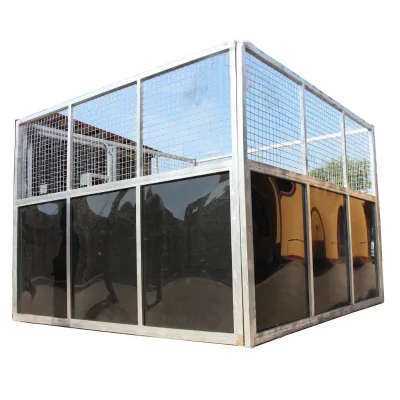
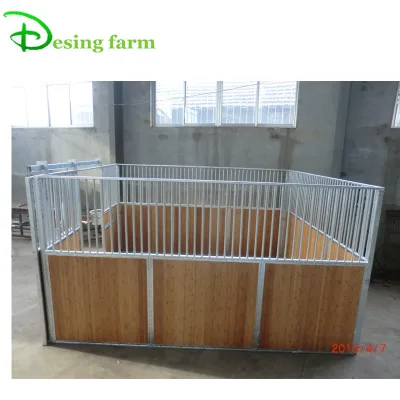
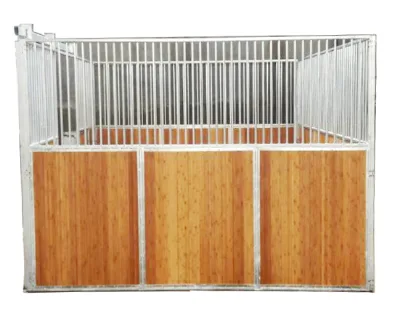
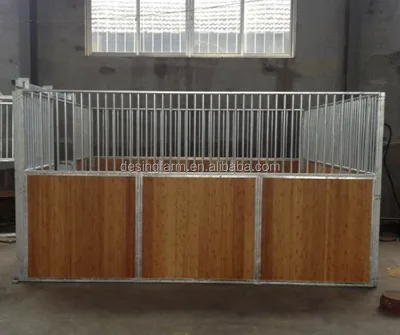
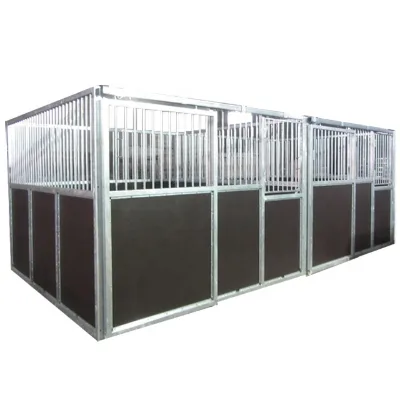
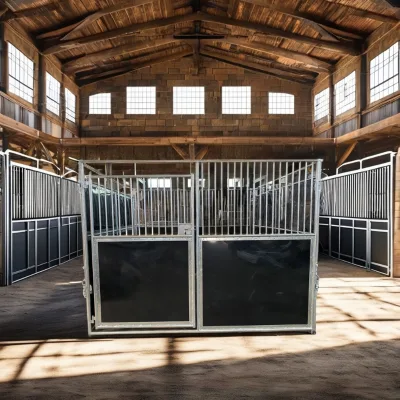
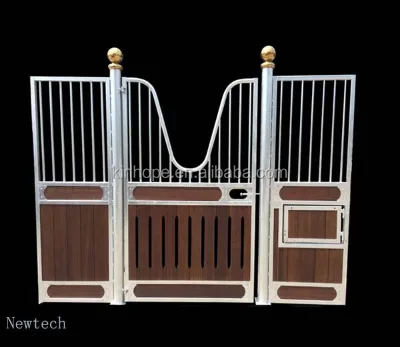
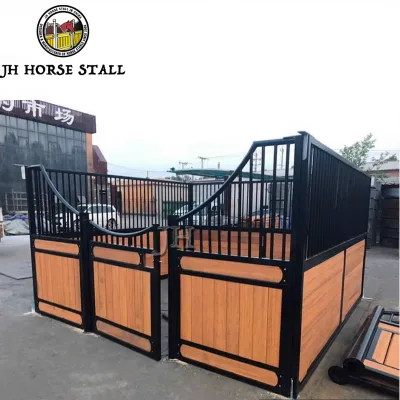
Luxury Swing Door Installed Galvanized Metal Horse Equipment Stable
$1500.00 - $2700.00
MOQ: 10 Minimum
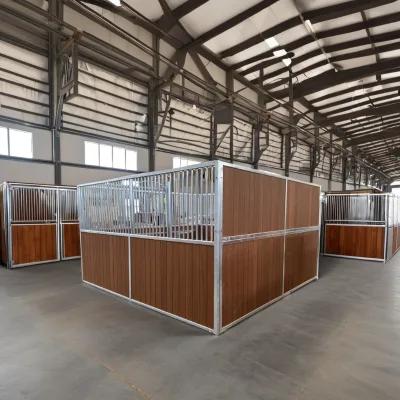
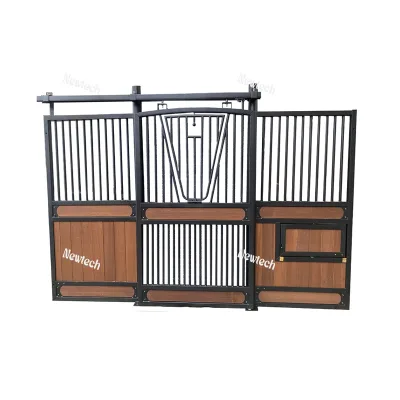
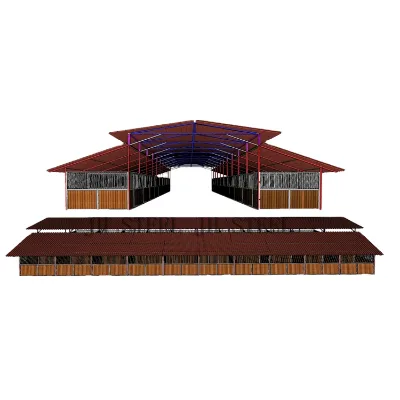
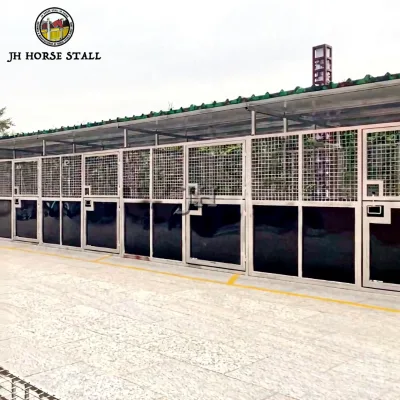
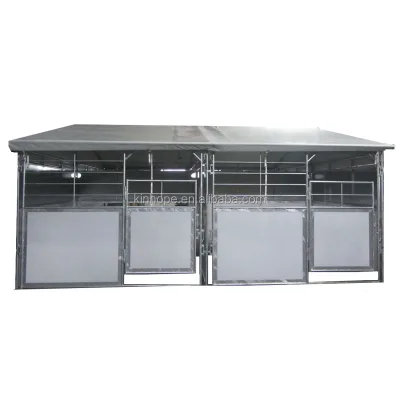
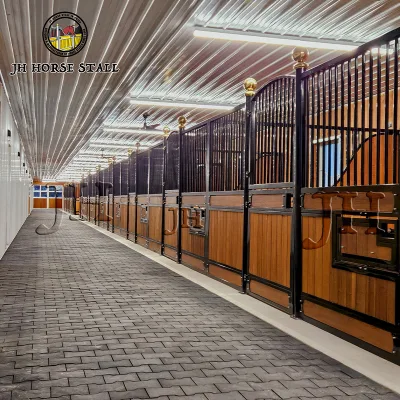
Layout Ideas Outside Horse Boarding Stables Stall Barn Box Roof Near Me
$454.873 - $568.5902
MOQ: 5 pieces
Comprehensive Sourcing Guide
Galvanized Steel Horse Stalls Sourcing Guide
Procuring Galvanized Steel Horse Stalls requires a disciplined approach to material verification and structural integrity assessment. Buyers must prioritize suppliers who demonstrate consistent adherence to surface treatment protocols, specifically hot-dip galvanizing, to ensure long-term corrosion resistance in high-moisture stable environments. The observed market data indicates a wide variance in product configurations, ranging from simple bolt-connected frames to complex sliding or swing door mechanisms. Understanding these variations is critical for aligning procurement with specific operational needs, whether for residential wall structures, farm fencing, or dedicated horse stables.
The sourcing landscape includes products originating primarily from Shandong, China, with specific manufacturing hubs in Qingdao. These regions are known for producing high-strength steel components, including Q235 carbon structural steel and stainless steel elements. Buyers should note that while many listings offer customization, the core structural integrity often relies on hot-rolled steel forming and specific connection forms like bolt connections. Verifying the exact material composition and surface finish capabilities of the supplier is essential to prevent premature degradation of the stalls under heavy use or harsh weather conditions.
Product Scope and Observed Listing Signals
The current market offers a diverse array of horse stall configurations, with observed sizes including 3x2.2m, 3.5x2.2m, 3.6x2.2m, and 4x2.2m dimensions. These standard sizes cater to various equine needs, while other listings indicate imperial measurements such as 10ft and 12ft lengths, suggesting flexibility in design for international markets. The product scope extends beyond simple stalls to include related farm fencing and steel fabricated house frames, indicating that many suppliers possess the manufacturing capacity for large-scale structural steel projects. This breadth of capability often translates to robust engineering practices, though buyers must carefully distinguish between stall-specific designs and general-purpose fencing products.
Door mechanisms vary significantly across listings, with options including swing doors and sliding doors, providing flexibility for stable layout planning. Some products feature infilled materials such as bamboo wood or pine wood, offering a hybrid approach that combines the durability of steel frames with the aesthetic or thermal properties of natural wood. Other listings emphasize metal-only construction with powder-coated or hot-dip galvanized finishes. The presence of customized options and various model numbers, such as Psesd, Hsas, and Pony, suggests that buyers can tailor specifications to their exact requirements, provided they communicate these needs clearly during the initial inquiry phase.
Technical Specifications to Verify
Verifying the structural steel grade is a critical step in the procurement process, with Q235 carbon structural steel and high-strength steel being common specifications in the observed data. Buyers must confirm that the steel columns and frame parts are formed using hot-rolled steel techniques, which generally offer superior strength compared to cold-formed alternatives. The connection form, typically bolt connection, allows for easier assembly and potential disassembly, which is advantageous for modular stable designs. However, buyers should verify the quality of the bolts and the precision of the pre-drilled holes to ensure a secure and stable fit without excessive gaps or misalignment during installation.
Surface treatment is another vital technical specification, with powder-coated finishes and hot-dip galvanized finishes being the primary options observed. These treatments are essential for protecting the steel from rust and corrosion, particularly in environments where moisture and organic matter are prevalent. Buyers should request detailed information on the thickness of the galvanized layer or the powder coating to ensure adequate protection. Additionally, the weave technique for any mesh components, such as stamping, should be evaluated for durability and safety to prevent injury to the animals. Confirming these details helps ensure the longevity and safety of the horse stalls.
Compliance and Safety Documentation
Compliance with international quality standards is a key indicator of supplier reliability, with ISO9001 and ISO9000 certifications frequently mentioned in product listings. These certifications suggest that the manufacturer has established quality management systems for production processes, which can reduce the risk of defects in structural components. Buyers should request valid certification documents and verify their authenticity through the issuing bodies. Additionally, standards such as CE and SGS are often cited, indicating that the products may meet specific European or international safety and performance criteria. Understanding the scope of these certifications is crucial, as they may apply to the manufacturing process rather than the specific product design.
Safety documentation should also include details on the product standards, such as GB standards, which are relevant for products intended for the Chinese market or those manufactured under Chinese regulations. Buyers must ensure that the stalls meet the safety requirements of their own jurisdiction, particularly regarding structural load-bearing capacity and animal welfare considerations. The presence of SGS testing reports can provide additional assurance regarding material quality and performance. However, buyers should not assume that all listed certifications apply to every product variant and should explicitly request test results for the specific models they intend to purchase.
Cost Drivers and Commercial Terms
The observed price range for Galvanized Steel Horse Stalls spans from $25 to $2700, reflecting the significant variation in product complexity, size, and material quality. Lower-priced items may correspond to simpler fencing panels or smaller stall components, while higher prices likely reflect fully assembled stalls with custom features, premium materials, or larger dimensions. Buyers should analyze the cost per square meter or per unit to compare value across different suppliers. It is important to note that the lowest price may not always indicate the best value, as it could correlate with thinner gauge steel or inferior surface treatments that compromise longevity.
Minimum Order Quantities (MOQ) vary widely, ranging from 2 to 300 units, offering flexibility for both small-scale buyers and large commercial operations. Suppliers with lower MOQs may charge higher unit prices to cover setup and production costs, while bulk orders often benefit from economies of scale. Buyers should also consider the packaging method, with palletized shipping being a common practice to protect the products during transit. Understanding the total landed cost, including shipping, insurance, and import duties, is essential for accurate budgeting. Clear communication regarding commercial terms, including payment methods and delivery schedules, can help avoid unexpected expenses.
Supplier Qualification and Quality Control
Supplier qualification should begin with a thorough review of their manufacturing capabilities and location, with many suppliers based in Shandong, China, particularly in Qingdao. This region is a hub for steel fabrication, offering access to raw materials and skilled labor. Buyers should verify the supplier’s production capacity and lead times to ensure they can meet project deadlines. Requesting factory audits or virtual tours can provide insights into the quality control processes in place, including inspection stages for material incoming, production, and final shipment. Suppliers who are transparent about their processes are often more reliable partners.
Quality control measures should include checks on surface treatment uniformity, structural integrity, and dimensional accuracy. Buyers should inquire about the supplier’s defect rate and their policy for handling non-conforming products. The availability of customization services is a positive indicator, suggesting that the supplier can adapt to specific buyer requirements. However, buyers must ensure that customization does not compromise the structural integrity or safety of the stalls. Establishing a clear quality agreement with the supplier, including acceptance criteria and inspection rights, is crucial for maintaining product quality throughout the procurement process.
Long-Term Procurement Checks
Long-term procurement success depends on establishing a relationship with suppliers who can provide consistent quality and support over time. Buyers should monitor supplier performance metrics, such as on-time delivery rates and product defect rates, to identify potential issues early. Regular communication and feedback loops can help address any concerns and foster a collaborative partnership. Additionally, buyers should stay informed about changes in industry standards and regulations that may affect the design or safety of horse stalls. This proactive approach ensures that the procured products remain compliant and suitable for their intended use.
Maintenance and durability are key factors in the long-term value of Galvanized Steel Horse Stalls. Buyers should develop a maintenance plan that includes regular inspections for corrosion, loose bolts, or damaged components. Understanding the warranty terms provided by the supplier is also important, as it can provide protection against manufacturing defects. Buyers should also consider the availability of spare parts and the supplier’s willingness to provide technical support for assembly or repair. By focusing on these long-term aspects, buyers can maximize the lifespan and performance of their horse stall investments.
FAQs
What materials are used for Galvanized Steel Horse Stalls?
The stalls utilize stainless steel frames combined with infilled materials such as bamboo wood and pine wood. This combination ensures structural durability while providing a comfortable environment for horses. The steel components are often hot-rolled Q235 carbon structural steel, offering high strength for farm fence and stable applications.
Can Galvanized Steel Horse Stalls be customized for specific sizes?
Yes, customization is available for these horse stalls. Buyers can select from various size options including 3x2.2m, 3.5x2.2m, 4x2.2m, and other dimensions like 3.6x2.2m or 4x2.2m. The regular height is typically 2.2m, but specific model numbers allow for tailored configurations to meet unique facility requirements.
What surface treatments are applied to the steel frames?
The steel frames feature powder coated finishes and hot dip galvanized finishes to prevent corrosion. Some models also offer coated surfaces with powder-coated frames in colors like black. These treatments ensure longevity and resistance to weather conditions, making them suitable for both indoor stables and outdoor farm fence applications.
Which certifications do these horse stall manufacturers hold?
Manufacturers typically hold ISO9001 and ISO9000 certifications, ensuring quality management standards are met. Some products also comply with CE and SGS standards, as well as GB standards for structural integrity. These certifications verify that the production processes and materials meet international safety and quality requirements for building structures and farm equipment.
How are the horse stalls packaged for shipping?
The horse stalls are packaged in pallets to ensure safe transport and handling. This packaging method protects the powder-coated and galvanized surfaces from damage during transit. The bolt connection design allows for easy assembly upon arrival, and the palletized packaging helps streamline logistics for buyers sourcing from locations like Shandong or Qingdao, China.
What door options are available for these steel horse stalls?
Buyers can choose between swing doors or sliding doors depending on their preference and space constraints. The swing door option is standard for many models, while others offer sliding door configurations. These door types are integrated into the steel frame structure, providing secure access for horses while maintaining the overall stability of the stall design.