Outdoor High Sensitive Temperature and Humidity Sensor Suppliers and Manufacturers
Explore 29 verified options for Outdoor High Sensitive Temperature and Humidity Sensor Suppliers and Manufacturers. Compare response times, lead times, certifications, and product specifications to find the right partner. Contact suppliers directly to request samples or quotes; review the available evidence before requesting comparable quotations from suitable candidates.
Updated
Suppliers List

Shenzhen Ke Zhi You Technology Co., Ltd.
- Verified by CTI
- Trading Company,Manufacturer/Factory
- China Guangdong
- Lead time23 days
- Avg. response≤ 13h
Main productsArduino Board, Arduino Sheild, Arduino Starter Kit, 3D Printers, Arduino Robot, Arduino Sensor/Modules, Raspberry Pi, Smart Car, Display, Mico Bit: Bbc Board
Main marketsSouth America,Eastern Europe,Mid East,North America,Southeast Asia,Eastern Asia,Oceania,Western Europe,Africa
Shandong Fengtu Iot Technology Co., Ltd.
- Verified by Intertek
- Manufacturer, Trading Company
- Lead time5 days
- Avg. response≤ 1h
Main productsMiniature Meteorological Instrument, Small Weather Station, Portable Weather Station, Pesticide Residue Detector, Soil Nutrient Detector
Main marketsDomestic Market(80%), Western Europe(10%), Southeast Asia(5%)
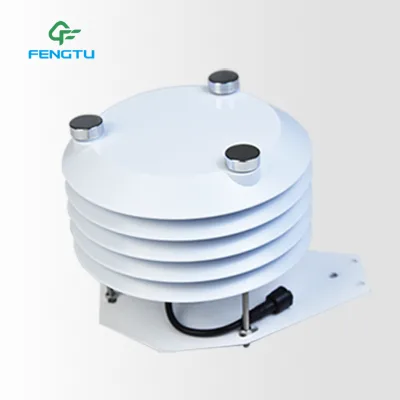
Four-element Integrated Weather Sensor Temperature and Humidity Noise Sensor Outdoor Weather Sensor
$80.00 - $85.00
MOQ: 1 sets
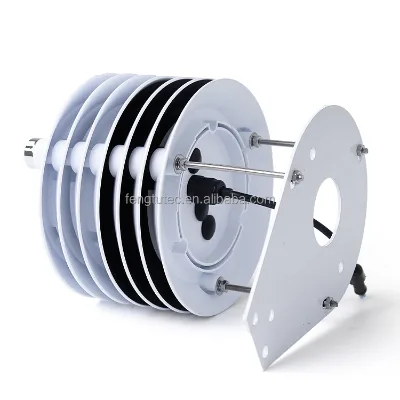
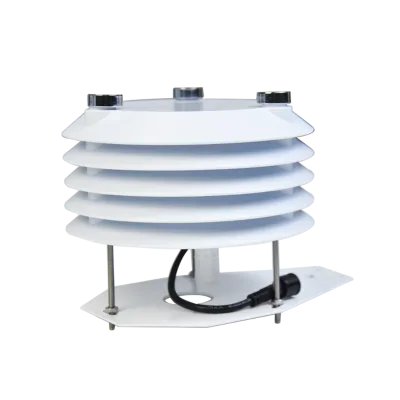
$81.9706 - $87.0937
MOQ: 1 sets

Focus Sensing and Control Technology Co., Ltd.
- Combined
- China Anhui
- Lead time30 days
- Avg. response≤ 11h
Main productsTemperature Sensor, Ntc PTC Thermistors, Rtd Sensor Probes PT100 PT1000, Digital Temp Sensor Ds18b20 Im35 Sts35, Thermocouple, Water Oil Fuel Level Sensor Auto Part, ABS Sensor, Medical Body Temperture Sensor, Automobile Temperature Sensors, Thermal Fuse
Main marketsSouth America,Africa,Southeast Asia/ Mideast,East Asia(Japan/ South Korea),Domestic,Europe,Australia,North America

4-20mA Output Temperature Humidity Sensor Strong Anti-Interference Temperature and Humidity Sensor
$22.00 - $25.00
MOQ: 10 Pieces

Environmental Monitoring Humidity Transmitter Probe Safe Infrared Temperature and Humidity Sensor
$2.00 - $5.00
MOQ: 100 Pieces

Shenzhen RPD Sensor Technology Co., Ltd
- Verified by SGS
- Combined
- China Guangdong
- Lead time15 days
- Avg. response≤ 6h
Main productsTemperature Sensor
Main marketsSouth America,Africa,Southeast Asia/ Mideast,East Asia(Japan/ South Korea),Domestic,Europe,Australia,North America


Best Temperature and Humidity Meter Temperature and Humidity Sensor with Price
$2.20 - $3.80
MOQ: 1000 Pieces


Chongqing Jiuxin Automation Technology Co., Ltd
- Verified by SGS
- Trading Company
- China Chongqing
- Lead time45 days
- Avg. response≤ 3h
Main productsGas Monitoring and Analysis Equipment
Main marketsDomestic
Handan Yantai Import And Export Co., Ltd.
- Verified by TüVRheinland
- Manufacturer, Trading Company
- Lead time0 days
- Avg. response≤ 3h
Main productsCompact Weather Station, Environmental Monitoring Station, Soil Monitor, Water Monitor
Main marketsEastern Asia(30%), Southeast Asia(25%), Eastern Europe(10%)
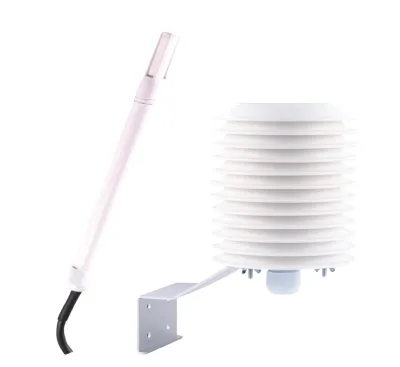
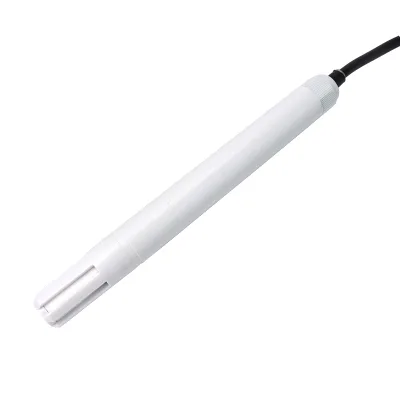
Intelligent Temperature and Humidity Sensor Wide Measurement Range Weather-Resistant Design
$15.30 - $18.30
MOQ: 1 sets
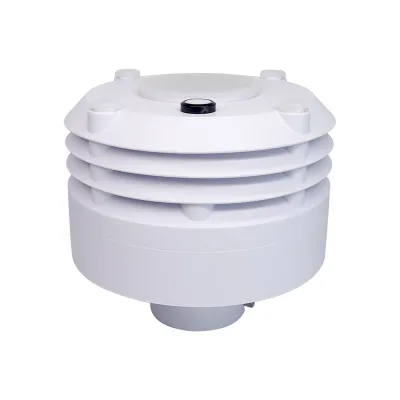
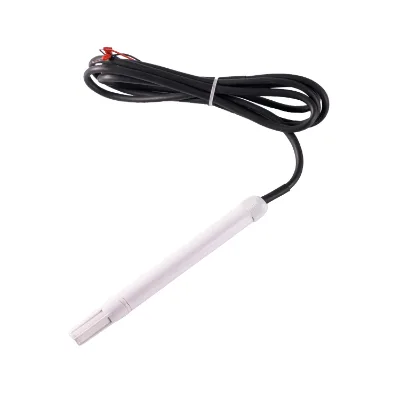
Hot sale RY-WS301/485 Temperature and humidity transmitter temperature humidity sensor
$15.50 - $16.50
MOQ: 1 sets

BGT Technology(Beijing) Co., Ltd.
- Verified by CTI
- Trading Company
- China Beijing
- Lead time23 days
- Avg. response≤ 5h
Main productsPrecipitation Sensors, Flow Velocity Sensors, Water Quality Sensors, Ambient Sensors, Radiation Sensors, Soil Sensors, Water Level Sensors, Wind Sensors, Compact Weather Station
Main marketsAfrica,Southeast Asia/ Mideast,East Asia(Japan/ South Korea),Domestic,Europe,Australia,North America

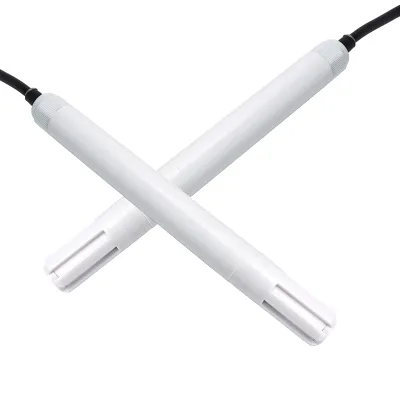
Outdoor Solar Radiation Shielding Temperature Humidity and Illuminance Sensor
$40.99 - $47.99
MOQ: 1 Pieces

Beijing Ifan Peng Instrument Co., Ltd.
- Trading Company
- Beijing, China
- Lead time15 days
- Avg. response≤ 1h
Main productsDifferential pressure transmitter,Wind speed sensor,Pressure controll,Pressure gauge,Air velocity sensor
Main marketsEastern Europe(30.00%), Northern Europe(20.00%), Southeast Asia(10.00%), South America(10.00%), North America(9.00%), Africa(8.00%), Mid East(5.00%), Eastern Asia(5.00%), Western Europe(3.00%)
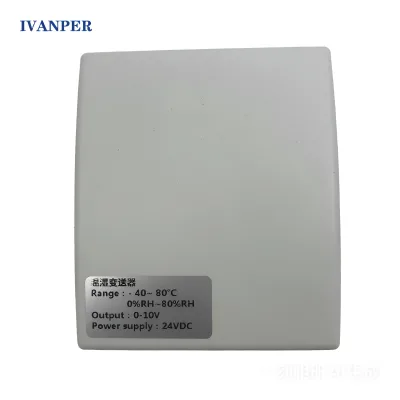
High Quality 5.0 Wireless Temperature and Humidity Sensor
$38.00 - $45.00
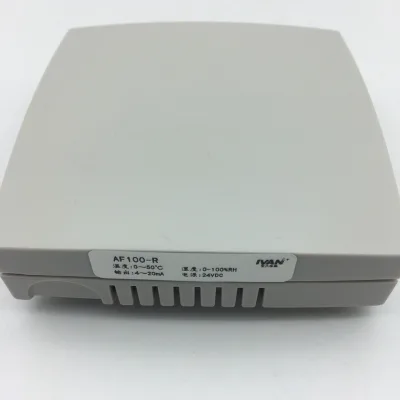
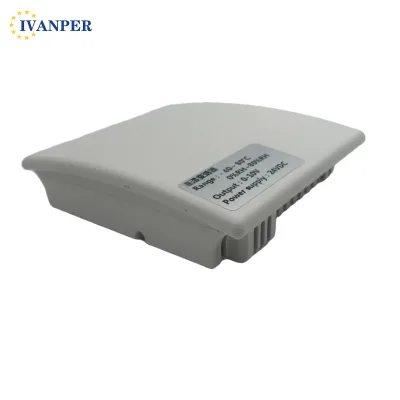
OEM Manufacturer High Accuracy Wall-Mounted Humidity and Temperature Sensor with Good Quality
$38.00 - $45.00
MOQ: 10 pieces
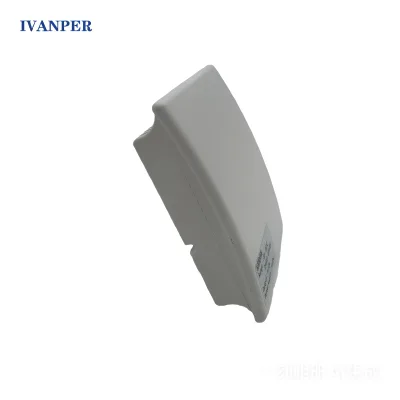
Rs485 Modbus Environmental Sensor for Duct Humidity and Temperature Measurement
$38.00 - $45.00
MOQ: 10 pieces

Shenzhen Toprie Electronics Co., Ltd.
- Verified by SGS
- Manufacturer
- China Guangdong
- Lead time15 days
- Avg. response≤ 3h
Main productsPressure Sensor, Power Meter, Sensor, Temperature Sensor, Level Transmitter, Paperless Recorder, Iiot Gateway, Data Logger, Data Acquisition Module, Liquid Level Sensor
Main marketsEurope,North America


Temperature and Humidity Sensor Temperature&Humidity Transducer Waterproof Transmitter
$107.00 - $114.00
MOQ: 1 pcs

- Trading Company
- Hong Kong S.A.R.
- Lead time7 days
- Avg. response≤ 2h
Main products4G Data Logger,Wireless Temperature Sensor,Wireless Logger,Wireless Temperature Logger,Wireless RS485 Modbus
Main marketsWestern Europe(20.00%), North America(20.00%), Mid East(10.00%), South America(10.00%), Eastern Europe(10.00%), South Asia(5.00%), Southern Europe(5.00%), Northern Europe(5.00%), Central America(5.00%), Africa(5.00%), Southeast Asia(5.00%)
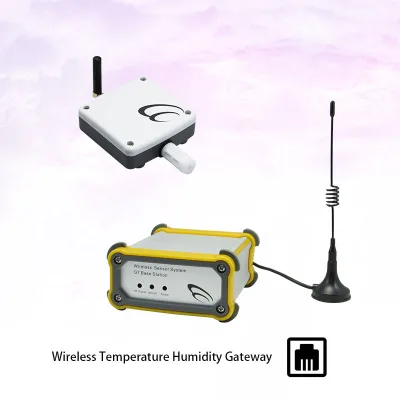
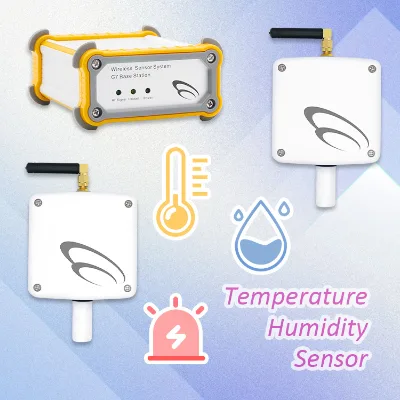
Outdoor Versatile Temperature Humidity Wireless Sensor for Seedling,temperature Controller
$50.00 - $150.00
MOQ: 1 Minimum
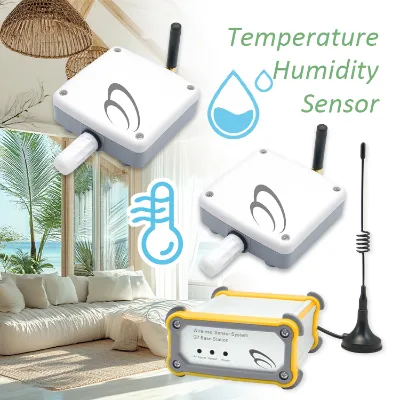

- Combined
- China Zhejiang
- Lead time30 days
- Avg. response≤ 9h
Main productsTemperature Controller, Temperature Sensor, Thermometer, Temperature Indicator, Timer, Thermocouple, Temperature Control, Thermostat, Humidity Control, Temperature Meter
Main marketsSouth America,Africa,North America

- Verified by SGS
- Manufacturer/Factory
- China Shaanxi
- Lead time0 days
- Avg. response≤ 9h
Main productsPressure Sensor, Pressure Transmitter, Level Measurement, Pressure Transducer, Water Level Sensor, Water Level Meter, Ultrasonic Level Sensor, Radar Level Sensor, Fuel Level Sensor, Flow Meter


$2.50 - $7.90
MOQ: 10 piece

Customized Compact Temperature Humidity Sensor Stability and Reliability, Ideal for Data Centers
$2.50 - $7.90
MOQ: 10 piece


Temperature Humidity Sensor CO2 0-3V, Reliable and Precise for HVAC Systems
$2.50 - $7.90
MOQ: 10 piece

Beijing Yingchuanglihe Electronic Technology Co., Ltd.
- Trading Company
- Beijing, China
- Lead time7 days
- Avg. response≤ 6h
Main productsEthernet temperature and humidity sensor,Environmental monitoring system,Temperature and humidity monitoring system,Environmental monitoring host,Wireless temperature and humidity
Main marketsDomestic Market(35.00%), Eastern Europe(16.00%), South Asia(8.00%), North America(5.00%), Southeast Asia(5.00%), Oceania(5.00%), Western Europe(5.00%), Southern Europe(4.00%), Northern Europe(4.00%), Mid East(4.00%), Africa(4.00%), Eastern Asia(3.00%), Central America(2.00%)
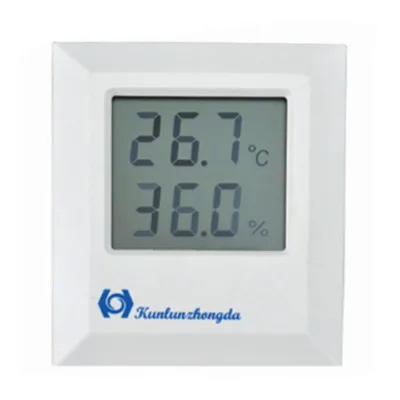
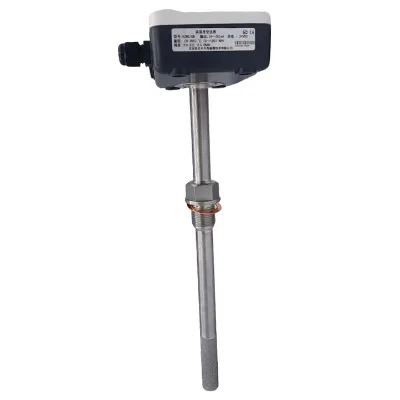
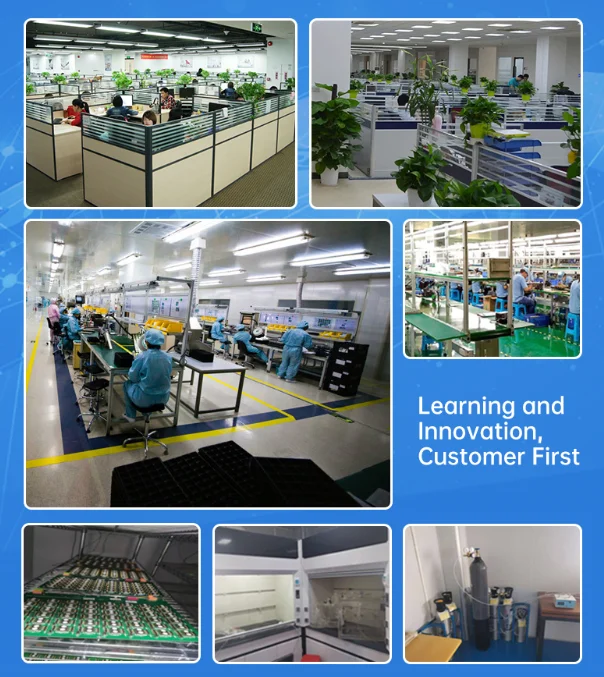
Beijing Kun Lun Zhong Da Sensor Technology Co., Ltd.
- Manufacturer, Trading Company
- Beijing, China
- Lead time旺季: "1 - 100":10,"101 - 200":15,"> 200":"To be negotiated", 淡季: "1 - 100":10,"101 - 200":15,"> 200":"To be negotiated"
- Avg. response≤ 3h
Main productsTemperature Sensor,Humidity Sensor,Pressure Sensor
Main marketsMid East(10.00%), South Asia(10.00%), Southeast Asia(10.00%), Western Europe(10.00%), Eastern Asia(10.00%), North America(10.00%), Northern Europe(8.00%), Southern Europe(8.00%), Eastern Europe(8.00%), South America(8.00%), Africa(5.00%), Central America(3.00%)
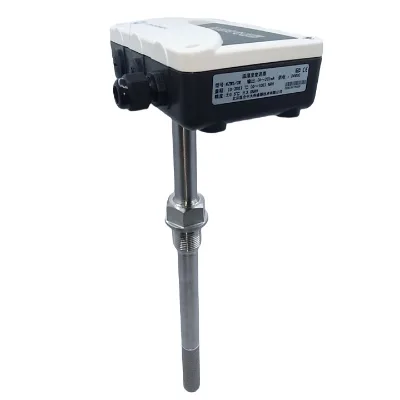
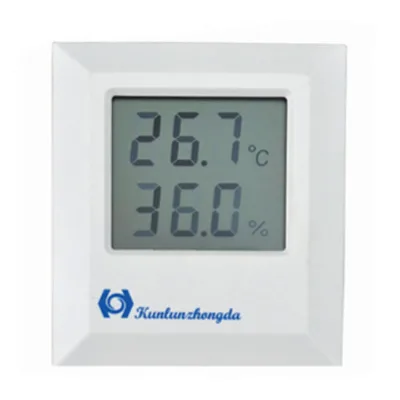
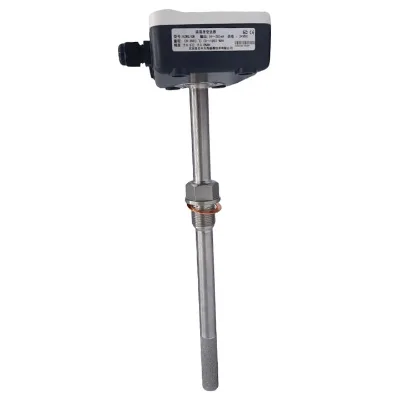
$104.3462 - $158.2352
MOQ: 50 units
Shenzhen Hongruitai Electronics Co., Ltd.
- Manufacturer, Agent, Distributor/Wholesaler
- Guangdong, China
- Lead time0 days
- Avg. response≤ 1h
Main productsGas sensor module,air quality detector,microwave radar module,laser radar module,water quality detection module
Main marketsOceania(14.00%), Southern Europe(13.00%), Northern Europe(12.00%), Africa(11.00%), Domestic Market(11.00%), North America(10.00%), Southeast Asia(8.00%), Central America(8.00%), Eastern Europe(6.00%), Western Europe(5.00%), Mid East(5.00%), South America(4.00%), Eastern Asia(3.00%), South Asia(3.00%)

TZONE DIGITAL TECHNOLOGY CO., LTD.
- Combined
- China Guangdong
- Lead time23 days
- Avg. response≤ 4h
Main productsGPS Tracker, GPS, Tracking Software
Main marketsSouth America,Africa,Southeast Asia/ Mideast,East Asia(Japan/ South Korea),Europe,Australia,North America


Thermometer Temperature Humidity Meters Sensor for Air-Conditioning and Monitoring System
$29.00 - $33.00
MOQ: 5 Pieces

Air Quality Sensors Temperature and Humidity Sensor for Temperature Monitoring
$13.50 - $15.00
MOQ: 1 Pieces

Temperature Humidity Sensor Industrial Temp Humidity Transmitter for HVAC & Automation Systems
$42.00 - $45.00
MOQ: 1 Pieces

Wireless Remote WiFi Temperature & Humidity Sensor Real-Time Data Uploading
$42.00 - $47.00
MOQ: 2 Pieces
Wuhan Chenyun Technology Co., Ltd.
- Verified by TüVRheinland
- Manufacturer, Trading Company
- Lead time0 days
- Avg. response≤ 1h
Main productsWind Speed And Direction Sensors, Ultrasonic Sensors, Temperature And Humidity Sensors, Solar Radiation Sensor & PV Solutions, Soil Sensos
Main marketsSouthern Europe(40%), North America(30%), South Asia(20%)
Weihai Gemho Digital Mine Technology Co., Ltd.
- Manufacturer, Trading Company
- Shandong, China
- Lead time7 days
- Avg. response≤ 1h
Main productsAgricultural Equipment,Environmental sensors,Gas sensors,Soil sensors,Water monitoring sensors
Main marketsNorth America(15.00%), South America(10.00%), Northern Europe(9.00%), Southern Europe(8.00%), Mid East(8.00%), Eastern Europe(8.00%), Western Europe(8.00%), Southeast Asia(8.00%), Domestic Market(5.00%), Oceania(5.00%), South Asia(5.00%), Africa(5.00%), Eastern Asia(3.00%), Central America(3.00%)
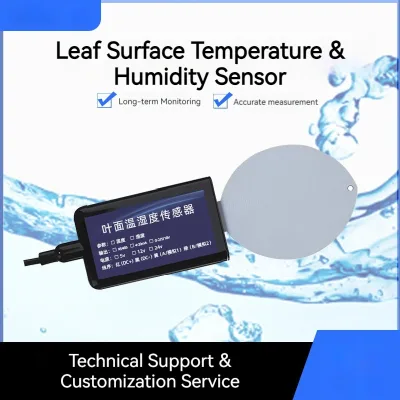
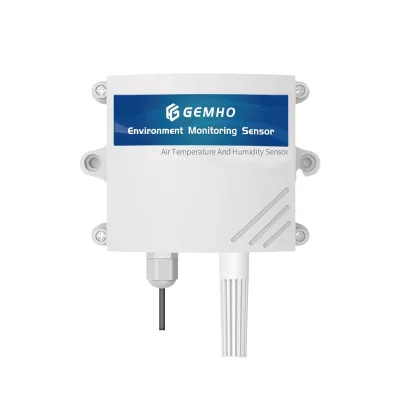
$46.6507 - $132.6958
MOQ: 1 Minimum
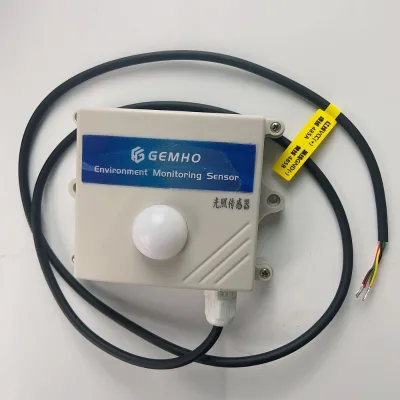

Fujian Air Technology Systems Co., Ltd
- Verified by BV
- Combined
- China Fujian
- Lead time15 days
- Avg. response≤ 2h
Main productsHvls Fan, HVAC System, Air Conditioning, Ceiling Fan, Vfr Air Conditioner, Industrial Air Conditioner, Hoval Climate Air System, Water Air Cooler, Water Air Heater, Air Heating and Cooling Equipment
Main marketsSouth America
Jiangsu Aice Instrument Technology Co., Ltd.
- Verified by TüVRheinland
- Trading Company
- Lead time15 days
- Avg. response≤ 2h
Main productsFlowmeter, Level Transmitter, IR Sensors, Pressure Sensor, Water Quality Sensor
Main marketsSoutheast Asia(25%), North America(15%), South Asia(15%)

Zhengzhou Freshliance Electronics Corp., Ltd
- Verified by BV
- Combined
- China Henan
- Lead time15 days
- Avg. response≤ 6h
Main productsUSB Temperature Data Logger, Temperature Humidity Data Logger, Wireless Temperature Humidity Data Logger, Ultra Low Temperature Data Logger, Time Temperature Indicator
Main marketsAfrica,Others(foreignTradeCapacity.exportBusinessCapacityMarketOther),Southeast Asia/ Mideast,Europe,North America

Meokon Sensor Technology (Shanghai) Co., Ltd.
- Manufacturer
- China Shanghai
- Lead time15 days
- Avg. response≤ 3h
Main productsDigital Pressure Gauge, Digital Pressure Controller, Digital Pressure Switch, Digital Electric Contact Pressure Gauge, Temperature and Humidity Table, Pressure Transmitters, Pressure Sensor, Lever Sensor
Main marketsSouth America,Southeast Asia/ Mideast,East Asia(Japan/ South Korea),Domestic,Europe,Australia,North America

Intelligent Digital Temperature and Humidity Sensor with Large LCD Display
$25.68 - $39.98
MOQ: 1 Pieces


- Verified by SGS Group
- Manufacturer, Trading Company
- Lead time20 days
- Avg. response≤ 4h
Main productsTemperature And Humidity Sensor, Dew Point Meter, Highly Difficult Sintered Porous Metal Filter, Ultra High Purity And Pressure Filter, Stainless Steel Air Diffuser
Main marketsDomestic Market(50%), South America(10%), Eastern Europe(10%)
Beijing Sensheaite Technology Co., Ltd.
- Trading Company
- Beijing, China
- Lead time0 days
- Avg. response≤ 13h
Main productsTransmitter,sensor,Carbon monoxide sensor,Carbon dioxide sensor,PM2.5
Main marketsSoutheast Asia(18.00%), Mid East(15.00%), Africa(10.00%), North America(10.00%), South Asia(10.00%), Central America(8.00%), Oceania(7.00%), Eastern Asia(6.00%), South America(4.00%), Western Europe(3.00%), Domestic Market(3.00%), Southern Europe(3.00%), Eastern Europe(3.00%)
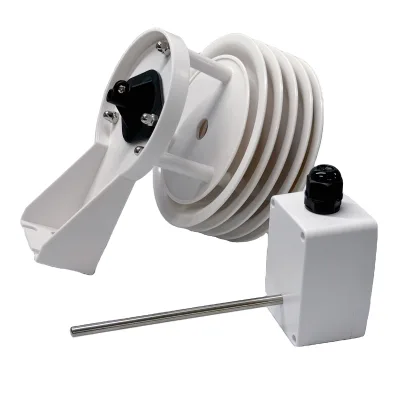
Factory Direct Price room temperature and humidity sensor tuya temperature and humidity sensor
$32.00 - $38.00
MOQ: 1 pieces
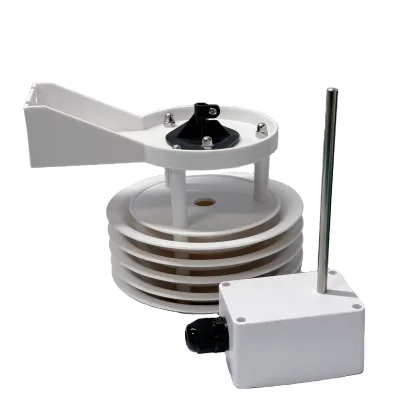
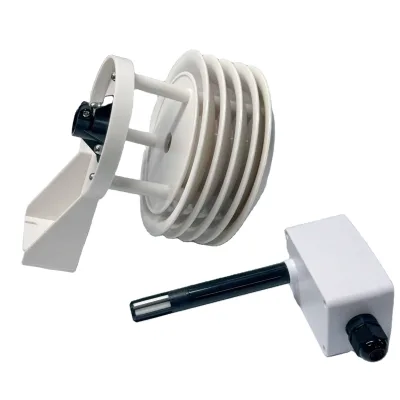
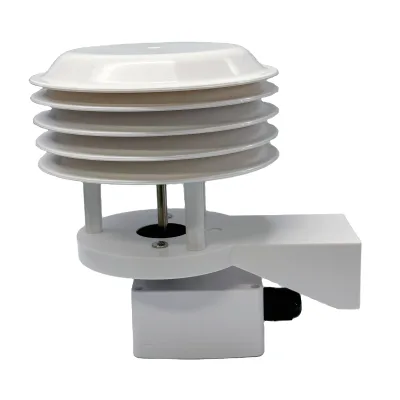
Intrinsically Safe Resistance Temperature and Humidity Sensors Complete Products Free Maintenance
$32.00 - $38.00
MOQ: 1 pieces
Shenzhen Chengfangchip Electronic Technology Co., Ltd.
- Verified by Intertek
- Trading Company
- Lead time0 days
- Avg. response≤ 3h
Main productsPCBA, ICs, Transistor, IGBT, Development Board
Main marketsNorth America(40%), Southeast Asia(20%), Mid East(20%)

Xiamen Trust Information Tech Co., Ltd.
- Verified by TUVRHEINLAND
- Combined
- China Fujian
- Lead time15 days
- Avg. response≤ 6h
Main productsSensor, Lora Sensor, Temperature Humidity Sensor, Wireless Sensor, Solar GPS Locator, Lorawan Sensor, 5g Positioning Tag, Wireless CO2 Sensor, Wireless Pm2.5 Sensor, Co Sensor
Main marketsDomestic

Advanced Temperature Humidity Sensor for Precise Monitoring and Measurement
$2100.00 - $2600.00
MOQ: 1 Pieces

Advanced Temperature and Humidity Monitoring Sensor for Equipment Rooms
$30.00 - $35.00
MOQ: 10 Pieces

Smart Temperature and Humidity Sensor for Efficient Data Center Monitoring
$2200.00 - $2600.00
MOQ: 1 Pieces

Professional RS485 Temperature and Humidity Sensor for Precise Monitoring
$30.00 - $35.00
MOQ: 10 Pieces
Shenzhen Mingdewei Electronics Limited
- Verified by Intertek
- Trading Company
- Lead time7 days
- Avg. response≤ 2h
Main productsIntegrated Circuits, PWM Speed Controller Regulator, Power Modules, Gas Sensor , IGBT
Main marketsNorth America(20%), Southeast Asia(15%), South America(10%)
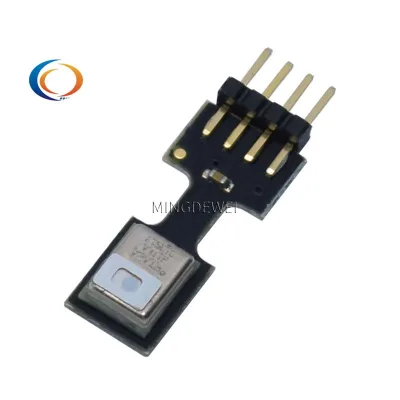
Aht15 Integrated Temperature And Humidity Sensor 12C signal high precision
$0.90 - $1.35
MOQ: 5 Minimum
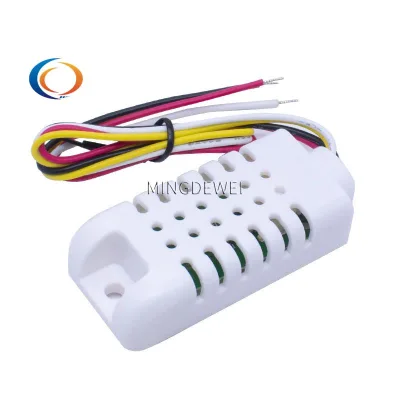
AHT21/GXHT30 Digital Temperature and Humidity Sensor IIC Temperature and Humidity Sensor
$2.41 - $3.26
MOQ: 5 pieces
Shenzhen CXS Electronic Co., Ltd
- Manufacturer, Trading Company, Distributor/Wholesaler
- Guangdong, China
- Lead time0 days
- Avg. response≤ 6h
Main productsIC,Capacitor,Resistor,module,LED
Main marketsSouth America(20.00%), North America(20.00%), Northern Europe(10.00%), Western Europe(10.00%), Mid East(10.00%), Southern Europe(10.00%), Southeast Asia(10.00%), Domestic Market(5.00%), Africa(5.00%)
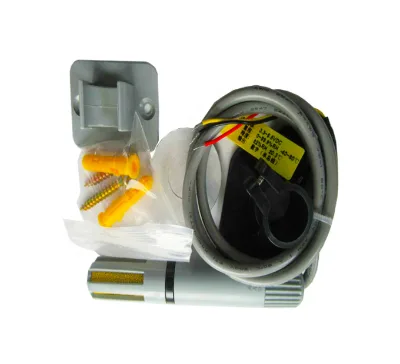
AM2305 AM2305B AM2315 AM2315C High-temperature Humidity Sensors Humidity Transmitter
$9.0479 - $10.077
MOQ: 5 Minimum
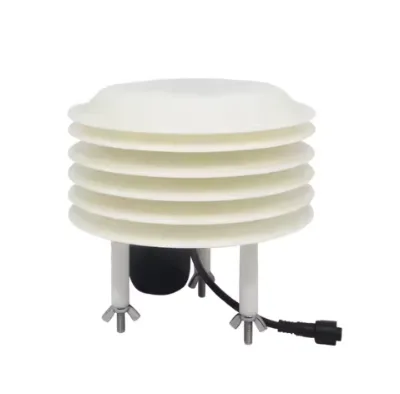
High Waterproof Temperature Humidity Sensor Use Solar Radiation Shield
$32.4263 - $33.7774
MOQ: 1 pieces
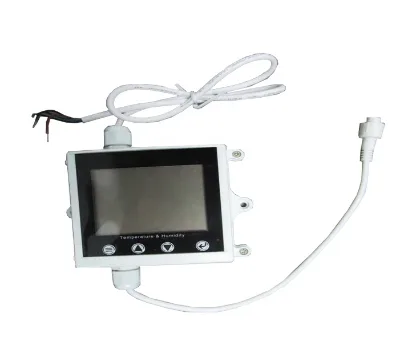

Jiangsu Aice Instrument Technology Co., Ltd.
- Verified by BV
- Trading Company
- China Jiangsu
- Lead time15 days
- Avg. response≤ 3h
Main productsindustrial temperature instruments
Main marketsSouth America,Others(foreignTradeCapacity.exportBusinessCapacityMarketOther),Southeast Asia/ Mideast,East Asia(Japan/ South Korea),North America








Comprehensive Sourcing Guide
Outdoor High Sensitive Temperature and Humidity Sensor Supplier Concentration and Factory Types
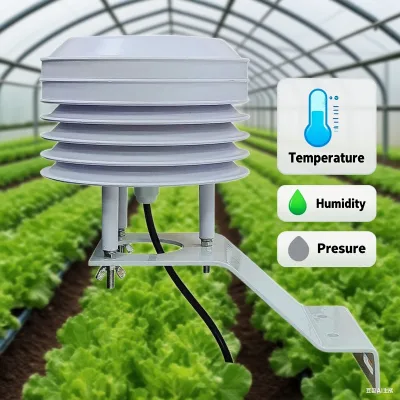
The current supplier landscape for outdoor high sensitive temperature and humidity sensors reveals a distinct concentration of manufacturing and trading entities within specific industrial regions. Data indicates that a significant portion of these suppliers are located in China, with Guangdong emerging as a notable hub for electronic component manufacturing. This geographic clustering suggests a mature supply chain ecosystem where raw materials, assembly lines, and logistics networks are closely integrated. Buyers evaluating this market should recognize that suppliers in this region often benefit from established infrastructure for producing electronic sensors, including Arduino-compatible modules and specialized environmental monitoring devices. The presence of both trading companies and manufacturers in this area allows for a diverse range of sourcing options, from direct factory purchases to curated selections by experienced intermediaries. Understanding this concentration helps buyers anticipate the types of products available, such as soil temperature sensors or miniature weather stations, which are frequently listed by these regional entities. The density of suppliers in Guangdong implies competitive pricing and rapid prototyping capabilities, which are critical for projects requiring custom sensor solutions. However, buyers must also consider that not all suppliers in this region may offer the same level of technical support or quality assurance, necessitating careful vetting of individual company profiles. The variety of company types, ranging from pure trading firms to full-scale factories, means that buyers can find partners suited to different order volumes and customization needs. This diversity is particularly useful for those seeking OEM or ODM services, as many listed entities explicitly advertise these capabilities. The concentration also facilitates easier comparison of similar products, allowing buyers to quickly identify differences in specifications, materials, and certifications among competing offerings.
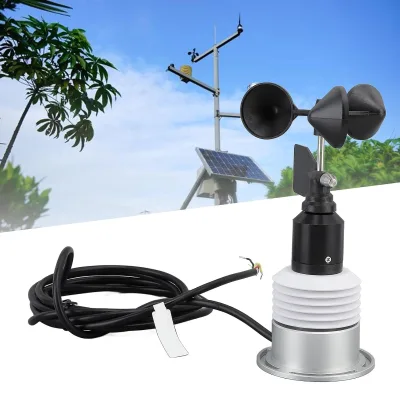
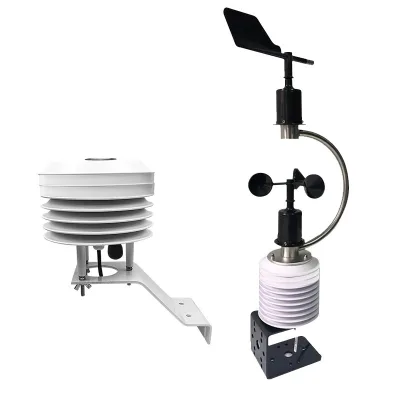
In addition to the Guangdong cluster, other regions contribute to the global supply of these sensors, with some manufacturers located in Shandong, China, specializing in integrated weather sensors. These suppliers often focus on high-precision instruments designed for outdoor monitoring, such as four-element integrated weather sensors that measure temperature, humidity, atmospheric pressure, and noise. The presence of manufacturers in Shandong highlights the specialization within the Chinese sensor industry, where different regions may excel in different product categories. Buyers should note that these suppliers often provide detailed technical specifications, including communication protocols like Modbus RTU and output interfaces such as RS485, which are essential for integrating sensors into larger monitoring systems. The variety of main products listed by these suppliers, including miniature meteorological instruments and portable weather stations, indicates a broad capability to serve diverse market segments. This specialization allows buyers to find suppliers that are not just generalists but experts in specific types of environmental monitoring equipment. The existence of both trading companies and manufacturers in these regions ensures that buyers have access to a wide range of products, from basic sensor modules to complex, multi-parameter weather stations. Understanding the regional strengths of these suppliers can help buyers make more informed decisions about which partners to engage with based on their specific project requirements. The focus on outdoor applications suggests that these suppliers are well-versed in the durability and accuracy requirements necessary for environmental monitoring. This regional diversity provides buyers with multiple options for sourcing high-quality sensors, each with its own unique advantages in terms of product range, technical expertise, and manufacturing capabilities.
How to Verify Outdoor High Sensitive Temperature and Humidity Sensor Suppliers
Verifying the credibility and capability of suppliers for outdoor high sensitive temperature and humidity sensors requires a systematic approach to checking certifications, verification badges, and company types. Buyers should prioritize suppliers that display recognized system certifications such as ISO 9001, ISO 14001, and RoHS, which indicate adherence to quality management and environmental standards. These certifications are crucial for ensuring that the sensors meet international quality benchmarks and are suitable for outdoor use where durability and reliability are paramount. Additionally, buyers should look for verification badges from reputable third-party inspection agencies like CTI or Intertek, which provide an extra layer of confidence in the supplier's operational integrity. These verification services often involve on-site audits and product testing, ensuring that the supplier's claims about their manufacturing capabilities and quality control processes are accurate. The presence of these badges is a strong indicator that the supplier has undergone rigorous scrutiny and meets specific industry standards. Buyers should also pay attention to the company type listed, distinguishing between trading companies and manufacturers, as this affects the level of direct control over production and customization. Manufacturers often offer more flexibility for OEM and ODM requests, while trading companies may provide a broader range of products from multiple factories. Understanding this distinction helps buyers align their sourcing strategy with their specific needs, whether they require custom sensor designs or standard off-the-shelf products. The verification process should also include checking the supplier's response time and lead time, as these metrics reflect their operational efficiency and customer service quality. A quick response time, such as one day, suggests a responsive and agile supplier, while a longer lead time may indicate higher production volumes or more complex manufacturing processes. By combining these verification steps, buyers can build a comprehensive profile of each supplier, reducing the risk of partnering with unreliable or low-quality vendors. This due diligence is essential for ensuring that the sensors purchased will perform as expected in outdoor environments and meet the project's technical requirements.
Beyond certifications and verification badges, buyers should also assess the supplier's product evidence and technical documentation to ensure alignment with their specific needs. This includes reviewing product keywords, categories, and detailed attributes such as sensing type, IP rating, and communication interface. For example, suppliers listing products with Modbus RTU communication and RS485 output are likely equipped to handle complex integration requirements for weather stations and environmental monitoring systems. Buyers should verify that the supplier's products match the specific technical specifications required for their application, such as temperature range, accuracy, and power supply requirements. The presence of detailed product attributes, such as material composition (e.g., ASA material for weather sensors) and warranty terms, provides additional insight into the supplier's product quality and after-sales support. Buyers should also check for customization options, as many suppliers offer OEM, ODM, and software reengineering services, which can be critical for projects requiring unique sensor configurations. The ability to customize sensors allows buyers to tailor products to their specific environmental conditions and monitoring needs. Additionally, buyers should review the supplier's main products to ensure they have a broad range of offerings, indicating a comprehensive understanding of the sensor market. This breadth of product knowledge suggests that the supplier is well-positioned to provide technical support and advice throughout the sourcing process. By thoroughly examining these technical details, buyers can make more informed decisions and select suppliers that are not only credible but also technically capable of meeting their specific project requirements. This detailed verification process helps mitigate risks and ensures that the final products will perform reliably in outdoor applications.
What to Compare Across Outdoor High Sensitive Temperature and Humidity Sensor Suppliers
When comparing suppliers for outdoor high sensitive temperature and humidity sensors, buyers should focus on key dimensions such as lead time, minimum order quantity (MOQ), response speed, and pricing structures. Lead time is a critical factor, as it determines how quickly orders can be fulfilled and delivered. Suppliers with shorter lead times, such as five days, may be better suited for projects with tight deadlines or urgent requirements. In contrast, suppliers with longer lead times, such as twenty-three days, may offer more competitive pricing or higher production capacity. Buyers should also consider the MOQ, as it affects the initial investment and inventory management. Some suppliers may have low MOQs, such as ten units, making them suitable for small-scale projects or prototyping, while others may require larger orders, which is ideal for mass production. Response speed is another important metric, as it reflects the supplier's ability to communicate and resolve issues promptly. Suppliers with faster response times, such as one day, are likely to provide better customer service and support throughout the sourcing process. Pricing structures should also be compared, with buyers looking at both the minimum and maximum price ranges for specific products. This helps in budgeting and understanding the cost implications of different order volumes. Additionally, buyers should compare the customization capabilities of each supplier, as some may offer extensive OEM and ODM services, while others may only provide standard products. The ability to customize sensors can be crucial for meeting specific technical requirements or branding needs. By systematically comparing these dimensions, buyers can identify the suppliers that best align with their project goals, budget, and timeline. This comparative analysis helps in making data-driven decisions and selecting partners that offer the best value and performance.
In addition to operational metrics, buyers should also compare the technical specifications and product features offered by different suppliers. This includes evaluating the sensing type, accuracy, temperature range, and communication interfaces of the sensors. Suppliers offering high-precision sensors with wide temperature ranges, such as -40°C to 60°C, may be better suited for extreme outdoor environments. The communication interface, such as Modbus RTU or RS485, is also important for integration with existing monitoring systems. Buyers should compare the materials used in sensor construction, as durable materials like ASA can enhance the longevity and reliability of outdoor sensors. Warranty terms and after-sales support should also be compared, as these factors impact the long-term value of the purchase. Suppliers offering longer warranties or comprehensive support packages may provide greater peace of mind and protection against potential defects. The product category and classification should also be reviewed to ensure that the sensors are suitable for the intended application, whether it is soil monitoring, weather station integration, or general environmental sensing. Buyers should also consider the supplier's main products and expertise, as those specializing in weather sensors or environmental monitoring may offer more specialized knowledge and support. By comparing these technical and product-related factors, buyers can ensure that they select suppliers whose offerings align closely with their specific technical requirements and application needs. This detailed comparison helps in identifying the most suitable partners for achieving project success and ensuring the reliability of the deployed sensors.
Common Outdoor High Sensitive Temperature and Humidity Sensor Sourcing Risks
Sourcing outdoor high sensitive temperature and humidity sensors involves several risks that buyers must proactively manage to ensure project success. One significant risk is the potential mismatch between supplier claims and actual product performance, particularly regarding accuracy and durability in outdoor conditions. Buyers should be cautious of suppliers that do not provide detailed technical specifications or third-party test results, as this may indicate a lack of quality control or transparency. Another risk is the variability in lead times and production capacity, which can disrupt project schedules if not properly managed. Suppliers with longer lead times may face delays due to material shortages or production bottlenecks, impacting the overall timeline. Additionally, the risk of receiving non-compliant products is heightened if buyers do not verify certifications such as ISO 9001 or RoHS, which are essential for ensuring quality and environmental compliance. Buyers should also be aware of the risks associated with customization, as poorly executed OEM or ODM requests can lead to functional issues or compatibility problems with existing systems. Communication barriers and language differences can also pose risks, especially when dealing with international suppliers, potentially leading to misunderstandings about specifications or requirements. To mitigate these risks, buyers should conduct thorough due diligence, including on-site audits or third-party inspections, to verify the supplier's capabilities and quality control processes. Establishing clear communication channels and detailed contracts can also help manage expectations and reduce the likelihood of disputes. By identifying and addressing these risks early in the sourcing process, buyers can protect their projects from potential disruptions and ensure the delivery of high-quality sensors.
Another common risk is the variability in pricing and hidden costs, which can impact the overall budget and profitability of the project. Buyers should be vigilant about suppliers that offer unusually low prices, as this may indicate compromised quality or hidden fees. Additionally, the risk of intellectual property infringement is a concern when working with suppliers that offer extensive customization services, as buyers must ensure that their designs and specifications are protected. Logistics and shipping risks are also significant, particularly for international orders, where delays, damage, or customs issues
FAQs
What accuracy can I expect from an outdoor temperature and humidity sensor?
Outdoor weather sensors in this category list temperature accuracy around ±0.3°C with a -40°C to 60°C operating range. Humidity accuracy varies by model, so request the full specification sheet before ordering. For high-sensitivity applications such as agriculture or environmental monitoring, confirm calibration data and ask whether the sensor supports field calibration or periodic verification.
Which communication interfaces are common for these outdoor sensors?
RS485 with Modbus RTU is the most common interface listed for outdoor weather sensors, making integration with PLCs, data loggers, and weather stations straightforward. Some compact modules designed for Arduino or Raspberry Pi projects use simpler digital or analog outputs instead. Confirm the output signal type and wiring requirements match your controller before placing an order.
What is the typical minimum order quantity for sensor modules?
Minimum order quantities vary widely by product type. Compact sensor modules can be sourced with MOQs as low as 10 pieces, while larger integrated weather sensors are available with an MOQ of 1 unit for testing. Start with a small trial order, evaluate real-world performance, and negotiate volume pricing once the sensor passes your field validation.
What price range should I budget for these sensors?
Small soil temperature and humidity sensor modules typically cost between $0.33 and $0.38 per unit, while DHT22-type digital sensors run roughly $2.69 to $3.06. Multi-element outdoor weather sensors with pressure and noise monitoring are priced around $80 to $90. Final pricing depends on customization, order volume, and any certification or testing requirements.
How fast can suppliers ship outdoor sensor orders?
Lead times among listed suppliers range from about 5 days for standard weather sensor models to roughly 23 days for other sensor products. Response times also vary, with some suppliers replying within about an hour and others taking up to 12 hours. Confirm both figures in writing, including production time for customized OEM or ODM variants.
Do these sensors support OEM or ODM customization?
Yes, customization is widely available. Manufacturers advertise OEM, ODM, and OBM support, including software reengineering, sample processing, and graphic customization. Soil sensor modules are listed with customization available. Specify your required measuring ranges, cable lengths, output protocols, housing material, and labeling early, since customized units usually need longer lead times than standard stock models.
What certifications should I verify before ordering?
Listed suppliers hold system certifications such as ISO 9001, ISO 14001, ISO 45001, and QC 080000, and some sensor products carry CE marking. A third-party verification badge such as CTI or Intertek indicates an audited profile but does not replace product-level testing. Request the actual certificate copies and confirm they apply to the exact sensor model you plan to purchase.
How are these sensors packed for shipping?
Compact sensor modules are typically packed in ESD antistatic bags, with a listed weight of around 10 to 12 grams including wire, which protects sensitive electronics during transit. Larger outdoor weather sensors ship in individual cartons, with one listed package size of 29 by 25 by 22 cm and a gross weight of 1.5 kg. Confirm packing details for bulk quantities.