Source Latex Coated Soccer Goalkeeper Gloves for Racing, Entertainment, Gift
Compare 30 listings of Latex Coated Soccer Goalkeeper Gloves from verified Chinese manufacturers. Buyers can evaluate customization options, sizes, and MOQs for racing, entertainment, and gift applications. Detailed product specifications and pricing are available for bulk orders; compare the available evidence and request quotations based on your requirements.
Updated
Key considerations
Products List


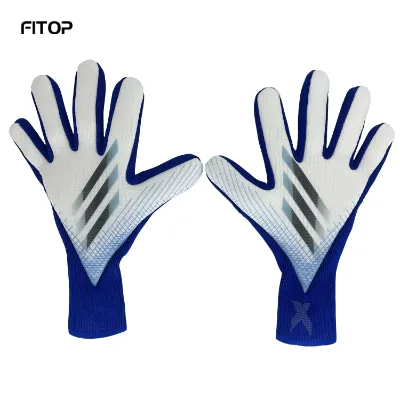
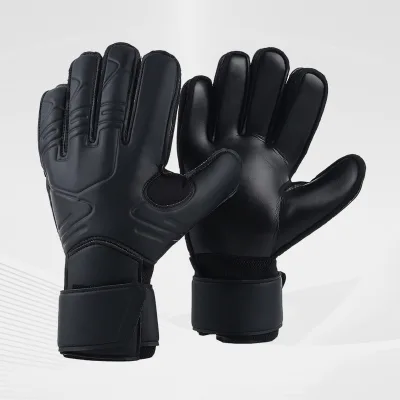
Black Goalkeeper Gloves Latex Foam Keeper Soccer Football Gloves Goalkeeper
$11.3534 - $15.3782
MOQ: 20 sets
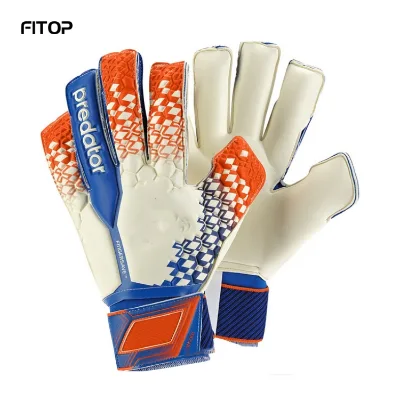


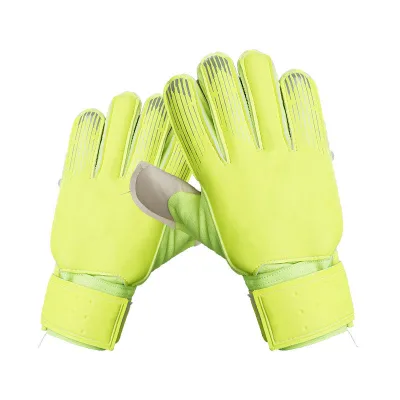
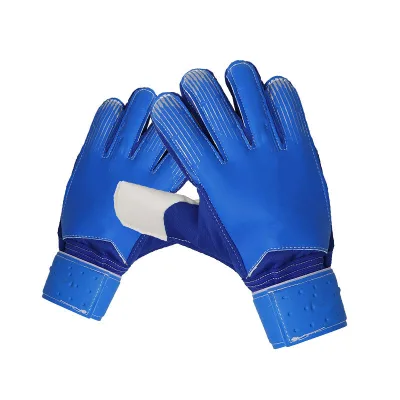
Thickened Latex Soccer Goalkeeper Gloves for Adult and Kids Match Training
$4.50 - $4.90
MOQ: 100 pairs


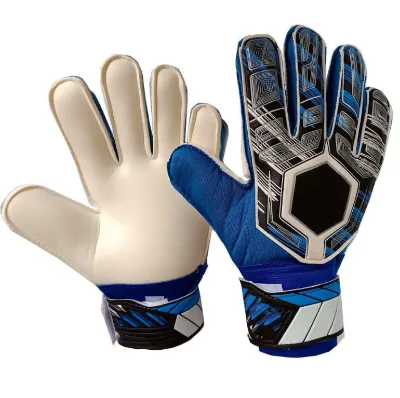
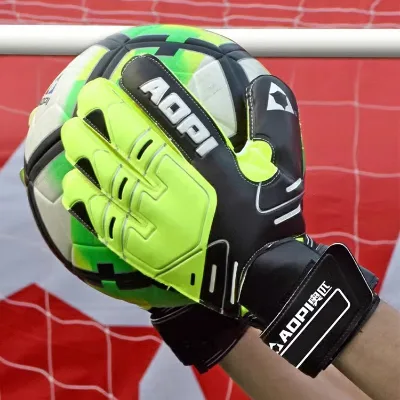
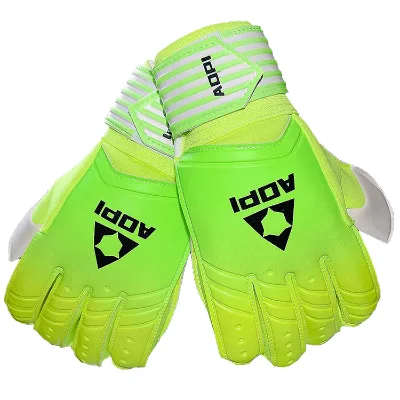
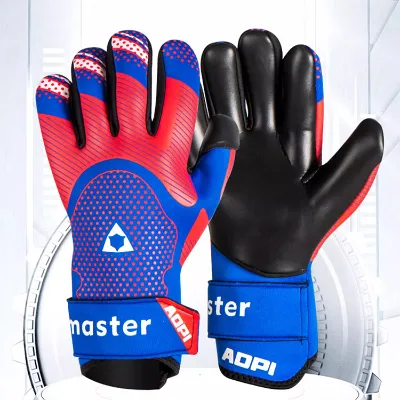
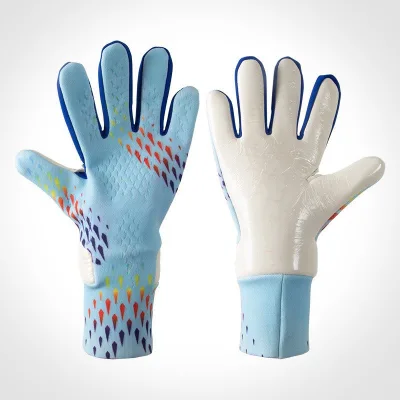
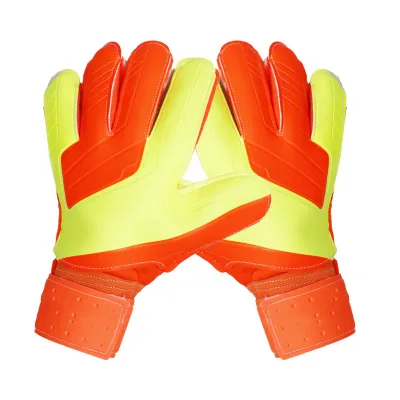
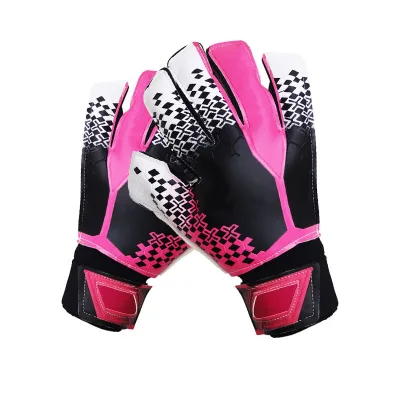
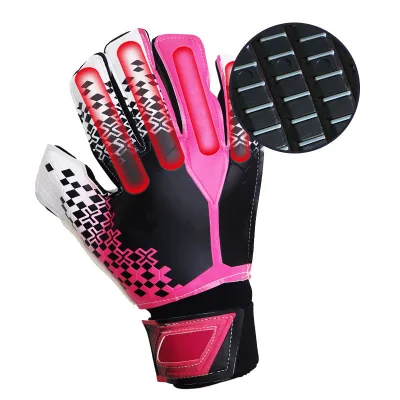

Comprehensive Sourcing Guide
Latex Coated Soccer Goalkeeper Gloves Sourcing Guide
Procuring Latex Coated Soccer Goalkeeper Gloves requires a strategic approach that balances performance expectations with commercial viability. The market offers a diverse array of options, ranging from basic training models to high-end racing style gloves designed for professional competition. Buyers must navigate a landscape where product names often overlap, such as "Cheap OEM Sports Goalkeeper Gloves" or "Professional Custom Logo Goalie Gloves," which can obscure the actual quality and intended use of the item. Understanding these distinctions is critical for aligning supplier offerings with specific team or retail requirements.
The sourcing process is further complicated by the variability in customization services and minimum order quantities (MOQs). Many suppliers offer OEM and ODM services, allowing for bespoke designs, but these capabilities come with different production thresholds. Some listings indicate an MOQ of 300 pairs, while others may accept orders as low as 100 pairs. This variance directly impacts inventory planning and cash flow, necessitating a clear understanding of the supplier’s production capacity and flexibility before committing to a purchase agreement.
Product Scope and Observed Listing Signals
The current market landscape for goalkeeper gloves is characterized by a wide spectrum of product types and branding strategies. Listings frequently highlight features such as "Racing Gloves" or "Soccer Football Training Goalkeeper Gloves," indicating distinct use cases for elite performance versus daily practice. The observed product count of thirty items suggests a competitive environment where differentiation is key. Buyers should pay close attention to specific model identifiers like VC-SGG204-T or SGG207-M, as these codes often correlate with specific palm materials, finger protection levels, and wrist closure mechanisms that define the glove’s functional profile.
Color and size availability are also significant signals of supplier capability. Common colorways include combinations like black and white, yellow and blue, or turquoise, catering to diverse aesthetic preferences. Size ranges typically span from 7 to 10, with some suppliers offering extended sizes up to XXL. The presence of "Customized Logo Available" attributes indicates that many manufacturers are prepared to handle private label orders. However, buyers must verify if the customization extends to palm material selection or if it is limited to branding, as this affects the overall value proposition of the customized product.
Technical Specifications to Verify
Technical verification begins with the palm material, which is the most critical component for grip and durability. While the core keyword specifies latex, the quality and thickness of the latex can vary significantly between suppliers. Buyers should request samples to test the tackiness and water resistance of the palm, especially given that some listings claim "Waterproof" features. Additionally, the wrist closure system, often described as having a "Buckle" or "With Buckle," must be evaluated for secure fit and ease of adjustment. A poorly designed closure can lead to glove slippage during intense play, compromising performance.
The packaging and labeling specifications are equally important for logistics and retail readiness. Observations indicate packing methods such as OPP bags or cartons, with some suppliers offering 100 sets per carton. This information is vital for calculating shipping volume and storage requirements. Furthermore, the "Specificaion: Free" attribute in some listings may imply customizable sizing or design options, but this needs explicit confirmation. Buyers should also check for size charts that align with international standards, ensuring that sizes 5 through 10 correspond accurately to hand measurements to minimize returns and exchanges.
Compliance and Safety Documentation
Compliance with international labor and ethical standards is a non-negotiable aspect of modern procurement. The presence of BSCI certification in some supplier profiles indicates a commitment to social compliance, which is crucial for brands aiming to maintain ethical supply chains. Buyers should request valid BSCI audit reports to verify that the manufacturing facilities adhere to fair labor practices, including safe working conditions and reasonable working hours. This documentation not only mitigates reputational risk but also ensures that the supply chain is resilient against disruptions caused by labor violations.
Product safety and material compliance are also essential considerations. While specific chemical standards are not detailed in the provided facts, buyers should inquire about compliance with REACH or other relevant regional regulations regarding latex and adhesive materials. Ensuring that the gloves are free from harmful substances protects both the end-user and the brand. Additionally, verifying the origin of the products, such as Ningbo, Zhejiang Province, or Jiangsu, China, can provide insights into the regional manufacturing ecosystem and its associated regulatory environment.
Cost Drivers and Commercial Terms
Cost structures for goalkeeper gloves are influenced by several factors, including material quality, customization complexity, and order volume. The observed price range of 2-20.7 USD highlights the significant variance in product tiers. Lower-priced items may use synthetic materials or thinner latex, while higher-priced options likely feature premium German or Australian latex for superior grip. Buyers must balance cost against performance expectations, understanding that cheaper gloves may require more frequent replacement, potentially increasing long-term costs.
Commercial terms, particularly MOQs, play a pivotal role in cost management. Suppliers with an MOQ of 300 pairs may offer better unit prices due to economies of scale, whereas those accepting 100 pairs might charge a premium for smaller runs. Buyers should negotiate terms that align with their sales velocity and inventory turnover rates. Additionally, payment terms and lead times should be clearly defined to avoid cash flow issues. Understanding the total landed cost, including shipping and duties, is essential for accurate margin calculation and competitive pricing in the final market.
Supplier Qualification and Quality Control
Supplier qualification involves a thorough assessment of manufacturing capabilities and quality control processes. Buyers should verify the supplier’s experience in producing goalkeeper gloves, looking for evidence of consistent output and positive client feedback. The availability of OEM and ODM services suggests flexibility, but buyers must ensure that the supplier has the technical expertise to maintain quality across customized orders. Requesting references from existing clients can provide valuable insights into the supplier’s reliability and responsiveness.
Quality control measures should be integrated into the procurement process to ensure product consistency. Buyers should establish clear quality standards and inspection protocols, including pre-production samples and during-production checks. The use of specific packing methods, such as OPP bags or cartons, should be verified to prevent damage during transit. Additionally, implementing a random sampling inspection plan upon receipt of goods can help identify defects early, allowing for timely corrective actions. This proactive approach minimizes the risk of receiving substandard products and protects the brand’s reputation.
Long-Term Procurement Checks
Long-term procurement success depends on continuous supplier performance monitoring and relationship management. Buyers should establish key performance indicators (KPIs) such as on-time delivery rates, defect rates, and responsiveness to issues. Regular audits and performance reviews can help identify areas for improvement and ensure that suppliers remain aligned with the buyer’s evolving needs. Building a strong partnership with reliable suppliers can lead to better pricing, priority production, and collaborative innovation in product design.
Market trends and consumer preferences are also subject to change, requiring buyers to stay informed about developments in goalkeeper glove technology and design. Regularly reviewing product offerings and seeking feedback from end-users can help identify emerging trends, such as new latex formulations or ergonomic designs. By maintaining a flexible and adaptive procurement strategy, buyers can ensure that their product portfolio remains competitive and relevant in the dynamic soccer equipment market. This long-term perspective is essential for sustaining growth and profitability in the B2B sector.
FAQs
What customization options are available for Latex Coated Soccer Goalkeeper Gloves?
Customization is available for these gloves, allowing buyers to add their own logos and select from various color combinations. Suppliers offer OEM and ODM services to meet specific branding needs. You can choose from colors like black, white, blue, yellow, orange, green, and turquoise. This flexibility ensures the gloves match your team's identity or retail requirements effectively.
What is the typical MOQ for ordering Latex Coated Soccer Goalkeeper Gloves?
The minimum order quantity varies by supplier, with observed ranges from 1 to 500 pairs. Some manufacturers require a standard MOQ of 300 pairs, while others may accept orders as low as 100 pairs. Buyers should verify the specific MOQ with their chosen supplier to ensure it aligns with their inventory needs and budget constraints before placing an order.
Which certifications do Latex Coated Soccer Goalkeeper Gloves manufacturers hold?
Manufacturers of these gloves often hold BSCI certification, indicating compliance with social responsibility standards. This certification is a key factor for many international buyers seeking ethical sourcing partners. It ensures that the production facilities adhere to specific labor and safety practices. Buyers should request valid certification documents to verify compliance before finalizing any supply agreements.
How are Latex Coated Soccer Goalkeeper Gloves packaged for shipment?
Packaging methods typically include OPP bags for individual pairs or carton packaging for bulk orders. Some suppliers use PE bags for protection. Standard packing might involve 100 sets per carton. This ensures the gloves remain clean and undamaged during transit. Buyers should confirm the specific packing details with the supplier to ensure they meet their storage and distribution requirements.
What sizes are available for Latex Coated Soccer Goalkeeper Gloves?
Available sizes generally range from 5 to 10, catering to various hand sizes. Some suppliers also offer sizes 7, 8, 9, and 10 specifically. Additionally, standard sizing like S, M, L, XL, and XXL may be available depending on the manufacturer. Buyers should check the specific size chart provided by the supplier to ensure a proper fit for their target market.
Where are Latex Coated Soccer Goalkeeper Gloves typically manufactured?
These gloves are primarily manufactured in China, with key production hubs in Ningbo, Zhejiang Province, and Jiangsu Province. Some sources also indicate production in Guangxi. These regions are known for their established sports equipment manufacturing industries. Buyers can leverage this geographic concentration to find reliable suppliers with efficient logistics and competitive pricing structures.