Portable Argentinian Santa Maria Grill Suppliers and Manufacturers
Explore 20 verified options for the Portable Argentinian Santa Maria Grill from manufacturers in China. Compare response times, lead times, and product specifications like stainless steel construction and customization availability before contacting suppliers directly; review the available evidence before requesting comparable quotations from suitable candidates.
Updated
Suppliers List

Jiangmen SHT Metal Products Co., Ltd.
- Manufacturer
- China Guangdong
- Lead time30 days
- Avg. response≤ 3h
Main productsPizza Oven, BBQ Grill, Outdoor Kitchen, Gas Grill, Kitchen Cabinet, Barbecue Grill, Charcoal Grill, BBQ Gas Grill, Outdoor Grill, Gas Pizza Oven
Main marketsEurope,Australia,North America


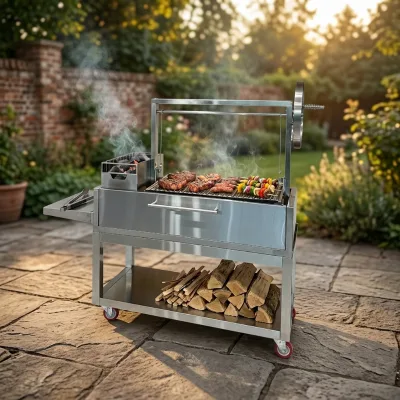
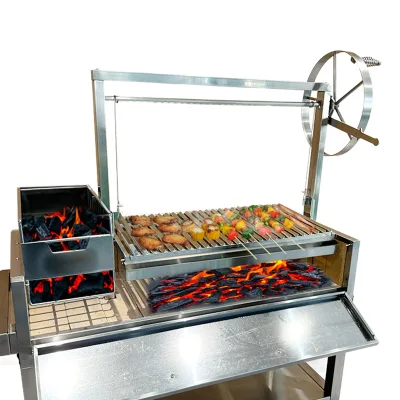
Outdoor Barbecue BBQ Charcoal Portable Argentina Rotating Argentinian Santa Maria Grill
$799.00 - $999.00
MOQ: 10 Pieces


Changzhou Jinmeida Outdoor Products Co., Ltd.
- Manufacturer
- Jiangsu, China
- Lead time50 days
- Avg. response≤ 6h
Main productsbbq grill,fire pit,wood pellet grill,smokeless fire pit,plancha grill
Main marketsWestern Europe(50.00%), Southern Europe(10.00%), Northern Europe(10.00%), North America(10.00%), Eastern Europe(10.00%), South America(10.00%)
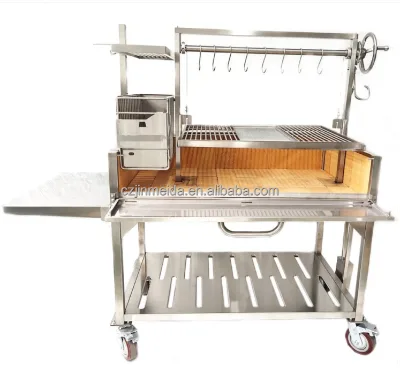
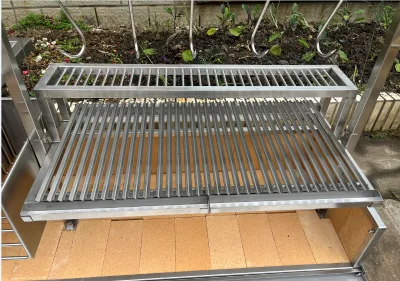
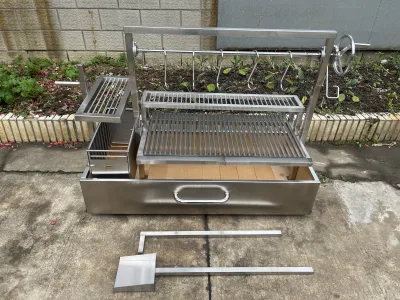
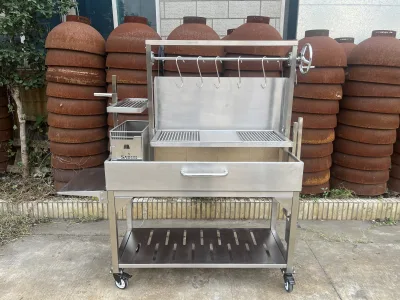
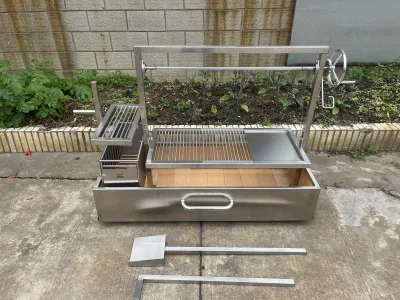
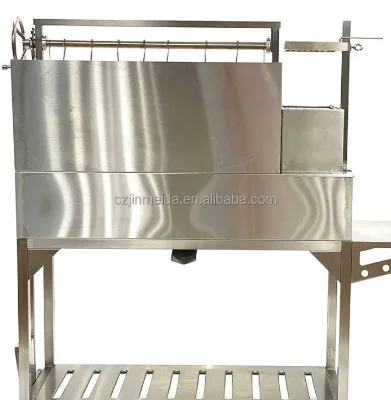
Hot Selling Argentine Barbecue Tag Wood Argentina Grill Santa Maria Style for Camping
$689.00 - $850.00
MOQ: 1
Foshan Nanhai Xiaotang Baonan Kitchen Equipment Factory
- Verified by TüVRheinland
- Manufacturer, Trading Company
- Lead time15 days
- Avg. response≤ 2h
Main productsCharcoal Barbecue Oven, Commercial Refrigerator, Pizza Oven, Worktable
Main marketsNorth America(20%), Oceania(19%), Domestic Market(15%)
Foshan Nanhai Xiaotang Baonan Kitchen Equipment Factory
- Manufacturer, Trading Company
- Lead time旺季: "1 - 500":30,"> 500":"To be negotiated", 淡季: "1 - 500":30,"> 500":"To be negotiated"
- Avg. response≤ 4h
Main productsCharcoal Barbecue Oven, Commercial Refrigerator, Pizza Oven, Worktable
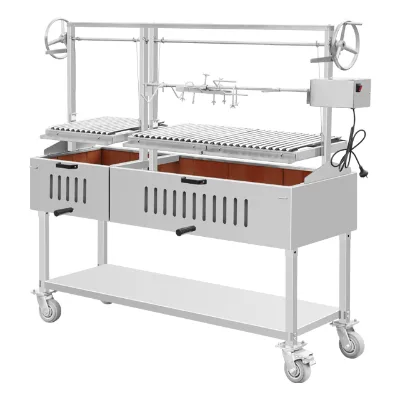
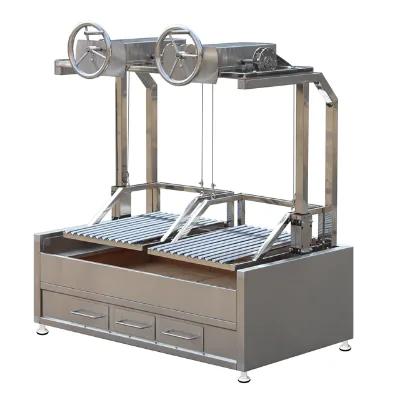
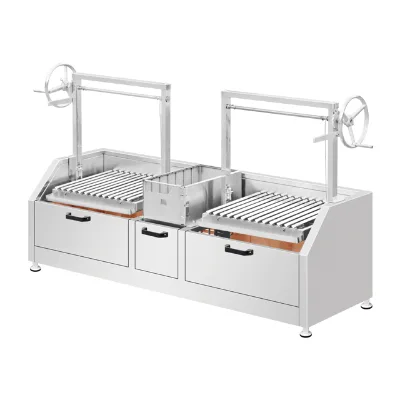
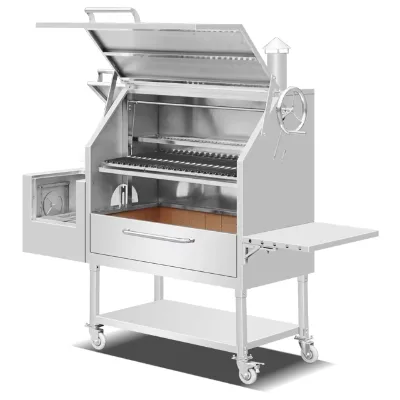
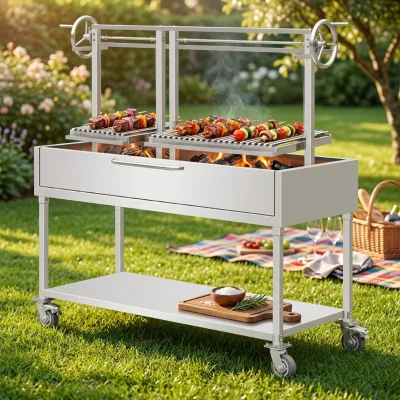
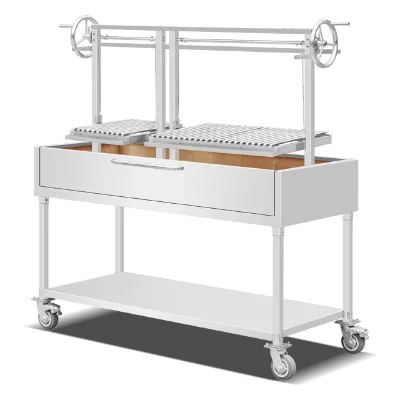
Argentina Portable Smokeless Charcoal BBQ Grill Easy-to-Carry Outdoor Grill
$940.00 - $980.00
MOQ: 5 sets
Guangzhou Chashimi Kitchen Equipment Co., Ltd.
- Verified by TüVRheinland
- Trading Company
- Lead time7 days
- Avg. response≤ 4h
Main productsCommercial Coffee Machine, Commercial Refrigeration Machine, Commercial Kitchen Machine, Food Processing Machine, Wine And Beverage Machines
Main marketsSoutheast Asia(19%), North America(18%), Western Europe(15%)
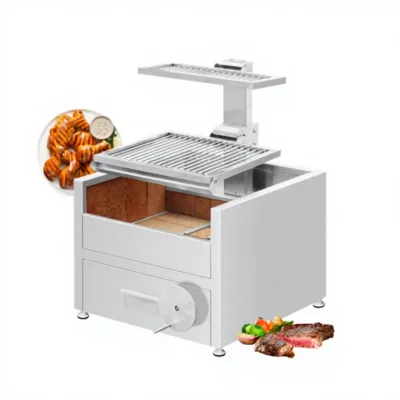
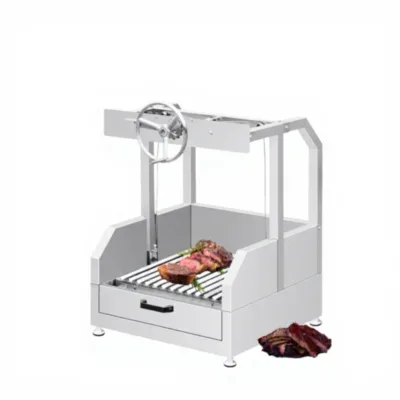
$531.4814 - $673.0739
MOQ: 1 pieces
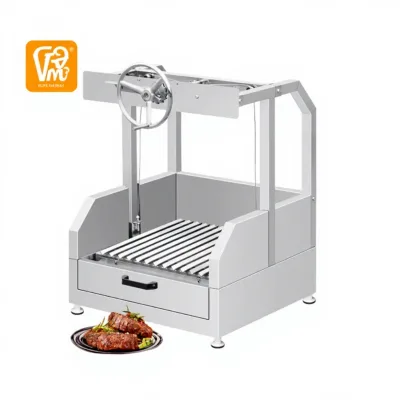
$531.8469 - $654.0268
MOQ: 1 pieces
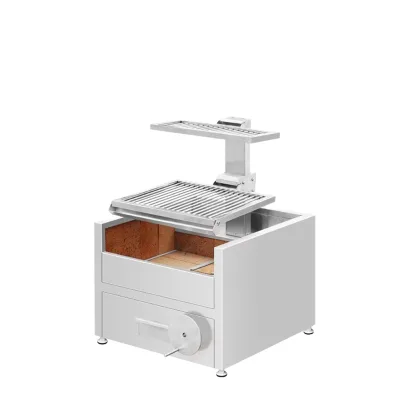

Suzhou Tuoshenghe Mechanical and Electrical Technology Co., Ltd.
- Verified by SGS
- Combined
- China Jiangsu
- Lead time15 days
- Avg. response≤ 2h
Main productsCamping Tent, Camping Stove, Alcohol Stove, Camping Table
Main marketsDomestic

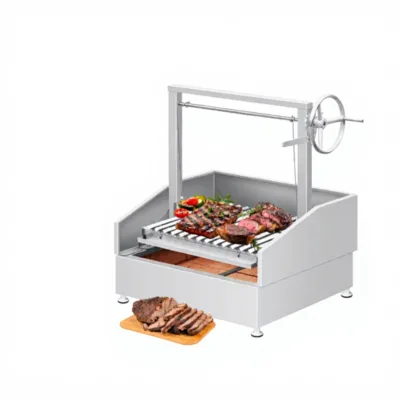
Santa Maria Grill Argentine Charcoal BBQ Grill for Outdoor Garden Patio
$39.00 - $45.00
MOQ: 50 Pieces


Taizhou Danda Technology Co., Ltd.
- Trading Company
- Zhejiang, China
- Lead time35 days
- Avg. response≤ 1h
Main productsOutdoor Furniture,Gazebo,Pergola,Hammock,Fire Pit
Main marketsNorthern Europe(30.00%), North America(30.00%), Western Europe(15.00%), Southern Europe(10.00%), Eastern Asia(5.00%), Eastern Europe(5.00%), Central America(5.00%)
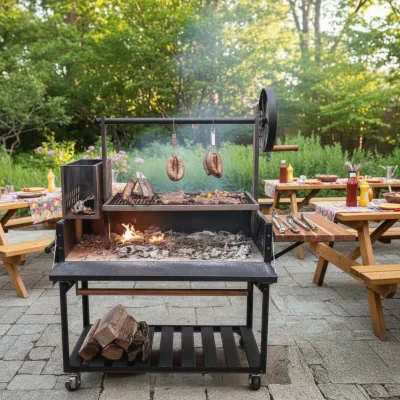
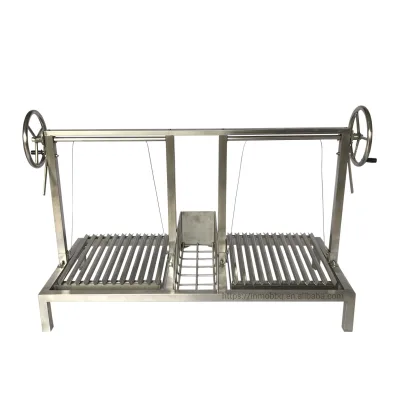
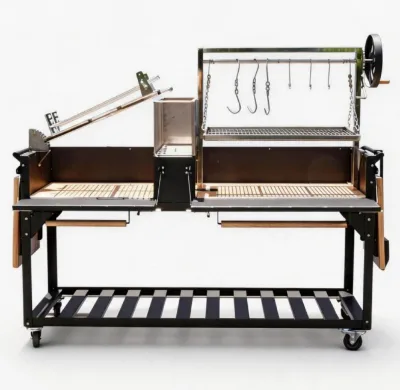
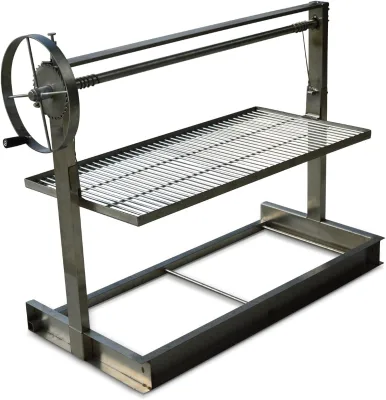
50'' Argentine Grill Santa Maria Grill for Backyard FDA Approval
$465.00 - $690.00
Changzhou Enzi Trade Co., Ltd.
- Trading Company
- Jiangsu, China
- Lead time20 days
- Avg. response≤ 13h
Main productsPatio heater,Outdoor heater,Gas heater,outdoor gas stove,outdoor fire pot
Main marketsSoutheast Asia(30.00%), Mid East(25.00%), North America(10.00%), Central America(10.00%), South Asia(5.00%), Northern Europe(5.00%), Eastern Europe(5.00%), Eastern Asia(5.00%), South America(5.00%)
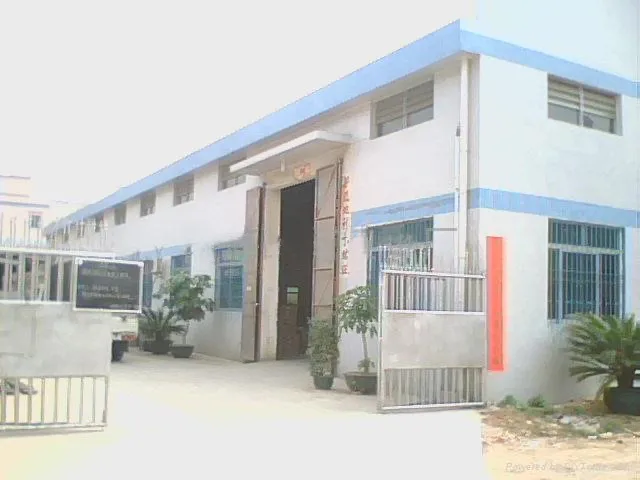
- Manufacturer
- Guangdong, China
- Lead time30 days
- Avg. response≤ 3h
Main productsBBQ Grills,BBQ accessories,BBQ tools,Pizza tools,fireplace sets & accessories
Main marketsWestern Europe(40.00%), Northern Europe(30.00%), North America(20.00%), South America(10.00%)
Guangzhou Itop Kitchen Equipment Co., Ltd.
- Verified by SGS Group
- Trading Company
- Lead time25 days
- Avg. response≤ 4h
Main productsCoffee Machine, Commercial Kitchen Equipment, Bakery Equipment, Refrigeration Equipment, Stainless Steel Goods
Main marketsWestern Europe(30%), North America(25%), Africa(10%)
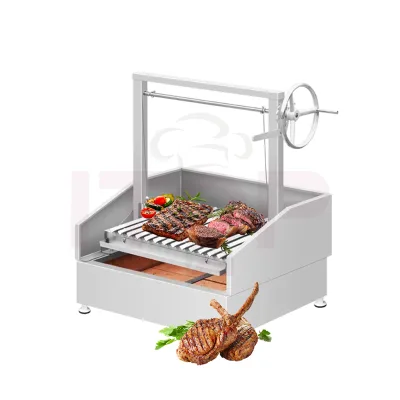
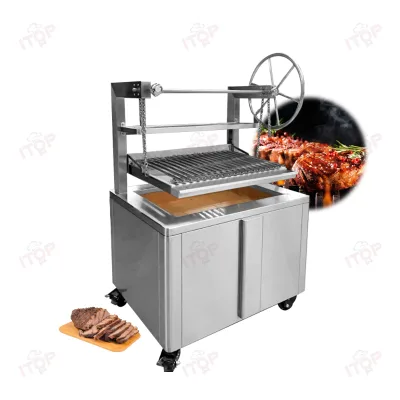
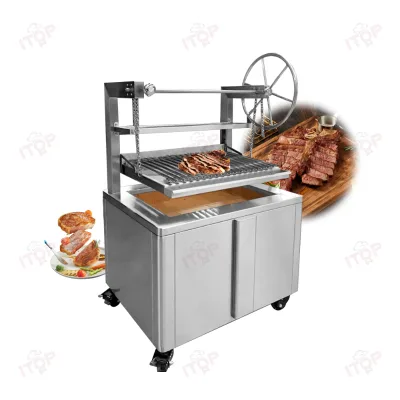
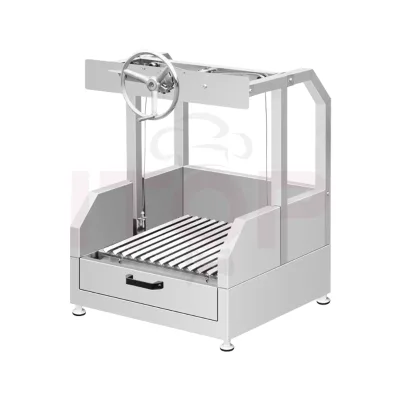
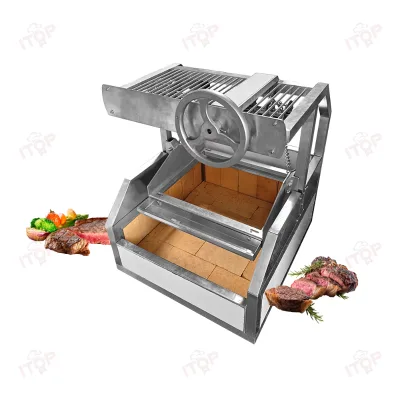
Santamaria Grill Argentine Gaucho Parrilla for Hotel & Restaurant Supplies
$1567.7679 - $2127.4641
MOQ: 1 pieces

Guangzhou Nantian Sources Co., Ltd.
- Manufacturer/Factory
- China Guangdong
- Lead time15 days
- Avg. response≤ 6h
Main productsKitchen Equipment, Kitchenware, Food Machine, Kitchen Appliance, Glassware, Food Machinery, Bakery Equipment, Dinnerware, Kitchen Utensils, Food Processor
Main marketsSouth America,Mid East,Southeast Asia,Eastern Asia,Oceania,Africa

Qingdao Vold Machinery Manufacturer Co., Ltd.
- Combined
- China Shandong
- Lead time30 days
- Avg. response≤ 4h
Main productsPedal Go Kart, Kids Balance Bike, Kids Tricycle, Kids Mini Digger, Fire Ring, BBQ
Main marketsEurope,North America

Guangzhou Rebenet Catering Equipment Manufacturing Co., Ltd.
- Manufacturer, Trading Company
- Guangdong, China
- Lead time35 days
- Avg. response≤ 4h
Main productsKitchen Equipment, Gas Fryer, Oven, Radiant Broiler, Griddle
Main marketsNorth America(30.00%), Western Europe(25.00%), Eastern Asia(15.00%), Africa(15.00%), South America(12.00%), Mid East(3.00%)

Qingyuan Xingxiang Hardware Products Co., Ltd
- Verified by SGS
- Combined
- China Guangdong
- Lead time30 days
- Avg. response≤ 5h
Main productsShower Caddy Shelves, Hanging Hook, Coffee Pod Holder, Tissue Paper Towel Holder, Wire Storage Basket, Mutifunction Storage Rack, Cup Holder, Dish Drying Rack, Office Accessories, Watering Can
Main marketsEurope,North America

Stainless Steel Foldable Gas Portable Charcoal Argentine BBQ Barbecue Outdoor Grill
$6.40 - $7.91
MOQ: 200 Pieces

Parilla Argentinian Commercial Kitchen Stainless Steel Charcoal Camping BBQ Grills
$5.80 - $7.05
MOQ: 200 Pieces
GUANGZHOU LIANGSHENG CO., LTD.
- Verified by SGS Group
- Trading Company
- Lead time35 days
- Avg. response≤ 5h
Main productsKitchen Equipment, Gas fryer, Oven, Radiant Broiler, Griddle
Main marketsNorth America(30%), South America(12%), Africa(12%)
Jiangmen Eureka Decoration Material Company Ltd.
- Manufacturer, Trading Company
- Lead time旺季: "1 - 1":30,"> 1":"To be negotiated", 淡季: "1 - 1":30,"> 1":"To be negotiated"
- Avg. response≤ 3h
Main productsStainless Steel Kitchen, BBQ Grill, Pizza Oven, Kitchen Cabinet & Accessories, Garden Supplies

Guangzhou Rebenet Catering Equipment Manufacturing Co., Ltd.
- Combined
- China Guangdong
- Lead time30 days
- Avg. response≤ 4h
Main productsGas Fryer, Gas Range, Gas Griddle, Gas Charbroiler, Convection Oven, Salamander, Panini Grill, Fryers, Pie Warmer, Pizza Oven
Main marketsDomestic,Europe,North America

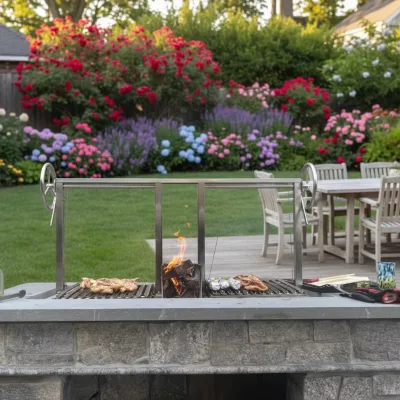
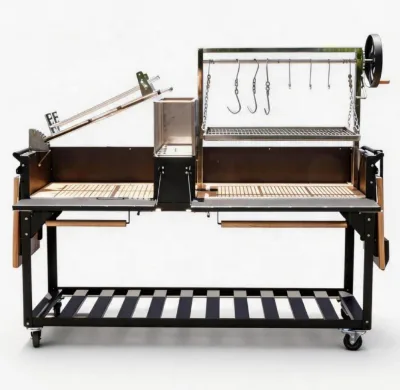
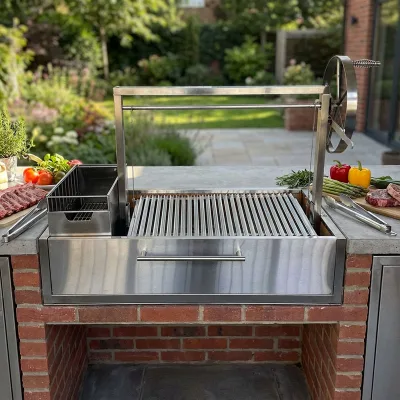
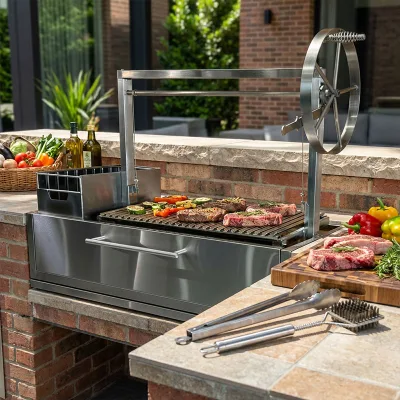
Professional Commercial Classic Argentine Height-Adjustable Santa Maria Charcoal Grill (CG-3M)
$1444.00 - $1535.00
MOQ: 5 Pieces

Height Adjustable Santa Maria Grill Charcoal Oven Classic Argentina BBQ Grill for Sale (CG-3M)
$1444.00 - $1535.00
MOQ: 5 Pieces

Classic Argentina Style Height Adjustable Charcoal BBQ Oven Commercial Grill Available (CG-3M)
$1444.00 - $1535.00
MOQ: 5 Pieces


Zhenjiang Trumy Industrial Co., Ltd.
- Trading Company,Manufacturer/Factory
- China Jiangsu
- Lead time30 days
- Avg. response≤ 23h
Main productsFurniture Hardware, Door Hardware, Fastener, Building Material, Bathroom Accessory, Kitchen Accessory, BBQ Grills&Outdoor Cooking, Fire Pit&Fire Place, Outdoor Furniture, Toilet Partitions Accessories
Main marketsSouth America,Eastern Europe,Mid East,North America,Southeast Asia,Eastern Asia,Oceania,Western Europe,Africa
FOSHAN NANHAI KEYO BBQ INDUSTRY CO.,LTD
- Verified by SGS Group
- Manufacturer, Trading Company
- Guangdong, China
- Lead time5 days
- Avg. response≤ 7h
Main productsBBQ Grills/Fire Pit/Pizza Oven/BBQ Accessories/BBQ Tools
Main marketsNorthern Europe(17%), Southern Europe(17%), North America(9%)

Anping Ying Hang Yuan Metal Wire Mesh Co., Ltd.
- Verified by SGS
- Combined
- China Hebei
- Lead time15 days
- Avg. response≤ 4h
Main productsScreen Mesh, Wire Mesh, Welded Wire Mesh, Wire Mesh Fence, Fiberglass Mesh, Chain Link Fence, Razor Wire Fence, Steel Mesh, Crimped Wire Mesh, Galvanized Wire Mesh
Main marketsSouth America,Southeast Asia/ Mideast,North America
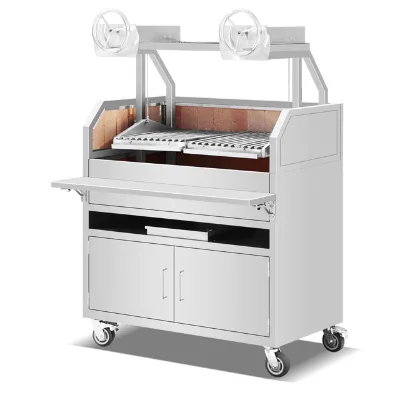
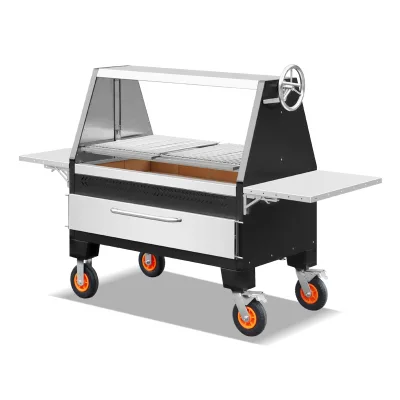
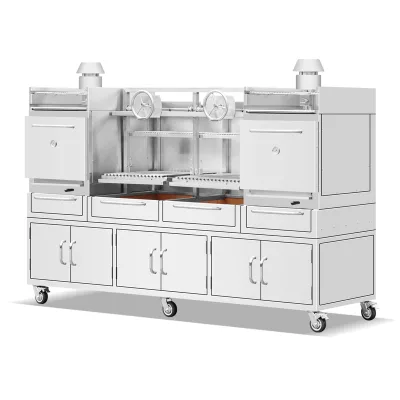
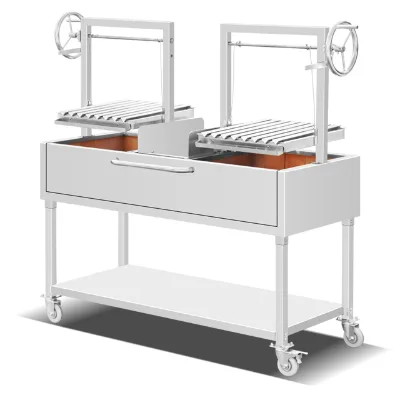
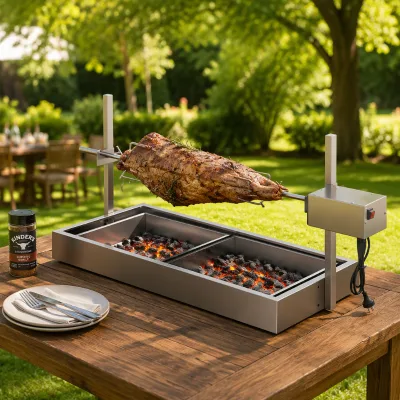
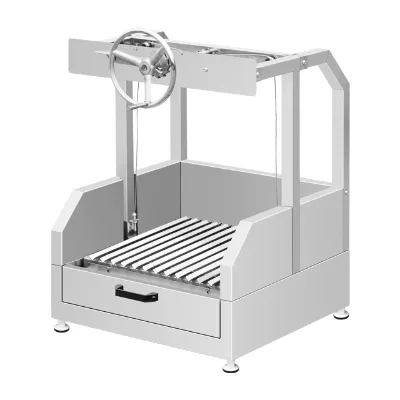
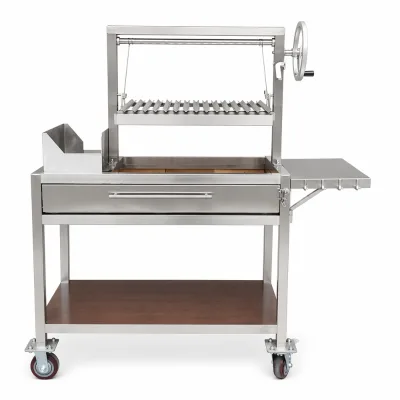
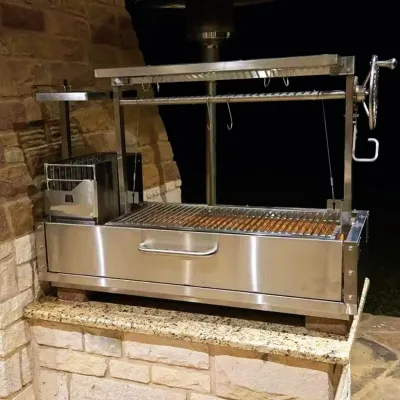
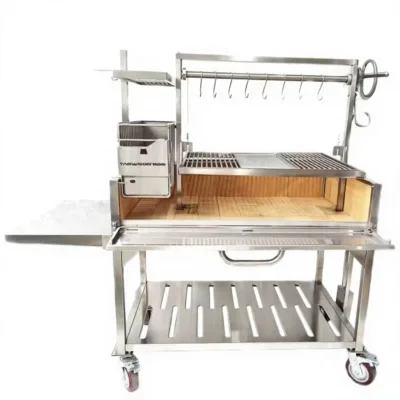
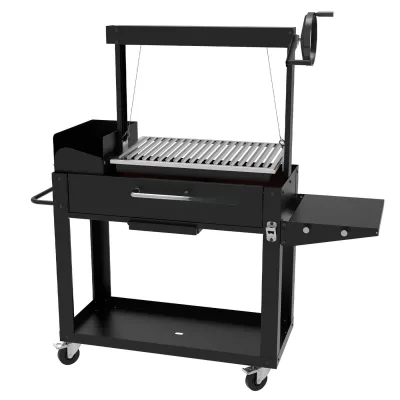
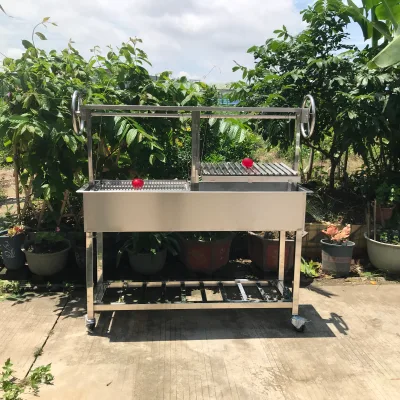
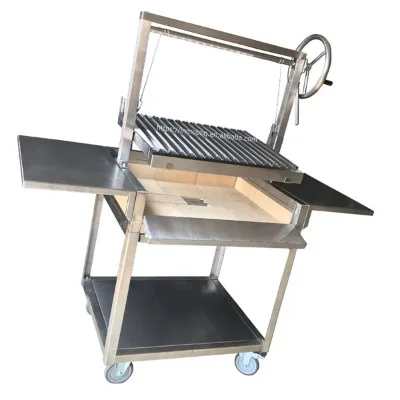
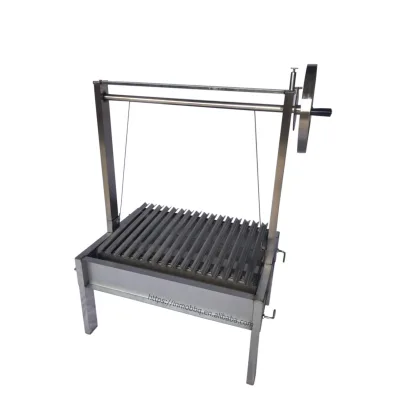
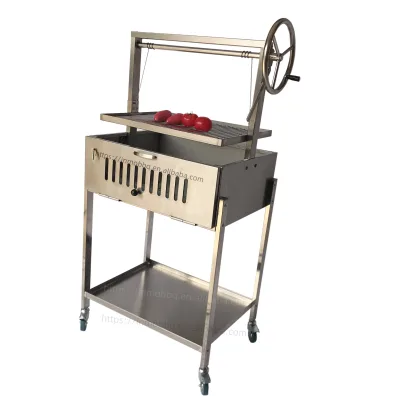
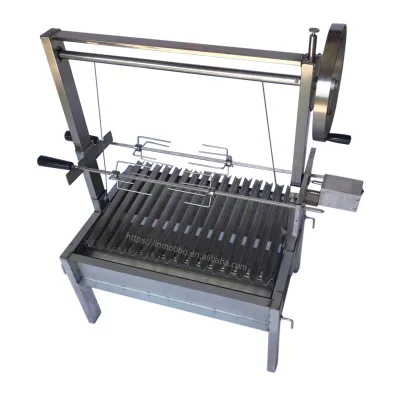


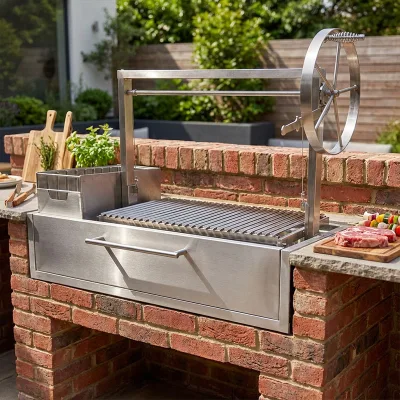
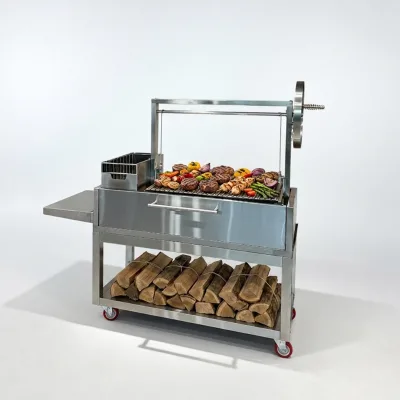


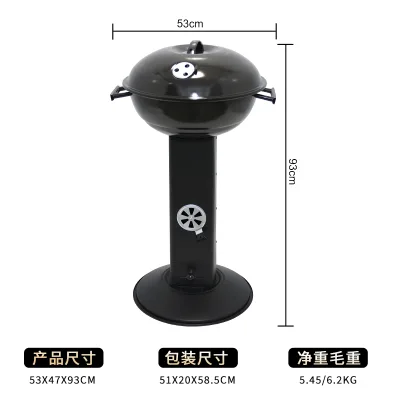
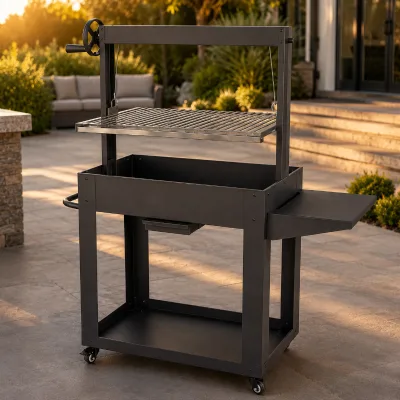


Comprehensive Sourcing Guide
Portable Argentinian Santa Maria Grill Supplier Concentration and Factory Types
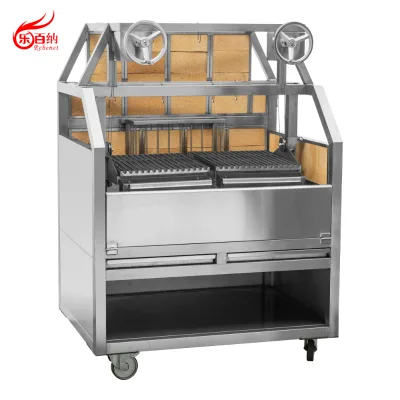
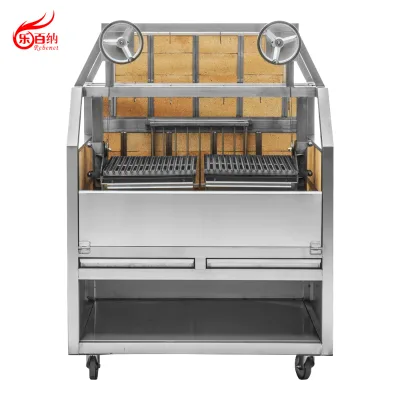
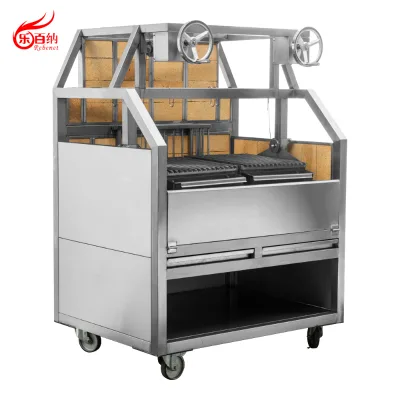
The current supplier landscape for portable Argentinian Santa Maria grills reveals a distinct geographic concentration within China, specifically highlighting manufacturing hubs in Guangdong and Jiangsu provinces. These regions are critical for sourcing because they host the majority of verified manufacturers capable of producing the complex stainless steel structures required for these specialized grills. Factories in Guangdong often emphasize their capability for OEM and ODM services, indicating a mature supply chain that supports custom branding and design modifications for international buyers. This concentration allows for efficient clustering of raw materials, particularly stainless steel, which is a primary component in the carcase and cooking grids of these units. Buyers should recognize that this geographic clustering is not random but reflects established industrial zones where metalworking expertise and export logistics are optimized. The presence of manufacturers in these specific provinces suggests that buyers can expect a higher density of suppliers offering similar product specifications, such as the use of 304 stainless steel for cooking grids and heavy-duty frames. Understanding this concentration helps in narrowing down the search to regions with proven track records in outdoor kitchen equipment production. It also implies that logistics networks in these areas are likely well-developed for handling large, bulky items like Santa Maria grills, which require robust packaging to prevent damage during transit. The focus on these two provinces provides a clear starting point for identifying potential partners who understand the technical nuances of Argentine-style grilling equipment.
In terms of company types, the available data indicates a strong prevalence of direct manufacturers rather than trading companies. These entities typically list main products that include a range of outdoor cooking solutions, such as pizza ovens, BBQ grills, and outdoor kitchen components, suggesting a broad capability in metal fabrication. The ability to offer both OEM and ODM services is a key differentiator, allowing buyers to customize features like the rotisserie motor, handle design, or overall dimensions. Manufacturers often highlight their own brand capabilities alongside contract manufacturing, which can be beneficial for buyers seeking exclusive designs or private label opportunities. The product evidence shows a variety of models, from portable charcoal grills to larger stationary units, indicating that these factories have versatile production lines. This versatility is crucial for buyers who may want to expand their product range beyond just the Santa Maria style. The manufacturers listed also demonstrate an understanding of specific product attributes, such as the inclusion of flame safety devices and easily cleaned surfaces, which are important for consumer satisfaction. By focusing on manufacturers in these identified regions, buyers can engage directly with the production source, potentially reducing lead times and improving communication regarding technical specifications. This direct access to the factory floor ensures that quality control measures can be implemented more effectively throughout the production process.
How to Verify Portable Argentinian Santa Maria Grill Suppliers
Verifying the authenticity and capability of suppliers requires a close examination of their response times and communication efficiency. The data shows response times varying significantly, with some suppliers responding within 2.70 hours while others take up to 6 hours. This metric is a critical indicator of operational readiness and customer service quality. A faster response time often correlates with a more organized sales team that can quickly address technical queries regarding grill dimensions, fuel types, or customization options. Buyers should prioritize suppliers who demonstrate prompt communication, as this suggests a higher level of professionalism and reliability. Additionally, the absence of displayed system certifications in the current results means that buyers must take extra steps to verify quality standards. It is essential to request specific documentation, such as material test reports for the stainless steel used in the cooking grids and carcase. Buyers should ask for proof that the steel meets the 304 standard, which is crucial for durability and resistance to corrosion in outdoor environments. Without visible certification badges, the burden of verification shifts entirely to the buyer to ensure that the materials claimed are actually used in production. This process may involve asking for third-party lab results or visiting the factory if possible.
Another vital aspect of verification is assessing the supplier's production capacity and customization capabilities. The results indicate that many suppliers offer OEM and ODM services, which implies they have the engineering resources to modify existing designs or create new ones. Buyers should inquire about the specific customization options available, such as the ability to adjust the height of the grill, change the color of the carcase, or modify the rotisserie mechanism. It is also important to verify the minimum order quantities, which range from 1 piece to 10 pieces in the current data. A low MOQ can be beneficial for testing the market or for smaller orders, but it may come with higher per-unit costs. Buyers should also check the packing methods, as some suppliers use wooden packing while others use carton. The choice of packing can impact the protection of the grill during shipping and the overall cost. Furthermore, buyers should ask for detailed product specifications, including the single gross weight and volume, to calculate shipping costs accurately. By thoroughly investigating these operational details, buyers can build a more accurate picture of the supplier's reliability and capability. This due diligence helps mitigate the risk of receiving substandard products or encountering delays in production.
What to Compare Across Portable Argentinian Santa Maria Grill Suppliers
When evaluating multiple suppliers, it is crucial to compare key operational metrics such as lead times, minimum order quantities, and pricing structures. The current data shows lead times ranging from 30 days to 50 days, which is a significant variance that can impact inventory planning and market launch schedules. Buyers should prioritize suppliers with shorter lead times if speed to market is a priority, but they must also ensure that these faster times do not compromise quality. Similarly, the minimum order quantities vary, with some suppliers requiring as few as 1 piece while others require 10 pieces. This difference can influence the initial investment required and the flexibility of the order. Pricing is another critical factor, with price ranges varying from approximately $689 to $999 per unit. Buyers should analyze these prices in the context of the product specifications, such as the thickness of the stainless steel and the inclusion of accessories like motorized rotisseries. A lower price might indicate thinner materials or fewer features, so it is essential to compare the technical specifications alongside the cost. By creating a comparison matrix of these metrics, buyers can objectively assess which suppliers offer the best value for their specific needs.
In addition to operational metrics, buyers should compare the specific product features and customization options offered by each supplier. The product evidence highlights various attributes, such as the use of 304 stainless steel for cooking grids, the inclusion of flame safety devices, and the availability of motorized rotisserie spits. Buyers should verify which suppliers offer these specific features and whether they can be customized to meet particular requirements. For instance, some suppliers may offer adjustable height mechanisms, while others may focus on portable designs with trolley styles. The fuel type is another important consideration, with some grills designed for charcoal and wood, while others may have specific fuel requirements. Buyers should also compare the finishing options, such as whether the grill is coated or not coated, and the color options available. Additionally, the application of the grill, whether for backyard, patio, or commercial use, should be considered. By comparing these detailed product attributes, buyers can ensure that the selected supplier offers a product that aligns with their target market's expectations. This thorough comparison helps in making an informed decision that balances cost, quality, and functionality.
Common Portable Argentinian Santa Maria Grill Sourcing Risks
One of the primary risks in sourcing portable Argentinian Santa Maria grills is the potential discrepancy between claimed materials and actual product quality. The current data mentions the use of 304 stainless steel for cooking grids, but without visible certifications, there is a risk that suppliers may use lower-grade materials such as 201 stainless steel, which is less durable and more prone to rust. This risk is exacerbated by the absence of displayed system certifications, which means buyers must rely on self-reported data. To mitigate this risk, buyers should request material test reports and consider third-party inspections before shipment. Another significant risk is the variability in lead times, which can range from 30 to 50 days. Delays in production can disrupt supply chains and lead to missed market opportunities. Buyers should establish clear communication channels and set realistic expectations regarding production schedules. Additionally, the risk of damage during shipping is high due to the large size and weight of these grills. Suppliers use different packing methods, such as wooden crates or cartons, and the quality of this packing can vary. Buyers should ensure that the packing is robust enough to protect the grill during transit and consider adding insurance for high-value shipments.
Another common risk is the lack of standardization in product specifications across different suppliers. The product evidence shows a variety of models, from portable charcoal grills to larger stationary units, with different features and dimensions. This lack of standardization can make it difficult for buyers to compare products accurately and may lead to confusion in ordering. Buyers should carefully review the product specifications and ensure that they understand the exact dimensions, weight, and features of the grill they are ordering. Additionally, the risk of intellectual property infringement exists if buyers work with suppliers who offer OEM services without proper legal agreements. Buyers should ensure that their designs and branding are protected through contracts and non-disclosure agreements. Furthermore, the risk of poor customer service is heightened by the varying response times observed in the data. Suppliers with slower response times may be less responsive to issues after the sale, such as warranty claims or technical support. Buyers should prioritize suppliers with proven track records of good customer service and clear communication. By identifying and addressing these risks early in the sourcing process, buyers can minimize potential disruptions and ensure a smoother procurement experience.
Portable Argentinian Santa Maria Grill Regional Sourcing and Logistics
Sourcing from specific regions in China, such as Guangdong and Jiangsu, offers distinct logistical advantages and challenges. These provinces are well-established manufacturing hubs with access to major ports, which facilitates the export of large, bulky items like Santa Maria grills. The proximity to ports can reduce inland transportation costs and lead times, making it easier to ship goods to international destinations. However, buyers must also consider the specific logistics requirements of these products, which often require special handling due to their size and weight. The single gross weight and volume data provided by suppliers are crucial for calculating shipping costs and determining the appropriate container size. Buyers should work closely with their freight forwarders to ensure that the grills are packed securely to prevent damage during transit. The use of wooden packing by some suppliers can provide additional protection but may also incur extra costs due to fumigation requirements. Buyers should verify the packing standards and ensure that they meet the import regulations of their target markets. Additionally, the geographic concentration of suppliers in these regions allows for easier consolidation of orders from multiple suppliers, which can reduce shipping costs and simplify logistics management.
Logistics planning also involves considering the lead times and production schedules of suppliers in these regions. The data shows lead times ranging from 30 to 50 days, which buyers must factor into their inventory planning. Delays in production can be caused by various factors, including raw material shortages, labor issues, or unexpected demand spikes. Buyers should maintain open communication with their suppliers to stay informed about production progress and potential delays. Furthermore, the choice of shipping method, whether by sea or air, will impact the overall cost and delivery time. Sea freight is generally more cost-effective for large, heavy items but takes longer, while air freight is faster but more expensive. Buyers should evaluate the trade-offs between cost and speed based on their specific needs. Additionally, buyers should be aware of any import duties and taxes that may apply to these products in their target markets. Understanding the total landed cost, including shipping, insurance, and duties, is essential for accurate pricing and profitability analysis. By carefully planning
FAQs
What is the price range for portable Santa Maria grills?
Prices typically range from $689 to $999 per unit. The final cost depends on the specific model, material grade, and customization options selected by the buyer. Buyers should verify the exact quote based on their order quantity and required specifications.
What is the minimum order quantity for these grills?
The minimum order quantity varies by supplier, ranging from 1 piece to 10 pieces. Some manufacturers allow single-piece purchases for testing, while others require a batch of ten. Buyers must check the specific listing to confirm the applicable MOQ.
How long does production take for these grills?
Lead times generally range from 30 to 50 days depending on the manufacturer and order volume. Suppliers in Guangdong often report 30-day production, while those in Jiangsu may require up to 50 days. Buyers should confirm the schedule with the supplier.
Are these grills made of stainless steel?
Yes, most portable Santa Maria grills are constructed from stainless steel, often using 304 grade for cooking grids. The carcase material is also typically stainless steel to ensure durability and resistance to rust. Buyers should verify the specific steel grade in the product details.
Can I customize these grills with my brand?
Customization is available through OEM and ODM services offered by many manufacturers. Buyers can request specific designs, colors, or branding on the grill. It is essential to discuss customization requirements and additional costs directly with the supplier before placing an order.
Where are these grills manufactured?
These grills are primarily manufactured in China, specifically in the Guangdong and Jiangsu provinces. Guangdong suppliers often offer faster lead times, while Jiangsu suppliers provide alternative options. Buyers should verify the exact place of origin for each specific product listing.