Source Farmhouse Floor Planting Chart for Home Garden Hotel
Compare 22 Farmhouse Floor Planting Chart options including plastic, wooden, and PVC troughs. Buyers can evaluate sizes, drainage features, and customization scopes for home, garden, and hotel applications. These products offer various styles like pastoral and rustic with different production methods such as blow molding or mechanical processes.
Updated
Key considerations
Products List

Multi Purpose Plastic Flower Planters Root Control Fine Bottom Mesh Multi Color
$1.23 - $1.46
MOQ: 1000 Pieces


Durable Functional Plastic Planters Root Control Dense Mesh Bottom Multi Color
$1.23 - $1.46
MOQ: 1000 Pieces



Square Metal Custom Dimensions Rusty Decoration Plantador Nursery Planter
$71.60 - $81.60
MOQ: 60 Pieces



Comprehensive Sourcing Guide
Farmhouse Floor Planting Chart Sourcing Guide
Sourcing farmhouse-style floor planters requires balancing aesthetic authenticity with functional durability, particularly for high-traffic commercial environments like hotels and lobbies. Buyers must distinguish between genuine rustic materials and synthetic alternatives that mimic the look without the weight or maintenance requirements. The observed market includes plastic options with glazed finishes and wooden units made from fir, each offering distinct advantages for indoor and outdoor deployment. Understanding these material differences is critical for selecting the right product for specific application scenes, whether it is a home garden or a large-scale hotel atrium.
Procurement teams should also evaluate the production methods and finishing techniques that define the farmhouse aesthetic. Mechanical production and blow molding processes often yield consistent shapes, such as round or circular designs, which are prevalent in the current listing data. However, the finish quality, whether glazed, coated, or left uncoated, significantly impacts the product’s longevity and visual appeal. Buyers need to verify if the "pastoral" or "vintage" style claims are supported by tangible features like drainage holes, stackability, or detachable trays, ensuring the product meets both decorative and practical horticultural needs.
Product Scope and Observed Listing Signals
The current market landscape for farmhouse floor planters reveals a diverse range of product types, from PVC planting troughs to wooden round garden planters. Observed listings indicate a strong presence of plastic planters with glazed finishes, available in white, grey, or customized colors, alongside fir wood options that offer a more traditional rustic appeal. These products are designed for various application scenes, including home gardening, flower nurseries, and commercial spaces like hotels and balconies. The variety in styles, such as pastoral, Chinese style, and vintage, suggests that buyers can find solutions that align with specific interior design themes while maintaining functional integrity.
Key product attributes observed include features like eco-friendliness, durability, and lightweight construction, which are essential for floor-type planters that need to be moved or rearranged. Many units come with drainage holes, stackable designs, and optional covers or trays, enhancing their utility for soilless cultivation or water-saving irrigation systems. The presence of customization options for logos, tarpaulin colors, and packaging indicates that suppliers are catering to branded retail or corporate gifting markets. Buyers should pay close attention to these specific features to ensure the selected planters meet both aesthetic preferences and operational requirements for their intended use cases.
Technical Specifications to Verify
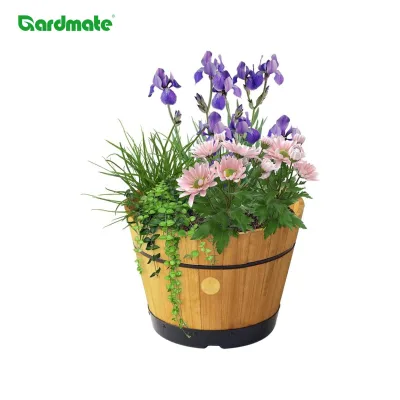
When evaluating technical specifications, buyers must scrutinize dimensions and material compositions to ensure compatibility with their space and planting needs. Observed models range from small seed starter trays to large jumbo planters, with specific dimensions such as 382632cm for plastic units and Dia. 46xH34cm for wooden planters. It is crucial to verify the actual material grade, whether it is high-density polyethylene for plastic options or treated fir wood for wooden variants, to assess resistance to weathering and wear. The production technology, such as blow molding for plastic or mechanical assembly for wood, also influences the structural integrity and lifespan of the planter.
Additionally, buyers should confirm the presence and quality of functional features like drainage systems, ventilation, and tray compatibility. Good drainage is a critical specification for preventing root rot, especially in floor-type planters used for flowers and plants. The availability of customized sizes and standards, such as 9.87.910in or 12.81012.6in, offers flexibility for specific design constraints. However, buyers must verify if these dimensions are standard or require custom tooling, which can impact lead times and costs. Ensuring that the planter’s weight and single gross weight are accurately declared is also important for logistics planning and floor load considerations.
Compliance and Safety Documentation
Compliance and safety documentation are paramount when sourcing planters for commercial or public spaces, particularly those involving children or high foot traffic. Buyers should request material safety data sheets (MSDS) to verify that plastics used are free from harmful chemicals like BPA or phthalates, ensuring they are safe for indoor environments. For wooden planters, it is essential to confirm that the wood is treated with non-toxic finishes or left uncoated if a natural look is desired, avoiding the use of hazardous preservatives. Certifications related to fire resistance and structural stability may also be required, depending on local building codes and insurance requirements.
Furthermore, buyers must ensure that the products meet relevant environmental standards, especially if they are marketed as eco-friendly. This includes verifying the recyclability of plastic components and the sustainability of wood sourcing, such as FSC certification for fir wood. Documentation should also cover the manufacturing process, ensuring that blow molding or mechanical assembly does not involve excessive energy consumption or waste. By requesting comprehensive compliance documentation, buyers can mitigate risks associated with product liability and ensure that their procurement aligns with corporate sustainability goals and regulatory obligations.
Cost Drivers and Commercial Terms
Cost drivers for farmhouse floor planters include material selection, production complexity, and customization requirements. Plastic planters produced via blow molding may offer lower unit costs due to economies of scale, but customization of colors and logos can increase expenses. Wooden planters, while potentially more expensive due to material and labor costs, offer a premium aesthetic that may justify a higher price point. Buyers should also consider the impact of packaging, such as pallet or carton packing, on shipping costs, as larger dimensions like jumbo sizes can significantly affect freight charges.
Commercial terms such as MOQ, lead times, and payment conditions vary widely among suppliers. Observed MOQs range from 1 to 2300 units, allowing for flexibility in order sizes. Buyers should negotiate clear terms regarding customization lead times, as custom logos or packaging may extend production schedules. It is also important to clarify who bears the cost of samples and tooling for custom designs. Understanding these commercial dynamics helps buyers budget accurately and avoid unexpected costs, ensuring a smooth procurement process from order placement to delivery.
Supplier Qualification and Quality Control
Supplier qualification is a critical step in ensuring the reliability and consistency of farmhouse floor planters. Buyers should verify suppliers’ manufacturing capabilities, including their experience with blow molding for plastic or woodworking for wooden units. Quality control processes should be clearly defined, with inspections covering dimensions, finish quality, and structural integrity. Buyers may request third-party inspection reports or conduct factory audits to assess the supplier’s adherence to quality standards and production practices. This due diligence helps identify suppliers who can consistently deliver products that meet specified requirements.
Additionally, buyers should evaluate the supplier’s ability to handle customization requests, such as logo printing or color matching. Clear communication channels and responsive customer service are essential for managing custom orders and resolving any issues that arise during production. Buyers should also assess the supplier’s track record in exporting to their target markets, ensuring they understand international shipping and compliance requirements. By selecting qualified suppliers with robust quality control systems, buyers can minimize risks and ensure a high level of product satisfaction.
Long-Term Procurement Checks
Long-term procurement checks involve monitoring supplier performance and product quality over time to ensure sustained value. Buyers should establish key performance indicators (KPIs) such as on-time delivery rates, defect rates, and responsiveness to issues. Regular reviews of these metrics help identify potential problems early and allow for corrective actions. Buyers should also stay informed about market trends and technological advancements in planter design and materials, which may offer opportunities for cost savings or improved functionality.
Furthermore, buyers should maintain open communication with suppliers to discuss future needs and potential improvements. This collaborative approach can lead to better product development and more favorable commercial terms. Buyers should also consider the environmental impact of their procurement choices, exploring options for sustainable materials and packaging. By continuously evaluating and optimizing their procurement strategy, buyers can ensure that their farmhouse floor planters meet evolving aesthetic and functional requirements while maintaining cost efficiency and quality standards.
FAQs
Can farmhouse floor planting charts be customized for specific garden layouts?
Yes, customization is available for these floor planters. Buyers can support custom logos, tarpaulin colors, and specific packaging requirements. This flexibility allows businesses to tailor the pastoral or Chinese style planters to match their brand identity or specific home gardening application needs effectively.
What materials are used for Farmhouse Floor Planting Chart containers?
These planters are primarily made from durable plastic or fir wood. The plastic options utilize blow molding for lightweight and eco-friendly construction, while the wooden variants offer a rustic, vintage aesthetic. Both materials are selected for their durability and suitability for indoor or outdoor balcony applications.
What are the standard dimensions for these round floor planters?
Standard specifications vary by model. For instance, the plastic model hj-0596 measures 38*26*32cm, while the wooden model G06202 has a diameter of 46cm and a height of 34cm. Other models like hj-1323 offer smaller dimensions around 9.8*7.9*10in. Sizes range from large to jumbo to fit various spaces.
How is drainage handled in these farmhouse floor planting charts?
Drainage is a key feature, with many models including dedicated drainage holes to prevent waterlogging. Some designs also offer good drainage characteristics combined with stackable features or detachable trays. This ensures healthy root systems for flowers and plants while maintaining the aesthetic appeal of the floor type planter.
What packaging options are available for bulk orders of these planters?
Suppliers typically offer pallet packing, carton packing, or customized packaging solutions. For example, wooden planters may be packed as six pieces per carton. These options ensure safe transit for the durable plastic or fir wood items, protecting the glazed or uncoated finishes during international shipping from China.
Are these planters suitable for outdoor hotel or balcony use?
Yes, they are designed for diverse applications including home, garden, outdoor, balcony, and hotel settings. The materials are chosen for durability and weather resistance. Features like being lightweight and eco-friendly make them ideal for high-traffic commercial areas or private residential spaces requiring stylish, functional floor planters.