Source 12V Outdoor Wood Pellet Heater for Patio, Camping, and Events
Compare 30 listings of 12V Outdoor Wood Pellet Heater units featuring freestanding designs and wood pellet fuel. Buyers can review specifications like 12V battery power, 95% efficiency, and various models from Ningbo and Guangdong suppliers; compare the available evidence and request quotations based on your requirements.
Updated
Key considerations
Products List


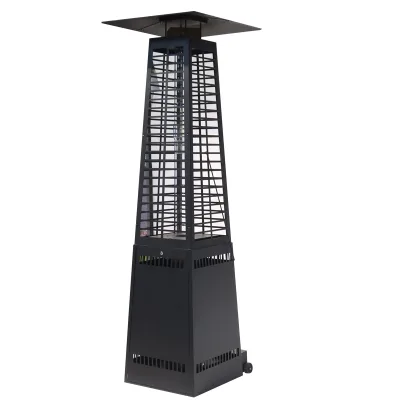


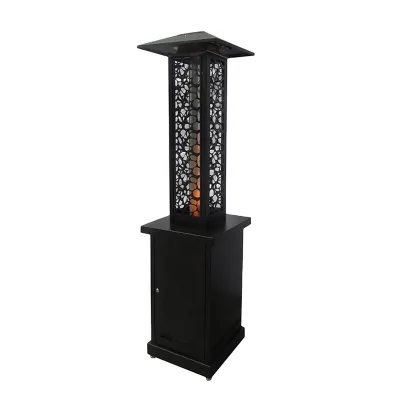
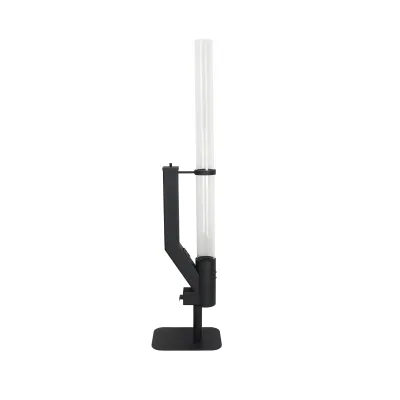
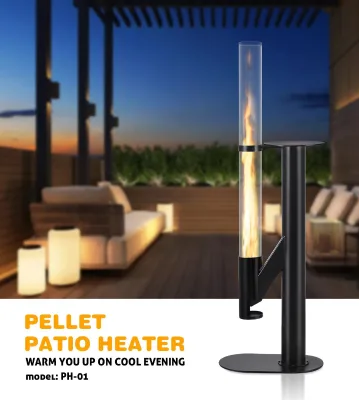
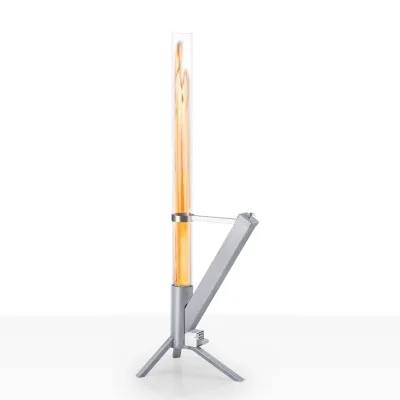
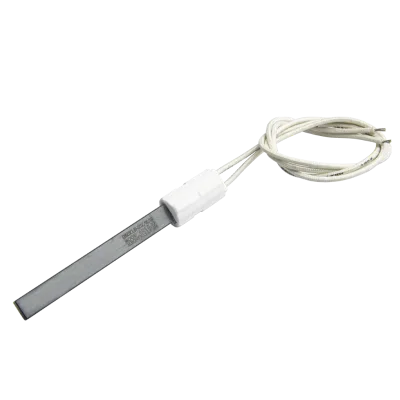
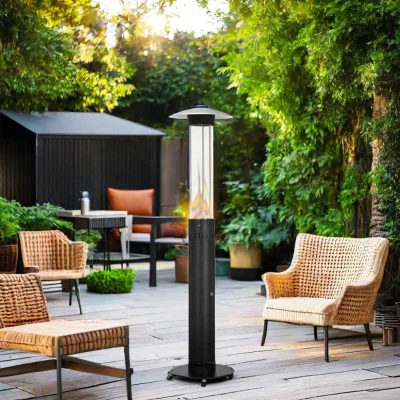
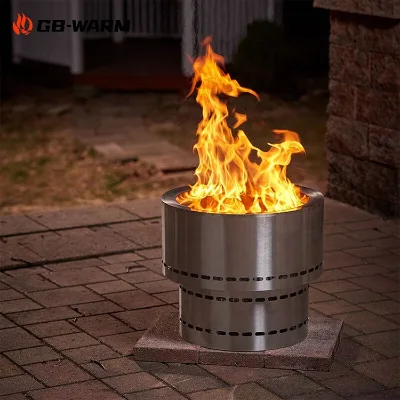
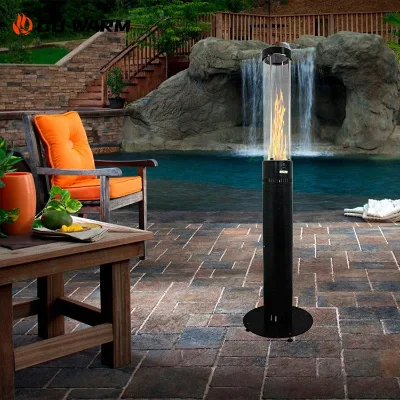
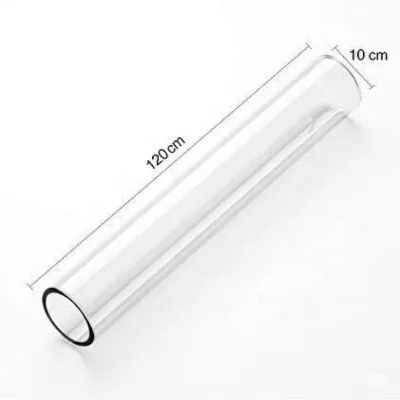
Outdoor Biomass Stove Wood Pellet Patio Heater Pellet Fire Pillar Pellet Firepipe
$173.8285 - $255.629
MOQ: 20 pieces
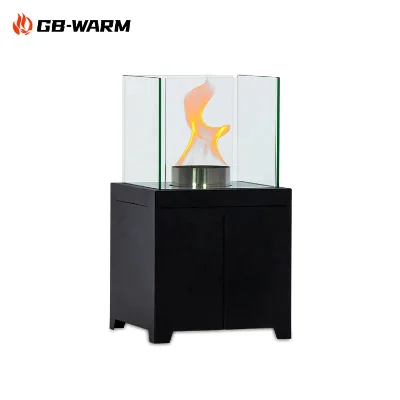
High Quality Wood Pellet Burning Heater Wood Pellet Straw Pellet Heating Stove for Sale
$37.8333 - $51.1264
MOQ: 100 pieces
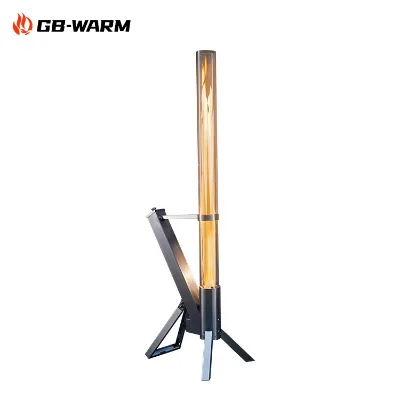
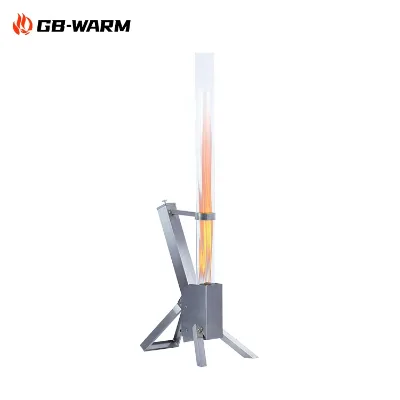
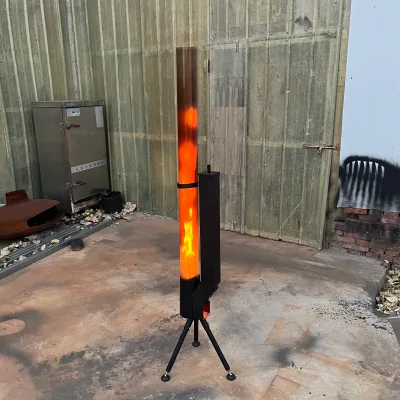
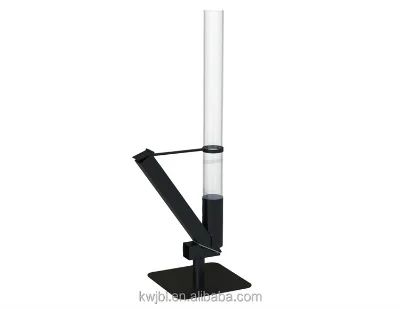
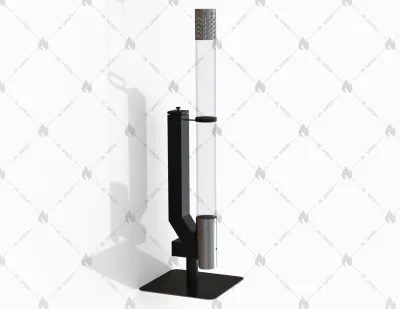

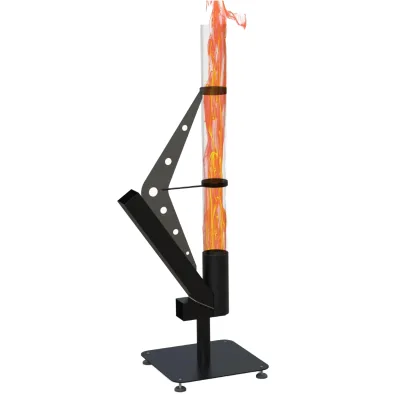


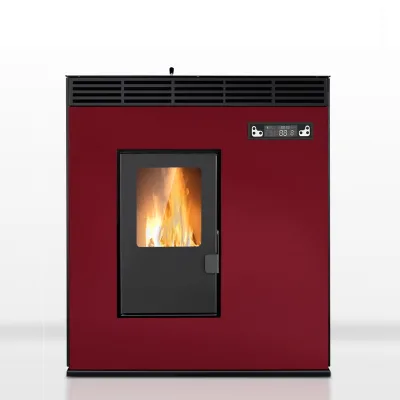
Outdoor Use Portable Energy Saving Wood Pellet Burning Stove Fireplace
$495.00 - $545.00
MOQ: 1 Pieces


Comprehensive Sourcing Guide
12V Outdoor Wood Pellet Heater Sourcing Guide
Procuring 12v outdoor wood pellet heaters requires careful evaluation of power sources, fuel efficiency, and environmental durability. These units combine traditional biomass heating with modern electrical components, offering a versatile solution for various outdoor settings. Buyers must distinguish between models designed for permanent installation and those intended for portable or temporary use. The integration of a 12v battery system, such as the 12V 7AH (20HR) variant observed in listings, suggests a focus on mobility and off-grid capability. This power configuration allows for operation in areas without immediate access to mains electricity, enhancing the utility of the heater for remote locations or temporary events.
The market offers a range of styles, from classic to modern designs, catering to diverse aesthetic preferences. Materials vary significantly, with options including metal, stainless steel, and corten steel, each offering different levels of corrosion resistance and longevity. Buyers should prioritize units that explicitly state their ventilation requirements and installation types, as these factors heavily influence safety and performance. Understanding the specific wattage of components, such as the 3.5 W blower fan, helps in assessing energy consumption and operational noise levels. This technical clarity ensures that the selected heater aligns with both functional needs and environmental constraints.
Product Scope and Observed Listing Signals
The current market landscape for 12v outdoor wood pellet heaters includes a variety of models with distinct operational characteristics. Listings indicate a price range from $10.99 to $47,700, reflecting significant differences in build quality, brand reputation, and included features. Minimum order quantities (MOQ) typically range from 1 to 100 units, providing flexibility for both individual buyers and bulk purchasers. The observed product count of 30 items suggests a niche but active market segment. Buyers should note that while some models are marketed as eco-friendly, the actual environmental impact depends on fuel source sustainability and emission controls, which are not always detailed in standard listings.
Key attributes observed include customization availability, outdoor ambient usage, and freestanding installation types. Many units are designed without remote controls or adjustable thermostats, relying instead on manual operation and basic safety mechanisms. The warming type is consistently identified as wood pellet, with consumption rates around 2KG per hour for specific models. Packing methods vary from single-piece cartons to wooden cases or pallets, impacting shipping costs and handling requirements. Understanding these listing signals helps buyers filter options based on their specific operational needs, such as the necessity for automatic thermostats or remote functionality.
Technical Specifications to Verify
Verifying technical specifications is crucial for ensuring the heater meets performance and safety expectations. Buyers should confirm the exact model numbers, such as PPH200F, PPH100Z, or KY-OPD1, as these identifiers link to specific technical datasheets. Dimensions and weight are critical for logistics and placement; for instance, one observed model measures 7020770cm with a net weight of 70kg and gross weight of 79kg. The pellet load capacity, often around 12kg, determines the duration of operation between refills. Additionally, the efficiency rating, observed at 95% for some units, indicates effective heat transfer, reducing fuel waste and operational costs over time.
Electrical and material specifications also require close scrutiny. The 12V 7AH battery provides power for controls and fans, ensuring reliable operation even during power fluctuations. The blower fan wattage, noted at 3.5 W, contributes to overall energy efficiency. Material composition, whether stainless steel, metal, or corten steel, affects durability and maintenance requirements. Corten steel, for example, offers a weather-resistant finish suitable for outdoor exposure. Buyers should verify the presence of overheating protection mechanisms, as some models lack this feature while others include it as a standard safety measure. These details directly impact the lifespan and safety of the unit in various environmental conditions.
Compliance and Safety Documentation
Compliance with safety standards is non-negotiable for outdoor heating equipment. Buyers must ensure that suppliers provide relevant certifications, such as CE marking, which indicates conformity with health, safety, and environmental protection standards for products sold within the European Economic Area. The presence of overheating protection is a critical safety feature, with some models explicitly including this mechanism while others do not. Documentation should clearly state the type of overheating protection, if any, to mitigate risks associated with prolonged operation or malfunction. Buyers should request test reports or compliance certificates from independent laboratories to verify these claims.
Additionally, understanding the operational limits and safety guidelines is essential. The usage classification, whether indoor, outdoor, or both, dictates the appropriate installation and ventilation requirements. Models designed for outdoor use, such as those with corten steel construction, may have different safety considerations compared to indoor units. Buyers should verify that the supplier provides clear instructions on proper ventilation, fuel storage, and maintenance procedures. Ensuring that the product meets local regulatory requirements is also crucial, especially for commercial applications. This due diligence helps prevent legal liabilities and ensures the safe operation of the heater in diverse environments.
Cost Drivers and Commercial Terms
Several factors influence the total cost of ownership for 12v outdoor wood pellet heaters. The initial purchase price varies widely, influenced by brand, material quality, and included features. Shipping costs are significant due to the weight and dimensions of the units, with packing methods like wooden cases or pallets adding to the expense. Buyers should consider the total landed cost, including duties, taxes, and logistics fees, rather than just the unit price. The observed MOQ range of 1-100 units allows for flexible purchasing, but bulk orders may offer better per-unit pricing. Understanding these cost drivers helps in budgeting and comparing suppliers effectively.
Commercial terms, such as lead times and payment conditions, also impact procurement decisions. Suppliers may offer customization options, which can affect production time and cost. Buyers should clarify the lead time for both standard and customized orders to ensure timely delivery. Payment terms, including deposits and balance payments, should be negotiated to minimize financial risk. Additionally, warranty and after-sales support are critical components of the commercial agreement. Buyers should verify the duration and coverage of warranties, as well as the availability of spare parts and technical support. These terms ensure long-term value and reduce the risk of unexpected expenses.
Supplier Qualification and Quality Control
Selecting a reliable supplier is paramount for obtaining high-quality 12v outdoor wood pellet heaters. Buyers should verify the supplier’s manufacturing capabilities, including production capacity and quality control processes. Factories in regions like Ningbo and Guangdong, China, are common sources for these products. Buyers should request evidence of production standards, such as ISO certifications, and inquire about the supplier’s experience in exporting similar products. Visiting the factory or conducting third-party audits can provide valuable insights into the supplier’s operational practices and quality assurance measures. This due diligence helps mitigate the risk of receiving substandard products.
Quality control measures should be clearly defined and enforced throughout the production process. Buyers should specify inspection points, such as raw material verification, in-process checks, and final product testing. The presence of features like overheating protection and efficient blowers should be verified through sample testing. Buyers should also assess the supplier’s ability to handle customization requests, ensuring that modifications do not compromise product integrity. Clear communication of quality expectations and regular updates on production progress are essential for maintaining control over the procurement process. This proactive approach ensures that the final product meets the buyer’s specifications and quality standards.
Long-Term Procurement Checks
Long-term success in sourcing 12v outdoor wood pellet heaters depends on continuous monitoring and evaluation of supplier performance. Buyers should establish key performance indicators (KPIs) to track delivery times, product quality, and customer satisfaction. Regular feedback loops with the supplier can help identify and address issues promptly. Buyers should also stay informed about market trends and technological advancements in the pellet heater industry. This awareness allows for proactive adjustments to procurement strategies and product specifications. Maintaining a diverse supplier base can also reduce dependency on a single source and mitigate supply chain risks.
Additionally, buyers should focus on building strong relationships with suppliers to foster collaboration and innovation. Regular communication and joint problem-solving can lead to improved product designs and operational efficiencies. Buyers should also consider the environmental impact of their procurement decisions, prioritizing suppliers who demonstrate sustainable practices. This includes evaluating the sustainability of fuel sources and the recyclability of product materials. By adopting a strategic and long-term perspective, buyers can ensure that their procurement activities align with broader business goals and contribute to sustainable development. This holistic approach enhances value and resilience in the supply chain.
FAQs
Can the 12V Outdoor Wood Pellet Heater operate without a remote control?
Yes, the 12V Outdoor Wood Pellet Heater can operate without a remote control. The device features a classic style and is designed for straightforward manual operation. This configuration ensures reliable performance for outdoor applications such as patios and gardens. Users can manage the heating process directly through the unit's interface without needing additional electronic accessories or complex setup procedures.
What is the maximum pellet consumption rate for this heater?
The maximum pellet consumption rate for this heater is 2KG per hour. This efficiency rating supports consistent heat output for outdoor environments. The unit utilizes a 3.5 W blower fan to maintain proper airflow for combustion. This consumption level allows for extended operation times when paired with the specified 12kg pellet load capacity, ensuring sustained warmth during outdoor gatherings.
Does the 12V Outdoor Wood Pellet Heater include an adjustable thermostat?
No, the 12V Outdoor Wood Pellet Heater does not include an adjustable thermostat. It operates without an automatic thermostat mechanism, relying instead on manual controls for temperature management. This design choice simplifies the user interface and reduces potential points of failure. Buyers seeking precise digital temperature regulation should consider this limitation when evaluating the unit for specific indoor or outdoor heating requirements.
What certifications are available for the 12V Outdoor Wood Pellet Heater?
The 12V Outdoor Wood Pellet Heater is available with CE certification. This certification indicates compliance with relevant European health, safety, and environmental protection standards. The product is manufactured in Guangdong, China, and originates from Ningbo for shipping. Buyers can verify these credentials to ensure the equipment meets regulatory requirements for import and use in markets that mandate CE marking for electrical heating appliances.
How is the 12V Outdoor Wood Pellet Heater packaged for shipping?
The 12V Outdoor Wood Pellet Heater is packaged in a single piece per carton. Some variants may also be packed in wooden cases, pallets, or cartons depending on the specific model requirements. This flexible packaging approach ensures safe transit for the metal construction unit. The net weight of 24kg to 79kg varies by model, so packaging dimensions are optimized to protect the product during international freight logistics.
What is the battery specification for the 12V Outdoor Wood Pellet Heater?
The battery specification for the 12V Outdoor Wood Pellet Heater is 12V 7AH with a 20HR rating. This power source supports the internal blower and control systems. The heater is designed for outdoor use and can function as a freestanding unit. This battery configuration ensures reliable operation for portable applications, allowing the device to provide heat in locations without immediate access to mains electricity.