anti-uv hdpe sun shade net Suppliers and Manufacturers
Compare 26 verified suppliers of anti-uv hdpe sun shade net based on location, lead times, and certifications. Review response times and MOQs to select a factory in China Shandong that meets your customization needs; review the available evidence before requesting comparable quotations from suitable candidates.
Updated
Suppliers List

Shandong GOLD Hongye NET Co., Ltd.
- Verified by BV
- Combined
- China Shandong
- Lead time30 days
- Avg. response≤ 7h
Main productsSafety Net, Sun Shade Net, Construction Safety Net, Scaffolding Net, Debris Net
Main marketsSouth America,Africa,Southeast Asia/ Mideast,Europe

Shandong Jiacheng Chemical Fiber Products Co., Ltd.
- Verified by SGS
- Combined
- China Shandong
- Lead time30 days
- Avg. response≤ 5h
Main productsShade Net, Constuction Net, Olive Net, Anti Hail Net, Debris Netting, Anti Bee Net, Anti Bird Net, Shade Sail, Privacy Screen, Fish Aquaculture Net
Main marketsSouth America,Africa,Southeast Asia/ Mideast,Europe,Australia,North America

Huimin County Naite Rope Net Co., Ltd.
- Verified by CTI
- Combined
- China Shandong
- Lead time15 days
- Avg. response≤ 7h
Main productsShade Netting, Construction Net, Shade Net, Shade Sail, Fence Screen, Scaffolding Net, Safety Debris Net, Anti Hail Net, Insect Net, Olive Net
Main marketsSouth America,Africa,Southeast Asia/ Mideast,East Asia(Japan/ South Korea),Domestic,Europe,Australia,North America


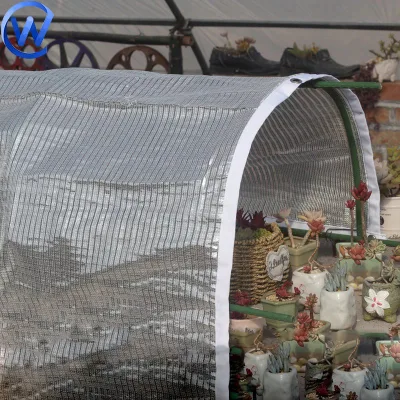
The Largest 100% HDPE Anti-UV Sun Shade Net Manufacturer Shade Cloth
$0.29 - $0.39
MOQ: 5000 Square Meters

Tws (Qingdao) International Co., Ltd.
- Trading Company,Manufacturer/Factory
- China Shandong
- Lead time45 days
- Avg. response≤ 13h
Main productsPVC Tarpaulin, PE Tarpaulin, Mesh Tarp, PP Ground Covers, PVC Roll, Lumber Tarp, Moving Blanket, Accessories, PVC Tree Watering Bag, Debris Netting
Main marketsSouth America,Eastern Europe,Mid East,North America,Southeast Asia,Eastern Asia,Oceania,Western Europe,Africa
Hebei Kuangze Import&export Trade Co., Ltd.
- Trading Company
- Hebei, China
- Lead time20 days
- Avg. response≤ 2h
Main productsFilter screen,Decorative wire mesh,Strainer,SS wire mesh,Conveyor belt
Main marketsOceania(35.00%), Africa(15.00%), Southeast Asia(15.00%), Eastern Asia(10.00%), Mid East(10.00%), Western Europe(10.00%), North America(5.00%)

Qingdao Topson Supply Chain Co., Ltd
- Verified by BV
- Trading Company
- China Shandong
- Lead time15 days
- Avg. response≤ 1h
Main productsContainer House, Building Materials, Hardware, Gardening, Packaging Materials, Household Products, Machinery Parts, Fastener, Auto Parts
Main marketsEurope,Australia,North America

- Verified by SGS
- Manufacturer/Factory
- China Anhui
- Lead time23 days
- Avg. response≤ 5h
Main productsShade Nets, Bird Nets, Ground Cover, Anti Hail Nets, Olive Nets, Insect Nets, Waterproof Shade Sail, Bee Nets, Safety Nets, Balcony Nets
Main marketsSouth America,Eastern Europe,Mid East,North America,Southeast Asia,Eastern Asia,Oceania,Western Europe,Africa

Anping Weicai Wire Mesh Products Co., Ltd.
- Verified by TUVRHEINLAND
- Combined
- China Hebei
- Lead time15 days
- Avg. response≤ 4h
Main productsWire Mesh, Mesh Fence, Shade Net, Stainless Steel Calbe Nets, SOD Staples, Florist Wire, Sports Netting, Safety Nets, Golf Netting, Mesh Belt
Main marketsAfrica,Southeast Asia/ Mideast,East Asia(Japan/ South Korea),Europe,Australia,North America


UV Resistant Breathable HDPE Sun Shade Net for Garden Plant Cooling
$0.32 - $0.40
MOQ: 1000 Square Meters

Shandong Binzhou Longfeng Chemical Fabric Products Ltd Company
- Verified by TüVRheinland
- Manufacturer, Trading Company
- Lead time0 days
- Avg. response≤ 3h
Main productsSafety Net, Scaffolding Safety Net, Shade Net, Sport Net, Agro Net
Main marketsDomestic Market(60%), North America(10%), Southeast Asia(5%)
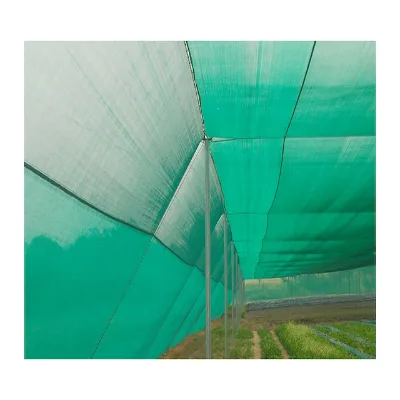
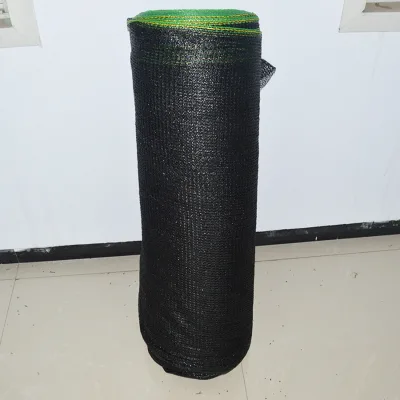
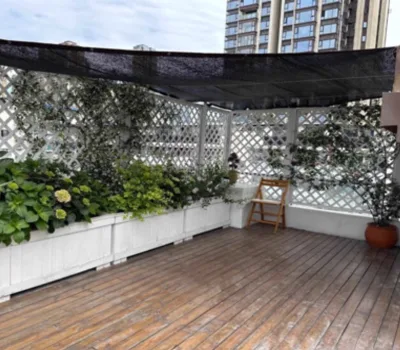
$0.3086 - $0.8239
MOQ: 300 kilometers
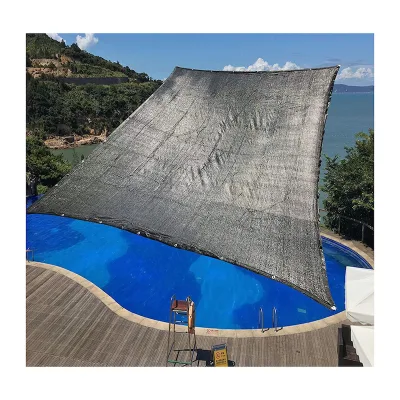
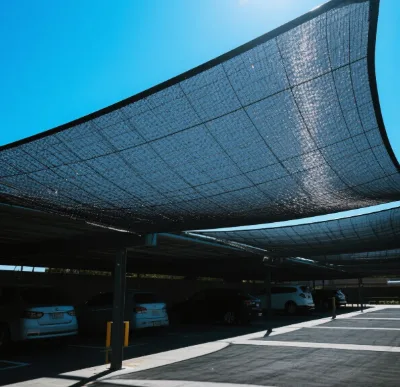
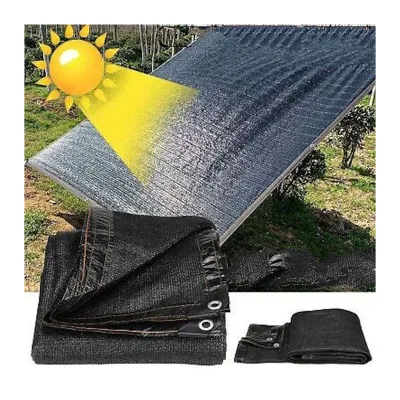
Shade Cloth Sun Shade Net Sun Protection Net Block Intense Light and Reduce Temperature
$1.0336
MOQ: 100 Minimum
Shandong Binzhou Hengda Chemical Fiber Rope Co., Ltd.
- Verified by Intertek
- Manufacturer, Trading Company
- Lead time7 days
- Avg. response≤ 1h
Main productsShade Net, Weed Mat, Hail Net, Agricultural Net, Breeding Net
Main marketsOceania(30%), Southeast Asia(20%), Mid East(20%)

Henan Fengcheng Plastic Co., Ltd.
- Verified by CTI
- Trading Company
- China Henan
- Lead time15 days
- Avg. response≤ 2h
Main productsGreenhouse Plastic Film, Agricultural Tarpaulin, Mulch Film, Woven Weed Mat, Shade Net, Anti Insect Net, Orchard Cherry Rain Cover, Pond Liner, Leno Film, Woven Greenhouse Film
Main marketsEast Asia(Japan/ South Korea)
- Manufacturer, Trading Company
- Anhui, China
- Lead time0 days
- Avg. response≤ 7h
Main productsAgriculture Plastic Net, Construction Plastic Net
Main marketsEastern Europe(15.00%), North America(13.00%), Southern Europe(13.00%), Western Europe(12.00%), South America(10.00%), Northern Europe(10.00%), Eastern Asia(6.00%), Oceania(5.00%), South Asia(4.00%), Mid East(4.00%), Africa(3.00%), Central America(2.00%), Southeast Asia(2.00%), Domestic Market(1.00%)
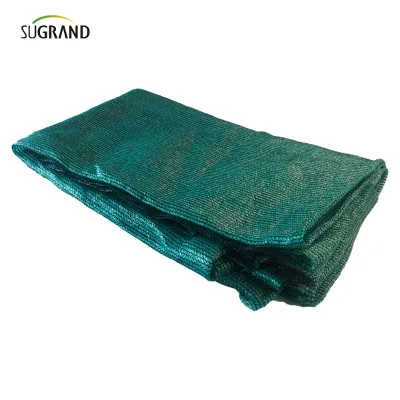
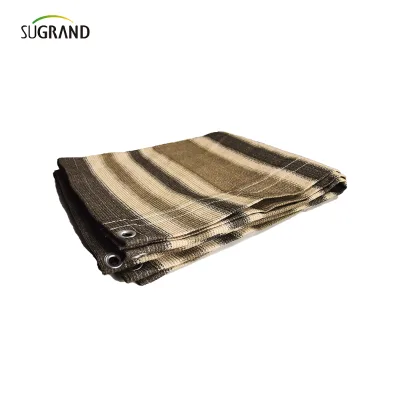
Green Anti Uv Hdpe Windbreak Shade Netting Reliable Quality Over Driveway
$0.45 - $0.65
MOQ: 2000 square

Shijiazhuang Daman Trade Co., Ltd.
- Trading Company
- Hebei, China
- Lead time25 days
- Avg. response≤ 5h
Main productssun shade sail,plastic wire mesh,hammock loft net,Safety Net,Sports Net
Main marketsNorth America(20.00%), Western Europe(15.00%), Mid East(10.00%), Oceania(10.00%), Southeast Asia(10.00%), Southern Europe(10.00%), South Asia(5.00%), Eastern Europe(5.00%), Central America(5.00%), South America(5.00%), Eastern Asia(5.00%)
Henan Feiju Import And Export Trade Co., Ltd.
- Verified by TüVRheinland
- Manufacturer, Trading Company
- Lead time12 days
- Avg. response≤ 4h
Main productsShade Net, Hail Nets, Protective Nets, Agricultural Nets, Fishing Nets
Main marketsAfrica(20%), Mid East(20%), Western Europe(20%)
Binzhou billows Nets Co., Ltd.
- Verified by SGS Group
- Trading Company
- Lead time15 days
Main productsOlive Net, Hail Prevention Net, Sunshade Net, Scaffolding Net, Drone Interception Net
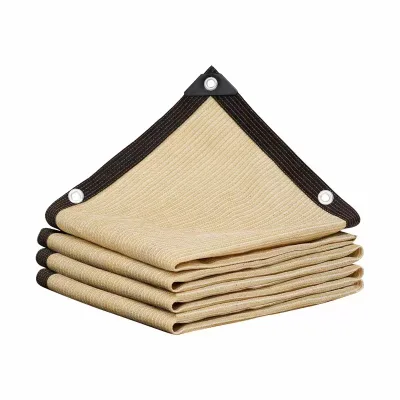
Garden Net Sun Shading Nets HDPE PE UV Streated for Shade Net Beige Green Black
$0.18 - $0.25
MOQ: 1 square
- Trading Company
- Hebei, China
- Lead time25 days
- Avg. response≤ 2h
Main productsSun Shade Net,Blue Nylon Net,BOP Chicken Net,Weed Control Mat,Welded Wire Mesh
Main marketsSoutheast Asia(27.00%), Mid East(20.00%), Africa(10.00%), South Asia(10.00%), South America(10.00%), Southern Europe(5.00%), North America(5.00%), Domestic Market(5.00%), Eastern Europe(5.00%), Northern Europe(2.00%), Western Europe(1.00%)

Haiyang Huike Packing Co., Ltd.
- Verified by SGS
- Combined
- China Shandong
- Lead time23 days
- Avg. response≤ 4h
Main productsGrow Bag
Main marketsAfrica,North America

- Verified by SGS
- Trading Company,Manufacturer/Factory
- China Shandong
- Lead time38 days
- Avg. response≤ 19h
Main productsSafety Net, Cargo Net, PP Net, Hay Net, Trailer Net, PE Net, Ropes, Shading Net, Belt, Netting
Main marketsSouth America,Eastern Europe,Mid East,North America,Southeast Asia,Eastern Asia,Western Europe
JIANGSU GREEN FULL GARDEN PRODUCTS CO., LTD.
- Manufacturer, Trading Company
- Jiangsu, China
- Lead time20 days
- Avg. response≤ 3h
Main productsTrellis netting,Shade Net,Bird Netting,Barrier netting,Privacy netting
Main marketsWestern Europe(15.00%), Africa(15.00%), North America(15.00%), Oceania(12.00%), Domestic Market(10.00%), South America(10.00%), Southeast Asia(5.00%), Southern Europe(5.00%), Northern Europe(5.00%), Eastern Asia(2.00%), Mid East(2.00%), Central America(2.00%), Eastern Europe(1.00%), South Asia(1.00%)
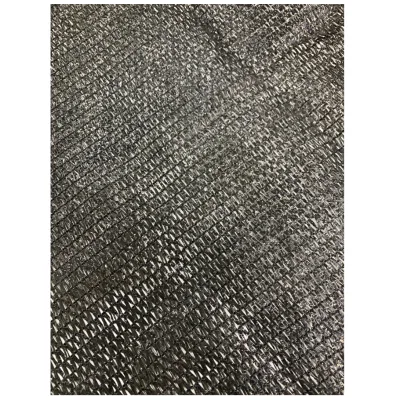
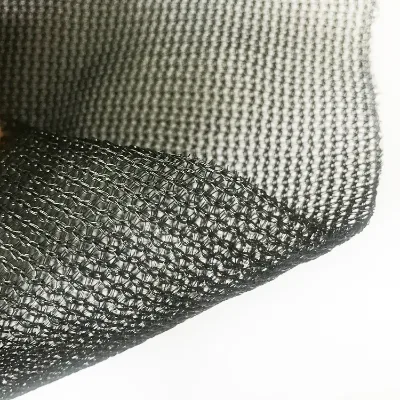
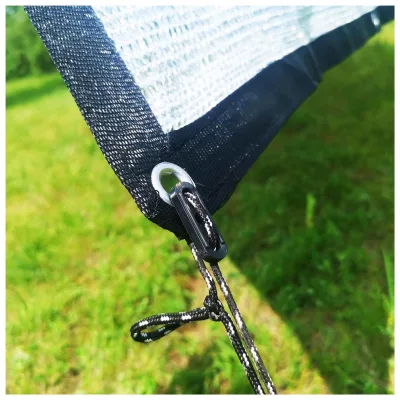
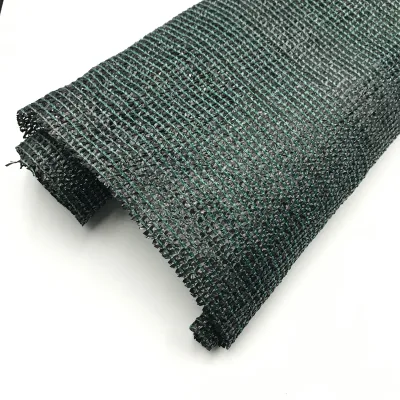
South American durable 100% virgin hdpe + uv treated sun shade net made in China
$0.31
MOQ: 20000 square

Shandong Binzhou Longfeng Chemical Fiber Products Co., Ltd.
- Verified by SGS
- Combined
- China Shandong
- Lead time15 days
- Avg. response≤ 3h
Main productsShade Net, Safety Belt, Horse Feeding Net
Main marketsSoutheast Asia/ Mideast,Europe
- Verified by SGS Group
- Manufacturer, Trading Company
- Lead time30 days
- Avg. response≤ 5h
Main productsAgriculture Plastic Net, Construction Plastic Net
Main marketsEastern Europe(15%), North America(13%), Southern Europe(13%)

Shandong Sunrise Plastics Co., Ltd.
- Verified by TUVRHEINLAND
- Trading Company,Manufacturer/Factory,Group Corporation
- China Shandong
- Lead time45 days
- Avg. response≤ 5h
Main productsTwisted PP Rope, PE Rope, PP Multifilament Rope, Nylon Rope, Marine Rope, Hanging Rope, PE Fishing Twine, Nylon Twine, Fishing Nets, Safety Nets
Main marketsSouth America,Eastern Europe,Mid East,North America,Southeast Asia,Western Europe,Africa
Huimin County Zhenyan Chemical Fiber Rope Net Co., Ltd.
- Manufacturer, Trading Company
- Shandong, China
- Lead time15 days
- Avg. response≤ 3h
Main productsshade net,safety net,Hemp rope net,Sports Net,Agricultural Net
Main marketsNorth America(30.00%), Western Europe(25.00%), Eastern Europe(15.00%), South America(10.00%), Southeast Asia(10.00%), Eastern Asia(7.00%), South Asia(3.00%)

Jiangsu Leader Greenhouse Equipment Co., Ltd.
- Trading Company
- China Jiangsu
- Lead time38 days
- Avg. response≤ 5h
Main productsGreenhouse, Wiggle Wire, Lock Profile, Zigzag Wire, Lock Channel, Shading Net, Insect Net, Roll up Motor, Greenhouse Film, Film Clip
Main marketsSouth America,Africa,Southeast Asia/ Mideast,East Asia(Japan/ South Korea),Europe,Australia,North America
Henan Fengcheng Plastic Co., Ltd.
- Verified by Intertek
- Trading Company
- Lead time10 days
- Avg. response≤ 2h
Main productsOrchard Rain Cover , Greenhouse Film, Anti Insect Net , PE Tarpaulin, Shade Net
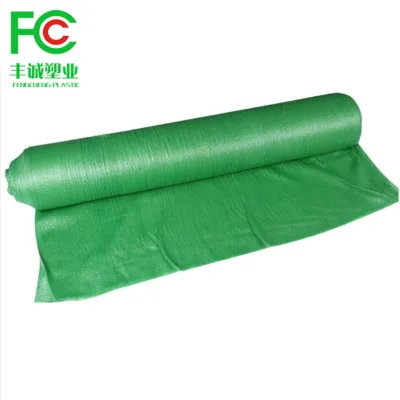
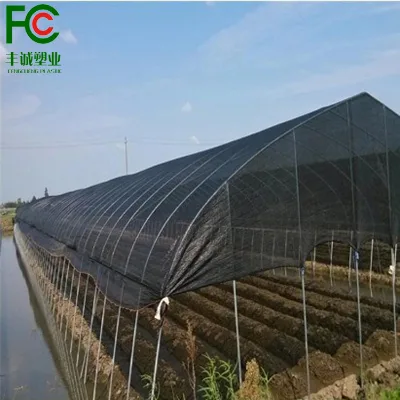
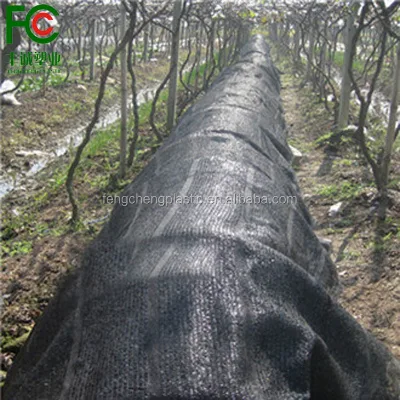
40% Backyard Shade Houses Sun Shade Net Roll Sunshade Net Plant Mesh Shade Cloth
$0.10 - $0.20
MOQ: 1000

Shandong Hanchuang Chemical Fiber Products Co., Ltd
- Verified by TUVRHEINLAND
- Combined
- China Shandong
- Lead time15 days
- Avg. response≤ 3h
Main productsShade Net, Safety Net, Shade Sail, Olive Net, Anti Hail Nei, Agricultural Net, Debris Net, Fence Net
Main marketsNorth America






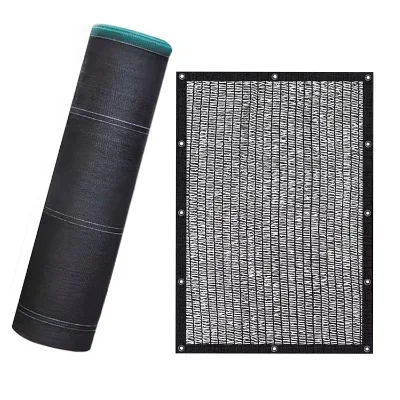
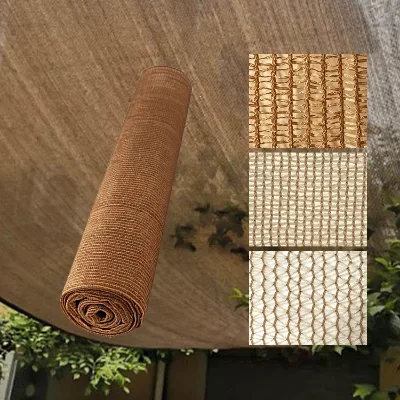
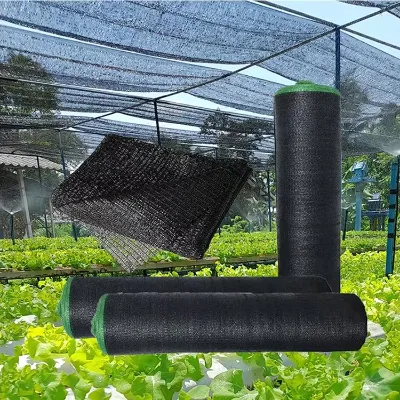
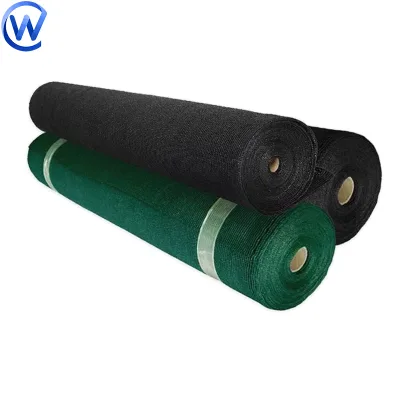






Comprehensive Sourcing Guide
Anti-Uv Hdpe Sun Shade Net Supplier Concentration and Factory Types
The current supplier landscape for anti-UV HDPE sun shade nets reveals a distinct concentration of manufacturing capabilities within specific industrial regions in China. Data indicates that a significant portion of verified suppliers are located in Shandong province, with specific mentions of Binzhou and Jinan as key operational hubs. This geographic clustering suggests a mature supply chain ecosystem where raw material sourcing, production infrastructure, and logistics networks are optimized for high-volume output. Buyers evaluating these suppliers should recognize that this regional density often correlates with established expertise in polyethylene processing and netting fabrication. The presence of combined company types, which may include both manufacturing and trading entities, adds a layer of complexity to the sourcing process. It is crucial for buyers to distinguish between pure factories and trading companies when assessing the origin of goods, as this distinction impacts pricing structures and communication efficiency. The concentration in Shandong does not necessarily imply that all suppliers operate from the same facility, but rather that they benefit from shared industrial resources and skilled labor pools. Understanding this geographic context helps buyers anticipate potential logistical advantages or constraints when arranging shipments from these specific locations.
Supplier types in this category vary significantly, ranging from pure manufacturers to combined entities offering OEM and ODM services. Many suppliers highlight their capacity for customization, indicating that they can adapt standard HDPE netting products to meet specific client requirements regarding color, width, and weight. The availability of OEM services suggests that buyers can brand products under their own names, which is valuable for those looking to establish a distinct market presence. Additionally, some suppliers emphasize their own brand capabilities, which may indicate a focus on quality control and consistent product standards. The verification status of these suppliers, such as BV or SGS certifications, provides an additional layer of assurance regarding their operational legitimacy. Buyers should note that while many suppliers claim combined capabilities, the actual extent of their manufacturing versus trading activities may vary. This variation can affect lead times, minimum order quantities, and the flexibility of production schedules. Therefore, understanding the specific type of supplier is essential for aligning expectations with reality. The presence of experienced suppliers with over sixteen years in the industry further reinforces the maturity of this sector, suggesting that buyers have access to a wide range of expertise and historical knowledge in HDPE net production.
How to Verify Anti-Uv Hdpe Sun Shade Net Suppliers
Verifying the legitimacy and capability of anti-UV HDPE sun shade net suppliers requires a multi-faceted approach that goes beyond simple profile reviews. Buyers should prioritize suppliers who hold recognized third-party verification badges, such as BV or SGS, as these indicate a level of external audit and compliance. These certifications often cover aspects of business legitimacy, production capacity, and quality management systems, providing a foundational layer of trust. However, verification badges alone are not sufficient; buyers must also examine the specific product evidence provided by suppliers. Detailed product attributes, such as material composition (HDPE or PE), UV treatment status, and weight specifications (GSM), serve as indicators of technical competence. Suppliers who provide granular details about their products, including customization options and standard packaging methods, are likely more transparent and reliable. Buyers should cross-reference these product details with the supplier’s claimed capabilities to ensure consistency. For instance, a supplier claiming OEM capabilities should demonstrate this through flexible product attributes like custom colors and widths. The presence of specific product models and standard references, such as ISO or SGS standards, further supports the supplier’s claim to quality and professionalism.
Response time and communication efficiency are critical metrics for assessing supplier reliability. The data shows varying response times, with some suppliers responding within hours, which is a positive indicator of operational efficiency. Buyers should test supplier responsiveness by sending detailed inquiries and evaluating the speed and quality of the replies. A quick and comprehensive response often correlates with a well-organized internal team and a customer-centric approach. Additionally, buyers should verify the supplier’s establishment year and experience level, as longer-standing companies may have more stable operations and proven track records. Some suppliers highlight over sixteen years of experience, which can be a significant advantage in terms of industry knowledge and problem-solving capabilities. Buyers should also look for evidence of past performance, such as detailed product descriptions and clear specifications, which indicate a mature business process. It is important to note that while some suppliers provide extensive product evidence, others may have limited information. In such cases, buyers should request additional documentation or samples to verify quality and capabilities. The combination of verification badges, detailed product evidence, and responsive communication provides a robust framework for assessing supplier reliability. Buyers should remain cautious of suppliers who lack transparency or provide vague information, as these may indicate potential risks in the sourcing process.
What to Compare Across Anti-Uv Hdpe Sun Shade Net Suppliers
When comparing suppliers, buyers must evaluate a range of commercial and operational parameters to identify the best fit for their specific needs. Lead time is a critical factor, with some suppliers offering delivery within ten days, which is advantageous for urgent orders. However, buyers should verify if this lead time is consistent across different order quantities and customization levels. Minimum order quantities (MOQ) also vary, with some suppliers requiring as few as one unit, while others may have higher thresholds. This flexibility is crucial for buyers who are testing the market or require small batches for specific projects. Price is another key comparison point, with some suppliers listing specific price points, such as $1.60 or $1700, which may reflect different product grades or packaging options. Buyers should ensure that they are comparing equivalent products when evaluating prices, as variations in weight, UV treatment, and material quality can significantly impact cost. The availability of customization options, including color, width, and length, should also be compared, as this affects the final product’s suitability for the buyer’s application. Suppliers who offer extensive customization capabilities may charge a premium, but this can be justified by the value of tailored solutions.
Response speed and after-sales service are equally important considerations in supplier comparison. Suppliers with faster response times, such as those responding within four hours, may provide better support throughout the procurement process. Buyers should also assess the quality of after-sales service, as this can impact long-term satisfaction and problem resolution. Some suppliers highlight their experience and advantage in providing high-quality products and good after-sales service, which is a positive indicator. The range of main products offered by suppliers can also be a differentiating factor, with some specializing in shade nets while others offer a broader range of safety and agricultural nets. Buyers should consider whether a supplier’s broader product range indicates versatility or a lack of specialization. Additionally, the supplier’s location and logistics capabilities should be compared, as this affects shipping costs and delivery times. Suppliers located in industrial hubs like Shandong may have logistical advantages, but buyers should verify this with specific shipping quotes. The combination of lead time, MOQ, price, customization, response speed, and logistics provides a comprehensive framework for comparing suppliers. Buyers should create a detailed comparison matrix to objectively evaluate each supplier against their specific requirements.
Common Anti-Uv Hdpe Sun Shade Net Sourcing Risks
Sourcing anti-UV HDPE sun shade nets involves several potential risks that buyers must actively manage to ensure a successful procurement outcome. One significant risk is the variability in product quality, particularly regarding UV resistance and material purity. Some suppliers may use recycled materials instead of virgin HDPE, which can compromise the net’s durability and lifespan. Buyers should verify the material composition by requesting detailed product specifications and, if possible, third-party test reports. The claim of "100% Virgin HDPE" should be substantiated with evidence, as this is a critical factor in product performance. Another risk is the inconsistency in lead times, which can disrupt supply chains and project schedules. While some suppliers advertise fast delivery times, actual performance may vary based on order volume and production capacity. Buyers should establish clear communication regarding lead times and include penalties for delays in their contracts. Additionally, the risk of miscommunication regarding customization requirements can lead to receiving products that do not meet specifications. Buyers should provide detailed technical drawings and specifications to avoid misunderstandings. The lack of standardized packaging can also pose a risk, as improper packaging may lead to product damage during transit. Buyers should specify packaging requirements to ensure safe delivery.
Financial risks are also prevalent in this sourcing category, particularly regarding pricing transparency and payment terms. Some suppliers may offer low initial prices but charge additional fees for customization, shipping, or other services. Buyers should request all-inclusive quotes to avoid unexpected costs. The risk of fraud is another concern, especially when dealing with new or unverified suppliers. Buyers should use secure payment methods and consider using escrow services to protect their funds. The lack of clear warranty or return policies can also be a risk, as buyers may have limited recourse if products are defective. Buyers should negotiate clear warranty terms and return policies before placing orders. Additionally, the risk of intellectual property infringement exists if buyers are using custom designs or branding. Buyers should ensure that their intellectual property is protected through appropriate legal agreements. The variability in supplier verification status can also pose a risk, as unverified suppliers may not adhere to the same standards as verified ones. Buyers should prioritize verified suppliers to mitigate this risk. By identifying and addressing these common risks, buyers can enhance the security and reliability of their sourcing operations. Proactive risk management is essential for maintaining supply chain integrity and ensuring product quality.
Anti-Uv Hdpe Sun Shade Net Regional Sourcing and Logistics
Regional sourcing plays a pivotal role in determining the efficiency and cost-effectiveness of anti-UV HDPE sun shade net procurement. The concentration of suppliers in Shandong province, particularly in Binzhou and Jinan, offers buyers access to a robust industrial cluster. This geographic advantage can lead to lower production costs due to economies of scale and efficient supply chain integration. Buyers sourcing from this region may benefit from faster logistics turnaround times, as the area is well-connected to major ports and transportation networks. However, buyers should also consider the logistical implications of sourcing from specific locations, such as potential customs delays or regional shipping constraints. The proximity of suppliers to raw material sources can also impact pricing and availability, as HDPE resin prices fluctuate based on global market conditions. Buyers should monitor these market trends to anticipate price changes and plan their orders accordingly. Additionally, the regional expertise in HDPE processing can lead to higher product quality and innovation, as suppliers in this cluster may have access to advanced manufacturing technologies. Buyers should leverage this regional advantage by engaging with suppliers who demonstrate technical proficiency and quality control measures.
Logistics planning is critical for ensuring timely delivery and minimizing costs. Buyers should work closely with suppliers to determine the most efficient shipping methods, whether by sea, air, or land. The size and weight of sun shade nets can impact shipping costs, as they are often bulky but lightweight. Buyers should optimize packaging to reduce volumetric weight and lower shipping expenses. The use of standardized packaging, such as plastic bags or cartons, can facilitate handling and reduce the risk of damage. Buyers should also consider the impact of seasonal demand on logistics, as peak seasons may lead to capacity constraints and higher shipping rates. Planning orders well in advance can help mitigate these risks. Additionally, buyers should verify the supplier’s experience in international shipping, as this can affect documentation accuracy and customs clearance. Suppliers with extensive export experience may provide better support in navigating regulatory requirements. The location of the supplier also influences the choice of port, which can impact transit times and costs. Buyers should compare shipping quotes from multiple logistics providers to find the best option. By carefully planning regional sourcing and logistics, buyers can optimize their supply chain and ensure reliable delivery of anti-UV HDPE sun shade nets.
Anti-Uv Hdpe Sun Shade Net Commercial Terms and Order Planning
Commercial terms and order planning are essential components of a successful sourcing strategy for anti-UV HDPE sun shade nets. Buyers
FAQs
What is the typical lead time for UV HDPE sun shade nets?
Manufacturers in China Shandong generally require 30 days for production. Some suppliers offer faster delivery within 10 days depending on order quantity. Buyers should confirm specific timelines with the supplier before placing orders to ensure timely project completion.
What is the minimum order quantity for these nets?
Minimum order quantities vary significantly by supplier. Some accept orders as low as one unit, while others require a minimum of three or two rolls. Larger agricultural suppliers may set minimums at 6000 units. Always verify the specific MOQ with the chosen vendor.
Are these nets certified for quality and safety?
Many suppliers hold ISO and SGS certifications for their products. Some also display BV verification for company reliability. These certifications ensure the nets meet international standards for durability and material quality. Buyers should request valid certificates to verify compliance with their specific project requirements.
What materials are used in UV treated HDPE nets?
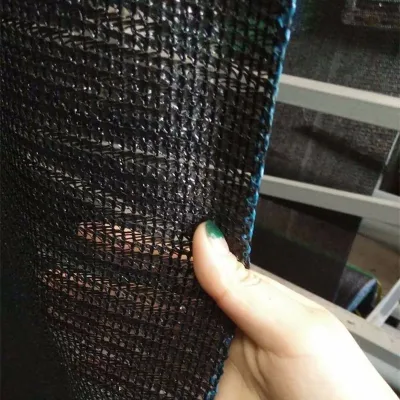
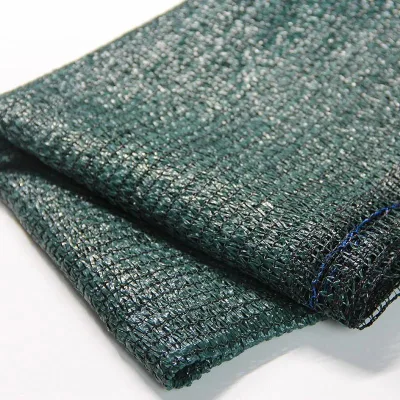
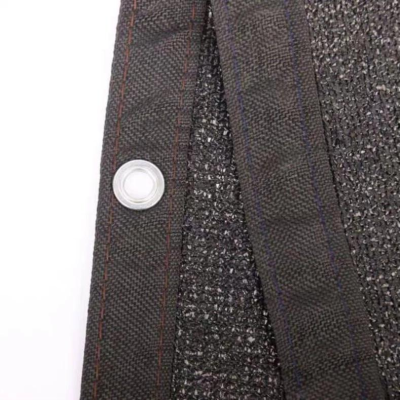
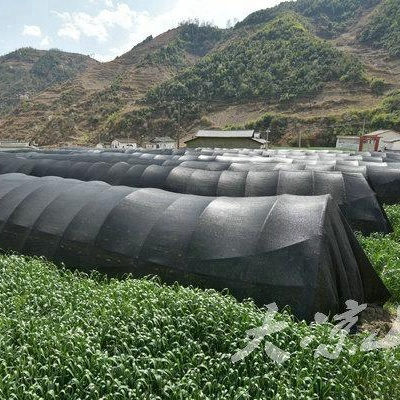
These nets are primarily made from 100% virgin HDPE or polyethylene. The material is treated with UV stabilizers to prevent degradation from sunlight. This ensures a lifespan of two to ten years depending on the specific grade. The nets are waterproof and resistant to aging.
Can I customize the color and size of the shade net?
Customization is widely available for both color and dimensions. Buyers can request any color, such as black or green, and specific widths ranging from one to eight meters. Lengths can also be customized to meet project needs. Confirm customization options and any associated costs with the supplier.
What is the price range for these sun shade nets?
Prices vary based on weight, GSM, and order volume. Some listings show prices around 1700 to 2100 per unit, while others list prices near 1.60 per square meter. The final cost depends on the specific GSM weight and total quantity ordered. Request a detailed quote for accurate pricing.